Introduction to Mormugao Fort
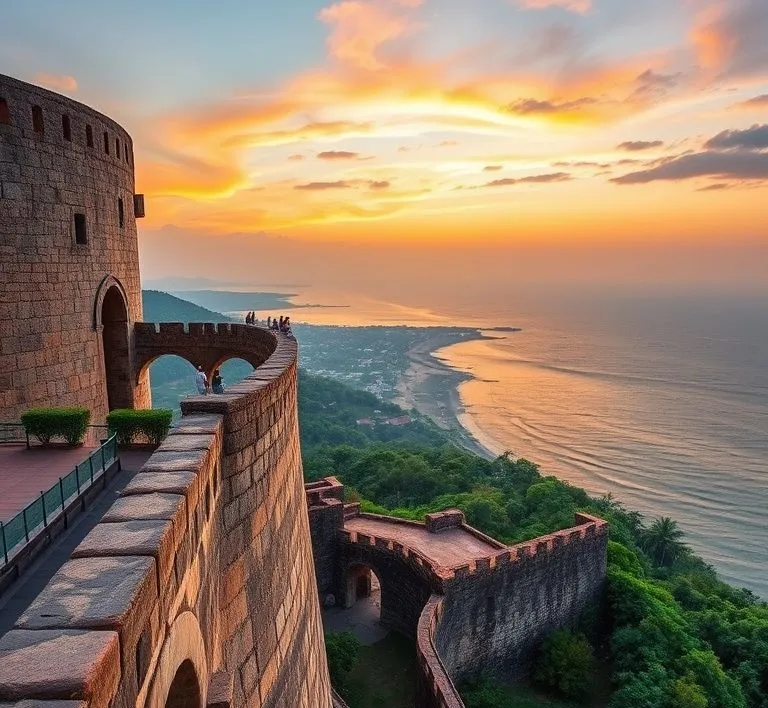
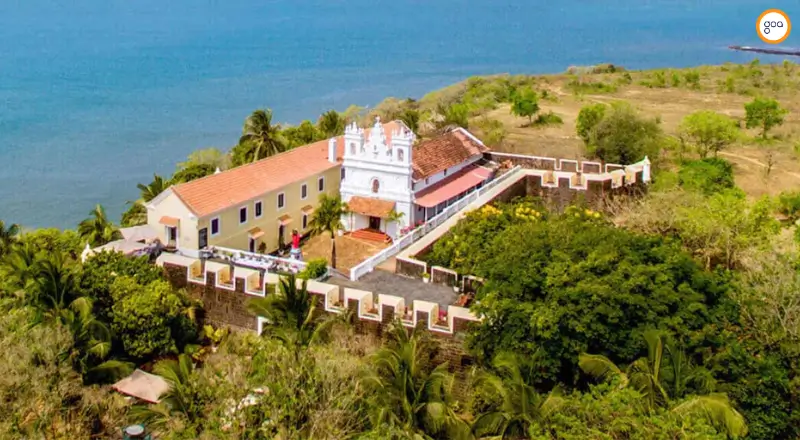
Perched majestically on the southern tip of the mouth of the Zuari River, the Mormugao Fort stands as a silent sentinel to Goa’s storied maritime past. Located in the bustling port town of Vasco da Gama, this historical fortification offers a unique blend of rugged coastal beauty and deep colonial heritage. Unlike the more tourist-heavy forts of North Goa like Aguada or Chapora, Mormugao Fort provides a more contemplative experience, where the echoes of Portuguese cannons seem to mingle with the mechanical hum of the modern Mormugao Port Trust (MPT) below. As you stand on its weathered ramparts, you are treated to an expansive vista of the Arabian Sea, where the turquoise waters meet the industrial prowess of one of India’s oldest and most vital natural harbors.
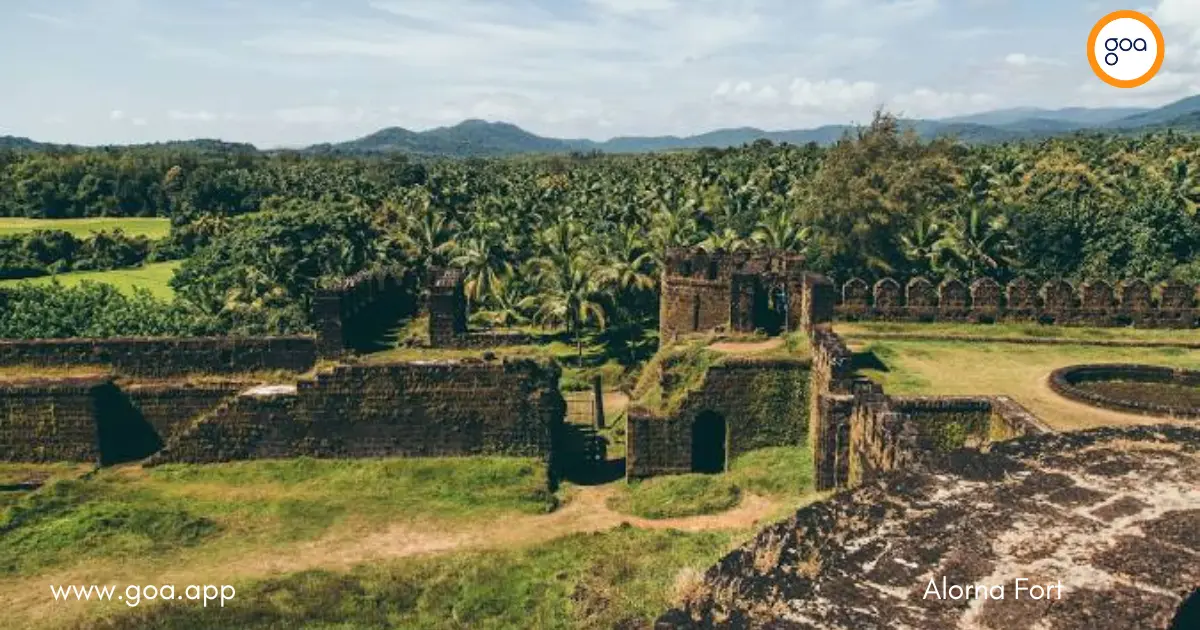
Travelers seeking an offbeat historical site will find Mormugao Fort to be a hidden gem. It is a place where nature has slowly begun to reclaim the stone structures, with thick vines and wild shrubs softening the edges of the 17th-century basalt masonry. The fort’s location is strategically peerless, overlooking the vast expanse of the Mormugao Bay. For those visiting South Goa, a trip to this fort is not just a lesson in history but a journey into the soul of the Mormugao Taluka. Whether you are a history buff, a photography enthusiast, or a traveler looking to escape the crowded beaches of Calangute, the Mormugao Fort offers a serene atmosphere enriched by the salty breeze and the panoramic views of the Goan coastline.
In this comprehensive guide, we will delve into every facet of this magnificent structure. From its inception during the height of the Portuguese Empire to its role in modern-day Goa, we explore why this fort remains a critical landmark. We will navigate through its architectural nuances, its strategic significance in defending the Estado da Índia, and provide practical advice for modern travelers looking to explore its ruins. Mormugao Fort is more than just a pile of stones; it is a testament to the resilience of Goan history and the shifting tides of global trade and power.
History of Mormugao Fort
The history of Mormugao Fort is inextricably linked to the zenith of Portuguese naval power in the Indian Ocean. Construction of the fort began in 1624, under the orders of the then Viceroy of Portuguese India, Dom Francisco da Gama, who was the great-grandson of the legendary explorer Vasco da Gama. At the time, the Portuguese were facing increasing threats from rival European powers, specifically the Dutch and the British, as well as the rising domestic power of the Maratha Empire. The existing defenses at Old Goa and the mouth of the Mandovi River were deemed insufficient to protect the southern approaches to the colonial capital.
The 17th century was a period of intense fortification for the Portuguese. Mormugao was chosen because of its exceptional natural harbor, which was deep enough to accommodate the largest galleons of the era. By 1703, the fort had grown significantly in importance. In fact, there was a brief but ambitious period in history where the Portuguese authorities considered moving the capital of the Goan colony from Old Goa (Velha Goa) to Mormugao. This was primarily due to the recurring epidemics of plague and cholera that devastated the population of Old Goa. The Viceroy even moved his official residence to Mormugao for a short duration, and several administrative buildings were commissioned within the fort's expansive walls.
However, the plan to relocate the capital eventually faltered. The logistics of moving the entire administrative machinery, combined with the lack of fresh water sources in the immediate vicinity of the fort at the time, led to the abandonment of the idea. Despite this, the fort remained a critical defensive outpost. It played a pivotal role during the Maratha-Portuguese War of 1737-1739. The Marathas, under the leadership of Peshwa Baji Rao’s brother, Chimaji Appa, launched a massive offensive against Portuguese territories. While many northern forts fell to the Marathas, Mormugao held firm, serving as a vital refuge and a launchpad for naval counter-offensives.
As the centuries progressed and the threat of naval invasions diminished, the fort’s military significance waned. By the 19th and 20th centuries, the focus shifted from defense to commerce. The development of the West of India Portuguese Guaranteed Railway and the expansion of the Mormugao Port transformed the area into an industrial hub. Today, while much of the original 10-kilometer circumference of the fort lies in ruins or has been integrated into the port infrastructure, the remaining sections serve as a poignant reminder of the era when Goa was the crown jewel of the Portuguese maritime empire.
Architecture
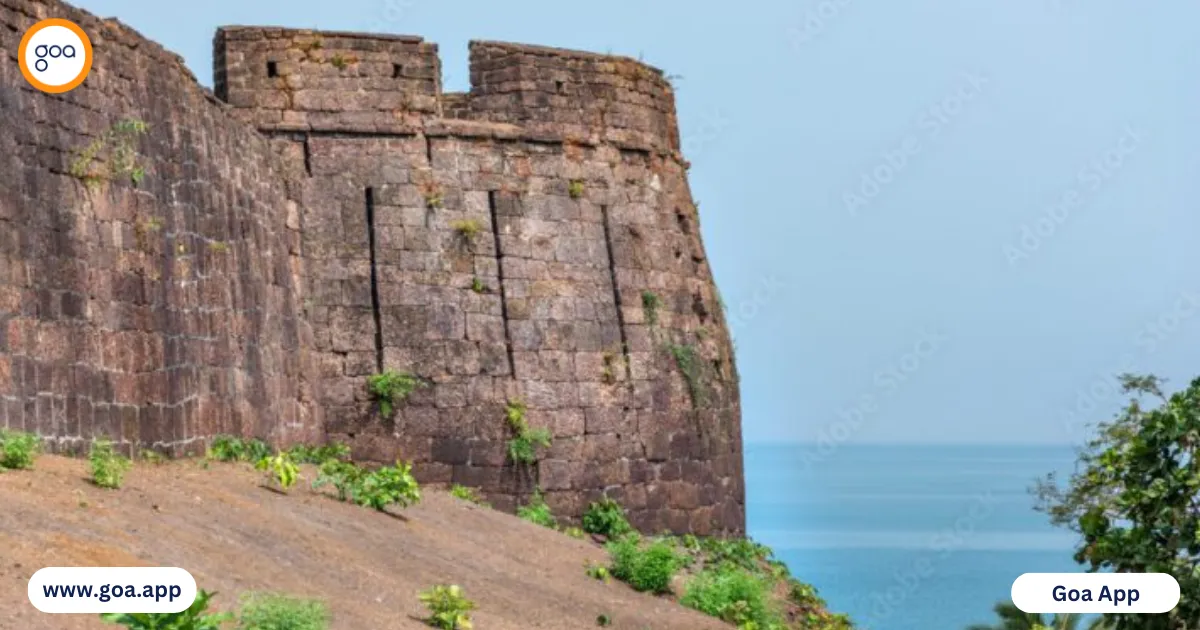
The architecture of Mormugao Fort is a classic example of 17th-century Portuguese military engineering. Built primarily using local laterite stone and reinforced with heavy basalt, the fort was designed to withstand both heavy naval bombardment and prolonged sieges. In its heyday, the fort was an expansive complex, stretching nearly 10 kilometers in circumference. It featured several formidable bulwarks, three magazines for storing gunpowder, a sprawling courtyard for troop maneuvers, and residential quarters for the garrison and high-ranking officials.
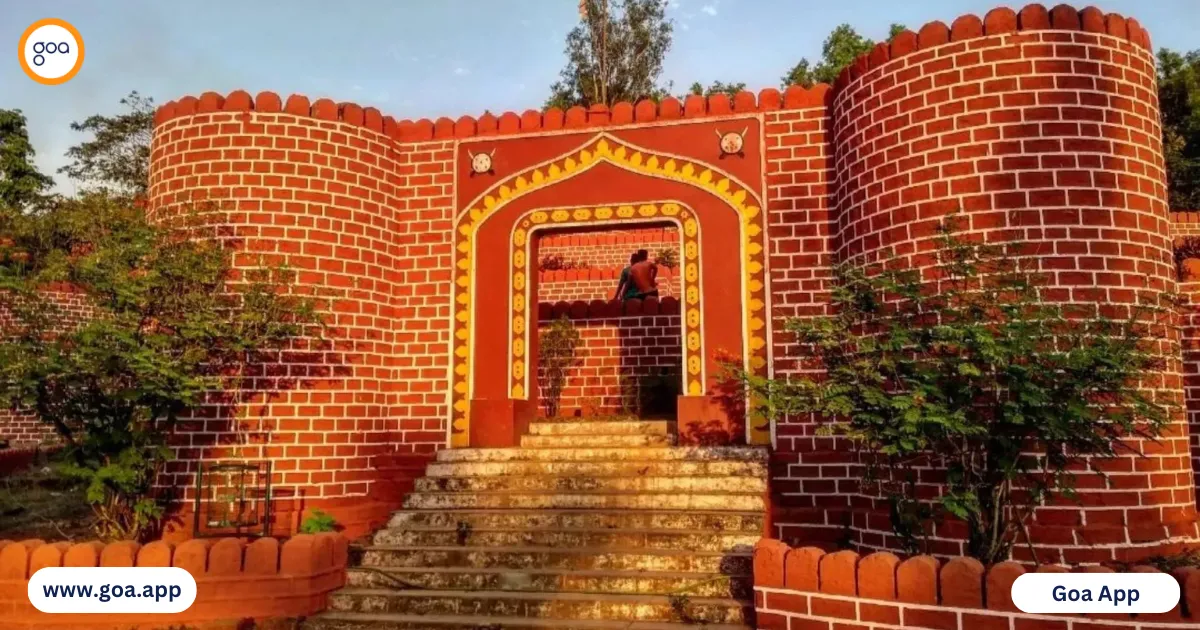
One of the most striking architectural features still visible today is the main gateway. Above the entrance, one can find a weathered stone inscription that commemorates the fort's founding and its royal patrons. The walls are remarkably thick, designed with a slight batter (inward slope) to deflect cannonballs. Along the ramparts, you can still find the circular watchtowers, known as bartizans or guaritas, which allowed guards to monitor the Zuari River and the Arabian Sea simultaneously without being exposed to enemy fire.
Within the fort complex, the ruins of the Chapel of St. Lawrence (São Lourenço) stand as a testament to the religious fervor that accompanied Portuguese expansion. St. Lawrence is the patron saint of sailors, making the chapel's location overlooking the harbor deeply symbolic. The chapel features the typical Manueline-influenced Baroque style common in Goan ecclesiastical architecture, though much of its original grandeur has faded into a rustic, atmospheric ruin. The interplay of light and shadow through the arched windows of the chapel remains a highlight for visitors interested in colonial aesthetics.
The fort also contained a series of underground cisterns and storage rooms. These were essential for the survival of the garrison during the monsoon months or during a naval blockade. The layout of the bastions was strategically planned to provide interlocking fields of fire, ensuring that no ship could enter the Zuari mouth without coming under the range of the fort’s heavy artillery. Today, the architectural integrity is partially compromised by the growth of vegetation, but this "overgrown" look adds a romantic, Indiana Jones-esque quality to the site, making it a favorite for those who appreciate the beauty of ruins.
Why Mormugao Fort is Famous
Mormugao Fort is famous for several reasons, ranging from its historical weight to its breathtaking geographical positioning. Primarily, it is recognized as one of the most important maritime defense structures in the history of Western India. It represents the strategic foresight of the Portuguese in securing the natural harbor of Mormugao, which remains one of India's premier ports to this day. Unlike other forts that were built primarily for land defense, Mormugao was a "naval fort," designed to project power across the sea lanes.
Secondly, the fort is famous for its spectacular sunset views. Because it is situated on a promontory jutting out into the sea, it offers an unobstructed 270-degree view of the horizon. Watching the sun dip below the Arabian Sea, painting the sky in hues of orange, purple, and crimson, is an experience that draws locals and tourists alike. It is often cited as one of the best spots in South Goa for a peaceful evening, away from the loud music and commercial chaos of the beach shacks.
Another reason for its fame is its proximity to the Mormugao Port. The contrast between the ancient, crumbling walls of the fort and the massive modern cargo ships, oil tankers, and cruise liners docking below is stark and fascinating. It provides a visual timeline of Goa’s evolution from a colonial outpost to a modern industrial powerhouse. Furthermore, the fort is a significant site for bird watching. The surrounding cliffs and the relatively undisturbed greenery within the ruins attract various coastal and predatory birds, making it a popular spot for naturalists.
Finally, the fort holds a place in the cultural memory of Goa as the "almost capital." The fact that it was nearly chosen to replace Old Goa adds a layer of "what if" history to the site. This historical trivia makes it a point of interest for students and researchers of Indo-Portuguese history. Its fame is not of the loud, commercial variety but of a quiet, enduring significance that resonates with anyone who walks its ancient paths.
Strategic Importance
The strategic importance of Mormugao Fort cannot be overstated. In the 17th century, control over the Zuari River meant control over the trade routes leading into the heart of Goa. The Zuari and the Mandovi rivers are the two main arteries of the state, and the Portuguese realized that if an enemy force captured the Mormugao peninsula, they could effectively blockade the entire colony. The fort served as the southern anchor of the "Golden Triangle" of Goan defense, with Aguada Fort to the north and Reis Magos Fort in the center.
The Mormugao harbor is a natural deep-water port, protected from the fierce currents of the Arabian Sea by the headland. This made it the ideal wintering spot for the Portuguese Carreiras da Índia (India Run ships). During the monsoon season, when the bars of the Mandovi River were often silted and dangerous to cross, Mormugao provided a safe haven for the fleet. The fort ensured that this harbor remained exclusively in Portuguese hands, preventing the Dutch East India Company from establishing a foothold on the Konkan coast.
Furthermore, the fort acted as a deterrent against the Maratha Navy, led by figures like Kanhoji Angre. The Marathas were masters of coastal warfare, using small, fast ships to harass European galleons. The heavy cannons of Mormugao Fort, positioned high on the cliffs, provided a significant vertical advantage, allowing the Portuguese to sink encroaching vessels long before they could land troops. Even today, the strategic value of the location is evident as the Indian Navy and the Coast Guard maintain a significant presence in the vicinity, continuing the tradition of maritime surveillance from this very headland.
Best Time to Visit
To fully appreciate the beauty and historical ambiance of Mormugao Fort, timing is essential. The best time to visit is from November to February. During these winter months, the weather in Goa is pleasant, with daytime temperatures ranging between 20°C and 30°C. The humidity is significantly lower, making the uphill walk and the exploration of the ruins much more comfortable. The clear skies during this period also guarantee the best sunset views and sharpest photographs of the harbor.
The monsoon season (June to September) offers a different kind of charm. The fort ruins become incredibly lush and green, with moss covering the ancient stones and wild flowers blooming in the crevices. However, the trek can be slippery, and the heavy Goan rains might restrict your exploration. If you enjoy the raw, dramatic beauty of the sea hitting the cliffs under a stormy sky, the monsoons can be a great time to visit, provided you carry sturdy rain gear and waterproof footwear.
The summer months (March to May) can be quite harsh. The sun beats down directly on the exposed ramparts, and the heat reflected off the laterite stones can be intense. If you are visiting during the summer, it is highly recommended to reach the fort either very early in the morning (around 8:00 AM) or late in the evening (after 4:30 PM). Visiting during the "Golden Hour" just before sunset is universally considered the best time of day regardless of the season, as the lighting is perfect for photography and the sea breeze provides a natural cooling effect.
Timings & Entry Fee
Visiting Mormugao Fort is a relatively straightforward affair, but there are a few logistical details to keep in mind. As of the current regulations, the fort is generally open to the public during daylight hours. The standard timings are from 9:00 AM to 5:30 PM, every day of the week. It is advisable to finish your exploration before sunset, as there is no artificial lighting within the ruins, and the terrain can be uneven and hazardous in the dark.
Regarding the entry fee, Mormugao Fort is currently free to enter for both domestic and international tourists. Unlike some of the more restored forts like Aguada, which have a ticketed entry and a formal museum, Mormugao remains a raw historical site managed by the state authorities and the Port Trust. This makes it an excellent budget-friendly destination for travelers.
- Opening Hours: 9:00 AM – 5:30 PM (All days)
- Entry Fee: Free
- Parking: Limited parking is available near the entrance of the fort or along the road leading to the Japanese Garden.
- Photography: Free (Professional shoots may require prior permission from the local authorities).
Note: Since the fort is located near a sensitive high-security zone (the Mormugao Port), visitors are strictly advised to carry a valid ID proof. Occasionally, access to certain sections of the ramparts might be restricted due to port operations or security drills. Always respect the signage and the instructions of any security personnel on site.
Things To Do at Mormugao Fort
While Mormugao Fort is largely in ruins, there are several engaging activities for visitors to enjoy. The experience here is more about immersion and observation than structured tours. Here are the top things to do:
- Explore the Ramparts: Walk along the surviving sections of the fort walls. The sheer scale of the masonry is impressive, and the walk offers varying perspectives of the Zuari River and the vast Arabian Sea.
- Visit the Chapel of St. Lawrence: Even in its ruined state, the chapel is a place of great serenity. It is a fantastic spot for those interested in colonial architecture and religious history. Look for the small details in the stone carvings that have survived the centuries.
- Ship Spotting: Because the fort overlooks the Mormugao Port, it is one of the best places in India to watch massive international vessels. You can see container ships, bulk carriers, and occasionally luxury cruise liners navigating the narrow channel into the port.
- Bird Watching: Bring a pair of binoculars. The cliffs around the fort are home to White-bellied Sea Eagles, Brahminy Kites, and various species of kingfishers. The lack of heavy foot traffic makes it a peaceful haven for avian life.
- Picnicking: Many locals visit the fort for a quiet afternoon picnic. There are several shaded spots under old trees within the fort complex where you can sit, enjoy a snack, and take in the sea breeze. (Please remember to carry all your trash back with you to keep the site clean).
- Historical Contemplation: Take a moment to read about the history of the fort before you go. Standing in the spot where Viceroys once planned the future of an empire provides a profound sense of connection to the past.
Photography Spots
For photographers, Mormugao Fort is a treasure trove of textures, landscapes, and industrial contrasts. The mix of ancient ruins and maritime activity provides endless creative opportunities. Here are the best spots to capture the essence of the fort:
- The Main Gateway: The arched entrance with its weathered stone and historical inscription provides a perfect "frame" for shots. The textures of the laterite stone are particularly vivid during the early morning or late afternoon.
- The Watchtower (Guarita): The circular watchtowers jutting out from the corners of the ramparts are iconic. A photo of a watchtower with the endless blue sea in the background is a classic Goan fort shot.
- The Port Vista: For a more modern, industrial aesthetic, head to the eastern side of the fort. You can capture the massive cranes and ships of the Mormugao Port framed by the ancient, crumbling walls of the fort.
- Chapel Ruins: The interior of the Chapel of St. Lawrence, with its roofless structure allowing sunlight to stream in, creates a dramatic play of light and shadow—perfect for black and white photography.
- The Horizon at Sunset: Position yourself on the western ramparts. As the sun sinks, the silhouettes of the fort walls against the burning sky create breathtaking panoramic shots.
- Macro Photography: Don't overlook the small details. The moss-covered stones, the intricate patterns of wild vines, and the weathered iron fittings provide great subjects for macro shots.
Nearby Attractions
A visit to Mormugao Fort can easily be combined with several other fascinating sites in and around Vasco da Gama. Since the fort is located at the edge of the city, you can spend a full day exploring the Mormugao Taluka. Here are the top nearby attractions:
- The Japanese Garden: Located just a few hundred meters from the fort entrance, this well-maintained garden offers a stunning view of the sea. It features a small children's park and a path that leads down to a secluded beach. It is a perfect spot for families.
- Pilot Point: This is a specific viewpoint near the fort where you can watch the "pilots" (expert local navigators) board incoming ships to guide them safely into the harbor. It’s a fascinating look at modern maritime operations.
- Naval Aviation Museum: Located near the Dabolim Airport (about 7-8 km from the fort), this is the only museum of its kind in India. It houses a massive collection of vintage aircraft, engines, and weapons used by the Indian Navy. It is a must-visit for military enthusiasts.
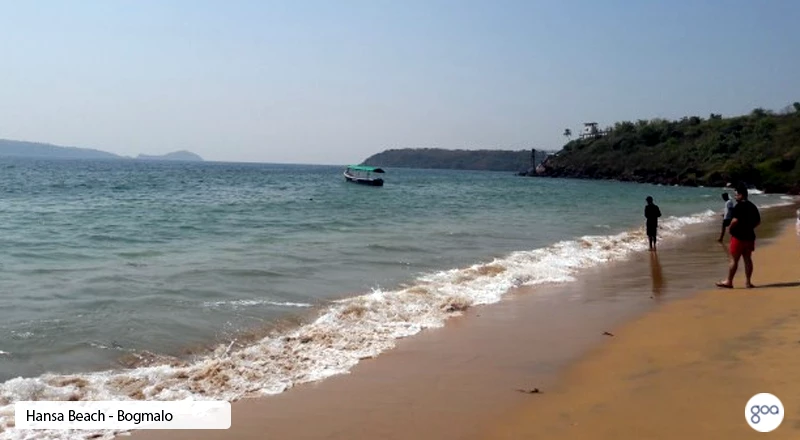
- Bogmalo Beach: A short drive from Vasco, Bogmalo is a beautiful, curved bay with several good restaurants and shacks. It is much cleaner and quieter than the beaches of North Goa and is famous for its diving schools.
- St. Andrew’s Church: Located in the heart of Vasco city, this 16th-century church is one of the oldest in Goa. Its white facade and elegant interiors are a fine example of colonial religious architecture.
- Heart-Shaped Lake: Located in Chicalim, near Vasco, this natural water body is shaped exactly like a heart. It has become a popular spot for couples and Instagrammers in recent years.
How To Reach Mormugao Fort
Mormugao Fort is well-connected by road, rail, and air, making it easily accessible from any part of Goa. It is located approximately 4 kilometers from the center of Vasco da Gama city.
- By Air: The Dabolim Airport (Goa International Airport) is the closest airport, located just 8-9 kilometers away. You can easily hire a pre-paid taxi from the airport to the fort, which takes about 20 minutes.
- By Train: The Vasco da Gama Railway Station is the nearest major railhead. From the station, you can take an auto-rickshaw or a local bus heading towards the Mormugao Harbour. The fort is a short 10-15 minute ride from the station.
- By Road: If you are driving from Panjim (the capital), the distance is about 30 kilometers via the NH66 and the Zuari Bridge. The drive is scenic and takes about 45-60 minutes. From South Goa (Margao), the distance is approximately 28 kilometers.
- Local Transport: Within Vasco, you can use app-based taxi services (like GoaMiles), yellow-and-black taxis, or auto-rickshaws. Renting a scooter or a bike is also a popular option for tourists who want to explore the coastal roads at their own pace.
Directions: Once you reach Vasco da Gama, follow the signs for the Mormugao Port Trust (MPT) or the Headland Sada area. The fort is located near the Japanese Garden. The road winds uphill through the residential quarters of the port employees before reaching the fort entrance.
Travel Tips
To ensure you have a safe and enjoyable visit to Mormugao Fort, keep the following travel tips in mind:
- Wear Comfortable Shoes: The terrain inside the fort is uneven, with loose stones and overgrown grass. Sturdy walking shoes or sneakers are highly recommended over flip-flops.
- Stay Hydrated: There are no shops or vendors selling water inside the fort complex. Carry a reusable water bottle with you, especially if you plan to explore for more than an hour.
- Sun Protection: The fort is very exposed. Wear a hat, use sunscreen, and carry sunglasses to protect yourself from the harsh Goan sun.
- Respect Local Norms: While the fort is a tourist site, it is located near residential areas and high-security port zones. Keep noise levels down and avoid littering. Always carry a bag to take your trash back with you.
- Safety First: Some of the walls of the fort are crumbling and do not have railings. Be extremely careful when walking near the edge of the cliffs, especially if you are traveling with children.
- Carry ID: As mentioned earlier, due to its proximity to the port, security checks can happen. A digital or physical copy of your Aadhar card or Passport is useful.
- Avoid Monsoon Trekking Alone: If you visit during the heavy rains, the paths can get very slippery. It is better to go with a companion.
Conclusion
Mormugao Fort is a poignant reminder of the ebb and flow of history. It stands at the intersection of two worlds—the ancient maritime heritage of the Portuguese and the bustling industrial future of modern Goa. While it may not have the polished grandeur of some of the state's more famous landmarks, its raw, unadulterated state is precisely what makes it so compelling. It is a place for those who prefer the sound of the wind and the waves over the noise of the crowds, and for those who find beauty in the slow, persistent reclamation of man-made structures by nature.
Visiting this fort offers a unique perspective on the Goan identity. It reminds us that Goa was not just a land of beaches and parties, but a hard-fought prize in the global struggle for trade and empire. As you stand on the basalt ramparts, looking out at the same horizon that Portuguese sailors scanned four centuries ago, you can't help but feel a sense of awe at the passage of time. Whether you come for the history, the photography, or simply the peace of a South Goan sunset, Mormugao Fort is a destination that will leave a lasting impression on your soul. It is a must-visit for any discerning traveler looking to uncover the true, multifaceted story of Goa.