Shankar Parvati Temple

Shankar Parvati Temple

4.9 2,100 Verified
Temple South Goa

Quick Navigation

Explore sections of this guide

Overview of Shankar Parvati Temple

Goa is a land of profound contrasts, where the rhythmic pulse of the Arabian Sea meets the silent, ancient whispers of the Western Ghats. While the world often flocks to its golden sands and vibrant nightlife, there exists a deeper, more spiritual dimension to this coastal paradise. Nestled amidst the lush greenery and the traditional neighborhoods of Goa, the Shankar Parvati Temple stands as a testament to the state’s enduring devotion and its complex cultural tapestry. This temple, dedicated to Lord Shiva (Shankar) and his divine consort, Goddess Parvati, is not merely a place of worship but a sanctuary where the soul finds a moment of stillness in an increasingly chaotic world. Unlike the massive, sprawling temple complexes found in Southern India, the Shankar Parvati Temple in Goa embodies the quintessential Goan aesthetic—intimate, serene, and deeply integrated with the local community. It serves as a spiritual hub for the residents of the surrounding "vaddo" (village ward), providing a space for daily prayers, community gatherings, and the preservation of age-old Vedic traditions. Visitors to this temple are often struck by the palpable sense of peace that permeates the air, scented with the fragrance of fresh jasmine, burning incense, and the earthy aroma of the local laterite soil. For the spiritual traveler, the Shankar Parvati Temple offers a unique glimpse into the Shaivite and Shaktism traditions that have flourished in Goa for centuries. It is a place where the duality of the universe—the masculine energy of Shiva and the feminine power of Parvati—is celebrated in perfect harmony. Whether you are a devout pilgrim seeking blessings or a curious traveler interested in the architectural and cultural heritage of the Konkan coast, this temple provides a rich, multi-layered experience that stays with you long after you have left its sacred precincts.

History & Religious Significance

The history of the Shankar Parvati Temple is inextricably linked to the tumultuous and fascinating history of Goa itself. To understand the significance of this site, one must look back at the era of the Kadamba Dynasty and the subsequent periods of colonial rule. Goa’s religious landscape underwent a massive transformation starting in the 16th century with the arrival of the Portuguese. During the Goa Inquisition, many ancient Hindu temples were destroyed in the "Old Conquests" (Velhas Conquistas). However, the spirit of the devotees remained unbroken. The Shankar Parvati Temple, like many others in the region, represents the resilience of the Hindu faith. Many deities were secretly moved by devotees from the coastal areas to the safety of the "New Conquests" (Novas Conquistas)—the inland regions that remained under the control of local Maratha or Sawantwadi rulers for a longer period. While the specific structure we see today may have undergone various renovations and reconstructions over the centuries, the spiritual lineage of the site often dates back to antiquity. In the context of Goan Hinduism, the worship of Shiva and Parvati is foundational. Lord Shiva is revered here not just as the destroyer, but as the protector of the land, often associated with the local agrarian lifestyle. Goddess Parvati is worshipped as the mother figure, the source of energy (Shakti) that sustains life. The temple serves as a historical marker of the syncretic culture of Goa, where local folk traditions merged with Puranic Hinduism. The oral histories passed down by the temple priests (Pujaris) often tell tales of divine interventions and the miraculous protection of the idol during times of conflict, making the temple a symbol of cultural survival and spiritual triumph.

Architecture of Shankar Parvati Temple

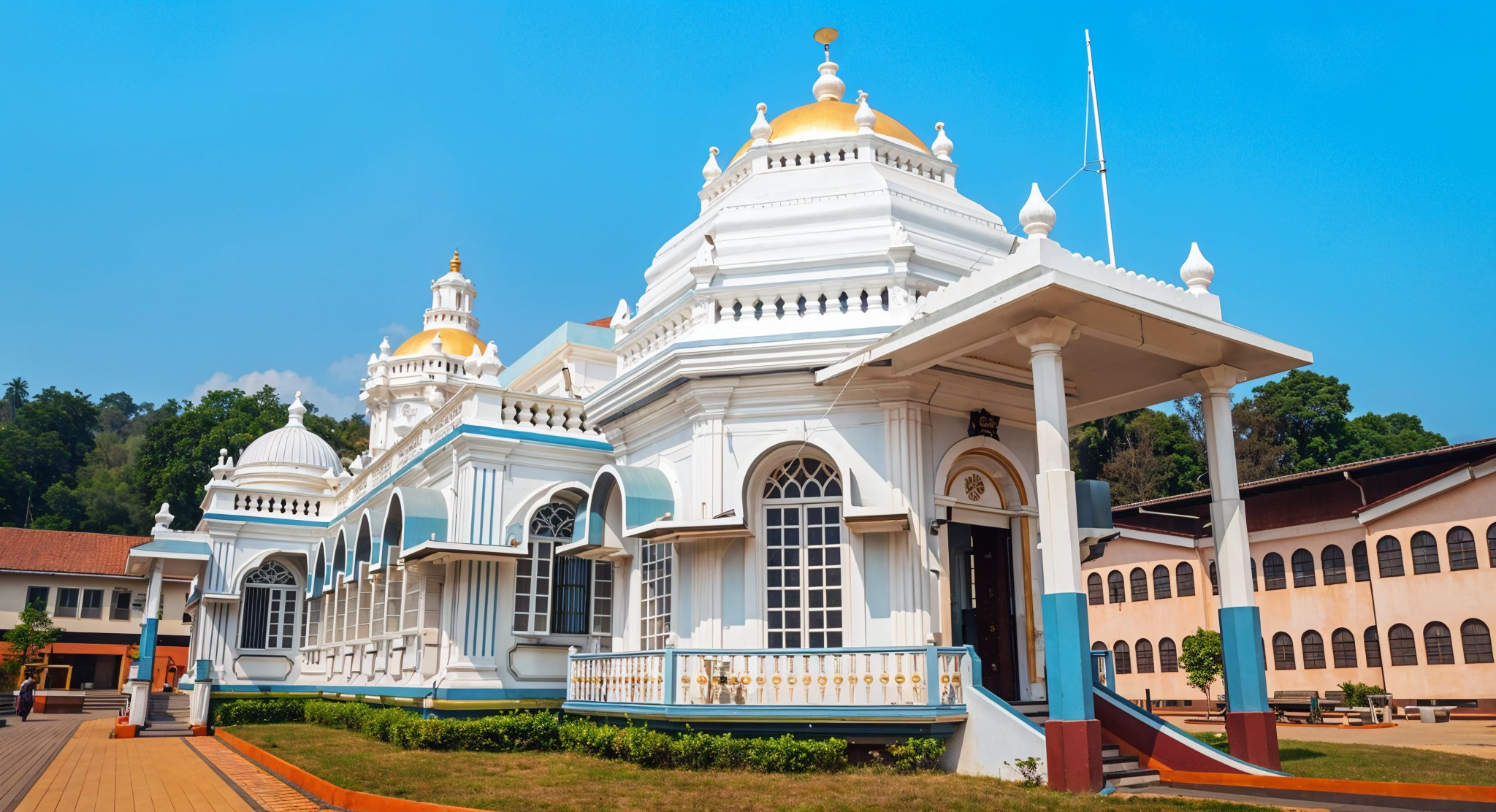
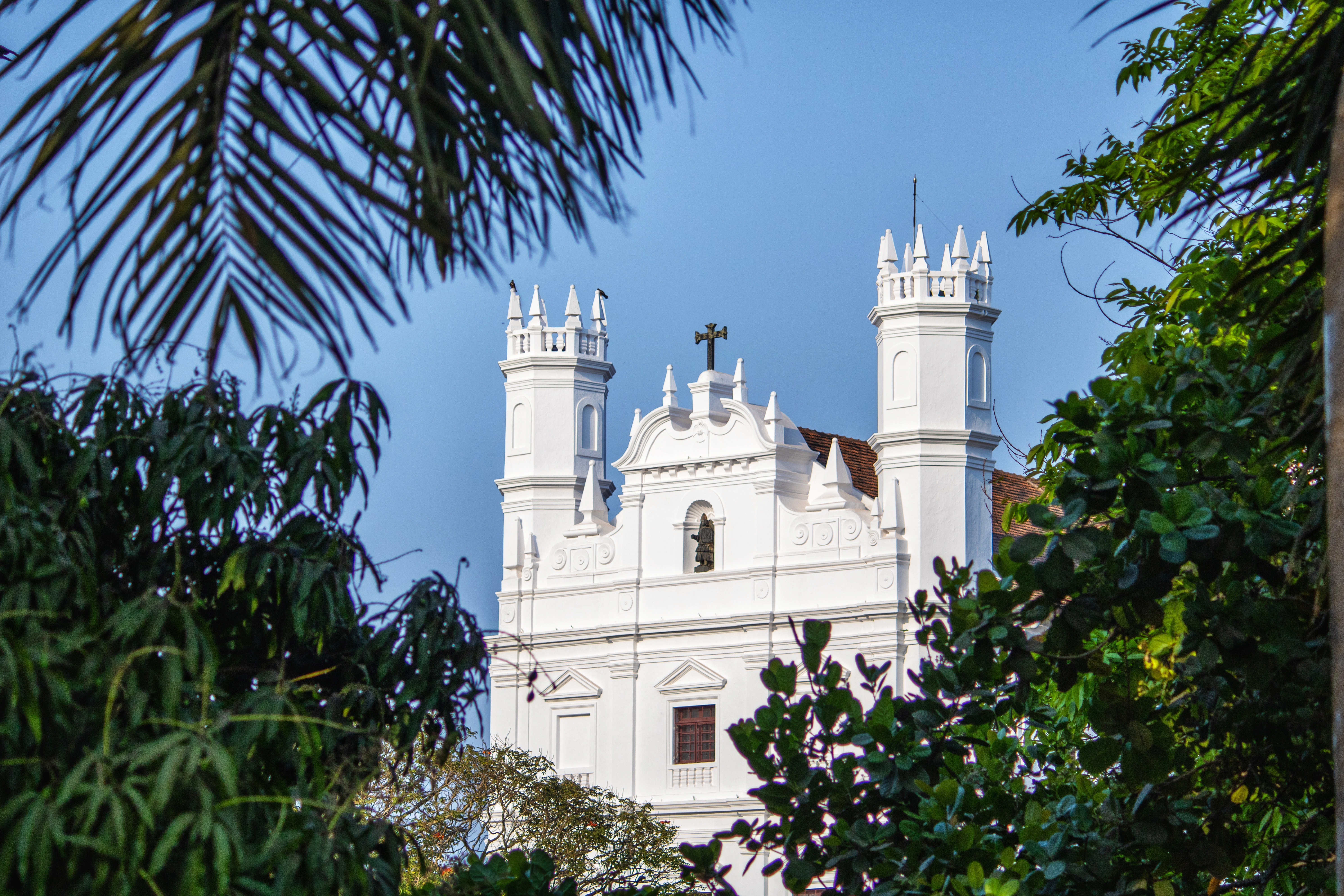
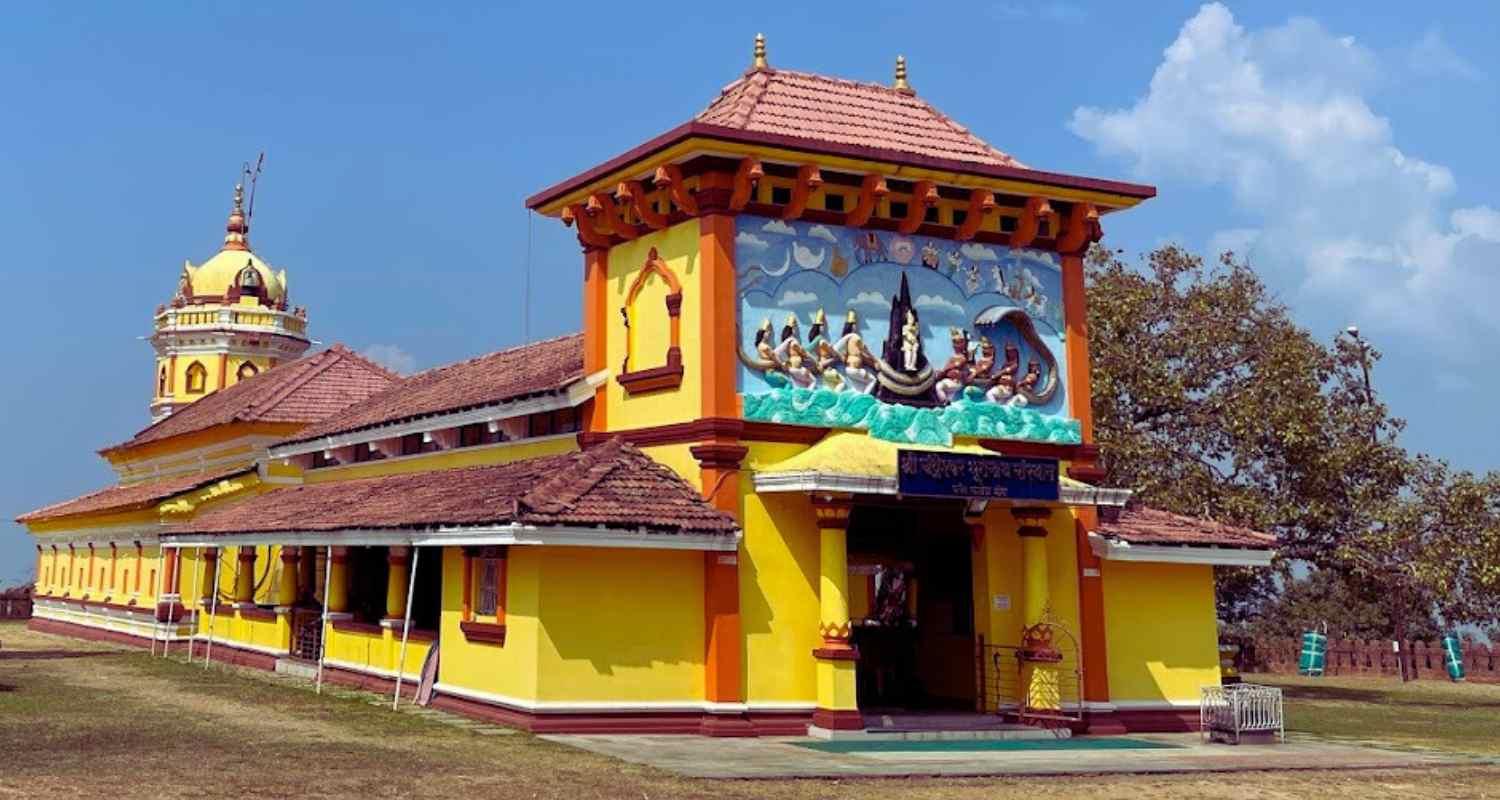
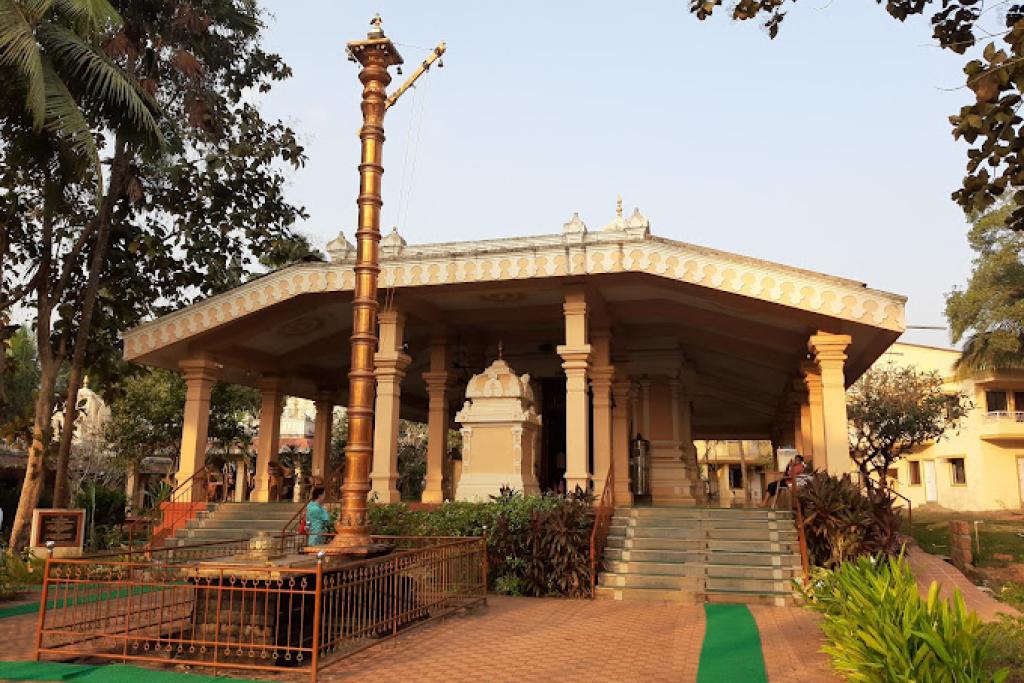
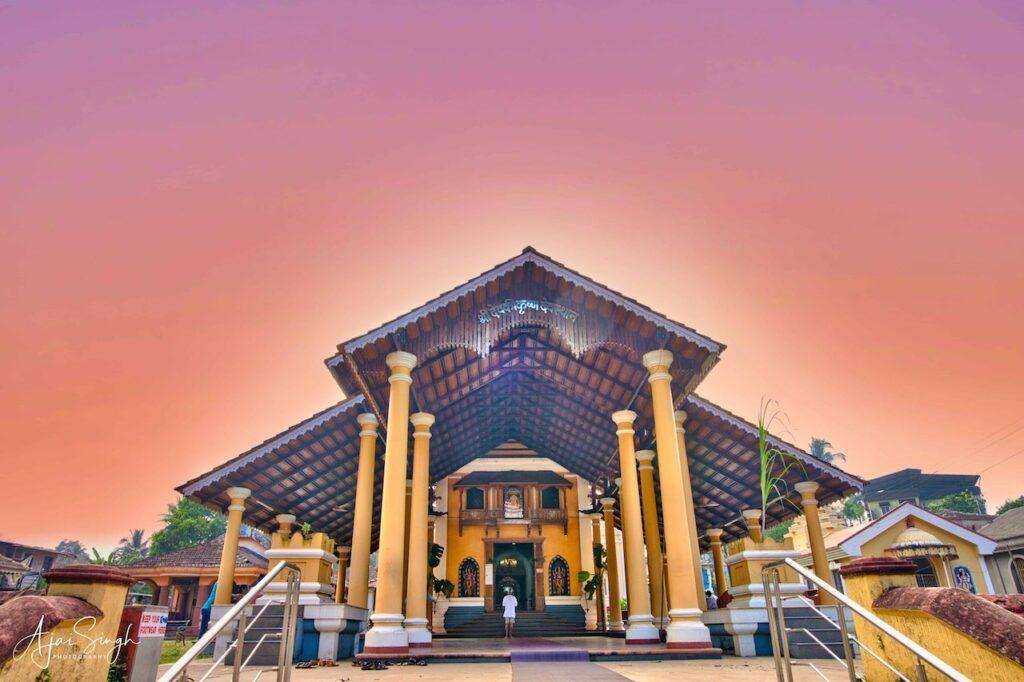
The architecture of the Shankar Parvati Temple is a beautiful example of the Goan Temple Style, which is a unique fusion of various influences, including Nagara (North Indian), Dravidian (South Indian), and even certain elements of Indo-Portuguese aesthetics. This stylistic blend is what sets Goan temples apart from those in the rest of India. As you approach the temple, the first thing that captures your attention is the Deepstambha (Lamp Tower). This is a quintessential feature of Goan Hindu architecture. The tower is a multi-storied, white-washed octagonal structure with niches for oil lamps. During festivals, when hundreds of lamps are lit, the Deepstambha becomes a pillar of fire, symbolizing the enlightenment of the soul. The main structure of the temple is typically built using local laterite stone, which is then plastered and painted in vibrant or pristine white hues. The roof is often made of red Mangalore tiles, sloping steeply to drain the heavy monsoon rains that characterize the region. The Mandapa (assembly hall) features intricately carved wooden or stone pillars that support the ceiling, often decorated with motifs of lotus flowers, bells, and celestial beings. One of the most interesting architectural details is the Shikhara (spire). In Goan temples, the Shikhara often takes on a more rounded or dome-like appearance, sometimes reflecting the influence of the domes found in Portuguese churches or Islamic architecture from the Bijapur Sultanate era. Inside, the Garbhagriha (sanctum sanctorum) is kept intentionally simple and dark to focus the devotee's attention entirely on the divine presence of the idols. The floor is usually made of cool marble or polished stone, providing a soothing surface for devotees who walk barefoot.

Main Deity / Spiritual Importance

The heart and soul of the temple are the idols of Lord Shankar and Goddess Parvati. In many Goan shrines, Shiva is represented in the form of a Lingam, the aniconic representation of the formless divine. However, in this specific temple, the presence of both deities in their anthropomorphic forms highlights the concept of Shiv-Shakti. Lord Shankar is depicted in a meditative posture, signifying transcendence, peace, and the mastery over the ego. Goddess Parvati, often seated beside him, represents the Prakriti (nature) and the creative force that brings the universe into manifestation. Together, they represent the Ardhanarishvara concept—the inseparable nature of masculine and feminine energies. For the local community, the deities are not distant figures but active guardians of the village. The spiritual importance of the temple lies in its role as a Teertha (a holy place that helps one cross over the ocean of worldly existence). Devotees believe that a sincere prayer offered here, especially during the early morning hours (Brahma Muhurta), brings mental clarity and emotional balance. The "Prasad" (blessed food) and the "Teertha" (holy water) distributed after the aarti are considered to have healing properties. The temple also serves as a center for Sadhana (spiritual practice), where seekers come to chant the "Om Namah Shivaya" mantra, seeking the grace of the divine couple to overcome the obstacles of life.

Festivals & Celebrations

The Shankar Parvati Temple truly comes alive during its various festivals, which are celebrated with immense fervor, music, and traditional Goan grandeur. These events are the best way to witness the living heritage of the state.
  • Maha Shivratri: This is the most significant festival celebrated at the temple. Falling in the month of Magha (February/March), it marks the night of Lord Shiva’s cosmic dance and his marriage to Parvati. The temple remains open throughout the night. Devotees perform Abhishekam (ritual bathing of the deity) with milk, honey, and water. The atmosphere is electric with the chanting of hymns and the rhythmic beating of the Ghumot (a traditional Goan percussion instrument).
  • Shigmotsav: The Goan version of Holi, Shigmo is a spring festival that sees the temple decorated with colorful flags. Traditional folk dances like Ghode Modni and Fugdi are often performed in the temple courtyard as an offering to the gods.
  • Navratri: Dedicated to the feminine energy of Goddess Parvati, the nine nights of Navratri are celebrated with special pujas and the singing of Bhajans. The deity is adorned in different sarees and jewelry each day, representing various facets of the Goddess.
  • Zatra: Every Goan temple has its annual Zatra (temple feast). This is a time for the Palkhi (palanquin) procession, where the deities are carried around the temple complex on the shoulders of devotees. The village turns into a fairground with stalls selling sweets, traditional toys, and household items.
  • Vaikuntha Chaturdashi: A unique day where both Shiva and Vishnu are worshipped, signifying the unity of different Hindu sects.

Best Time to Visit

To experience the Shankar Parvati Temple in its full glory, timing is essential. The best time to visit is between October and March. During these months, the weather in Goa is pleasantly cool and dry, making it comfortable to explore the temple and its surroundings. The monsoon season (June to September) offers a different kind of charm. The temple is surrounded by incredibly lush, emerald-green landscapes, and the sound of the rain hitting the tiled roof creates a deeply meditative atmosphere. However, travel can be a bit challenging due to heavy downpours. In terms of the time of day, the early morning (6:00 AM to 8:00 AM) is highly recommended. You can witness the morning rituals, hear the soft chanting of the priests, and enjoy the temple in relative solitude. The evening aarti (around 6:30 PM or 7:00 PM) is another wonderful time to visit, as the temple is lit up with oil lamps and the sound of the bells creates a powerful spiritual energy.

Timings, Entry Fee & Dress Code

The Shankar Parvati Temple follows a traditional schedule, and visitors should plan accordingly.
  • Timings: The temple generally opens at 6:00 AM and closes at 12:30 PM for the afternoon rest. It reopens at 4:00 PM and remains open until 8:30 PM. During major festivals like Maha Shivratri, the temple may remain open for 24 hours.
  • Entry Fee: There is no entry fee to visit the temple. It is a place of worship open to everyone regardless of their background. Donations are voluntary and can be placed in the Hundi (donation box).
  • Dress Code: As this is a sacred site, a modest dress code is strictly expected.
    • Men: Should ideally wear traditional attire like a dhoti or kurta-pyjama. If wearing western clothes, long trousers and shirts are acceptable. Sleeveless shirts and shorts are generally discouraged.
    • Women: Should wear sarees, salwar-kameez, or long skirts. Shoulders and knees must be covered. Avoid wearing tight or revealing clothing.
    • Footwear: All footwear must be removed before entering the temple premises. There is usually a designated area to keep your shoes.

How to Reach Shankar Parvati Temple

The temple is located in a serene part of Goa, often away from the main tourist hubs, which adds to its peaceful vibe. Depending on where you are staying, here are the best ways to reach:
  • By Air: The nearest airport is Manohar International Airport (Mopa) in North Goa or Dabolim Airport in South Goa. From the airport, you can hire a pre-paid taxi to reach the temple. The drive can take between 1 to 1.5 hours depending on the location.
  • By Rail: The major railway stations are Madgaon (Margao) and Thivim. Madgaon is better if the temple is located in South or Central Goa, while Thivim is closer for North Goan locations. Taxis and auto-rickshaws are readily available at the stations.
  • By Road: Goa has an excellent network of roads. You can rent a scooter or a car, which is the most popular way for tourists to travel. If you are using public transport, the Kadamba Transport Corporation (KTC) buses run between major towns like Panaji, Mapusa, and Margao. From the bus stand, you might need to take a local pilot (motorcycle taxi) or an auto-rickshaw to the specific temple location.
  • Local Landmark: When asking for directions, it is often helpful to mention the name of the village or the nearest prominent landmark, as there are multiple shrines dedicated to Shiva and Parvati across the state.

Things to Do

A visit to the Shankar Parvati Temple can be a comprehensive cultural and spiritual experience. Here are some things you can do:
  • Participate in the Aarti: Witnessing the rhythmic waving of lamps and the chanting of prayers is a soul-stirring experience. The evening aarti is particularly beautiful.
  • Meditation: Find a quiet corner in the Mandapa or the outer courtyard and sit in silence. The vibrations of the temple are conducive to deep meditation.
  • Observe the Architecture: Take a slow walk around the temple to admire the intricate carvings, the design of the Deepstambha, and the unique Goan-style dome.
  • Interact with the Locals: Goans are known for their warmth. Respectfully engaging with the temple devotees can give you insights into the local traditions and the history of the temple.
  • Photography (External): Capture the beautiful exterior and the surrounding landscape. (Always check for permission before photographing the inner sanctum).
  • Offer Prayers: You can offer flowers, coconut, or oil for the lamps. The temple priest can perform a Pushpanjali (offering of flowers) on your behalf.

Nearby Attractions

If you are visiting the Shankar Parvati Temple, you can easily combine it with other nearby attractions to make a full day of exploration:
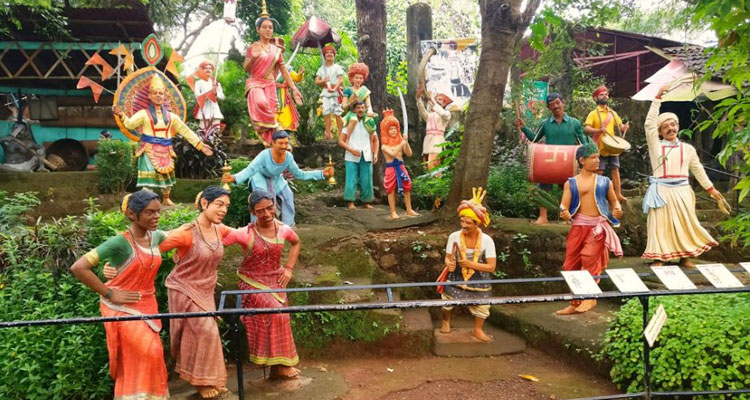
  • Ancestral Goa (Loutolim): A short drive away, this open-air museum depicts traditional Goan village life and features the famous "Big Foot" carving.
  • Other Prominent Temples: Goa's "Temple Heartland" in Ponda is not far. You can visit the Mangueshi Temple, Shanta Durga Temple, and the Nagueshi Temple to see different variations of Goan Hindu architecture.
  • Spice Plantations: Visit the Sahakari or Tropical Spice Plantations to learn about Goa’s rich agricultural heritage and enjoy a traditional Goan lunch.
  • Old Goa Churches: The Basilica of Bom Jesus and Se Cathedral are UNESCO World Heritage sites and offer a glimpse into the Christian history of Goa, providing a beautiful contrast to the Hindu temples.
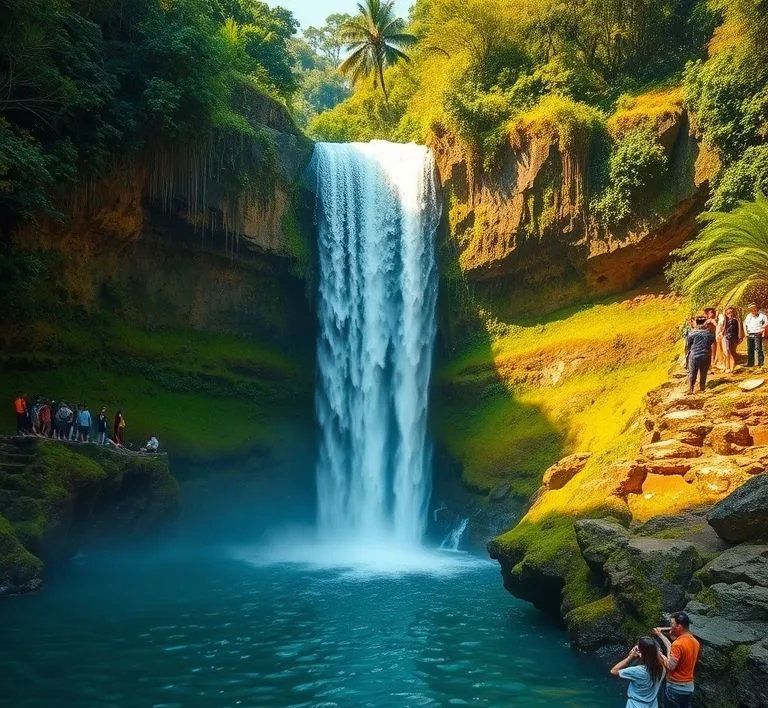
  • Dudhsagar Falls: If you are up for an adventure, a trip to these majestic waterfalls is a must, though it requires a full day.

Photography & Visitor Guidelines

To ensure a respectful visit, please adhere to the following guidelines:
  • Inner Sanctum: Photography is strictly prohibited inside the Garbhagriha (sanctum sanctorum) where the main idols are kept. This is to maintain the sanctity and privacy of the ritual space.
  • Permission: Always ask the temple authorities or the priest before taking photos of the people or the rituals.
  • Silence: Maintain a low volume. Avoid loud conversations or using mobile phones inside the temple hall.
  • Prasad: If you receive Prasad, accept it with your right hand.
  • Circumambulation: If you wish to walk around the deity (Pradakshina), always do so in a clockwise direction.
  • Cleanliness: Do not litter. Keep the temple premises clean as it is considered a sacred space.

Where to Eat Nearby

Goan cuisine is a delight, and you will find several options near the temple, ranging from humble local eateries to more sophisticated restaurants.
  • Local Shacks: Look for small local eateries serving "Fish Thali" (if you eat seafood) or "Veg Thali". A Goan veg thali usually includes rice, dal, a vegetable preparation (bhaji), khatkhate (a mixed veg stew), and sol kadi (a refreshing kokum-based drink).
  • Traditional Tea Shops: Try the local snacks like Samosas, Batata Vadas, and Mirchi Bhajis along with a cup of hot chai.
  • Ponda/Margao Eateries: If the temple is near these towns, you can find popular restaurants like Hotel Venite or Tato’s which are famous for their authentic Goan flavors and vegetarian options.
  • Health Note: Always carry a bottle of water, but try to avoid single-use plastics. Many temples have clean drinking water facilities.

Accommodation Nearby

Depending on your preference for luxury or local immersion, there are several accommodation options:
  • Boutique Heritage Stays: Areas like Loutolim or Quepem have beautiful old Portuguese mansions that have been converted into boutique hotels, offering a sense of history and luxury.
  • Eco-Resorts: Near the spice plantations, you can find eco-friendly resorts that offer a stay amidst nature, perfect for those seeking tranquility.
  • Guesthouses: Many local families run clean and affordable guesthouses. This is a great way to experience Goan hospitality and home-cooked meals.
  • Standard Hotels: The nearby towns of Margao or Ponda have several mid-range hotels that provide all modern amenities and easy access to the temple.

Travel Tips

  • Carry Cash: While digital payments are growing, small shops and temple donation counters often prefer cash.
  • Stay Hydrated: The Goan humidity can be taxing. Carry water and wear a hat when walking outside.
  • Respect Local Customs: If you see a ritual in progress, observe quietly from a distance. Do not interrupt the priests.
  • Learn a Few Konkani Words: Simple words like "Dev barem koru" (Thank you / May God do good to you) go a long way in building rapport with the locals.
  • Hire a Local Guide: If you are interested in the deep history and the hidden meanings behind the carvings, hiring a local guide who specializes in Goan heritage can be very rewarding.

Conclusion

The Shankar Parvati Temple is more than just a religious landmark; it is a living repository of Goa’s spiritual resilience and cultural elegance. In its quiet halls and flickering oil lamps, one finds a connection to an ancient past that continues to thrive in the modern day. It offers a profound counter-narrative to the stereotypical image of Goa, revealing a side of the state that is deeply rooted in faith, community, and the timeless philosophy of the Konkan people. Whether you come seeking divine intervention, architectural inspiration, or simply a moment of peace away from the crowded beaches, the temple welcomes you with open arms. As the bells toll and the fragrance of incense fills the air, you realize that the true magic of Goa lies not just in its shores, but in these sacred spaces where the human and the divine meet in silent communion. A visit here is not just a stop on a tourist itinerary; it is a journey into the very heart of Goa’s soulful heritage. When you leave the Shankar Parvati Temple, you take with you a piece of that serenity—a reminder of the balance between the dynamic and the meditative, just like the divine couple it honors.

Photo Gallery

Shankar Parvati Temple Gallery Image

User Reviews

4.9
2100 Reviews
5
85%
4
10%
3
3%
2
1%
1
1%

Login to post a review

Join the community to share your spiritual experiences.

Login / Sign Up

Location Details

Address
Shankar Parvati Temple, Marcela, Ponda, Goa 403107, India
Visiting Hours
All year round

Share Peace

Share this spiritual guide with your friends and family on WhatsApp!

Share Now

Nearest Beaches from Shankar Parvati Temple

Nearest Forts from Shankar Parvati Temple

Nearest Waterfalls from Shankar Parvati Temple

Nearby Nightlife from Shankar Parvati Temple