Explore sections of this guide
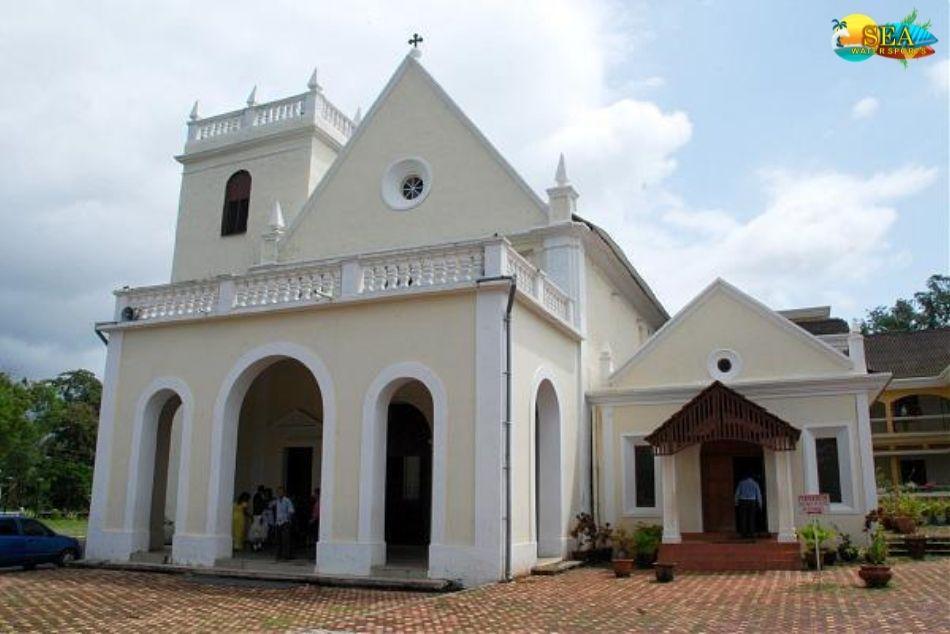
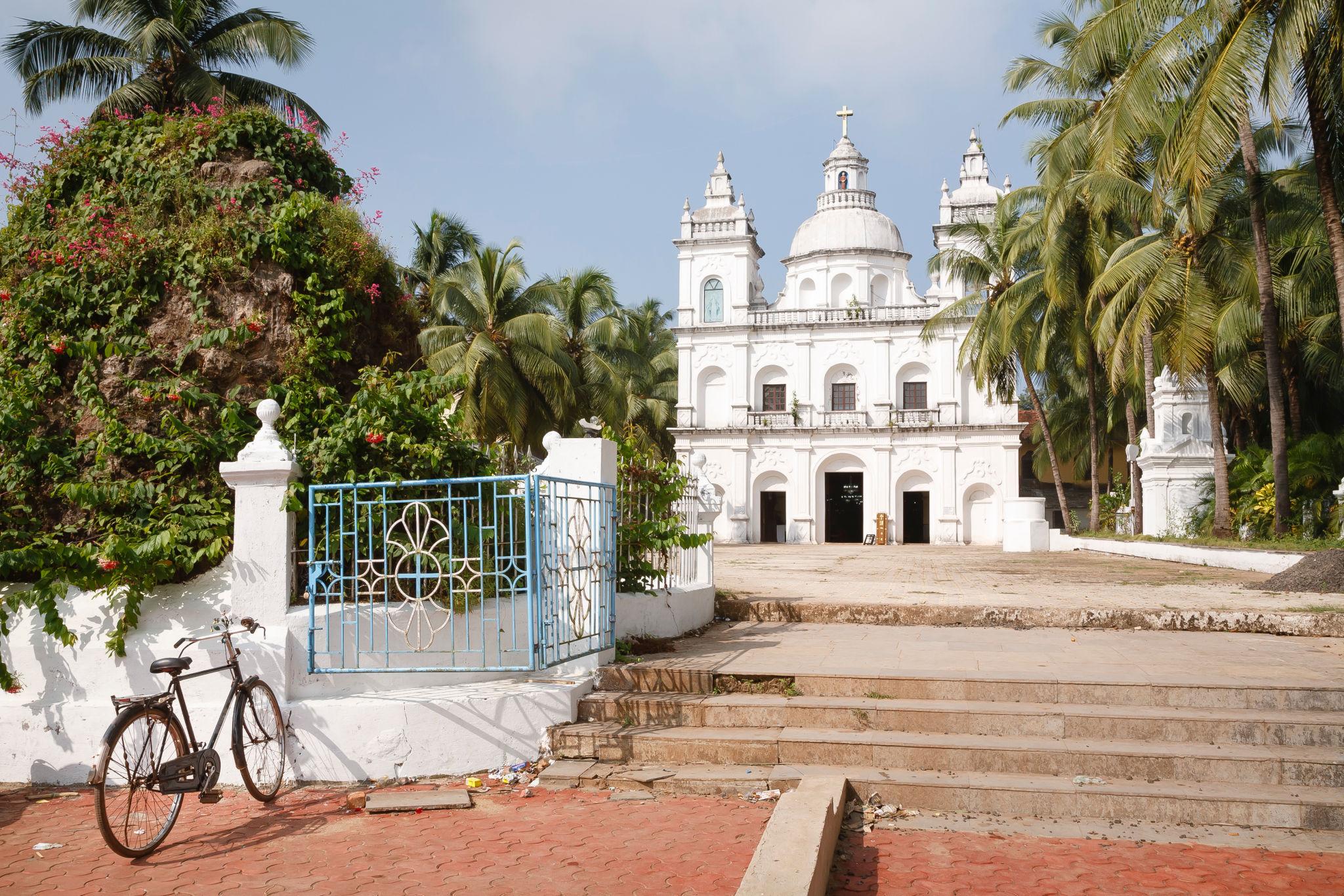
Standing as a serene sentinel amidst the pulsating energy of Calangute, the St. Alex Church (Igreja de Santo Aleixo) is one of the most magnificent architectural landmarks in North Goa. While Calangute is globally renowned for its sun-kissed beaches, vibrant nightlife, and bustling markets, St. Alex Church offers a profound spiritual contrast, inviting travelers into a world of celestial beauty and historical depth. This pristine white structure, with its unique architectural features and towering presence, serves as the spiritual anchor for the local Catholic community and a point of immense interest for history buffs and architecture enthusiasts alike.
The church is strategically located on the main road leading to the beach, yet once you step inside its compound, the cacophony of the tourist strip fades into a rhythmic silence. It is one of the oldest parish churches in the region, and its majestic facade is often the first thing that captures the eye of a visitor entering Calangute. Unlike many other churches in Goa that follow a standard design template, St. Alex Church is celebrated for its distinctive twin towers and a magnificent dome that punctuates the skyline, making it an iconic silhouette against the Goan sunset. For those seeking a deeper connection with Goa’s colonial past and its enduring religious fervor, this church is an indispensable stop on any North Goa itinerary.
Beyond its aesthetic appeal, the church is a living monument of Goan "Kristi" (Christian) culture. It represents the synthesis of European religious traditions and local Goan sensibilities. The expansive courtyard, the meticulously maintained grotto, and the surrounding cemetery all contribute to an atmosphere of reverence. Whether you are a devout pilgrim looking to attend a Konkani mass or a curious traveler admiring the Neo-Gothic and Mannerist architecture, St. Alex Church provides a comprehensive glimpse into the soul of Goa that exists far beyond the sandy shores.
The history of St. Alex Church is a fascinating chronicle that dates back to the late 16th century, a period when the Portuguese were consolidating their religious and administrative influence in the "Velhas Conquistas" (Old Conquests) of Goa. The original church was not located at the current site; rather, it was established in 1595 by the Franciscan missionaries. The first structure was a modest chapel built primarily to serve the local converts in the village of Calangute. However, as the congregation grew and the strategic importance of the village increased, the need for a more substantial edifice became apparent.
The current structure of the St. Alex Church was completed in 1741, funded largely by the local community and the "Comunidade" (village agricultural collective) of Calangute. This is a significant point of pride for locals, as it highlights the communal effort involved in creating such a monumental place of worship. The church was dedicated to Saint Alex, a 4th-century saint known for his extreme humility and devotion to a life of poverty. The choice of St. Alex as the patron saint reflects the spiritual values that the early missionaries sought to instill in the region.
In 1765, the magnificent towers were added, giving the church the imposing look it possesses today. Over the centuries, the church has survived various political shifts, including the transition from Franciscan to Diocesan administration. It has remained a cornerstone of social and religious life in North Goa. For the people of Calangute, the church is not just a historical site; it is the venue for every significant life event, from baptisms and weddings to the final rites. The religious significance is further bolstered by the fact that it is one of the few churches in Goa that features a prominent cupola (dome), which was a stylistic departure from the traditional boxy designs of contemporary Goan churches. This architectural choice is often interpreted as a symbol of divine protection hovering over the village.
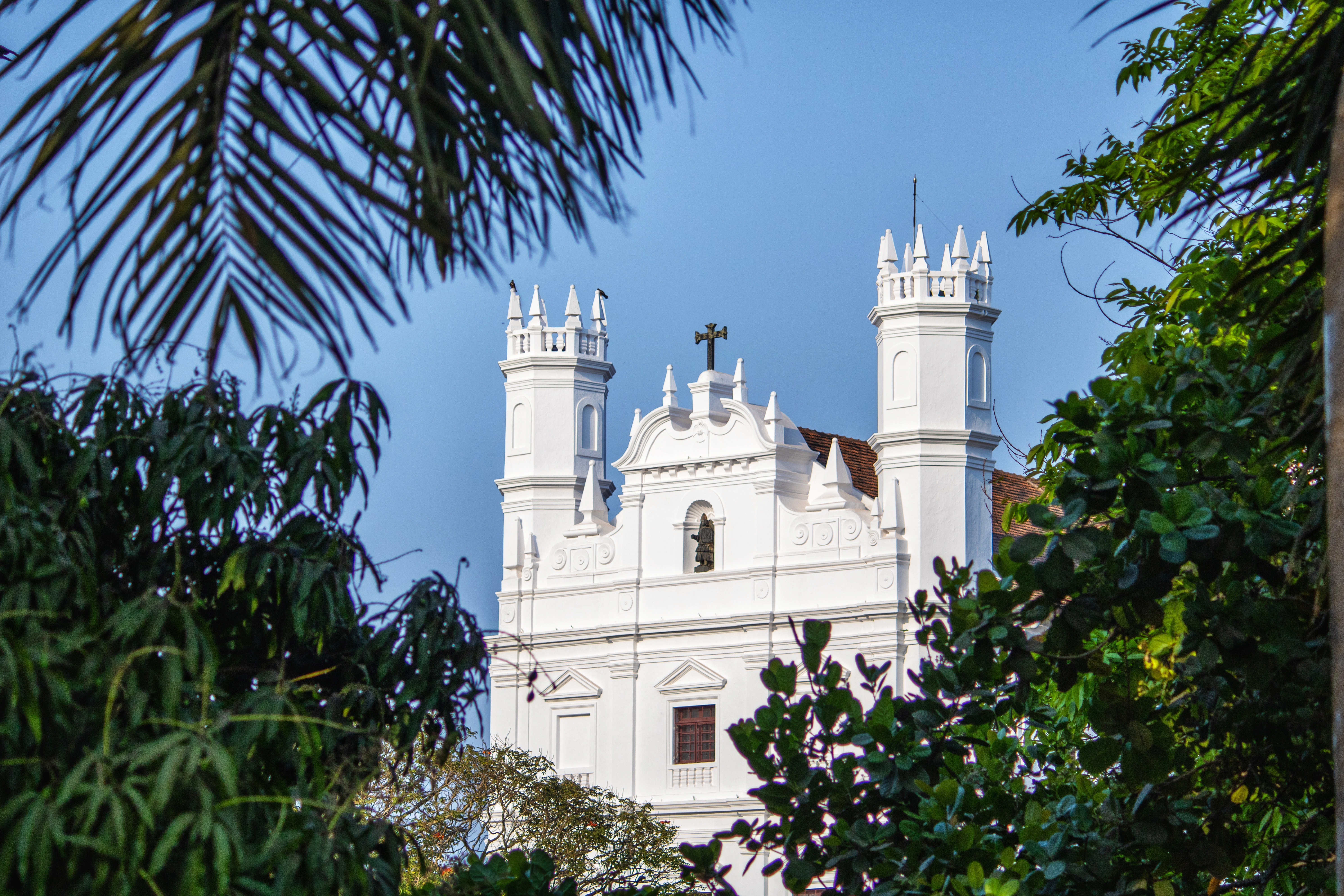
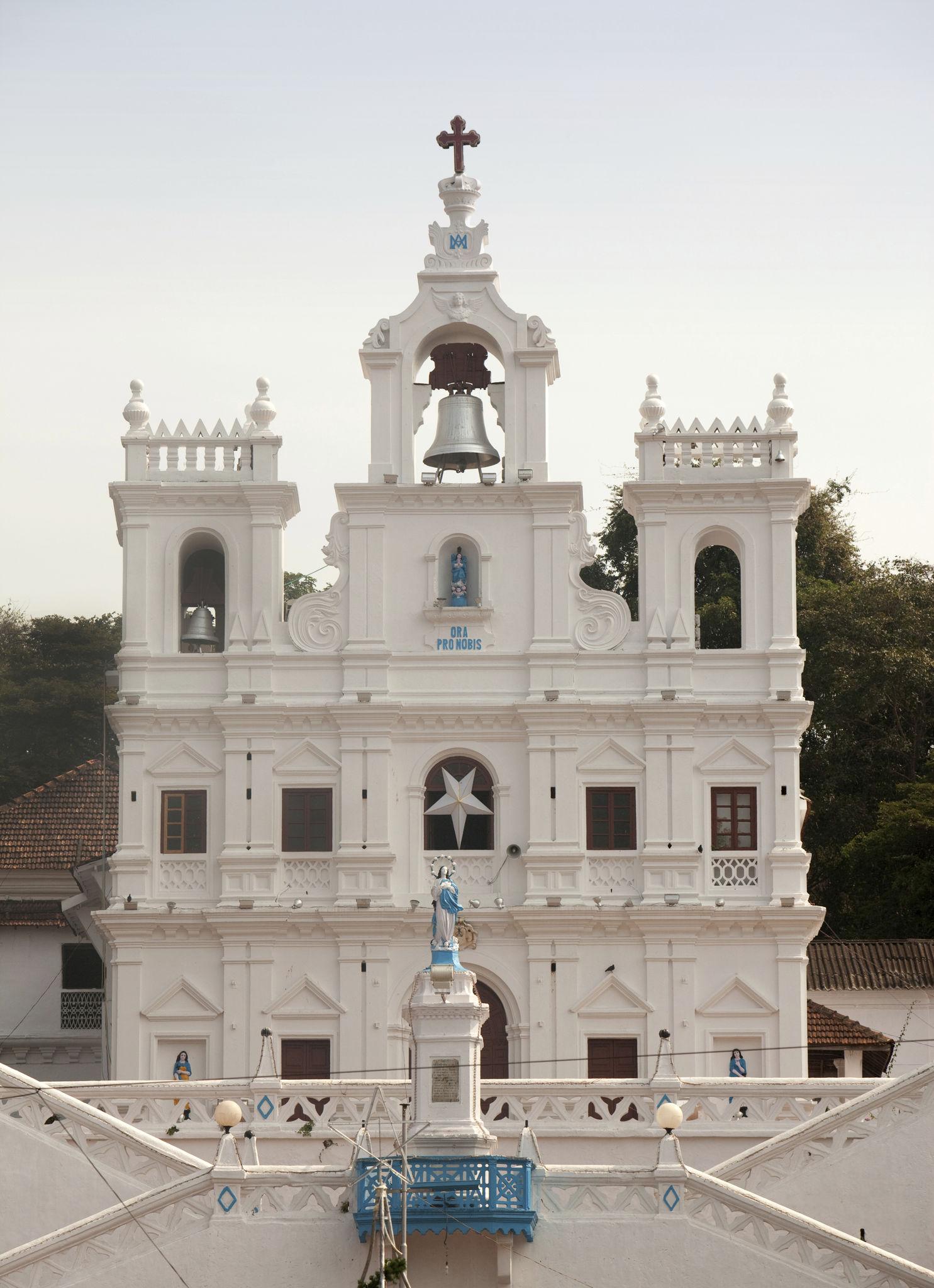
The architecture of St. Alex Church is a masterclass in the Mannerist and Neo-Gothic styles, with distinct elements of the Indian Baroque influence that characterized the 18th-century Goan ecclesiastical buildings. The most striking feature of the church is its facade, which is flanked by two massive, multi-tiered bell towers. These towers are crowned with small cupolas, echoing the larger central dome that sits majestically over the crossing of the nave and the transept. This central dome is particularly noteworthy because domes were relatively rare in Goan church architecture of that period, which usually favored flat or vaulted roofs.
As you approach the church, the pristine white lime-plastered walls gleam under the tropical sun. The facade is divided into several horizontal tiers, decorated with pilasters, niches, and scrolls. The main entrance is an arched doorway that leads into a spacious nave. The interior of the church is a revelation of Rococo and Baroque artistry. The high altar is a stunning example of gilded woodcarving, dedicated to St. Alex. It features intricate floral motifs, cherubs, and gold leaf work that creates a sense of heavenly grandeur. There are seven magnificent altars in total, each dedicated to different saints and manifestations of the Virgin Mary, including the altar of Our Lady of Mount Carmel.
The pulpit of St. Alex Church is another architectural highlight. Carved with exquisite detail, it showcases the craftsmanship of local Goan artisans who were trained by European masters but infused their work with indigenous floral patterns. The windows are positioned to allow natural light to filter in, illuminating the ornate vaulted ceiling and the polished floor. Outside the main building, within the church compound, lies the Grotto of Our Lady of Lourdes, which was installed in the mid-20th century. This grotto is a replica of the one in France and serves as a quiet spot for personal prayer. The harmony between the massive scale of the towers and the delicate details of the altars makes St. Alex Church one of the most architecturally balanced structures in the state.
The primary spiritual focus of the church is Saint Alex, also known as "The Man of God." According to Christian hagiography, St. Alex was the son of a wealthy Roman senator. On his wedding night, he fled his privileged life to seek spiritual enlightenment, living as a beggar in Syria for seventeen years before returning to his parents' house in Rome as an unrecognizable pauper. He lived under the stairs of his father's house, unnoticed and humble, until his death. His life story is a powerful testament to the virtues of humility, detachment from material wealth, and unwavering faith.
For the devotees in Calangute, St. Alex is a patron who intercedes for the poor and the marginalized. The spiritual atmosphere inside the church is palpable, especially during the quiet morning hours. Pilgrims often visit to pray for family harmony and the strength to endure hardships, drawing inspiration from the saint's life of silent suffering and devotion. The spiritual importance of the church is also tied to Our Lady of Visitation, who is venerated with great fervor here.
The church serves as a "Mother Church" for several smaller chapels in the Calangute-Baga belt. It is the center of the parish's sacramental life. The spiritual significance extends to the "Comunidade" system, where the church acts as a unifying force for the village's social fabric. Every Sunday, the church is packed with locals dressed in their Sunday best, reflecting a tradition that has remained unbroken for nearly three centuries. The blend of traditional Latin liturgical roots and the vibrant Konkani language in the services creates a unique spiritual experience that is deeply rooted in the soil of Goa.
The calendar at St. Alex Church is marked by vibrant celebrations that bring the entire village of Calangute to life. The most significant event is the Feast of St. Alex, celebrated annually on the 17th of July. This feast is preceded by a nine-day period of prayer known as the Novena. During the Novenas, the church is beautifully decorated, and special masses are held every morning and evening. On the feast day itself, a grand procession takes place where the statue of the saint is carried around the church compound, accompanied by a brass band playing traditional hymns.
The feast is not just a religious event but a social one. A "Feria" or traditional fair is set up outside the church, featuring stalls selling everything from local sweets like khaje and laddoos to household items and toys. It is a time for families to gather, and traditional Goan meals are prepared in every household. Another major celebration is the Feast of Our Lady of Mount Carmel, which also draws large crowds of devotees.
Lent and Easter are observed with great solemnity and elaborate rituals. The "Way of the Cross" during Lent is a moving experience, often involving outdoor processions. Christmas at St. Alex Church is a magical time; the church is illuminated with thousands of fairy lights, and a large, artistic "Crib" (Manger) is constructed by the local youth. The Midnight Mass on Christmas Eve is a highlight, attracting not only the local parishioners but also tourists from around the world who come to witness the Goan way of celebrating the birth of Christ. The fusion of traditional Konkani carols and the majestic setting of the church makes these celebrations unforgettable.
To fully appreciate the beauty and spiritual ambiance of St. Alex Church, timing is crucial. The best time to visit is between November and February. During these winter months, the weather in Goa is pleasant, with cool breezes and mild sunshine, making it comfortable to explore the church grounds and the surrounding village. This period also coincides with the major festivals of Christmas and New Year, allowing visitors to see the church in its most festive and decorated state.
If you wish to experience the local culture in its rawest form, visiting in July for the Feast of St. Alex is highly recommended. While this falls during the monsoon season, the sight of the white church against the lush green landscape of rain-washed Goa is breathtaking. The rain adds a layer of mystical charm to the stone structures and the grotto. However, be prepared for heavy downpours.
For those who prefer a quiet, meditative experience, the early morning hours (around 7:30 AM to 9:00 AM) are ideal. At this time, you can witness the local community attending the morning mass, and the church is relatively free from the tourist crowds that arrive later in the day. Late afternoons, around 4:30 PM, are also beautiful as the setting sun casts a golden glow on the twin towers, providing excellent lighting for photography of the exterior facade.
St. Alex Church is an active place of worship, and visitors are expected to respect the timings and sanctity of the premises. The church is generally open to visitors from 9:00 AM to 12:30 PM and again from 3:30 PM to 7:30 PM. Mass timings usually occur at 7:00 AM and 8:00 AM on weekdays, and there are multiple services on Sundays starting from 6:30 AM. It is advisable to avoid walking around the church for sightseeing during the actual mass proceedings to avoid disturbing the worshippers.
There is no entry fee to visit St. Alex Church. It is open to people of all faiths and backgrounds. However, as it is a religious site, a strict dress code is encouraged. Visitors should dress modestly. This means avoiding sleeveless tops, short skirts, or beachwear. Men are encouraged to wear trousers or long shorts and shirts, while women should ideally cover their shoulders and wear dresses or trousers that fall below the knee. If you are dressed in beach attire, it is respectful to carry a sarong or a shawl to cover up before entering the sanctuary.
Silence must be maintained inside the church at all times. Mobile phones should be switched off or put on silent mode. If you are visiting during a service, please remain seated at the back or participate quietly. The church office is located nearby if you wish to make a donation or inquire about special intentions and masses.
St. Alex Church is centrally located in Calangute, making it very accessible from various parts of Goa. Its landmark status means that almost any local driver will know the way. Here are the best ways to reach the church:
For those staying in the Calangute or Baga area, the church is often within walking distance or a very short ride away. Parking is available near the church entrance, though it can get crowded during Sunday masses and feast days.
While a visit to a church might seem like a quick stop, St. Alex Church offers several layers of experiences for the mindful traveler:
Given its central location in North Goa, a visit to St. Alex Church can be easily combined with several other famous attractions:
To ensure a respectful visit, please adhere to the following guidelines regarding photography and general conduct:
Calangute is a culinary hotspot, and you will find plenty of options near St. Alex Church ranging from traditional Goan to international cuisines:
Whether you are looking for luxury or budget-friendly options, the area around St. Alex Church has it all:
To make your visit to St. Alex Church seamless, keep these practical tips in mind:
St. Alex Church is more than just a beautiful building; it is a testament to the enduring faith and artistic spirit of the Goan people. In the heart of Calangute, where the world comes to party, this church remains a sanctuary of peace, offering a space for reflection and a window into the rich colonial history of the region. Its unique architectural features, especially the rare dome and the towering belfries, make it a standout monument in a state filled with historical churches. Whether you are drawn by religious devotion, a love for history, or an eye for architecture, a visit to St. Alex Church provides a meaningful and enriching experience. It reminds us that behind the vibrant, modern facade of Goa lies a deep-rooted spiritual heritage that continues to thrive and welcome all who seek its quiet grace.