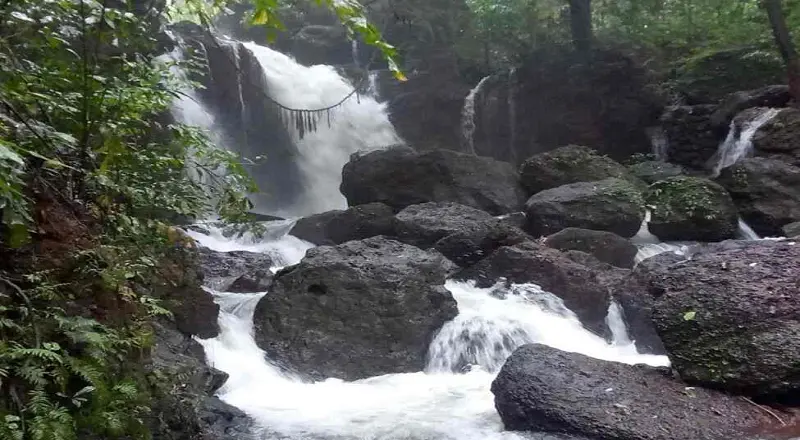
Kaylk Waterfall

Kaylk Waterfall

4.8 1,655 Verified
Nature Spot Trekking South Goa

Quick Navigation

Explore sections of this guide

Overview of Kaylk Waterfall

Deep within the emerald embrace of the Netravali Wildlife Sanctuary in South Goa lies a spectacle of nature that remains largely whispered about in the inner circles of seasoned trekkers and local naturalists. Kaylk Waterfall, a cascading marvel of pristine white water against a backdrop of ancient basalt rock and dense tropical foliage, is the antithesis of the commercialized, neon-lit Goa that most tourists experience. This is the Goa of the Western Ghats—a UNESCO World Heritage site known for its staggering biodiversity and rugged beauty.

Kaylk Waterfall is not just a destination; it is a sensory journey. As you approach the site, the salty breeze of the Arabian Sea is replaced by the cool, moisture-laden air of the Sahyadri Mountains. The "Susegad" lifestyle of the coast transforms into a profound silence, broken only by the rhythmic drumming of woodpeckers or the distant call of a Malabar Giant Squirrel. Unlike the famous Dudhsagar Falls, which attracts thousands of visitors daily, Kaylk offers a sense of profound isolation. It is a place where time seems to have paused, allowing the natural world to flourish in its most primal form.

The waterfall itself is characterized by its multi-tiered drop, which creates a series of natural plunge pools at various levels. The water is exceptionally clear, filtered through layers of forest soil and rock, making it appear turquoise in the sunlight. For those who seek the offbeat side of Goa, Kaylk Waterfall represents the ultimate reward for venturing off the beaten path. It embodies the raw, untamed spirit of the Goan hinterlands, providing a sanctuary for those looking to reconnect with the earth away from the thrum of beach parties and crowded shacks.

Geographically, the area surrounding Kaylk is a labyrinth of seasonal streams and dense canopy. The vegetation here is a mix of semi-evergreen and moist deciduous forests, home to rare orchids, endemic amphibians, and a variety of medicinal plants used by local tribal communities for centuries. To visit Kaylk is to step into a living museum of natural history, where every moss-covered stone and ancient liana vine tells a story of ecological resilience.

How to Reach Kaylk Waterfall

Reaching Kaylk Waterfall requires a blend of logistical planning and a spirit of adventure. Located in the Sanguem taluka of South Goa, it is approximately 80 to 90 kilometers from the capital city of Panjim and about 50 kilometers from the cultural hub of Margao. Because of its remote location, public transport is limited, and having your own vehicle—preferably one with high ground clearance—is highly recommended.

By Road from North Goa: If you are traveling from popular spots like Calangute or Baga, prepare for a long but scenic drive of about 3 hours. You will need to head south on NH66, passing through the city of Margao. From Margao, follow the signs toward Quepem and then toward the village of Netravali. The roads become narrower and more winding as you enter the sanctuary area, flanked by cashew plantations and traditional Goan homes with tiled roofs.

By Road from South Goa: From Palolem or Agonda, the drive is significantly shorter, taking roughly 1.5 to 2 hours. You will traverse the hilly terrain of the Cabo de Rama region before heading inland toward the Netravali range. The drive itself is a highlight, offering glimpses of the rural Goan landscape that remains untouched by modern development.

Public Transport Options: While there are state-run Kadamba buses that ply from Margao to Netravali village, they are infrequent. Once you reach the village, you would still need to hire a local motorcycle pilot (Goa's unique two-wheeler taxi service) or walk a considerable distance to the sanctuary gate. For international travelers or those unfamiliar with the terrain, hiring a private taxi for the day is the most efficient option.

The Final Approach: The road ends at the entrance of the Netravali Wildlife Sanctuary. Here, you must register your details with the Forest Department. From the checkpost, a narrow forest road leads further into the jungle. During the peak monsoon, this road can be treacherous with slush and fallen branches, so extra caution is advised. The final stretch to the waterfall must be covered on foot, as the dense canopy and rocky terrain make it inaccessible to vehicles.

Best Time to Visit

Timing your visit to Kaylk Waterfall is crucial to ensure you see it in its full glory while maintaining safety. The climate in the Western Ghats of Goa is distinctly seasonal, and the waterfall’s character changes dramatically throughout the year.

  • The Monsoon (June to September): This is when Kaylk Waterfall is at its most powerful. The heavy rains turn the stream into a roaring torrent, and the surrounding forest becomes a vibrant, glowing green. However, this is also the most challenging time to visit. The trek path becomes incredibly slippery, and leeches are abundant. If you are a photography enthusiast looking for dramatic shots of plunging water, the late monsoon (September) is ideal.
  • Post-Monsoon (October to January): This is widely considered the best time to visit Kaylk Waterfall. The rains have subsided, making the trekking trails manageable, but the water volume remains significant. The weather is pleasantly cool, especially in the early mornings and late afternoons. The visibility in the forest is better, and the plunge pools are safe for a refreshing dip.
  • The Summer (February to May): During the peak of summer, many of the smaller falls in Goa dry up. While Kaylk usually maintains a steady trickle due to its deep forest source, it loses its "wow" factor. The heat can be intense, and the trek can feel more draining. However, this is a great time for birdwatchers, as many species congregate around the remaining water sources.

It is important to note that the Forest Department may restrict access during periods of exceptionally heavy rainfall for safety reasons. Always check local weather forecasts and, if possible, contact a local guide in Netravali before heading out during the peak of the monsoon.

Trek Details for Kaylk Waterfall

The trek to Kaylk Waterfall is an immersive experience that caters to those with a moderate level of fitness. It is not a grueling mountaineering expedition, but it does require agility and a bit of endurance. The trail is approximately 2 to 3 kilometers long (one way) from the designated parking area within the sanctuary.

The Terrain: The path begins as a relatively flat walk through a canopy of Teak and Rosewood trees. As you go deeper, the terrain becomes more uneven. You will encounter exposed tree roots that act as natural stairs, and you’ll need to cross a few small seasonal streams. During the monsoon, these crossings can be knee-deep, requiring you to find stable footing on submerged rocks.

Flora and Fauna: Keep your eyes peeled for the incredible biodiversity. You might spot the Malabar Whistling Thrush, often called the "Whistling Schoolboy" for its human-like song. The forest floor is a carpet of ferns and wild wildflowers. Look out for the Gliding Lizard (Draco) on the trunks of trees. The trek is as much about the journey as it is about the destination, with the scent of wild ginger and crushed leaves filling the air.

Difficulty Level: Moderate. The main challenge is the humidity and the potentially slippery surfaces. The final descent toward the base of the waterfall is the steepest part of the trek. There are no paved paths here; you are walking on the raw earth of the Western Ghats. It takes roughly 45 minutes to an hour to reach the falls, depending on your pace and how often you stop to take photographs.

Trekking Gear: Sturdy trekking shoes with excellent grip are non-negotiable. Avoid flip-flops or smooth-soled sneakers. Carrying a bamboo walking stick (often available at the start of the trail) can provide extra stability. Since you are in a wildlife sanctuary, keep noise to a minimum to increase your chances of spotting wildlife and to maintain the serenity of the environment.

Things to Do

While the waterfall itself is the star attraction, the area around Kaylk Waterfall offers several activities for nature lovers and adventure seekers:

  • Natural Hydrotherapy: The base of the waterfall features a natural pool where the force of the falling water creates a massaging effect. Sitting under the gentle cascades is a rejuvenating experience that washes away the fatigue of the trek.
  • Bird Watching: The Netravali region is a paradise for birders. Carry a pair of binoculars to spot endemic species like the White-bellied Blue Flycatcher, the Malabar Trogon, and various species of hornbills. The early morning hours are the most productive for birding.
  • Macro Photography: The damp environment is perfect for macro photography. From intricate spider webs adorned with dewdrops to colorful fungi and rare insects, there is a miniature world waiting to be captured.
  • Mindfulness and Meditation: The sheer isolation of Kaylk makes it a perfect spot for meditation. Find a flat rock away from the spray, close your eyes, and listen to the symphony of the forest. The "white noise" of the waterfall is incredibly soothing.
  • Eco-Friendly Picnicking: You can enjoy a quiet meal by the water. However, it is imperative to follow "Leave No Trace" principles. Whatever you carry in, you must carry out. There are no trash cans in the heart of the jungle.

Safety Tips

Exploring the wilder side of Goa requires respect for the environment and an awareness of potential hazards. Here are essential safety tips for your trip to Kaylk Waterfall:

  • Beware of Leeches: During the monsoon and post-monsoon months, leeches are very active in the leaf litter. Wear long socks and apply a mixture of salt and tobacco water or a strong insect repellent on your footwear and legs.
  • Slippery Rocks: The rocks near the waterfall are covered in a thin layer of algae, making them incredibly slick. Always test your footing before putting your full weight on a rock, especially near the water's edge.
  • No Mobile Connectivity: Once you enter the Netravali Wildlife Sanctuary, mobile signals vanish. Do not rely on GPS or online maps. Inform someone at your hotel or a friend about your plans and your expected return time.
  • Wildlife Encounters: While large predators like leopards are elusive and generally avoid humans, the forest is home to various snakes, including the King Cobra and the Malabar Pit Viper. Stay on the marked trails and avoid poking into hollow logs or thick undergrowth.
  • Hydration and Nutrition: There are no shops or stalls once you leave the main road. Carry at least 2 liters of water per person and some high-energy snacks like nuts, fruit, or energy bars.
  • Flash Floods: During peak monsoon, sudden heavy downpours in the upper reaches of the mountains can cause the water level at the falls to rise rapidly. If the water starts turning muddy or if you hear a sudden increase in the roar of the falls, move to higher ground immediately.

Nearby Attractions

A trip to Kaylk Waterfall can be combined with several other fascinating sites in the Netravali and Sanguem region, making for a full day of exploration:

  • Budbudyanchi Tali (The Bubble Lake): Located near the Gopinath Temple in Netravali, this ancient stepped tank is famous for its mysterious bubbles. When you clap your hands near the water, bubbles rise to the surface from the lake bed. It is a unique geological phenomenon and a sacred site for locals.
  • Mainapi Waterfall: Another stunning waterfall in the same sanctuary, Mainapi is slightly more challenging to reach but offers a spectacular vertical drop. It is often visited by more serious trekkers.
  • Savari Waterfall: Known for its scenic beauty and the trek through dense jungle, Savari is a great alternative or addition to your itinerary if you have the stamina for another hike.
  • Salaulim Dam: Located about 20 kilometers away, this dam is famous for its unique "duckbill" spillway. During the monsoon, the water creates a magnificent mist as it plunges into the abyss. The botanical gardens surrounding the dam are also worth a visit.
  • Usgalimal Rock Carvings: For history buffs, these prehistoric petroglyphs on the banks of the Kushavati River date back to the Upper Paleolithic or Mesolithic era. They are among the most important archaeological sites in Western India.

Entry Fees & Timings

Since Kaylk Waterfall is located within a protected wildlife sanctuary, there are certain regulations to follow:

  • Entry Fee: There is a nominal entry fee charged by the Goa Forest Department at the sanctuary gate. Usually, it is around INR 20 to 50 per person. There may be additional charges for cameras (especially professional DSLRs) and vehicles.
  • Timings: The sanctuary typically opens at 8:00 AM and closes by 5:00 PM. It is highly recommended to start your trek early in the morning so you can return before sunset. The forest becomes pitch dark very quickly after the sun goes down, and trekking in the dark is dangerous.
  • Permits: For most casual visitors, registration at the gate is sufficient. However, if you are planning a large group trek or professional filming, prior permission from the Wildlife Warden’s office in Margao may be required.

Where to Eat Nearby

The culinary scene near Kaylk Waterfall is as authentic as it gets. You won't find fine-dining restaurants here, but you will find the soul of Goan cuisine.

Local Eateries in Netravali: In the main Netravali village, there are a few small "Gharwas" (homestyle eateries) and tea stalls. Here, you can enjoy a traditional Goan Fish Thali, which typically includes fresh river fish fry, Xitt-Kodi (rice and curry), a vegetable side dish, and "Sol Kadhi" (a refreshing drink made from kokum and coconut milk).

Tiku's Gopinath Niwas: Often cited by travelers, this place offers simple, delicious vegetarian meals and is located near the Bubble Lake. It is a great spot to refuel after your trek.

Packing Your Own Food: Given the remote nature of the trek, many visitors choose to carry a packed lunch. Traditional Goan snacks like Pao with Bhaji or Beef/Potato Croquettes from a bakery in Margao are perfect for a trail lunch. Remember to avoid any plastic packaging that could accidentally be left behind in the forest.

Accommodation Nearby

If you want to fully immerse yourself in the wilderness, consider staying overnight in the Netravali or Canacona region. This allows you to experience the forest at dawn and dusk.

  • Angadi Eco Resort: A rustic and eco-conscious stay located close to the sanctuary. It offers a chance to live in harmony with nature, with basic but comfortable amenities and traditional Goan meals.
  • Netravali Wildlife Sanctuary Rest House: The Forest Department maintains a basic rest house. Booking usually needs to be done in advance through the Forest Department headquarters in Panjim or Margao. It is ideal for those who want to be as close to the trails as possible.
  • Homestays: Several families in Netravali village have opened their doors to travelers. Staying in a local homestay is the best way to learn about the culture, traditions, and folklore of the region.
  • Luxury Options in South Goa: If you prefer luxury, you can stay at the high-end resorts in Palolem or Benaulim and make a day trip to the waterfall. Resorts like The Leela or Taj Exotica are about a 1.5 to 2-hour drive away.

Photography Spots

For photographers, Kaylk Waterfall is a canvas of light, shadow, and texture. Here are the best spots to capture its beauty:

  • The Mid-Trek Clearing: About halfway through the trek, there is a break in the canopy that offers a panoramic view of the valley. It’s a great spot for landscape shots of the Western Ghats.
  • The Base Plunge Pool: This is the classic shot. Use a tripod and a slow shutter speed (ND filters help) to capture the "milky" effect of the falling water against the dark, wet rocks.
  • The Natural Rock Bridge: Near the falls, there are several large boulders that create natural bridges and frames. Positioning a subject on these rocks can provide a sense of scale to the massive waterfall.
  • Macro Details: Don't forget the small things. The moss-covered bark of the trees, the intricate patterns of forest floor leaves, and the vibrant wild mushrooms provide excellent subjects for macro lenses.

Hidden Gem Score & Crowd Level

Hidden Gem Score: 9.5/10

Kaylk Waterfall is one of Goa's best-kept secrets. While places like Dudhsagar have become victims of their own popularity, Kaylk remains pristine. On a weekday, you might be the only person at the falls. Even on weekends, the crowd is limited to a handful of local adventure groups and nature enthusiasts.

Crowd Level: Very Low

The effort required to reach the location and the lack of commercial facilities act as a natural filter, keeping the "party crowd" away. This ensures that the environment remains quiet and the water stays clean. If you value solitude and a deep connection with nature, this is the perfect destination for you.

Conclusion

Kaylk Waterfall is a testament to the fact that Goa’s true beauty lies far beyond its shoreline. It is a destination for the conscious traveler—the one who seeks to understand the land, respect its wildlife, and find joy in the simplicity of a forest trail. The trek to Kaylk is a reminder of the raw power of the Western Ghats and the importance of preserving these fragile ecosystems.

As you stand at the base of the falls, with the mist on your face and the roar of the water in your ears, you realize that this is the "Real Goa." It is a place of peace, power, and unparalleled natural beauty. Whether you are a solo traveler looking for introspection, a couple seeking a romantic escape into the wild, or a group of friends on an adventure, Kaylk Waterfall offers an experience that will linger in your memory long after the Goan sand has been washed from your shoes. Plan your visit with care, travel responsibly, and prepare to be enchanted by one of India’s most beautiful hidden treasures.

User Reviews

4.8
1655 Reviews
5
85%
4
10%
3
3%
2
1%
1
1%

Login to post a review

Join the community to share your nature experiences.

Login / Sign Up

Location Details

Address
9W2V+25P, Verna Loutolim Rd, Verna, Lotli, Goa 403722, India
Best Time
Monsoon (June - Sept)

Plan Together

Share this nature guide with your travel group on WhatsApp!

Share Now

Nearest Beaches from Kaylk Waterfall

Nearest Forts from Kaylk Waterfall

Nearby Religious Sites from Kaylk Waterfall

Nearby Nightlife from Kaylk Waterfall