Kesarval waterfall

Kesarval waterfall

4.9 1,620 Verified
Nature Spot Trekking South Goa

Quick Navigation

Explore sections of this guide

Overview of Kesarval waterfall

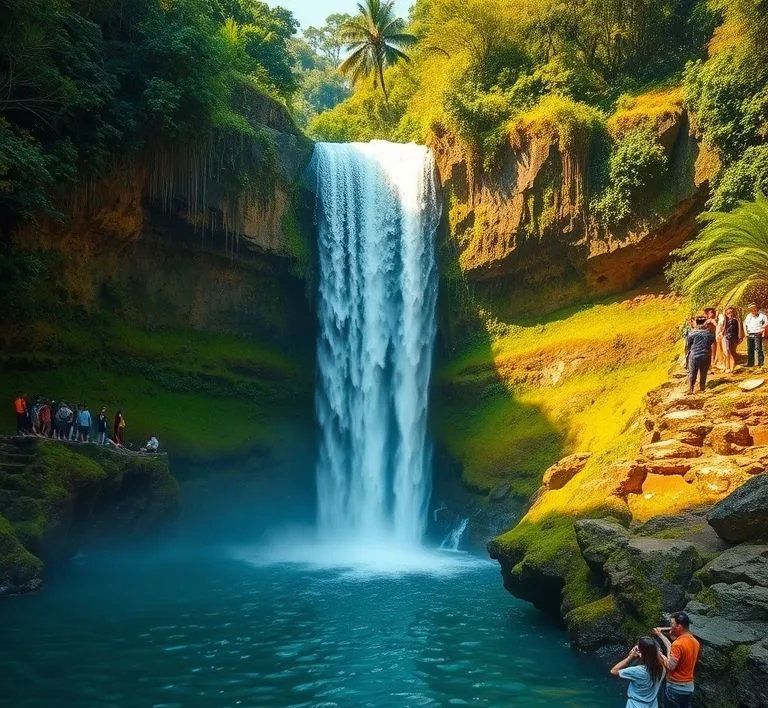
Deep within the heart of South Goa, tucked away from the rhythmic thumping of beach parties and the neon glow of coastal casinos, lies a natural sanctuary known as the Kesarval waterfall. Often referred to by locals as the Kesarval Spring, this site is far more than just a cascading body of water; it is a repository of Goan history, a geological marvel, and a traditional center for healing. Located near the village of Cortalim and the bustling Verna plateau, the waterfall is situated just off the primary National Highway 66, yet it feels worlds away from the modernization of the surrounding industrial estates.

The name 'Kesarval' is derived from the local Konkani words for 'eagles.' Historically, this site was a haven for eagles that nested in the rugged cliffs surrounding the falls. While the majestic birds are seen less frequently today, the site’s aura of ancient wildness remains. The waterfall is uniquely celebrated for its medicinal properties. For centuries, locals have believed that the waters of Kesarval are infused with the essence of the roots of various medicinal plants and minerals found on the Verna plateau. It is a common sight to see people from across the state visiting the spring to bathe in its waters, seeking relief from skin ailments, joint pains, and general fatigue. The high sulfur content in the water, combined with other trace minerals, gives it a distinct quality that has been recognized by the Goa Tourism Development Corporation (GTDC), which has designated it as a protected eco-tourism site.

Geographically, Kesarval is a seasonal cascade that originates from the lush tropical forests of the Verna plateau. Unlike the towering Dudhsagar Falls, Kesarval is intimate and accessible. It flows over a series of jagged rocks, creating a natural shower effect that is both invigorating and soothing. The surrounding landscape is a dense tapestry of tropical greenery, featuring betel nut palms, ancient banyan trees, and thick creepers that drape over the stone stairs leading down to the basin. The soundscape here is dominated by the rush of water and the calls of tropical birds, providing a stark, refreshing contrast to the vehicular hum of the nearby Zuari bridge. To visit Kesarval is to step into a Goa that predates the tourism boom—a Goa of legends, natural remedies, and quiet, verdant beauty.

How to Reach Kesarval waterfall

Reaching Kesarval waterfall is relatively straightforward due to its proximity to major transportation arteries, yet it requires a bit of local knowledge to find the exact entrance, as it is somewhat hidden behind the roadside foliage. The waterfall is located approximately 22 kilometers from the capital city of Panjim and about 10 kilometers from Margao, the commercial hub of South Goa.

  • By Air: If you are flying into Goa, the Dabolim Airport is the closest terminal, situated roughly 12 kilometers away. From the airport, you can hire a pre-paid taxi. The drive takes about 20 to 30 minutes. Instruct the driver to take the road towards the Cortalim-Verna stretch of the NH66.
  • By Road (Self-Drive or Taxi): This is the most convenient way to reach the site. If you are coming from North Goa (Panjim/Calangute), cross the New Zuari Bridge. Once you cross the bridge and pass the Cortalim junction, keep a close watch on the left side of the road. The entrance to Kesarval is located near the Verna plateau, shortly before reaching the Verna Industrial Estate. There is a small signage, but it is easily missed. If you are coming from South Goa (Margao/Colva), head north on NH66. After passing the Verna Industrial Estate, the entrance will be on your right.
  • By Public Transport: Goa’s bus network is extensive. You can board any bus traveling between Panjim and Margao. Ask the conductor to drop you at the Kesarval stop or near the Cortalim church. From the main road, it is a short walk of about 500 meters to the entrance of the spring.
  • By Rail: The nearest major railway station is Madgaon Junction (Margao). From there, you can take a local bus or a motorcycle taxi (locally known as a "pilot") to reach the falls. The Verna Railway Station is closer but only handles local passenger trains with limited schedules.

Pro Tip: Using a GPS navigation system like Google Maps is highly recommended, but keep an eye out for the "Kesarval Spring" marker specifically. Look for the old GTDC tourist hostel building, which serves as a landmark for the entrance path.

Best Time to Visit

Timing your visit to Kesarval waterfall is crucial to ensure you experience its medicinal waters and aesthetic beauty at their peak. Because the waterfall is fed by the monsoon rains and the groundwater of the Verna plateau, its volume fluctuates significantly throughout the year.

  • Monsoon Season (June to September): This is when the waterfall is at its most powerful. The rains transform the surrounding forest into a vibrant, emerald paradise. The flow is heavy, and the "shower" effect is most prominent. However, be prepared for slippery paths and muddy water. This is the best time for photography and experiencing the raw power of nature.
  • Post-Monsoon (October to February): This is widely considered the ideal time to visit. The heavy rains have subsided, leaving the water clear and the flow steady but gentle. The weather in Goa during these months is pleasant, with lower humidity and cooler breezes. The medicinal properties are said to be most concentrated during this time as the water filters through the mineral-rich soil without being overly diluted by torrential downpours.
  • Summer Season (March to May): During the peak of summer, Kesarval often slows down to a mere trickle. While the spring is perennial and rarely dries up completely, the "waterfall" aspect may be underwhelming. However, the shaded glen remains a cool refuge from the Goan heat, and the pool at the bottom is still accessible for a quick dip.

To avoid crowds, it is best to visit on weekdays. Weekends often see local families and groups of friends visiting for picnics. Arriving early in the morning, around 9:00 AM, ensures you have the place to yourself before the midday heat and the afternoon visitors arrive.

Trek Details for Kesarval waterfall

Unlike the grueling treks required to reach some of the more remote waterfalls in the Western Ghats, the "trek" to Kesarval is more of a leisurely nature walk. It is perfectly suited for families, elderly visitors, and those who are not looking for an intense physical challenge. However, the path has its own unique charm and specific characteristics that visitors should be aware of.

The journey begins from the parking area near the main road. From here, a well-defined path leads you into the forest. The descent involves a flight of stone steps that have been built into the hillside. These steps are often covered in moss, especially during the monsoon, so a cautious foot is necessary. The descent takes approximately 10 to 15 minutes. As you walk down, you are enveloped by a canopy of tropical trees. You will notice the air temperature drop slightly as the humidity of the open road is replaced by the cool, damp atmosphere of the ravine.

The trail is flanked by laterite stone walls, a characteristic building material of Goa, which are often overgrown with ferns and wild orchids. Along the way, you might spot local wildlife, such as the Malabar Giant Squirrel or various species of kingfishers. The path eventually opens up to the base of the waterfall. There is no significant climbing involved, but the area around the waterfall basin consists of uneven, slippery rocks. Navigating these rocks to get directly under the fall requires good balance. The total distance from the road to the falls is less than half a kilometer, making it one of the most accessible natural attractions in the state.

Things to Do

While Kesarval is a relatively small site, it offers a variety of activities for those who appreciate nature and traditional wellness.

  • Bathe in the Medicinal Waters: This is the primary reason people visit Kesarval. The water is believed to have curative properties for skin conditions and respiratory issues. Stand directly under the cascade for a natural hydrotherapy session. The pressure of the water acting on your shoulders and back provides a fantastic natural massage.
  • Nature Photography: The play of light through the thick canopy, the moss-covered stones, and the cascading water provide ample opportunities for photography. It is a great spot to practice long-exposure shots of moving water.
  • Bird Watching: The area is a haven for avian life. Bring a pair of binoculars to spot hornbills, woodpeckers, and the eagles for which the site was originally named. The proximity to the Zuari river also means you might see aquatic birds nearby.
  • Picnicking: There are several flat areas and stone benches where you can sit and enjoy a packed meal. Note: Please ensure you carry all your trash back with you, as the area is an ecologically sensitive zone and plastic littering is a major concern.
  • Explore the Verna Plateau: After visiting the falls, you can explore the surrounding Verna plateau. The plateau is known for its unique laterite ecosystem, seasonal wildflowers, and ancient rock formations. It offers a different perspective on Goa’s varied landscape.
  • Meditation and Relaxation: The constant white noise of the waterfall makes it an excellent spot for mindfulness and meditation. Find a quiet rock away from the main splash zone and soak in the tranquility.

Safety Tips

To ensure a pleasant visit to Kesarval waterfall, it is important to keep several safety considerations in mind. While the site is accessible, nature can be unpredictable.

  • Beware of Slippery Surfaces: The rocks at the base of the waterfall and the stone steps leading down are notoriously slippery due to algae and moss. Wear shoes with strong grip or trekking sandals. Avoid flip-flops if you plan on climbing over the rocks.
  • Monitor Water Levels: During heavy monsoon spells, the water level can rise rapidly. If the water appears brown and turbulent, avoid entering the basin as the current can be stronger than it looks.
  • Avoid Isolated Areas After Dark: The waterfall is located in a secluded wooded area. It is best to leave the site before sunset. There is limited lighting, and the path can become treacherous in the dark.
  • Stay Hydrated: While the area is cool, the humidity in Goa can be draining. Carry a bottle of water with you.
  • Respect the Environment: Do not use soap or shampoo in the waterfall, as the chemicals can harm the local ecosystem and contaminate the water that locals believe to be medicinal.
  • Watch for Insects: Being a tropical forest area, there are mosquitoes and occasional leeches during the monsoon. Applying an insect repellent before you head down the trail is a wise precaution.

Nearby Attractions

Kesarval’s central location in the Salcete taluka makes it a great starting point for exploring other historical and natural landmarks in South Goa.

  • Cortalim Church (St. Philip and St. James Church): Located just a few minutes away, this is one of the older churches in Goa, known for its beautiful architecture and calm atmosphere.
  • Verna Springs: Not far from Kesarval is another set of springs in Verna. These are often less visited and offer a more rugged experience.
  • Bogmalo Beach: A 20-minute drive will take you to this beautiful crescent-shaped beach. It is perfect for a sunset swim after your morning at the waterfall.
  • The Zuari River: You can take a boat cruise on the Zuari river, which is famous for crocodile spotting and bird watching in the mangrove forests.
  • Rachol Seminary: About 15 kilometers away, this historic seminary is a masterpiece of colonial architecture and houses a museum of Christian art.
  • Ancestral Goa (Loutolim): A short drive to the village of Loutolim takes you to 'Big Foot,' an open-air museum showcasing traditional Goan village life and culture.

Entry Fees & Timings

One of the best things about Kesarval waterfall is that it remains a very affordable destination for travelers. As of current regulations, there is no official entry fee to visit the spring. It is maintained by the local authorities and the GTDC as a public natural resource.

Timings: The waterfall is generally accessible from 9:00 AM to 6:00 PM. While there is no gate that "closes" the forest, it is highly discouraged to visit outside of daylight hours for safety reasons. Most visitors spend about 1 to 2 hours at the site, which is plenty of time to enjoy a bath and explore the immediate surroundings.

Parking: There is a small designated area near the entrance where you can park your scooter or car. While parking is usually free, during peak season, local attendants might charge a nominal fee of 20 to 50 INR for vehicle supervision.

Where to Eat Nearby

The area around Kesarval and Verna offers a mix of local Goan eateries and more upscale options catering to the industrial estate employees and tourists.

  • Local Tavernas: In the villages of Cortalim and Verna, you can find small local bars and tavernas serving authentic Goan snacks like chorizo pav, fish cutlets, and samosas. These are great for a quick, cheap bite.
  • Verna Industrial Estate Cafeterias: There are several multi-cuisine restaurants within the industrial estate that serve high-quality thalis (Goan fish thali is a must-try) and North Indian dishes.
  • Loutolim Eateries: If you head towards Loutolim, you can find charming garden restaurants that serve traditional Goan Catholic cuisine, such as Sorpotel, Xacuti, and Bebinca for dessert.
  • Roadside Carts: Along the NH66, you will often find vendors selling fresh coconut water, roasted corn, and seasonal fruits like mangoes or cashews. These are perfect for refreshing yourself immediately after your trek.

Accommodation Nearby

Since Kesarval is centrally located, you can visit it while staying in either North or South Goa. However, if you want to stay in the immediate vicinity to enjoy the rural charm of the Verna plateau, here are some options:

  • Heritage Stays in Loutolim: For a luxury experience, look for restored Portuguese villas in Loutolim. These offer a deep dive into Goan history and are only a 10-minute drive from the falls.
  • Business Hotels in Verna: Due to the industrial estate, there are several modern business hotels that offer comfortable rooms, high-speed internet, and standard amenities at competitive prices.
  • Beach Resorts in Bogmalo: If you prefer the ocean, Bogmalo beach has several resorts ranging from budget guest houses to 4-star hotels. This allows you to combine a beach holiday with a visit to the spring.
  • Eco-Stays: There are a few eco-friendly homestays located on the fringes of the Verna plateau that focus on sustainable tourism and offer guided nature walks.

Photography Spots

For the shutterbugs, Kesarval waterfall offers several distinct frames that capture the essence of Goa's inland beauty.

  • The Main Cascade: Use a tripod and a slow shutter speed (around 1/2 to 2 seconds) to get that silky, ethereal look of the water flowing over the dark rocks. The contrast between the white water and the deep green foliage is stunning.
  • The Stone Staircase: The descent path, with its mossy walls and overhanging vines, creates a beautiful "tunnel" effect. It is a perfect spot for portrait photography or "pathway to nature" shots.
  • Macro Details: Don't forget to look down. The rocks are often home to unique mosses, tiny wildflowers, and interesting insect life. The textures of the laterite stone are also very photogenic.
  • The Canopy View: Looking up from the base of the falls provides a perspective of the towering trees and the sunlight filtering through the leaves (the "komorebi" effect).
  • The Zuari Bridge: From certain vantage points near the entrance, you can get a wide-angle shot that includes the greenery of the Kesarval area with the modern engineering of the Zuari bridge in the background, symbolizing the duality of modern Goa.

Hidden Gem Score & Crowd Level

Hidden Gem Score: 8.5/10

Kesarval waterfall remains a true hidden gem. While it is known to locals, it is frequently bypassed by the average tourist rushing toward the beaches of Palolem or Baga. It offers an authentic experience that hasn't been overly commercialized. The lack of loud music, souvenir stalls, and heavy crowds makes it a sanctuary for those who know where to look.

Crowd Level: Low to Moderate

On a typical weekday, you might find only a handful of people at the falls—mostly locals coming for a medicinal bath. On Sundays and public holidays, the crowd level increases as local families arrive for picnics. However, even at its "busiest," it rarely feels suffocatingly crowded compared to other Goan landmarks. If you visit during the off-season (summer), you are likely to have the entire place to yourself.

Conclusion

The Kesarval waterfall is a testament to the fact that Goa’s greatest treasures often lie just a few steps away from its busiest roads. It is a place where nature and tradition intertwine, offering a healing touch to those who seek it. Whether you are drawn by the legends of the nesting eagles, the scientific curiosity of its mineral-rich waters, or simply the desire for a quiet moment in a tropical forest, Kesarval does not disappoint.

In a world of fast-paced travel and curated tourist experiences, Kesarval remains raw, honest, and deeply rooted in the Goan soil. It reminds us that the state is more than just a coastline; it is a land of lush plateaus, ancient springs, and a culture that respects the medicinal bounty of the earth. As you stand under the cool cascade, listening to the rustle of the palms and the distant hum of the Zuari, you realize that this is the soul of Goa—unhurried, rejuvenating, and eternally green. So, the next time you find yourself crossing the Zuari bridge, slow down, take the turn toward Verna, and let the healing waters of Kesarval wash over you. It is an experience that will linger in your memory long after the beach sands have been brushed away.

User Reviews

4.9
1620 Reviews
5
85%
4
10%
3
3%
2
1%
1
1%

Login to post a review

Join the community to share your nature experiences.

Login / Sign Up

Location Details

Address
Kesarval Waterfall, Verna Plateau, South Goa, Goa 403722, India
Best Time
Monsoon (June - Sept)

Plan Together

Share this nature guide with your travel group on WhatsApp!

Share Now

Nearest Beaches from Kesarval waterfall

Nearest Forts from Kesarval waterfall

Nearby Religious Sites from Kesarval waterfall

Nearby Nightlife from Kesarval waterfall