Overview of Shree Kelbai Temple
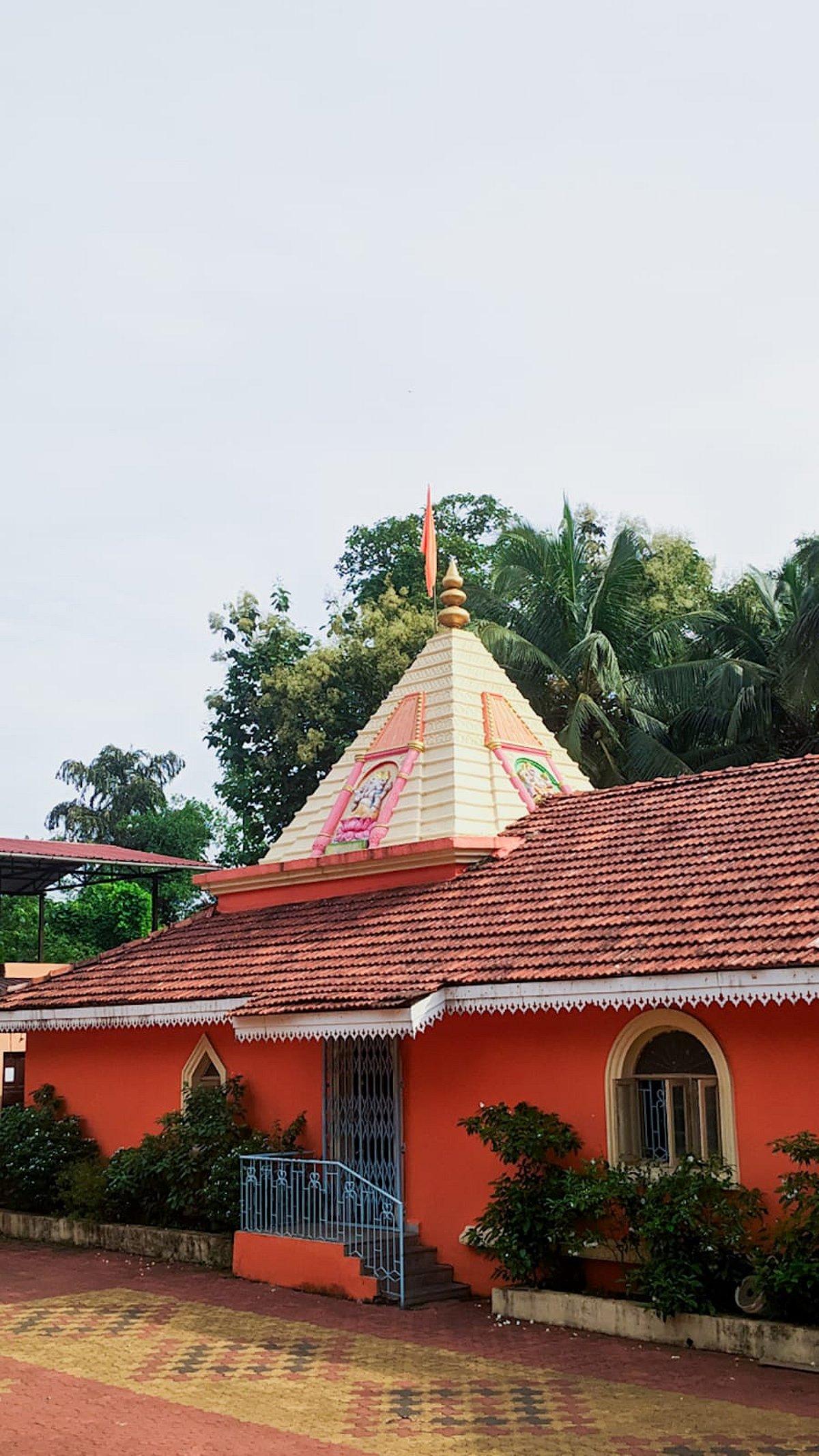
Nestled in the serene and verdant village of Mulgao, within the Bicholim Taluka of North Goa, the Shree Kelbai Temple stands as a magnificent testament to Goa’s profound spiritual heritage and architectural splendor. Unlike the bustling, sun-drenched beaches that most tourists associate with the state, the hinterlands of Goa offer a different kind of magic—one rooted in ancient traditions, deep-seated faith, and a connection to the earth. Shree Kelbai Temple is a primary example of this "other" Goa, where the air is thick with the scent of jasmine and the rhythmic chanting of Vedic hymns.
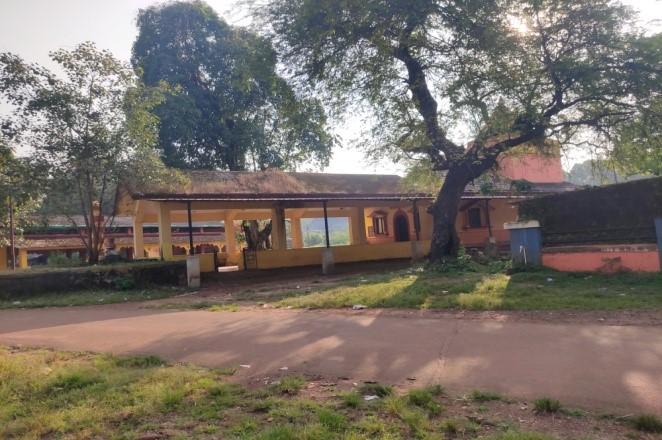
The temple is dedicated to Goddess Kelbai, a powerful manifestation of the Divine Mother. For the people of Mulgao and the surrounding regions, this temple is not just a place of worship; it is the cultural and social heartbeat of the community. The temple complex is characterized by its peaceful ambiance, surrounded by towering coconut palms, ancient banyan trees, and the rolling hills of the Western Ghats that frame the Bicholim landscape. As you step into the temple precincts, you are immediately struck by a sense of timelessness, as if the modern world has been left far behind at the village gates.
Top Goa Experience • Part 1
Highly Recommended Near Shree Kelbai Temple
Explore All
Shree Kelbai is revered as one of the "Seven Sisters" (Saptashakti), a group of powerful goddesses who are central to Goan folklore and religious practice. Her presence in Mulgao is believed to protect the village from calamities and ensure the prosperity of its inhabitants. The temple’s location in the interior of Goa allows visitors to experience the authentic "Goan lifestyle," characterized by "Susegad" (a relaxed, laid-back attitude) and a deep respect for ancestral traditions. Whether you are a spiritual seeker, a history enthusiast, or a traveler looking to explore the hidden gems of the Konkan coast, the Shree Kelbai Temple offers an enriching and soul-stirring experience.
History & Religious Significance
The history of Shree Kelbai Temple is intricately woven into the legendary fabric of Goa’s "Seven Sisters." According to local mythology, seven sisters and one brother (Khetrapal) arrived in Goa from a distant land. These sisters—Lairai, Kelbai, Mahamaya, Mirabai, Morjai, Shitala, and Ajadipa—settled in different parts of Goa, each becoming the presiding deity of her respective village. Shree Kelbai chose Mulgao as her abode, and since then, she has been the Gramdevi (village goddess) of this region.
Recommended Guide
10 Interesting Facts About Goa That Will Blow Your Mind
Discover 10 fascinating facts about Goa from Portuguese history & architecture to hidden beaches, cheap alcohol secrets, and more.
Read Guide →
Historically, the temple has survived centuries of socio-political changes in Goa. During the Portuguese colonial era, many Hindu temples in the coastal "Old Conquests" were destroyed or relocated. However, temples in the "New Conquests," such as Bicholim, often remained more insulated from these colonial pressures, allowing for the preservation of ancient rituals and original architectural nuances. The Kelbai Temple has undergone several renovations over the centuries, evolving from a simple mud and thatch structure to the grand edifice seen today, yet it has never lost its primal spiritual energy.
The religious significance of the temple is most prominently felt during the Zatra (annual festival). The bond between the sisters is celebrated with great fervor. For instance, there is a famous tradition involving the exchange of gifts and greetings between the temples of Shree Lairai in Shirgao and Shree Kelbai in Mulgao. This "sisterly" connection is a unique aspect of Goan Hinduism, emphasizing communal harmony and the interconnectedness of different villages. To the local Gaudas and other communities in Mulgao, Kelbai Devi is the ultimate matriarch, a protector who oversees every birth, marriage, and harvest in the village.
Recommended Guide
North Goa vs South Goa: Which is Better for Your Goa Trip?
Goa is India's most popular beach destination and attracts millions of domestic and international tourists every year. One of the most common questions tra...
Read Guide →
Architecture of Shree Kelbai Temple
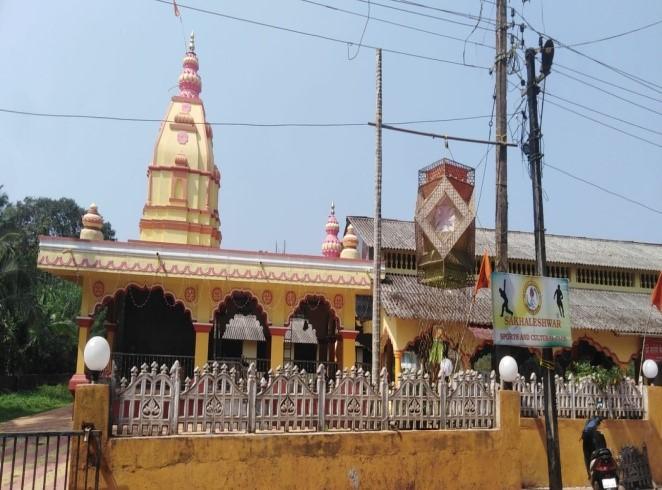
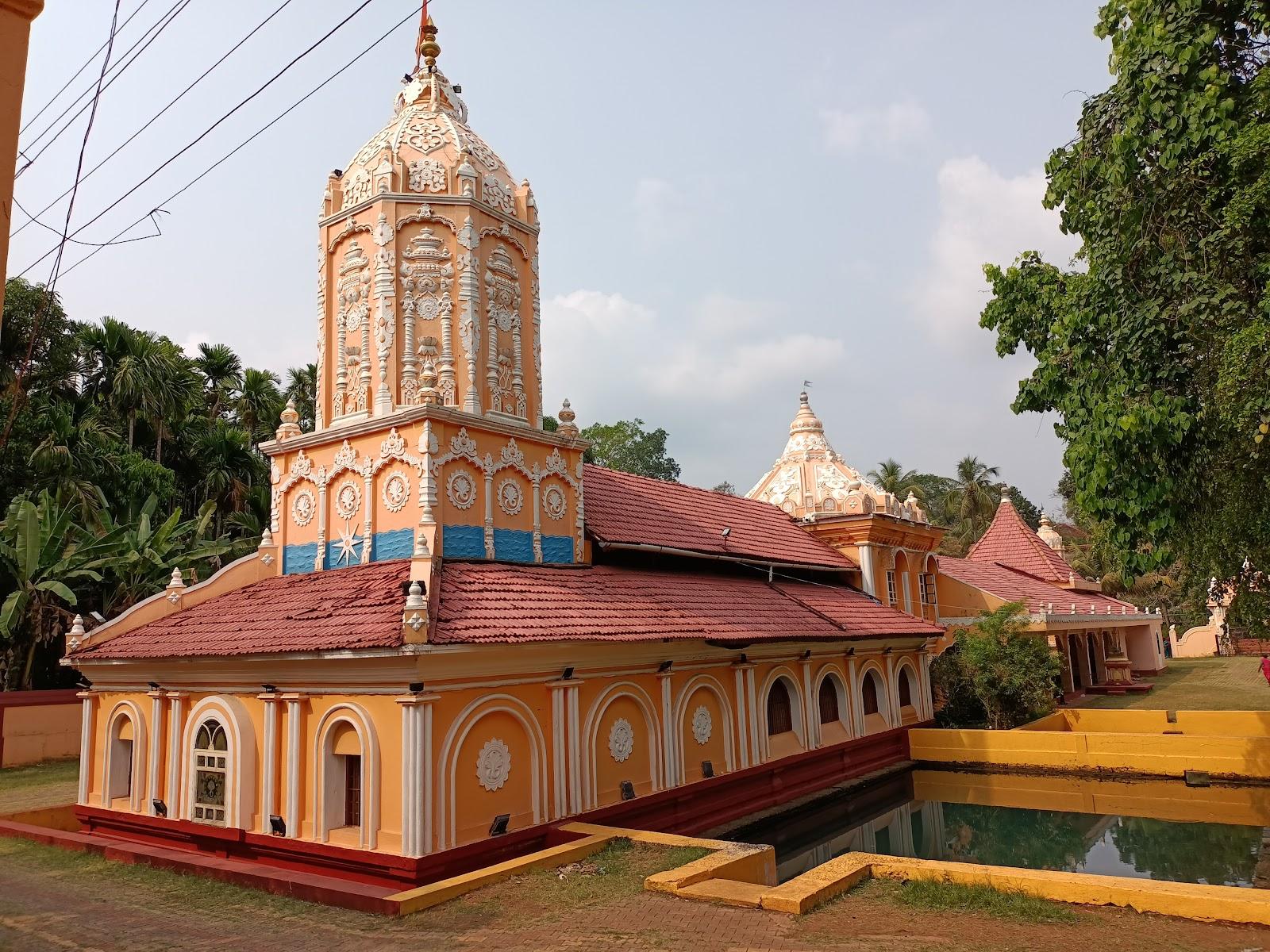
The architecture of the Shree Kelbai Temple is a beautiful blend of traditional Goan temple design and modern structural reinforcements. As is typical of Goan temples, the structure features a unique synthesis of Hindu, Islamic, and sometimes even Portuguese aesthetic elements, which evolved over centuries of cultural intersection.
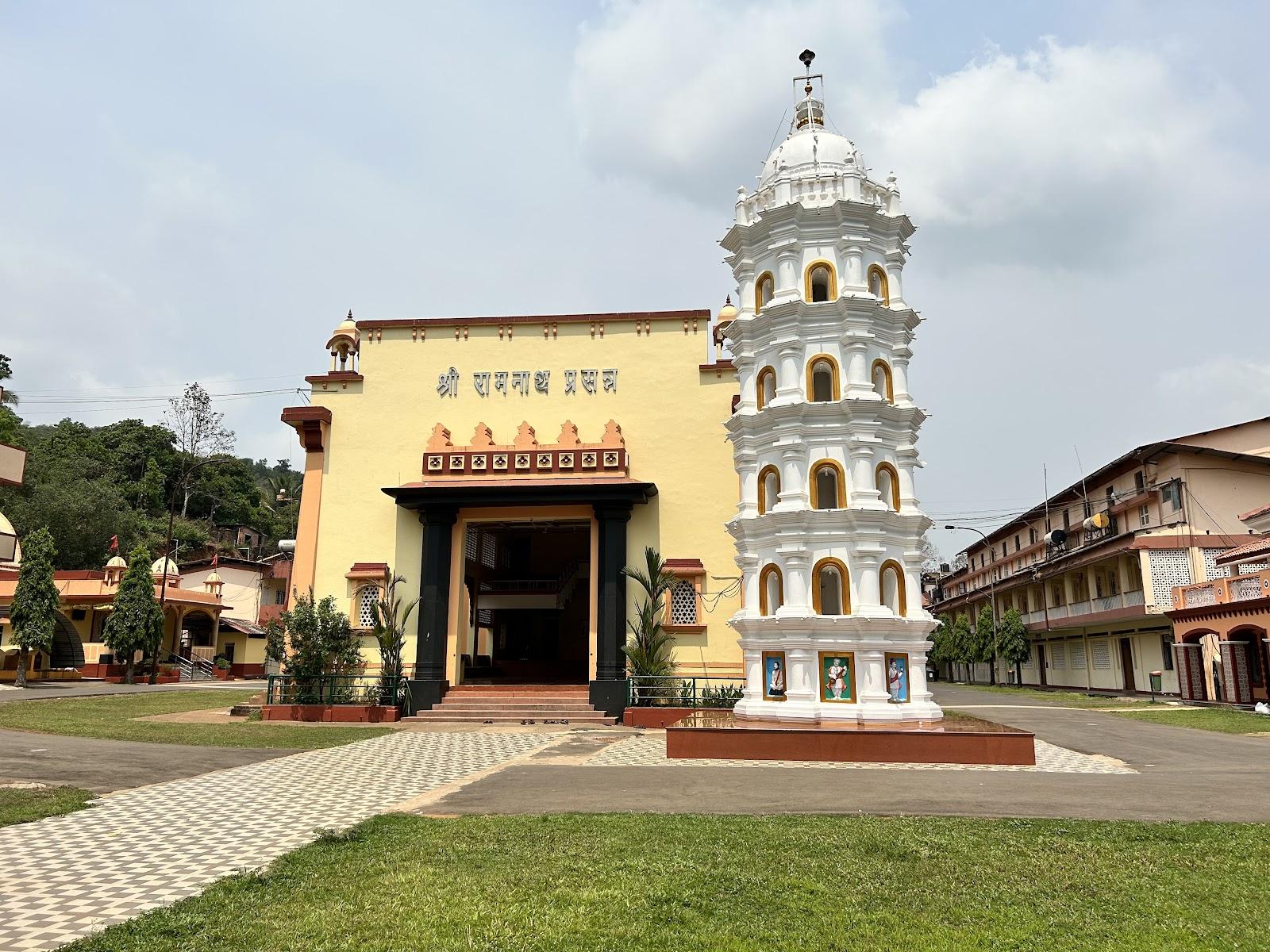
One of the most striking features of the temple is the Deepstambh (lamp tower). This multi-storied, white-washed tower stands proudly at the entrance. During festivals, hundreds of oil lamps are lit in the niches of the Deepstambh, creating a mesmerizing spectacle of light that can be seen from across the village. The tower’s design reflects the classic Goan style, with octagonal or circular tiers tapering toward the top.
Recommended Guide
Best Less Crowded Beaches in South Goa
South Goa is famous for its peaceful beaches, natural beauty, clean coastline, and relaxed atmosphere. While North Goa attracts thousands of tourists every...
Read Guide →
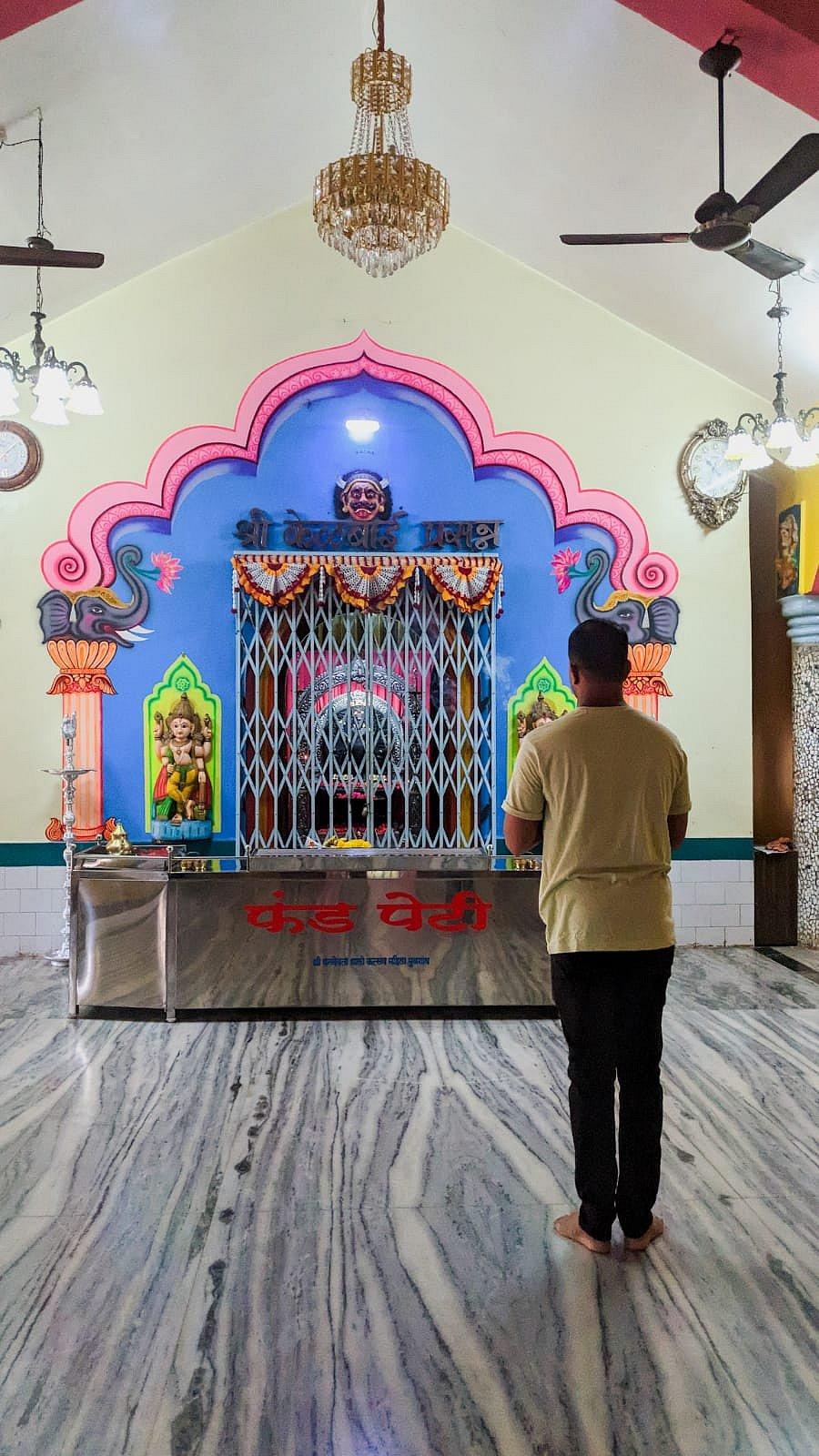
The main temple structure consists of the Mandapa (assembly hall) and the Garbhagriha (sanctum sanctorum). The Mandapa is spacious, featuring heavy wooden pillars often intricately carved with floral motifs and depictions of various deities. The ceiling is typically made of wood, providing a natural cooling effect. The roof of the temple is covered with red Mangalore tiles, a quintessential feature of Goan architecture that helps the structure withstand the heavy monsoon rains of the region. The Shikhara (dome) above the sanctum is elegantly designed, often painted in vibrant colors or pristine white, topped with a golden Kalash.
Top Goa Experience • Part 2
Highly Recommended Near Shree Kelbai Temple
Explore All
Inside the sanctum, the atmosphere is one of intense devotion. The walls are often adorned with murals or tiles depicting scenes from the Puranas. The use of local laterite stone in the foundation and walls provides a sturdy and earthy feel to the entire complex. The wide courtyards (Prakara) surrounding the main shrine allow for the Pradakshina (circumambulation) by devotees, a vital ritual in Hindu worship.
Main Deity / Spiritual Importance
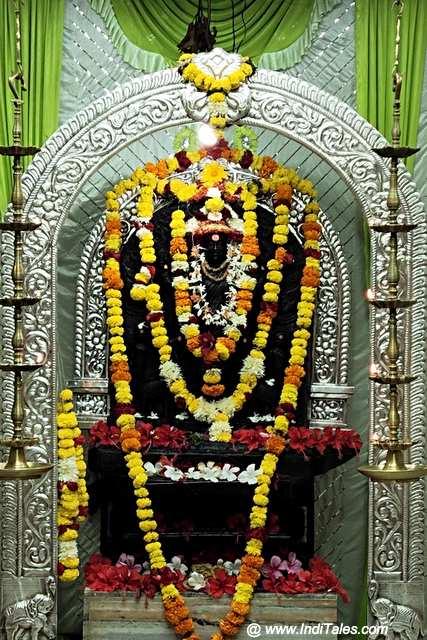
The presiding deity of the temple is Goddess Kelbai. She is depicted in a regal and powerful form, often adorned with traditional Goan jewelry, including the Nath (nose ring) and heavy gold necklaces. The idol is typically carved from black stone and is kept draped in exquisite silk sarees that are changed daily by the temple priests. Her eyes are said to be particularly striking, radiating a sense of maternal compassion mixed with divine authority.
Spiritual seekers believe that Goddess Kelbai is an embodiment of Shakti, the primordial cosmic energy. She is sought after for her ability to remove obstacles and grant protection. In the local context, she is also viewed as a fertility goddess. Farmers in Mulgao often offer the first grains of their harvest to her, seeking her blessings for a bountiful season. The spiritual importance of Kelbai Devi extends beyond the physical idol; she is considered the living spirit of the village.
The rituals performed at the temple follow strict Agamic traditions. The daily Aarti (ritual of light) is a significant spiritual event, where the synchronized ringing of bells, blowing of conch shells, and the rhythmic beating of the Ghumot (a traditional Goan percussion instrument) create a high-vibrational environment. It is believed that meditating within the temple premises helps in aligning one's inner energy and provides mental clarity. For many, a visit to Shree Kelbai is a pilgrimage to reconnect with their roots and seek the "Darshan" (divine vision) that promises peace and spiritual upliftment.
Festivals & Celebrations
The Mulgao Zatra is the most significant event in the temple's calendar and is one of the most vibrant festivals in North Goa. Held usually in the month of April or May (the Hindu month of Chaitra), the Zatra attracts thousands of devotees from all over the state and beyond. The festival is a riot of color, sound, and intense devotion.
- The Dhond Ritual: The most unique aspect of the festival is the participation of the Dhonds. These are male devotees who undergo a period of strict penance, fasting, and purification for several days before the Zatra. They dress in traditional white dhotis, carry colorful sticks, and move in groups, chanting praises to the Goddess.
- The Fire-Walking Ceremony: Similar to the famous Shirgao Zatra of her sister Lairai, the Mulgao Zatra sometimes features fire-walking rituals where devotees walk across a bed of glowing coals to prove their faith and seek the Goddess's protection.
- Palki Procession: The Goddess is placed in a beautifully decorated Palki (palanquin) and carried on the shoulders of devotees around the village. The procession is accompanied by traditional music, folk dances, and displays of fireworks.
- Cultural Programs: The temple committee organizes various cultural events during the Zatra, including Nataks (Marathi or Konkani dramas), bhajan singing competitions, and folk performances like Dashavatar.
Apart from the annual Zatra, the temple celebrates Navratri with great pomp. During these nine nights, the Goddess is decorated in different avatars, and special pujas are conducted. Vasant Panchami and Diwali are also celebrated with traditional rituals and the lighting of the Deepstambh.
Best Time to Visit
Determining the best time to visit Shree Kelbai Temple depends on what you wish to experience. To witness the temple in its full glory and cultural vibrancy, the Zatra period (April/May) is unparalleled. However, be prepared for large crowds and hot, humid weather. The energy during the Zatra is electric, making it a must-visit for those interested in Goan folklore and intense religious practices.
For those seeking a more peaceful and meditative experience, the winter months (November to February) are ideal. The weather in Goa during this time is pleasant, with cool breezes and clear skies, making the journey to the interior village of Mulgao very enjoyable. The greenery of the Bicholim taluka is at its peak right after the monsoons, providing a scenic backdrop for your visit.
The Monsoon season (June to September) offers a different charm. The temple and its surroundings turn into a lush emerald paradise. While the rains can be heavy, visiting the temple during a downpour is a poetic experience, as the sound of rain on the Mangalore tiles creates a soothing symphony. However, travel can be a bit challenging due to slippery roads and potential flooding in low-lying areas. Generally, an early morning visit (around 7:00 AM to 9:00 AM) or a late afternoon visit (around 4:30 PM to 6:30 PM) provides the best lighting for photography and a cooler atmosphere.
Timings, Entry Fee & Dress Code
To ensure a respectful and smooth visit to Shree Kelbai Temple, it is important to be aware of the following practical details:
- Temple Timings: The temple generally opens early in the morning around 6:00 AM and remains open until 12:30 PM. It then closes for the afternoon and reopens from 4:00 PM to 8:30 PM. These timings may be extended during festivals and special auspicious days.
- Entry Fee: There is no entry fee to visit the temple. It is a public place of worship open to everyone regardless of caste or creed. Donations are voluntary and can be made at the temple office for the maintenance of the shrine.
- Dress Code: As with most Hindu temples in Goa, a modest dress code is strictly enforced. Visitors should avoid wearing shorts, sleeveless tops, miniskirts, or revealing beachwear. Men are encouraged to wear trousers or traditional dhotis/kurtas, while women should wear sarees, salwar kameez, or long skirts. It is customary to remove your footwear before entering the temple complex.
- Photography: While photography is usually allowed in the outer courtyards and of the Deepstambh, taking photos of the main deity inside the Garbhagriha is strictly prohibited. Always look for signage or ask the temple priest before using your camera.
How to Reach Shree Kelbai Temple
Mulgao is located in the Bicholim Taluka, which is well-connected to major hubs in Goa. Here is how you can reach the temple:
- By Road: This is the most convenient way to reach the temple.
- From Panaji: The temple is approximately 30 km from the capital city. You can take the route via Ribandar, across the ferry or the bridge, towards Ponda or directly towards Bicholim. The drive takes about 45-60 minutes.
- From Mapusa: It is about 20 km from Mapusa. You can take the Mapusa-Bicholim road, which offers scenic views of the Goan countryside.
- By Taxi/Auto-rickshaw: You can hire a private taxi or an auto-rickshaw from any major town. Ensure you negotiate the fare beforehand or use a taxi app.
- By Bus: Regular KTC (Kadamba Transport Corporation) buses and private buses ply from Panaji and Mapusa to Bicholim town. From the Bicholim bus stand, you can take a local bus heading towards Mulgao or hire a local rickshaw for the short remaining distance.
- By Train: The nearest major railway station is Thivim (on the Konkan Railway line), which is about 12-15 km from Mulgao. From Thivim, you can easily find taxis or buses to take you to the temple.
- By Air: The Manohar International Airport (MOPA) is relatively close to North Goa's interior talukas. It is roughly 25-30 km from the temple. Dabolim Airport is further away, approximately 50-55 km.
Things to Do
A visit to Shree Kelbai Temple can be more than just a religious stop; it can be an immersive cultural experience. Here are some things you can do:
- Attend the Morning Aarti: Experience the spiritual energy of the temple by participating in the morning rituals. The sound of the bells and the fragrance of fresh flowers create a meditative atmosphere.
- Explore Mulgao Village: Take a leisurely walk through the lanes of Mulgao. Observe the traditional Goan houses with their distinct porches (balcaos) and vibrant colors. It’s a great way to see the local way of life.
- Observe the Deepstambh: Spend some time admiring the architecture of the lamp tower. If you are there during an evening festival, watching it being lit is a highlight.
- Engage with Locals: The villagers are usually very friendly. Engaging in a conversation (respectfully) can give you deeper insights into the legends of Kelbai Devi and the history of the village.
- Meditation: Find a quiet corner in the temple courtyard to sit and meditate. The natural surroundings and the spiritual vibrations of the temple make it an ideal spot for introspection.
- Photography: Capture the stunning architecture and the play of light and shadow in the temple courtyards. The contrast between the white temple walls and the green foliage is a photographer’s delight.
Nearby Attractions
Bicholim and its surrounding areas are rich in historical and natural attractions. You can easily combine your visit to Shree Kelbai Temple with these nearby spots:
- Arvalem Caves (Pandava Caves): Located just a few kilometers away, these ancient rock-cut caves date back to the 6th century. They are believed to have been used by the Pandavas during their exile.
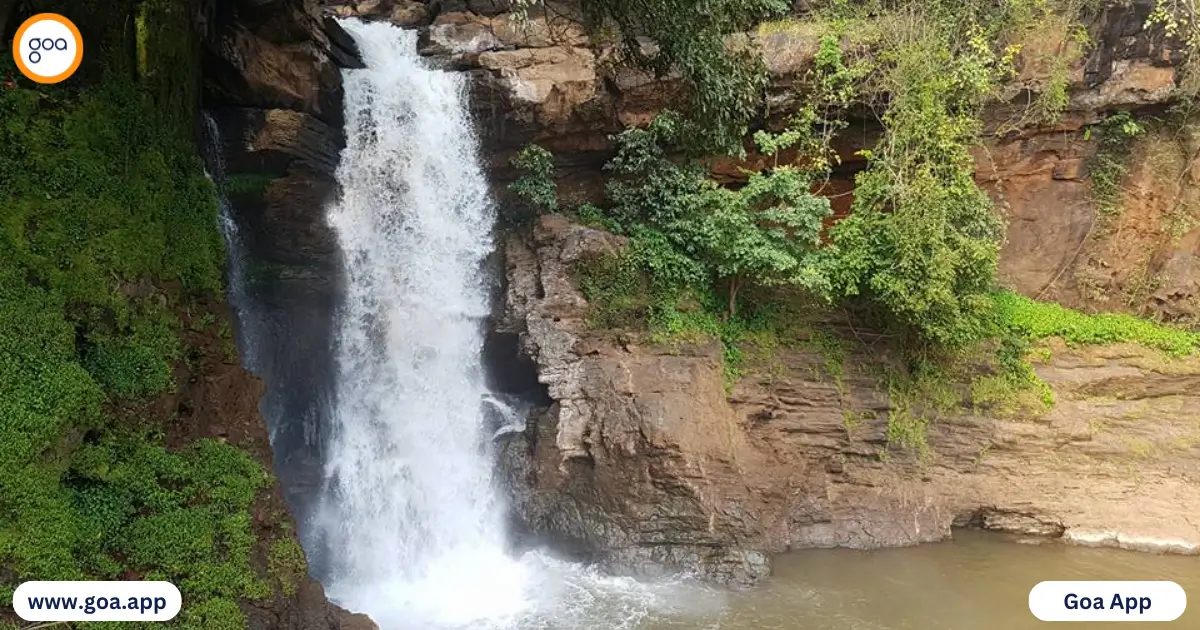
- Arvalem Waterfall: Close to the caves, this picturesque waterfall drops from a height of about 50 meters into a large lake. It is particularly stunning during the monsoon and post-monsoon months.
- Mayem Lake: A popular picnic spot, this serene lake offers boat rides and is surrounded by lush hills. It’s a great place to relax after visiting the temple.
- Shree Lairai Temple (Shirgao): Visit the temple of Kelbai’s "sister" Goddess Lairai. It is famous for its massive Zatra and fire-walking rituals and is only a short drive from Mulgao.
- Bicholim Market: Explore the local market in Bicholim town, known for its pottery, fresh produce, and traditional Goan sweets. It’s a great place to pick up authentic Goan handicrafts.
- Saptakoteshwar Temple (Narve): One of the most ancient and important temples in Goa, dedicated to Lord Shiva. It was rebuilt by Chhatrapati Shivaji Maharaj and is an architectural marvel.
Photography & Visitor Guidelines
To ensure you have a pleasant experience and remain respectful of the local customs, please follow these guidelines:
- Respect the Sanctum: Never take photos of the main idol inside the inner sanctum. This is considered disrespectful and is often strictly forbidden.
- Ask Before You Click: If you want to photograph people, especially priests or devotees in prayer, always ask for their permission first.
- Keep it Quiet: The temple is a place of worship and meditation. Maintain silence and avoid loud conversations or playing music on your phone.
- Dispose of Waste Responsibly: Keep the temple premises clean. Use dustbins for any trash and avoid bringing plastic items into the temple area.
- No Leather Items: Some traditional temples discourage the carrying of leather bags or belts inside the main prayer hall. It is better to leave them in your vehicle if possible.
- Follow Ritual Etiquette: If you are unsure about how to perform a ritual or where to stand during an Aarti, observe the locals or ask a priest. They are generally happy to guide respectful visitors.
Where to Eat Nearby
Bicholim is known for its authentic Goan Hindu cuisine, which is distinct from the seafood-heavy fare of the coast. Here are some options:
- Local Eateries in Bicholim Town: You will find several small restaurants serving traditional Goan "Thalis." These usually include rice, dal, a vegetable dish (bhaji), a coconut-based curry, and "Sol Kadhi" (a refreshing drink made from kokum and coconut milk).
- Bhandari Restaurant: A well-known spot in Bicholim for simple, delicious, and hygienic local food.
- Street Food: Try the local "Mirchi Bhajis" (chili fritters) and "Batata Vadas" from small stalls around the Bicholim bus stand. They are a popular evening snack.
- Mayem Lake Resort: For a more sit-down experience with a view, the restaurant at the GTDC (Goa Tourism Development Corporation) resort near Mayem Lake serves a variety of Indian and Goan dishes.
- Home-stays: If you are staying in a local home-stay in Mulgao, you might have the opportunity to taste authentic home-cooked Goan meals, which is the best way to experience the local flavors.
Accommodation Nearby
Since Mulgao is a small village, accommodation options within the village itself are limited. However, there are plenty of choices nearby:
- GTDC Mayem Lakeview: Located near Mayem Lake, this government-run hotel offers decent rooms and a beautiful view of the lake. It is a good mid-range option for those who want to stay close to nature.
- Bicholim Guesthouses: There are several budget-friendly guesthouses and small hotels in Bicholim town, providing basic amenities for travelers.
- Eco-Resorts in Sanquelim: A few eco-friendly resorts and nature stays are located in the neighboring Sanquelim area, offering a peaceful retreat away from the city noise.
- Stays in Mapusa: If you prefer more urban comforts, Mapusa (about 20-30 minutes away) has a wide range of hotels, from budget to boutique.
- North Goa Coastal Belt: Since Goa is relatively small, many visitors choose to stay in the coastal areas like Anjuna or Assagao and take a day trip to the temple. This allows you to enjoy the beach lifestyle while exploring the cultural interior.
Travel Tips
To make the most of your trip to Shree Kelbai Temple, keep these tips in mind:
- Stay Hydrated: The Goan sun can be quite strong, especially if you are visiting in the afternoon. Carry a water bottle with you.
- Carry Cash: While digital payments are becoming common, small shops and eateries in the village and Bicholim town may only accept cash.
- Hire a Local Guide: If you are deeply interested in the history and legends, hiring a local guide who speaks Konkani or Marathi can enhance your experience significantly.
- Check Festival Dates: If you plan to visit for the Zatra, check the exact dates beforehand as they change every year based on the Hindu lunar calendar.
- Respect Local Customs: Remember that you are in a traditional village. Be mindful of your behavior and dress to ensure you do not offend the local residents.
- Combine your Visit: To make the drive worthwhile, plan a full day in the Bicholim taluka, visiting the Arvalem caves, waterfalls, and Mayem lake along with the temple.
Conclusion
The Shree Kelbai Temple in Mulgao is far more than just a structural landmark; it is a living repository of Goa’s spiritual soul. It represents a side of Goa that remains untouched by the commercialism of mass tourism—a place where faith, nature, and tradition coexist in perfect harmony. The legend of the Seven Sisters, the architectural beauty of the Deepstambh, and the raw energy of the Mulgao Zatra all contribute to an experience that is both grounding and elevating.
For the traveler who seeks to understand the "Real Goa," a journey to this temple is essential. It offers a chance to step off the beaten path and into a world of ancient myths and heartfelt devotion. Whether you are standing in the quiet courtyard on a winter morning or joining the thousands of devotees during the vibrant Zatra, the presence of Goddess Kelbai is sure to leave an indelible mark on your heart. As you leave the village of Mulgao, you carry with you not just photographs, but a sense of peace and a deeper appreciation for the rich cultural tapestry that makes Goa truly unique.