Introduction to Reis Magos Fort
Perched majestically on the northern banks of the Mandovi River in the village of Verem, the Reis Magos Fort stands as a silent sentinel to Goa’s turbulent and fascinating colonial past. While the state is often celebrated for its sun-kissed beaches and vibrant nightlife, this fort offers a different kind of allure—one rooted in history, architectural resilience, and panoramic splendor. It is the oldest fort in the Bardez taluka, predating the more famous Fort Aguada by several decades. For a traveler looking to delve deeper into the soul of Goa, Reis Magos Fort is not just a monument; it is a meticulously restored cultural hub that bridges the gap between the 16th century and the modern era.
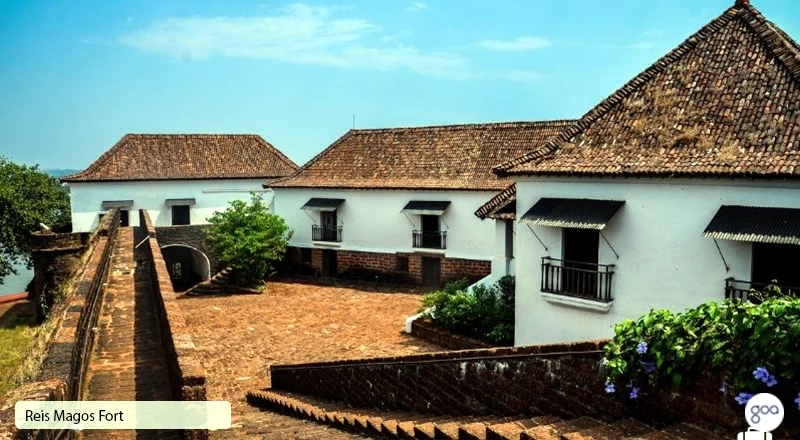
As you approach the fort from the narrow, winding roads of Verem, the first thing that strikes you is the vibrant contrast between the deep reddish-brown laterite stones of the fortress walls and the shimmering blue waters of the Mandovi. Unlike many other forts in India that have succumbed to the ravages of time and neglect, Reis Magos has undergone a miraculous transformation. It was one of the first major heritage restoration projects in Goa, spear-headed by the late legendary cartoonist Mario Miranda and supported by the Helen Hamlyn Trust and INTACH. Today, it stands as a shining example of how historical sites can be preserved without losing their original character.
The name "Reis Magos" is Portuguese for the "Three Wise Men" or the "Three Magi" of the Bible. This religious connection is immediately apparent as the fort sits in close proximity to the Reis Magos Church, another architectural gem. For visitors, the fort provides a peaceful alternative to the crowded tourist hotspots of North Goa. Here, the air is thick with the scent of the sea, and the atmosphere is heavy with stories of battles, maritime trade, and colonial ambition. Whether you are a history buff, an art lover, or a photography enthusiast, Reis Magos Fort promises an immersive experience that captures the essence of Goan heritage.
History of Reis Magos Fort
The history of Reis Magos Fort is a complex tapestry of conquest, defense, and evolution. Long before the Portuguese set foot on Indian soil, the site was occupied by an outpost belonging to the Adil Shah of Bijapur. In the late 15th century, this strategic location was used to monitor the river traffic and guard the entrance to the Mandovi. However, when the Portuguese, led by Alfonso de Albuquerque, conquered Goa in 1510, they quickly realized the tactical necessity of fortifying this specific hillock. The original structure was built in 1551, making it one of the earliest colonial fortifications in the region.
Over the next two centuries, the fort underwent several expansions and reinforcements. As the Maratha Empire gained strength and the Dutch fleet began to challenge Portuguese naval supremacy, the fort's importance grew. In 1707, it was significantly reconstructed to accommodate larger cannons and a bigger garrison. It played a pivotal role during the Maratha-Portuguese War in the 1730s. When the Marathas captured much of the Bardez territory, Reis Magos Fort remained one of the few strongholds that did not fall, serving as a critical defense line for the capital of Old Goa.
In the 19th century, as military technology advanced and the threat of sea invasions diminished, the fort’s role began to shift. By 1900, it was no longer used as a primary military defense. Instead, it was converted into a prison. During the mid-20th century, specifically during the Goa Liberation Movement, the fort served a somber purpose. It housed several prominent freedom fighters who protested against Portuguese rule. Following Goa’s liberation in 1961, the fort continued to function as a jail until 1993. After the prison was shut down, the fort fell into a period of decay, with vegetation reclaiming the walls and the structures crumbling under the monsoon rains.
The turning point for Reis Magos Fort came in 2007. Recognizing its historical value, a massive restoration project was launched. Unlike many government-led renovations that use modern cement, this project utilized traditional materials like laterite stone, lime mortar, and wood to ensure the fort regained its 16th-century glory. Today, the fort is no longer a site of war or incarceration but a center for art and culture, housing galleries that celebrate the life and work of Mario Miranda and the history of the fort itself.
Architecture
The architecture of Reis Magos Fort is a masterclass in Portuguese military engineering adapted to the local Goan landscape. Built primarily from locally sourced laterite—a red, porous volcanic rock that hardens upon exposure to air—the fort is designed to follow the natural contours of the hill. This organic layout made it incredibly difficult for invaders to scale the walls or find a weak point in the defense. The walls are exceptionally thick, designed to withstand heavy cannon fire, and are punctuated by several bastions that offer 360-degree views of the surrounding terrain.
One of the most striking features of the fort is its steep incline. As you enter through the main gateway, you are greeted by a series of ramps and steps that lead upward toward the higher battlements. This design was intentional; it forced any invading force to fight their way uphill, making them vulnerable to defenders positioned above. Along the walls, you can still see the embrasures (slits) through which cannons were pointed at the river. The fort originally housed 33 cannons, many of which have been restored and placed back in their original positions, providing a tangible link to the site's martial past.
Inside the fort, the architecture transitions from purely defensive to functional. There are underground chambers that were used as arsenals and storage for gunpowder. The residential quarters for the soldiers and the governor’s house are located on the upper levels to catch the cooling sea breezes. A unique aspect of the fort is its water conservation system. The Portuguese built elaborate cisterns and drainage channels to collect rainwater, ensuring that the garrison could survive long sieges without running out of fresh water. The restoration has also highlighted the beautiful woodwork and tiled roofs that are characteristic of traditional Goan-Portuguese homes, blending the ruggedness of a fortress with the elegance of colonial design.
Why Reis Magos Fort is Famous
Reis Magos Fort is famous for being one of the most successful heritage restoration projects in India. While many forts in Goa are known for their ruins (like Chapora) or their sheer size (like Aguada), Reis Magos is celebrated for its completeness. It offers visitors a chance to see exactly what a functioning 16th-century fort looked like, from the guardrooms to the battlements. It has become a symbol of Goan pride, showcasing how the community can come together to save its history from the brink of extinction.
The fort is also globally recognized as the permanent home of the Mario Miranda Gallery. Mario Miranda was one of India's most beloved cartoonists and illustrators, known for his whimsical and detailed depictions of Goan life. The gallery inside the fort houses an extensive collection of his works, including his famous sketches of Goan taverns, village markets, and historical landmarks. For many, the chance to see Miranda’s work in such a historic setting is the primary reason for their visit. The fusion of 16th-century military architecture with 20th-century Goan art creates a unique cultural experience that you won't find anywhere else in the world.
Furthermore, the fort is famous for its unparalleled views. Because it is situated at the narrowest point of the Mandovi River, it offers a direct line of sight to the capital city of Panjim, the Kala Academy, and the floating casinos. The view of the sunset from the fort's ramparts is legendary among locals. It provides a vantage point that allows you to see the confluence of the river and the Arabian Sea, making it a favorite spot for historians and casual tourists alike who want to appreciate the geographical beauty of Goa.
Strategic Importance
The strategic importance of Reis Magos Fort cannot be overstated. In the 16th and 17th centuries, the Mandovi River was the primary artery for trade and communication in Goa. Whoever controlled the river controlled the region. Reis Magos was positioned at a bottleneck where the river narrows significantly before opening up into the sea. This allowed the Portuguese to monitor every vessel entering or leaving the waters of Goa. Any ship that did not have the proper permits could be easily intercepted by the cannons of Reis Magos on the north bank and Gaspar Dias Fort (which once stood in Miramar) on the south bank.
During the era of the "Old Conquests," the fort served as the first line of defense for the city of Velha Goa (Old Goa), which was then the capital of the Portuguese Eastern Empire. If an enemy fleet managed to bypass the outer defenses at Aguada, Reis Magos was the final barrier. Its elevation provided a "high ground" advantage, allowing defenders to rain fire down upon ships. The fort also served as a diplomatic gateway; it was customary for incoming Portuguese viceroys and high-ranking officials to stop at Reis Magos to refresh themselves and prepare for their formal entry into the capital.
The fort also played a crucial role in internal security. By controlling the crossing point between Bardez and Tiswadi, the Portuguese could regulate the movement of goods and people, preventing smuggling and ensuring that taxes were collected. Even during the Maratha threats, the fort’s ability to hold its ground ensured that the Portuguese maintained a foothold in North Goa. Its strategic value only declined when the capital was moved to Nova Goa (Panjim) and modern naval warfare rendered fixed stone fortifications obsolete.
Best Time to Visit
The best time to visit Reis Magos Fort is during the winter months, from November to February. During this period, the weather in Goa is pleasant, with temperatures ranging from 20°C to 30°C. The humidity is relatively low, making the steep climb up the fort's ramps much more comfortable. The clear skies during winter also ensure that you get the best possible views of the Mandovi River and the Panjim skyline. This is also the peak tourist season, so while the fort may be busier, the surrounding village of Verem is lively and full of energy.
For those who enjoy a more dramatic atmosphere, the monsoon season (June to September) is a surprisingly good time to visit. While the climb can be slippery, the laterite stones of the fort turn a deep, dark red, and the surrounding hills become a lush, vibrant green. The sight of the rain falling over the Mandovi River from the fort’s bastions is incredibly poetic. However, do note that some outdoor sections might be restricted if the weather is particularly stormy. The summer months (March to May) can be quite hot and humid, so if you visit during this time, it is best to go early in the morning or late in the afternoon to avoid the midday heat.
Timings & Entry Fee
Planning your visit to Reis Magos Fort requires keeping track of its operating hours and nominal entry costs. The fort is generally open to the public from 9:30 AM to 5:30 PM. It is important to note that the fort is typically closed on Mondays, so plan your itinerary accordingly. Most visitors spend about 1.5 to 2 hours exploring the various sections, including the galleries and the ramparts.
The entry fees are structured to encourage both local and international tourism while supporting the maintenance of the heritage site. As of the latest updates:
- Adults: ₹50 per person.
- Students: ₹25 per person (carrying a valid student ID is recommended).
- Children (below 8 years): Free entry.
- Foreign Tourists: The fee may vary slightly, usually around ₹100 to ₹150.
- Camera Fees: There is often a nominal charge for professional photography or video equipment, though mobile phone photography is usually included in the ticket price.
The revenue generated from these fees goes directly toward the Reis Magos Heritage Centre, ensuring that the fort remains in top condition for future generations. There is a small counter at the entrance where you can purchase tickets, and occasionally, guided tours are available for a small additional fee.
Things To Do at Reis Magos Fort
There is much more to do at Reis Magos Fort than simply walking around and looking at old walls. The fort has been reimagined as a cultural center, offering a variety of activities for visitors:
- Explore the Mario Miranda Gallery: This is a must-do. The gallery features a massive collection of his works, including his famous "Inside Goa" series. The humorous and detailed illustrations provide a wonderful insight into Goan culture and history.
- Visit the History Gallery: Located in the former prison cells, this gallery uses informative plaques and artifacts to tell the story of the fort from its origins as an Adil Shahi outpost to its restoration. It’s an educational journey through five centuries of Goan history.
- Walk the Ramparts: Walk along the outer walls of the fort to experience the military genius of the Portuguese. You can see the restored cannons and the "murder holes" used to drop projectiles on invaders.
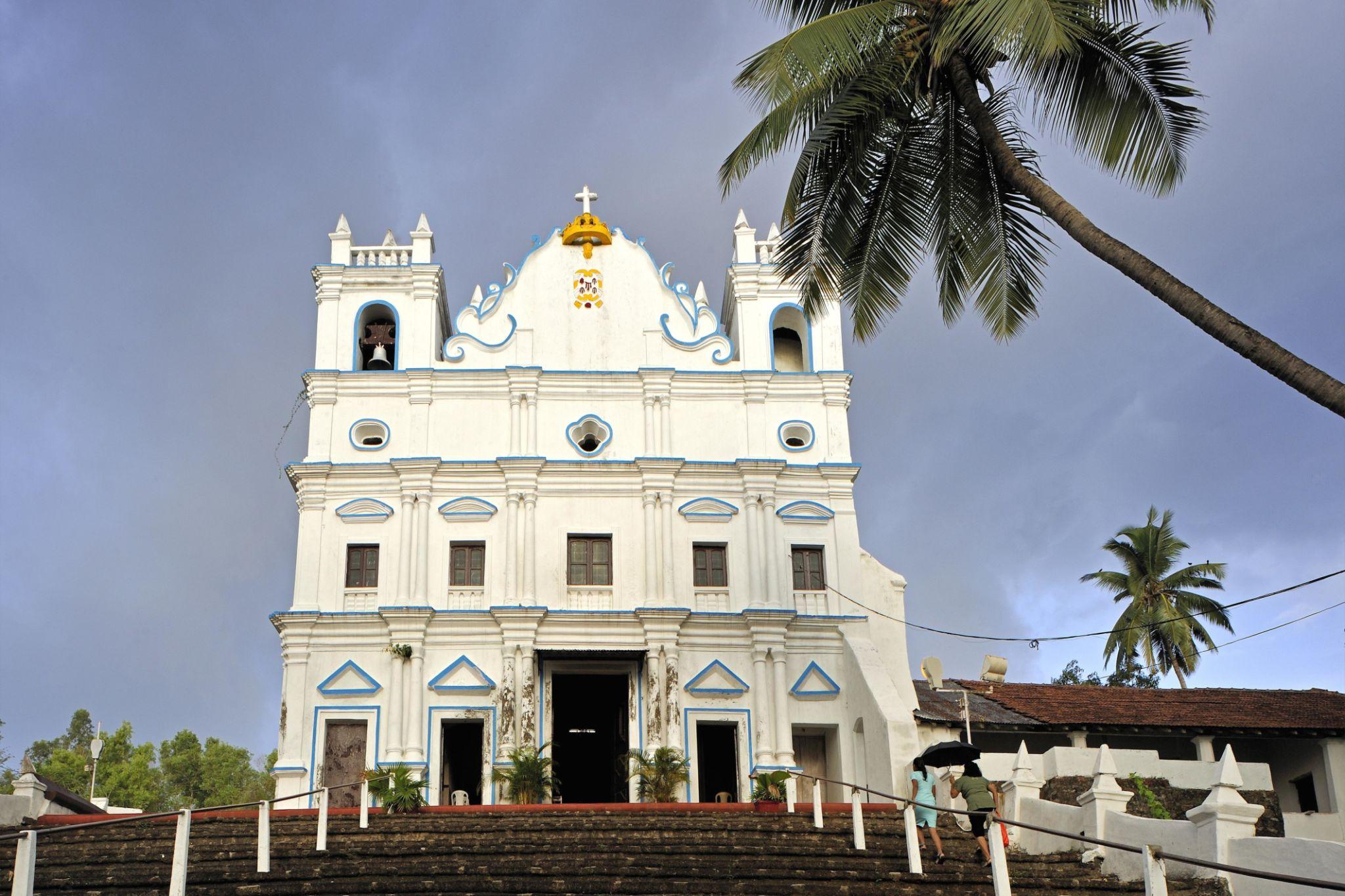
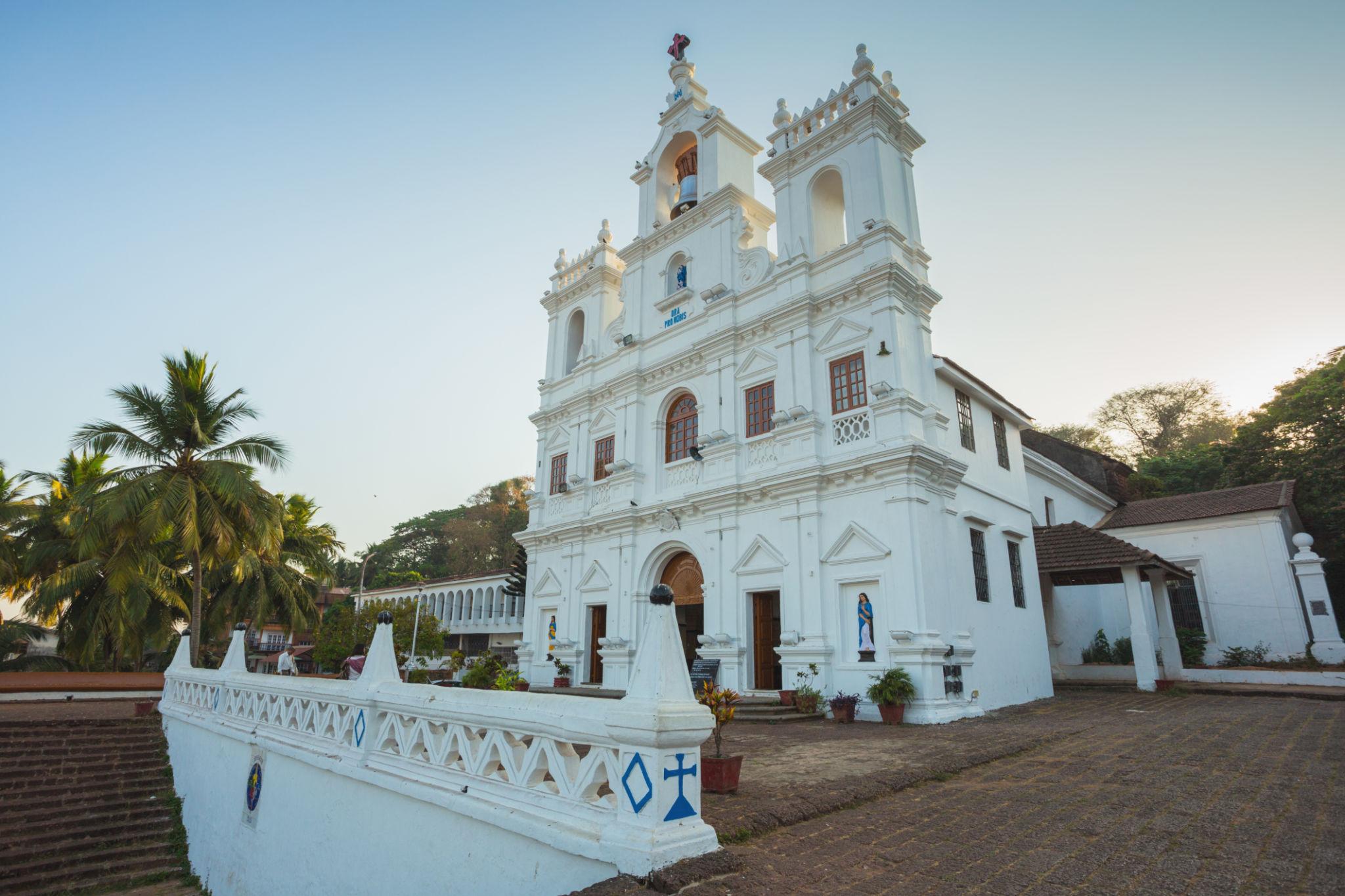
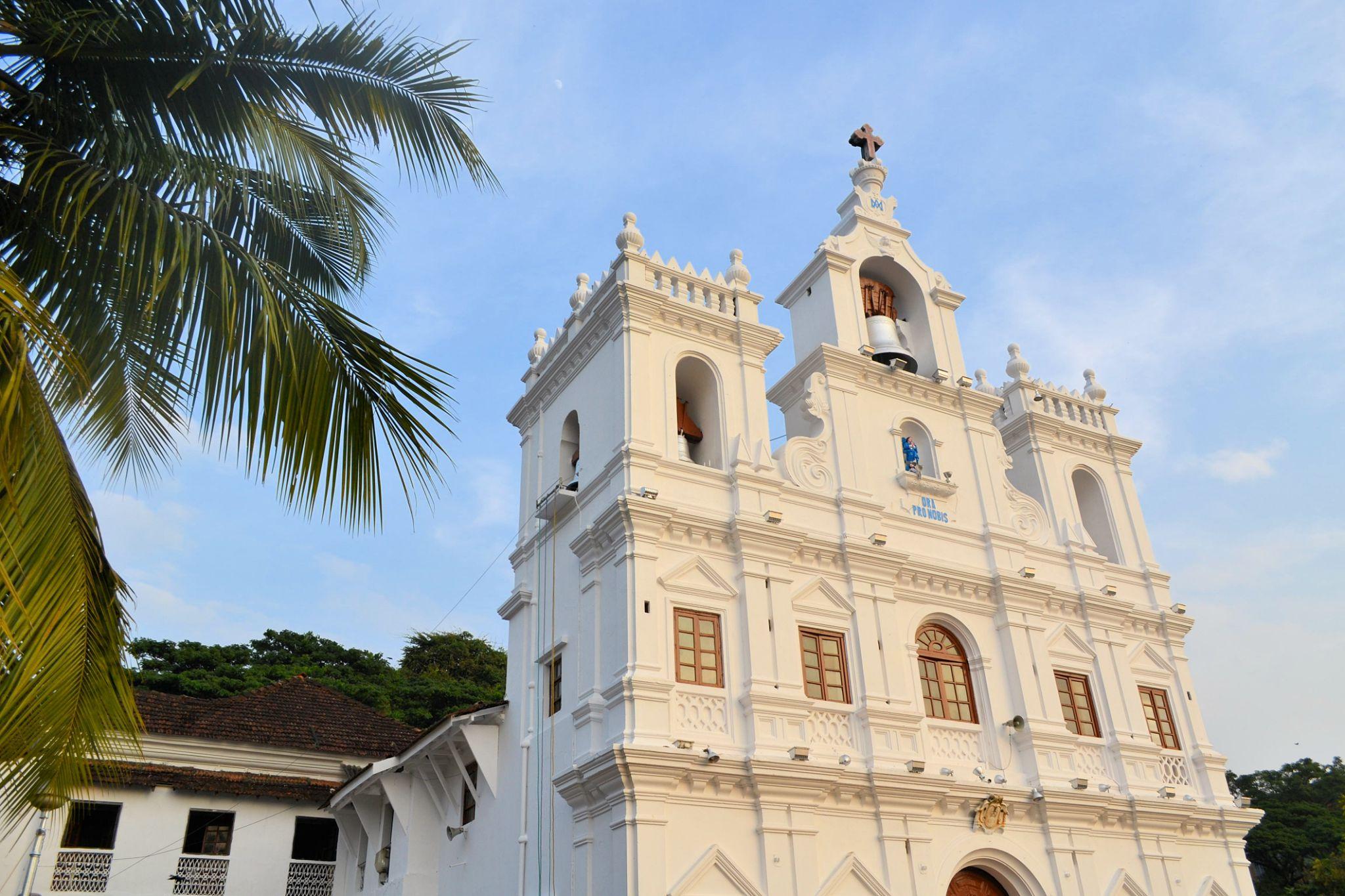
- Visit the Reis Magos Church: Located just a short walk down the hill, this white-washed church is one of the oldest in Goa. It is famous for its annual Feast of the Three Kings held in January, which features a colorful procession.
- Attend a Cultural Event: The fort often hosts art exhibitions, book launches, and musical performances in its open-air courtyard. If you’re lucky, your visit might coincide with one of these events.
- Souvenir Shopping: There is a small gift shop within the fort where you can buy Mario Miranda prints, postcards, and other Goan handicrafts. These make for excellent, high-quality souvenirs.
Photography Spots
Reis Magos Fort is a paradise for photographers. The blend of textures, colors, and vistas provides endless opportunities for capturing stunning images. Here are some of the best spots to set up your shot:
- The Main Gateway: The entrance with its massive wooden doors and laterite archway provides a perfect "frame" for shots looking into the fort.
- The River-Facing Bastions: Position yourself next to one of the restored cannons. The contrast of the black iron cannon against the red stone and the blue river creates a powerful image.
- The Upper Ramparts at Sunset: As the sun dips below the horizon, the entire Mandovi River glows in shades of orange and gold. From the top of the fort, you can capture the Panjim skyline and the silhouettes of the boats on the water.
- The Mario Miranda Murals: The vibrant colors of the art gallery provide a great backdrop for portraits and candid shots.
- The View of Reis Magos Church: From certain points on the fort walls, you can get a clear, elevated shot of the Reis Magos Church with its distinct white facade standing out against the greenery.
- The Spiral Staircases: The narrow, winding stone stairs within the fort offer great opportunities for architectural and "moody" photography.
Nearby Attractions
Reis Magos Fort is located in a prime area of North Goa, making it easy to combine your visit with other nearby attractions. After you’ve explored the fort, consider visiting these spots:
- Reis Magos Church: As mentioned, this historic church is just a stone's throw away. Its interior is beautifully decorated, and it offers a peaceful atmosphere for reflection.
- Coco Beach: Located about 2 kilometers away in Nerul, this is a quiet beach known for boat trips and dolphin spotting tours. It’s a great place to relax by the water after your fort tour.
- Panjim City: You can take a short ferry ride or drive across the Atal Setu to reach the capital. Explore the Latin Quarter of Fontainhas, visit the Immaculate Conception Church, or enjoy a meal at one of the many heritage cafes.
- Candolim and Calangute Beaches: These famous beaches are only a 15-20 minute drive away. You can transition from the quiet history of Reis Magos to the bustling beach vibes of North Goa in no time.
- Dr. Salim Ali Bird Sanctuary: Located on the island of Chorao, a short ferry ride from nearby Ribandar, this is a haven for nature lovers and bird watchers.
- Verem Village: Take a slow walk through the village itself. You’ll see traditional Goan houses, local bakeries (paderias), and a slice of authentic Goan life that is often missed by tourists.
How To Reach Reis Magos Fort
Reis Magos Fort is well-connected and easy to reach from most parts of North and Central Goa. Depending on your preference, you can choose from several modes of transport:
- By Scooter or Car: This is the most popular way to reach the fort. If you are staying in the Candolim or Calangute area, it is a scenic 15-minute drive through the backroads of Nerul and Verem. The roads are well-paved and offer beautiful views of the paddy fields and the river.
- By Ferry: For a more traditional Goan experience, you can take the Panjim-Betim ferry. The ferry is free for pedestrians and very cheap for vehicles. Once you cross over to Betim, the fort is just a 5-minute drive or a 20-minute walk away.
- By Taxi: You can easily book a taxi through local operators or apps like GoaMiles. Most drivers are familiar with the "Reis Magos Killa" (as locals call it).
- By Bus: Local buses run from the Panjim bus stand to Betim and Verem. From the bus stop, you may need to walk about 10-15 minutes uphill to reach the fort entrance.
The fort is located approximately 7 kilometers from Panjim and about 35 kilometers from the Dabolim Airport. If you are coming from the Manohar International Airport (Mopa), the distance is roughly 30 kilometers via the NH66.
Travel Tips
To make the most of your visit to Reis Magos Fort, keep these practical tips in mind:
- Wear Comfortable Shoes: The fort involves a lot of walking on uneven stone surfaces and climbing steep ramps. Avoid flip-flops and opt for sturdy walking shoes or sneakers.
- Stay Hydrated: While there is a small café inside the fort, it’s always a good idea to carry a bottle of water, especially during the warmer months.
- Sun Protection: Much of the fort is open to the sky. Wear a hat, apply sunscreen, and carry sunglasses to protect yourself from the afternoon sun.
- Respect the Heritage: Do not litter or deface the walls. The restoration of this fort took years of hard work; help preserve it by being a responsible tourist.
- Visit Early: To avoid the crowds and the heat, try to arrive right when the fort opens at 9:30 AM.
- Check for Events: Before you go, check local listings or the fort’s official social media pages to see if there are any special exhibitions or performances happening.
- Carry Cash: While some counters accept digital payments, having some cash on hand for entry fees and small purchases is always safer in Goa.
Conclusion
Reis Magos Fort is a testament to the enduring spirit of Goa. It has transitioned from a defensive outpost of the Adil Shahi dynasty to a formidable Portuguese fortress, a somber prison during the freedom struggle, and finally, a vibrant cultural landmark. Unlike many other historical sites that feel like relics of a dead past, Reis Magos feels alive. Through the art of Mario Miranda and the careful restoration of its laterite walls, the fort tells a story of a Goa that is multi-layered, resilient, and deeply artistic.
A visit to this fort offers more than just a history lesson; it offers a moment of reflection. Standing on the high battlements, looking out over the Mandovi River toward the bustling streets of Panjim, you can feel the weight of the centuries. It is a place where the silence is broken only by the sound of the wind and the distant chime of the church bells. For anyone traveling to the "Emerald Land," a trip to Reis Magos Fort is an essential experience—one that provides a profound connection to the heritage that makes Goa truly unique. So, the next time you find yourself in North Goa, take a detour from the beaches and step into the hallowed grounds of Reis Magos. You will walk away with a deeper appreciation for the history, the art, and the soul of this incredible coastal state.