Overview of Shree Kapileshwar Temple
Nestled in the serene and spiritually charged village of Kapileshwari in Ponda, the Shree Kapileshwar Temple stands as a monumental pillar of Goan Hindu heritage. Often referred to as the "Kashi of the South" or "Konkan Kashi," this ancient shrine is dedicated to Lord Shiva and is one of the oldest and most revered religious sites in the state of Goa. Unlike the more famous coastal temples that underwent significant architectural shifts due to colonial influences, Shree Kapileshwar retains a profound sense of antiquity and raw spiritual power that draws pilgrims from across the Indian subcontinent.
Ponda, known as the "Antruz Mahal," has long been the cultural and heartland of Goa’s Hindu population. During the era of Portuguese Inquisition, many temples along the coast were destroyed, but the temples in the Ponda region, including Kapileshwar, managed to survive or were reconstructed in the safety of the inland hills. The temple is located just a few kilometers from the famous Kavlem and Mangueshi temples, making it a vital stop on any spiritual circuit through North Goa. The atmosphere here is one of deep tranquility, characterized by the rhythmic chanting of Vedic hymns, the scent of burning camphor, and the sight of lush green surroundings that frame the temple complex.
For a traveler or a spiritual seeker, Shree Kapileshwar Temple offers more than just a glimpse into religious rituals; it provides a window into the Goan soul. The temple is not merely a structure of stone and mortar but a living entity that has witnessed centuries of dynastic shifts, social changes, and the unwavering faith of the local community. Whether you are interested in the intricacies of temple architecture, the depth of Hindu mythology, or simply seeking a quiet place for introspection, this temple provides an immersive experience that is both humbling and enlightening.
History & Religious Significance
The history of Shree Kapileshwar Temple is shrouded in the mists of time, with its origins tracing back to at least the 13th century, though local legends suggest it is much older. Historically, the temple is associated with the Kadamba dynasty, which ruled Goa and parts of modern-day Karnataka. Inscriptions found in the region hint at the temple's prominence during the medieval period when the Kadambas were great patrons of Shaivism. The temple’s survival through the centuries is a testament to the resilience of the local population. When the Portuguese established their "Velhas Conquistas" (Old Conquests) and began a campaign of religious conversion and temple destruction in the 16th century, the devotees of Kapileshwar managed to protect the sanctity of this site, partly due to its location in the "Novas Conquistas" (New Conquests) which came under Portuguese rule much later.
The religious significance of the temple is deeply rooted in the Puranas. It is believed that the great Sage Kapila, one of the seven great sages (Saptarishis) and the founder of the Samkhya school of philosophy, performed intense penance at this very spot. Impressed by his devotion, Lord Shiva appeared before him. The temple is named "Kapileshwar" to honor this divine connection between the sage and the deity. Because of this association, the temple is considered an "Udbhav" Lingam—a self-manifested deity that was not carved by human hands but appeared naturally.
Furthermore, the temple holds a unique status among Goan Hindus because it is considered the primary seat of Lord Shiva in the region. For many local families, Kapileshwar is their Kuldevta (family deity). The historical records also mention that the temple served as a center for Vedic learning and Sanskrit studies for centuries, contributing to the intellectual and spiritual fabric of the Konkan coast. Its title as "Konkan Kashi" implies that a pilgrimage here is equivalent in merit to visiting the holy city of Varanasi (Kashi), making it a pinnacle of spiritual attainment for devotees in Western India.
Architecture of Shree Kapileshwar Temple
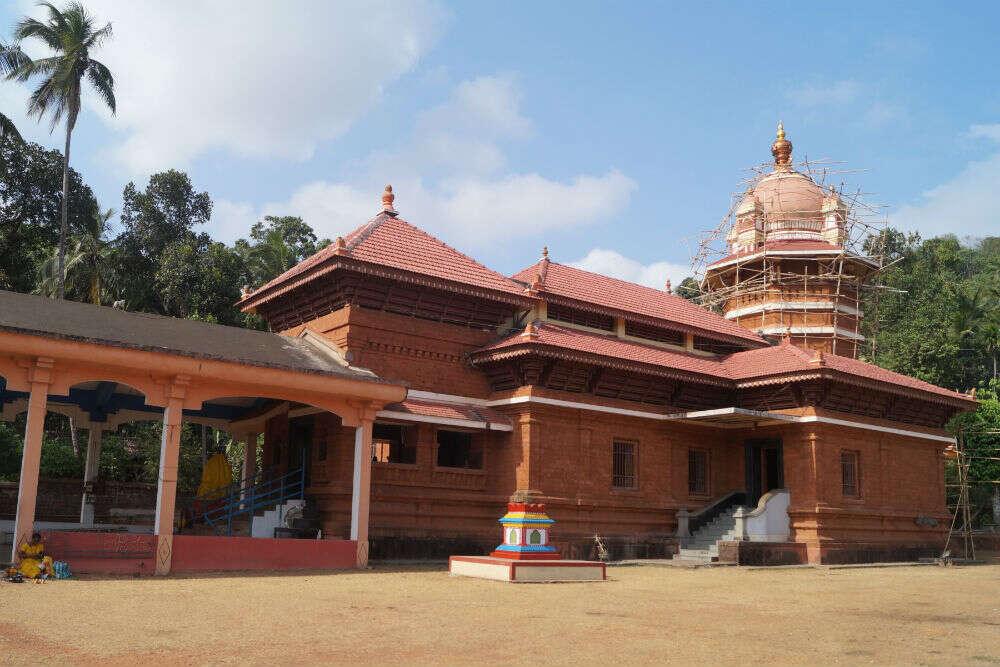
The architecture of Shree Kapileshwar Temple is a fascinating blend of traditional Goan styles with subtle influences of Maratha and Kadamba design elements. Upon entering the complex, the first thing that captures the eye is the magnificent Deepastambha (lamp tower). This multi-storied, octagonal structure is a classic feature of Goan temples. During festivals, hundreds of oil lamps are lit on its various tiers, creating a celestial glow that illuminates the entire courtyard. The tower is painted in a pristine white, contrasting beautifully with the red-tiled roofs and the greenery of the surrounding hills.
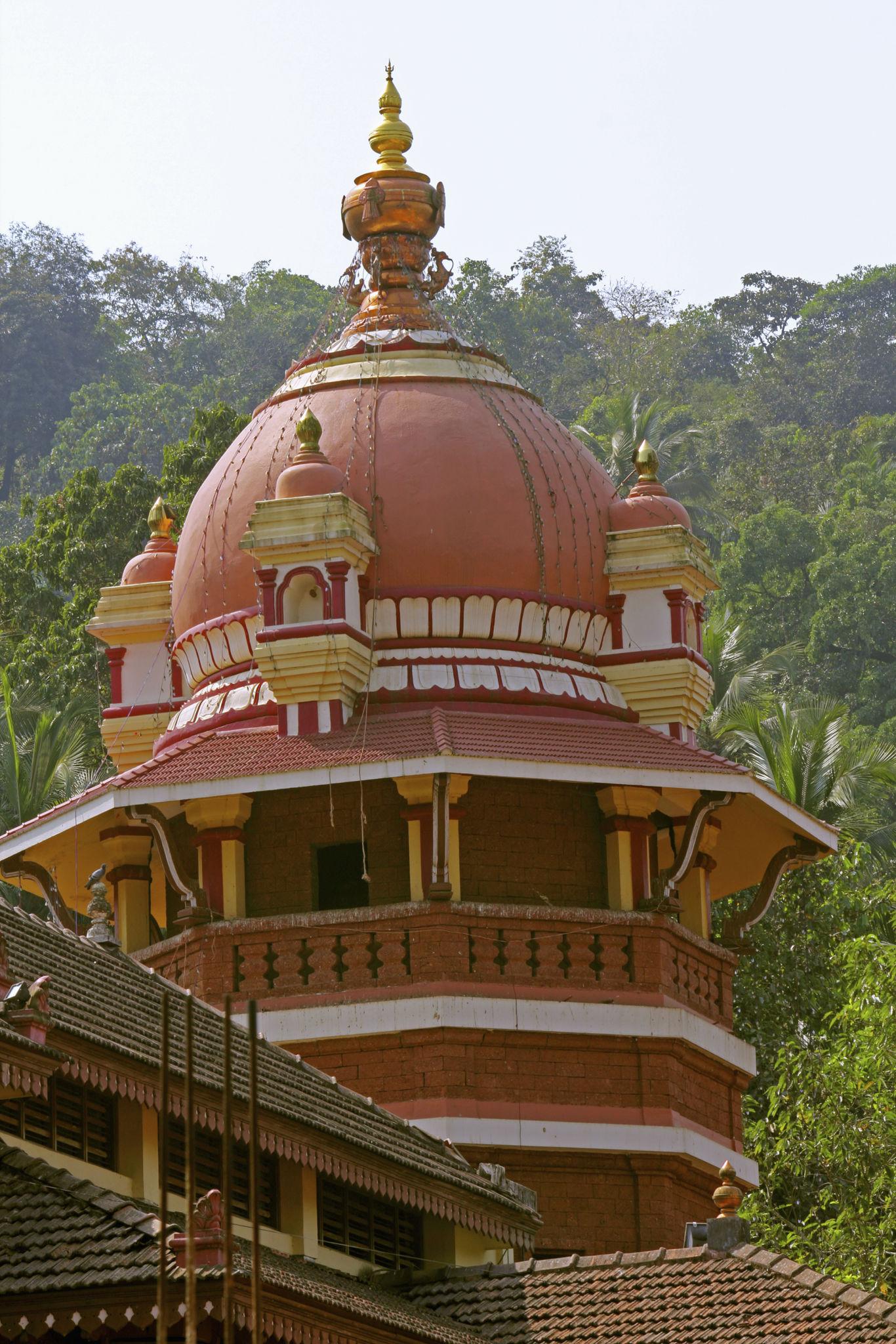
The main temple structure features a sloping roof, designed specifically to withstand the heavy monsoon rains of the Konkan region. The Garbhagriha (sanctum sanctorum) is the heart of the temple, where the ancient Shiva Lingam is enshrined. The entrance to the sanctum is adorned with intricate carvings and silver-plated doors that depict various scenes from Hindu mythology. Above the sanctum rises a modest but elegant dome, which is a later addition reflecting the Maratha architectural influence that swept through Goa in the 17th and 18th centuries.
Inside the Sabhamandapa (assembly hall), visitors will notice large pillars made of wood and stone, often decorated with floral motifs and geometric patterns. The flooring is typically made of polished basalt or local stone, which remains cool even during the peak of summer. One of the most striking features of the temple's interior is the presence of Kaavi art—a traditional Goan form of murals using reddish-brown pigment derived from laterite soil. While some of the original artwork has been restored or replaced over time, the aesthetic remains true to the temple's heritage. The overall layout follows the "Panchayatana" style to an extent, where the main deity is surrounded by smaller shrines dedicated to other gods, ensuring a holistic spiritual environment.
Main Deity / Spiritual Importance
The presiding deity of the temple is Lord Kapileshwar, a form of Lord Shiva. The deity is represented by a Shiva Lingam, which is considered to be "Swayambhu" or self-originated. Unlike many other temples where the Lingam is a polished stone, the one at Kapileshwar has a rugged, natural texture that heightens its mystical appeal. The Lingam is placed on a circular base (Yoni), representing the union of Shiva and Shakti—the cosmic forces of creation and energy.
The spiritual importance of Lord Kapileshwar extends beyond the local village. He is viewed as the "Protector of the Antruz Mahal." Devotees believe that offering prayers here can clear one’s path of obstacles and bring mental peace. There is a specific ritual known as Abhishek, where water, milk, honey, and bael leaves are offered to the Lingam. Performing this ritual at Kapileshwar is said to be particularly auspicious for those seeking spiritual liberation (Moksha). The presence of the Nandi (the sacred bull) facing the sanctum is also significant; it symbolizes the soul's eternal longing for the divine.
Another layer of spiritual importance comes from the belief that the temple grounds are charged with the energy of the thousands of yogis and sages who have meditated here over the millennia. It is said that the vibration of the "Om Namah Shivaya" mantra chanted within these walls carries a unique resonance. For the local community, the deity is a living guardian who oversees the life cycles of the villagers—from births and weddings to the final rites. The deity's "Prasad" (blessing) is sought before any major life event, reinforcing the symbiotic relationship between the people and their God.
Festivals & Celebrations
The Shree Kapileshwar Temple comes alive during various Hindu festivals, each celebrated with a unique Goan flair. The most significant of these is Maha Shivratri. During this "Great Night of Shiva," thousands of devotees flock to the temple from all parts of Goa and neighboring states. The temple remains open throughout the night, and the air is filled with the continuous chanting of Vedic hymns. Special "Laghu Rudra" and "Maharudra" rituals are performed, involving the chanting of the Sri Rudram. The entire temple complex is decorated with flowers and lights, and the Deepastambha is fully lit, creating a breathtaking sight.
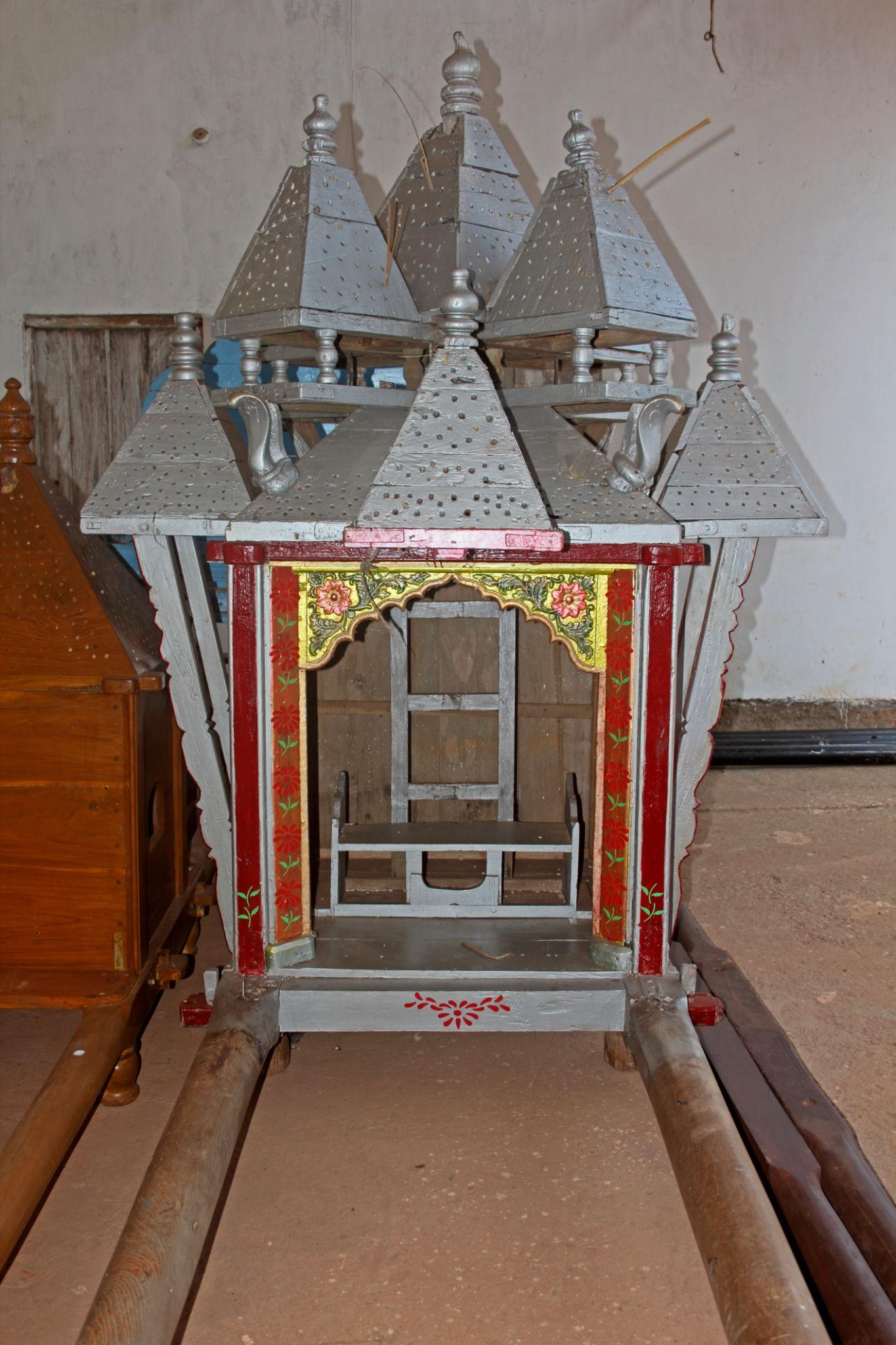
Another major event is the Annual Jatra (temple fair). This is a time of immense social and religious fervor. The highlight of the Jatra is the Palkhi Procession, where the deity is placed in a beautifully decorated palanquin and carried on the shoulders of devotees around the temple premises and through the village streets. This is accompanied by traditional Goan music, including the beats of the *Dhol*, *Tasha*, and the melodious tunes of the *Shehnai*. The village takes on a carnival-like atmosphere with stalls selling local sweets like *Khaje*, traditional toys, and household items.
During the month of Shravan (usually August), special pujas are held every Monday. Devotees observe fasts and offer "Bilva" leaves to the Lord. The festival of Vaikuntha Chaturdashi is also observed with great devotion, marking a rare day when both Shiva and Vishnu are worshipped with equal prominence. These festivals are not just religious events but are cultural milestones that preserve the traditional folk arts, music, and communal harmony of the Ponda region.
Best Time to Visit
To experience Shree Kapileshwar Temple in its full glory, the best time to visit is during the winter months, specifically from November to February. During this period, the weather in Goa is pleasant, with cool breezes and clear skies, making it ideal for exploring the outdoor temple complex and the surrounding village of Ponda. The temperatures during this time range from 20°C to 30°C, which is much more comfortable than the humid summer months.
If you are a spiritual seeker or a cultural enthusiast, visiting during Maha Shivratri (usually in February or March) is an unforgettable experience. However, be prepared for large crowds and a very busy environment. For those who enjoy the raw beauty of nature, the monsoon season (June to September) offers a different kind of charm. The Ponda region becomes incredibly lush and green, and the temple, surrounded by mist-covered hills and rain-washed trees, looks ethereal. The sound of rain hitting the temple's tiled roof adds a meditative quality to the visit, though travel can be slightly more challenging due to heavy downpours.
The summer months (April to May) can be quite hot and humid in Goa. If you visit during this time, it is best to arrive early in the morning or late in the evening to avoid the midday heat. Regardless of the season, the early morning hours (around 6:00 AM) are always the most peaceful time to visit, as you can witness the morning "Aarti" and experience the temple's sanctity before the daily bustle begins.
Timings, Entry Fee & Dress Code
The Shree Kapileshwar Temple follows a strict schedule of rituals, and it is important for visitors to plan their trip accordingly. The temple generally opens at 6:00 AM and remains open until 1:00 PM. It then closes for a few hours in the afternoon and reopens at 4:00 PM, staying open until 8:30 PM. The timings may be extended during major festivals like Maha Shivratri or the annual Jatra.
- Entry Fee: There is absolutely no entry fee to visit the temple. It is a place of worship open to everyone, regardless of their background. However, donations for the upkeep of the temple are welcomed and can be made at the official counter.
- Dress Code: As with most traditional Hindu temples in Goa, a modest dress code is strictly enforced. Men are expected to wear trousers or traditional dhotis; shorts and sleeveless shirts are generally discouraged. Women should wear sarees, salwar kameez, or long skirts. It is mandatory to cover your shoulders and knees. Many temples in Ponda have signs requesting visitors to dress decorously to maintain the sanctity of the space.
- Shoe Policy: You must remove your footwear before entering the temple courtyard. Most visitors leave their shoes in their vehicles or at the designated shoe stand near the entrance.
How to Reach Shree Kapileshwar Temple
Reaching Shree Kapileshwar Temple is relatively easy, as it is located in the well-connected Ponda taluka. Ponda is often called the "Gateway to the Temples" and is centrally located within Goa.
- From Panaji: The temple is approximately 28 kilometers from the capital city, Panaji. You can take a KTC (Kadamba Transport Corporation) bus from the Panaji bus stand to Ponda, and from there, hire an auto-rickshaw or a local taxi to Kapileshwari. The drive takes about 45 to 60 minutes via the NH748.
- From Margao: If you are coming from South Goa, the temple is about 20 kilometers from Margao. Regular buses and taxis are available. The route through the lush Borim bridge area is particularly scenic.
- From Dabolim Airport: The airport is about 35 kilometers away. Hiring a pre-paid taxi from the airport is the most convenient way to reach the temple directly, taking roughly an hour.
- From Mopa Airport (Manohar International Airport): This airport is further north, approximately 60 kilometers away. It is advisable to take a taxi or use the airport shuttle to Panaji and then proceed to Ponda.
- By Private Vehicle: If you have rented a scooter or car, simply use GPS for "Shree Kapileshwar Temple, Ponda." The roads are well-paved, though they can be narrow and winding as you enter the village area. Parking is usually available near the temple entrance.
Things to Do
While the primary purpose of visiting Shree Kapileshwar Temple is spiritual, there are several activities that can enrich your visit:
- Observe the Rituals: Watching the priests perform the morning or evening *Aarti* is a powerful experience. The synchronization of bells, drums, and chanting creates a high-energy spiritual atmosphere.
- Meditation: Find a quiet corner in the outer courtyard or the *Sabhamandapa* to sit and meditate. The natural silence of the village combined with the temple's vibrations makes it an ideal spot for mindfulness.
- Admire the Deepastambha: Take a moment to study the architecture of the lamp tower. It is one of the most photographed spots in the complex. If you visit in the evening, you might see it being prepared for lighting.
- Explore the Village: The village of Kapileshwari is a quintessential Goan hamlet. Walk through the lanes to see traditional Goan houses with their unique porches (balcaos) and vibrant colors.
- Seek Blessings: You can request the priest to perform a short *Archana* (offering) in your name or the names of your family members. This involves offering flowers and receiving the "Teertha" (holy water) and "Prasad."
- Photography (External): While photography is usually prohibited inside the sanctum, the exterior of the temple, the lamp tower, and the surrounding scenery are incredibly photogenic. Always ask for permission before clicking pictures of people or specific rituals.
Nearby Attractions
The Ponda region is the spiritual heart of Goa, and a visit to Shree Kapileshwar Temple can easily be combined with several other nearby attractions:
- Shree Mangueshi Temple: Located just 5-6 km away in Priol, this is perhaps the most famous temple in Goa. It is dedicated to Lord Shiva and features a stunning seven-story Deepastambha.
- Shree Shanta Durga Temple: Situated in Kavlem, very close to Kapileshwar, this temple is dedicated to the goddess of peace who mediated between Shiva and Vishnu. The architecture here is a beautiful mix of Indo-Portuguese styles.
- Sahakari Spice Farm: For a change of pace, visit one of the spice plantations in Ponda. You can take a guided tour to learn about cardamom, pepper, and vanilla, followed by a traditional Goan lunch served on banana leaves.
- Nagueshi Temple: Another ancient Shiva temple nearby, famous for its wood carvings and the beautiful temple tank (Tali) that reflects the temple structure.
- Safa Shahouri Masjid: A historical 16th-century mosque built by Ibrahim Adil Shah. It is one of the few Islamic monuments in Goa and is known for its elegant masonry and garden.
- Bondla Wildlife Sanctuary: If you are traveling with family, this small sanctuary is about 20 km from Ponda and offers a mini-zoo, deer park, and botanical gardens.
Photography & Visitor Guidelines
To ensure a respectful and smooth visit to Shree Kapileshwar Temple, please keep the following guidelines in mind:
- Respect the Sanctum: Photography and videography are strictly prohibited inside the main sanctum sanctorum. This is to maintain the sanctity of the deity and the privacy of those praying. Always look for signage regarding camera usage.
- Maintain Silence: The temple is a place of meditation and prayer. Avoid loud conversations, and ensure your mobile phone is on silent mode or switched off.
- Donations: If you wish to donate, use the official donation boxes (Hundi) or go to the temple office to get a receipt. Avoid giving money to unauthorized individuals.
- Interacting with Priests: The priests (Pujaris) are generally helpful. If you have questions about the rituals, wait for them to be free before approaching. It is customary to offer a small "Dakshina" if they perform a personal puja for you.
- Environmental Care: Do not litter the temple premises. Since many rituals involve flowers and coconut water, use the designated bins for organic waste. Avoid using plastic within the temple complex.
- Queue Etiquette: During festivals, there will be long queues. Be patient and follow the instructions of the temple volunteers or security personnel.
Where to Eat Nearby
Exploring the temples of Ponda will surely work up an appetite. Fortunately, the area offers some authentic Goan Hindu vegetarian cuisine:
- Local Eateries in Ponda City: The main Ponda town, a short drive away, has several restaurants serving "Thalis." Look for places serving the "Goan Hindu Thali," which includes rice, dal (locally called 'Varan'), vegetable bhaji, 'Kismoor' (a dried veg preparation), and 'Sol Kadi' (a refreshing kokum and coconut milk drink).
- Spice Plantation Lunches: If you visit the Sahakari or Tropical Spice Plantations nearby, they offer a buffet of traditional Goan food, often cooked with fresh spices grown on-site. The food is usually served in a rustic, open-air setting.
- Street Food: Near the temple entrances, you will often find vendors selling 'Patal Bhaji' with 'Pav.' This is a local favorite consisting of a spicy dried pea curry served with Goan bread. It’s a must-try for a quick, authentic snack.
- Tea Stalls: Small "Gado" (kiosks) serve hot ginger tea and local snacks like 'Samosas' or 'Batata Vada.' These are perfect for a mid-morning break.
Accommodation Nearby
While many visitors stay in the coastal areas and visit Ponda as a day trip, staying nearby allows you to experience the quiet, spiritual side of Goa:
- Atreya Vedic Farm: Located in the Ponda region, this eco-stay offers a unique experience of living amidst nature with a focus on Ayurveda and Vedic living.
- Farmstays: There are several boutique farmstays in the Ponda and Mollem area that offer a peaceful retreat away from the crowds. These are ideal for those who want to explore the Western Ghats and the temple belt.
- Ponda City Hotels: For more conventional accommodation, Ponda town has several mid-range hotels and guest houses that provide basic amenities and easy access to all the major temples.
- Heritage Stays: Some old Goan mansions in the surrounding villages have been converted into homestays, offering a chance to experience authentic Goan hospitality and architecture.
- Panaji/Old Goa: If you prefer more luxury, you can stay in Panaji or the heritage hotels of Old Goa, which are about 30-45 minutes away by car.
Travel Tips
To make your trip to Shree Kapileshwar Temple as seamless as possible, consider these practical tips:
- Carry Cash: While some larger establishments in Ponda accept cards or UPI, small shops and temple donation counters may prefer cash.
- Stay Hydrated: The Goan humidity can be draining. Carry a reusable water bottle, but remember to drink water outside the main temple hall.
- Footwear: Wear easy-to-remove footwear like sandals or flip-flops, as you will be taking them off frequently at the temple entrance.
- Hire a Guide: If you are deeply interested in the history and architecture, consider hiring a local guide who can explain the nuances of the carvings and the legends associated with Sage Kapila.
- Combine Your Visit: Plan a "Ponda Temple Circuit." Start early in the morning with Kapileshwar, then move to Kavlem (Shanta Durga), and finally Mangueshi. This saves travel time and gives you a comprehensive spiritual experience.
- Local Etiquette: Always ask "May I?" before taking photos of people. Goans are generally very friendly, but they value their privacy and the sanctity of their religious spaces.
Conclusion
The Shree Kapileshwar Temple is far more than a religious landmark; it is a sanctuary where history, mythology, and local culture converge. In the heart of Goa’s "Antruz Mahal," it stands as a quiet reminder of the region's resilient Hindu heritage and its deep-seated spiritual roots. From the awe-inspiring presence of the self-manifested Shiva Lingam to the architectural elegance of the Deepastambha, every element of the temple invites a sense of wonder and reverence.
For the traveler, a visit to this "Kashi of the South" provides a necessary balance to the sun-soaked beaches and vibrant nightlife that Goa is typically known for. It offers a chance to slow down, to breathe in the scent of incense and rain-washed earth, and to connect with a tradition that has remained unbroken for centuries. Whether you come seeking divine blessings, historical knowledge, or a moment of peace, Shree Kapileshwar Temple leaves an indelible mark on the soul, echoing the timeless chant of "Om Namah Shivaya" long after you have left its sacred gates.