Overview of St. Lawrence Church Candolim Goa
Perched majestically atop the scenic Sinquerim Hill, overlooking the vast expanse of the turquoise Arabian Sea and the historic mouth of the Mandovi River, stands the St. Lawrence Church in Candolim, Goa. This architectural marvel is not just a place of worship but a beacon of Goan history, maritime tradition, and spiritual solace. Often referred to as São Lourenço by the locals, the church is one of the most picturesque religious sites in North Goa, offering a panoramic view that captures the essence of the coastal landscape. Unlike many other churches in Goa that are nestled within bustling villages, St. Lawrence Church enjoys a secluded, elevated position, making it a sanctuary of peace and tranquility.
The church is dedicated to St. Lawrence, the patron saint of sailors and cooks, which is particularly significant given its proximity to the sea and the historical reliance of the local community on maritime activities. For centuries, this church has served as a landmark for sailors navigating the treacherous waters where the river meets the sea. Its gleaming white facade against the deep blue backdrop of the ocean creates a visual contrast that has inspired poets, photographers, and pilgrims alike. Whether you are a history buff, an architecture enthusiast, or a spiritual seeker, St. Lawrence Church offers a unique blend of colonial heritage and natural beauty that is hard to find elsewhere in the state.
Top Goa Experience • Part 1
Highly Recommended Near St. Lawrence Church Candolim Goa
Explore All
Visiting this church provides a deep dive into the Goan-Portuguese cultural synthesis. The atmosphere here is thick with the scent of salty sea air and the lingering fragrance of incense from the daily masses. As you walk through its gates, you are transported back in time to an era when the Portuguese sought to fortify not just their lands with stone walls like the nearby Fort Aguada, but also their spirits with grand monuments of faith. Today, it remains an active parish church, serving the local Catholic community of Candolim and Sinquerim, while welcoming travelers from across the globe who come to witness its timeless charm.
History & Religious Significance
The history of St. Lawrence Church is intrinsically linked to the Portuguese expansion in India and the religious fervor of the 17th century. The church was commissioned and built by the Franciscan missionaries around 1630, during the tenure of the Portuguese Viceroy, Dom Miguel de Noronha, Count of Linhares. Its construction was strategic; the church was placed on the hill to overlook the Aguada bay, providing a spiritual shield over the harbor that was frequently under threat from Dutch and Maratha forces.
Recommended Guide
Water Sports in Candolim Goa | Best Prices, Packages & Booking Guide
Candolim Beach, located in North Goa, is one of the most popular destinations for water sports in Goa. Known for its clean shoreline, less crowded environm...
Read Guide →
One of the most fascinating historical aspects of this church is its role as a maritime sentinel. In the 17th and 18th centuries, the sandbars at the mouth of the Mandovi River were notoriously dangerous for ships. Legend has it that the Portuguese sailors would pray to St. Lawrence for safe passage through these shifting sands. The church was specifically positioned so that its lights could be seen from the sea, acting as a primitive lighthouse. The religious significance is further heightened by the tradition of the "Linhares". The Count of Linhares had a deep personal devotion to St. Lawrence, and it is said that he contributed significantly to the church's embellishment to ensure the protection of the Portuguese fleet.
The church also played a role in the defense of the territory. Due to its proximity to the Aguada Fort, the church grounds were often used by soldiers. There are historical accounts suggesting that the church's bell was used to warn the fort and the surrounding villages of approaching enemy ships. Over the centuries, the structure has survived the elements, including the harsh monsoons that batter the Goan coast, and has undergone several renovations, each adding a layer to its rich historical tapestry. Today, it stands as a testament to the enduring faith of the Goan people and the historical importance of the Sinquerim-Candolim region in the defense of the Estado da Índia.
Recommended Guide
Scuba Diving in Candolim Goa (Latest Guide): Best Packages, Prices, Experience & Booking Tips
Scuba diving in **Candolim Beach** is one of the most unforgettable experiences you can add to your Goa trip. Compared to crowded beaches nearby, Candolim...
Read Guide →
Architecture of St. Lawrence Church Candolim Goa
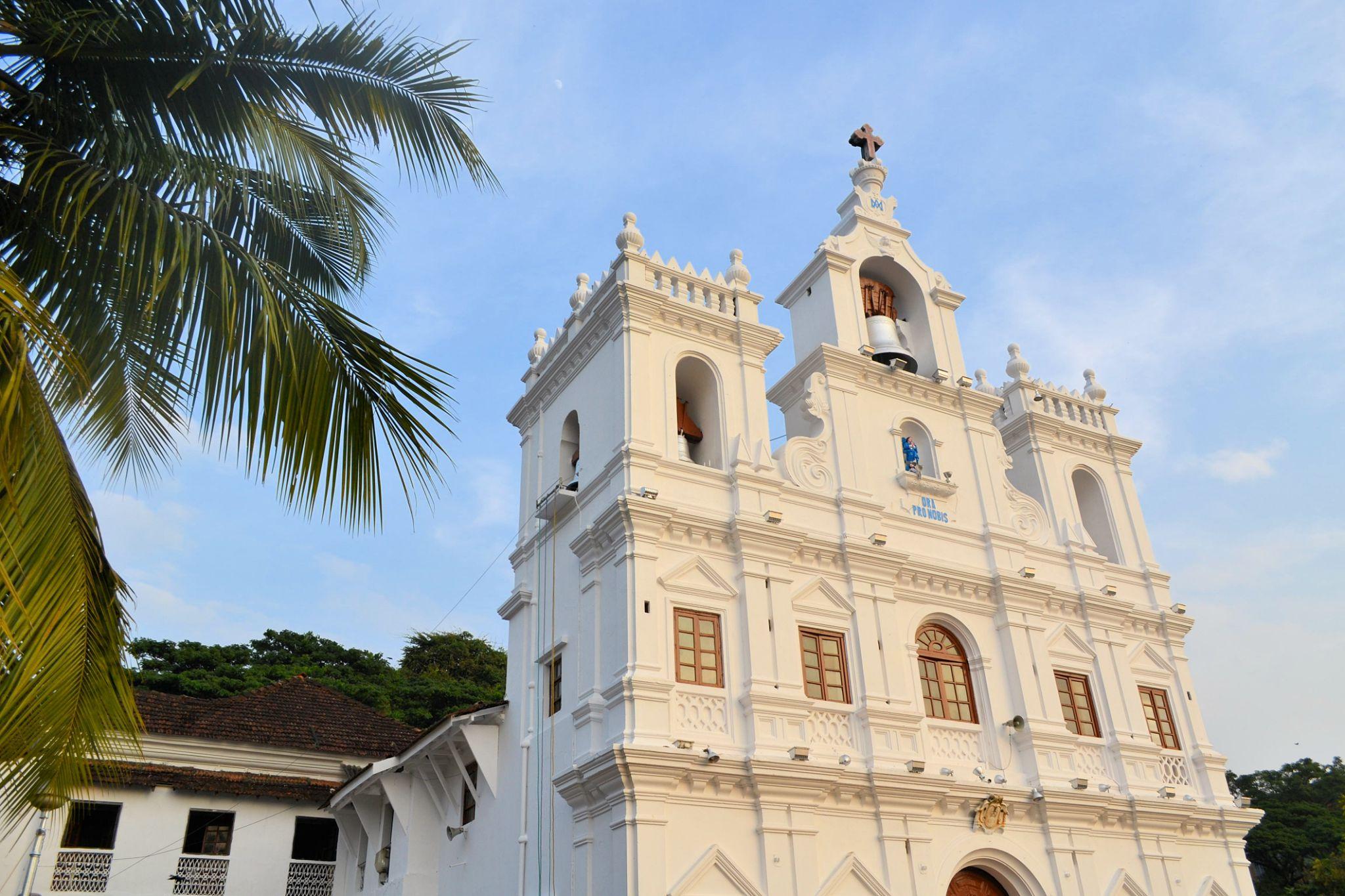
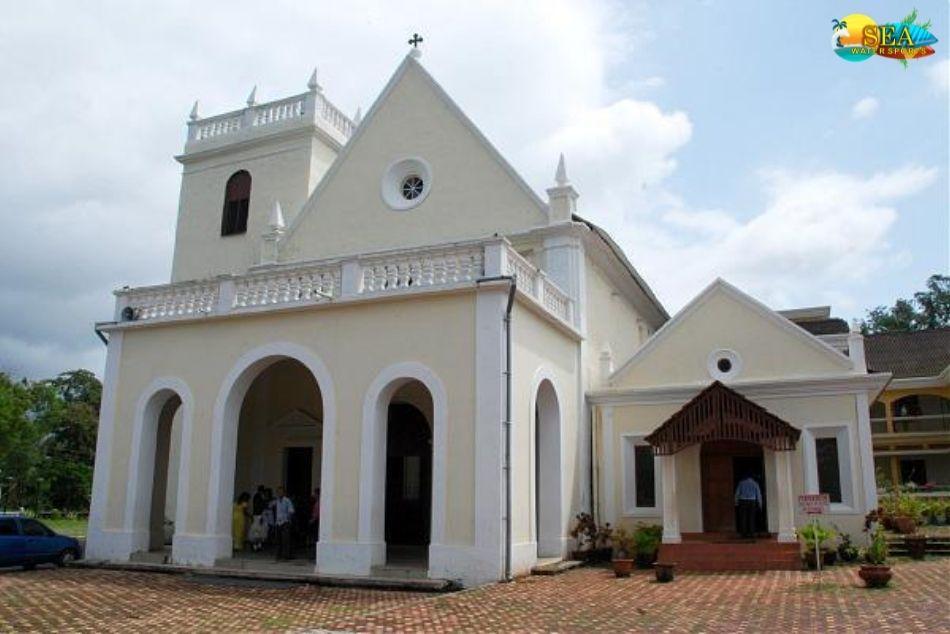
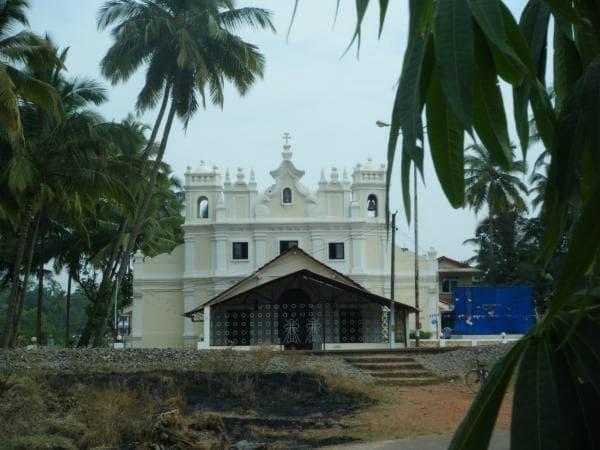
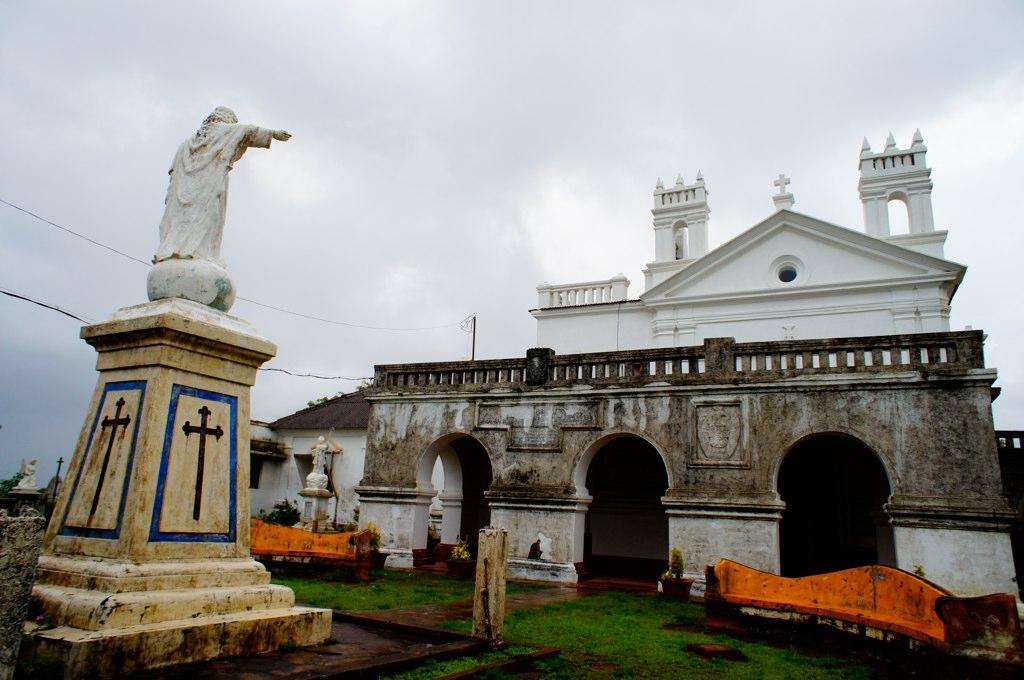
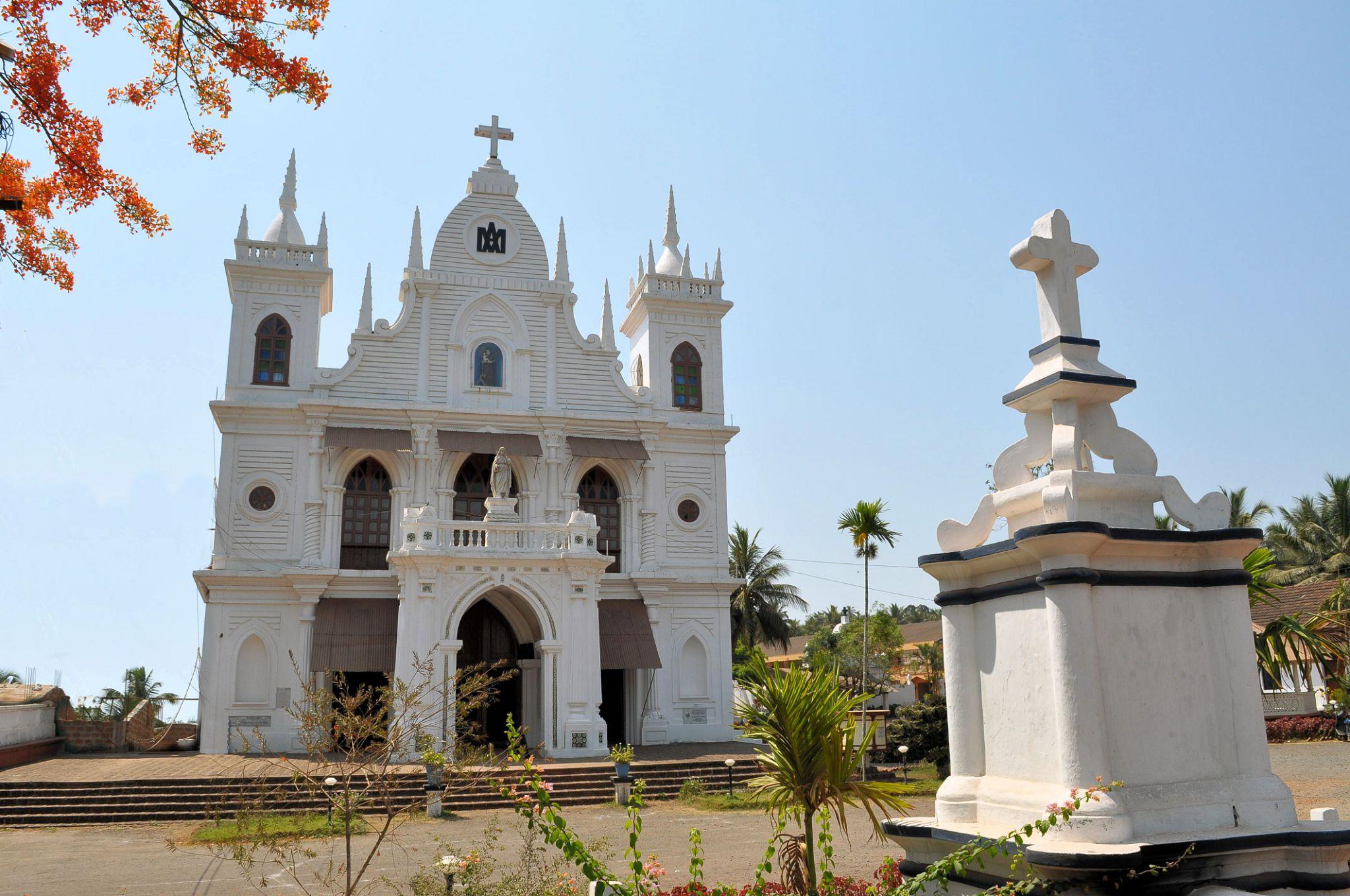
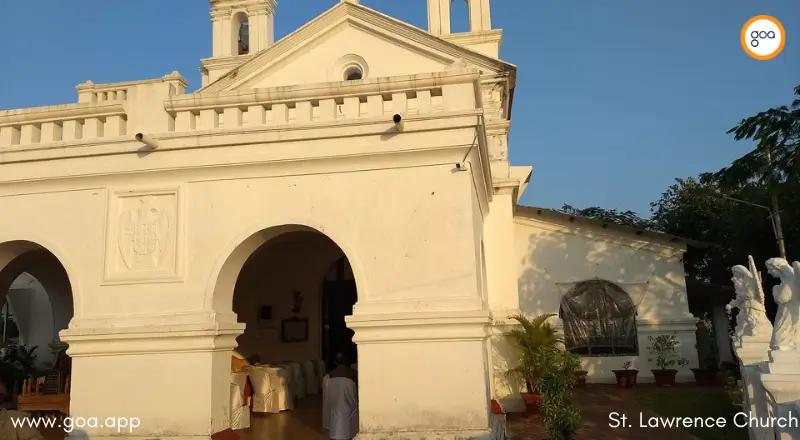
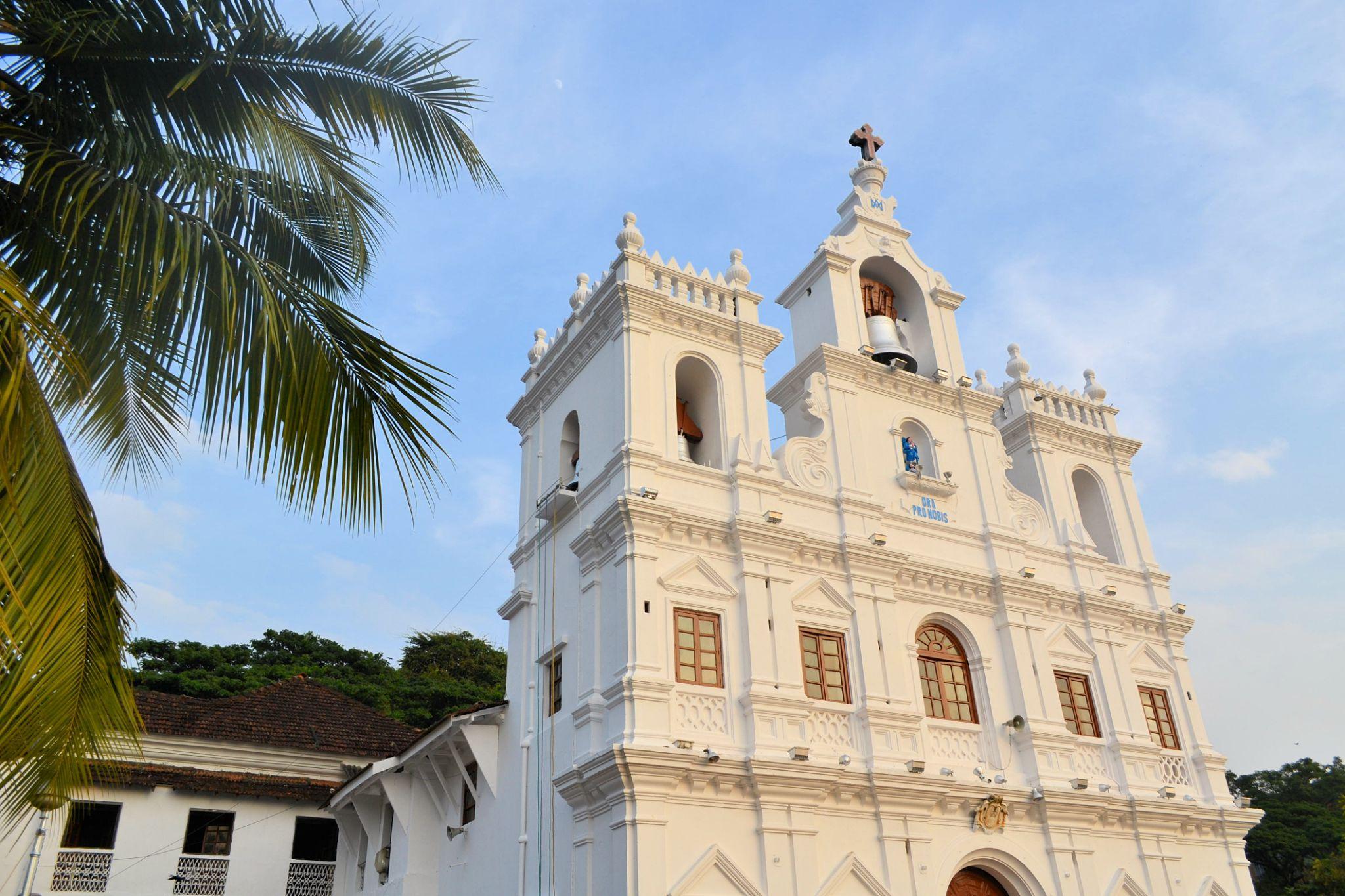
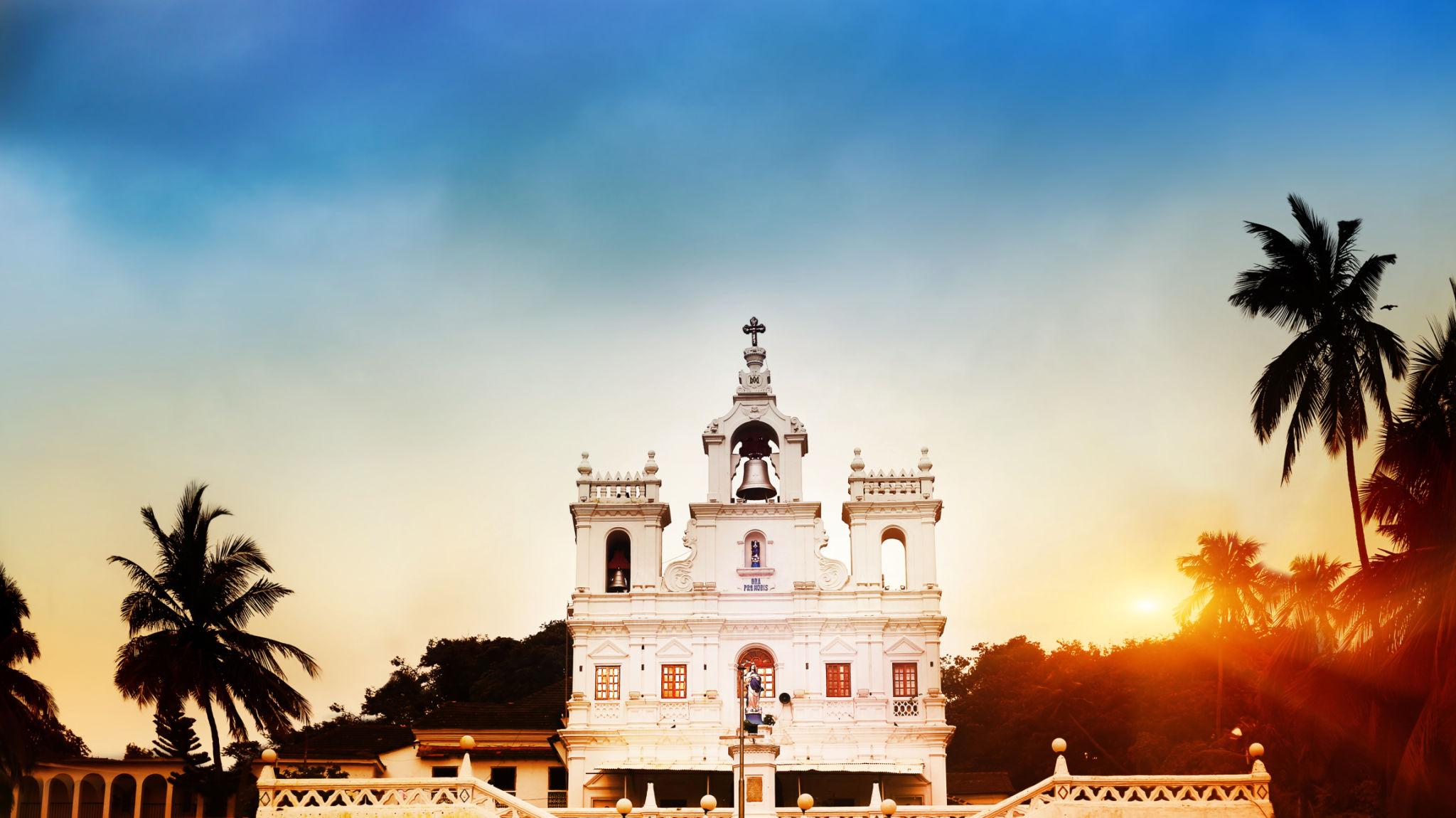
The architecture of St. Lawrence Church is a stunning example of the Mannerist style, which was a transition between the Renaissance and the Baroque periods. Typical of Goan church architecture, the exterior is finished in a brilliant white lime plaster, which glows under the tropical sun. The facade is divided into three vertical sections, with a central pediment that features a niche housing a statue of St. Lawrence. The twin bell towers, or campaniles, are topped with small domes and crosses, adding a sense of symmetry and height to the structure.
As you step inside, the architectural grandeur shifts from the austere exterior to a more decorative interior. The church follows a single-nave plan, a common feature in Franciscan churches of that era, which allows for an unobstructed view of the high altar. The main altar is a masterpiece of wood carving, gilded in gold leaf. It features intricate motifs of vines, flowers, and angels, surrounding the central figure of St. Lawrence holding a gridiron, the symbol of his martyrdom. There are also smaller side altars dedicated to various saints, each reflecting the skilled craftsmanship of local Goan artisans who blended European designs with indigenous artistic sensibilities.
Recommended Guide
Candolim Beach vs Anjuna Beach for Couples: Which is Better for a Romantic Goa Trip? (2026 Guide)
Planning a romantic getaway in Goa and confused between **Candolim Beach vs Anjuna Beach for couples**? You’re not alone. These two iconic North Goa beac...
Read Guide →
Notable architectural details include:
- The Vaulted Ceiling: The nave features a high vaulted ceiling that enhances the acoustics during choral performances and masses.
- The Pulpit: A beautifully carved wooden pulpit is attached to one of the side walls, showcasing the intricate "Talha Dourada" (gilded wood) technique.
- The Tiles: The flooring in certain sections features traditional Azulejos (Portuguese hand-painted tiles) and local stone, creating a cool and grounding surface.
- The Porch: A later addition to the church is the spacious porch or galilee, which provides shade to the devotees and offers a framed view of the sea through its arches.
- The Cemetery: Adjacent to the church is a small, well-maintained cemetery with ornate tombstones that tell the stories of the families who have lived in the parish for generations.
Top Goa Experience • Part 2
Highly Recommended Near St. Lawrence Church Candolim Goa
Explore All
Main Deity / Spiritual Importance
The primary spiritual figure of the church is St. Lawrence of Rome. St. Lawrence was one of the seven deacons of the city of Rome under Pope Sixtus II who were martyred during the persecution by Emperor Valerian in 258 AD. He is famously known for his wit and unwavering faith even in the face of a gruesome death. According to tradition, when ordered to turn over the riches of the church, Lawrence presented the poor, the crippled, and the suffering, declaring them to be the "true treasures of the Church."
He was sentenced to be roasted alive on a gridiron. It is said that after suffering for some time, he cheerfully told his executioners, "I am well done on this side. Turn me over!" This incredible story of courage makes him a symbol of strength and resilience for the local Catholic community. In the Goan context, St. Lawrence is revered as the protector against fire and the patron of those who work on the sea. Fishermen from Candolim and Nerul often visit the church to seek his blessings before the start of the fishing season.
The spiritual importance of the church extends to its role as a place of intercession. Many locals believe that prayers offered at this hilltop shrine are particularly powerful due to the church's historical reputation for protecting the coast. The quietude of the location, away from the commercial noise of the beaches, allows for deep meditation and personal reflection. For many, the physical ascent to the church on the hill mirrors a spiritual ascent, leaving the worries of the world behind to find peace in the presence of the divine.
Festivals & Celebrations
The most significant event in the church's calendar is the Feast of St. Lawrence, celebrated annually on August 10th. This feast is unique because it marks the end of the monsoon season and the symbolic reopening of the sandbars at the mouth of the Mandovi River. During the monsoon, the sea is rough and navigation is closed; the feast of St. Lawrence is the traditional signal that the waters are once again safe for ships and fishing boats.
The celebration is a vibrant affair that involves:
- Traditional Mass: A grand high mass is celebrated in Konkani and English, attended by hundreds of devotees from across Goa.
- The Procession: A solemn procession carries the statue of St. Lawrence around the church grounds, accompanied by a brass band playing traditional hymns.
- The Blessing of the Waters: In a symbolic gesture, the priest blesses the sea and the river, praying for the safety of all those who traverse the waters.
- The Fair: Like all Goan feasts, a "Feria" or fair is set up outside the church. Stalls sell traditional Goan sweets like khaje, toys, household items, and religious artifacts.
- Community Meal: Often, local families host large lunches, serving traditional Goan Catholic delicacies like Sorpotel, Sanna, and Pulao.
Another important celebration is the Harvest Festival, which often coincides with the feast or occurs shortly after. The first stalks of the rice harvest are brought to the church to be blessed, thanking God for the bounty of the land. The church is also beautifully decorated during Christmas and Easter, with a traditional Goan 'Crib' (Manger) being a major attraction during the winter season.
Best Time to Visit
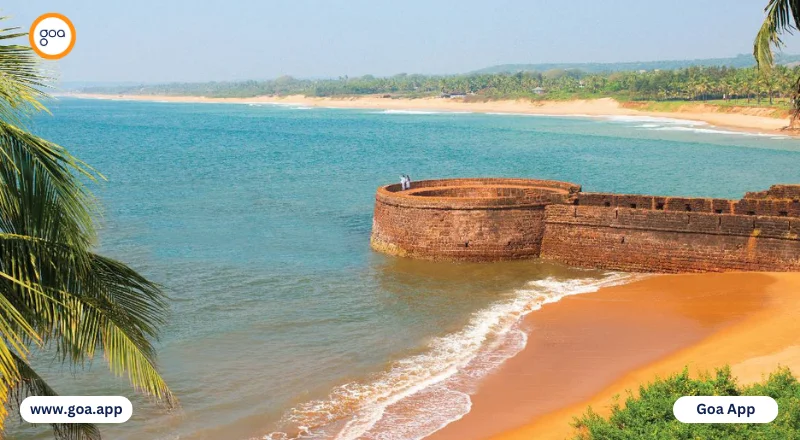
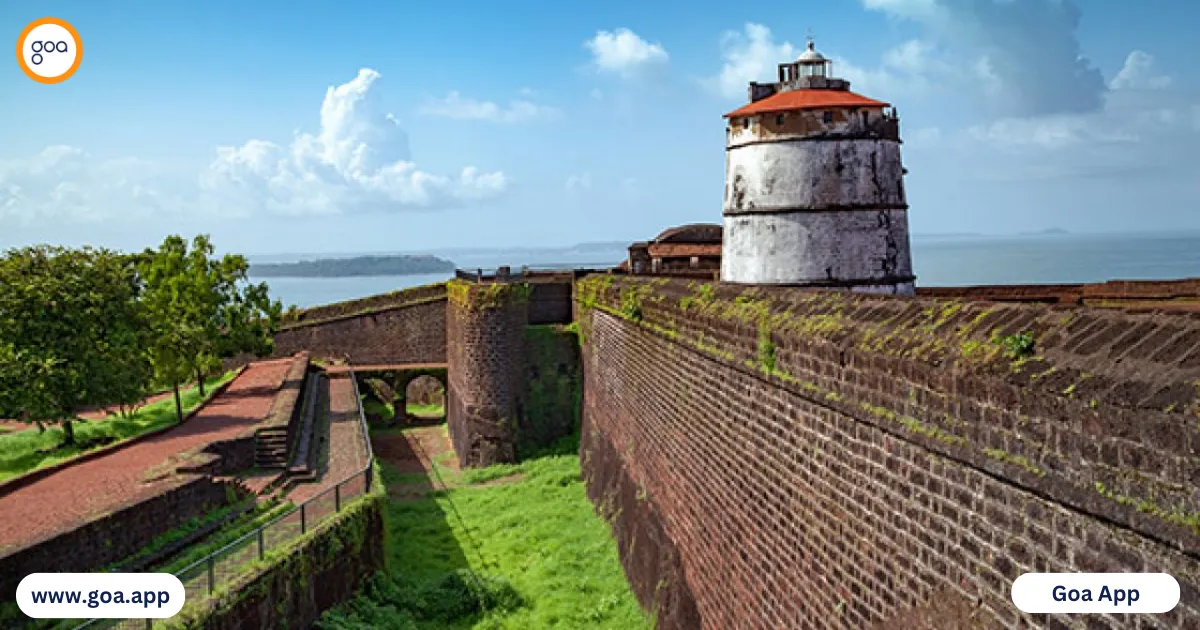
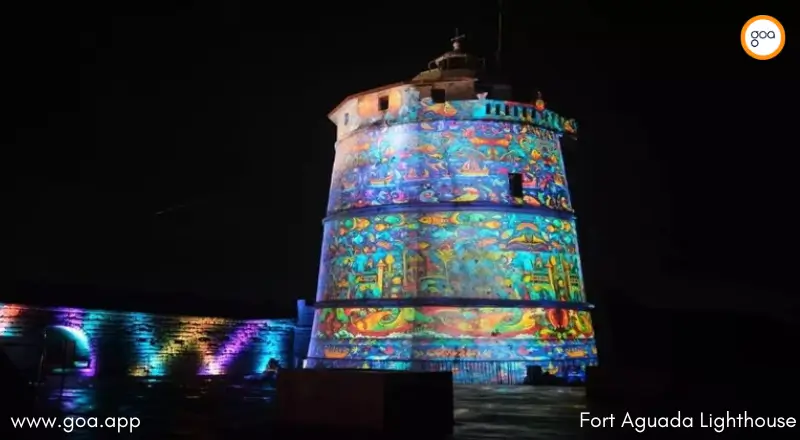
To experience St. Lawrence Church in its full glory, the best time to visit is between November and February. During these winter months, the weather in Goa is pleasant, with clear blue skies and a cool breeze blowing in from the Arabian Sea. The visibility from the hilltop is at its peak, allowing you to see far out into the ocean and clearly view the ramparts of Fort Aguada and the lighthouse.
For those interested in the cultural and religious fabric of Goa, visiting on August 10th for the Feast of St. Lawrence is a must. Although this falls during the monsoon season, the atmosphere is electric. The sight of the rain-drenched hills and the dramatic, choppy sea adds a layer of intensity to the celebrations. However, be prepared for heavy downpours and carry appropriate rain gear.
In terms of the time of day, late afternoon (around 4:30 PM to 6:00 PM) is highly recommended. This allows you to explore the church architecture, spend some quiet time in prayer, and then step outside to witness one of the most spectacular sunsets in North Goa. The sun dipping into the Arabian Sea, viewed from the church courtyard, is a sight that remains etched in the memory of every visitor.
Timings, Entry Fee & Dress Code
Planning a visit to St. Lawrence Church requires keeping track of its functional timings, as it is an active place of worship.
- Church Timings: The church is generally open from 7:30 AM to 6:30 PM daily. However, access to the interior might be restricted during private services or funerals.
- Mass Timings: On weekdays, mass is typically held at 7:00 AM or 8:00 AM. On Sundays, there are multiple masses, usually at 7:00 AM, 8:30 AM, and sometimes an evening mass. It is best to check the local notice board for any changes in schedule.
- Entry Fee: There is no entry fee to visit St. Lawrence Church. It is free for everyone, regardless of religion or nationality. Donations for the maintenance of the church are welcomed but entirely voluntary.
- Dress Code: As with all religious sites in Goa, visitors are expected to dress modestly. Shoulders and knees should be covered. Avoid wearing swimwear, sleeveless tops, or very short skirts/shorts. Removing hats inside the church is a sign of respect.
- Silence: Maintaining silence inside the church is mandatory, especially if people are praying or if a mass is in progress.
How to Reach St. Lawrence Church Candolim Goa
St. Lawrence Church is located in the Sinquerim area of Candolim, which is well-connected to the rest of Goa.
- By Road: If you are staying in the popular tourist hubs of Candolim, Calangute, or Baga, the church is just a short drive away. You can hire a taxi, a pilot (motorcycle taxi), or rent a scooter. Follow the road leading towards Fort Aguada; the church is situated on the hill just before you reach the main fort complex.
- From Panjim: The capital city, Panjim, is about 15 kilometers away. You can take a bus heading towards Candolim/Aguada or drive via the Betim-Verem road, which offers a scenic route along the river.
- From the Airport: Dabolim Airport is approximately 40 kilometers away, while the newer Manohar International Airport (Mopa) is about 35 kilometers away. Pre-paid taxis are the most convenient way to reach the church from either airport.
- By Railway: The nearest major railway station is Thivim (about 22 km) or Karmali (about 20 km). From the station, you can hire a taxi or take a local bus to Mapusa and then to Candolim.
The climb up the hill is paved and accessible by vehicles, so you can drive right up to the church entrance. For the more adventurous, walking up from the Sinquerim beach area is a great way to enjoy the coastal views, though it can be quite steep.
Things to Do
While the church is a place for spiritual reflection, there are several activities you can engage in during your visit:
- Attend a Mass: Experiencing a Catholic mass in a Goan church is a unique cultural experience. The hymns, often sung in Konkani, have a distinct melodic quality.
- Architectural Photography: Capture the stunning white facade, the intricate altars, and the panoramic views of the sea. (Note: Always check if photography is allowed inside the nave).
- Sunset Viewing: The church courtyard is one of the best vantage points in North Goa to watch the sunset over the Arabian Sea.
- Quiet Meditation: Find a corner in the church or on the benches outside to meditate. The sound of the waves crashing below and the rustle of the palm trees create a perfect environment for mindfulness.
- Explore the Cemetery: Take a respectful walk through the old cemetery to appreciate the local funerary art and the history of the families of the parish.
- Walk to the Aguada Fort: Since the church is so close to the fort, you can combine your visit with a walk to the upper ramparts of Fort Aguada to see the old lighthouse.
Nearby Attractions
The area surrounding St. Lawrence Church is rich with historical and natural attractions. You can easily spend a full day exploring this corner of Goa:
- Fort Aguada: A 17th-century Portuguese fort and lighthouse. It is the most well-preserved fort in Goa and offers incredible views of the coastline.
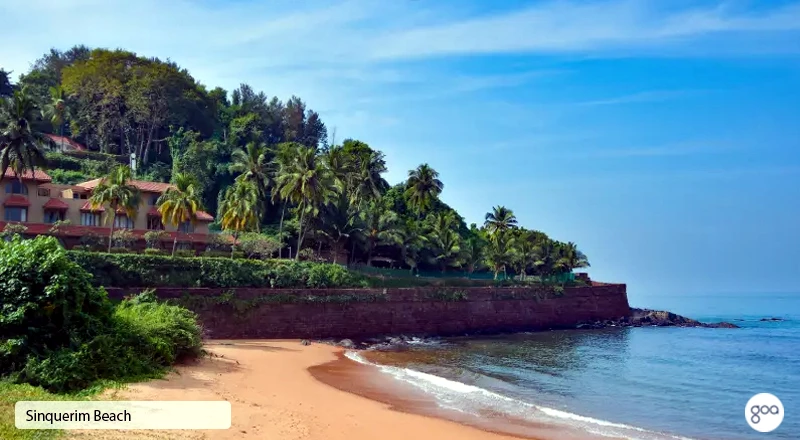
- Sinquerim Beach: Located at the foot of the hill, this beach is famous for water sports like parasailing and jet skiing, as well as the lower walls of the Aguada Fort that extend into the sea.
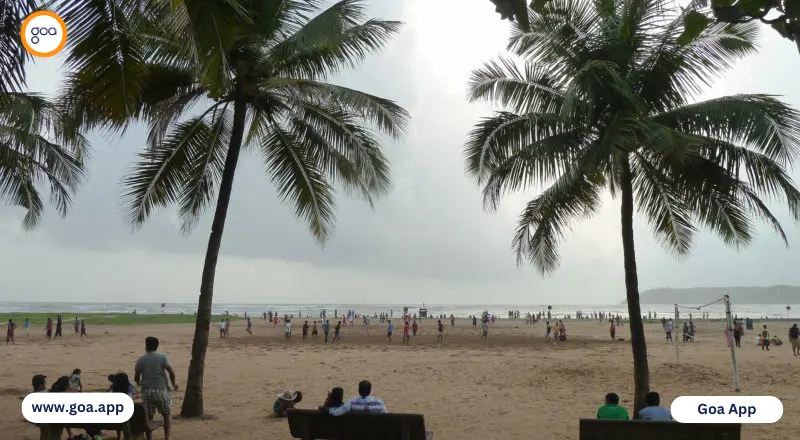
- Candolim Beach: A long stretch of golden sand known for its vibrant shacks, nightlife, and the famous Sunburn Festival site nearby.
- Aguada Jail Museum: Recently renovated, the old Aguada jail has been converted into a museum dedicated to the Goan freedom struggle.
- Dolphin Sighting Trips: Many boat tours depart from the Sinquerim jetty nearby, taking tourists out to sea to spot playful dolphins.
- Nerul River: A short drive away, the Nerul river offers peaceful backwater views and opportunities for kayaking.
Photography & Visitor Guidelines
To ensure a respectful and pleasant visit for everyone, please adhere to the following guidelines:
- Interior Photography: Most churches in Goa discourage or prohibit photography inside the main altar area during services. Always look for signs or ask the sacristan for permission. Never use flash inside the church as it can damage the old paintings and gilded wood.
- Respect the Devotees: If you see people praying or a service in progress, keep your voice to a whisper and avoid walking near the altar.
- Don't Disturb the Peace: The church is a sanctuary. Avoid playing loud music or making noise in the courtyard.
- Littering: Please do not leave any trash behind. The church grounds are meticulously maintained by the parish; help keep them clean.
- Drone Usage: Using drones near the church or the nearby Aguada Fort may require special permission from the local authorities or the ecclesiastical committee.
- Cemetery Etiquette: While the cemetery is beautiful, it is a place of rest. Do not step on graves or sit on tombstones for photos.
Where to Eat Nearby
The Candolim-Sinquerim belt is a gastronomic paradise, offering everything from traditional Goan fare to international cuisine.
- Local Goan Food: For authentic fish thalis and Goan preparations like Xacuti or Vindaloo, look for small local eateries in the Candolim village. The Fisherman's Wharf nearby offers a great ambiance and seafood.
- Fine Dining: The Taj Fort Aguada Resort and Taj Holiday Village are located right below the hill and house some of the finest restaurants in Goa, such as Morisco and Paper Moon.
- Beach Shacks: Head down to Sinquerim or Candolim beach to enjoy fresh seafood with your feet in the sand. Shacks like Calamari Bathe & Binge are very popular.
- Cafes: For a quick coffee or a light snack, there are numerous cafes along the main Candolim road, such as Artjuna or Baba Au Rhum (a short drive away).
Accommodation Nearby
Whether you are looking for luxury or budget-friendly options, the area around St. Lawrence Church has it all:
- Luxury Resorts: Taj Fort Aguada Resort & Spa and Taj Holiday Village are the most iconic properties in the area, offering colonial-style villas and world-class amenities.
- Boutique Hotels: There are several boutique properties like Acron Candolim Regina or Lemon Tree Amarante Beach Resort that offer a blend of comfort and local charm.
- Guesthouses and Homestays: For a more local experience, Candolim village has many family-run guesthouses and Airbnb options that are affordable and cozy.
- Hostels: For solo travelers and backpackers, there are several highly-rated hostels in the Candolim-Calangute area that provide a vibrant social atmosphere.
Travel Tips
To make the most of your visit to St. Lawrence Church, keep these tips in mind:
- Footwear: Wear comfortable walking shoes, especially if you plan to explore the hill or walk to Fort Aguada. However, be prepared to remove your shoes if required before entering certain areas of the church.
- Hydration: The Goan sun can be intense. Carry a bottle of water, especially if you are visiting during the day.
- Sun Protection: Use sunscreen and wear a hat (remember to take it off inside the church).
- Combine Visits: Save time by visiting St. Lawrence Church, Fort Aguada, and the Aguada Jail Museum on the same morning or afternoon, as they are all in the same vicinity.
- Local Interaction: Don't hesitate to strike up a polite conversation with the locals or the church staff. They often have wonderful stories and insights about the church's history that aren't found in guidebooks.
- Cash: While many places in Goa accept cards and UPI, it's always good to have some cash for small donations or purchases at the local stalls.
Conclusion
St. Lawrence Church in Candolim is more than just a historical monument; it is a living symbol of Goa's resilient spirit and its deep-rooted maritime heritage. From its strategic position on Sinquerim Hill to its intricate Baroque interiors, every element of the church tells a story of faith, protection, and community. It offers a rare opportunity to step away from the commercialized side of North Goa and connect with the soul of the land. Whether you are standing in the quiet nave admiring the gilded altar or watching the sun set over the Arabian Sea from its courtyard, the church provides a sense of peace that is truly profound. A visit to St. Lawrence Church is not just a stop on a tourist itinerary; it is an experience that captures the heart of Goan spirituality and the timeless beauty of its coastal landscape. As you leave the hilltop, the ringing of the church bells and the panoramic views will surely stay with you, calling you back to this serene sanctuary by the sea.