Overview of Saviour of the World Church
Nestled in the heart of the serene village of Salvador do Mundo in the Bardez taluka of North Goa, the Saviour of the World Church (locally known as Igreja de Salvador do Mundo) stands as a testament to Goa’s rich colonial past and its enduring spiritual fervor. Unlike the bustling tourist hubs of Calangute or Baga, this church is located in a region characterized by rolling hills, expansive "Khazan" lands (traditional Goan reclaimed wetlands), and a quietude that invites introspection. The church is dedicated to Jesus Christ as the Saviour of the World, a title that resonates deeply with the local Catholic community.
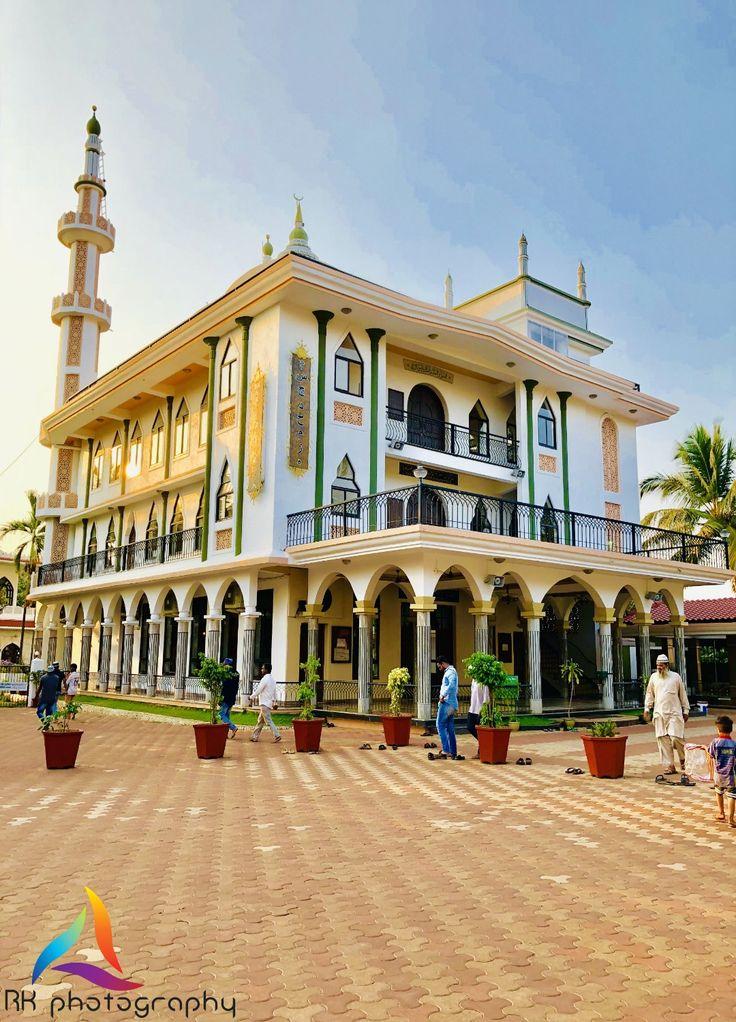
As you approach the church through winding village roads lined with traditional Indo-Portuguese villas, the sight of its pristine white facade against the backdrop of lush greenery is nothing short of breathtaking. This is one of the oldest and most architecturally significant churches in North Goa, yet it remains somewhat of a hidden gem, often overlooked by the average traveler in favor of the larger cathedrals in Old Goa. For the discerning visitor, however, the Saviour of the World Church offers a unique opportunity to experience the authentic "village Goa"—a place where time seems to slow down, and the spiritual atmosphere is palpable in every whisper of the wind through the palm trees.
Top Goa Experience • Part 1
Highly Recommended Near Saviour of the World Church
Explore All
The village itself, which shares its name with the church, is a picturesque settlement that has preserved its cultural identity despite the rapid modernization seen elsewhere in the state. The church serves as the spiritual and social anchor for the villagers, hosting daily masses, community gatherings, and vibrant festivals that bring the entire neighborhood together. Whether you are a history buff, an architecture enthusiast, or a spiritual seeker, this church provides a profound sense of peace and a deep connection to the soul of Goa.
History & Religious Significance
The history of the Saviour of the World Church is intricately tied to the early years of Portuguese evangelization in Goa. Established in 1565, the church was founded by the Franciscan Order, specifically the Friars Minor, who were among the most influential religious orders in the region during the 16th century. The village of Salvador do Mundo was one of the first areas in Bardez to be converted to Christianity, and the construction of this church was a pivotal moment in the establishment of the parish system in North Goa.
Recommended Guide
Top Places to Visit Near Baga Beach, North Goa
Baga Beach is not just one of the most famous beaches in Goa—it’s the starting point of an entire world of experiences waiting to be explored. While mo...
Read Guide →
Historically, the site where the church stands was believed to be a place of local religious significance even before the arrival of the Portuguese. The transition from indigenous shrines to Christian places of worship was a common theme in Goan history, and the Saviour of the World Church stands as a symbol of this cultural and religious shift. Over the centuries, the church has undergone several renovations and expansions, yet it has managed to retain its original charm and historical integrity. It survived the various political upheavals of the colonial era, including the suppression of religious orders in the 19th century, remaining a steadfast beacon of faith for the local population.
The religious significance of the church extends beyond its physical structure. It is the seat of the Salvador do Mundo Parish, which has played a crucial role in the social and educational development of the village. The church has fostered a community built on the values of charity, faith, and mutual support. For the locals, the "Salvador do Mundo" is not just a theological concept but a living presence that protects the village and its people. The historical records maintained by the church, including baptismal and marriage registers dating back centuries, serve as an invaluable resource for understanding the genealogical and social history of the Bardez region.
Recommended Guide
Nude Beaches in Goa (New Guide): Locations, Rules, Safety & Travel Tips
Goa is famous worldwide for its stunning coastline, vibrant nightlife, and relaxed vibe. Among travelers—especially international tourists—there’s al...
Read Guide →
Architecture of Saviour of the World Church
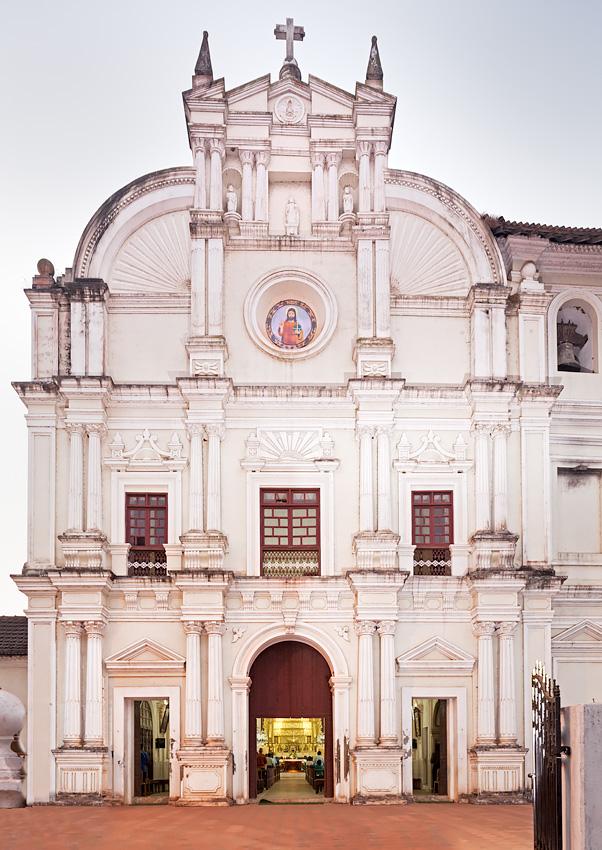
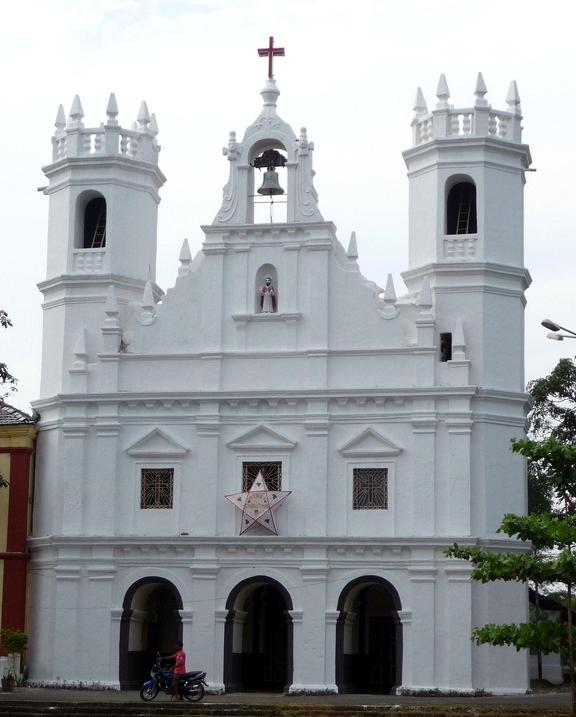
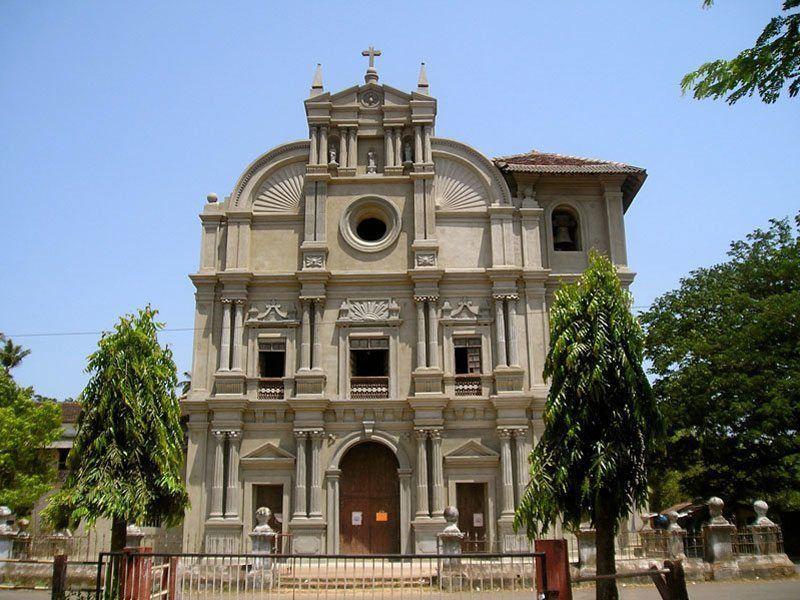
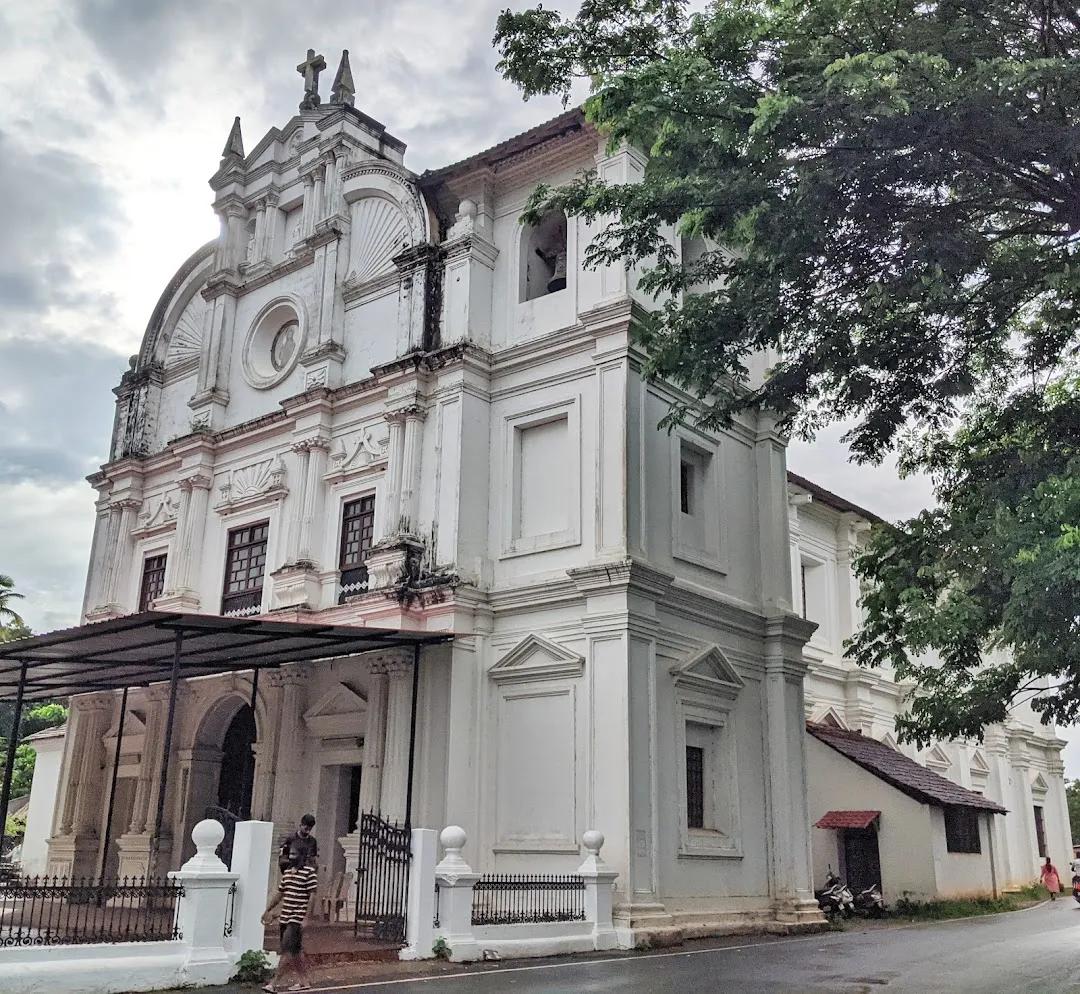
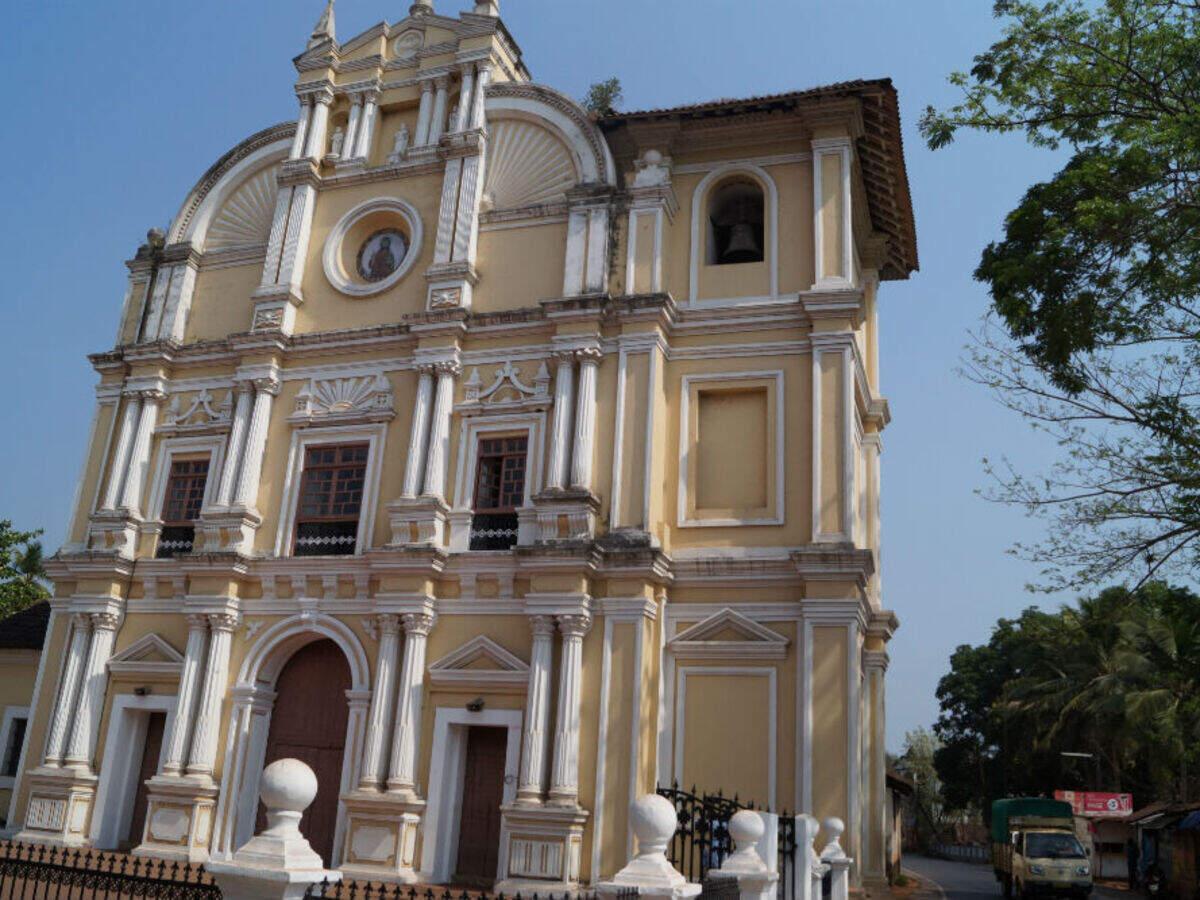
The architecture of the Saviour of the World Church is a classic example of the Mannerist style, which was prevalent during the late Renaissance and early Baroque periods in Europe and subsequently adapted in the Portuguese colonies. The facade of the church is characterized by its balanced proportions, clean lines, and a sense of understated grandeur. It features three stories, with the ground floor housing three large doorways. The central doorway is the most ornate, framed by decorative pilasters and topped with a pediment that reflects the artistic sensibilities of the 16th century.
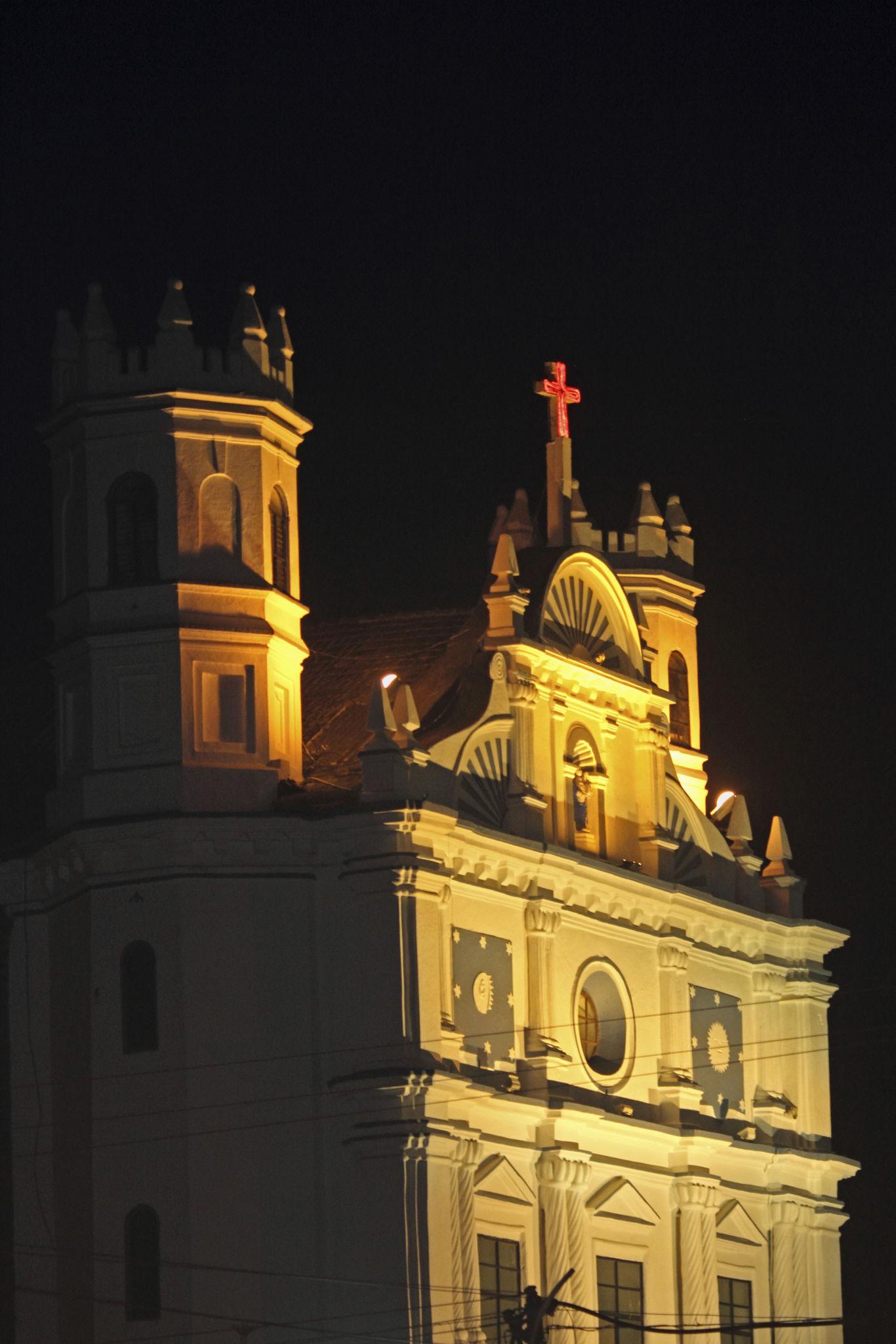
One of the most striking features of the exterior is the triangular pediment at the very top, which is flanked by scrolls and topped with a cross. The use of white lime plaster—a traditional Goan technique—gives the church its iconic bright appearance, designed to reflect the tropical sun and stand out against the blue sky. The bell tower, integrated into the structure, houses bells that have called the faithful to prayer for generations. The sound of these bells echoing across the Khazan lands is a quintessential part of the village's auditory landscape.
Recommended Guide
10 Interesting Facts About Goa That Will Blow Your Mind
Discover 10 fascinating facts about Goa from Portuguese history & architecture to hidden beaches, cheap alcohol secrets, and more.
Read Guide →
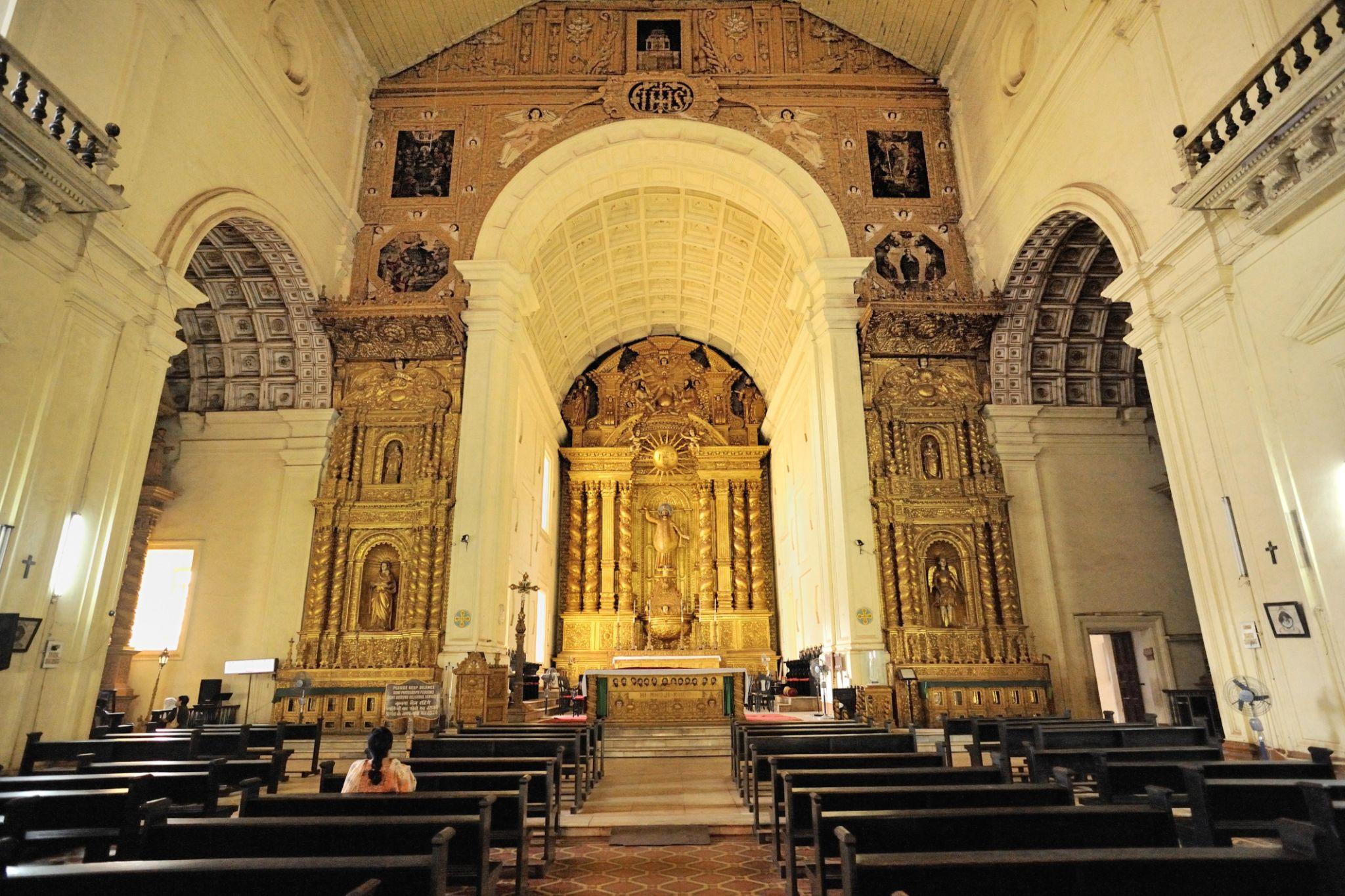
Inside, the church is equally impressive. The main altar is a masterpiece of Baroque woodcarving, gilded in gold leaf that shimmers under the soft light filtering through the high windows. The retable (altar screen) is intricately detailed, featuring niches that house statues of various saints, with the central figure of the Saviour of the World taking pride of place. The side altars are also beautifully decorated, showcasing the skill of local Goan craftsmen who blended European designs with indigenous motifs. The vaulted ceiling and the spacious nave create an atmosphere of reverence and awe. The pulpit, often a focal point in Franciscan churches, is highly decorated and serves as a reminder of the importance of preaching in the early mission days. The floor is paved with traditional stone tiles, and the walls are adorned with plaques and inscriptions that tell the stories of prominent families and religious figures associated with the parish.
Top Goa Experience • Part 2
Highly Recommended Near Saviour of the World Church
Explore All
Main Deity / Spiritual Importance
The primary dedication of the church is to Jesus Christ, the Saviour of the World (Salvador do Mundo). This title refers to the theological belief in Christ as the redeemer of humanity. In the iconography of the church, the Saviour is often depicted as a majestic figure, sometimes holding a globe topped with a cross in His left hand while raising His right hand in a gesture of blessing. This imagery emphasizes the universal nature of Christ's mission and His sovereignty over all creation.
The spiritual importance of this dedication is reflected in the daily lives of the parishioners. The concept of the "Saviour" provides a sense of hope and protection. Many locals visit the church to offer prayers for the well-being of their families, the success of their harvests, and protection from the elements. There is a deep-seated belief that the intercession of the Saviour of the World brings peace and prosperity to the village. The church also honors Our Lady and various saints, particularly those associated with the Franciscan order, such as St. Francis of Assisi and St. Anthony of Padua. The devotion to these figures is expressed through the lighting of candles, the offering of flowers, and the participation in communal prayers like the Rosary and the Novenas.
For a visitor, the spiritual importance of the church is felt in its silence. Unlike the more crowded tourist sites, here you can sit in a pew and experience a moment of genuine spiritual connection. The air is thick with the scent of incense and the weight of centuries of prayer. It is a place where the sacred and the mundane meet, where the struggles of daily life are brought before the divine in a spirit of humility and faith.
Festivals & Celebrations
The most significant event in the liturgical calendar of the church is the Feast of the Saviour of the World, celebrated with great pomp and fervor on the Sunday following November 15th each year. This feast is the highlight of the village social calendar and attracts devotees from all over Goa. The celebrations begin nine days earlier with the Novenas, a series of special evening masses and prayers where the community gathers to prepare spiritually for the feast day.
On the day of the feast, the church is beautifully decorated with flowers and lights. A high mass is celebrated, often presided over by a high-ranking member of the clergy. Following the mass, a grand procession takes place, where the statue of the Saviour of the World is carried through the village streets on a decorated palanquin. The procession is accompanied by a brass band playing traditional hymns, and the streets are lined with faithful residents who offer prayers as the statue passes by. The atmosphere is electric, filled with a sense of communal joy and religious devotion.
In addition to the religious ceremonies, the feast is marked by a traditional Goan fair (fera). Stalls are set up outside the church selling everything from traditional sweets like bebinca and dodol to household items, toys, and religious artifacts. It is a time for families to reunite, as many Goans living abroad or in other parts of India return to their ancestral village for the feast. Other celebrations held at the church include Holy Week, with its solemn Good Friday processions, and Christmas, which is celebrated with a midnight mass and the construction of elaborate cribs by the village youth.
Best Time to Visit
The best time to visit the Saviour of the World Church is during the winter months, from November to February. During this period, the weather in Goa is pleasant and cool, making it ideal for exploring the village and the church grounds. This window also coincides with the main feast of the church in November, offering visitors a chance to witness the local culture and religious traditions at their most vibrant.
If you prefer a more quiet and contemplative experience, the monsoon season (June to September) has its own charm. The surrounding Khazan lands and hills turn a brilliant shade of emerald green, and the sight of the white church amidst the rain-washed landscape is incredibly poetic. However, be prepared for heavy downpours and high humidity. The summer months (March to May) can be quite hot and humid, so if you visit during this time, it is best to go early in the morning or late in the evening to avoid the midday sun.
For photography enthusiasts, the golden hour—just after sunrise or just before sunset—is the best time to capture the church. The soft light enhances the textures of the facade and the warm glow creates a magical atmosphere. Sunday mornings are also a good time to visit if you wish to observe a local Goan mass, but please remember to be respectful of the worshippers.
Timings, Entry Fee & Dress Code
To ensure a smooth visit to the Saviour of the World Church, please keep the following logistical details in mind:
- Timings: The church is generally open daily from 7:00 AM to 12:00 PM and from 4:00 PM to 7:00 PM. These timings may vary on feast days or during special liturgical events. It is always best to visit during the morning or evening mass hours if you wish to see the interior, as the church may be locked during the quiet afternoon hours.
- Entry Fee: There is no entry fee to visit the church. It is a place of worship open to people of all faiths. However, donations for the upkeep of the church and its charitable activities are always welcome and can be placed in the boxes provided inside.
- Dress Code: As this is a sacred religious site, visitors are expected to dress modestly. This means covering your shoulders and knees. Avoid wearing sleeveless tops, short skirts, or beachwear. If you are not appropriately dressed, you may be asked to refrain from entering the main sanctuary. Removing hats and maintaining silence inside the church is also required.
How to Reach Saviour of the World Church
The Saviour of the World Church is located in Salvador do Mundo, which is about 7-8 kilometers from Panjim, the capital of Goa. Here are the best ways to reach the location:
- By Road (Self-Drive or Taxi): The most convenient way to reach the church is by hiring a taxi or renting a scooter/car. From Panjim, you can cross the Mandovi Bridge and head towards Betim or Pomburpa. The route through the village of Socorro is particularly scenic. If you are coming from North Goa beach belt (Calangute/Candolim), it is a 20-30 minute drive via the Chogm Road or the inner village roads of Porvorim.
- By Bus: Local buses run from the Panjim KTC Bus Stand to Pomburpa or Aldona. You can get off at the Salvador do Mundo stop and walk to the church. However, bus frequency can be low, so check the timings beforehand.
- By Train: The nearest major railway station is Thivim, which is about 15 kilometers away. From Thivim, you can take a taxi directly to the church. Karmali station is also a viable option, located about 12 kilometers away.
- By Air: The Manohar International Airport (Mopa) is approximately 25-30 kilometers away, while the Dabolim Airport is about 35 kilometers away. Taxis are readily available at both airports.
Things to Do
While the Saviour of the World Church is the primary attraction, the surrounding area offers several activities for a fulfilling half-day trip:
- Attend a Mass: Experience the local Konkani mass to hear the beautiful hymns and witness the deep-rooted faith of the villagers. Check the local notice board for mass timings.
- Explore the Village: Take a leisurely walk through the lanes of Salvador do Mundo. Observe the traditional Goan houses with their unique architecture, balcãos (porches), and vibrant colors.
- Bird Watching in Khazan Lands: The wetlands surrounding the village are a haven for migratory and local birds. If you are a nature lover, bring your binoculars and enjoy the sights of kingfishers, egrets, and herons.
- Visit the Graveyard: The church cemetery, often located adjacent to the main building, contains beautiful old graves and crosses that reflect the history of the local families.
- Meditate: The quiet interior of the church and the peaceful courtyard are perfect for a few minutes of silent meditation or prayer.
Nearby Attractions
The central location of Salvador do Mundo makes it a great starting point for exploring other hidden gems in North Goa:
- Houses of Goa Museum: Located just a few kilometers away in Torda, this unique ship-shaped museum designed by architect Gerard da Cunha showcases the history and evolution of Goan residential architecture. It is a must-visit for anyone interested in design and history.
- Pomburpa Spring: A short drive away, this natural spring is famous for its medicinal properties and is a popular spot for locals to take a refreshing dip. The surrounding area is lush and perfect for a picnic.
- Chorao Island & Salim Ali Bird Sanctuary: You can take a ferry from nearby Ribandar to reach Chorao Island, home to one of India’s most famous bird sanctuaries. It is an excellent spot for eco-tourism.
- Corjuem Fort: About 20 minutes away, this small inland fort offers panoramic views of the river and the surrounding countryside. It is less crowded than the coastal forts and very well-preserved.
- Aldona Village: Known as one of the most beautiful villages in the world, Aldona is famous for its cable-stayed bridge, the St. Thomas Church, and its scenic riverfront.
Photography & Visitor Guidelines
To ensure a respectful visit, please adhere to the following guidelines regarding photography and general conduct:
- Indoor Photography: Photography is generally discouraged or prohibited inside the church during mass services. At other times, you may take photos of the architecture, but please avoid using flash as it can damage the ancient artworks and disturb the sanctity of the space. Always ask for permission from the sacristan or priest if you are unsure.
- Outdoor Photography: The exterior of the church and the surrounding landscape are perfect for photography. Feel free to capture the facade, the bell tower, and the village scenes.
- Silence: Maintain a low volume when speaking inside or near the church. Turn off your mobile phone or put it on silent mode.
- No Littering: Please help keep the church grounds and the village clean. Use the bins provided for any waste.
- Respect Rituals: If a wedding, funeral, or baptism is in progress, do not interrupt. Observe from a distance or return later.
Where to Eat Nearby
While Salvador do Mundo is a quiet village, there are several excellent dining options within a short drive:
- The Black Sheep Bistro (Panjim): For a high-end dining experience featuring global cuisine with local Goan ingredients.
- Copperleaf (Porvorim): A popular spot for authentic Goan fish thalis and a wide range of Indian and Continental dishes.
- Local Tavernas: You will find small local bars and eateries in the village where you can try traditional Goan snacks like ros omlet or pao com chouriço (Goan sausage bread).
- Vinanti Restaurant: Located nearby, offering home-style Goan Catholic and Hindu cuisine at very reasonable prices.
Accommodation Nearby
If you wish to stay close to the Saviour of the World Church to enjoy the rural tranquility, consider these options:
- Heritage Villas: Several old Portuguese houses in the Salvador do Mundo and Socorro area have been converted into luxury boutique stays or Airbnb rentals. These provide an authentic Goan living experience.
- Porvorim Hotels: Being a major residential and commercial hub nearby, Porvorim offers a variety of hotels ranging from budget to mid-range, such as Hotel Neo Majestic or Ginger Goa.
- Eco-Stays: Look for farmstays or eco-resorts in the nearby Aldona or Pomburpa areas for a closer connection to nature.
Travel Tips
- Language: While English and Hindi are widely understood, knowing a few words of Konkani (like Dev borem korum for "Thank you") will endear you to the locals.
- Transport: Renting a scooter is the best way to explore the narrow lanes of Bardez. However, ensure you have a valid license and always wear a helmet.
- Hydration: Carry a water bottle, as it can get quite warm during the day. However, avoid plastic bottles and use refillable ones to support Goa's anti-plastic initiatives.
- Respect Local Customs: Goans are very proud of their village traditions. Be polite, greet the elders, and follow the local etiquette.
Conclusion
The Saviour of the World Church is more than just a historical monument; it is a living, breathing part of Goa’s cultural tapestry. It offers a sanctuary for those looking to escape the commercialized side of tourism and find a deeper, more meaningful connection with the land and its people. From its stunning Mannerist architecture and rich Franciscan history to the vibrant festivities of its annual feast, every aspect of the church tells a story of faith, resilience, and community. A visit here is a journey into the heart of "Real Goa," leaving you with a sense of peace and a profound appreciation for the spiritual heritage of this beautiful coastal state. Whether you come for the history, the art, or the silence, the Saviour of the World will undoubtedly leave an indelible mark on your soul.