Overview of Santo Cristo Church
Nestled atop the emerald hills of
Divar Island, one of Goa’s most enchanting and well-preserved secrets, lies the
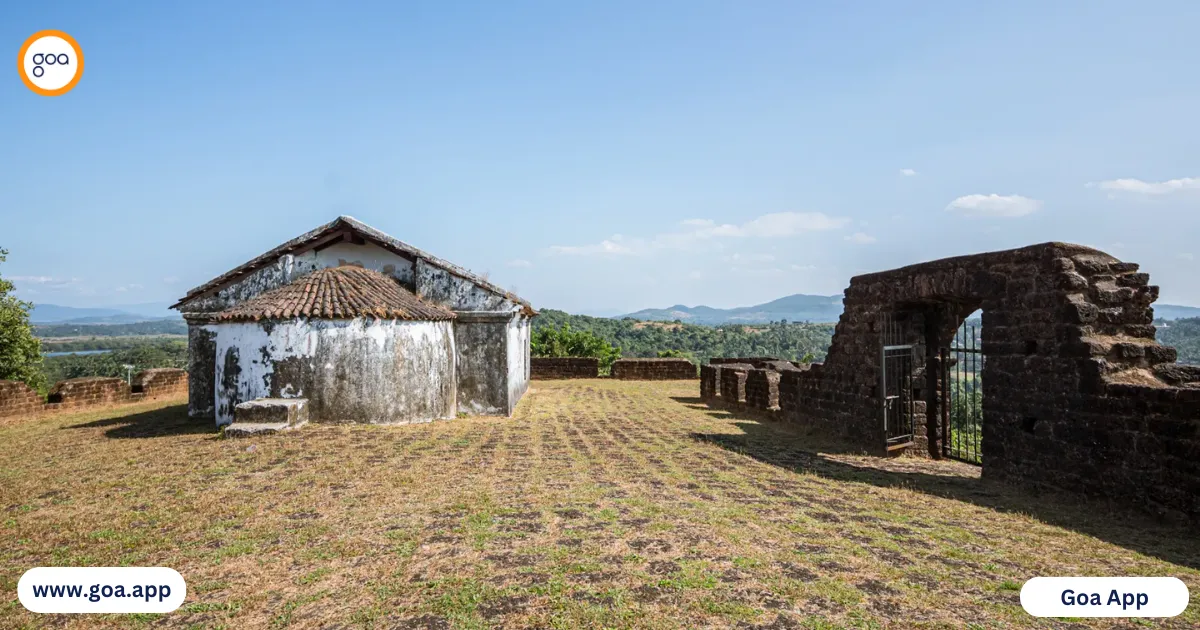
Santo Cristo Church (often referred to locally as the Capela de Santo Cristo). This sacred edifice is not merely a place of worship but a silent sentinel of history, overlooking the winding Mandovi River and the sprawling mangroves that define the Goan landscape. Unlike the bustling, tourist-heavy basilicas of Old Goa, Santo Cristo offers a profound sense of isolation and spiritual intimacy. It is located in the village of
Piedade, a name that translates to "Piety," which perfectly encapsulates the atmosphere surrounding this site.
For the traveler seeking the "real Goa," a journey to Santo Cristo is a journey back in time. The church serves as a focal point for the islanders of Divar, a community that has fiercely guarded its traditions and natural beauty against the tide of modernization. The church is dedicated to the
Holy Christ, and its presence on the hilltop provides a panoramic view that stretches from the white steeples of Old Goa to the distant Western Ghats. Visitors are often struck by the transition from the humid ferry ride across the river to the cool, breezy heights of the Piedade hillock where the church stands. It is a place where the rustle of palm fronds and the distant tolling of bells replace the noise of traffic, making it a premier destination for those interested in
Goan heritage, religious history, and architectural photography.
History & Religious Significance
The history of Santo Cristo Church is deeply intertwined with the colonial narrative of the
Portuguese Ilhas (Islands) region. During the 16th and 17th centuries, the Portuguese established Divar Island as a strategic and religious outpost. Before the advent of Christianity, Divar was a site of great Hindu significance, housing the ancient Saptakoteshwar Temple. Following the religious shifts of the era, the island became a canvas for some of the most beautiful examples of
Luso-Indian ecclesiastical architecture.
The Santo Cristo Church, specifically the chapel associated with the larger Our Lady of Compassion complex, gained prominence due to the miraculous reputation of its central image of Christ. Historically, the chapel was built to house a particularly evocative statue of the crucified Jesus, which locals believe possesses healing powers. Over the centuries, the church has survived the decline of the city of Goa (Old Goa) and the various epidemics that forced the Portuguese elite to flee to the hinterlands. It stood firm through the 18th-century transitions and remains a symbol of the enduring faith of the
Goan Catholic community.
Its religious significance is most palpable during the Lenten season. The "Santo Cristo" or Holy Christ is a figure of intense devotion, representing the suffering and ultimate redemption of humanity. For the people of Divar, this church is the spiritual heart of the island. It is a common site for
votive offerings, where devotees come to fulfill "vow" (promises) made in times of distress. The historical significance also lies in its role as a communal anchor; for generations, the families of Piedade have gathered here to celebrate the milestones of life, from baptisms to the solemnity of funerals, creating a continuous thread of social and spiritual history that spans over four centuries.
Architecture of Santo Cristo Church
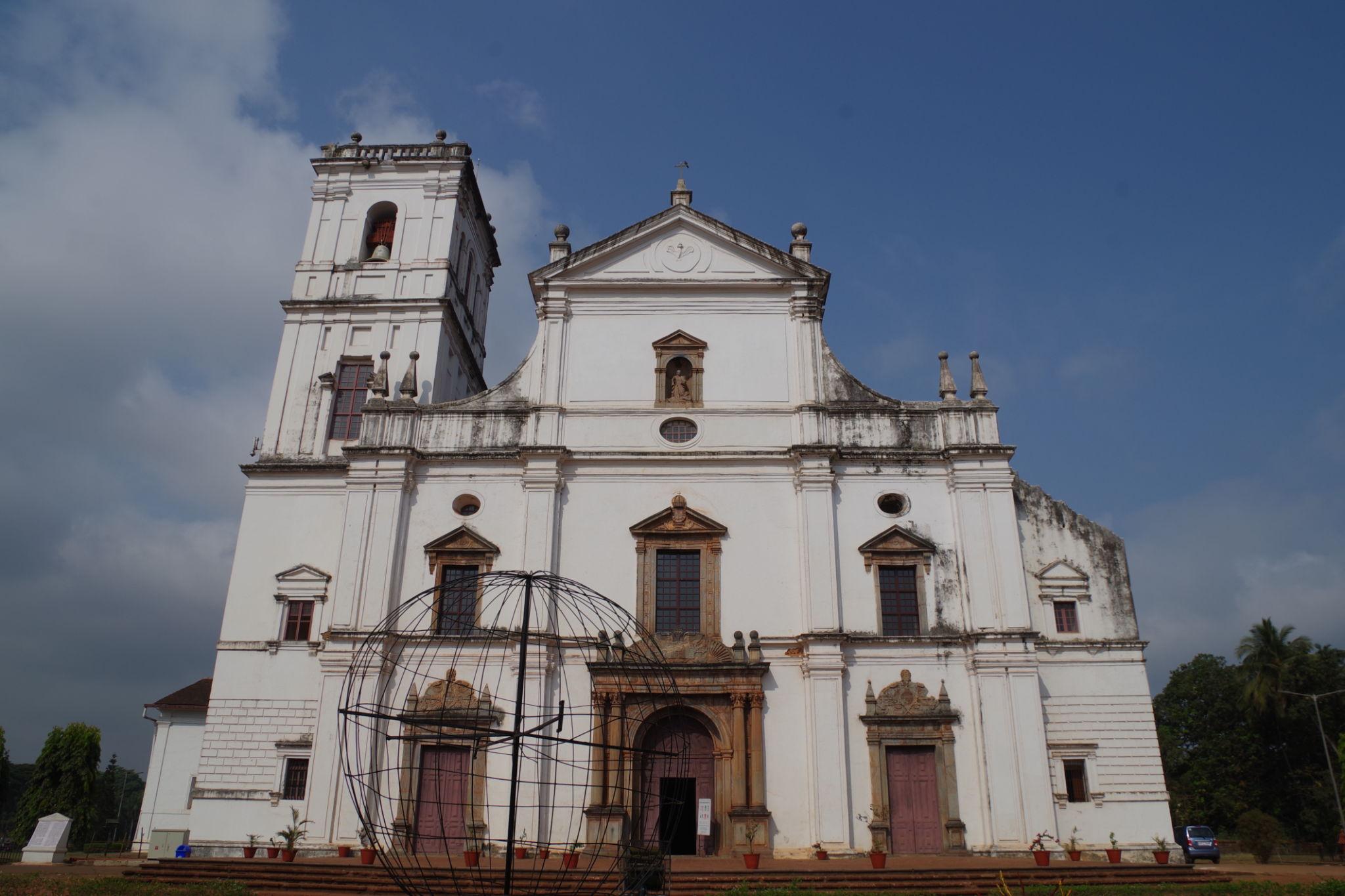
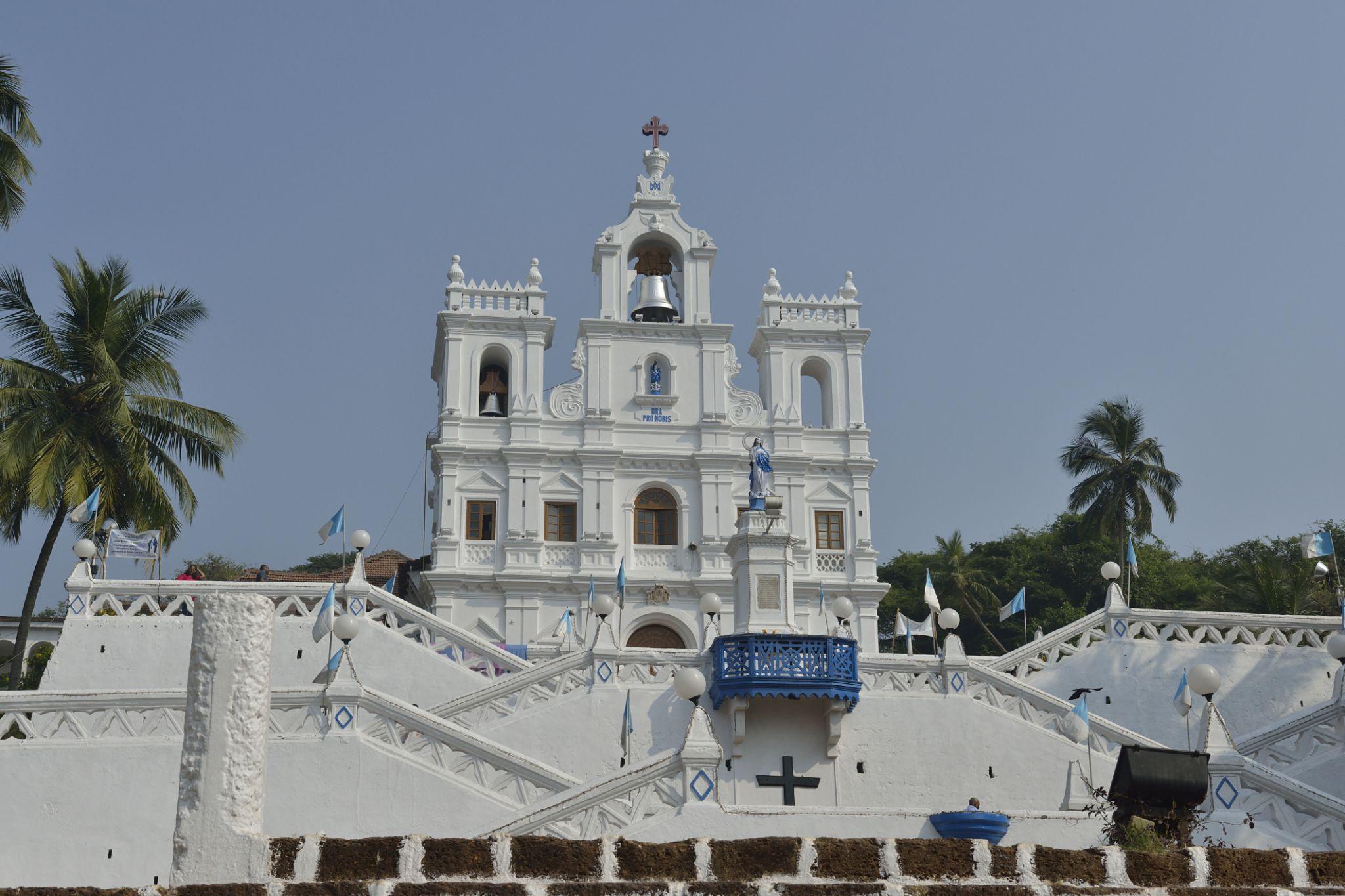
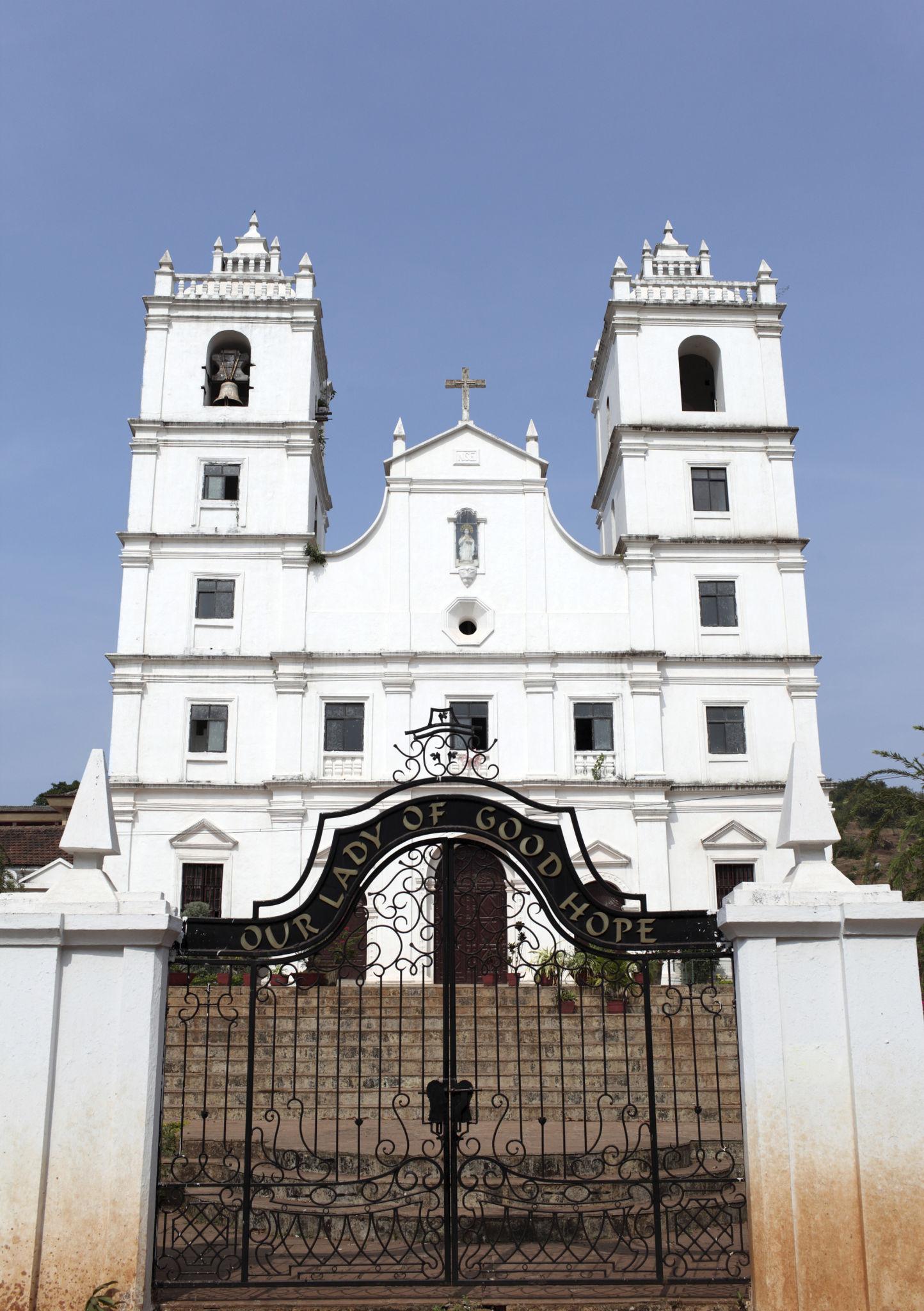
The architecture of Santo Cristo Church is a masterful blend of
European Baroque sensibilities and local Goan craftsmanship. Built primarily using
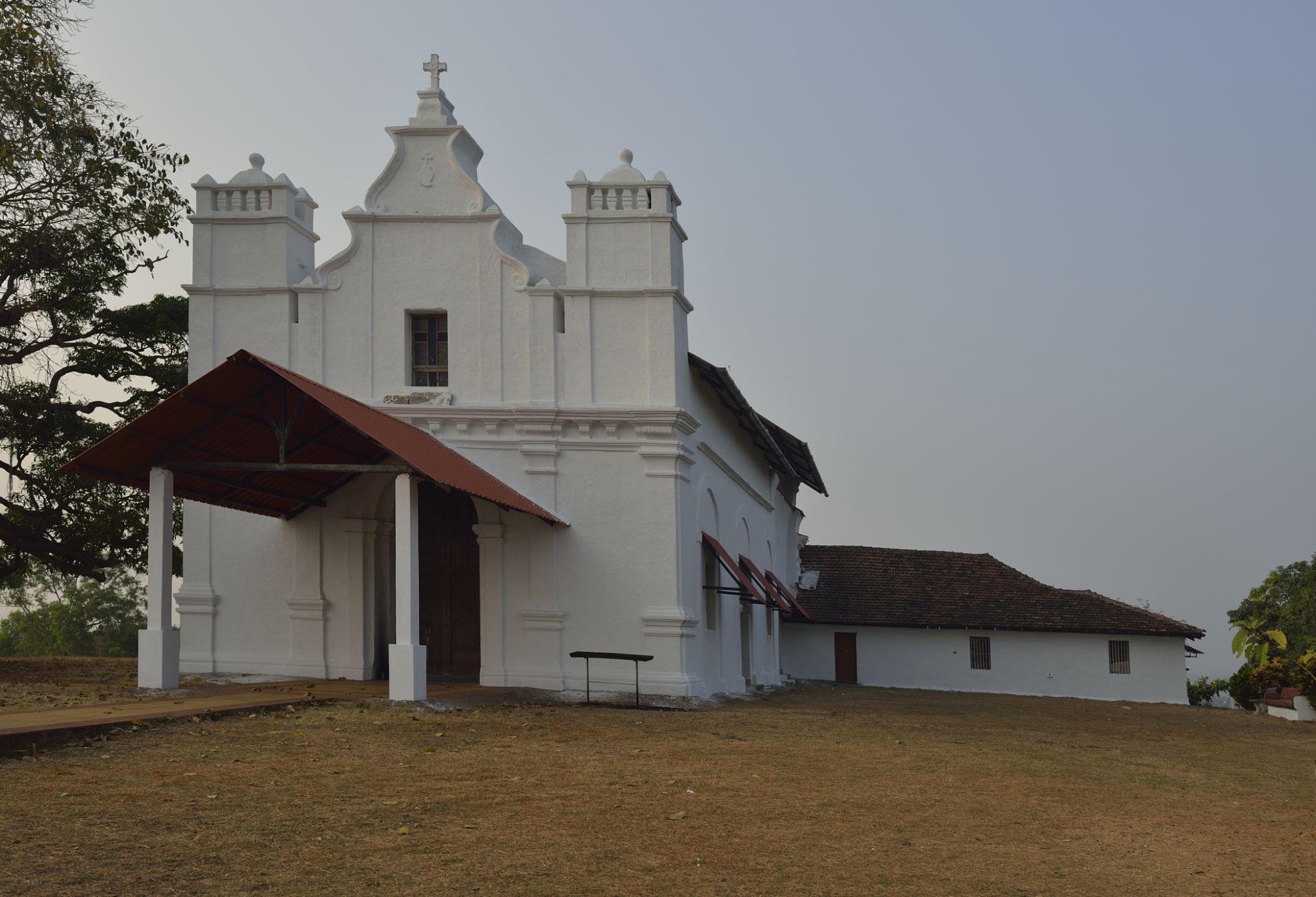
laterite stone—a reddish, porous volcanic rock native to the Konkan coast—the structure is finished with a thick coating of lime plaster, which gives it its brilliant white appearance. This white facade is not just aesthetic; it serves a functional purpose, reflecting the intense tropical sun and keeping the interior cool.
The facade of the church follows the
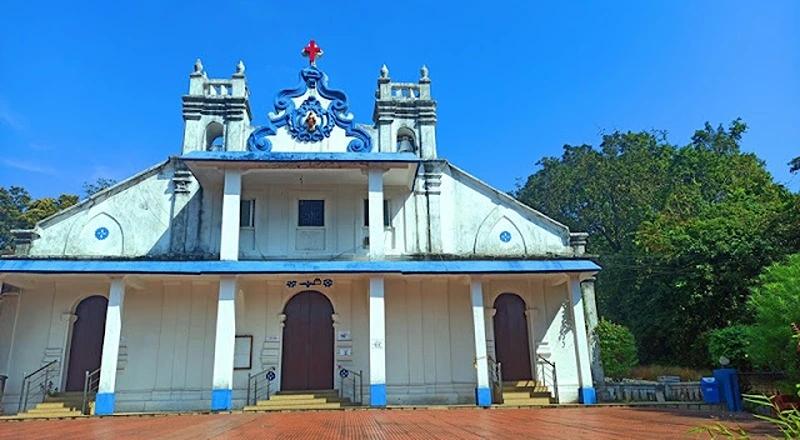
Mannerist style, characterized by its balanced proportions and understated elegance compared to the more flamboyant High Baroque seen in South America. It features a tiered structure with a central pediment adorned with a cross. The bell tower is integrated seamlessly into the design, housing bells that have signaled the rhythms of island life for hundreds of years. One of the most striking features of the exterior is the use of
moulded basalt for the doorways and window frames, providing a sharp, dark contrast to the white walls.
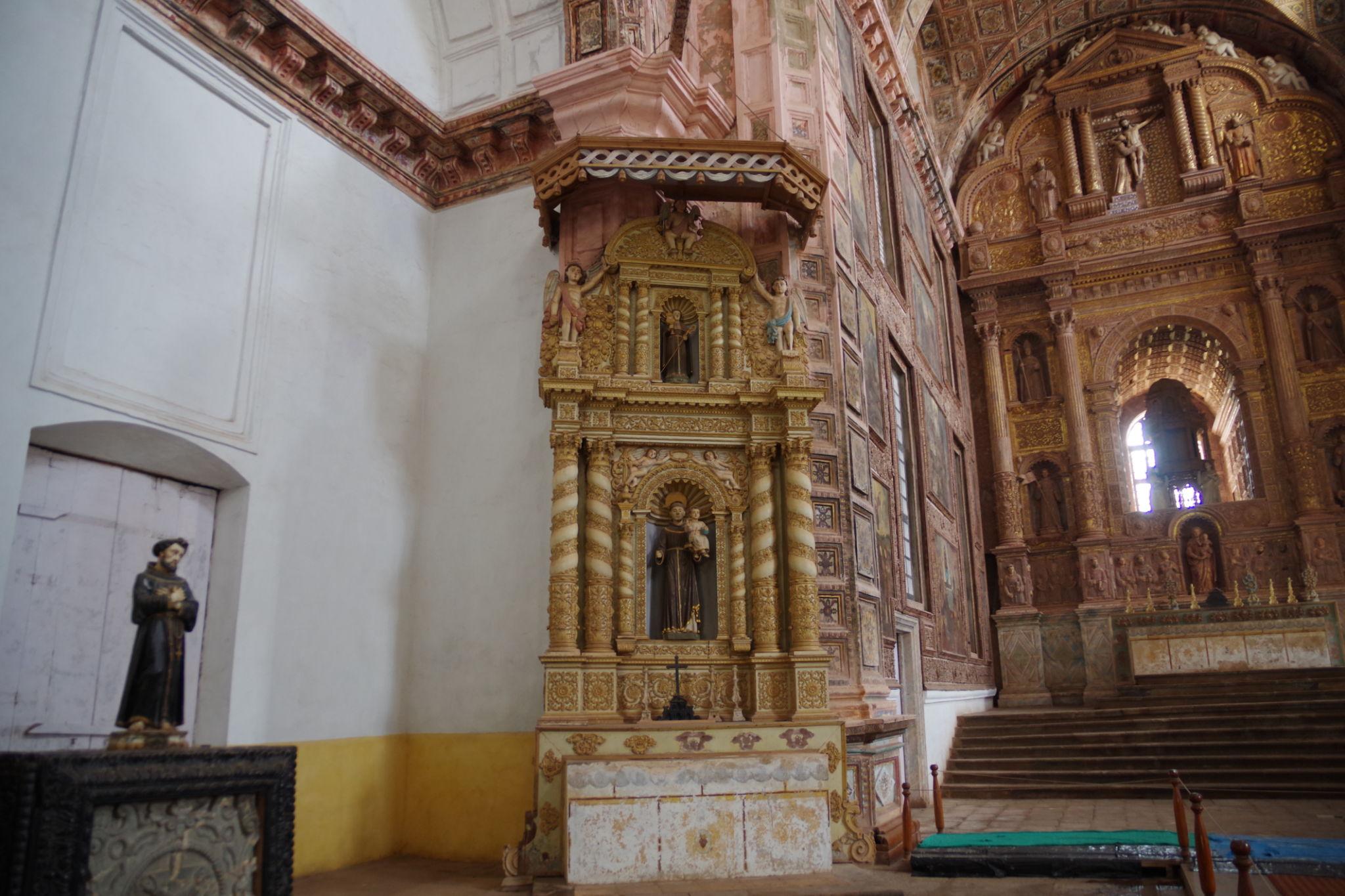
Inside, the church transitions into a space of golden hues and intricate woodwork. The
retable (altar screen) is a fine example of Goan woodcarving, featuring gilded motifs of grapevines, angels, and floral patterns that reflect the flora of the Western Ghats. The main altar is dedicated to Santo Cristo, where the crucifix is positioned prominently. The floor is often laid with traditional clay tiles or patterned cement tiles, which have smoothed over time by the feet of thousands of pilgrims. The windows are frequently fitted with
oyster shells (mother-of-pearl) instead of glass—a classic Goan architectural trait that filters the harsh sunlight into a soft, ethereal glow, creating a prayerful atmosphere within the nave.
Main Deity / Spiritual Importance
The primary spiritual focus of the church is
Santo Cristo, the Crucified Christ. In the Goan Catholic tradition, the image of Santo Cristo is often depicted with great realism, emphasizing the "Passio Christi" or the Passion of Christ. This focus on the suffering of Jesus is intended to evoke a deep sense of empathy and repentance among the faithful. The statue itself is often dressed in rich velvet robes during feast days, a tradition that mirrors the Iberian influences on local religious practice.
The spiritual importance of this site transcends regular Sunday Mass. It is considered a "shrine of solace." Many locals believe that the Santo Cristo of Piedade has protected the island from natural disasters and plagues throughout history. The
spiritual energy of the location is enhanced by its physical positioning; being on a hill, it is seen as a bridge between the earthly and the divine. Pilgrims often climb the hill on foot as an act of penance, echoing the journey to Calvary.
In addition to the main deity, the church complex is closely associated with
Our Lady of Compassion (Nossa Senhora da Piedade). The dual devotion to the suffering Son and the sorrowful Mother makes this a significant site for those seeking emotional healing. The spiritual practice here is quiet and meditative, unlike the more festive atmosphere of other Goan shrines, making it a preferred spot for "Retiros" or spiritual retreats.
Festivals & Celebrations
While the church is a place of quiet prayer most of the year, it transforms during times of celebration. The most significant religious event is the
Feast of Santo Cristo, usually observed with great solemnity. The feast involves a High Mass followed by a procession where the image of Christ is carried through the winding lanes of Piedade, accompanied by a brass band playing traditional funeral marches and hymns.
However, the most famous festival associated with the island and the church’s vicinity is
Bonderam, held on the fourth Saturday of August. While Bonderam is a cultural festival, it begins with religious blessings. The festival commemorates the disputes that occurred between clans on the island over property boundaries. The Portuguese introduced a system of flags to settle these disputes. Today, it is a vibrant carnival featuring colorful floats, traditional dancing, and the "mock battles" using bamboo stems and berries (though now largely symbolic).
Another unique celebration is the
Potekar festival, which occurs during the three days before Lent (Goa Carnival). Similar to Halloween, locals dress in masks and costumes, roaming the village. The church remains the moral compass during these festivities, reminding the community of the upcoming season of fasting and reflection. During
Holy Week, the Santo Cristo Church becomes a focal point for the "Passos," or the re-enactment of the stations of the cross, drawing devotees from all over the Mandovi river basin.
Best Time to Visit
The best time to visit Santo Cristo Church is during the
winter months, from November to February. During this period, the weather in Goa is pleasant, with cool breezes and clear blue skies, making the climb up the Piedade hill enjoyable rather than exhausting. The humidity is at its lowest, and the panoramic views from the church courtyard are most vibrant.
For those interested in the cultural fabric of Goa, visiting in
August for the Bonderam festival is a must, though one should be prepared for the monsoon rains. The rains, however, turn Divar Island into a lush, neon-green paradise, and the sight of the white church emerging from the misty green hills is truly ethereal.
Lent and Holy Week (falling in March or April) is the best time for those seeking a spiritual experience. The atmosphere is heavy with devotion, and the traditional rituals provide a deep insight into Goan Catholic culture. If you prefer solitude, aim for a weekday morning in the shoulder months of October or March. Early mornings (around 7:00 AM) are particularly magical, as the island is often blanketed in a light mist and the only sound is the chirping of tropical birds.
Timings, Entry Fee & Dress Code
To maintain the sanctity and administrative order of the church, visitors should adhere to the following guidelines:
- Timings: The church is generally open from 7:00 AM to 12:00 PM and again from 4:00 PM to 7:00 PM. Mass timings vary, but there is usually a morning mass at 7:00 AM. On Sundays, the church may remain open longer for multiple services.
- Entry Fee: There is no entry fee to visit Santo Cristo Church. It is a public place of worship. However, donations for the upkeep of the historical structure are always welcomed and can be placed in the designated boxes.
- Dress Code: As this is a strictly religious site, a modest dress code is mandatory. Both men and women should ensure their shoulders and knees are covered. Sleeveless tops, short skirts, and beachwear are highly inappropriate and may result in being denied entry. It is also customary to remove hats when entering the church.
- Silence: Visitors are expected to maintain absolute silence inside the sanctuary, especially if people are praying.
How to Reach Santo Cristo Church
Reaching Santo Cristo Church is an adventure in itself, as Divar Island is not connected to the mainland by bridges. This isolation has helped preserve the island's charm.
- By Ferry (The Authentic Way): There are three main ferry points to reach Divar Island. The most popular is the Ribandar Ferry, which connects from a point near Panjim. The ferry ride takes about 10 minutes and is free for pedestrians and very cheap for two-wheelers and cars. Another option is the Old Goa Ferry, which departs from near the Viceroy’s Arch. The third is the Narva Ferry, which connects from the Bicholim side.
- From the Ferry Wharf: Once you land on Divar Island, the church is located about 3 to 4 kilometers from the Ribandar/Old Goa ferry wharves. You can hire a local pilot (motorcycle taxi) or take a rickshaw. For the adventurous, renting a bicycle or a scooter in Panjim and bringing it over on the ferry is the best way to explore the island at your own pace.
- By Road: You can drive your car onto the ferry. Once on the island, follow the signs toward Piedade. The road winds uphill through quaint Portuguese-style villas until you reach the summit where the church is located.
- Nearest Airport/Railway Station: The Dabolim Airport is approximately 30 km away, while the Mopa (Manohar) International Airport is about 45 km away. The nearest major railway station is Karmali (Old Goa), which is just a few minutes from the Old Goa ferry point.
Things to Do
A visit to Santo Cristo Church can be expanded into a full day of exploration. Here are the top things to do:
- Spiritual Reflection: Spend time inside the nave, soaking in the silence and the historical ambiance. Light a candle and offer a prayer in the local tradition.
- Landscape Photography: The church courtyard offers one of the best 360-degree views in Goa. Capture the Mandovi River, the rooftops of Old Goa, and the lush paddy fields of Divar.
- Explore the Cemetery: Adjacent to many Goan churches are beautifully maintained cemeteries with ornate tombstones. They offer a poignant look into the genealogy of the island's prominent families.
- Walk through Piedade Village: After visiting the church, walk down the hill into the village. The architecture of the houses, with their balcaos (porches) and vibrant colors (red, blue, yellow), is a photographer's dream.
- Bird Watching: The marshes surrounding the base of the hill are home to various migratory and local birds. Keep an eye out for kingfishers, egrets, and brahminy kites.
- Cycling: Divar is perhaps the best place in Goa for cycling. The lack of heavy traffic and the rolling hills provide a perfect circuit for fitness enthusiasts.
Nearby Attractions
Divar Island and its surroundings are rich with historical and natural sites:
- Our Lady of Compassion Church: Located in the same complex as the Santo Cristo chapel, this is the main parish church and is a larger, equally stunning architectural marvel.
- Koti Tirth: A historical site on the island featuring an ancient tank that was part of the original Saptakoteshwar temple complex. It is a reminder of the island's pre-Portuguese history.
- Vanxim Island: A short ferry ride from Divar takes you to Vanxim, an even smaller, more secluded island that feels like a forgotten world.
- Old Goa (Velha Goa): Just across the river lies the UNESCO World Heritage site featuring the Basilica of Bom Jesus and the Se Cathedral.
- Dr. Salim Ali Bird Sanctuary: Located in Chorao Island, which is accessible by another ferry from the Ribandar side, this is a haven for nature lovers and bird watchers.
- The Viceroy’s Arch: Located at the Old Goa ferry wharf, this was once the symbolic gateway to the capital of the Portuguese Eastern Empire.
Photography & Visitor Guidelines
Capturing the beauty of Santo Cristo Church is a highlight for many, but it must be done respectfully.
- Interior Photography: Generally, photography inside the church is discouraged or prohibited, especially during Mass. Always look for signs or ask the sacristan for permission. If allowed, never use flash as it can damage ancient paintings and wood.
- Drone Usage: Using drones on the church grounds requires prior permission from the parish priest. While the aerial views are spectacular, the noise can be disruptive to those in prayer.
- Respect the Locals: Divar is a residential island. When photographing houses or people, it is polite to ask for permission. Avoid blocking narrow roads with parked vehicles.
- Environmental Responsibility: Divar has a fragile ecosystem. Do not litter. Carry your plastic waste back to the mainland for proper disposal.
- Safety: The road up the hill can be steep and narrow. If you are riding a scooter, be cautious of the turns, especially during the monsoon when the laterite stones can become slippery.
Where to Eat Nearby
Dining on Divar Island is an authentic experience, focusing on
traditional Goan Catholic cuisine.
- Local Tavernas: You will find small, unassuming tavernas in Piedade village serving "Urrack" (the first distillate of cashew feni) and local snacks like fish cutlets or "choris pao" (spicy sausage bread).
- Rock Your Brain: A quirky local favorite known for its relaxed atmosphere and home-cooked Goan fish thali. It’s a great place to interact with locals.
- Island House: If you are looking for a more formal dining experience, some of the heritage homestays on the island offer exquisite multi-course Goan meals, often featuring fresh catch from the river like "chonak" (giant sea perch) or prawns.
- Street Food: Near the ferry wharves, you can often find vendors selling "Gadbad" ice cream or freshly fried "bhajias" (fritters) and "ros omelette" (omelette served with spicy gravy).
- Panjim Options: Since the ferry is quick, many visitors choose to head back to Panjim for a wider variety of dining options, ranging from the high-end The Verandah to the legendary Viva Panjim.
Accommodation Nearby
For those who want to wake up to the sound of church bells and river breezes, staying on Divar Island is highly recommended.
- Heritage Homestays: Divar is famous for its restored Portuguese villas turned into boutique stays. Places like Mercure Devaaya Resort offer a luxury wellness experience with an Ayurvedic focus.
- Boutique Guest Houses: There are several smaller, family-run guest houses in Piedade that offer a more intimate look at island life. These are often more affordable and provide a "home away from home" feeling.
- Old Goa Stays: If you prefer to stay on the mainland, Old Goa has several mid-range hotels that are convenient for early morning visits to the island.
- Panjim Hotels: For those who want more nightlife and shopping options, staying in the capital city of Panjim is best. It’s only a 15-20 minute drive and a ferry ride away from Santo Cristo Church.
Travel Tips
To make the most of your visit to Santo Cristo Church, keep these tips in mind:
- Check Ferry Timings: While ferries run frequently (every 15-30 minutes), they may be less frequent late at night. The Ribandar ferry usually runs 24/7, but always confirm locally.
- Carry Cash: Most small shops and tavernas on Divar Island do not accept credit cards, and ATMs can be scarce. Ensure you have enough Indian Rupees for ferry fees, snacks, and donations.
- Stay Hydrated: The Goan sun can be unforgiving. Carry a reusable water bottle. There are small shops in Piedade where you can refill or buy refreshments.
- Learn a Few Words of Konkani: The locals appreciate it when visitors try to speak the local language. A simple "Dev barem koru" (Thank you/God bless you) goes a long way in building rapport.
- Plan for the Hill: If you are walking up to the church, wear comfortable shoes with a good grip. The path is paved but can be steep.
- Combine with Chorao Island: If you have a full day, you can take a ferry from Divar to Narva and then another to Chorao Island, making for a complete "Island Hopping" itinerary.
Conclusion
The
Santo Cristo Church in Divar Island is more than just a historical monument; it is a testament to the resilient spirit of Goan culture and the timeless beauty of its religious heritage. In a state that is often synonymous with loud parties and crowded beaches, this church offers a much-needed sanctuary of peace and reflection. Whether you are drawn by the
intricate Baroque architecture, the fascinating history of the Portuguese era, or a personal spiritual quest, the journey to the top of Piedade hill is one that rewards every traveler.
As you stand in the church courtyard, watching the sunset cast a golden glow over the Mandovi River, you realize that places like Santo Cristo are the true soul of Goa. They remind us of a slower pace of life, where community, faith, and nature exist in a delicate, beautiful harmony. Visiting this site is not just about ticking off a location on a map; it is about immersing yourself in the quiet dignity of an island that time almost forgot. For any discerning traveler to the
Sunshine State, a pilgrimage to Santo Cristo is an essential experience that captures the essence of "Goenkarponn" (Goanness).