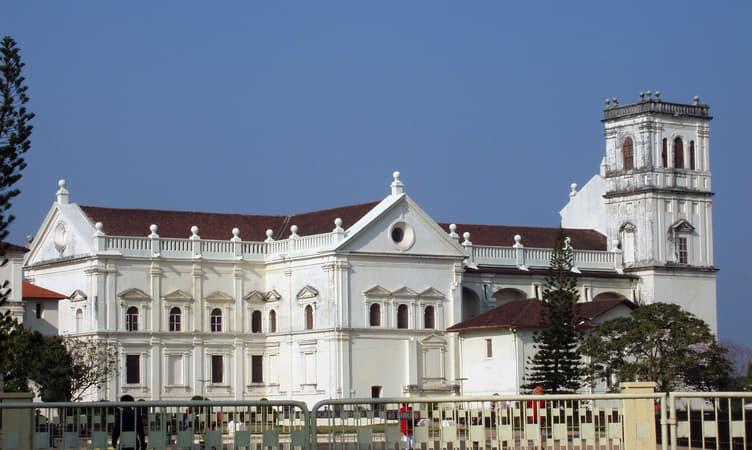
Museum Of Christian Art

Museum Of Christian Art

4.9 1,810 Verified
Other North Goa

Quick Navigation

Explore sections of this guide

Overview of Museum Of Christian Art

The Museum of Christian Art (MoCA), located in the historic enclave of Old Goa, stands as a premier institution dedicated to the preservation and showcase of the rich Indo-Portuguese liturgical heritage. This museum is not merely a collection of artifacts; it is a profound testament to the cultural synthesis that occurred when European Christianity met the artistic sensibilities of the Indian subcontinent. Nestled within the atmospheric Convent of Santa Monica, the museum offers a serene and contemplative environment where visitors can explore the intricate history of Goa through its sacred art. It is recognized as one of the few museums in Asia dedicated exclusively to Christian art, making it a unique destination for pilgrims, historians, art enthusiasts, and casual tourists alike.

As you step into the museum, you are greeted by an aura of antiquity and devotion. The collection comprises a wide array of objects, including exquisitely carved ivory statuettes, ornate silver monstrances, vibrant oil paintings, and meticulously embroidered vestments. Each piece tells a story of faith, craftsmanship, and the blending of two distinct worlds. The museum serves as a bridge between the past and the present, ensuring that the artistic legacy of the Estado da Índia is preserved for future generations. For anyone visiting Goa, the Museum of Christian Art is an essential stop to understand the deeper spiritual and cultural layers of this coastal state, moving beyond the beaches into the heart of its historical identity.

The museum underwent a significant renovation recently, elevating its display standards to international levels. The lighting, curation, and informational plaques are designed to provide an immersive experience. Whether you are admiring the "Pelican" monstrance or the "Good Shepherd" ivory carvings, the museum invites you to appreciate the Indo-Portuguese style, where Indian motifs like the lotus or the tropical flora are seamlessly integrated into traditional Christian iconography. It is a place where art transcends religious boundaries to become a universal language of beauty and devotion.

History & Religious Significance

The history of the Museum of Christian Art is as fascinating as the objects it houses. It was originally established in 1994, born out of a collaborative effort between the Archdiocese of Goa and the Indian National Trust for Art and Cultural Heritage (INTACH), with significant support from the Calouste Gulbenkian Foundation of Portugal. Initially, the museum was located within the hallowed halls of the Rachol Seminary in South Goa. However, to make the collection more accessible to the public and to place it within the historic heart of Goan Christianity, it was relocated in 2001 to its current home: the Convent of Santa Monica in Old Goa.

The religious significance of the museum is rooted in the 16th-century arrival of the Portuguese in Goa. This period marked the beginning of a massive effort to establish Christianity in the region, leading to the construction of grand cathedrals and the commissioning of vast amounts of religious art. However, since importing all religious items from Europe was logistically difficult and expensive, local Indian artisans—mostly Hindu craftsmen—were employed to create statues, altars, and liturgical vessels. These artisans brought their own aesthetic sensibilities, resulting in the Indo-Portuguese style. This style is characterized by Christian themes executed with Indian techniques, such as the use of local materials like teakwood and ivory, and the inclusion of Indian decorative motifs. The museum thus signifies the "Indianization" of Christian art, a process that allowed the new faith to take root in local soil.

Spiritually, the museum acts as a sanctuary of the sacred. The objects on display were once used in daily mass, processions, and private devotions across various Goan churches and chapels. They are "living" artifacts that have witnessed centuries of prayers and rituals. By preserving these items, the museum maintains a continuous spiritual link to the ancestors of the Goan Catholic community. It highlights the resilience of faith and the way in which art can facilitate a deeper connection with the divine. The museum is a reminder of Old Goa’s status as the "Rome of the East," a center of religious learning and missionary activity that influenced much of Asia.

Architecture of Museum Of Christian Art

The Museum of Christian Art is housed in a wing of the Convent of Santa Monica, an architectural marvel in its own right. Built between 1606 and 1627, the convent was the first and largest nunnery in the Portuguese Empire in the East. The architecture is a blend of Late Renaissance and Mannerist styles, with the massive, fortress-like walls typical of 17th-century Goan religious structures. The use of local laterite stone, plastered with lime, gives the building a sturdy yet elegant appearance. The convent’s exterior is characterized by its scale and the rhythmic placement of windows and buttresses, reflecting the austerity of monastic life.

Inside the museum, the architecture creates a dramatic backdrop for the exhibits. The galleries are situated within the former living quarters and halls of the convent. Visitors will notice the high, vaulted ceilings and thick walls that keep the interior naturally cool, a necessity in the tropical Goan climate. The layout often leads through arched doorways and long corridors, evoking a sense of wandering through a medieval cloister. One of the most striking features is the internal courtyard (cloister), which provides a glimpse into the secluded life the Augustinian nuns once led. The interplay of light and shadow in these corridors adds a mystical quality to the viewing experience.

Specific architectural details within the museum galleries include the massive wooden beams and the intricately designed door frames. During the recent renovation, modern elements like glass partitions and professional museum lighting were integrated sensitively, ensuring that the historical integrity of the building was not compromised. The juxtaposition of 400-year-old stone walls with contemporary display cases creates a sophisticated aesthetic. The museum also provides access to the Church of the Weeping Cross, which is part of the convent complex, allowing visitors to see how the architecture of the museum space transitions into a functioning place of worship with its ornate gilded altars and Baroque flourishes.

Main Deity / Spiritual Importance

While the Museum of Christian Art is a secular institution, its core is deeply spiritual, centered around the sacred imagery of Christ, the Virgin Mary, and various Saints. There isn't a single "deity" in the traditional temple sense, but the collection is anchored by several profoundly important religious icons. One of the most spiritually significant themes represented is the "Good Shepherd." Numerous ivory carvings depict Jesus as a young shepherd sitting atop a mountain, often surrounded by lambs and fountains. This imagery, while Christian in origin, bears a striking resemblance to Indian depictions of deities in pastoral settings, emphasizing the universal theme of divine protection and guidance.

The Blessed Virgin Mary is another central figure in the museum's collection. You will find representations of Our Lady in various titles—Our Lady of Mount Carmel, Our Lady of Sorrows, and the Immaculate Conception. These statues were the focus of intense devotion in Goan homes and churches. The spiritual importance of these pieces lies in their role as "intercessors." For the Goan faithful, these are not just statues; they are windows into the divine. The craftsmanship, often involving gold leaf and precious stones, was a form of "bhakti" or devotion by the artisans who created them.

The Monstrances and Chalices on display also hold immense spiritual weight. In Catholic theology, these vessels hold the "Real Presence" of Christ during the Eucharist. The museum’s collection includes monstrances made of solid silver and gold, often shaped like a sunburst or a pelican. The Pelican is a powerful Christian symbol of sacrifice, as the bird was believed to wound its own breast to feed its young with its blood, mirroring Christ’s sacrifice. Seeing these objects up close allows visitors to contemplate the central mysteries of the Christian faith. The museum thus functions as a space for "Visio Divina" (divine seeing), where the beauty of the art leads the viewer toward spiritual reflection.

Festivals & Celebrations

While the museum itself follows a regular calendar, it is deeply intertwined with the liturgical life of Old Goa. The most significant period of celebration is the Feast of St. Francis Xavier (the Novenas), which takes place in late November and culminates on December 3rd. During this time, Old Goa transforms into a massive pilgrimage site. The museum often sees a surge in visitors during this period, and it occasionally hosts special exhibitions or lectures that coincide with the feast. The atmosphere in the entire area is one of heightened spirituality and communal joy.

Another important local observance is the Feast of Santa Monica, the patron saint of the convent where the museum is housed. This feast celebrates the mother of St. Augustine and is a significant day for the religious community still associated with the site. Additionally, the museum participates in International Museum Day (May 18th), often offering free entry, guided tours, and workshops to engage the local community. These events are aimed at fostering a sense of pride in Goan heritage and educating the younger generation about their artistic roots.

During the Christmas season, the museum and its surroundings are beautifully decorated. The spirit of the Nativity is reflected in the museum’s collection of "Presepios" or nativity scenes. Local traditions, such as the singing of carols and the preparation of traditional Goan sweets (like bebinca and dodol), spill over into the museum’s environment, making it a wonderful time to visit. Occasionally, the museum organizes sacred music concerts or choral performances within its atmospheric halls, providing a multisensory experience that combines the visual beauty of the art with the auditory beauty of liturgical hymns.

Best Time to Visit

The best time to visit the Museum of Christian Art is during the winter months, from November to February. During this period, the weather in Goa is pleasant, with cool breezes and lower humidity, making the walk through the expansive grounds of Old Goa comfortable. This window also aligns with major festivals like the Feast of St. Francis Xavier and Christmas, offering a vibrant cultural experience. However, be prepared for larger crowds during these peak months.

For those who prefer a quieter, more contemplative experience, the monsoon season (June to September) is a hidden gem. The laterite stones of the convent turn a deep, dark hue, and the surrounding greenery becomes incredibly lush. The pitter-patter of rain against the ancient windows adds a layer of serenity to the museum visit. Since it is the off-season, you can often have the galleries almost to yourself, allowing for a deep dive into the details of the artifacts. The lighting inside the museum is well-designed to compensate for the overcast skies outside.

In terms of the time of day, it is highly recommended to arrive early in the morning, right when the museum opens at 10:00 AM. This allows you to explore the museum before the afternoon heat sets in and before the large tour buses arrive. Alternatively, a late afternoon visit around 3:30 PM is also ideal, as you can conclude your museum tour just as the sun begins to set over the Mandovi River, providing a stunning backdrop for your departure from Old Goa. Avoid visiting on public holidays if you wish to avoid the rush.

Timings, Entry Fee & Dress Code

To plan your visit effectively, please note the following operational details for the Museum of Christian Art:

  • Timings: The museum is generally open from 10:00 AM to 5:30 PM, seven days a week. It remains open on most Sundays, which is convenient for tourists, but it may close on specific national holidays or major religious feast days. It is always wise to check their official website or social media pages for any temporary changes.
  • Entry Fee: There is a nominal entry fee which goes toward the maintenance and conservation of the collection. For Indian adults, the fee is approximately ₹100, while for foreign nationals, it is around ₹200. There are significant discounts for students (with valid ID) and children. Photography permits may require an additional fee, typically around ₹100-₹200 for non-commercial use.
  • Dress Code: As the museum is located within a religious complex (the Convent of Santa Monica) and adjacent to a functioning church, a modest dress code is strictly encouraged. Visitors should avoid wearing sleeveless tops, short skirts, or revealing beachwear. Shoulders and knees should ideally be covered. Wearing respectful attire is not only a requirement but a sign of respect for the local culture and the sacred nature of the artifacts.
  • Accessibility: The museum has made efforts to be accessible, though the historic nature of the building presents some challenges. There are ramps in certain areas, but it is advisable to contact the museum in advance if you require specific assistance for wheelchair users.

How to Reach Museum Of Christian Art

The Museum of Christian Art is located in Old Goa (Velha Goa), which is approximately 10 kilometers east of the state capital, Panjim. Reaching the site is relatively easy due to its status as a major tourist hub.

  • By Road: This is the most common way to reach the museum. You can hire a taxi or an auto-rickshaw from Panjim, which takes about 20-30 minutes. If you are coming from the beach belts of North Goa (like Calangute or Candolim), the drive takes about 45-60 minutes. For those on a budget, frequent local buses ply between the Panjim KTC Bus Stand and Old Goa. The bus ride is scenic, following the Mandovi River.
  • By Train: The nearest railway station is Karmali (KRMI), located just 2.5 kilometers away from Old Goa. Many trains on the Konkan Railway route stop here. From the station, you can take a quick rickshaw ride to the museum. For long-distance travelers, Madgaon Station is about 35 kilometers away, from where you can take a pre-paid taxi.
  • By Air: Goa is served by two airports: Dabolim Airport (GOI) in the south and Manohar International Airport (GOX) in Mopa, North Goa. Dabolim is closer, about 25 kilometers away (45 minutes by taxi). Mopa is further, approximately 50 kilometers away (1.5 hours by taxi). Pre-paid taxis are available at both airports.
  • Parking: There is a designated parking area near the Convent of Santa Monica. From the parking lot, it is a short, pleasant walk to the museum entrance. The path is well-signposted, leading you past the towering ruins of the St. Augustine Tower.

Things to Do

A visit to the Museum of Christian Art is more than just looking at objects behind glass; it is an engaging cultural experience. Here are some things you should not miss:

  • Take a Guided Tour: The museum often has knowledgeable guides or docents available. Taking a tour is highly recommended as they point out the subtle "Indian" details in the art—such as a statue of St. Peter wearing a traditional Indian garment or the use of tropical fruits in decorative carvings.
  • Admire the Ivory Collection: The ivory section is world-renowned. Pay close attention to the "Good Shepherd" pieces. Notice the intricate details of the sheep, the stylized trees, and the serene expression on the face of Christ. These are masterpieces of Indo-Portuguese craftsmanship.
  • Examine the Textiles: The museum houses rare 17th and 18th-century vestments. These are made of heavy silk and velvet, embroidered with gold and silver threads (Zardozi work). They reflect the opulence of the Goan Church during its golden age.
  • Study the Monstrances: Look for the Pelican Monstrance. It is a stunning piece of silverwork that exemplifies the symbolic depth of Christian art. The way the silver is fashioned to look like feathers and rays of light is extraordinary.
  • Visit the Museum Shop: The shop offers high-quality reproductions, books on Goan history, and unique souvenirs that are much better than the standard tourist trinkets found elsewhere. It’s a great place to pick up a meaningful memento.
  • Reflection in the Courtyard: Spend a few minutes in the quiet courtyard of the convent. It is a perfect place for meditation and to soak in the historical atmosphere of the site.

Nearby Attractions

Old Goa is a UNESCO World Heritage site, and the Museum of Christian Art is surrounded by several other monumental structures that you can visit on the same day:

  • Basilica of Bom Jesus: Located just a few minutes away, this is perhaps the most famous church in Goa. It houses the sacred relics of St. Francis Xavier. The Baroque architecture and the intricately carved wooden altars are a must-see.
  • Se Cathedral: One of the largest churches in Asia, known for its "Golden Bell" and its grand Tuscan-style exterior. It stands directly across from the Basilica.
  • St. Augustine Tower: Right next to the museum are the ruins of the Church of St. Augustine. The lone standing 46-meter tower is a poignant reminder of the city's former glory.
  • Church of St. Cajetan: Modeled after St. Peter’s Basilica in Rome, this church is famous for its beautiful Corinthian columns and stunning white facade. It is located near the Viceroy’s Arch.
  • Archaeological Museum of Goa: Located in the convent of St. Francis of Assisi, this museum focuses on the colonial history of Goa, featuring portraits of Portuguese viceroys and ancient Hindu sculptures found in the region.
  • Viceroy’s Arch: This historic gateway was once the main entrance to the city for arriving Portuguese dignitaries. It offers a great view of the Mandovi River.

Photography & Visitor Guidelines

To ensure a pleasant experience for everyone and to protect the delicate artifacts, the museum has specific guidelines:

  • Photography: Photography is generally allowed, but flash photography is strictly prohibited. The intense light from flashes can damage the pigments in old paintings and the delicate fibers of historical textiles. Tripods and professional filming equipment require prior written permission from the museum management.
  • Silence: Given the spiritual and academic nature of the museum, visitors are requested to maintain a low volume. Avoid loud conversations and keep mobile phones on silent mode.
  • Touching Artifacts: Under no circumstances should you touch the artifacts or the display cases. The oils from human skin can cause long-term damage to ivory, wood, and metal.
  • Bags and Belongings: Large backpacks and umbrellas may need to be deposited at the cloakroom near the entrance. This prevents accidental bumps against the exhibits.
  • Food and Drink: No food or drinks are allowed inside the galleries. There are designated areas outside where you can hydrate.
  • Respect the Space: Remember that the museum is part of a religious complex. Be mindful of people who may be praying in the adjacent chapel or church.

Where to Eat Nearby

Exploring the history of Old Goa can work up an appetite. While there aren't many high-end restaurants in the immediate vicinity of the museum, there are several good options nearby:

  • Museum Cafe: The museum itself often has a small, charming cafe or refreshment area where you can get light snacks, coffee, and cold beverages. It’s the most convenient option for a quick break.
  • The Heritage Bistro: Located within a short drive from the museum, this place offers a mix of Goan and continental cuisine. It provides a nice ambiance for a relaxed lunch.
  • Local Eateries near Se Cathedral: There are several small kiosks and local restaurants near the main parking area of Old Goa. Here you can try traditional Goan snacks like Pao com Chourico (chorizo bread), Fish Thali, or Samosas.
  • Viva Panjim (Panjim): If you don't mind a 20-minute drive back to the city, this award-winning restaurant in the Latin Quarter (Fontainhas) serves authentic Goan-Portuguese dishes like Chicken Cafreal and Prawn Balchao in a heritage setting.
  • Ritz Classic (Panjim): Famous for its elaborate Goan fish thali, this is a great place to experience the local flavors after your morning of sightseeing.

Accommodation Nearby

Most visitors stay in the beach areas or in Panjim, but staying near Old Goa offers a unique, tranquil experience. Here are some options:

  • The Postcard Velha: A luxury boutique hotel located in a heritage estate in Old Goa. It offers a very high-end, personalized experience, perfect for those who want to immerse themselves in the history of the area.
  • Old Goa Residency: Managed by the Goa Tourism Development Corporation (GTDC), this is a budget-friendly and reliable option located right in the heart of the heritage zone. It’s perfect for pilgrims and history buffs.
  • Pousada Tauma: Located a bit further away but offering a beautiful boutique experience with traditional Goan architecture and lush gardens.
  • Panjim Heritage Hotels: For a wider variety, stay in the Fontainhas area of Panjim. Hotels like Panjim Inn or WelcomHeritage Panjim Pousada allow you to stay in restored 19th-century mansions, keeping with the historical theme of your visit.
  • Guesthouses: There are several small, family-run guesthouses in the villages surrounding Old Goa (like Ribandar or Corlim) that offer a more local and affordable stay.

Travel Tips

To make the most of your visit to the Museum of Christian Art, keep these practical tips in mind:

  • Wear Comfortable Shoes: You will be doing a fair amount of walking, both within the museum and between the various monuments of Old Goa. The floors can be uneven in some historical areas.
  • Stay Hydrated: The Goan sun can be intense. Carry a water bottle, though you will need to leave it in your bag while inside the galleries.
  • Combine Your Visit: Plan to spend at least half a day in Old Goa. Start with the Museum of Christian Art, then visit the St. Augustine Tower, the Basilica, and the Se Cathedral. This gives you a comprehensive view of the area's history.
  • Hire a Professional Guide: If you are a history buff, consider hiring a certified guide for the whole Old Goa complex. They can provide a narrative that connects the museum's artifacts to the buildings outside.
  • Check the Calendar: Avoid visiting on the 3rd of December unless you specifically want to experience the Feast of St. Francis Xavier, as the crowds are immense and movement is restricted.
  • Respect the Religious Services: If you enter the Church of the Weeping Cross or the Basilica, be silent if a mass is in progress.

Conclusion

The Museum of Christian Art is a jewel in the crown of Goa’s cultural heritage. It offers a rare and intimate look at a specific moment in history when two great civilizations met and created something entirely new. The artifacts housed here are not just relics of the past; they are vibrant expressions of a faith that has been shaped by the soil, the people, and the traditions of India. The museum’s location within the historic Convent of Santa Monica adds a layer of architectural grandeur and spiritual depth that is hard to find elsewhere.

Whether you are drawn by the exquisite beauty of the ivory carvings, the historical significance of the Indo-Portuguese style, or the quiet serenity of the Old Goa landscape, the museum promises a rewarding experience. It challenges the common perception of Goa as just a beach destination and invites you to explore its soul. By visiting MoCA, you contribute to the preservation of this unique heritage, ensuring that the stories of the artisans and the faithful of centuries past continue to be told. It is a journey of discovery, beauty, and profound spiritual reflection that leaves every visitor with a deeper appreciation for the complex and beautiful tapestry of Goan life.

Photo Gallery

Museum Of Christian Art Gallery Image

User Reviews

4.9
1810 Reviews
5
85%
4
10%
3
3%
2
1%
1
1%

Login to post a review

Join the community to share your spiritual experiences.

Login / Sign Up

Location Details

Address
Museum of Christian Art, Old Goa, Goa 403402, India
Visiting Hours
All year round

Share Peace

Share this spiritual guide with your friends and family on WhatsApp!

Share Now

Nearest Beaches from Museum Of Christian Art

Nearest Forts from Museum Of Christian Art

Nearest Waterfalls from Museum Of Christian Art

Nearby Nightlife from Museum Of Christian Art