Overview of Shree Shantadurga Temple Kavlem
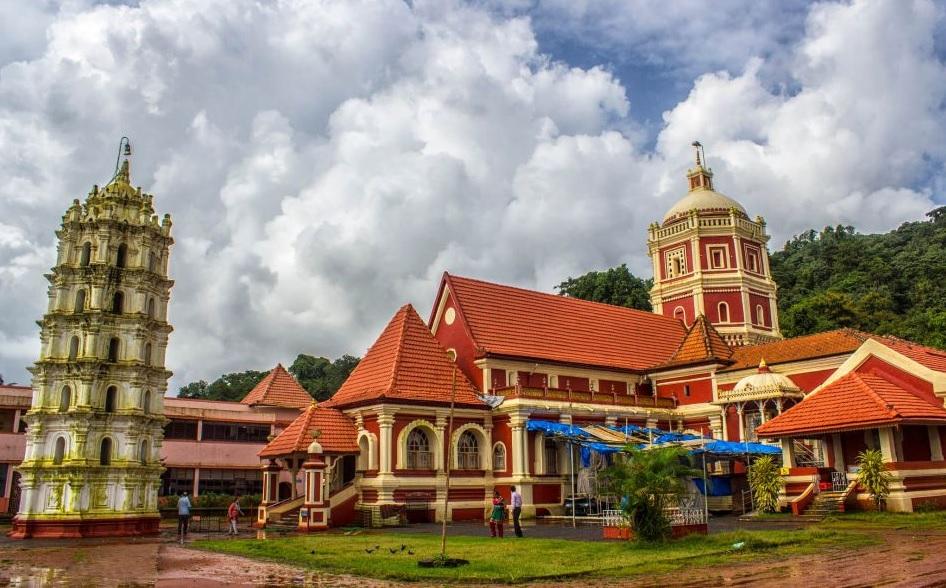
Nestled amidst the lush, emerald foothills of the Ponda taluka in Central Goa, the Shree Shantadurga Temple at Kavlem stands as a magnificent testament to the resilience of Goan Hindu culture and the unique architectural synthesis of the region. As one of the most significant and most visited religious sites in the state, this temple is dedicated to the goddess Shantadurga, an incarnation of the Mother Goddess who mediates between Lord Shiva and Lord Vishnu. Unlike the beach-centric image of Goa that most tourists carry, the Kavlem temple offers a serene, spiritual, and deeply historical perspective of the "Antruz Mahal" (the cultural heart of Goa).
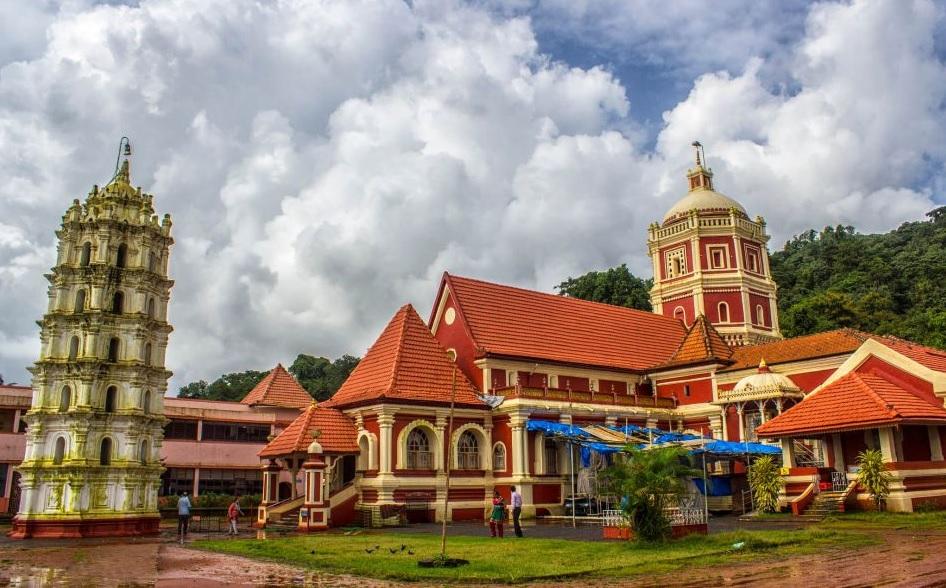
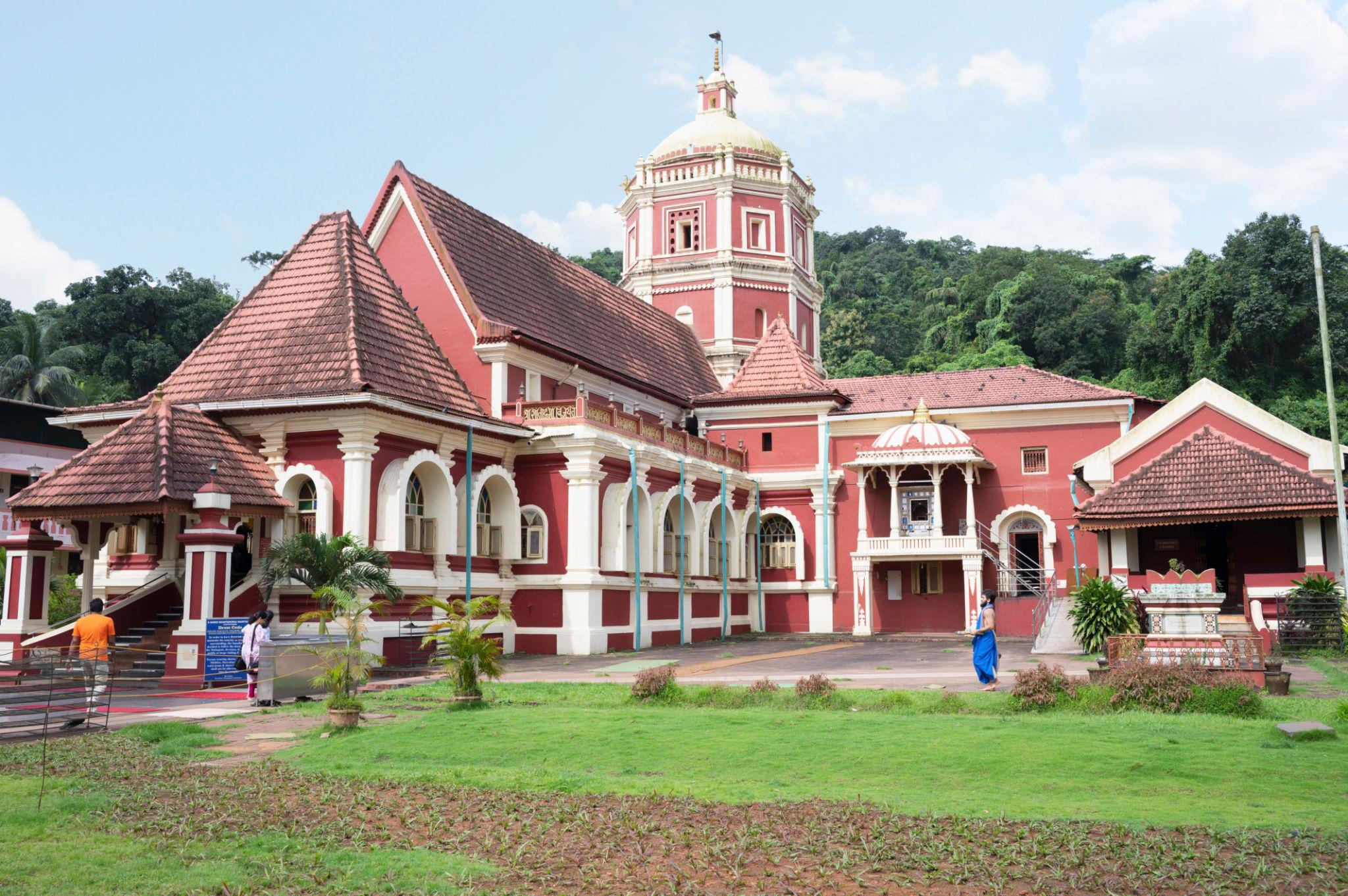
The temple complex is a sprawling sanctuary of peace, characterized by its vibrant terracotta-colored walls, sloping tiled roofs, and a towering Deepastambha (lamp tower) that dominates the skyline. It serves as the primary place of worship for the Goud Saraswat Brahmin (GSB) community, though it draws devotees from all walks of life and corners of the globe. The atmosphere here is one of profound "Shanti" or peace, living up to the name of its presiding deity. Whether you are a spiritual seeker, a history enthusiast, or an admirer of unique architecture, the Shree Shantadurga Temple provides a multi-layered experience that captures the soulful essence of Goan heritage.
Top Goa Experience • Part 1
Highly Recommended Near Shree Shantadurga Temple Kavlem
Explore All
Surrounded by dense groves of jackfruit, coconut, and betel nut trees, the temple is not just a building but a living cultural ecosystem. It represents the survival of indigenous faith through centuries of colonial rule and stands today as a symbol of the harmonious fusion of Eastern and Western aesthetic sensibilities. For any traveler looking to understand the "real Goa" beyond its coastlines, a pilgrimage to Kavlem is an indispensable part of the journey.
History & Religious Significance
The history of the Shree Shantadurga Temple is a poignant narrative of displacement, survival, and eventual triumph. Originally, the shrine of Shantadurga was located in Keloshi (Cuelim) in Salcete. However, during the 16th century, the advent of the Portuguese Inquisition led to the systematic destruction of Hindu temples across the coastal "Velhas Conquistas" (Old Conquests). To protect their beloved deity from desecration, the devotees clandestinely moved the idol of Shantadurga from Keloshi to the safer, more secluded hilly terrain of Kavlem in the "Novas Conquistas" (New Conquests) in 1564.
Recommended Guide
10 Interesting Facts About Goa That Will Blow Your Mind
Discover 10 fascinating facts about Goa from Portuguese history & architecture to hidden beaches, cheap alcohol secrets, and more.
Read Guide →
For several decades, the deity was housed in a modest, mud-walled structure. It was not until the early 18th century that the temple attained its current grandeur. The construction of the current magnificent structure began around 1713 and was completed in 1738, largely due to the patronage of the Maratha King Shahu Raje of Satara (the grandson of Chhatrapati Shivaji Maharaj). At the request of his minister, Naroram Mantri, who was a native of the region and a devotee of the goddess, the King provided the necessary funds and political protection to build a temple that reflected the glory of the Maratha influence combined with local Goan aesthetics.
The religious significance of the temple is rooted in the Puranic legend of a fierce cosmic battle between Lord Shiva and Lord Vishnu. The conflict was so intense that it threatened to destroy the universe. Lord Brahma, the creator, intervened and prayed to the Supreme Goddess Adishakti to restore peace. She manifested as Shantadurga (the Peaceful Durga), placing Lord Vishnu on her right hand and Lord Shiva on her left, effectively mediating the dispute and calming the celestial fury. This act of reconciliation is why she is worshipped as a symbol of harmony and peace, a concept that remains central to the spiritual ethos of the temple today.
Recommended Guide
Best Less Crowded Beaches in South Goa
South Goa is famous for its peaceful beaches, natural beauty, clean coastline, and relaxed atmosphere. While North Goa attracts thousands of tourists every...
Read Guide →
Architecture of Shree Shantadurga Temple Kavlem
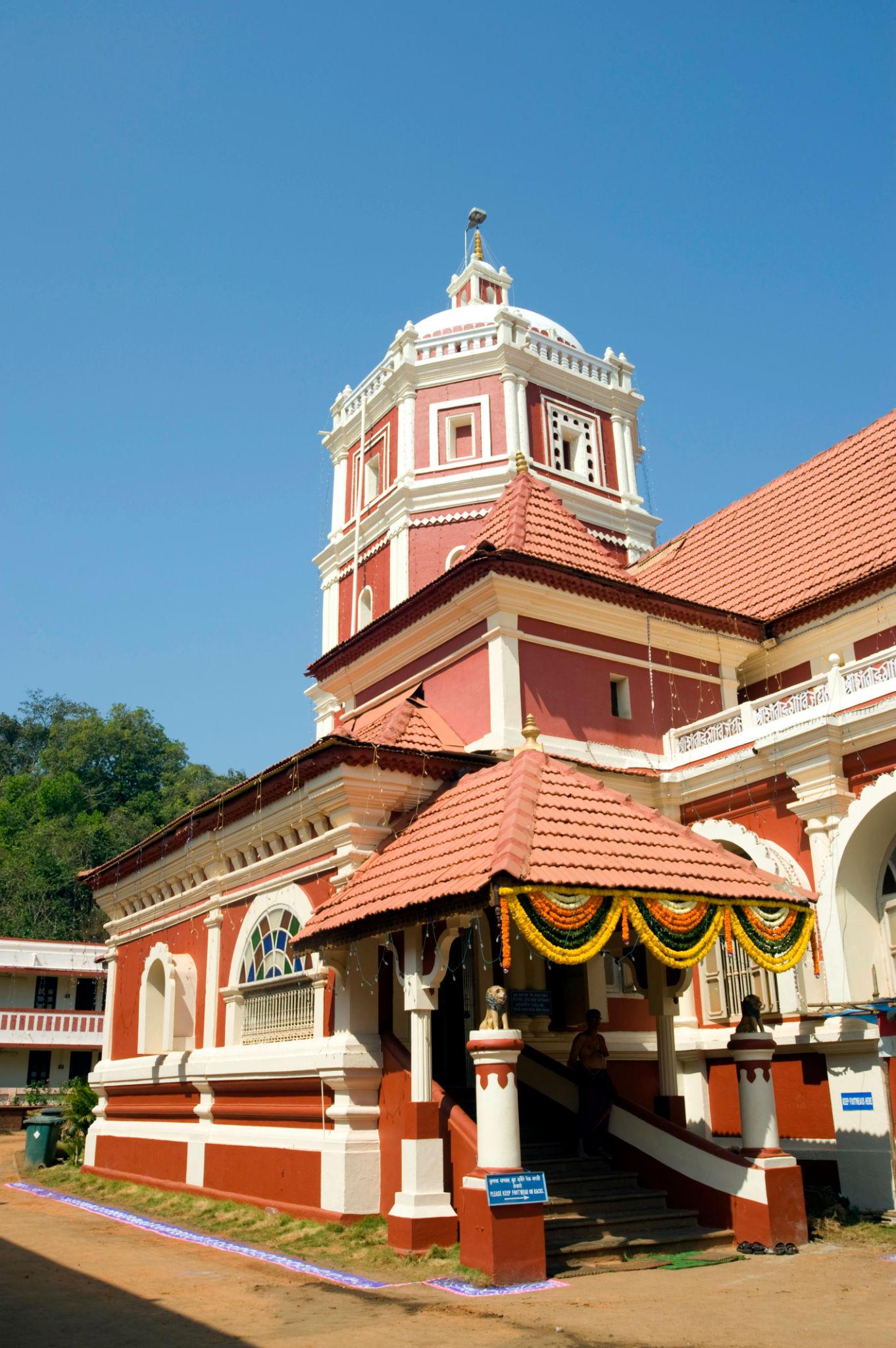
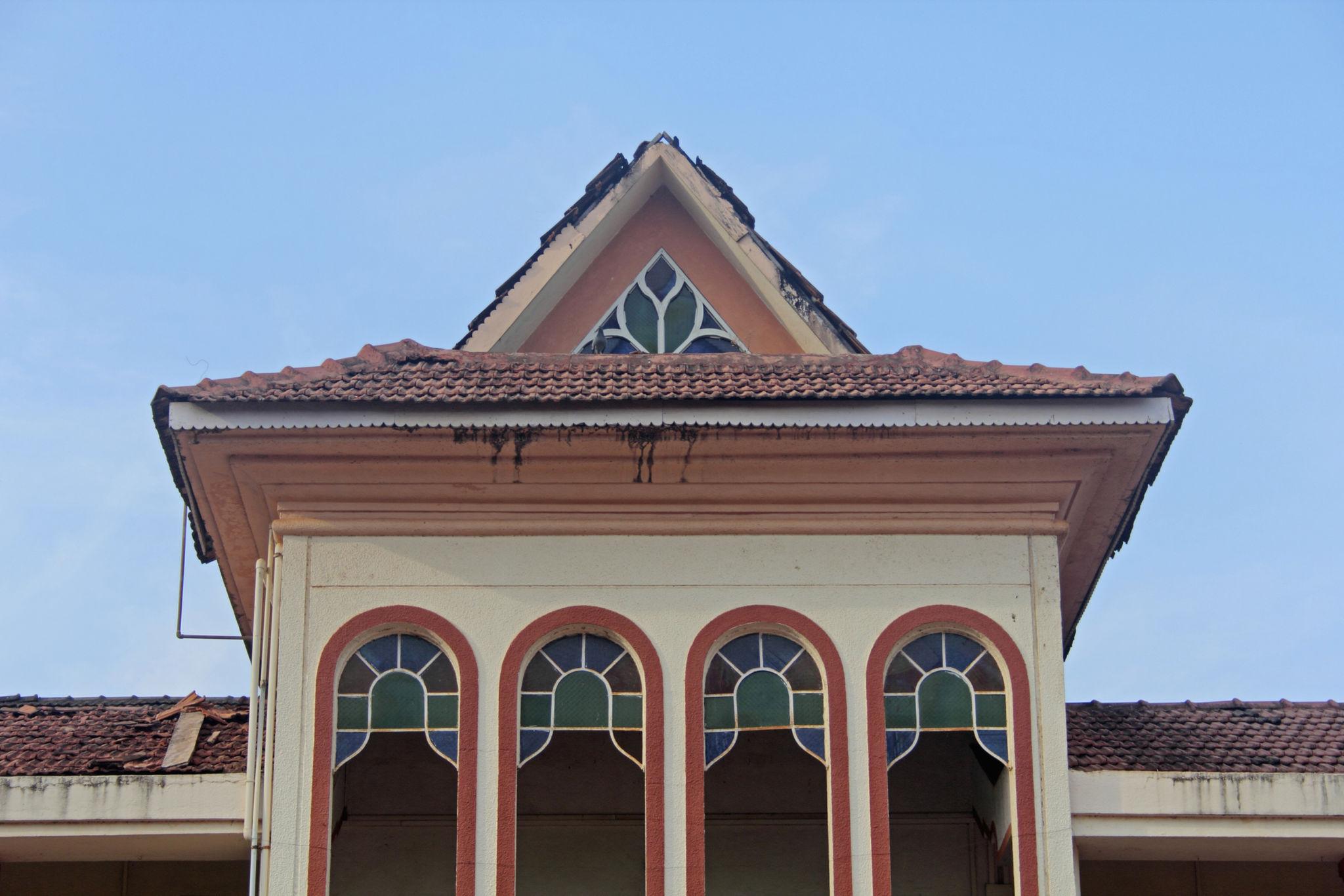
The architecture of Shree Shantadurga Temple is a quintessential example of the Indo-Portuguese style, a unique design vernacular that emerged in Goa as a result of the cultural intersection between local artisans and European influences. Unlike the Nagara or Dravidian styles found in the rest of India, Goan temples like Kavlem feature distinct elements such as Roman arched windows, stained glass work, and pyramidical shikhara (towers) that resemble church belfries or colonial mansions.
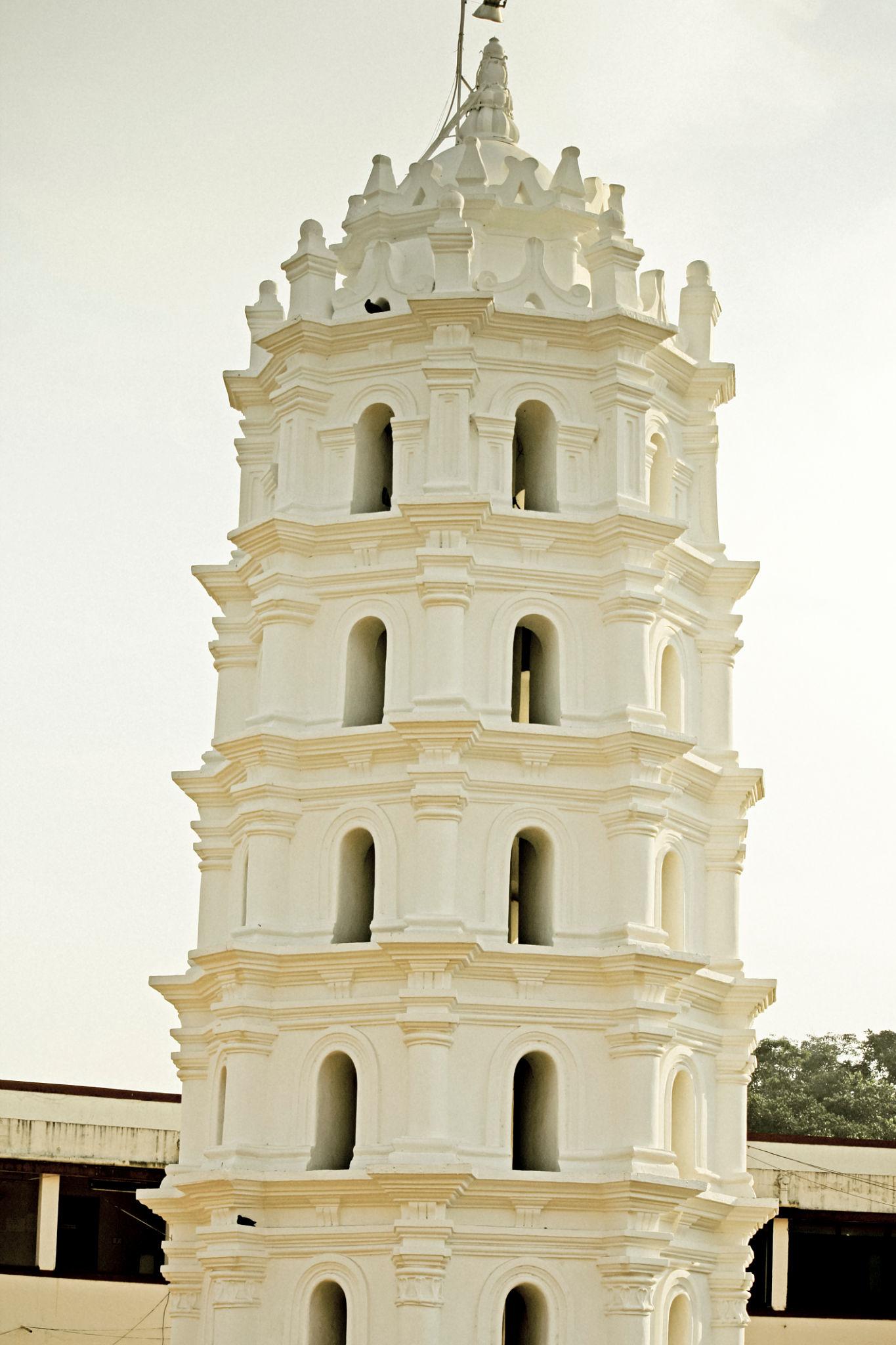
The most striking feature of the exterior is the Deepastambha, a seven-story high octagonal lamp tower. During festivals, this tower is illuminated with hundreds of oil lamps, creating a celestial glow that can be seen from miles away. The main temple building consists of a large Sabhamandapa (assembly hall) and the Garbhagriha (sanctum sanctorum). The exterior walls are painted in a striking combination of white and maroon, reflecting the traditional Goan color palette. The roofs are covered with red Mangalore tiles, sloping steeply to allow the heavy monsoon rains to run off efficiently.
Recommended Guide
Top 10 Tips for Renting a Car in Goa (Complete Guide 2026)
Renting a car in Goa sounds like the perfect plan — full freedom, beach hopping, no waiting for taxis, and exploring hidden places at your own pace. But...
Read Guide →
Upon entering the Sabhamandapa, visitors are greeted by an interior that feels more like a palace than a traditional temple. The floor is made of polished marble, and the ceiling is adorned with exquisite Venetian glass chandeliers. The pillars are intricately carved, and the windows feature colorful stained glass that filters the sunlight into a kaleidoscope of hues. The fusion of Maratha-style wood carvings with European-style decorative elements creates an atmosphere of sophisticated grandeur. The sanctum itself is silver-plated, housing the deity on a raised pedestal, and is designed to focus all attention on the serene presence of the goddess.
Top Goa Experience • Part 2
Highly Recommended Near Shree Shantadurga Temple Kavlem
Explore All
Main Deity / Spiritual Importance
The presiding deity of the temple is Shree Shantadurga Devi. In the inner sanctum, the idol is depicted as a calm and benevolent figure, standing between the smaller idols of Lord Shiva and Lord Vishnu. This specific iconography is rare and deeply symbolic of the goddess's role as a peacemaker and the unifying force of the universe. She is often referred to locally as "Santeri," a name that links her to ancient folk traditions of the land, specifically the worship of the earth mother and ant-hills (Roen), which were early symbols of the goddess in Goa.
For the devotees, Shantadurga is the "Kula Devi" (family deity) of many Goud Saraswat Brahmin families. Her spiritual importance lies in her perceived ability to resolve conflicts—both internal and external. Pilgrims come here not just to ask for material boons, but to seek mental clarity and emotional balance. The rituals performed here, such as the Abhishek and the Archana, are conducted with meticulous adherence to Vedic traditions, yet they carry a distinct Goan flavor, often accompanied by local musical instruments like the Ghumot and Shamel.
The spiritual vibration of the temple is enhanced by the daily "Nitya Vidhi" (daily rituals). The morning "Kakad Aarti" and the evening "Shej Aarti" are moments of intense devotion where the air is thick with the scent of incense, sandalwood, and fresh flowers. It is believed that the goddess Shantadurga protects the land of Goa from natural calamities and social discord, making her a central pillar of the state's spiritual identity. The act of "Prasad" (seeking divine guidance through a ritual involving flowers placed on the idol) is a common practice here, where devotees look for signs from the goddess before making major life decisions.
Festivals & Celebrations
The Shree Shantadurga Temple is a hub of vibrant cultural activity throughout the year, but certain festivals transform the temple complex into a spectacle of light, music, and devotion. The most significant event is the Jatra (annual fair), which takes place in the Hindu month of Magha, usually falling in January or February. This six-day celebration draws thousands of pilgrims. The highlight of the Jatra is the procession of the deity in a magnificent Maharatha (giant wooden chariot), which is pulled by hundreds of devotees around the temple courtyard amidst chants and traditional music.
Another major festival is Navratri, the nine nights dedicated to the Goddess. During this time, the temple is decorated with elaborate floral arrangements, and the deity is adorned in different "Alankaras" (ornaments and garments) every day. Special musical performances, including "Kirtans" and classical vocal recitals, are held in the Sabhamandapa. The energy during Navratri is palpable, culminating in the Dussehra celebrations where the victory of good over evil is commemorated with traditional rituals.
The Lalkhi Utsav is also a sight to behold. This is a palanquin procession where the goddess is carried on the shoulders of devotees. The rhythmic swaying of the palanquin, the sound of the Panchavadya (five types of musical instruments), and the synchronized movements of the crowd create a trance-like atmosphere. Other notable celebrations include Shigmo (the Goan version of Holi), Vasant Panchami, and the Kalashtami. During these festivals, the temple's Deepastambha is fully lit, and the entire village of Kavlem comes alive with stalls selling local sweets, traditional toys, and religious artifacts.
Best Time to Visit
While the temple is a year-round destination, the best time to visit is undoubtedly during the winter months, from November to February. During this period, the weather in Goa is pleasantly cool and dry, making it comfortable to explore the temple complex and its surroundings without the intense heat of the summer or the humidity of the monsoon. This window also coincides with the major festivals like the annual Jatra and the grand celebrations of Navratri or Diwali, offering a chance to witness the temple in its full glory.
If you prefer a more contemplative and quiet experience, the monsoon season (June to September) has its own charm. The Ponda region becomes incredibly lush and green, and the temple, washed by the rains, looks pristine against the backdrop of the misty hills. However, be prepared for heavy downpours which might limit your ability to walk around the outdoor areas. The summer months (March to May) can be quite hot and humid, so if you visit during this time, it is best to arrive early in the morning or late in the evening to avoid the midday sun.
Timings, Entry Fee & Dress Code
To ensure a smooth visit, it is essential to be aware of the temple's operational hours and cultural expectations. The temple timings are generally from 5:00 AM to 10:00 PM daily. However, the inner sanctum may be closed briefly during the afternoon for the deity's rest (usually between 1:00 PM and 4:00 PM), and specific rituals may restrict access to certain areas at various times. It is advisable to visit during the morning aarti (around 7:00 AM) or the evening aarti (around 7:00 PM) to experience the full spiritual fervor.
There is no entry fee to visit the Shree Shantadurga Temple. It is open to people of all faiths, provided they respect the sanctity of the space. However, donations for the upkeep of the temple and the various charitable activities run by the temple trust are welcomed and can be made at the official counters.
The dress code is strictly enforced to maintain the decorum of the religious site. Visitors must dress modestly. For men, this means wearing trousers or traditional dhotis; shorts and sleeveless shirts are generally discouraged. For women, sarees, salwar kameez, or long skirts are appropriate. Short skirts, sleeveless tops, and revealing clothing are strictly prohibited. You will be required to remove your footwear before entering the temple premises, and there are designated counters where you can safely leave your shoes for a nominal fee or for free.
How to Reach Shree Shantadurga Temple Kavlem
The Shree Shantadurga Temple is located in Kavlem, approximately 4 kilometers from Ponda city and about 30 kilometers from the state capital, Panaji. Its central location makes it easily accessible from various parts of Goa.
- By Road: This is the most convenient way to reach the temple. You can hire a private taxi or a self-drive car from Panaji, Margao, or the coastal beach belts. The drive from Panaji takes about 45 to 60 minutes via the NH748. From Margao, it is about 20 kilometers and takes roughly 40 minutes.
- By Bus: Regular KTC (Kadamba Transport Corporation) buses and private buses ply between Panaji/Margao and Ponda. Once you reach the Ponda bus stand, you can take a local "pilot" (motorcycle taxi), an auto-rickshaw, or a local bus to Kavlem, which is just a short 10-minute ride away.
- By Rail: The nearest major railway station is Madgaon (Margao), which is well-connected to major Indian cities. From the station, you can hire a taxi directly to the temple. The Karmali railway station is also relatively close (about 18 km) and is convenient if you are coming from North Goa.
- By Air: The Dabolim Airport is approximately 35 kilometers away, while the newer Mopa (Manohar International Airport) is about 65 kilometers away. Taxis are readily available at both airports to take you to Kavlem.
Things to Do
A visit to the Shree Shantadurga Temple is more than just a quick prayer; it is an opportunity to immerse yourself in a unique cultural environment. Here are some things you can do during your visit:
- Attend the Evening Aarti: The evening ritual is a sensory experience with the rhythmic tolling of bells, the chanting of Sanskrit hymns, and the flickering light of the lamps reflecting off the silver-plated sanctum.
- Explore the Temple Museum: The temple complex houses a small but fascinating museum that displays ancient palanquins, historical artifacts, and photographs detailing the temple's history and the various "Vahanas" (vehicles) used during festivals.
- Walk the Courtyard: Take a slow walk around the vast paved courtyard. Observe the intricate carvings on the secondary shrines and the majestic Deepastambha. The architecture provides numerous angles for those interested in heritage photography (where permitted).
- Observe Local Rituals: You might witness a "Tulabhara" (where a person is weighed against offerings like coconuts or sugar) or a local wedding. Observing these rituals provides deep insight into the social fabric of the GSB community.
- Meditate in the Gardens: The areas surrounding the main temple are quiet and filled with greenery. Finding a corner to sit and meditate can be a deeply rewarding experience, away from the typical tourist bustle.
Nearby Attractions
The Ponda region is often called the "Temple Heart of Goa," and there are several other significant sites within a short radius of the Shantadurga Temple that you can combine into a single day trip:
- Shree Mangueshi Temple: Located just 5 km away in Priol, this is perhaps the most famous temple in Goa, dedicated to Lord Shiva. Its architecture and massive Deepastambha are equally stunning.
- Shree Nagesh Temple: Situated in Bandora, this temple is unique because it was one of the few that was not destroyed by the Portuguese. It features a beautiful temple tank (Kund) and ancient stone carvings.
- Sahakari Spice Farm: For a change of pace, visit one of the spice plantations in Ponda. You can take a guided tour to learn about cardamom, vanilla, and cinnamon, followed by a traditional Goan lunch served on banana leaves.
- Ramnathi Temple: Another important shrine for the GSB community, located very close to Kavlem, known for its peaceful atmosphere and beautiful traditional interiors.
- Safa Shahouri Masjid: A short drive away, this 16th-century mosque is one of the oldest in Goa and is known for its elegant understated architecture and large masonry tank.
Photography & Visitor Guidelines
To ensure a respectful experience for yourself and others, please adhere to the following guidelines:
- Photography: Photography is generally prohibited inside the main sanctum and of the deity itself. However, you can usually take photos of the exterior architecture, the Deepastambha, and the courtyard. Always look for signage or ask the temple authorities before taking out your camera.
- Silence: Maintain a low volume. The temple is a place of prayer and meditation for many. Avoid loud conversations or playing music on your phone.
- Mobile Phones: Keep your mobile phones on silent or vibrate mode. Avoid taking calls inside the Sabhamandapa.
- Offerings: If you wish to make an offering, you can buy flowers and oil lamps from the stalls outside. Be wary of unauthorized "priests" or touts; always use the official temple counters for any rituals or donations.
- Cleanliness: The temple is kept meticulously clean. Do not litter, and ensure you dispose of any waste in the designated bins.
Where to Eat Nearby
The Ponda area offers some excellent options for experiencing authentic Goan Hindu cuisine, which is quite different from the seafood-heavy fare found on the coast. Goan Hindu food is typically "Sattvic" (vegetarian) and uses local ingredients like coconut, kokum, and teppal (Sichuan pepper).
- Temple Bhojanshala: Many temples, including Shantadurga, have a dining hall that serves simple, blessed vegetarian meals (Prasadam) during lunch hours. It is a humble and spiritual dining experience.
- Local Eateries in Ponda: The Ponda market area has several small restaurants like Hotel Menino and Kamat’s that serve traditional Goan "Thalis" featuring dal, vegetable bhaji, local red rice, and sol kadi.
- Farm-to-Table: If you visit the nearby spice plantations like Sahakari or Tropical Spice Plantation, they offer comprehensive buffet lunches that are highly recommended for tourists wanting to try local flavors in a rustic setting.
- Street Food: Try the local "Ross Omelette" or "Mirchi Bajji" from the small kiosks outside the temple complex for a quick and spicy snack.
Accommodation Nearby
While most visitors stay at the beaches and visit Kavlem as a day trip, staying in the Ponda region offers a more immersive and tranquil experience.
- Temple Guest Houses: The Shantadurga Temple Trust operates guest houses (Agrashalas) within the complex. These are basic, clean, and very affordable, primarily intended for pilgrims. They offer a unique chance to experience the temple's early morning and late night rituals.
- Boutique Heritage Stays: There are several heritage homes and homestays in the Ponda countryside that offer a more luxurious and personalized experience, such as Vivenda dos Palhaços (a bit further away but worth it) or local eco-resorts.
- Budget Hotels: Ponda city has several mid-range hotels like The Farm House India or Hotel Menino which cater to business travelers and pilgrims alike.
- Farm Stays: Some spice plantations offer overnight stays in eco-cottages, providing a complete immersion into the tropical greenery of central Goa.
Travel Tips
To make the most of your visit to Shree Shantadurga Temple, keep these practical tips in mind:
- Start Early: To avoid the heat and the crowds, aim to reach the temple by 8:30 AM or 9:00 AM. This also gives you enough time to visit other nearby temples before they close for the afternoon.
- Hire a Guide: If you are interested in the deep history and the hidden meanings behind the carvings, consider hiring a local guide or asking one of the temple officials to explain the significance of the various shrines.
- Stay Hydrated: The Goan humidity can be taxing. Carry a bottle of water, although filtered water is usually available at the temple.
- Respect the Locals: Kavlem is a quiet residential village. Be respectful of the residents' privacy and avoid wandering into private properties.
- Combine with Spice Farms: Since the temple visit usually takes about 1-2 hours, planning a spice farm visit for the afternoon makes for a perfect, well-rounded itinerary.
Conclusion
The Shree Shantadurga Temple at Kavlem is far more than just a religious landmark; it is a profound symbol of Goan identity and a bridge between the past and the present. Its unique Indo-Portuguese architecture tells a story of cultural adaptation, while its serene deity offers a timeless message of peace and reconciliation. In a world that often feels divided, the image of Shantadurga standing between the warring forces of Shiva and Vishnu is a powerful reminder of the importance of harmony.
Visiting this temple allows you to step away from the neon lights and crowded shores of coastal Goa and enter a realm of quietude and ancient tradition. Whether you are marvelling at the light of the seven-story Deepastambha, listening to the rhythmic chants during the evening aarti, or simply admiring the stained glass windows of the Sabhamandapa, the experience is bound to leave a lasting impression on your soul. It is a place where history, art, and faith converge in a beautiful terracotta-hued sanctuary, making it an essential destination for anyone seeking to truly understand the heart of "Goenkarponn" (Goan-ness).