Overview of St. Francis Of Assisi Church
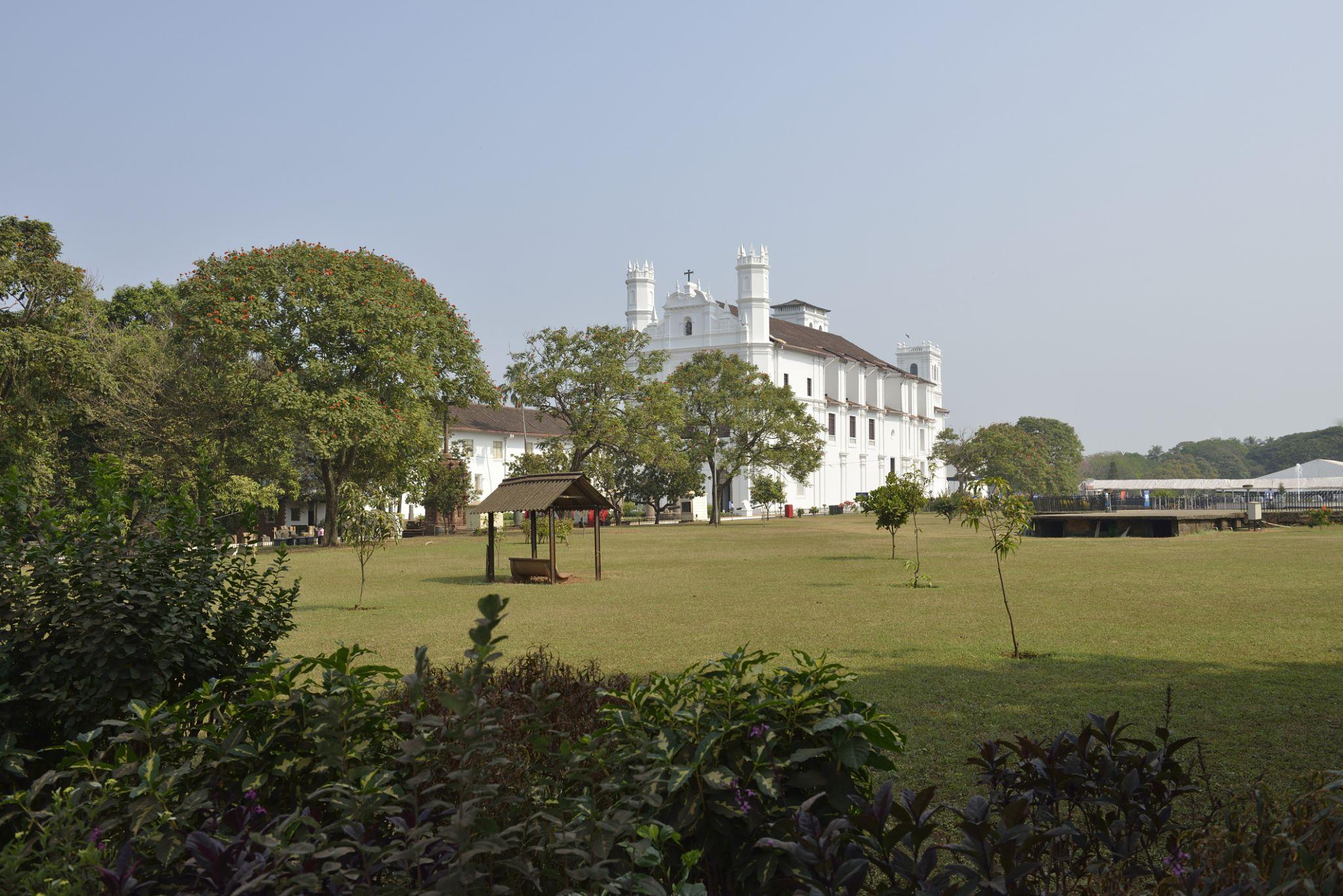
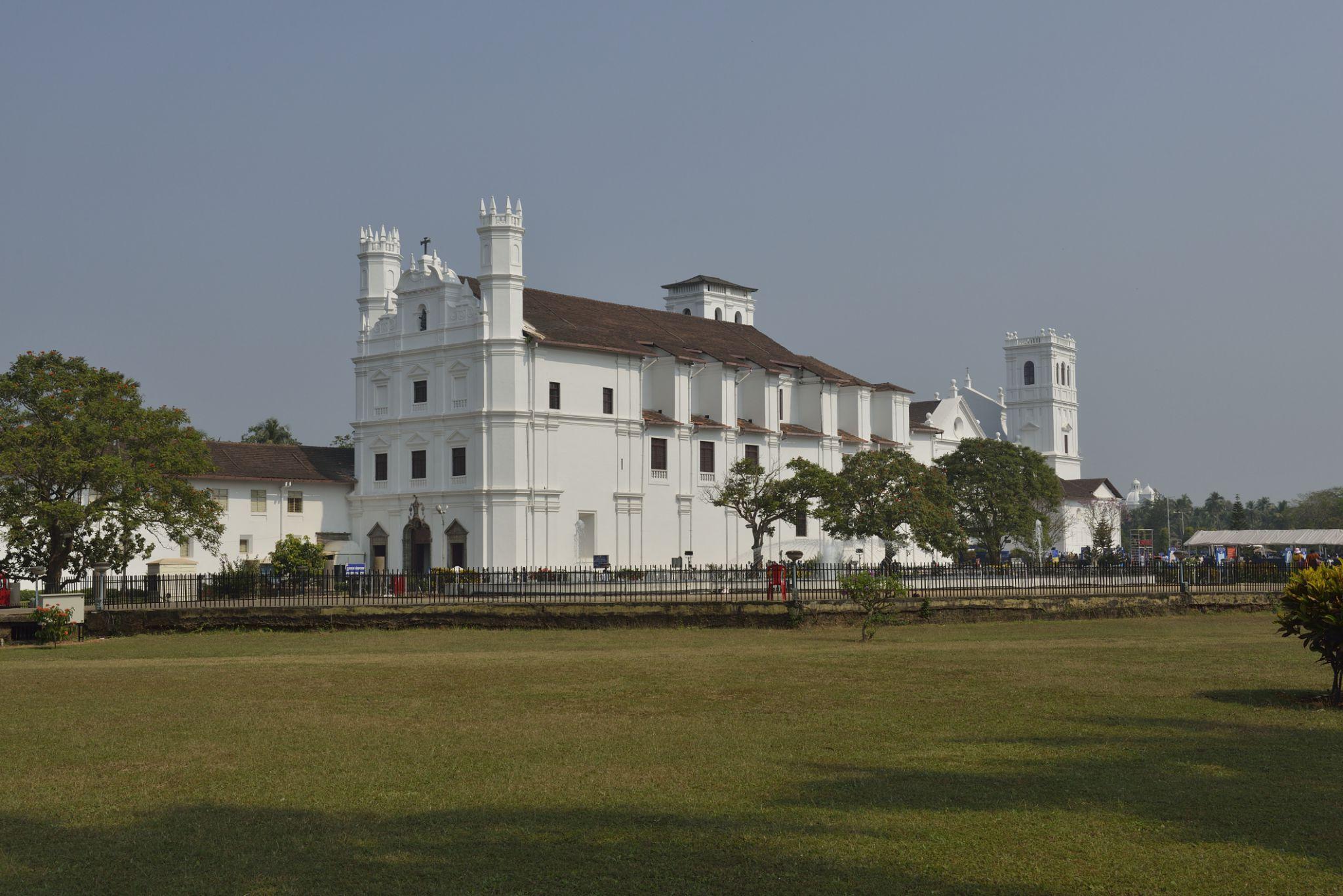
The St. Francis of Assisi Church, located in the heart of Old Goa, stands as a profound testament to the historical, cultural, and spiritual evolution of the region. As part of the UNESCO World Heritage Site complex of "Churches and Convents of Goa," this architectural marvel is not merely a relic of the past but a living chronicle of the Portuguese influence in India. Situated approximately 10 kilometers from the capital city of Panjim, the church overlooks a lush, manicured square, sharing its sacred grounds with the majestic Se Cathedral. For any traveler or pilgrim visiting the "Rome of the East," this church offers a unique blend of European architectural styles fused with local Goan craftsmanship, creating an atmosphere of serene grandeur that is difficult to find elsewhere in the world.
Originally established by eight Franciscan friars who arrived in Goa in 1517, the complex began as a humble chapel. Over the centuries, it transformed into one of the most significant religious institutions in Asia. Today, visitors are greeted by a structure that exudes an aura of ancient wisdom and artistic brilliance. The church is famous for its intricate woodwork, gilded altars, and the adjacent convent which now houses the Archaeological Museum. Whether you are a history buff, an architecture enthusiast, or a spiritual seeker, the St. Francis of Assisi Church provides a deep, multi-layered experience. It serves as a reminder of the Franciscan order's commitment to poverty, humility, and devotion, contrasting beautifully with the opulent Baroque and Manueline decorations that adorn its interior. The church is more than a tourist destination; it is a sanctuary where the echoes of five centuries of prayers still resonate within its thick laterite walls.
Top Goa Experience • Part 1
Highly Recommended Near St. Francis Of Assisi Church
Explore All
History & Religious Significance
The history of the St. Francis of Assisi Church is inextricably linked with the arrival of the Portuguese and the spread of Christianity in the Indian subcontinent. In 1517, a small group of Franciscan friars from the Order of Friars Minor arrived in Goa. They were granted houses and land by the then-Governor, which led to the construction of a small chapel and a friary. However, as the Portuguese presence grew and Old Goa became a thriving metropolis, the need for a more grand and permanent structure became evident. The original chapel was pulled down, and the present church was constructed in 1661, retaining only the Manueline-style portal from the earlier building as a nod to its 16th-century roots.
The religious significance of this site cannot be overstated. During the height of the Portuguese Empire, this church served as a central hub for the Franciscan order, which played a pivotal role in the educational and social fabric of colonial Goa. The Franciscans were known for their missionary zeal and their dedication to the poor, following the footsteps of their patron, St. Francis of Assisi. The church became a symbol of the Counter-Reformation in Asia, designed to inspire awe and devotion through its magnificent art and architecture. Even after the religious orders were suppressed by the Portuguese government in 1835, the church remained a vital landmark. Its endurance through periods of political upheaval, epidemics that forced the abandonment of Old Goa, and the eventual liberation of Goa in 1961, highlights its status as a resilient pillar of Goan heritage. It stands today as a bridge between the medieval European world and the vibrant, syncretic culture of modern Goa.
Recommended Guide
10 Interesting Facts About Goa That Will Blow Your Mind
Discover 10 fascinating facts about Goa from Portuguese history & architecture to hidden beaches, cheap alcohol secrets, and more.
Read Guide →
Architecture of St. Francis Of Assisi Church
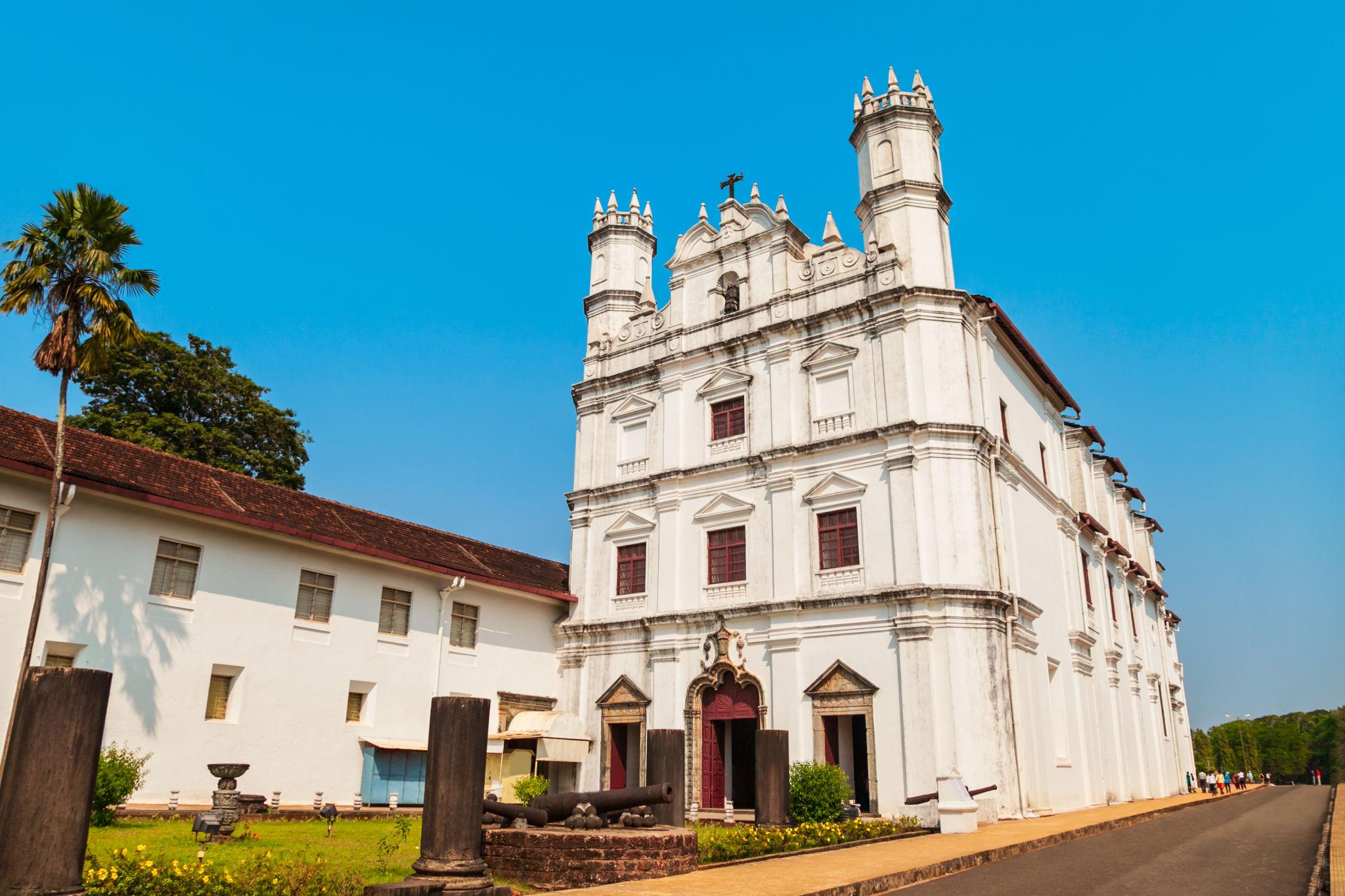
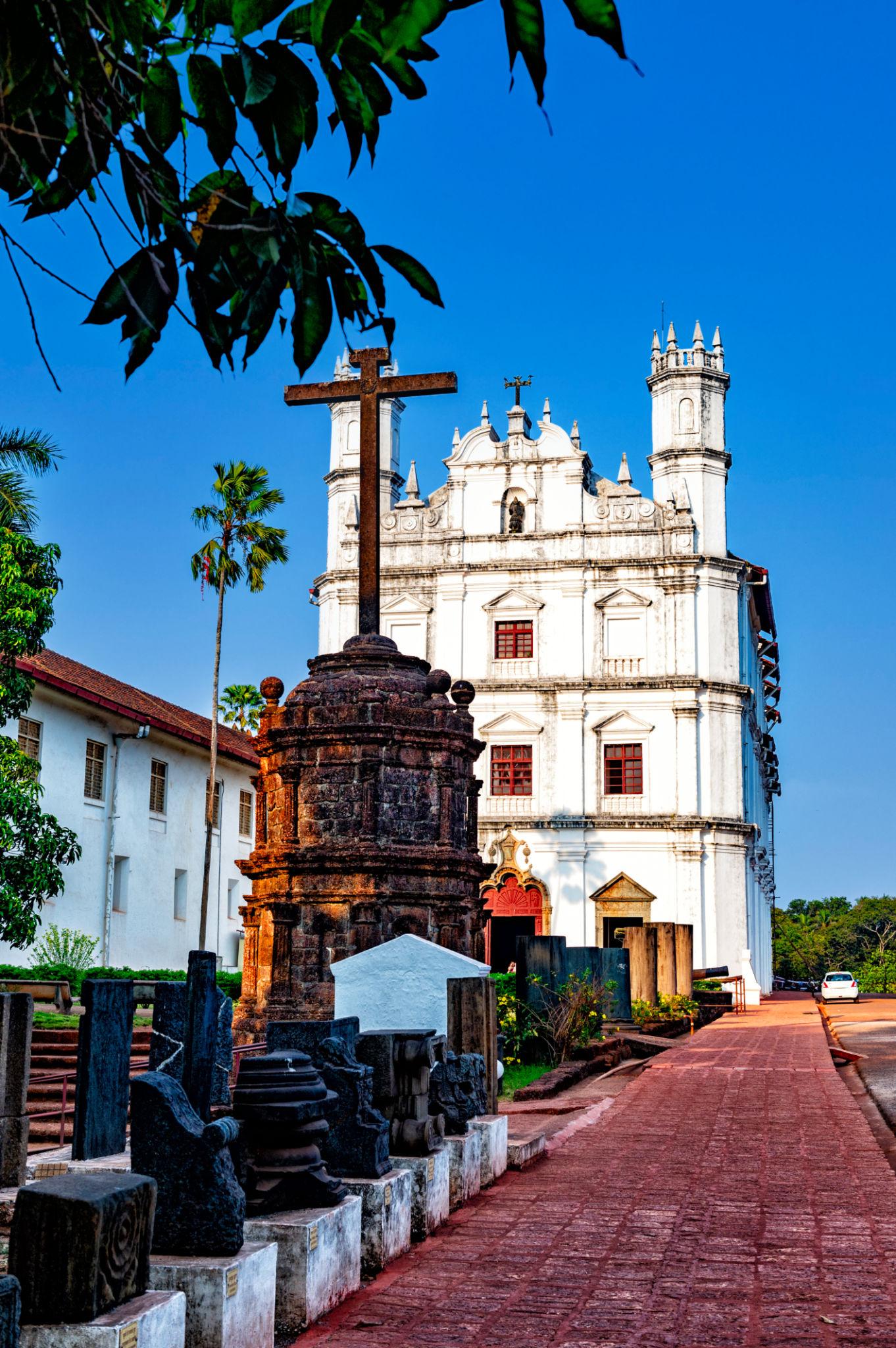
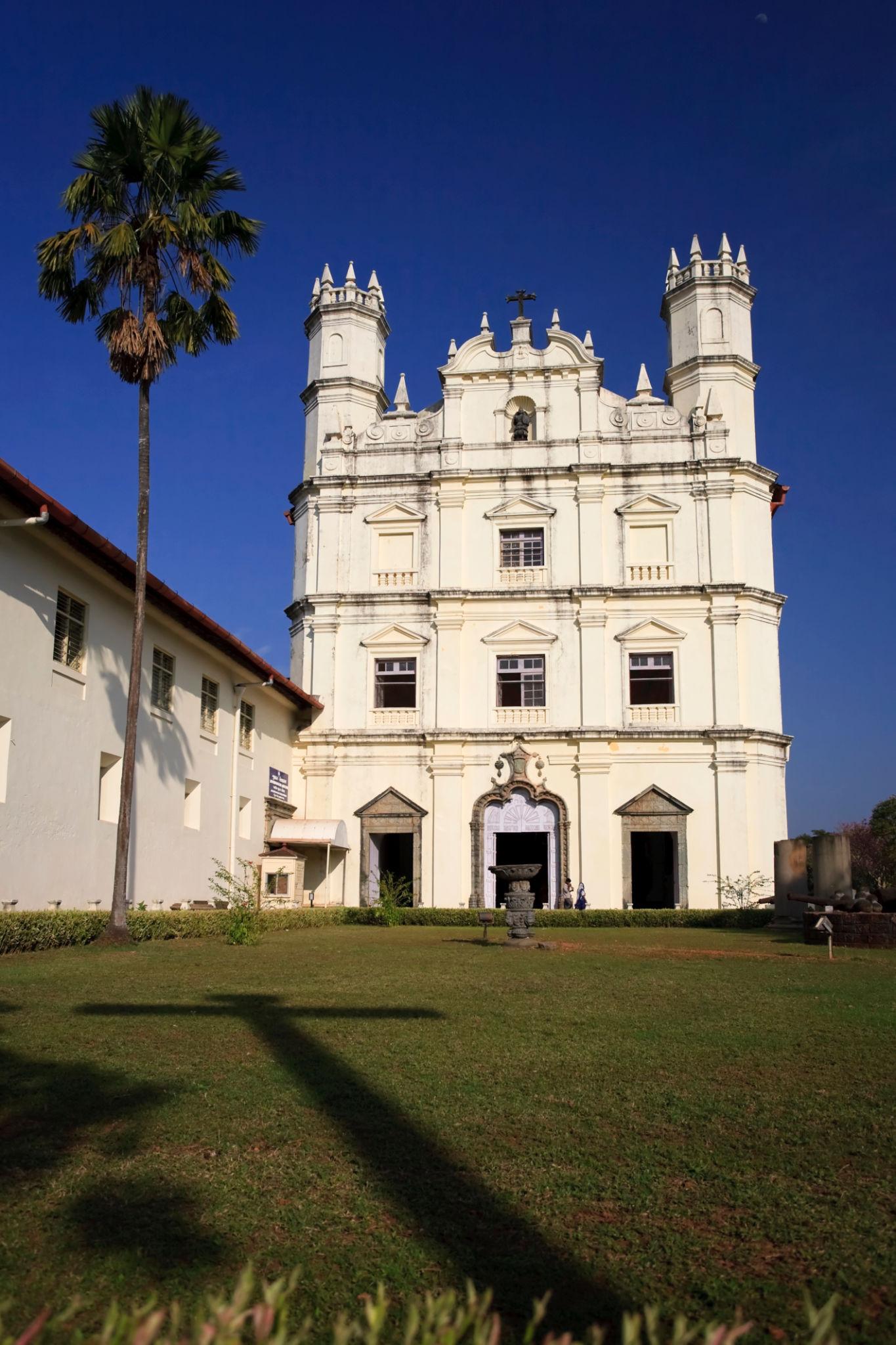
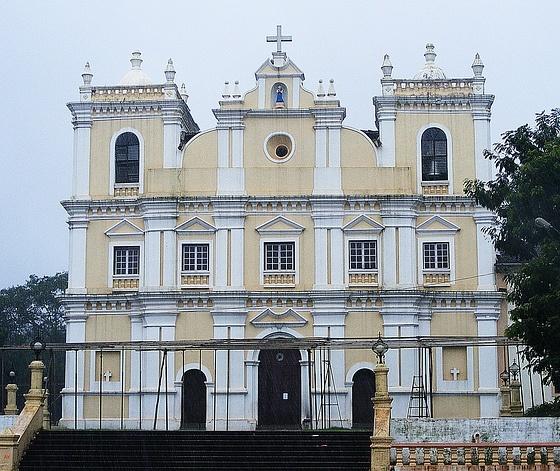
The architecture of the St. Francis of Assisi Church is a sophisticated tapestry of styles, primarily Baroque, Corinthian, and Manueline. The exterior of the church, built with local laterite stone and plastered with lime, presents a stark, white, and somewhat austere Tuscan facade. It features two octagonal towers flanking the main entrance, a design that provides a sense of balance and strength. The most notable feature of the exterior is the intricately carved Manueline portal. This "Manueline" style is a uniquely Portuguese transition from Gothic to Renaissance, characterized by maritime motifs, armillary spheres, and ornate stonework. It is the only surviving piece of the original 16th-century structure and serves as a magnificent gateway into the spiritual wonders inside.
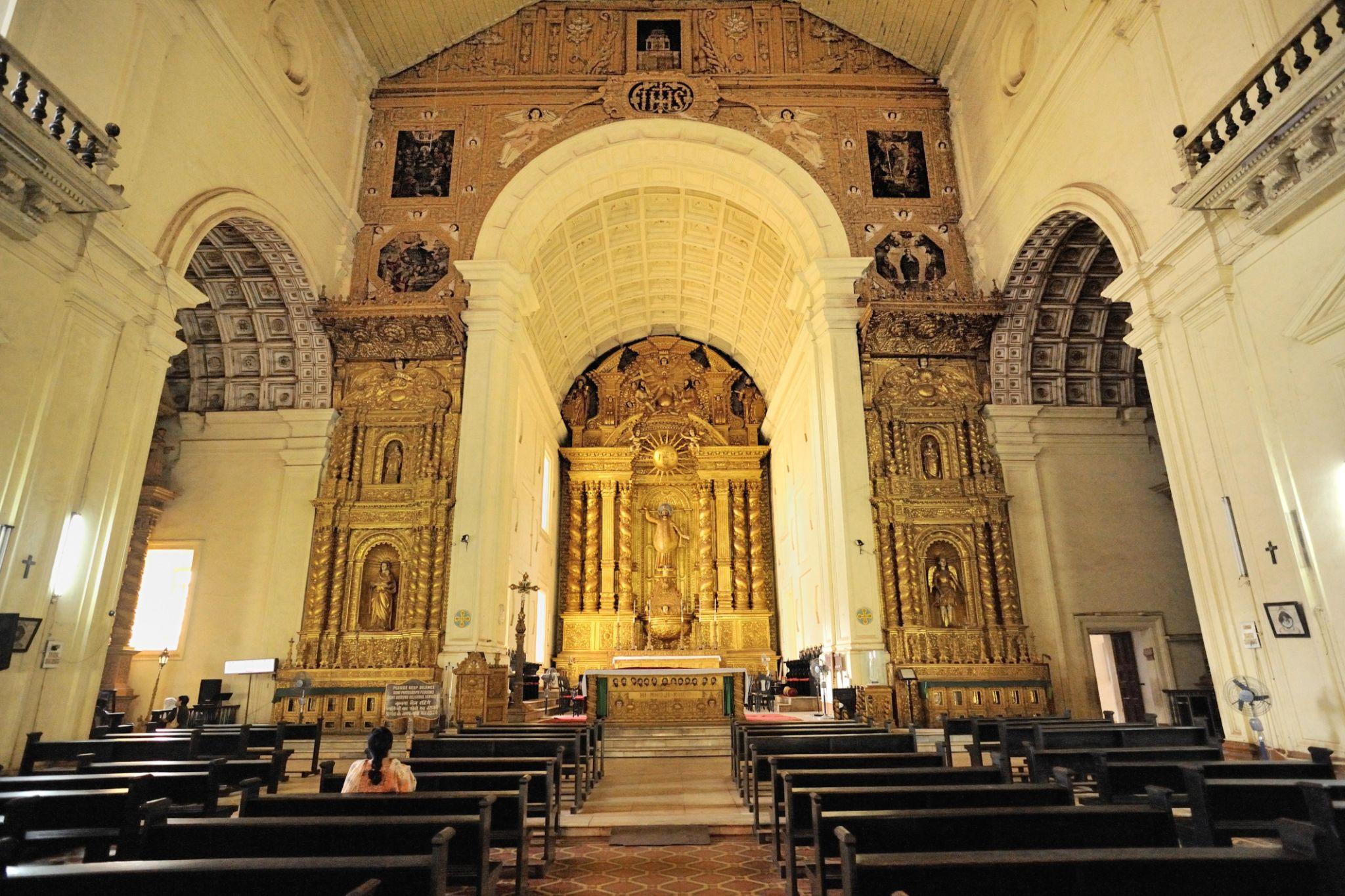
Upon stepping inside, the austerity of the exterior gives way to a breathtaking display of Baroque opulence. The church follows a traditional cruciform plan with a single nave and a vaulted ceiling. The interior is divided into three tiers. The main altar is a masterpiece of gilded woodcarving, featuring a massive retable that reaches toward the ceiling. It is adorned with intricate floral patterns, cherubs, and scenes from the life of St. Francis. The walls of the choir are decorated with exquisite frescoes depicting the life of the saint, which are among the finest examples of colonial-era wall paintings in India. Another striking feature is the floor, which is paved with ornate tombstones belonging to Portuguese nobility and high-ranking clergy, each carved with family crests and Latin inscriptions. The use of gold leaf, the play of light through the high windows, and the sheer scale of the Corinthian columns create a celestial atmosphere that was intended to reflect the glory of the divine.
Recommended Guide
Best Less Crowded Beaches in South Goa
South Goa is famous for its peaceful beaches, natural beauty, clean coastline, and relaxed atmosphere. While North Goa attracts thousands of tourists every...
Read Guide →
Main Deity / Spiritual Importance
The church is dedicated to St. Francis of Assisi, one of the most venerated figures in Christianity, known for his love of nature, commitment to poverty, and his role as the founder of the Franciscan Order. The spiritual focal point of the church is the high altar, which houses a large and striking statue of St. Francis. Above this statue hangs a profound representation of the Crucified Christ. In a unique and deeply symbolic artistic choice, one of Christ’s arms is shown detached from the cross to embrace St. Francis, who stands on three globes representing the three vows of the Franciscan order: Poverty, Chastity, and Obedience. This imagery encapsulates the core spiritual message of the church—the intimate union between the suffering of Christ and the humble devotion of the saint.
For the local Catholic community in Goa, the church is a place of deep contemplation. The presence of St. Francis, often referred to as the "Poverello" (the little poor man), serves as a constant reminder of the spiritual wealth found in simplicity. The church also honors other Franciscan saints through various side altars, including St. Anthony of Padua and St. Bonaventure. The spiritual importance extends to the Archaeological Museum housed in the attached convent, which contains many sacred artifacts, including ancient crosses and statues that were salvaged from ruined churches across Goa. This preservation of sacred art reinforces the church’s role as a guardian of the faith's physical and spiritual history in the East.
Recommended Guide
Tourist Season in Goa – Complete Travel Guide for Every Season
The winter season in Goa, stretching from November to February, is widely considered the best and most popular tourist season in Goa. This period attracts...
Read Guide →
Festivals & Celebrations
The most significant celebration at the church is the Feast of St. Francis of Assisi, celebrated annually on October 4th. This day is marked by a solemn High Mass attended by hundreds of devotees from across the state. The atmosphere is one of joy and reverence, with the church decorated in flowers and the air thick with the scent of incense. Following the Mass, there is often a procession where the statue of the saint is carried through the streets of Old Goa, accompanied by local brass bands playing traditional hymns. This feast is not just a religious event but a community gathering that reflects the deep-rooted Catholic traditions of Goa.
Top Goa Experience • Part 2
Highly Recommended Near St. Francis Of Assisi Church
Explore All
In addition to the patronal feast, the church plays a secondary but important role during the Feast of St. Francis Xavier (the "Goincho Saib"), which takes place in December at the neighboring Basilica of Bom Jesus. During the Novenas leading up to December 3rd, thousands of pilgrims pass through the St. Francis of Assisi Church, seeking a moment of quiet prayer amidst the massive crowds. Christmas and Easter are also celebrated with great fervor, featuring midnight Masses and elaborate "cribs" or Nativity scenes that are a hallmark of Goan Christian culture. During these times, the church is beautifully illuminated, and the liturgical music, often featuring a choir accompanied by an old pipe organ, creates a truly transcendent experience for those in attendance.
Best Time to Visit
The ideal time to visit the St. Francis of Assisi Church is during the winter months, from November to February. During this period, the weather in Goa is pleasant and cool, making it comfortable to explore the sprawling grounds of Old Goa on foot. The humidity is low, and the clear blue skies provide a stunning backdrop for photography. This period also coincides with the major festivals, offering a chance to witness the church in its full spiritual and cultural glory. If you visit in early December, you can experience the vibrant energy of the Feast of St. Francis Xavier, though be prepared for large crowds.
For those who prefer a more tranquil experience, the monsoon season (June to September) offers a different kind of beauty. The surrounding landscapes turn a brilliant emerald green, and the rain-washed laterite walls of the church take on a darker, more historic hue. While the humidity is high, the lack of tourist crowds allows for a much more intimate and meditative visit. Regardless of the season, the best time of day to visit is early in the morning, right when the doors open. The soft morning light filtering through the high windows illuminates the gilded altars beautifully, and the quietude of the morning hours enhances the spiritual ambiance of the sanctuary.
Timings, Entry Fee & Dress Code
To ensure a smooth visit, it is important to be aware of the operational details of the St. Francis of Assisi Church. The church is generally open to visitors from 7:30 AM to 6:30 PM daily. However, please note that the attached Archaeological Museum has different timings, usually operating from 10:00 AM to 5:00 PM and remaining closed on Fridays. It is always advisable to check for any temporary changes in timings due to special liturgical services or administrative reasons.
- Entry Fee: There is no entry fee to visit the main church and the sanctuary. It is a place of worship open to all. However, there is a nominal entry fee for the Archaeological Museum (usually around ₹10 for Indians and ₹100 for foreigners).
- Dress Code: As this is an active religious site, visitors are expected to dress modestly. Both men and women should ensure their shoulders and knees are covered. Sleeveless tops, short skirts, and hot pants are generally discouraged and may result in being denied entry by the guards. Wearing a shawl to cover up is a common practice for tourists.
- Footwear: While you can wear shoes inside the main hall, you may be required to remove them if you enter specific prayer areas or during certain services. It is best to wear comfortable walking shoes that are easy to slip on and off.
How to Reach St. Francis Of Assisi Church
The St. Francis of Assisi Church is located in Old Goa (Velha Goa), which is well-connected to all major parts of the state. Depending on where you are staying, there are several ways to reach this historic site:
- From Panjim: The church is only 10 km away from the capital city. You can take a local bus from the Panjim Kadamba Bus Stand heading towards Ponda or Old Goa. The journey takes about 20-30 minutes and is very affordable. Alternatively, a taxi or an auto-rickshaw can take you there directly.
- From North Goa (Calangute/Baga): If you are staying in the popular beach belt, the distance is approximately 25-30 km. Hiring a private taxi for the day is the most convenient option, as it allows you to visit other nearby attractions in Old Goa. You can also rent a scooter or bike, which is a popular way to travel in Goa, though the traffic on the highway can be heavy.
- From South Goa (Margao/Colva): The distance is about 35-40 km. You can take a train from Margao to the Karmali Railway Station, which is the closest station to Old Goa (just 3 km away). From Karmali, you can take a quick rickshaw ride to the church complex.
- From the Airport: Dabolim Airport is about 27 km away, while the newer Mopa Airport is further north. Pre-paid taxis are available from both airports and offer a direct, hassle-free route to Old Goa.
Things to Do
A visit to the St. Francis of Assisi Church offers a variety of activities that cater to different interests. Here are some of the top things to do:
- Admire the Gilded Altar: Spend time looking at the main altar. The level of detail in the woodcarving is extraordinary. Look for the "Stigmata" of St. Francis and the intricate depictions of various saints.
- Explore the Archaeological Museum: Housed in the convent section, this museum is a treasure trove. It contains a vast collection of artifacts, including portraits of Portuguese Viceroys, Hindu temple sculptures that pre-date the Portuguese era, and ancient maps of the city.
- Study the Frescoes: The walls of the choir are adorned with paintings that tell the story of St. Francis. Even if you aren't an art historian, the colors and the narrative flow of these 17th-century works are captivating.
- Walk through the Nave: Take a slow walk down the central aisle. Notice the tombstones on the floor; they tell the stories of the families who once formed the elite of Old Goa.
- Photography: While photography is often restricted inside the sanctuary during prayer times, the exterior of the church, the Manueline portal, and the surrounding gardens are incredibly photogenic. The contrast of the white church against the blue sky is a classic Goan shot.
- Silent Meditation: Despite the tourists, the church maintains several quiet corners. Sitting in one of the wooden pews for a few minutes of silent reflection is a great way to soak in the spiritual energy of the site.
Nearby Attractions
The St. Francis of Assisi Church is part of a larger complex of historical monuments, making it easy to visit several sites in one afternoon. Here are the must-see nearby attractions:
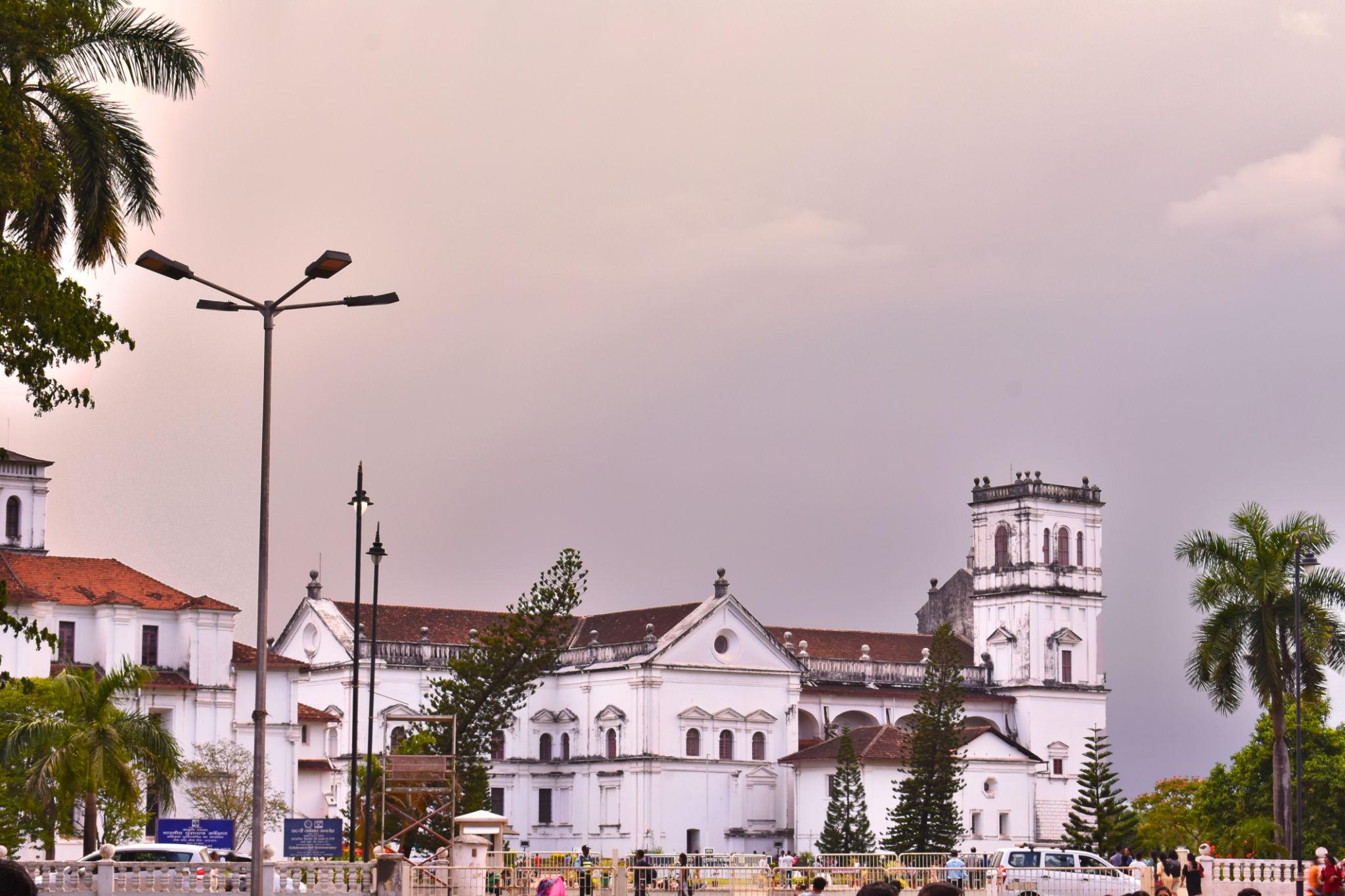
- Se Cathedral: Located directly across the square, this is one of the largest churches in Asia. It is famous for its "Golden Bell" and its stunning Portuguese-Gothic architecture.
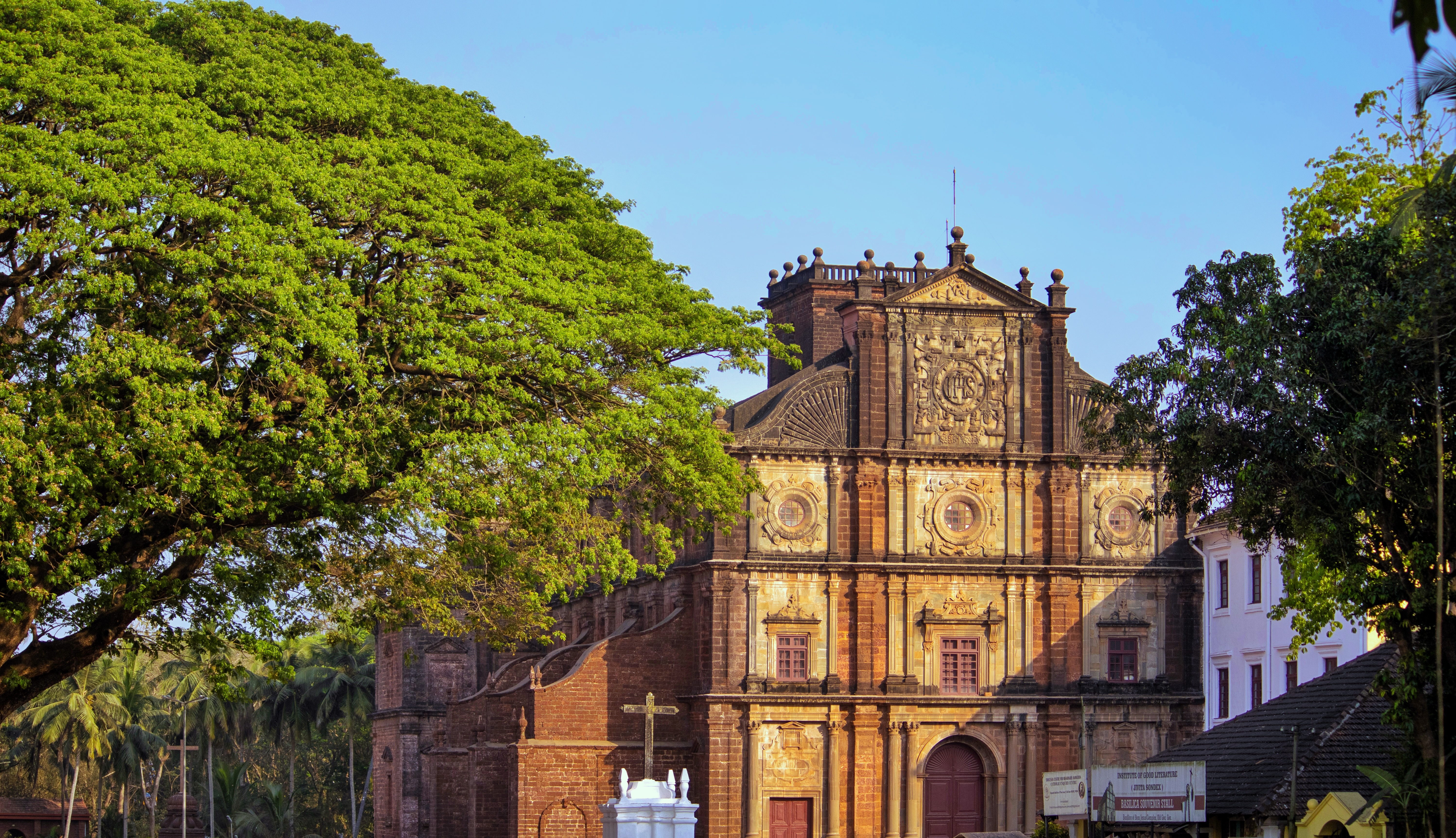
- Basilica of Bom Jesus: Just a short walk away, this world-famous basilica holds the mortal remains of St. Francis Xavier. It is a masterpiece of Jesuit architecture and a major pilgrimage site.
- Church of St. Cajetan: Modeled after St. Peter’s Basilica in Rome, this church is located near the Viceroy’s Arch and is known for its beautiful Corinthian columns and serene atmosphere.
- Viceroy’s Arch: This historic gateway was once the main entrance to the city of Old Goa for arriving dignitaries. It commemorates the arrival of Vasco da Gama in India.
- Mount Mary Church: Located on a hill overlooking Old Goa, this church offers a spectacular panoramic view of the entire complex and the Mandovi River. It is especially beautiful at sunset.
- Museum of Christian Art: Located in the Convent of Santa Monica, this museum showcases a unique collection of "Indo-Portuguese" art, where local artisans infused Christian themes with Indian aesthetic sensibilities.
Photography & Visitor Guidelines
To maintain the sanctity and preservation of this 400-year-old structure, visitors are asked to follow certain guidelines. Photography is generally permitted, but the use of flash is often discouraged inside the church to protect the ancient frescoes and gilded surfaces from light damage. Professional videography or commercial photoshoots require prior permission from the church authorities or the Archaeological Survey of India (ASI).
Silence is the most important rule. Even if there is no Mass in progress, people often come here for private prayer. Please keep your voice to a whisper and ensure your mobile phone is on silent mode. Do not touch the paintings, altars, or the delicate woodcarvings, as the oils from human skin can cause deterioration over time. Additionally, littering is strictly prohibited; the grounds of Old Goa are well-maintained, and visitors are expected to use the designated bins. If you are visiting as part of a large tour group, ensure that your guide is respectful of the ongoing religious activities.
Where to Eat Nearby
Old Goa has several options for refreshments, ranging from quick snacks to full Goan meals. For a truly local experience, try the small kiosks near the bus stand that serve Goan snacks like Samosas, Batata Vadas, and Ros Omelette. If you are looking for a sit-down meal, there are several reputable restaurants within a 1-2 km radius:
- The Rasoda: Located nearby, this restaurant is famous for its authentic North Indian thalis and sweets, providing a clean and comfortable dining environment.
- Café Tinto: A great spot for a quick coffee and light continental or Goan snacks. It’s perfect for a mid-day break between sightseeing.
- Local Heritage Eateries: Many small family-run places near the Karmali station serve traditional Goan Catholic cuisine, including Fish Thali and Pork Sorpotel, which are staples of the region.
- Panjim: Since the capital is only 15 minutes away, many visitors choose to head back to Panjim for a wider variety of fine-dining options, such as Viva Panjim or The Verandah, which specialize in Indo-Portuguese heritage food.
Accommodation Nearby
While most tourists stay in the beach areas of North or South Goa, staying near Old Goa offers a more peaceful and historical experience. There are a few charming options in the vicinity:
- Old Goa Residency: Operated by the Goa Tourism Development Corporation (GTDC), this is located right in the heart of the heritage zone. It offers basic but clean and affordable rooms for those who want to be steps away from the churches.
- Heritage Homestays: There are several beautiful ancestral homes in the nearby villages of Ribandar and Loutolim that have been converted into boutique guesthouses. These offer a glimpse into the traditional Goan lifestyle.
- Panjim Boutique Hotels: Staying in the Fontainhas (Latin Quarter) of Panjim is a popular choice. Hotels like The Crown Goa or WelcomHeritage Panjim Inn provide a luxurious colonial-era vibe and are just a short drive from St. Francis of Assisi Church.
- Eco-Resorts: Along the banks of the Mandovi River, you can find eco-friendly resorts that offer a serene escape from the hustle and bustle, perfect for spiritual retreats.
Travel Tips
To make the most of your visit to St. Francis of Assisi Church, keep these practical tips in mind. First, stay hydrated; the Goan sun can be intense, even in winter. Carry a reusable water bottle, though there are vendors selling coconut water nearby. Second, wear comfortable footwear as you will be doing a significant amount of walking between the various monuments in Old Goa. Third, consider hiring a certified guide. While the church is beautiful to look at, its history and the symbolism in its art are much richer when explained by an expert. Many guides are available near the entrance of the Se Cathedral.
Another tip is to plan your visit on a weekday if possible. Weekends and public holidays see a surge in local tourists, which can make the experience feel a bit rushed. If you are interested in the museum, remember it is closed on Fridays. Lastly, keep some small change handy for the museum entry fee and for any small donations you might wish to make to the church's upkeep. Combining your visit with a boat cruise on the Mandovi River in the evening is a fantastic way to end your day of historical exploration.
Conclusion
The St. Francis of Assisi Church is more than just a landmark; it is the soul of Old Goa. It encapsulates the complex history of a region where East met West, resulting in a unique cultural synthesis that defines Goa today. From the intricate Manueline carvings of its portal to the spiritual embrace depicted on its high altar, every inch of this church tells a story of faith, artistry, and resilience. It serves as a quiet reminder of the Franciscan values of peace and humility in an increasingly busy world.
Whether you come to admire the 17th-century frescoes, explore the artifacts in the museum, or simply find a moment of peace in the cool shadows of its nave, the church leaves a lasting impression on every visitor. It is a cornerstone of Goan identity and a global heritage treasure that continues to inspire awe five centuries after the first stone was laid. As you walk out through the ancient Manueline door and look back at the white towers against the Goan sky, you carry with you a piece of history that is as enduring as the faith it represents. No trip to Goa is truly complete without stepping into the timeless sanctuary of St. Francis of Assisi.