Overview of Mae de Deus Church
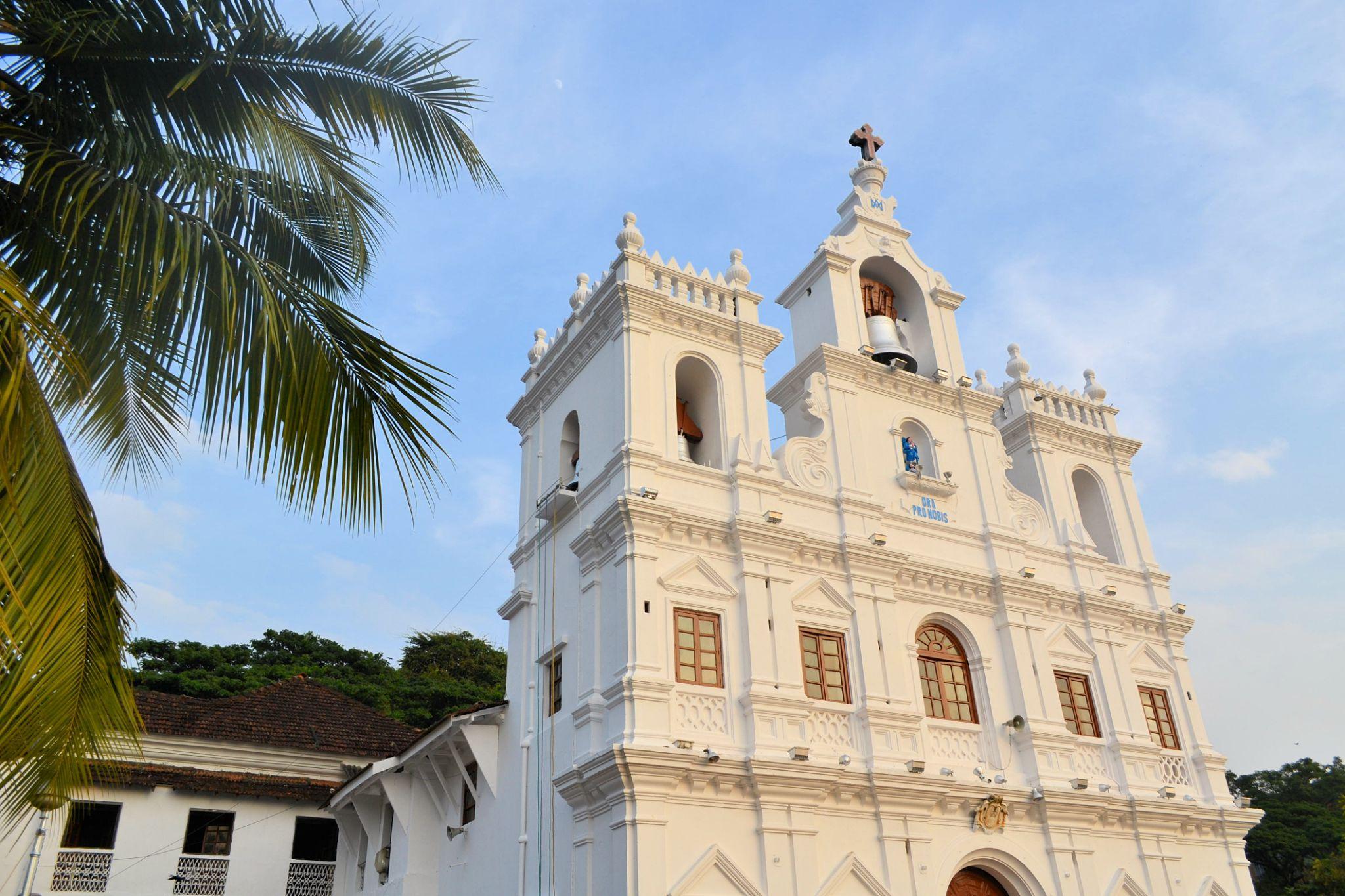
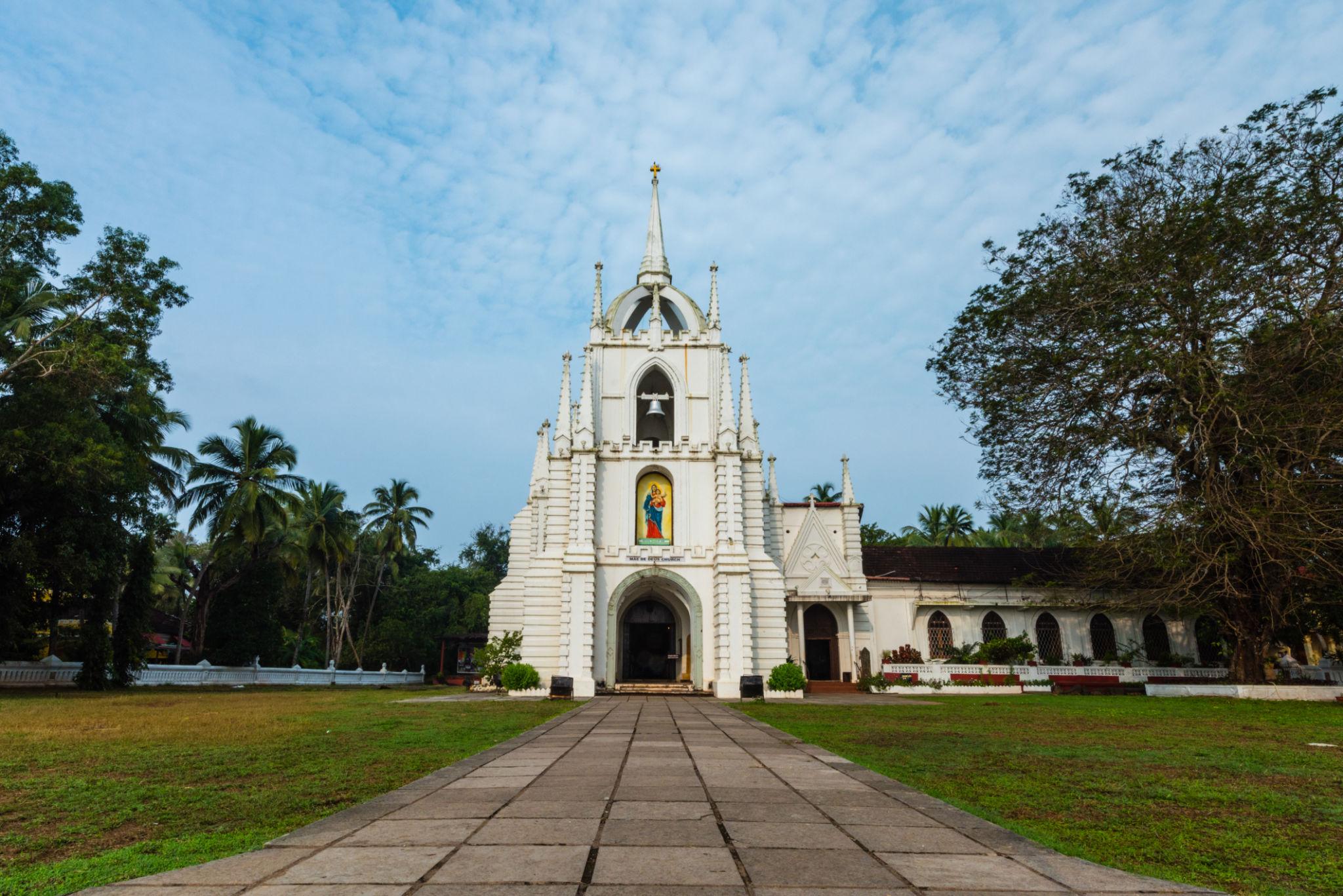
Located in the heart of the serene and picturesque village of Saligao, the Mae de Deus Church stands as one of the most breathtaking examples of Neo-Gothic architecture in Goa. While most Goan churches built during the Portuguese era follow the Baroque or Manueline styles—characterized by their heavy, rounded structures and ornate flourishes—the Mae de Deus Church is a striking departure. Its stark white exterior, pointed arches, and soaring spires give it an ethereal, fairytale-like appearance that captures the imagination of every traveler passing through North Goa.
The church is dedicated to the Mother of God (Mae de Deus) and serves as the spiritual anchor for the local community of Saligao. Known colloquially as the "Saligao Church," it is set against a backdrop of lush green fields and coconut groves, providing a sharp visual contrast that makes its pristine white walls pop. At night, the church is illuminated with a warm glow, transforming it into a glowing beacon that can be seen from a distance. It is not just a place of worship but a monument to Goan craftsmanship and the village’s deep-seated religious identity. For those seeking a spiritual retreat away from the crowded beaches of Calangute and Baga, this church offers a sanctuary of peace, history, and architectural brilliance.
The village of Saligao itself is often referred to as the "Village of the Foxes," and the church is the crown jewel of this historic settlement. Visitors are often struck by the sense of order and cleanliness surrounding the church grounds, reflecting the pride the local "Saligaonkars" take in their heritage. Whether you are an architecture enthusiast, a history buff, or a pilgrim, the Mae de Deus Church offers a profound sense of tranquility that is rare to find in the more commercialized parts of the state.
History & Religious Significance
The history of the Mae de Deus Church is as fascinating as its architecture. The current structure was inaugurated on November 26, 1873, but its origins trace back to the mid-19th century and involve a significant relocation of sacred artifacts. Before this church was built, the spiritual needs of the Saligao community were met by a smaller chapel. However, as the population grew, there was a pressing need for a larger parish church.
The most significant historical detail involves the miraculous statue of Mae de Deus. This statue originally belonged to the Convent of Mae de Deus in Daugim, near Old Goa. By the 19th century, the convent in Daugim had fallen into a state of ruin and decay. The Portuguese government and the ecclesiastical authorities decided to move the precious statue and other religious relics to a safer location. The people of Saligao, known for their devotion, petitioned to have the statue brought to their village. In a grand procession that is still remembered in local lore, the statue was transported to Saligao, marking the beginning of a new spiritual era for the village.
The construction of the church was a communal effort, funded largely by the local residents and the Goan diaspora who had moved to East Africa and other parts of the world. This collective effort is a testament to the strong community bonds that define Goan village life. The religious significance of the church is rooted in the belief that the Mother of God protects the village from calamities. Over the decades, the church has survived various political shifts and environmental challenges, remaining a steadfast symbol of faith for the Catholic community in Bardez. It stands today not just as a building, but as a living chronicle of the 19th-century Goan Catholic experience.
Architecture of Mae de Deus Church
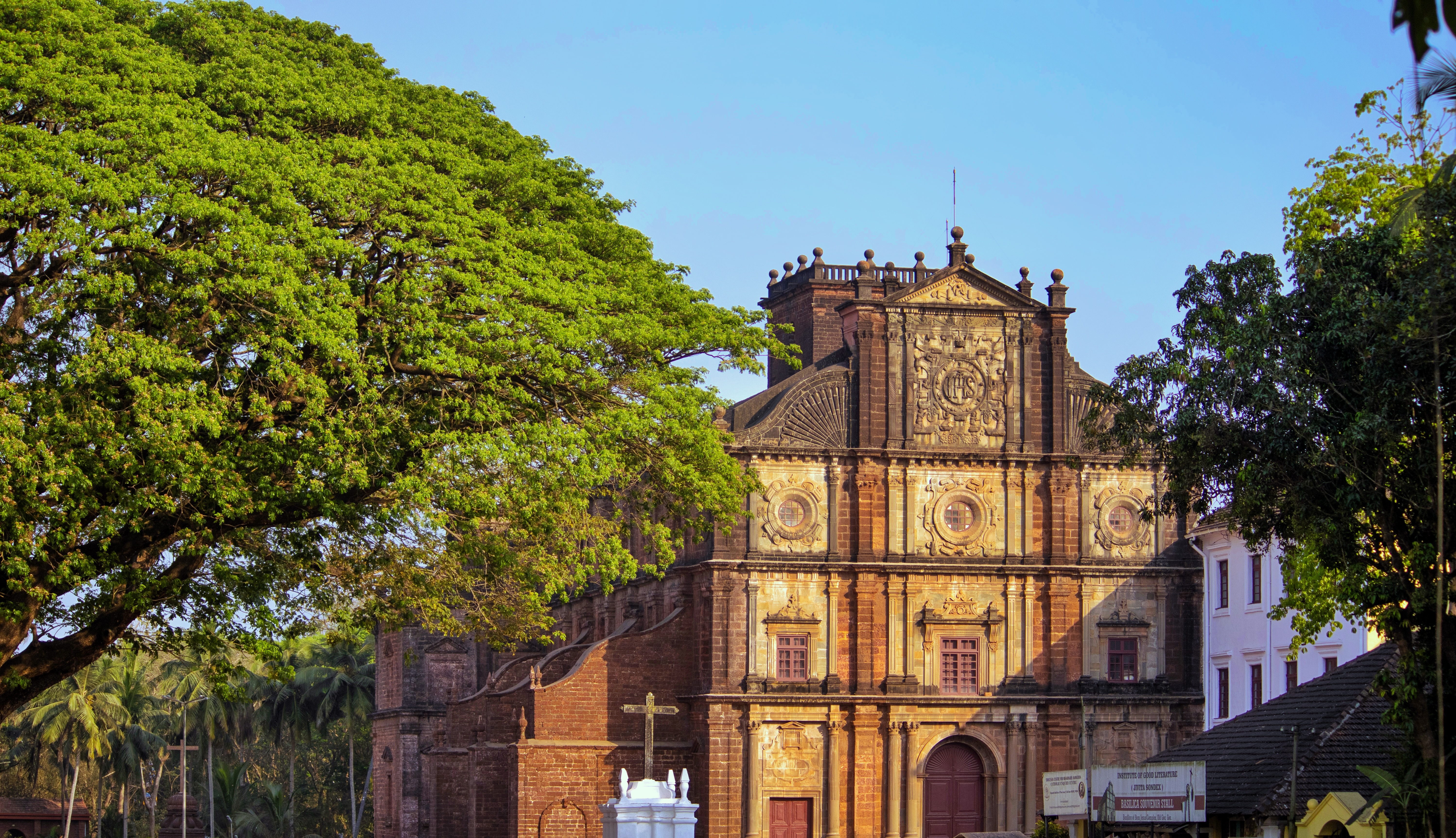
The architecture of the Mae de Deus Church is what truly sets it apart from the hundreds of other churches scattered across the Goan landscape. While the 16th and 17th centuries in Goa were dominated by the Iberian Baroque style, the late 19th century saw a brief but beautiful flirtation with Neo-Gothic design, of which this church is the finest example.
- The Exterior: The church features a series of sharp, pointed arches and numerous pinnacles that draw the eye upward toward the heavens. The facade is divided into several tiers, each decorated with intricate stonework. The use of flying buttresses, though primarily decorative here, mimics the grand cathedrals of Europe. The entire structure is finished in a brilliant white lime-wash, which is meticulously maintained by the parish.
- The Spires: The central bell tower and the flanking spires give the church its iconic silhouette. These spires are topped with crosses and are visible from several kilometers away, serving as a landmark for the entire Saligao valley.
- The Interior: Upon entering, visitors are greeted by a sense of verticality and light. The high vaulted ceilings are supported by slender columns, creating an airy atmosphere. The main altar is a masterpiece of gilded woodcarving, featuring the statue of Mae de Deus at its center. The gold leaf work on the altar is exceptionally detailed, reflecting the light from the large windows.
- The Pulpit: One of the most overlooked architectural gems inside the church is the wooden pulpit. It is intricately carved with floral motifs and religious symbols, showcasing the skill of Goan artisans who blended European styles with local craftsmanship.
- The Courtyard: The church is surrounded by a vast, well-manicured courtyard. The entrance is marked by a wide staircase and a gate that reflects the same Gothic sensibilities as the main building.
The choice of the Neo-Gothic style was likely influenced by the Romanticist movement that was sweeping through Europe at the time, which favored the revival of medieval forms. In the context of Goa, this style represented a modern, sophisticated approach to religious architecture during the twilight of the Portuguese Empire.
Main Deity / Spiritual Importance
The primary deity of the church is the Mother of God (Mae de Deus), a title for the Virgin Mary that emphasizes her role as the mother of Jesus Christ. The statue itself is a work of art, carved from wood and painted in traditional colors with gold accents. She is depicted holding the infant Jesus, symbolizing protection, maternal love, and divine grace.
For the people of Saligao, the Mae de Deus is more than just a religious figure; she is the patroness and guardian of the village. Local traditions suggest that the statue possesses miraculous powers, and many devotees share stories of prayers answered and illnesses cured after seeking her intercession. The spiritual importance is also reflected in the daily life of the villagers. The ringing of the church bells marks the rhythm of the day, calling the faithful to the Angelus and the evening Mass.
Spiritually, the church serves as a center for the Sacraments. It is the site of countless baptisms, weddings, and funerals, binding the community together across generations. The devotion to Mae de Deus is particularly strong among the youth and the elderly, who can often be seen sitting in quiet reflection in the peredows (pews) even outside of official Mass timings. The atmosphere inside the church is one of profound silence and reverence, inviting visitors to leave behind the noise of the world and engage in personal prayer or meditation.
Festivals & Celebrations
The liturgical calendar at Mae de Deus Church is vibrant, but the highlight of the year is undoubtedly the Feast of the Mother of God, celebrated on the first Sunday of May. This is a time when the village of Saligao truly comes alive, welcoming thousands of visitors and returning emigrants.
- The Novenas: The celebrations begin nine days before the feast with daily Novenas. Each day is organized by a different "vaddo" (ward) of the village, fostering a sense of healthy competition and community spirit. The Novenas involve special prayers, hymns in Konkani, and traditional brass band music.
- The Feast Day: On the day of the feast, a grand High Mass is celebrated, often presided over by the Archbishop or senior clergy. The church is decorated with thousands of fresh flowers, and the statue of Mae de Deus is adorned with jewelry and fine silk.
- The Procession: Following the Mass, a solemn procession takes place. The statue is carried on a decorated palanquin through the streets of Saligao, accompanied by the clergy, the confraria (confraternity) in their traditional capes, and the local brass band playing somber yet uplifting melodies.
- The Feria (Fair): Like any Goan feast, the religious ceremonies are followed by a lively fair. Stalls are set up selling traditional Goan sweets like khaje, laddoos, and gram. You will also find stalls selling copperware, household items, and toys.
- Cultural Programs: In the evenings, the church square often hosts cultural programs, including Tiatr (traditional Goan musical theater), dances, and musical performances by local talent.
- Christmas and Easter: These major Christian festivals are also celebrated with great fervor. During Christmas, the church is beautifully lit, and a large crib is constructed by the local youth, often winning prizes in state-wide competitions.
Best Time to Visit
The best time to visit Mae de Deus Church depends on what you wish to experience. However, from a weather and aesthetic perspective, the following periods are recommended:
- November to February (The Winter Season): This is the peak tourist season in Goa. The weather is pleasant, with cool mornings and evenings, making it ideal for exploring the church grounds and the surrounding village. The clear blue skies provide the perfect backdrop for photography.
- The Month of May: If you want to experience the local culture and the religious fervor of the village, visit during the first week of May for the Annual Feast. Be prepared for the heat, but the cultural richness of the event is worth it.
- The Monsoon (June to September): While travel can be tricky, the church takes on a mystical quality during the rains. The surrounding fields turn a vibrant emerald green, and the white church stands out dramatically against the dark monsoon clouds. It is a very peaceful time with fewer tourists.
- Late Evening: Regardless of the month, visiting around 6:30 PM or 7:00 PM is highly recommended. This is when the church is illuminated with floodlights, highlighting its Gothic features and making it look like a glowing palace.
Timings, Entry Fee & Dress Code
To ensure a respectful and smooth visit, please keep the following logistical details in mind:
- Timings: The church is generally open to visitors from 9:00 AM to 12:30 PM and from 3:00 PM to 5:00 PM. These timings may vary on Sundays and during special feast days when religious services are in progress.
- Mass Timings:
- Weekdays: 7:00 AM and 8:00 AM (Konkani).
- Sundays: 7:00 AM, 8:30 AM (Konkani), and 10:00 AM (English - check locally for seasonal changes).
- Entry Fee: There is no entry fee to visit Mae de Deus Church. It is a place of worship open to people of all faiths. However, donations for the maintenance of the church are always welcomed.
- Dress Code: As this is a sacred religious site, a modest dress code is strictly enforced.
- Men should avoid sleeveless shirts and short shorts.
- Women are expected to cover their shoulders and avoid short skirts or revealing clothing.
- Removing hats and caps inside the church is mandatory.
How to Reach Mae de Deus Church
Mae de Deus Church is centrally located in North Goa, making it easily accessible from various major hubs. Saligao is situated between the busy coastal belt and the commercial town of Mapusa.
- From Panjim (State Capital): The church is approximately 10-12 km from Panjim. You can take a taxi or a local bus heading towards Mapusa or Calangute via Saligao. The drive takes about 20-30 minutes via the Betim-Verem road.
- From Calangute/Baga: If you are staying in the beach belt, the church is just 4-5 km away. A short ride by scooter or auto-rickshaw will get you there in about 10 minutes.
- From Mapusa: The church is about 6 km from Mapusa. Regular buses ply between Mapusa and Calangute that pass through Saligao.
- From Dabolim Airport: The airport is roughly 38 km away. A pre-paid taxi from the airport is the most convenient option and takes about an hour.
- From Manohar International Airport (Mopa): The new airport is approximately 30 km away. Taxis and airport shuttle buses are available.
- By Scooter/Car: Renting a scooter or car is the most popular way to explore Goa. Simply put "Mae de Deus Church, Saligao" into your GPS; the roads are well-marked and scenic.
Things to Do
While the church is the main attraction, there are several activities you can engage in to make your visit more fulfilling:
- Attend a Mass: Even if you are not Catholic, attending a Mass is a great way to experience the local culture and hear the beautiful Konkani hymns. The 10:00 AM Sunday Mass is often in English.
- Photography: The exterior of the church is a photographer's dream. Capture the symmetry of the Gothic arches and the towering spires. The golden hour (just before sunset) provides the best natural lighting.
- Walk through Saligao Village: Saligao is one of Goa's most beautiful "model villages." Take a walk through the narrow lanes to see well-preserved Indo-Portuguese ancestral houses with their colorful facades and intricate balcaos (porches).
- Spot the "Fox": Look for the fox statue in the village square. The village is famously associated with foxes, and there are several local legends explaining why.
- Quiet Meditation: The interior of the church is incredibly peaceful. It is a perfect spot for those looking to spend some time in silent reflection or meditation.
- Night Viewing: Return to the church after dark to see it illuminated. The lighting design is spectacular and gives the building a completely different character than during the day.
Nearby Attractions
Saligao’s central location means you can easily combine your visit to Mae de Deus Church with other nearby landmarks:
- Museum of Goa (MOG): Located just a few kilometers away in Pilerne, this contemporary art space founded by artist Subodh Kerkar is a must-visit for art lovers. It tells the history of Goa through modern art installations.
- Calangute and Baga Beaches: The most famous beaches in North Goa are just a 10-minute drive away. You can go from the spiritual quiet of the church to the buzzing energy of the coast in no time.
- Mapusa Friday Market: If you visit on a Friday, head to Mapusa (6 km away) to experience a traditional Goan bazaar. It’s the best place to buy local spices, sausages (chorizo), and handicrafts.
- Houses of Goa Museum: Located in nearby Torda, this unique museum designed by architect Gerard da Cunha explores the evolution of Goan residential architecture.
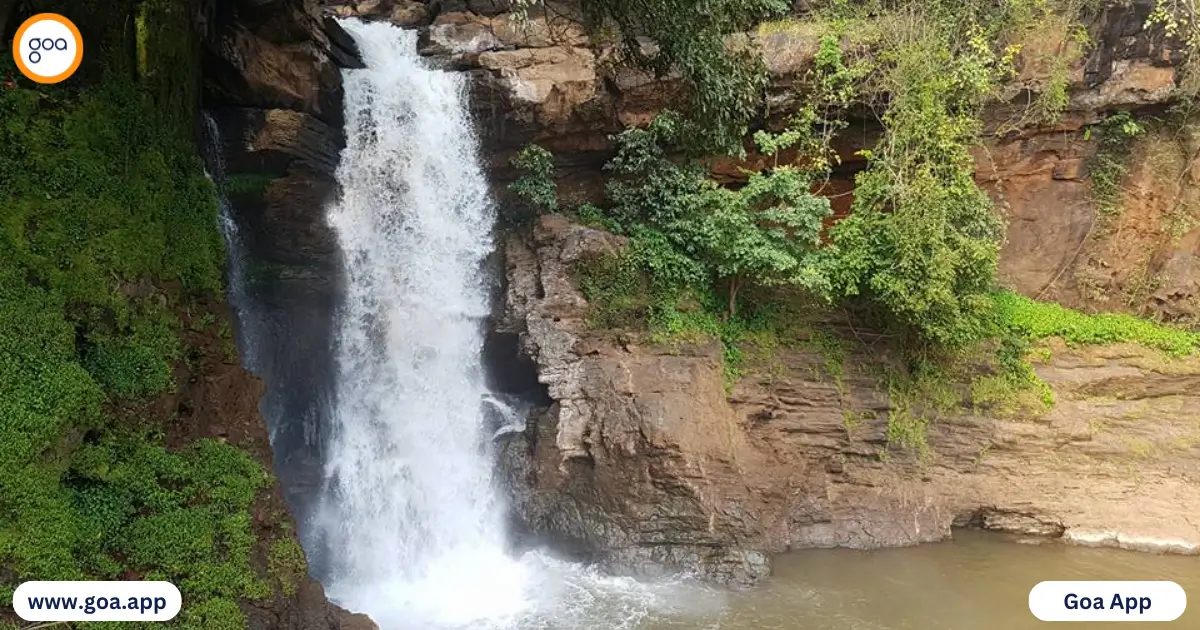
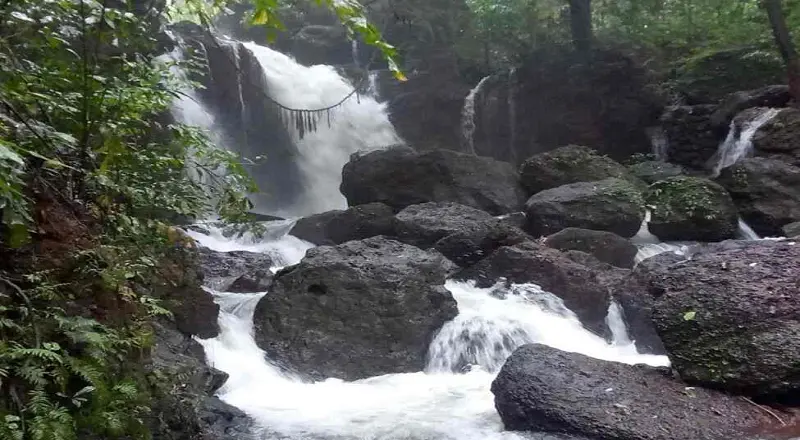
- Salmona Spring: A local hidden gem in Saligao, this natural spring is believed to have medicinal properties and is a favorite spot for locals to take a refreshing dip.
Photography & Visitor Guidelines
To maintain the sanctity of the Mae de Deus Church and ensure a positive experience for everyone, please adhere to these guidelines:
- Respect the Service: Strictly no photography or videography is allowed inside the church during a Mass or any other religious service. If you wish to take photos of the interior, do so when no service is in progress.
- Silence is Golden: Maintain silence inside the church. Even if you are visiting as a tourist, remember that others are there to pray.
- No Flash Photography: Avoid using flash inside the church as it can damage the delicate gold leaf on the altars and distract other visitors.
- Do Not Touch: Refrain from touching the statues, altars, or any religious artifacts. These are centuries-old and very fragile.
- Littering: The church grounds are kept impeccably clean. Please use the bins provided and do not leave any trash behind.
- Drones: The use of drones for photography requires prior permission from the parish priest. Flying drones over the church during services is strictly prohibited.
Where to Eat Nearby
Saligao and the surrounding areas offer some of the best culinary experiences in North Goa, ranging from traditional Goan eateries to trendy cafes:
- Florentine: Located in Saligao, this legendary restaurant is famous for its Chicken Cafreal. It is a must-visit for anyone looking to taste authentic Goan-Portuguese flavors.
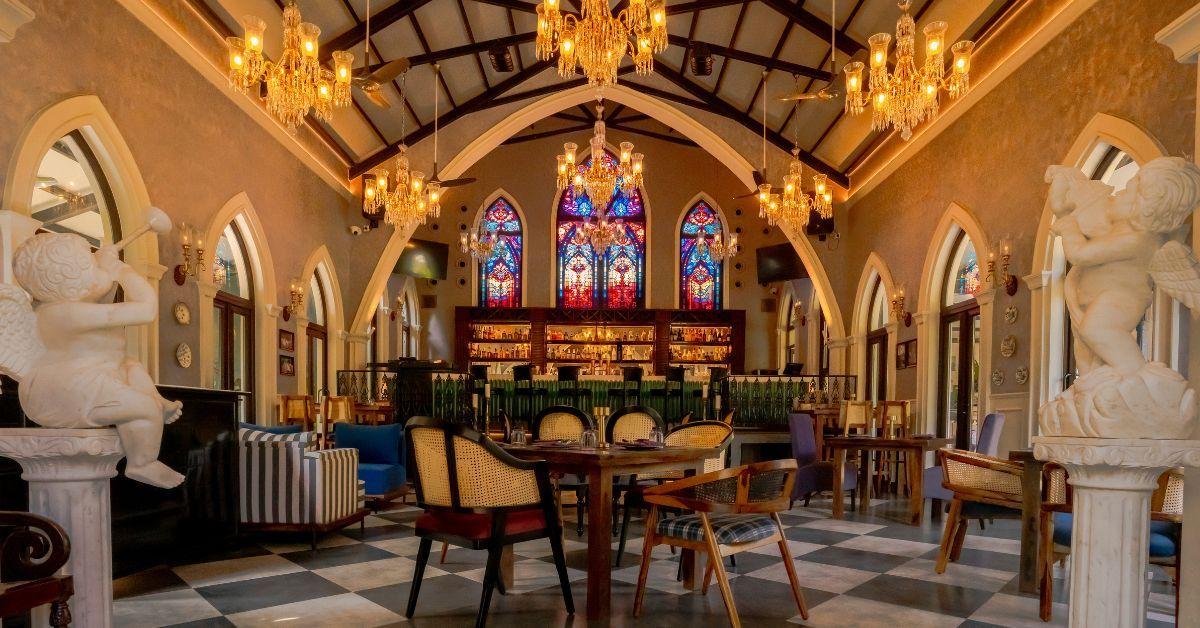
- Cantare: A charming tavern-style restaurant in Saligao known for its live music, great cocktails, and a mix of Goan and continental food. It has a very soulful, local vibe.
- Morgan’s Place: A quirky, Alice in Wonderland-themed cafe nearby that offers great pizzas, pastas, and desserts. It’s a favorite among the younger crowd.
- Baba’s Wood Cafe: Located on the road to Panjim, this place serves some of the most authentic Italian food in Goa, including wood-fired pizzas.
- Local Tavernas: For an authentic experience, stop at one of the small village bars (tavernas) for a glass of Urrack or Feni accompanied by some spicy "fish fry."
Accommodation Nearby
If you wish to stay close to the church and experience the quiet life of a Goan village, there are several excellent options:
- Boutique Guest Houses: Saligao is home to several beautifully restored ancestral homes that now function as boutique stays. Look for places like The Saligao Society or Arpora Hills nearby.
- Luxury Resorts: Since Calangute and Arpora are close by, you can stay at high-end resorts like Hilton Goa Resort or DoubleTree by Hilton, which are just a short drive from the church.
- Homestays: For a more budget-friendly and personal experience, consider a local homestay. This allows you to interact with Goan families and enjoy home-cooked meals.
- Eco-Stays: The nearby Pilerne and Saligao plateau areas offer eco-friendly stays that focus on sustainability and nature.
Travel Tips
To make the most of your visit to Mae de Deus Church, keep these tips in mind:
- Hydration: Goa can be very humid. Carry a bottle of water with you, especially if you plan to walk around the village.
- Footwear: Wear comfortable walking shoes. While you can wear sandals, you will be doing a bit of walking if you explore the church grounds and the village.
- Local Etiquette: Goans are very friendly but also value their privacy and traditions. Always ask for permission before taking photos of people or their private homes.
- Transport: While buses are cheap, they can be crowded. Renting a scooter is the most efficient way to get around Saligao and nearby areas.
- Combine Visits: Since the church is small, you don't need more than 45-60 minutes here. Plan to visit the Museum of Goa or Calangute Beach on the same trip.
- Check the Calendar: Before visiting, check if there are any local feast days or public holidays, as the church might be busier than usual.
Conclusion
The Mae de Deus Church is much more than just a stop on a North Goa sightseeing tour. It is a testament to the unique cultural synthesis that defines Goa—a place where European Neo-Gothic architectural dreams were realized through the hands of local Goan craftsmen. Its soaring white spires and serene interior offer a glimpse into the deep spiritual heart of the village of Saligao.
Whether you are drawn by the history of the miraculous statue from Daugim, the aesthetic beauty of its pointed arches, or the simple desire for a moment of quiet reflection, the church never fails to leave a lasting impression. It stands as a reminder of a bygone era, yet remains a vibrant, living part of modern Goan life. As you leave the church grounds and head back toward the bustling beaches or the quiet hills, the image of this "white castle" will likely stay with you, serving as a highlight of your Goan journey. Make sure to include this architectural marvel in your itinerary for a truly well-rounded experience of the Pearl of the Orient.