Overview of Kathamgal Dada Temple
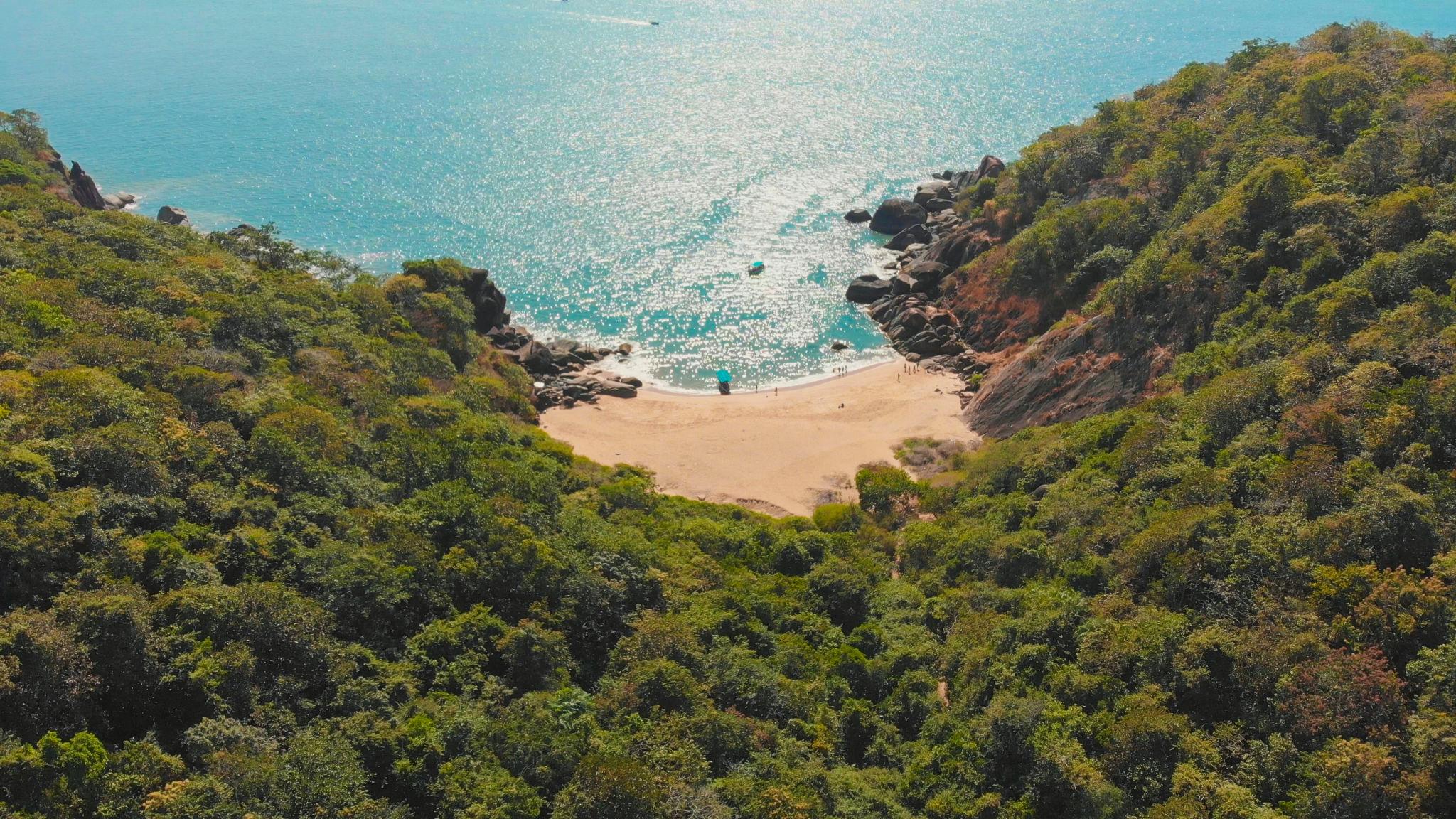
Deep within the emerald embrace of Goa’s hinterlands, far removed from the neon lights of the coastal party hubs and the bustling tourist corridors of Calangute and Baga, lies a sanctuary of profound peace and ancient energy: the Kathamgal Dada Temple. This sacred site is not merely a structure of bricks and mortar; it is the spiritual heartbeat of its surrounding village, serving as a living testament to the unique folk traditions that define the "true" Goa. As a professional travel writer who has spent years traversing the winding red-soil paths of this coastal state, I find that places like Kathamgal Dada Temple offer a glimpse into the soul of the Konkan region—a soul that is deeply rooted in the worship of nature, ancestors, and guardian spirits.
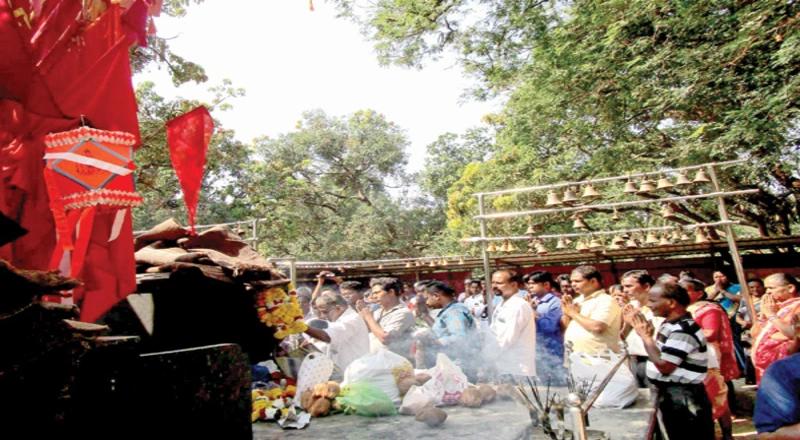
The temple is dedicated to Kathamgal Dada, a deity revered as a Rakhandar or a divine protector of the land. In the Goan spiritual landscape, the concept of the protector is paramount. While the grand temples of Ponda showcase the architectural influence of various dynasties, the village shrines like Kathamgal Dada resonate with a raw, primal connection to the earth. Visitors to this temple are often struck by the immediate sense of stillness that descends upon them. The air here feels different—thick with the scent of damp earth, wild jasmine, and the lingering smoke of incense sticks. It is a place where time slows down, allowing the modern traveler to reconnect with a sense of wonder and reverence that is often lost in the chaotic pace of contemporary life.
Top Goa Experience • Part 1
Highly Recommended Near Kathamgal Dada Temple
Explore All
For those seeking an authentic cultural experience, the Kathamgal Dada Temple represents the quintessential Goan village experience. It is surrounded by lush cashew plantations, towering coconut palms, and the vibrant greenery of the Western Ghats' foothills. The temple serves as a communal hub where local traditions are preserved with fierce devotion. Whether you are a spiritual seeker, a history enthusiast, or a photographer looking to capture the unfiltered essence of rural India, this temple provides a narrative that is both deeply personal and universally resonant. It is a destination that demands patience and respect, rewarding the mindful traveler with a profound sense of clarity and peace.
History & Religious Significance
The history of Kathamgal Dada Temple is woven into the rich tapestry of Goan folklore and oral traditions. Unlike many Western historical sites with meticulously documented dates and architects, the origins of this temple are found in the stories passed down through generations of village elders. The deity, Kathamgal Dada, is considered a Gramdevta (village deity) and a Rakhandar (protector). According to local legends, the spirit of "Dada" (which translates to elder brother or respected elder) has watched over the village for centuries, ensuring the prosperity of the crops, the safety of the livestock, and the well-being of every household.
Recommended Guide
10 Interesting Facts About Goa That Will Blow Your Mind
Discover 10 fascinating facts about Goa from Portuguese history & architecture to hidden beaches, cheap alcohol secrets, and more.
Read Guide →
Historically, the worship of such guardian spirits predates the arrival of formal Brahmanical traditions in the region. These are the "Mool" or original deities of the land, often associated with specific natural landmarks like ancient trees, water bodies, or rock formations. Over time, as the socio-religious fabric of Goa evolved, these guardian spirits were integrated into the broader Hindu pantheon, yet they retained their distinct local identity. The Kathamgal Dada Temple stands as a symbol of this continuity. It survived the periods of colonial upheaval, where many indigenous shrines were hidden or protected by the local community to preserve their ancestral heritage. This resilience has made the temple a symbol of cultural identity for the local population.
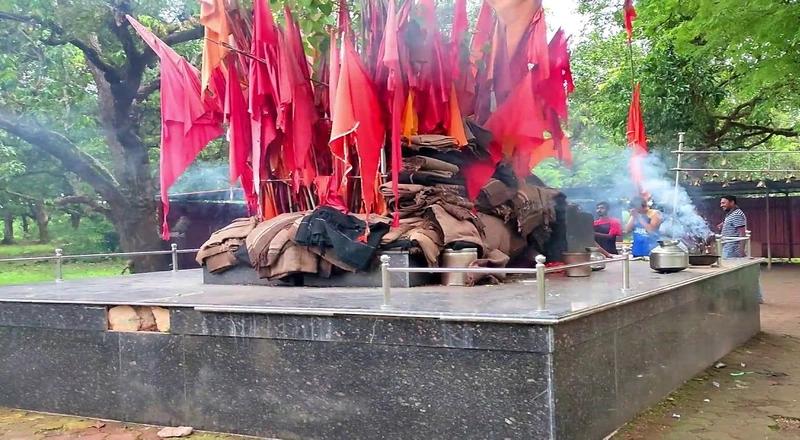
The religious significance of the temple lies in its role as the ultimate arbiter of justice and protection. In the local belief system, Kathamgal Dada is not a distant god but an active presence. It is common for villagers to seek "Kaul" (divine permission or guidance) before making major life decisions, such as a wedding, building a house, or starting a business. The ritual of Prasad Lavne, where flower petals are placed on the deity’s idol and their falling is interpreted as a "yes" or "no" from the divine, is a practice that continues to this day with unwavering faith. This direct, conversational relationship between the devotee and the deity is what makes the spiritual atmosphere of Kathamgal Dada Temple so uniquely intimate and powerful.
Recommended Guide
North Goa vs South Goa: Which is Better for Your Goa Trip?
Goa is India's most popular beach destination and attracts millions of domestic and international tourists every year. One of the most common questions tra...
Read Guide →
Architecture of Kathamgal Dada Temple
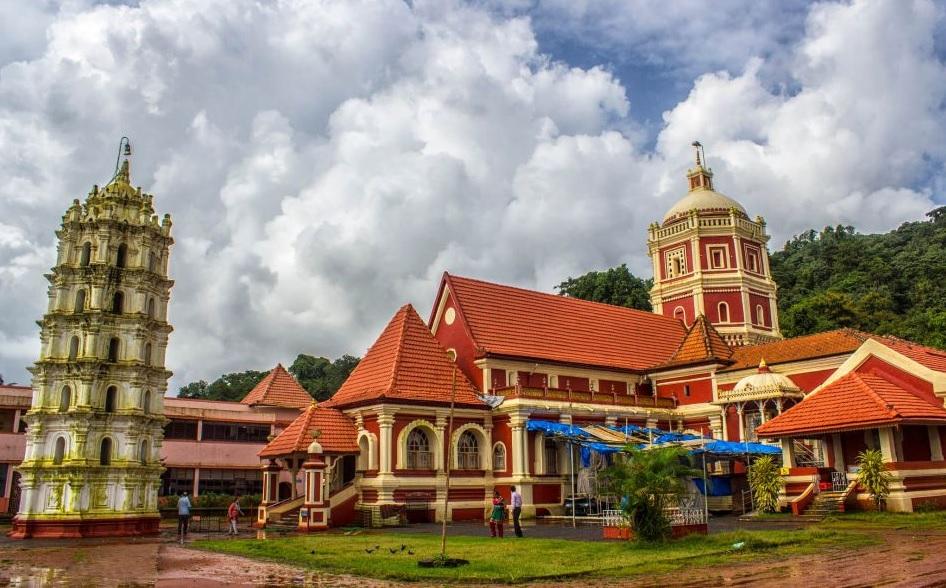
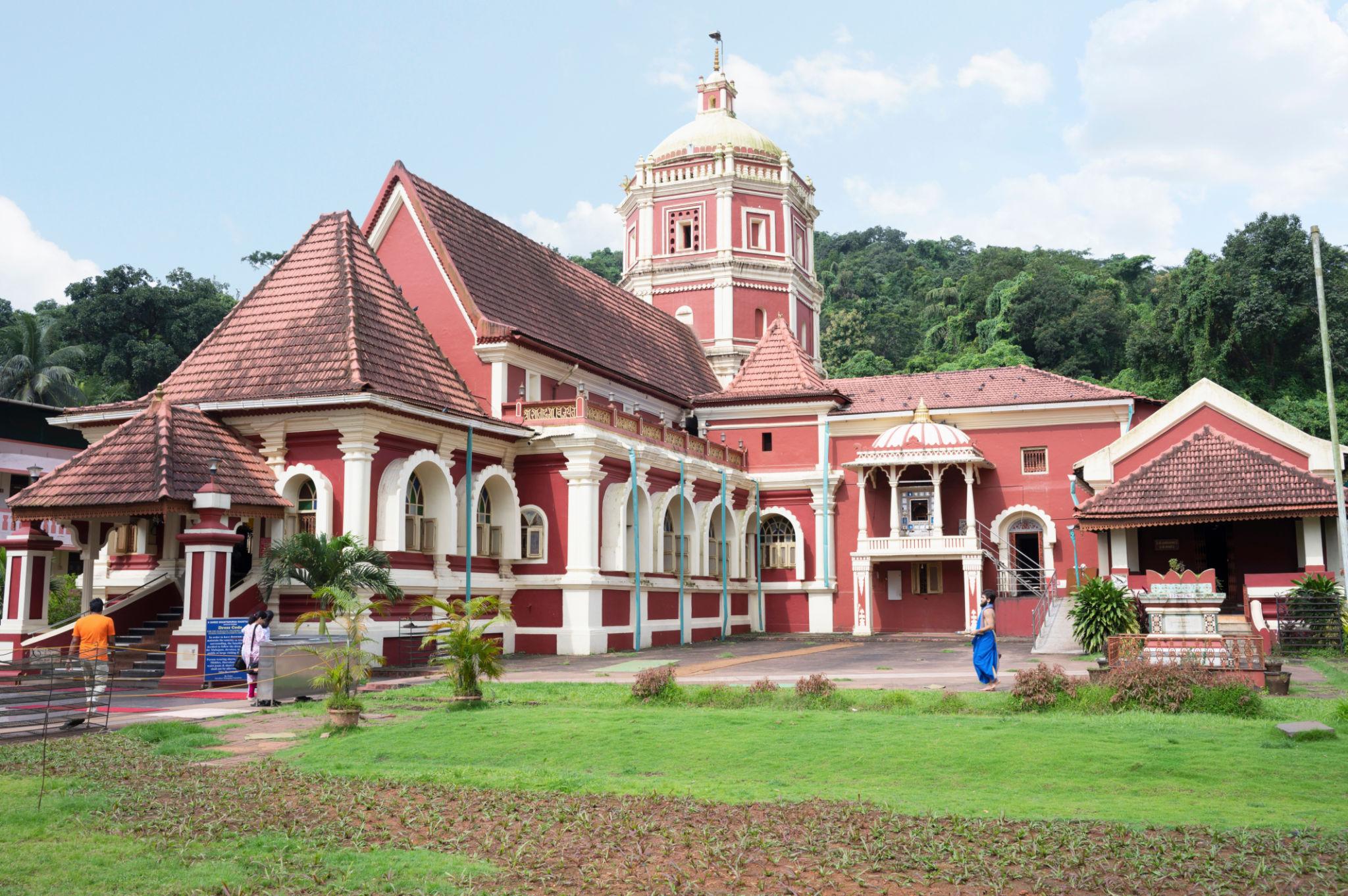
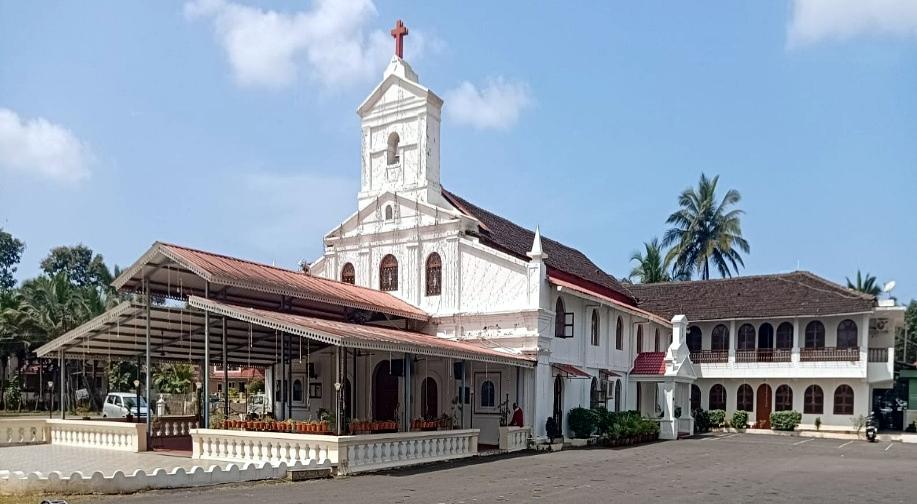
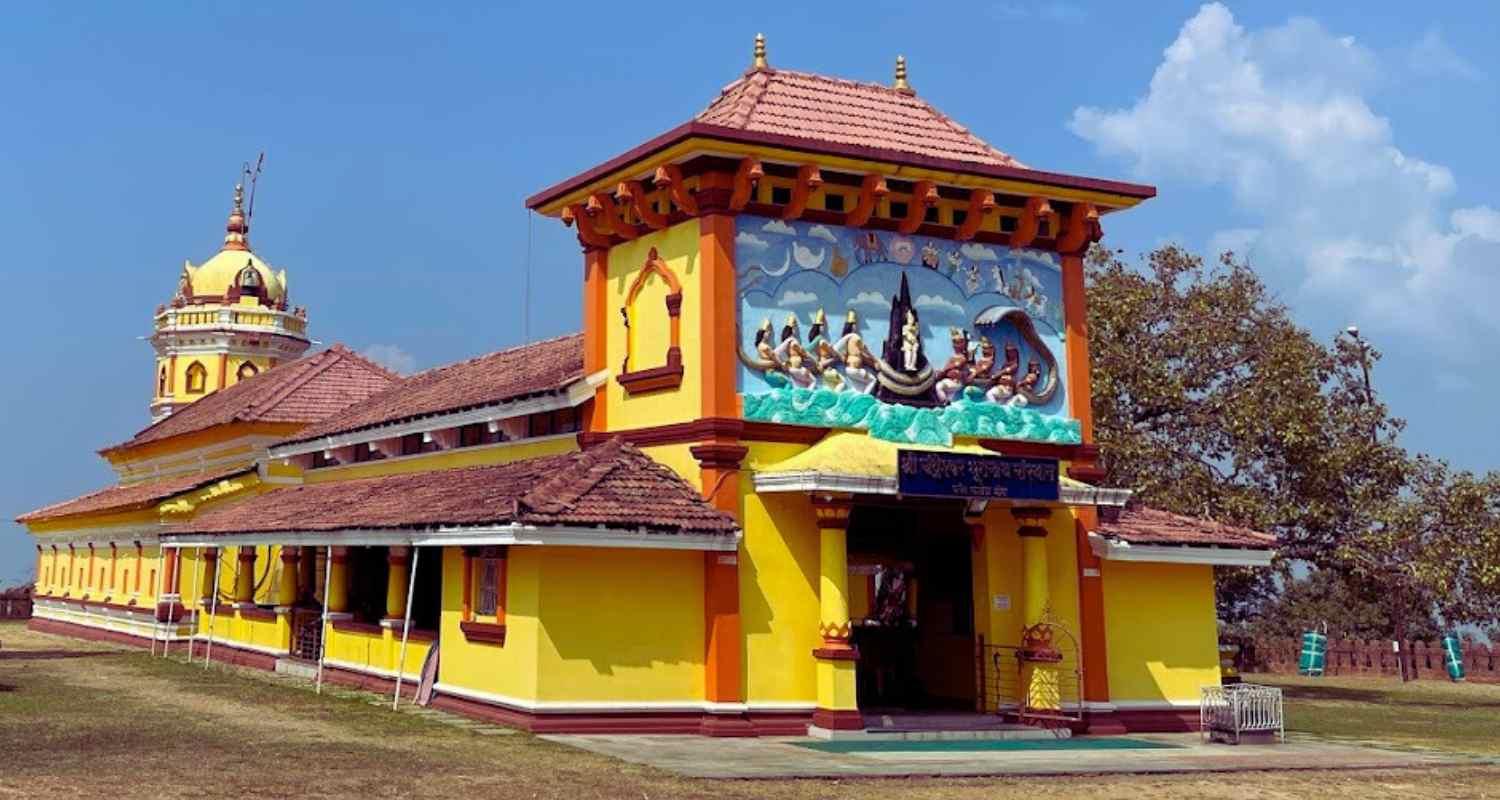
The architecture of Kathamgal Dada Temple is a beautiful reflection of the traditional Goan-Hindu style, which blends indigenous Konkan elements with subtle influences from the surrounding regions. As you approach the temple, the first thing that catches the eye is the use of local laterite stone (Chira). This porous, reddish stone is the literal foundation of Goan architecture, known for its durability and its ability to keep interiors cool during the sweltering tropical summers. The temple structure is typically characterized by a sloping roof covered with traditional red Mangalore tiles, designed to shed the heavy monsoon rains that lash the region every year.
The layout of the temple follows the classic Mandapa-Garbhagriha structure. The Mandapa, or the outer hall, is usually an open or semi-open space supported by sturdy pillars. These pillars are often carved with intricate motifs of lotus flowers, geometric patterns, and depictions of local flora. This area serves as a gathering space for devotees to sit in meditation or participate in communal singing (Bhajans). Moving inward, one encounters the Garbhagriha (sanctum sanctorum), the most sacred part of the temple where the idol of Kathamgal Dada resides. The entrance to the sanctum is often adorned with polished brass or silver plating, reflecting the light of oil lamps to create a mystical, ethereal glow.
Recommended Guide
Best Less Crowded Beaches in South Goa
South Goa is famous for its peaceful beaches, natural beauty, clean coastline, and relaxed atmosphere. While North Goa attracts thousands of tourists every...
Read Guide →
One of the most striking features of the temple complex is the Deepastambha, or the lamp tower. This multi-tiered stone structure stands tall in the courtyard, and during festivals, it is illuminated with hundreds of oil lamps, creating a breathtaking spectacle of light. Additionally, the temple is often surrounded by a Devrai or a sacred grove. These are patches of ancient forest preserved in the name of the deity. The presence of the Devrai ensures that the temple architecture is never isolated from nature; instead, the man-made structure and the natural world exist in a harmonious symbiosis. The Tulsi Vrindavan, a decorative pedestal for the holy basil plant, is another essential architectural element found in the courtyard, symbolizing the presence of the divine feminine alongside the guardian spirit of Dada.
Top Goa Experience • Part 2
Highly Recommended Near Kathamgal Dada Temple
Explore All
Main Deity / Spiritual Importance
The main deity of the temple, Kathamgal Dada, is a figure of immense spiritual authority and paternal warmth. In the Konkani language, the term "Dada" evokes a sense of respect, protection, and elder leadership. Unlike the complex iconography of the major Vedic gods, the representation of Kathamgal Dada is often simpler and more grounded. In many such shrines, the deity might be represented by a beautifully carved stone idol depicting a warrior-like figure, or in some older traditions, a symbolic rock or a wooden pillar. The focus is not on the opulence of the idol, but on the Prana or the life-force that is believed to inhabit it.
The spiritual importance of Kathamgal Dada extends beyond the individual to the entire community. He is viewed as the Rakhandar—the one who patrols the village boundaries at night. Local folklore is filled with stories of people hearing the rhythmic sound of a horse’s hooves or seeing a tall, luminous figure walking through the cashew groves after midnight; these are believed to be the nightly rounds of Kathamgal Dada, ensuring that no evil enters his domain. This belief creates a profound sense of security among the locals, who feel a personal connection to their protector.
For the spiritual seeker, the temple offers a unique form of energy. It is a place of Satvic (pure) vibrations, where the practice of Bhakti (devotion) is expressed through simple acts of faith. Offering a coconut, a garland of marigolds, or a simple oil lamp is considered enough to earn the deity's grace. The spiritual philosophy here is one of surrender and trust. It teaches that there is a higher power watching over us, a "Dada" who understands our struggles and provides a silent, steady support. This makes the temple a popular spot for those looking to find mental peace and a sense of belonging in an increasingly fragmented world.
Festivals & Celebrations
The Kathamgal Dada Temple comes alive with extraordinary fervor during its annual festivals, which are a riot of color, music, and communal spirit. The most significant event is the Zatra (annual feast/fair), which usually takes place during the winter months or early spring, depending on the Hindu lunar calendar. During the Zatra, the entire village gathers to celebrate their protector. The temple is decorated with intricate flower arrangements and strings of electric lights. The highlight of the Zatra is the Palkhi procession, where the deity is placed in a beautifully decorated palanquin and carried on the shoulders of devotees around the temple premises and through the village streets.
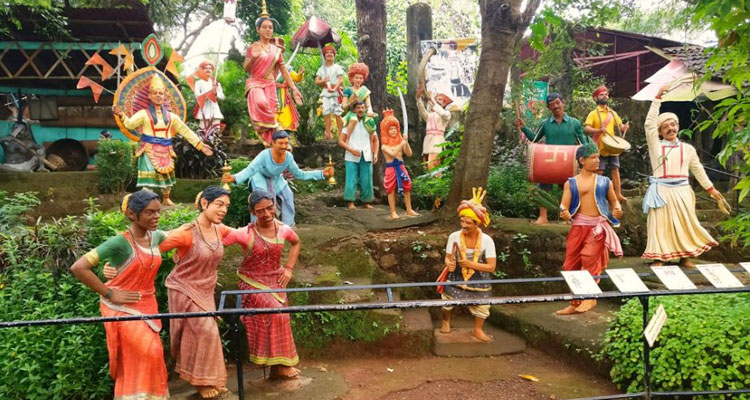
Another major celebration is Shigmo, Goa’s vibrant spring festival. Shigmo at Kathamgal Dada Temple is a sight to behold, featuring traditional folk dances like the Ghode Modni (horse dance) and the Romta Mel. Men dressed in colorful traditional attire, carrying large banners and umbrellas, dance to the thunderous beat of the Dhol and Tasha (traditional drums). The energy is infectious, and the air is filled with the chanting of traditional songs that narrate the exploits of the deity and the history of the land. These performances are not just entertainment; they are a form of ritual worship, a way of offering one’s physical energy to the divine.
Throughout the year, other festivals like Diwali, Ganesh Chaturthi, and the Vat Purnima are also celebrated with local variations. During Diwali, the Deepastambha is lit, turning the temple into a beacon of light in the dark Goan night. Special Abhishek (ritual bathing of the idol) and Mahaprasad (communal feast) are organized, where people from all walks of life sit together on the floor to share a simple, sanctified meal. These celebrations reinforce the social fabric of the village, breaking down barriers of caste and class in the presence of Kathamgal Dada.
Best Time to Visit
Choosing the best time to visit Kathamgal Dada Temple depends on what kind of experience you are seeking. For most travelers, the winter months (November to February) are ideal. During this period, the weather in Goa is pleasant, with clear blue skies and cool breezes. The humidity is low, making it comfortable to explore the temple grounds and the surrounding village. This is also the time when many Zatras and cultural festivals take place, providing a golden opportunity to witness the temple in its full glory.
However, if you want to experience the temple in its most atmospheric and lush state, the Monsoon season (June to September) is unparalleled. Goa transforms into a verdant paradise during the rains. The temple, surrounded by forests and plantations, becomes an island of green. The sound of rain falling on the tiled roof, the mist rolling over the hills, and the earthy fragrance of the soil create a meditative environment that is perfect for those who enjoy solitude and nature. While traveling during the monsoon requires a bit more planning due to heavy showers, the sheer beauty of the landscape makes it a rewarding experience for the soul.
The summer months (March to May) can be quite hot and humid, but they offer a different kind of charm. This is the season of the cashew harvest and the blooming of tropical flowers. The temple is quieter during this time, allowing for a more private and introspective visit. If you visit in the early morning or late evening, you can avoid the midday heat and enjoy the serene atmosphere. Regardless of when you choose to visit, aiming for the early morning hours (around 7:00 AM) is highly recommended, as you can witness the morning Aarti and experience the temple at its most peaceful before the day’s activities begin.
Timings, Entry Fee & Dress Code
To ensure a respectful and smooth visit to Kathamgal Dada Temple, it is important to be aware of the local customs and operational hours. Like most traditional Goan temples, the timings are centered around the ritual calendar. The temple typically opens early in the morning, around 6:00 AM, and remains open until 12:30 PM. It then closes for a few hours during the afternoon and reopens around 4:30 PM, remaining accessible until 8:30 PM. These timings may vary slightly during festival days, when the temple might stay open much later into the night.
There is no entry fee to visit the temple. It is a place of worship open to everyone, regardless of their background. However, it is customary to make a small donation in the Hundi (donation box) if you wish to contribute to the temple’s maintenance and the various social activities it supports. You can also purchase items for offerings, such as oil for the lamps or flowers, from small stalls that are occasionally set up near the entrance, especially during auspicious days.
The dress code is an essential aspect of visiting any religious site in Goa. Modesty is key. Both men and women are expected to wear clothing that covers their shoulders and knees. For women, a saree, salwar kameez, or a long skirt with a modest top is ideal. For men, trousers or traditional dhotis with a shirt are appropriate. Avoid wearing beachwear, shorts, or sleeveless tops, as this may be seen as disrespectful to the local community and the sanctity of the deity. Additionally, you must remove your footwear before entering the temple premises. Most temples have a designated area where you can safely leave your shoes.
How to Reach Kathamgal Dada Temple
Reaching Kathamgal Dada Temple is a journey through some of the most scenic parts of rural Goa. The temple is located in the hinterlands, typically associated with the North Goa districts like Bicholim or Sanquelim (the exact village may vary as "Kathamgal" refers to a specific locality). The most convenient way to reach the temple is by hiring a private taxi or driving a self-rented car or scooter. From Panaji, the capital city, the drive takes approximately 45 to 60 minutes, taking you through winding roads lined with palm trees and traditional Goan houses.
If you are coming from the coastal belt of North Goa (Calangute, Candolim, or Anjuna), the journey will take about an hour and fifteen minutes. The route usually involves driving towards Mapusa and then heading inland towards the Bicholim taluka. Using GPS is helpful, but don't hesitate to ask locals for directions once you get closer to the area; the Goan people are incredibly friendly and will be happy to guide you to "Dada's temple." The drive itself is a highlight, offering glimpses of the "other" Goa that many tourists miss.
For those using public transport, you can take a Kadamba bus (state-run) from Panaji or Mapusa to the nearest major town, such as Bicholim. From the Bicholim bus stand, you can hire an auto-rickshaw or a local "pilot" (motorcycle taxi) to take you the rest of the way to the temple. While this is a more budget-friendly option, it requires more time and patience. For international travelers or those unfamiliar with the local bus system, hiring a car for the day is the most comfortable and efficient way to explore this part of the state.
Things to Do
While the primary reason for visiting Kathamgal Dada Temple is spiritual, there are several activities that can enrich your visit. First and foremost is Meditation and Reflection. The temple’s quiet courtyard and the surrounding greenery provide the perfect environment to sit in silence, away from the digital distractions of modern life. Even if you are not religious, the peaceful energy of the space is conducive to mindfulness and inner peace. Spend some time watching the flickering oil lamps or listening to the rustle of the leaves in the sacred grove.
Another rewarding activity is Interacting with the Locals. The temple is a community space, and you will often find village elders sitting in the Mandapa. Engaging in a respectful conversation can yield fascinating stories about the temple’s history, local legends, and the way of life in the village. This is a great way to gain a deeper understanding of Goan culture beyond the surface-level tourist experiences. You might also witness local rituals like the Kaul Prasad, which is a fascinating cultural study in itself.
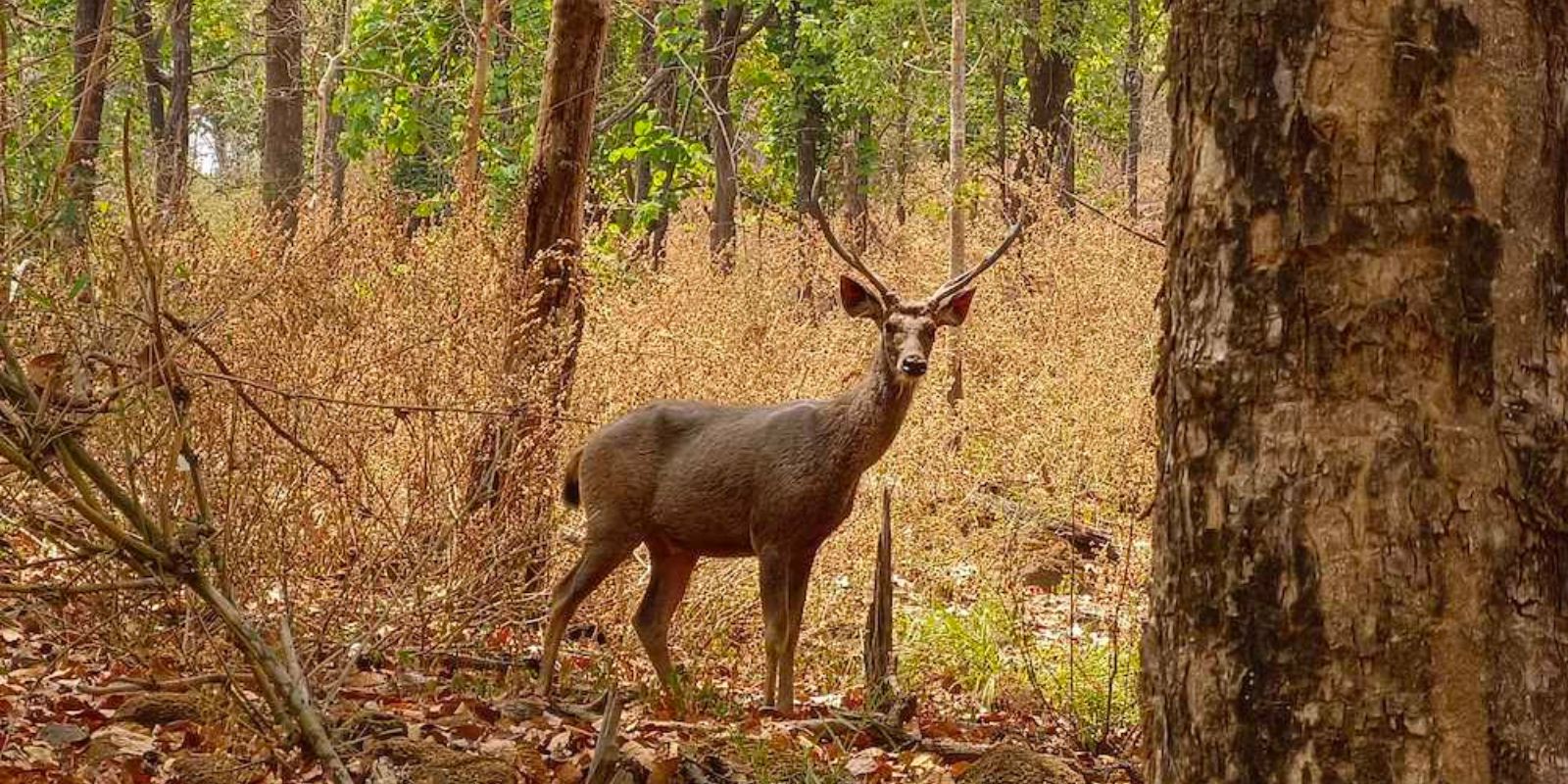
For nature lovers, Exploring the Sacred Grove (Devrai) is a must. These groves are biodiversity hotspots and are often home to ancient trees, rare medicinal plants, and various species of birds and butterflies. Walking mindfully through the grove allows you to appreciate the ecological wisdom of the ancestors who protected these forests in the name of the deity. Additionally, Photography (where permitted) is a great way to document the unique architecture and the play of light and shadow in the temple. However, always ensure you have permission before photographing people or the inner sanctum.
Nearby Attractions
A visit to Kathamgal Dada Temple can be easily combined with other attractions in the North Goa hinterland, making for a full day of exploration. One of the most popular nearby spots is Mayem Lake. This scenic lake offers paddle boating and is surrounded by rolling hills. It’s a great place for a picnic or a leisurely walk along the shore. The area around Mayem is also known for its traditional pottery, and you might find local artisans at work in the nearby villages.
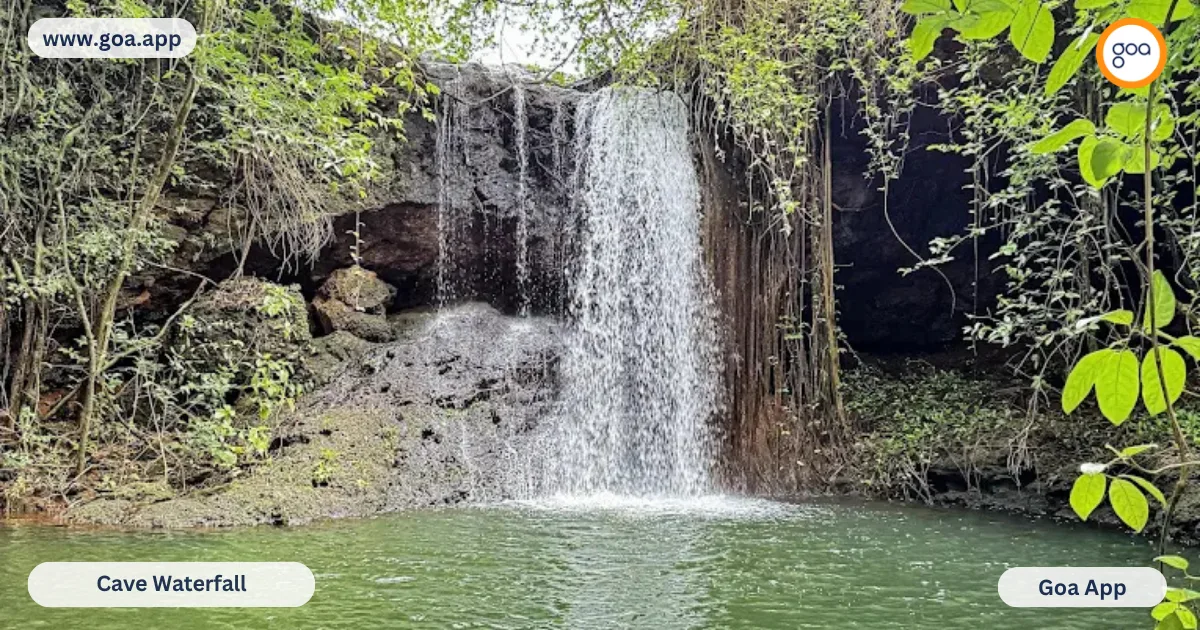
Another significant site is the Arvalem Caves and Arvalem Waterfall. The caves, also known as the Pandava Caves, are ancient rock-cut structures dating back to the 6th century. They offer a glimpse into the early Buddhist and Hindu history of the region. A short distance from the caves is the Arvalem Waterfall, which is particularly spectacular during and after the monsoon season. The sight of water cascading into a deep pool surrounded by lush greenery is truly rejuvenating. There is also a temple dedicated to Lord Rudreshwar located right next to the waterfall.
For those interested in more temples, the Saptakoteshwar Temple in Narve is another historical gem. It was rebuilt by the Maratha King Shivaji and is considered one of the most important Shiva temples in Goa. The architecture here is unique, featuring a shallow dome instead of the traditional Shikara. Exploring these nearby sites provides a comprehensive view of the religious and natural diversity of the Bicholim and Sanquelim regions, far removed from the typical beach itinerary.
Photography & Visitor Guidelines
When visiting Kathamgal Dada Temple, it is crucial to balance your desire to capture memories with the need to respect the sanctity of the site. Photography is generally allowed in the outer courtyards and the temple exterior. The textures of the laterite stone, the intricate carvings on the pillars, and the majestic Deepastambha make for excellent subjects. However, photography inside the Garbhagriha (inner sanctum) is strictly prohibited. This is the most sacred space, and the act of taking photos is seen as an intrusion into the divine presence. Always look for signs or ask the temple priest before taking out your camera.
As a visitor, you are a guest in a space that is deeply personal to the local community. Maintain silence as much as possible. Avoid loud conversations or playing music on your phone. If you are lucky enough to witness a ritual or a prayer ceremony, stand to the side and observe quietly without obstructing the devotees or the priests. If you wish to offer prayers, follow the lead of the locals—bow respectfully, offer your gifts with your right hand, and move in a clockwise direction (Pradakshina) around the deity or the temple.
Environmental consciousness is also a part of the visitor guidelines. The temple and its surrounding grove are pristine areas. Do not litter; if you have plastic bottles or wrappers, ensure you take them back with you or dispose of them in designated bins. Avoid touching the idols or the ancient trees in the sacred grove unless specifically permitted. By following these simple guidelines, you ensure that the temple remains a sanctuary for future generations and that your presence is welcomed by the local community.
Where to Eat Nearby
Exploring the hinterlands of Goa offers a chance to savor authentic Goan Saraswat and Hindu cuisine, which is quite different from the seafood-heavy fare found in coastal shacks. Near Kathamgal Dada Temple, you won't find fine-dining restaurants, but you will find small, family-run eateries and "Khanavals" (traditional dining halls) that serve delicious, home-cooked meals. Look for places in the nearby towns of Bicholim or Sanquelim.
A must-try is the Goan Veg Thali, which typically includes rice, a flavorful lentil preparation called Varann, a vegetable stir-fry (Bhaji) made with local produce like pumpkin or raw banana, a spicy and sour coconut-based gravy, and a cooling glass of Sol Kadi (a digestive drink made from kokum and coconut milk). The flavors are subtle yet complex, relying on fresh coconut, tamarind, and local spices. For breakfast, try the Patal Bhaji served with hot, fluffy buns or Pao—a staple in Goan villages.
If you are looking for something sweet, try the local Bebinca or Dodol if available, though these are more common in the Christian heartlands. In the Hindu areas, you are more likely to find Modaks or Mangane (a sweet dish made of chana dal, sago, and jaggery). For a quick snack, look for stalls selling Mirchi Bhajis (chili fritters) and hot tea. Eating at these local spots not only gives you a taste of the real Goa but also supports the local economy. Always opt for bottled water or carry your own to stay hydrated.
Accommodation Nearby
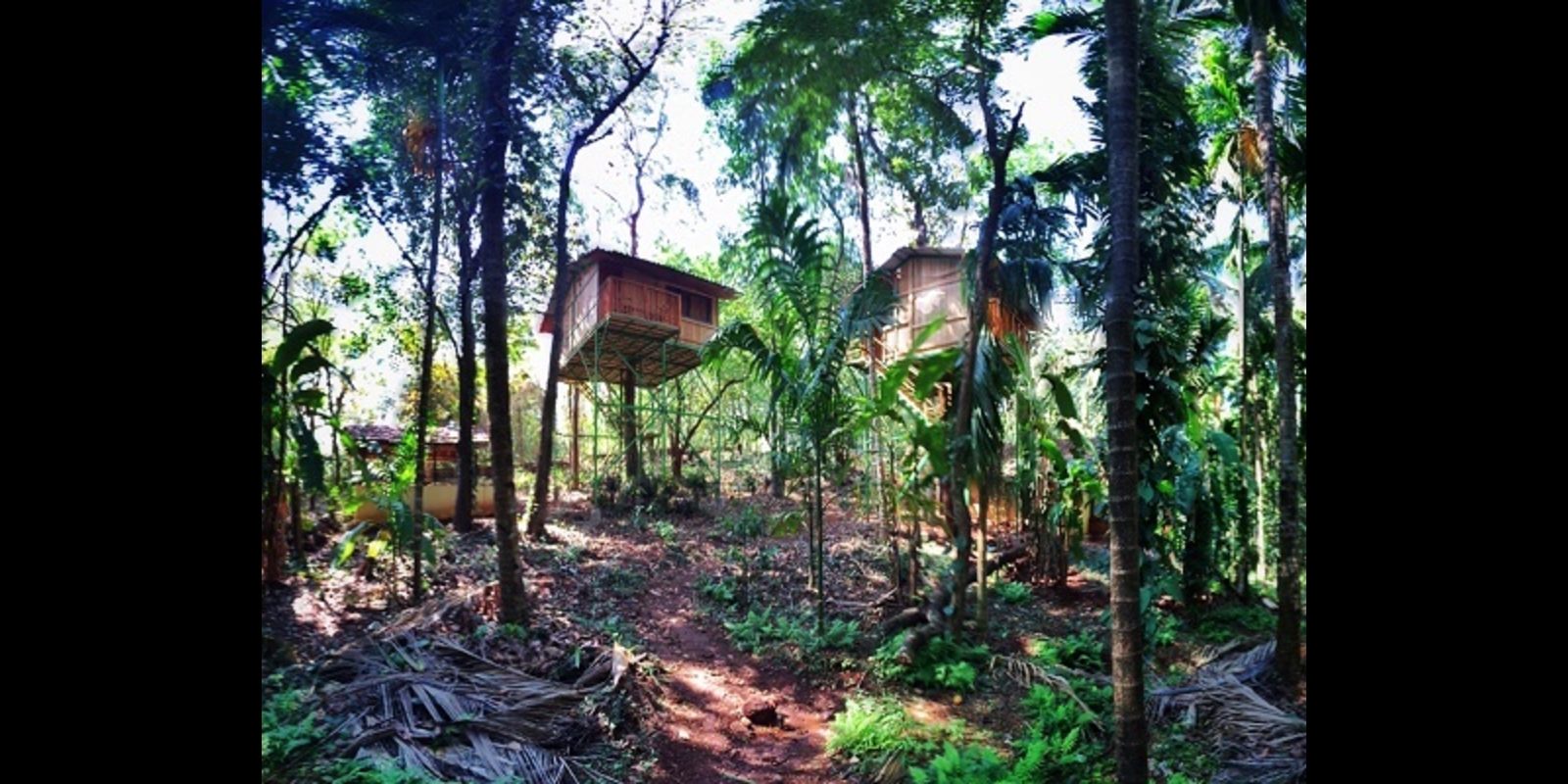
For those who wish to stay close to Kathamgal Dada Temple and immerse themselves in the rural charm of North Goa, there are several unique accommodation options. While you won't find large luxury resorts here, the area offers beautiful homestays and eco-resorts that focus on sustainability and local culture. Staying in a homestay allows you to experience Goan hospitality firsthand, often with the opportunity to enjoy home-cooked meals and learn about local traditions from your hosts.
In the nearby Mayem area, there are a few lake-view cottages and guest houses that offer a peaceful retreat. These are perfect for travelers who want to wake up to the sound of birds and the sight of the mist over the water. For a more heritage-focused experience, look for restored Goan villas in the surrounding villages. These properties often feature traditional architecture, high ceilings, and sprawling verandas, providing a glimpse into the lifestyle of the Goan landed gentry of the past.
If you prefer more conventional amenities, the town of Bicholim has a few budget hotels that provide clean and basic accommodation. Alternatively, many visitors choose to stay in the more developed areas of North Goa, like Assagao or Siolim, and make a day trip to the temple. These areas offer a wide range of boutique hotels and villas while still being within a reasonable driving distance (45-60 minutes) from the temple. Whichever you choose, booking in advance is recommended, especially during the peak winter season or festival times.
Travel Tips
To make the most of your visit to Kathamgal Dada Temple, here are some practical travel tips. First, start your day early. Not only is the weather cooler in the morning, but the temple rituals are most vibrant during the early hours. Second, carry sufficient cash. While digital payments are becoming more common in Goa, in the rural hinterlands and small village shops, cash is still the preferred mode of transaction. You may not find many ATMs in the immediate vicinity of the temple.
Third, stay hydrated. The Goan sun can be intense even in the winter. Carry a reusable water bottle and wear a hat or carry an umbrella for shade. Fourth, be mindful of your surroundings. The temple is located in a village area where people lead a quiet life. Respect their privacy and avoid wandering into private properties or plantations without permission. If you are driving yourself, be cautious on the narrow village roads, which can have sharp turns and occasional livestock crossings.
Finally, embrace the slow pace. A visit to Kathamgal Dada Temple is not something to be rushed. Allow yourself the time to sit, observe, and feel the atmosphere. Don't worry if you don't understand every ritual; the essence of the place is felt through the heart rather than the mind. Carry a small notebook or a sketchbook if you are inclined to document your thoughts or drawings. Most importantly, come with an open mind and a respectful heart, and you will find that the "Dada" of the village has a way of leaving a lasting impression on every visitor.
Conclusion
The Kathamgal Dada Temple is more than just a religious landmark; it is a gateway to the authentic, beating heart of Goa. In a state that is often pigeonholed as a mere beach destination, this temple stands as a reminder of a deeper, more ancient narrative. It is a place where the sacred and the natural converge, where the protector of the village continues to inspire faith and provide solace to those who seek it. From its sturdy laterite walls and its soaring lamp tower to the quiet rustle of its sacred grove, every element of the temple tells a story of resilience, tradition, and a profound connection to the land.
As you leave the temple and head back towards the coast or your next destination, you carry with you more than just photographs. You carry a sense of the "Susegad" spirit in its truest form—not just as laziness or relaxation, but as a deep-seated contentment and peace with the world. The Kathamgal Dada Temple offers a spiritual grounding that is rare in today’s fast-paced world. It invites us to slow down, to respect our roots, and to acknowledge the guardian spirits that watch over our own journeys, wherever they may lead.
Whether you are drawn by the architectural beauty, the cultural richness of the festivals, or the simple desire for a quiet moment of reflection, a visit to this temple is an essential experience for any discerning traveler to Goa. It is here, in the shade of the cashew trees and the glow of the oil lamps, that you truly discover the magic of the Konkan. So, the next time you find yourself in the land of sun, sand, and sea, take a detour into the green heart of the state and pay your respects to Kathamgal Dada—the elder brother and protector who has been waiting to welcome you home.