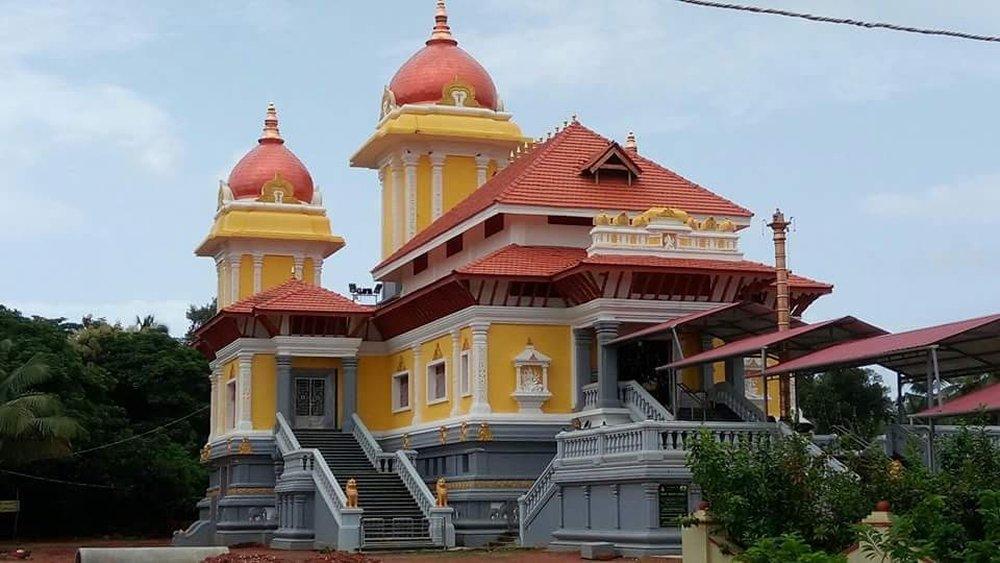
Siddhanath Temple

Siddhanath Temple

4.9 2,130 Verified
Temple South Goa

Quick Navigation

Explore sections of this guide

Overview of Siddhanath Temple

Nestled amidst the emerald landscapes of the Ponda taluka in Goa, the Siddhanath Temple stands as a beacon of spiritual serenity and historical grandeur. Located specifically in the village of Borim, this temple is not just a place of worship but a cultural landmark that embodies the soul of Hindu Goa. Ponda, often referred to as the "Antruz Mahal" or the heartland of Goan temples, provides the perfect backdrop for this ancient shrine dedicated to Lord Siddhanath, an incarnation of Lord Shiva. The temple is situated atop the verdant Siddhanath Hill, which is one of the highest points in the region, offering breathtaking panoramic views of the surrounding valleys, the winding Zuari River, and the dense tropical canopy that defines the Goan hinterland.

Unlike the bustling beaches of North Goa, the atmosphere surrounding the Siddhanath Temple is one of profound silence and meditative peace. It attracts a diverse array of visitors, ranging from devout pilgrims seeking divine blessings to nature lovers and history enthusiasts eager to explore Goa’s rich heritage beyond its coastline. The ascent to the temple is an experience in itself, as the winding roads lead you through traditional Goan hamlets, spice plantations, and patches of untouched forest. The air here is noticeably cooler and fresher, filled with the scent of wildflowers and the rhythmic sounds of nature. For anyone looking to understand the authentic spiritual fabric of Goa, a visit to the Siddhanath Temple in Borim is an essential pilgrimage that promises both inner peace and visual delight.

The temple serves as a vital communal hub for the local Gaud Saraswat Brahmin community and other local devotees who have preserved the traditions of this site for centuries. It is a place where time seems to slow down, allowing visitors to disconnect from the chaos of modern life and reconnect with the ancient rhythms of Vedic chants and traditional rituals. Whether you are visiting during a vibrant festival or on a quiet weekday afternoon, the Siddhanath Temple offers a unique glimpse into the "other side" of Goa—a side that is deeply rooted in faith, tradition, and a profound respect for the natural world.

History & Religious Significance

The history of the Siddhanath Temple is deeply intertwined with the Nath Sampradaya, a medieval movement in Hinduism that combined ideas from Buddhism, Shaivism, and Yoga traditions. The followers of this sect, known as "Naths" or "Siddhas," were wandering yogis who sought spiritual perfection through Hatha Yoga and meditation. Lord Siddhanath is considered a "Siddha" or a perfected being, and the temple marks a site where these ancient masters are believed to have meditated. Historical records and oral traditions suggest that the temple has roots dating back several centuries, possibly to the 12th or 13th century, during the reign of the Kadamba dynasty, who were great patrons of temple architecture in Goa.

One of the most significant historical aspects of the Siddhanath Temple is its survival through the period of Portuguese colonial rule. During the 16th and 17th centuries, many Hindu temples along the Goan coast were destroyed during the Inquisition. However, the Ponda region remained under the control of local Maratha rulers or the Bijapur Sultanate for a longer period, making it a "safe haven" for Hindu deities. Many idols from coastal villages were secretly transported to the forests of Ponda to protect them from desecration. While Siddhanath is indigenous to Borim, the general sanctity of the Ponda region as a fortress of Hindu culture added to the temple's prominence and preservation. It became a symbol of resilience for the local population, a place where their ancestral faith could flourish undisturbed.

The religious significance of the temple is also linked to the concept of the Gramadevata (village deity). Lord Siddhanath is the protector of Borim and the surrounding areas. Local legends speak of the deity appearing in the dreams of sages, guiding them to establish the shrine on the hilltop to oversee the welfare of the people. The temple is also associated with the "Navnath" tradition—the nine great masters of the Nath sect. Pilgrims believe that offering prayers here can help one overcome obstacles, attain mental clarity, and achieve spiritual growth. The historical lineage of the temple is maintained by the local Mahajans (trustees), who ensure that the ancient Vedic rituals are followed with utmost precision, keeping the spiritual flame alive for future generations.

Architecture of Siddhanath Temple

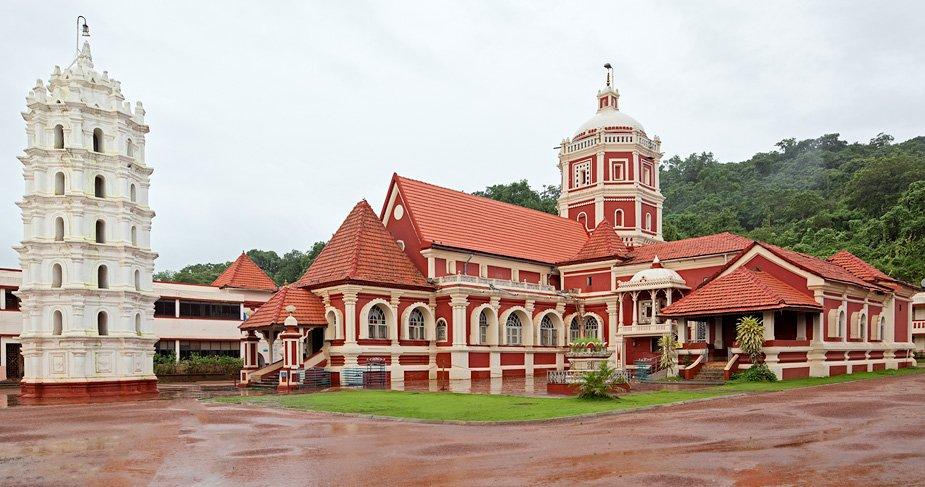
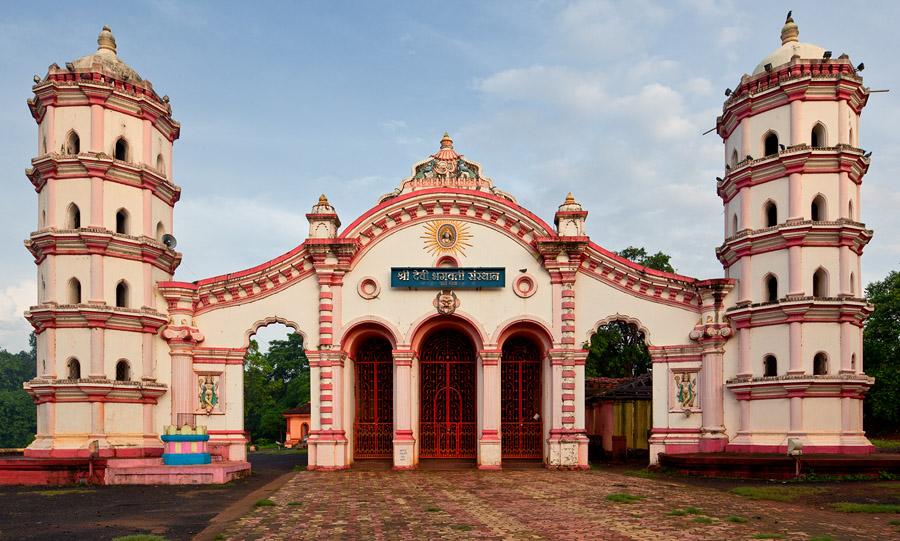
The architecture of the Siddhanath Temple is a classic example of the Goan Hindu temple style, which is a unique blend of indigenous Indian designs and subtle influences from the various dynasties that ruled the region. As you approach the temple complex, the first thing that catches your eye is the majestic Deepastambha (lamp tower). This multi-storied octagonal tower is a hallmark of Goan temples. During festivals, hundreds of oil lamps are lit in the niches of this tower, creating a celestial glow that can be seen from miles away. The Deepastambha symbolizes the light of knowledge dispelling the darkness of ignorance.

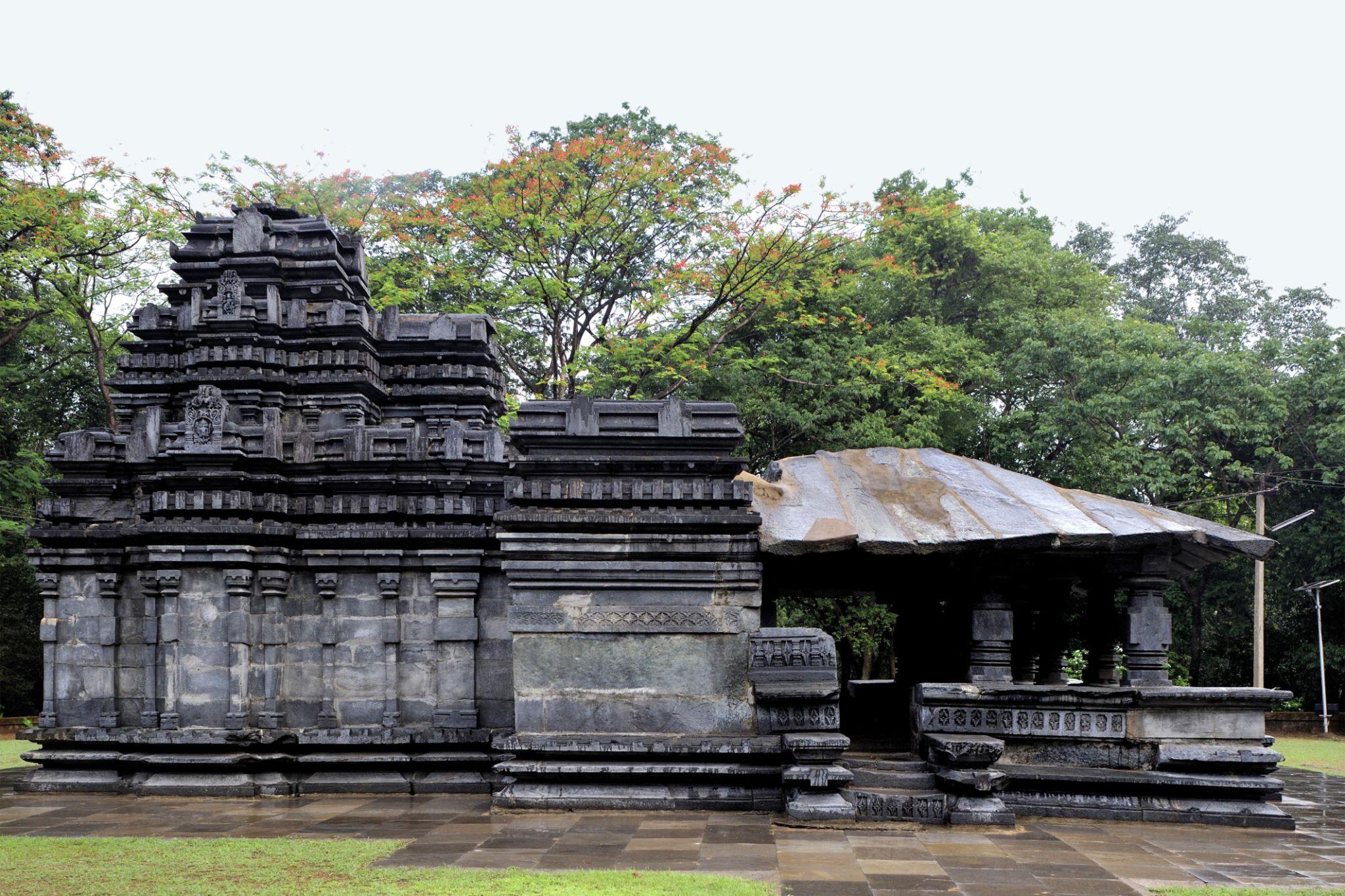
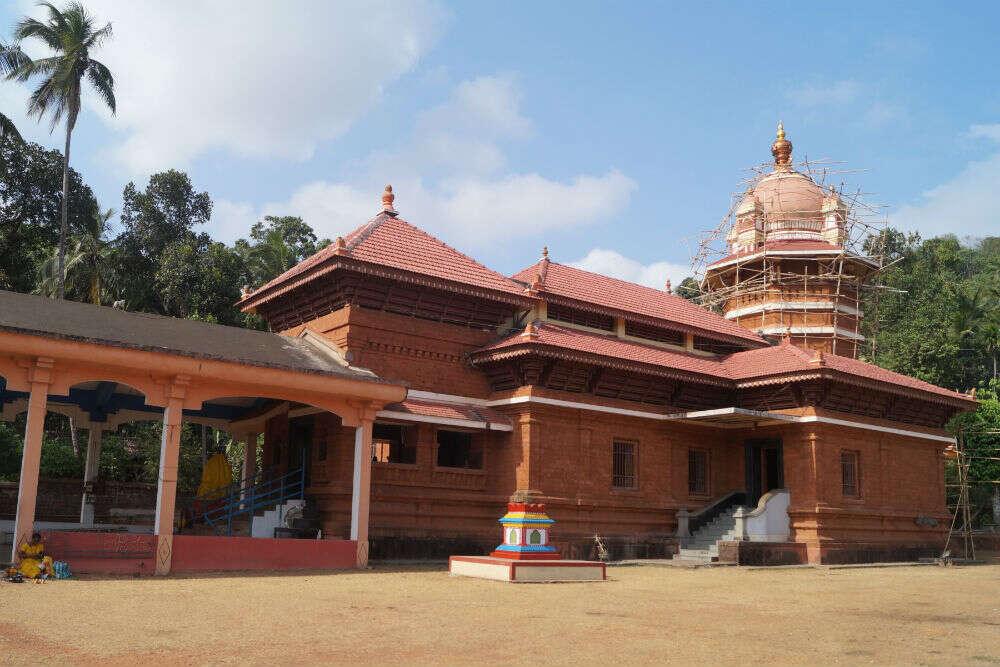
The main temple structure is characterized by a sloping roof, traditionally made of Mangalore tiles, designed to withstand the heavy Goan monsoons. The exterior walls are often painted in vibrant shades of white and ochre, contrasting beautifully with the surrounding greenery. The Shikhara (dome) over the sanctum sanctorum is built in a tiered fashion, reflecting the influence of the Maratha and Kadamba architectural styles. Unlike the highly ornate temples of South India, the Siddhanath Temple exudes a sense of elegant simplicity. The entrance features a Sabhamandapa (assembly hall) supported by sturdy pillars, some of which feature intricate carvings of floral motifs and mythological figures.

Inside the temple, the flooring is typically made of cool marble or polished stone, leading to the Garbhagriha (inner sanctum). The woodwork in the ceiling of the Mandapa is particularly noteworthy, showcasing the craftsmanship of local Goan artisans. You will find beautifully carved wooden beams and panels depicting scenes from the Puranas. The integration of the temple with its natural surroundings is also an architectural feat; the temple courtyard (Prakara) is spacious, allowing for the circumambulation (Pradakshina) while providing views of the valley below. The overall layout follows the principles of Vastu Shastra, ensuring a harmonious flow of energy throughout the sacred space. The blend of stone, wood, and tile creates a structure that feels organic to the Goan landscape, standing as a testament to the region's aesthetic evolution.

Main Deity / Spiritual Importance

The presiding deity of the temple is Lord Siddhanath, who is worshipped as a powerful form of Lord Shiva. In the local context, Siddhanath is often visualized as a divine yogi, a master of all "Siddhis" (supernatural powers attained through spiritual practice). The idol or the Lingam within the sanctum is the focal point of all energy. Devotees believe that Lord Siddhanath is a "Jagrut" deity—one who is vibrantly alive and responsive to the prayers of the faithful. The spiritual aura of the temple is particularly potent for those who practice meditation and Yoga, as the site is believed to be charged with the vibrations of the ancient Naths who once meditated here.

The spiritual importance of Siddhanath Temple extends beyond simple ritualism. It is considered a place of Moksha (liberation) and healing. Many locals visit the temple to seek divine intervention for health issues or personal crises, believing that the "Prasad" (blessed offering) and the holy water from the temple have curative properties. The deity is also seen as the ultimate judge and protector; it is common for locals to take important life decisions only after seeking the "Kaul" (divine permission or omen) from Lord Siddhanath. This practice involves placing flower petals on the deity's idol and observing which one falls first to interpret the god's will.

Furthermore, the temple is a center for the propagation of the "Dharma." The daily rituals, which include the Abhisheka (ritual bathing of the deity), Archana, and the evening Aarti, are performed with deep devotion. The chanting of the "Om Namah Shivaya" mantra resonates through the halls, creating a meditative environment. For a spiritual seeker, the temple provides an opportunity to witness the "Bhakti" (devotion) of the local community, which is simple, profound, and unwavering. The connection between the devotee and Lord Siddhanath is personal and intimate, making the temple a sanctuary for the soul in an increasingly materialistic world.

Festivals & Celebrations

The Siddhanath Temple comes alive during various Hindu festivals, which are celebrated with immense fervor, traditional music, and communal harmony. The most significant festival is Mahashivratri, the "Great Night of Shiva." On this day, thousands of devotees from across Goa and neighboring states climb the Siddhanath Hill to offer prayers. The temple remains open throughout the night, echoing with the sounds of hymns and bells. Special Abhishekas are performed, and the deity is adorned with exquisite flowers and ornaments. The energy during Mahashivratri is electric, as the hilltop is transformed into a sea of lights and devotion.

Another major celebration is the Zatra (annual temple festival). The Borim Zatra is a spectacle of Goan culture. The highlight of the Zatra is the Palkhi Procession, where the deity is placed in a beautifully decorated palanquin and carried on the shoulders of devotees around the temple complex. The procession is accompanied by traditional Goan music, including the rhythmic beating of the Dhol, Tasha, and the blowing of the Shigmo trumpets. The "Gulal" festival is also a part of these celebrations, where devotees throw red powder into the air, symbolizing joy and the victory of good over evil. The entire village of Borim participates in the festivities, and a large fair is organized at the base of the hill, selling traditional sweets, handicrafts, and toys.

The festival of Shigmo, Goa's version of Holi, is also celebrated with great enthusiasm. Local folk dances like the Ghode Modni and Gopha are performed in the temple courtyard. These dances are not just entertainment but are forms of prayer, narrating stories of ancient warriors and divine interventions. During the month of Shravan (usually in August), special pujas are held every Monday, attracting a steady stream of pilgrims. These festivals serve as a bridge between the past and the present, ensuring that the younger generation remains connected to their cultural roots. The communal feasts (Samaradhana) held during these events exemplify the Goan spirit of "Goenkarponn"—a sense of shared identity and brotherhood.

Best Time to Visit

The best time to visit the Siddhanath Temple is during the winter months, from November to February. During this period, the weather in Goa is pleasant, with clear blue skies and a cool breeze, making the ascent to the hilltop temple comfortable and enjoyable. The humidity is low, and the visibility from the top of Siddhanath Hill is at its best, allowing you to see the distant Western Ghats and the shimmering Zuari River in all their glory. This is also the peak season for cultural activities and festivals, providing a rich experience for travelers.

Alternatively, the monsoon season (June to September) offers a completely different but equally enchanting experience. Goa transforms into a lush green paradise during the rains. The drive to the temple through the rain-washed landscapes of Ponda is incredibly scenic. The hill itself is often shrouded in mist and clouds, giving the temple a mystical, ethereal appearance. However, visitors should be prepared for heavy downpours and slippery paths. If you enjoy nature in its most vibrant and raw form, the monsoons are a great time to visit, though trekking might be a bit challenging.

The summer months (March to May) can be quite hot and humid, especially during the afternoon. If you plan to visit during the summer, it is best to go early in the morning or late in the evening to avoid the scorching sun. The early morning hours are particularly peaceful, as you can witness the sunrise over the hills and hear the morning prayers. Regardless of the season, visiting during a major festival like Mahashivratri or the annual Zatra will provide the most culturally immersive experience, though you should expect large crowds during these times.

Timings, Entry Fee & Dress Code

To ensure a respectful and smooth visit to the Siddhanath Temple, it is important to be aware of the operational timings and the expected conduct. The temple generally follows these timings:

  • Morning: 6:00 AM to 12:30 PM
  • Evening: 4:00 PM to 8:30 PM

The temple remains closed in the afternoon for the deity’s rest and the priests’ lunch break. It is advisable to reach the temple by 10:00 AM if you wish to witness the morning rituals or by 6:30 PM for the evening Aarti, which is a deeply spiritual experience. On festival days, these timings may be extended to accommodate the large number of devotees.

Entry Fee: There is no entry fee to visit the Siddhanath Temple. It is open to people of all faiths and backgrounds. Donations for the maintenance of the temple and its charitable activities are accepted and can be made at the official counter, where a receipt will be provided.

Dress Code: As with most religious sites in Goa, a modest dress code is strictly encouraged. Visitors should avoid wearing shorts, sleeveless tops, or revealing clothing. Men are encouraged to wear trousers or traditional dhotis, while women are advised to wear sarees, salwar kameez, or long skirts. It is customary to remove your footwear before entering the temple premises. Leather items like belts and bags are generally discouraged inside the sanctum. Following these guidelines shows respect for the local traditions and the sanctity of the shrine.

How to Reach Siddhanath Temple

The Siddhanath Temple is located in Borim, which is well-connected to major towns in Goa. Here are the best ways to reach the temple:

  • By Road: Ponda is the nearest major town, located about 5-7 kilometers away. From Panjim (the capital city), the temple is approximately 30 kilometers away, and from Margao, it is about 15 kilometers. You can hire a taxi, take a self-drive car, or use a scooter. The drive from Margao via the Borim Bridge is particularly scenic.
  • By Bus: Regular KTC (Kadamba Transport Corporation) buses and private buses ply between Panjim, Margao, and Ponda. From the Ponda bus stand, you can take a local bus heading towards Borim or hire an auto-rickshaw to take you to the base of the hill. Some buses might take you closer to the temple entrance, but be prepared for a short walk.
  • By Rail: The nearest major railway station is Madgaon Junction (MAO), which is about 18 kilometers away. From the station, you can easily find taxis or buses to Borim. The Karmali railway station is also an option for those coming from the north, located about 20 kilometers away.
  • By Air: The Dabolim Airport (GOI) is approximately 35 kilometers from the temple. You can hire a pre-paid taxi from the airport to reach Borim directly. The newer Mopa Airport (GOX) is much further away, roughly 65-70 kilometers.

The final stretch of the journey involves driving up the Siddhanath Hill. The road is paved but can be narrow and winding in certain sections. Drivers should be cautious, especially during the monsoon season. There is ample parking space available near the temple complex for private vehicles.

Things to Do

A visit to the Siddhanath Temple offers more than just a religious experience. Here are some of the things you can do during your visit:

  • Offer Prayers and Seek Blessings: Participate in the daily rituals. You can request the priest to perform a special "Archana" in your name or the names of your family members.
  • Meditation and Reflection: The quiet corners of the temple and the surrounding hilltop are perfect for meditation. The peaceful energy of the site helps in calming the mind.
  • Explore the Hilltop: Take a walk around the Siddhanath Hill. The area is rich in biodiversity, and you might spot various species of birds, butterflies, and local flora. It is a great spot for light trekking.
  • Photography: The temple architecture and the panoramic views of the Zuari River are a photographer's delight. Ensure you capture the Deepastambha and the intricate wood carvings (check for permission inside the sanctum).
  • Witness the Aarti: The evening Aarti is a sensory experience with the sound of bells, the smell of incense, and the rhythmic chanting. It is the best time to feel the spiritual pulse of the temple.
  • Picnicking: While you should maintain the decorum of the site, the areas near the parking or the base of the hill are lovely for a quiet family picnic, provided you do not leave any litter behind.
  • Learn Local History: Strike up a conversation with the temple priests or local elders. They often have fascinating stories and legends about the temple’s past that you won’t find in guidebooks.

Nearby Attractions

The Ponda region is the cultural heart of Goa, and there are several other attractions near the Siddhanath Temple that you can include in your itinerary:

  • Mangueshi Temple: Located about 15 km away, this is one of the most famous and largest temples in Goa, dedicated to Lord Shiva. Its stunning architecture and massive Deepastambha are iconic.
  • Shanta Durga Temple: Situated in Kavlem, this temple is dedicated to the goddess of peace. The temple complex is vast and features a unique blend of Indo-Portuguese architecture.
  • Safa Shahouri Masjid: One of the oldest mosques in Goa, built in 1560. It is a beautiful example of Islamic architecture and stands as a symbol of the region's diverse religious history.
  • Spice Plantations: Ponda is famous for its spice farms like Sahakari Spice Farm and Tropical Spice Plantation. You can take a guided tour to learn about various spices, enjoy a traditional Goan lunch, and even see elephant washings.
  • Borim Bridge: The old and new Borim bridges offer great views of the Zuari River. It’s a popular spot for locals to catch the sunset.
  • Bondla Wildlife Sanctuary: About 25 km from Borim, this is a great place for families, featuring a mini zoo, botanical gardens, and nature trails.
  • Nagueshi Temple: Another ancient temple in the vicinity known for its beautiful water tank (Pushkarni) and wood carvings depicting stories from the Ramayana.

Photography & Visitor Guidelines

To ensure that the sanctity of the Siddhanath Temple is maintained and that you have a pleasant visit, please adhere to the following guidelines:

  • Photography: While photography is generally allowed in the outer courtyard and around the temple complex, it is often prohibited inside the Garbhagriha (inner sanctum). Always look for signage or ask the temple authorities before clicking pictures of the deity. Respect the privacy of devotees who are praying.
  • Silence: Maintain silence within the temple premises. Avoid loud conversations or playing music on your phone. The temple is a place for quiet contemplation.
  • Cleanliness: Do not litter. Goa is very conscious of its environment. Use the dustbins provided for any waste. Avoid using plastic within the temple complex.
  • Respect Rituals: If a ritual or ceremony is in progress, stand aside and observe quietly. Do not interrupt the priests or the devotees. If you wish to participate, follow the instructions of the locals.
  • Footwear: Always leave your shoes at the designated footwear stand before entering the main temple structure.
  • Donations: If you wish to donate, use the official hundi (donation box) or the office counter. Beware of unauthorized individuals asking for money.
  • Safety: Since the temple is on a hill, be careful while walking near the edges. Keep a close watch on children. If you are visiting during the monsoon, watch out for slippery steps.

Where to Eat Nearby

Exploring the spiritual side of Ponda can work up an appetite. Fortunately, there are several options for authentic Goan food near Borim:

  • Local Eateries in Borim: You will find small "Ros Omelette" stalls and local cafes serving Bhaji-Pao (spiced lentils with Goan bread) and tea. These are great for a quick, authentic snack.
  • Spice Plantation Restaurants: If you visit the nearby spice farms, they offer traditional Goan Hindu buffet lunches served on banana leaves. These usually include fish curry, rice, vegetable preparations, and the famous "Sol Kadi" (a refreshing kokum and coconut milk drink).
  • Farmagudi Residency: Located a few kilometers away, this GTDC-run property has a restaurant that serves reliable North Indian and Goan cuisine.
  • Ponda City Restaurants: Ponda has several well-known restaurants like Hotel Menino and Venkatesh Bhavan that serve excellent vegetarian thalis and a variety of Indian dishes.
  • Street Food: Don't miss out on trying local Goan sweets like Bebinca or Dodol, which are often available in local bakeries in the Ponda market.

Accommodation Nearby

While most people visit the Siddhanath Temple as a day trip from the coastal areas, staying nearby allows you to experience the tranquil rural side of Goa. Options include:

  • GTDC Farmagudi Residency: A budget-friendly and well-maintained option located on a hillock in Farmagudi, Ponda. It is close to most major temples.
  • Atreya Vedic Farm: For a more immersive and eco-friendly stay, this farm offers cottages amidst nature, focusing on wellness and Ayurveda.
  • Homestays: There are several homestays in and around Borim and Ponda where you can stay with a Goan family and experience local hospitality and home-cooked meals.
  • Luxury Resorts: For those seeking luxury, there are high-end boutique stays and resorts located within a 20-30 minute drive, particularly towards the heritage area of Old Goa or the banks of the Zuari River.
  • Temple Guest Houses: Some of the larger temples in Ponda, like Shanta Durga, offer basic accommodation for pilgrims. It is best to check with the temple office in advance.

Travel Tips

To make the most of your trip to the Siddhanath Temple, keep these practical tips in mind:

  • Carry Water: The climb or walk around the hill can be dehydrating, especially in the heat. Carry a reusable water bottle.
  • Footwear: Wear comfortable walking shoes for the journey to the temple, but remember they must be easy to slip off before entering the shrine.
  • Plan for Ponda: Since Ponda is home to many temples, try to group your visit to Siddhanath with other nearby sites like Mangueshi or the spice plantations to make it a full-day excursion.
  • Local Language: While English and Hindi are widely understood, knowing a few words in Konkani (the local language) like "Dev Borem Karu" (May God do good to you/Thank you) will endear you to the locals.
  • Cash: While digital payments are becoming common, it is always wise to carry some cash for small purchases, donations, or auto-rickshaw fares.
  • Sun Protection: Use sunscreen and wear a hat if you are visiting during the daytime, as the hilltop can be quite exposed to the sun.
  • Respect the Environment: The Siddhanath Hill is a sensitive ecological zone. Avoid making noise and do not disturb the wildlife.

Conclusion

The Siddhanath Temple in Borim is more than just a religious site; it is a sanctuary where history, spirituality, and nature converge in perfect harmony. It offers a profound counter-narrative to the stereotypical image of Goa as merely a party destination. Here, amidst the whispering winds of the Siddhanath Hill and the ancient stone walls of the temple, one can find a sense of peace that is increasingly rare in the modern world. The temple stands as a guardian of Goan traditions, a place where the legacy of the Nath Siddhas continues to inspire and heal. Whether you are drawn by faith, a love for architecture, or a desire to explore the hidden gems of the Ponda taluka, a journey to this sacred hilltop is sure to leave an indelible mark on your soul. As you descend from the hill, with the panoramic views of the Zuari River fading into the distance, you carry with you not just the blessings of Lord Siddhanath, but a deeper understanding of the spiritual heart that beats within the beautiful land of Goa.

Photo Gallery

Siddhanath Temple Gallery Image

User Reviews

4.9
2130 Reviews
5
85%
4
10%
3
3%
2
1%
1
1%

Login to post a review

Join the community to share your spiritual experiences.

Login / Sign Up

Location Details

Address
Siddhanath Temple, Surla, Bicholim, Goa 403505, India
Visiting Hours
All year round

Share Peace

Share this spiritual guide with your friends and family on WhatsApp!

Share Now

Nearest Beaches from Siddhanath Temple

Nearest Forts from Siddhanath Temple

Nearest Waterfalls from Siddhanath Temple

Nearby Nightlife from Siddhanath Temple