Overview of St. Michael’s Church Taleigao
Nestled in the lush, verdant heart of the Tiswadi taluka, St. Michael’s Church Taleigao stands as a majestic testament to Goa’s rich colonial history and its enduring spiritual fervor. Taleigao, often referred to as the "Granary of Goa" due to its sprawling paddy fields and agricultural heritage, finds its spiritual and social anchor in this magnificent edifice. As one of the oldest and most significant parishes in the state, the church is not merely a place of worship but a living museum of Goan-Portuguese synthesis. For the traveler seeking an authentic glimpse into the soul of Goa, away from the neon lights of the northern beaches, St. Michael’s Church offers a sanctuary of peace, architectural beauty, and profound historical depth.
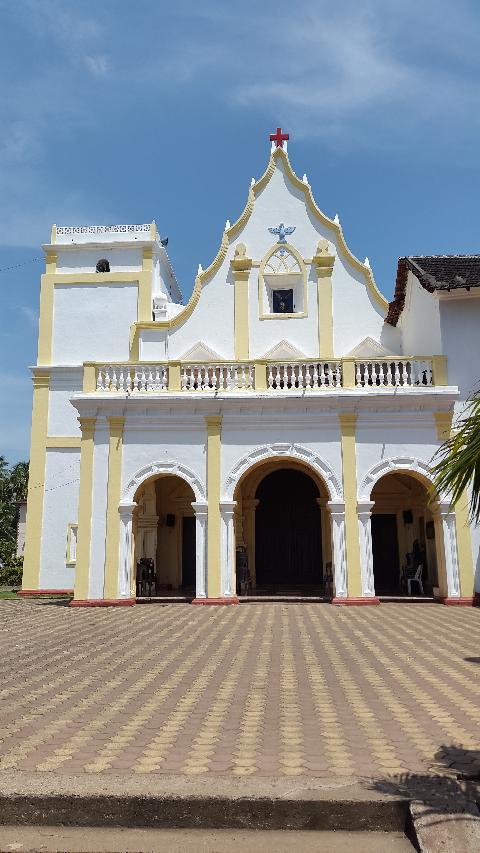
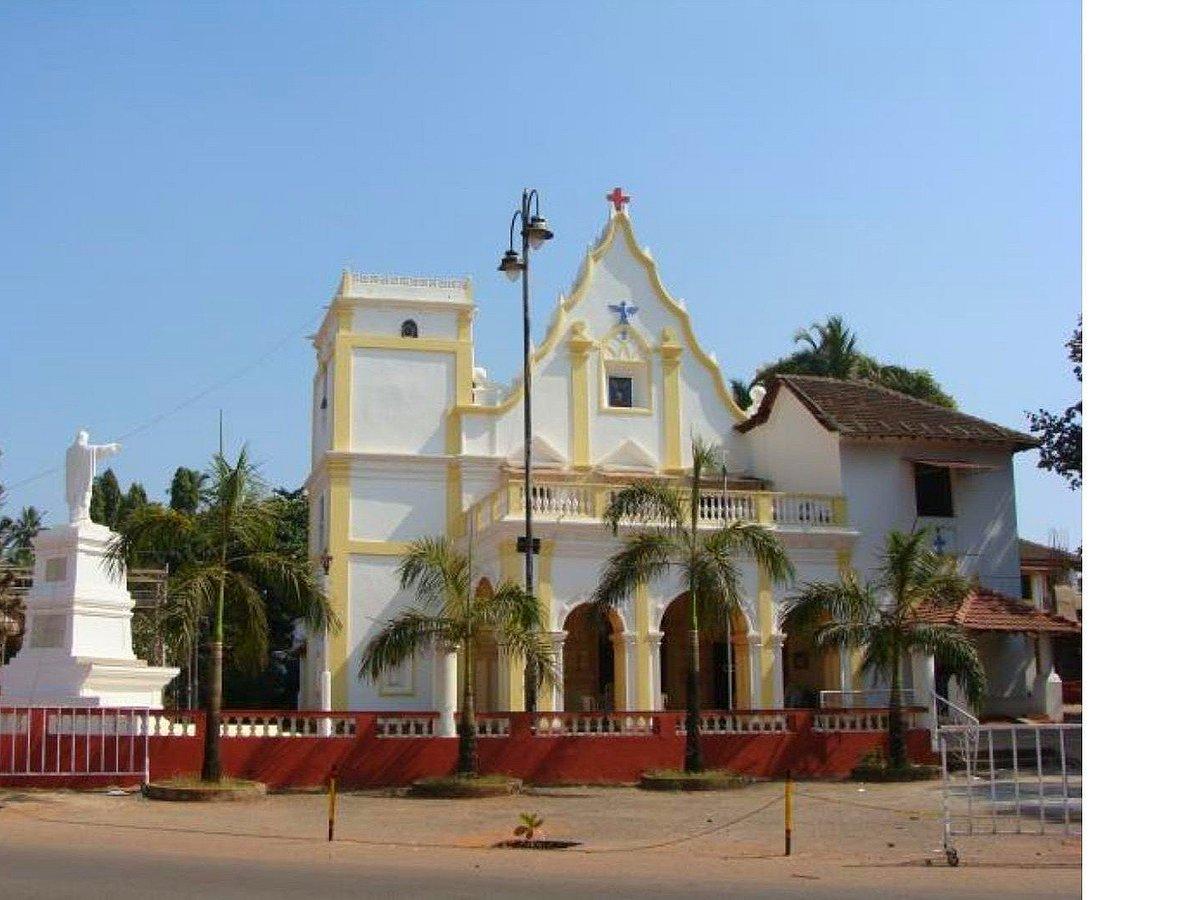
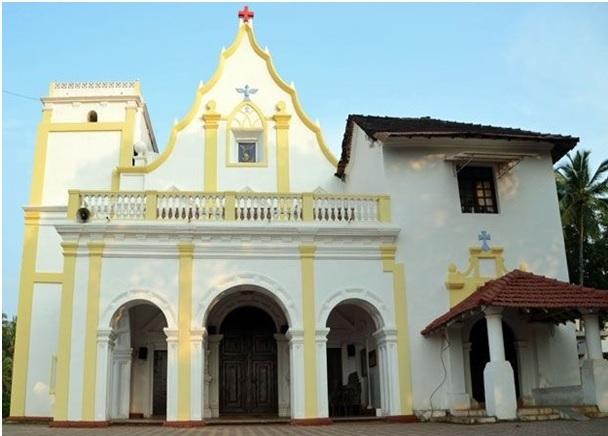
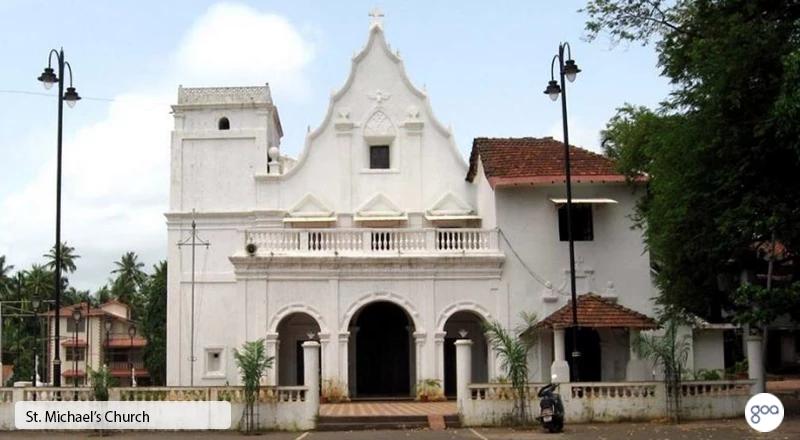
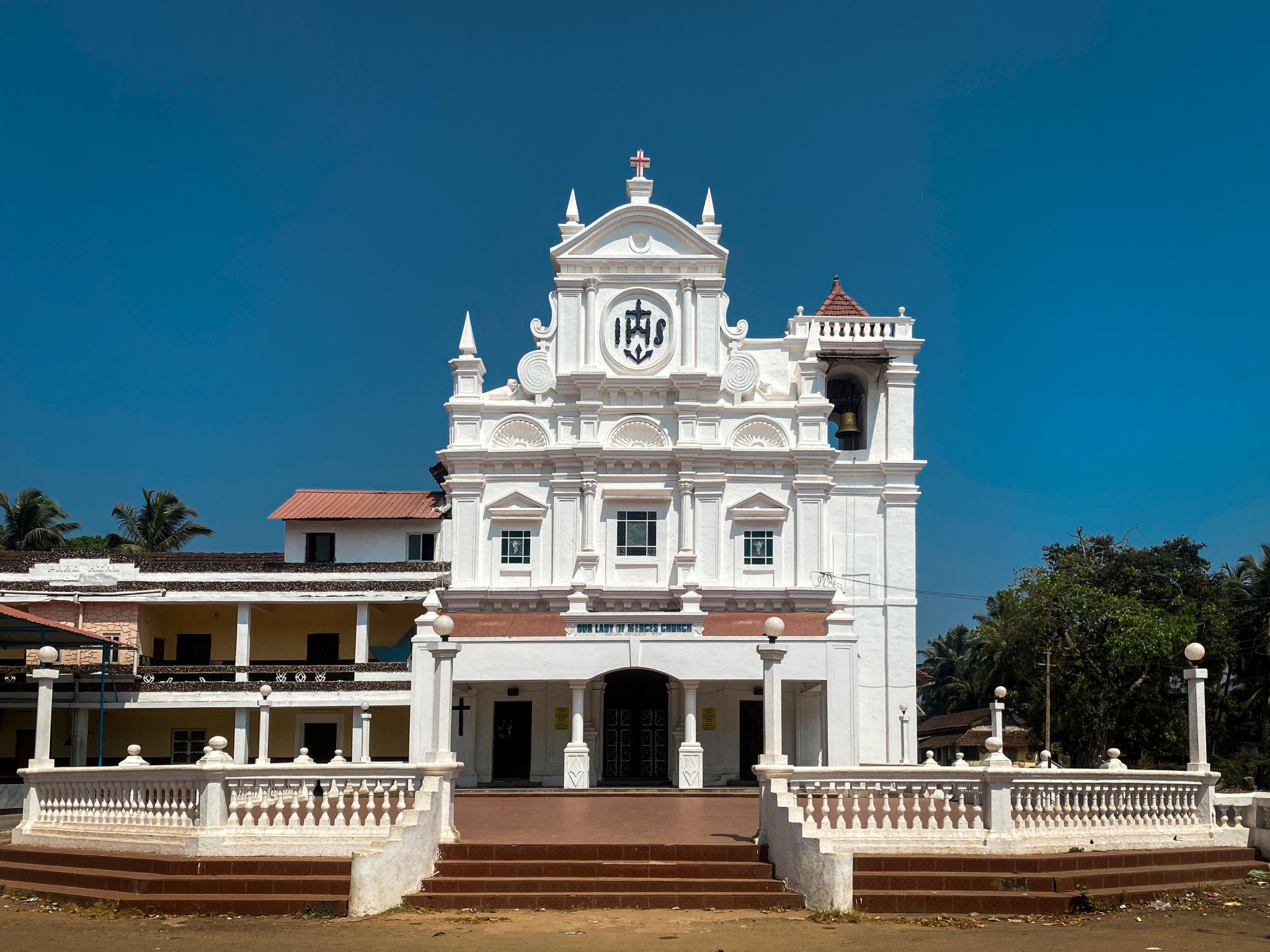
The church serves the village of Taleigao, which is strategically located just a few kilometers from the capital city of Panaji. Despite its proximity to the urban bustle, the church precinct retains an old-world charm, characterized by narrow winding lanes, traditional Indo-Portuguese villas, and the rhythmic tolling of the church bells that has dictated the pace of life here for centuries. Visitors are often struck by the pristine white facade of the church, which gleams brilliantly under the Goan sun, contrasted against the deep blue sky and the emerald green of the surrounding palms. This overview sets the stage for a deeper exploration into a site that has witnessed the rise and fall of empires, the evolution of local traditions, and the unwavering faith of its community.
History & Religious Significance
The history of St. Michael’s Church Taleigao is inextricably linked with the early years of the Portuguese presence in India. Founded in 1544, it is one of the earliest churches established by the Franciscan missionaries in the region. During the 16th century, Goa was the center of the "Estado da Índia," and the spread of Christianity was a primary objective of the colonial administration. Taleigao was chosen as a site for this grand church because of its agricultural importance and its strategic location near the riverine routes leading to the old capital of Velha Goa.
One of the most fascinating historical footnotes regarding this church involves the great Portuguese explorer Afonso de Albuquerque. Local tradition and historical records suggest that the people of Taleigao played a crucial role in assisting the Portuguese during their conquest of Goa in 1510. When Albuquerque’s fleet was stranded in the Mandovi River due to the monsoon, facing starvation and hostility, the villagers of Taleigao clandestinely supplied them with food and provisions. In recognition of this loyalty, Albuquerque granted the villagers the unique privilege of being the first in the entire province to harvest their crops and present the "first fruits" to the church. This privilege remains a point of immense pride for the locals and is the cornerstone of the church's most famous annual festival.
Over the centuries, the church has undergone several renovations and expansions, evolving from a modest chapel into the imposing structure seen today. It has served as a center for education, social welfare, and community organization through the Comunidade system—a traditional Goan land-holding collective that predates the Portuguese but was integrated into the parish's administrative life. The religious significance of the church is further bolstered by its dedication to St. Michael the Archangel, the leader of the heavenly host, symbolizing the triumph of light over darkness and protection for the faithful.
Architecture of St. Michael’s Church Taleigao
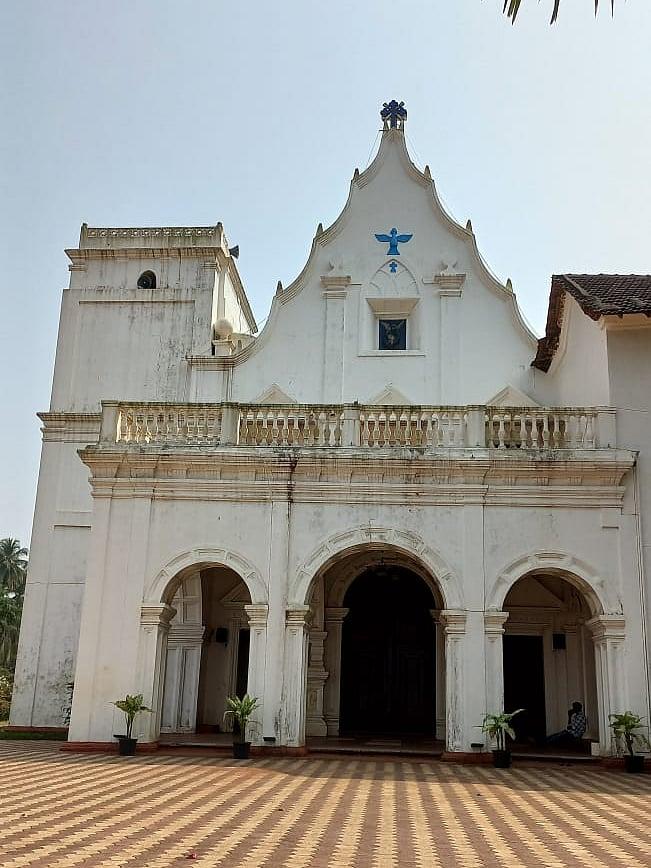
The architecture of St. Michael’s Church Taleigao is a quintessential example of the Mannerist-Baroque style that dominated Goan ecclesiastical design during the 16th and 17th centuries. The exterior is characterized by a massive, three-storied facade that commands attention. The use of local laterite stone, plastered with thick layers of lime, gives the building its iconic white appearance—a practical choice that reflects heat and protects the structure from the torrential Goan monsoons.
The facade is divided into several bays by vertical pilasters, with the central section rising to a triangular pediment topped by a cross. A distinct feature of this church is its twin bell towers, which house bells that have echoed through the valley for generations. The entrance is marked by a grand arched doorway, often decorated with floral motifs carved into the stone. As you step inside, the transition from the bright exterior to the cool, dimly lit interior is striking. The church follows a single-nave plan, a common feature in Franciscan churches, which allows for an unobstructed view of the high altar.
The interior decoration is where the true artistic heritage of the church shines. The High Altar is a masterpiece of woodcarving, adorned with intricate gold leaf work (talha dourada). It features a central niche housing the statue of St. Michael, flanked by other saints. The reredos (altar screen) displays a blend of European Baroque flourishes and local Indian craftsmanship, seen in the stylized floral patterns and the use of indigenous wood. The vaulted ceiling, the ornate pulpits, and the side altars dedicated to the Blessed Virgin Mary and other saints create an atmosphere of divine grandeur. The choir loft at the rear and the large windows along the nave ensure that the space is both acoustically resonant and naturally ventilated, showcasing the architectural ingenuity of the era.
Main Deity / Spiritual Importance
The church is dedicated to St. Michael the Archangel, one of the most revered figures in Christian hagiography. In the spiritual hierarchy, St. Michael is viewed as the "Prince of the Heavenly Host" and the primary warrior against the forces of evil. For the parishioners of Taleigao, St. Michael is more than a biblical figure; he is a guardian and a patron who watches over their fields, their families, and their future. The central statue of St. Michael on the main altar depicts him in a classic pose—armored, wielding a sword or spear, and treading upon a dragon or a fallen angel, representing the victory of God over Satan.
The spiritual importance of the church extends to its role as a sanctuary for the community. Throughout the year, the church is a site for daily Mass, confessions, and the administration of sacraments. However, its spiritual weight is most felt during the Addao or the harvest season. The connection between the "Daily Bread" and the divine is palpable here. The church reinforces the idea that the bounty of the earth is a gift from the Creator, and the act of offering the first stalks of grain is a profound gesture of gratitude. This spiritual link between the land and the altar makes St. Michael’s Church a unique site where theology and ecology intertwine in the Goan context.
Festivals & Celebrations
The liturgical calendar of St. Michael’s Church is vibrant, but two events stand out for their scale and cultural depth: the Feast of St. Michael and the Konsachem Fest (Harvest Festival).
- The Harvest Festival (Konsachem Fest): Celebrated on August 21st, this is perhaps the most unique tradition in Goa. As per the privilege granted by Afonso de Albuquerque, the village of Taleigao has the honor of being the first to cut the corn. The day begins with a solemn procession led by the parish priest and the representatives of the Comunidade. They head to a designated field where the priest blesses the crop and cuts the first sheaves of grain using a silver sickle. These sheaves are then brought back to the church in a grand procession accompanied by a brass band. The "first fruits" are offered at the altar during a special High Mass. The atmosphere is electric, with the sound of firecrackers (foteiras) signaling the start of the harvest for the rest of Goa.
- The Feast of St. Michael: Celebrated in late September, this is the traditional parish feast. It is preceded by a nine-day novena, during which the local community gathers every evening for prayers and hymns. On the feast day, the village takes on a carnival-like atmosphere. The church is decorated with flowers and lights, and a grand fair (festa) is set up outside, selling everything from traditional Goan sweets like khaje and laddoos to household goods and toys. It is a time for family reunions, where Goans from across the state and the diaspora return to their ancestral home to pay homage to their patron saint.
- Holy Week and Easter: Like all major Goan churches, St. Michael’s observes Holy Week with great solemnity. The "Passos" (processions depicting the passion of Christ) are particularly moving, with life-sized statues carried through the streets of the village.
Best Time to Visit
The best time to visit St. Michael’s Church Taleigao depends largely on what you wish to experience. For those interested in the cultural spectacle, August 21st is the absolute best time to witness the Harvest Festival. The sight of the green fields and the traditional procession is a photographer’s dream and a cultural enthusiast’s delight.
If you prefer a more tranquil experience, the months from November to February are ideal. During this period, the weather in Goa is pleasant, with cool breezes and low humidity, making it comfortable to explore the church grounds and the surrounding village on foot. The Christmas season in December is also a wonderful time, as the church is beautifully lit, and the village is filled with decorative stars and cribs.
For those who wish to experience the spiritual intensity of the parish, visiting during the Feast of St. Michael in September is recommended. However, be prepared for humidity and occasional monsoon showers, as the rainy season is usually tapering off during this time. Generally, visiting in the early morning (around 7:00 AM to 9:00 AM) allows you to witness the morning Mass and experience the church in its most serene state before the heat of the day sets in.
Timings, Entry Fee & Dress Code
Understanding the practicalities of your visit will ensure a smooth and respectful experience at St. Michael’s Church.
- Timings: The church is generally open for visitors from 6:30 AM to 12:30 PM and again from 3:30 PM to 6:30 PM. Mass timings are usually at 6:30 AM and 7:15 AM on weekdays, and there are multiple Masses on Sunday mornings (typically 6:00 AM, 7:15 AM, 8:30 AM, and 10:00 AM). It is advisable to avoid wandering around the altar during active Mass services unless you are participating in the liturgy.
- Entry Fee: There is no entry fee to visit St. Michael’s Church. It is a public place of worship. However, donations for the upkeep of the church and its charitable activities are always welcomed and can be placed in the designated boxes.
- Dress Code: As this is a sacred religious site, a modest dress code is strictly enforced. Both men and women should ensure their shoulders and knees are covered. Avoid wearing sleeveless tops, short skirts, or beachwear. Removing hats and sunglasses when entering the church is a mark of respect. If you are dressed inappropriately, you may be politely asked to remain outside or cover up with a shawl.
How to Reach St. Michael’s Church Taleigao
St. Michael’s Church is conveniently located in Taleigao, a suburb of Panaji, making it easily accessible from various parts of Goa.
- From Panaji (Panjim): The church is just about 4-5 kilometers from the city center. You can take a local bus from the Panjim KTC Bus Stand heading towards Taleigao or Dona Paula. Alternatively, a taxi or an auto-rickshaw will get you there in about 10-15 minutes.
- From North Goa (Calangute/Baga): If you are staying in the northern beach belt, the distance is approximately 20-25 kilometers. Hiring a self-drive scooter or a car is the most flexible option. Follow the NH66 towards Panaji and then take the bypass road towards Taleigao.
- From South Goa (Margao): The distance is about 35 kilometers. You can take a bus to Panaji and then a local transfer, or hire a taxi for a direct trip, which takes about an hour depending on traffic.
- From the Airport: Dabolim Airport is roughly 28 kilometers away. A pre-paid taxi from the airport is the most convenient way to reach Taleigao. If you are arriving at the newer Mopa Airport (Manohar International Airport), the distance is approximately 45 kilometers, and a taxi would take around 1 hour and 15 minutes.
- By Railway: The nearest major railway station is Karmali (Old Goa), located about 15 kilometers away. Madgaon Station is further (38 km) but better connected to major Indian cities.
Things to Do
While the church itself is the primary attraction, the surrounding area offers several activities for the curious traveler:
- Attend a Traditional Mass: Even if you are not Catholic, attending a Mass (especially in Konkani) allows you to experience the local culture and the beautiful choral music that Goan churches are famous for.
- Explore the Village of Taleigao: Take a leisurely walk through the lanes of Taleigao. Look for the traditional houses with their "balcaos" (porches) and oyster-shell windows. The village is one of the few places where you can still see active farming within a semi-urban setting.
- Visit the Cemetery: Located near the church, the cemetery often contains interesting tombstone art and inscriptions that provide insight into the local families and their history.
- Photography: Capture the stunning architecture of the church and the vibrant life of the village. The play of light on the white walls during the "golden hour" (just before sunset) is spectacular.
- Interact with Locals: The people of Taleigao are known for their hospitality. Engaging in a polite conversation with the elders of the village can reveal fascinating stories about the church’s past and the evolution of the harvest traditions.
Nearby Attractions
A visit to St. Michael’s Church can be easily combined with other iconic Goan landmarks located within a 5-10 kilometer radius:
- Dona Paula Viewpoint: Just 3 kilometers away, this famous spot offers panoramic views of the Mormugao Harbor and the Arabian Sea. It is also the site of a tragic local legend involving a Portuguese nobleman’s daughter.
- Miramar Beach: A beautiful stretch of sand where the Mandovi River meets the sea. It is perfect for an evening stroll and is located about 2.5 kilometers from the church.
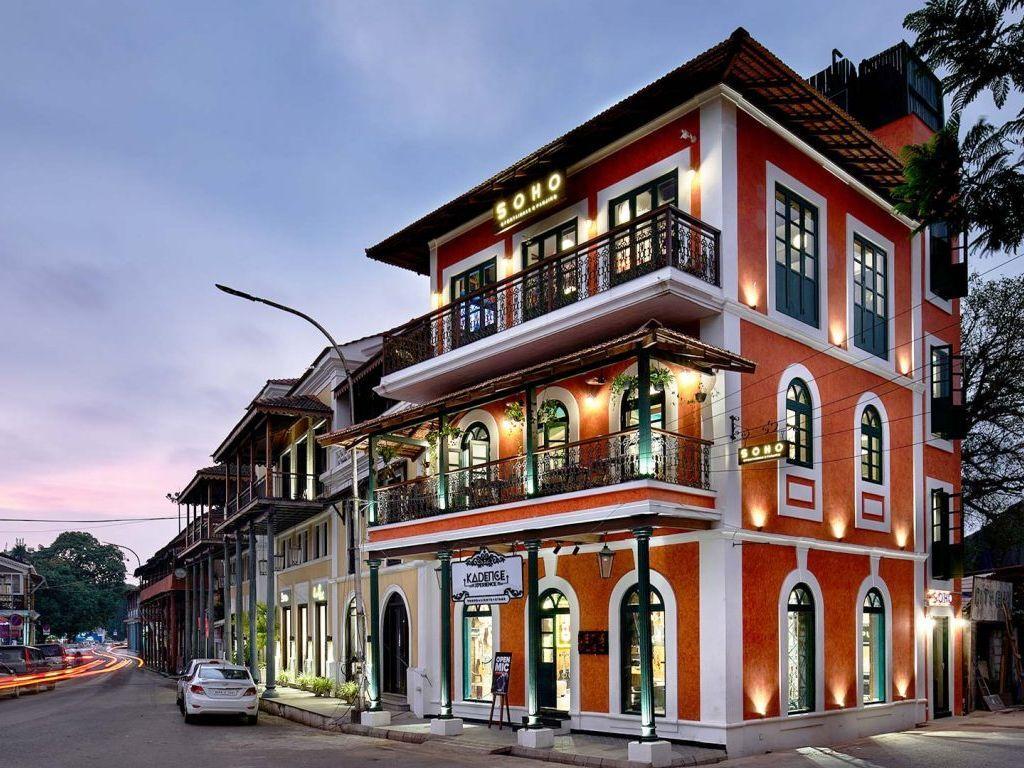
- Fontainhas (Latin Quarter): Located in Panaji, this UNESCO-recognized area is famous for its colorful Portuguese-style houses, narrow streets, and quaint art galleries. It is a must-visit for history and architecture buffs.
- Goa Science Centre: Situated near Miramar, this is a great spot for families with children, offering interactive exhibits and a planetarium.
- Raj Bhavan: The official residence of the Governor of Goa, located at the tip of the Dona Paula plateau. While access to the interior is restricted, the surrounding area and the Cabo Chapel are worth seeing.
Photography & Visitor Guidelines
To ensure a pleasant visit for yourself and respect the sanctity of the site, please adhere to the following guidelines:
- Interior Photography: While photography of the exterior is generally encouraged, taking photos inside the church during a Mass or religious service is strictly prohibited. Even when no service is ongoing, please ask for permission before using a tripod or professional equipment. Avoid using flash, as it can damage ancient paintings and disturbs the meditative atmosphere.
- Silence is Golden: Maintain a low voice when inside the church. It is a place of prayer for many, and loud conversations are considered disrespectful.
- Do Not Touch: Refrain from touching the altars, statues, or ancient woodwork. The oils from human skin can degrade these centuries-old artifacts over time.
- Mobile Phones: Switch your mobile phone to silent or airplane mode before entering the church. If you must take a call, please step outside the church gates.
- Respect Rituals: If you happen to visit during a wedding, funeral, or baptism, remain at the back of the church and do not interfere with the ceremony.
Where to Eat Nearby
Taleigao and the adjacent Panaji area offer some of the best culinary experiences in Goa, ranging from traditional Goan fare to international cuisines.
- Mum’s Kitchen (Panaji): Located a short drive away, this restaurant is famous for preserving traditional Goan recipes. Try their Pork Vindaloo or the Prawn Curry.
- The Fisherman’s Wharf (Panaji): Situated on the banks of the Mandovi, it offers a great ambiance and excellent seafood.
- Local Eateries: Around the Taleigao market area, you will find several small "tavernas" and cafes serving local snacks like Choris Pao (Goan sausage bread), Samosas, and Batata Vadas.
- Ritz Classic (Panaji): If you want an authentic Goan fish thali, this is the place to go. It is a favorite among locals and tourists alike.
- Confeitaria 31 de Janeiro: A historic bakery in Fontainhas where you can sample traditional Goan sweets like Bebinca, Dodol, and Bolinhos.
Accommodation Nearby
Since Taleigao is close to the capital, there are numerous accommodation options to suit every budget:
- Luxury: Cidade de Goa - IHCL SeleQtions and The Westin Goa offer world-class amenities and are located within a 10-minute drive from the church.
- Boutique Hotels: Mateus Boutique Hotel and WelcomHeritage Panjim Inn in the Fontainhas area provide a unique, historical stay experience.
- Mid-Range: There are several business hotels and guesthouses in the Panaji and Caranzalem areas, such as Hotel Fidalgo or Sand Castles Casa Dom Felicio.
- Budget/Homestays: Taleigao has several charming homestays where you can live with a local family and experience Goan life firsthand. Check platforms like Airbnb for options in the "Taleigao-Caranzalem" belt.
Travel Tips
To make the most of your visit to St. Michael’s Church Taleigao, keep these tips in mind:
- Hydration: The Goan sun can be intense. Always carry a bottle of water, especially if you plan to walk around the village.
- Local Transport: Download the GoaMiles app for reliable taxi services at government-approved rates. Local buses are cheap but can be crowded and do not always follow a strict timetable.
- Language: While Konkani is the local language, most people in Taleigao speak and understand English and Hindi fluently.
- Cash: While many places accept digital payments, it is always wise to carry some cash for small purchases at the village stalls or for church donations.
- Footwear: Wear comfortable walking shoes, as the best way to explore the church precinct and the nearby fields is on foot.
Conclusion
St. Michael’s Church Taleigao is far more than just a historical monument; it is the beating heart of a community that has successfully balanced the weight of its colonial past with the vibrancy of its modern Goan identity. From its 16th-century Franciscan roots to the unique privilege of the "first harvest" that it still celebrates today, the church offers a profound narrative of resilience, faith, and cultural pride. Whether you are drawn by the exquisite Baroque architecture, the fascinating history of Albuquerque and the villagers, or simply the desire for a moment of spiritual reflection, this church provides an experience that is both deeply personal and universally resonant. As the white towers of St. Michael’s continue to stand guard over the green fields of Taleigao, they remind every visitor that in Goa, the sacred and the everyday are never far apart. A trip to this magnificent church is not just a detour from the beach; it is a journey into the very essence of Goan heritage.