Overview of Tambdi Surla Temple
The Mahadev Temple at Tambdi Surla stands as an unparalleled jewel in the emerald crown of Goa’s hinterlands. While most travelers flock to the sun-drenched beaches of Calangute or the baroque churches of Old Goa, those who venture deep into the lush foothills of the Western Ghats are rewarded with a sight that transcends time. Located within the dense foliage of the Bhagwan Mahavir Wildlife Sanctuary, this 12th-century structure is widely recognized as the oldest temple in Goa that remains in active use today. Its remote location, tucked away from the coastal plains, is perhaps the primary reason it survived the waves of iconoclasm and colonial zeal that reshaped the religious landscape of the region over the centuries.
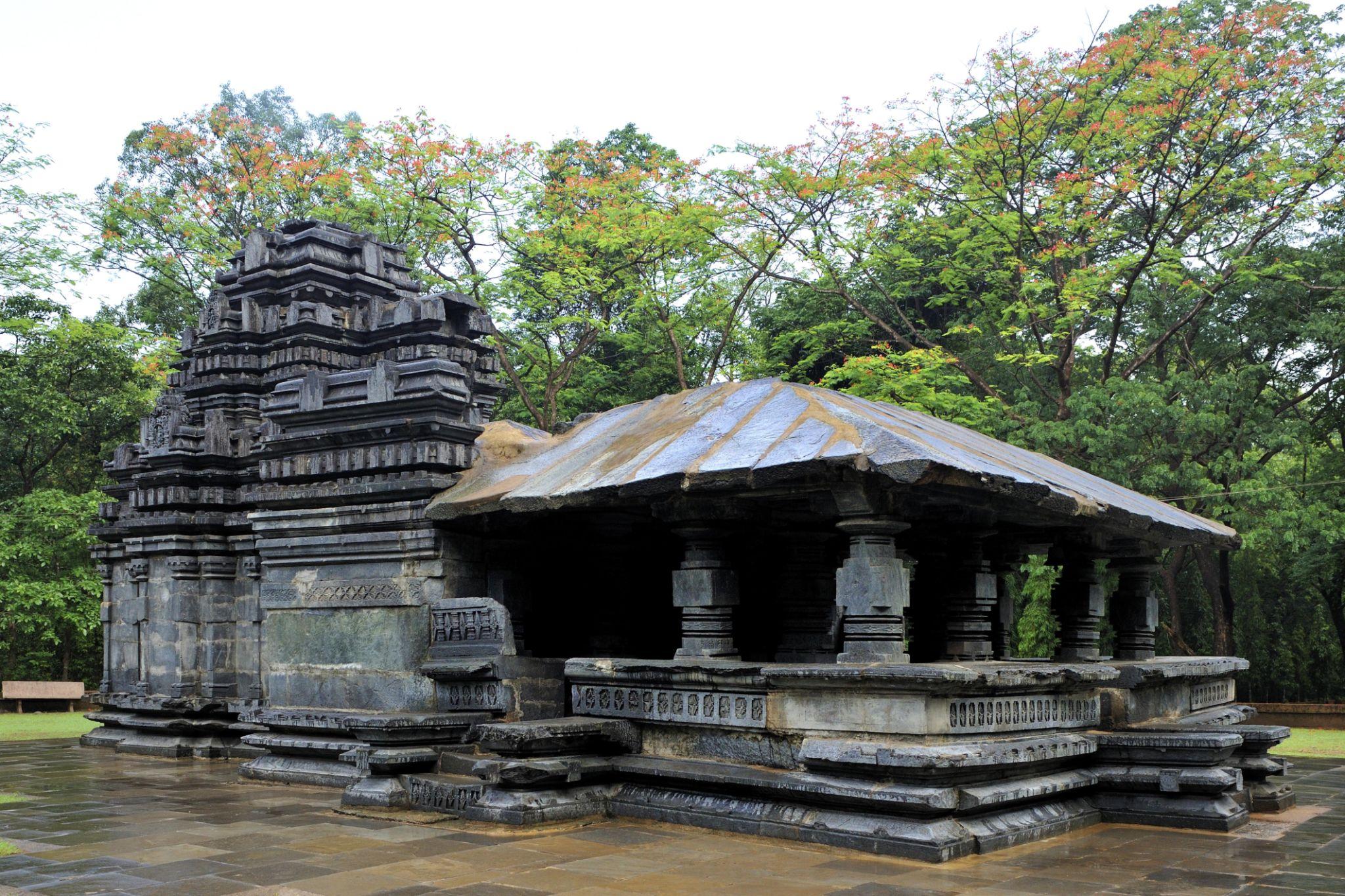
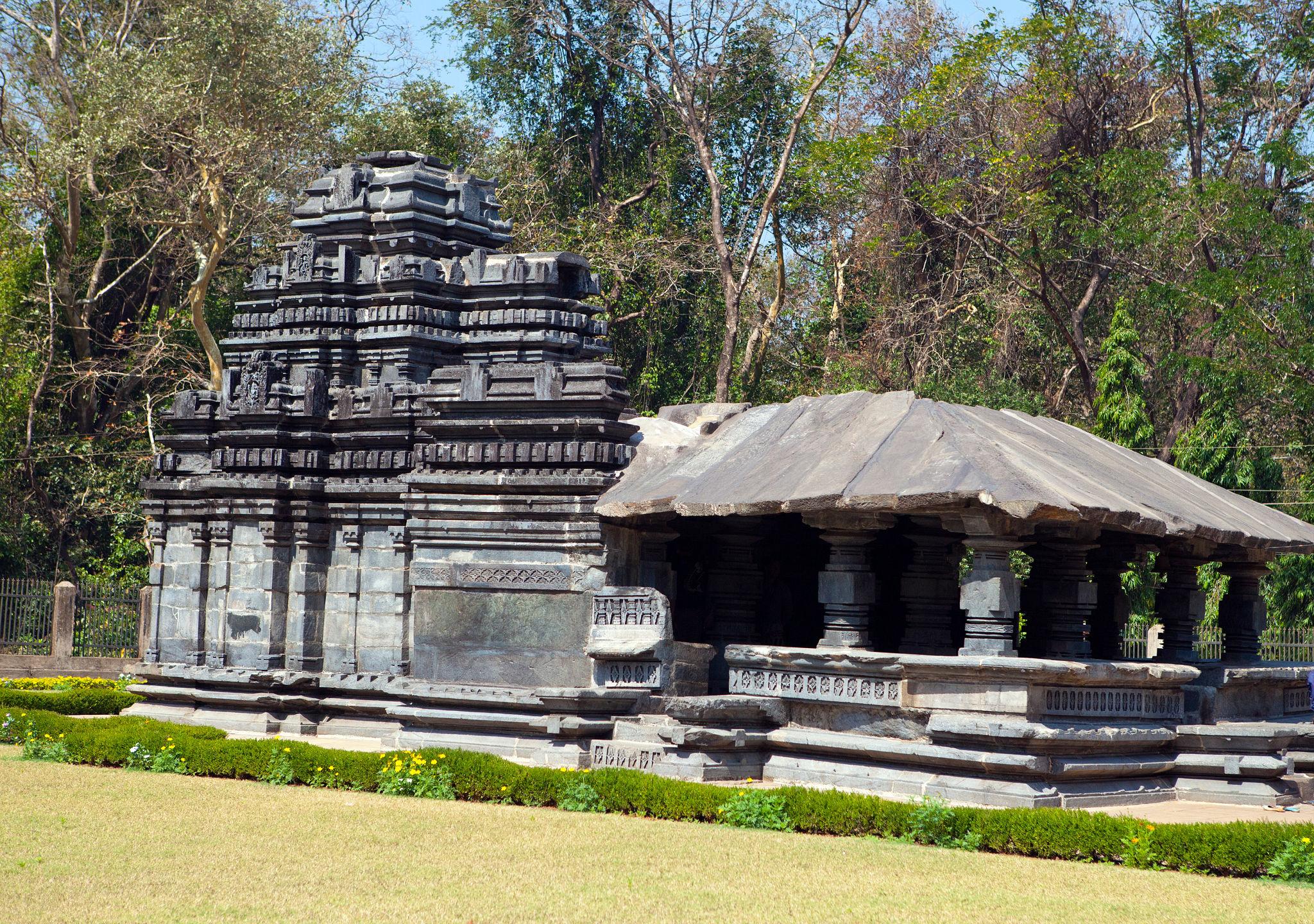
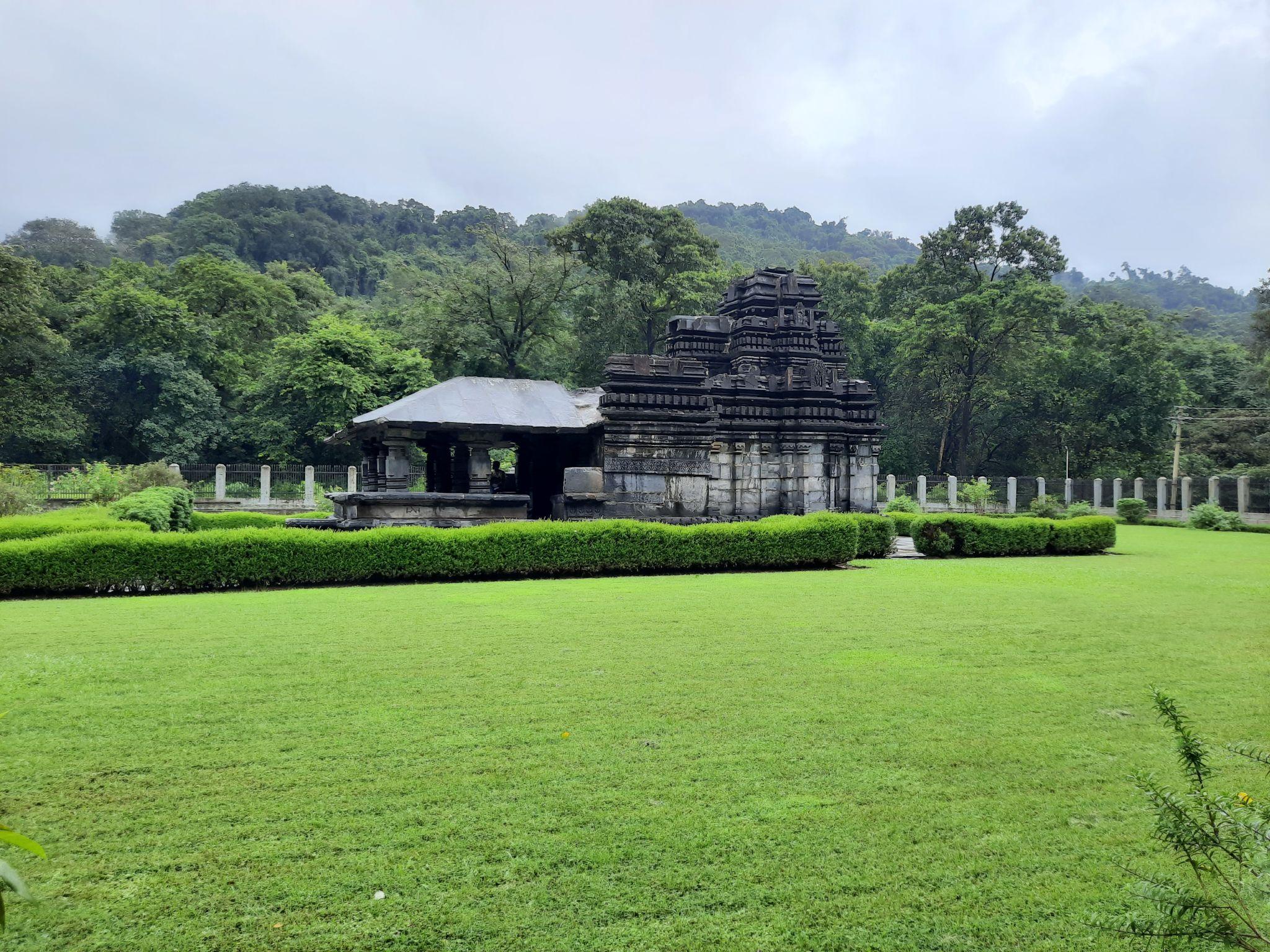
The temple is a masterclass in ancient engineering and artistic devotion. Built entirely of weather-resistant grey-black basalt, it stands in stark contrast to the surrounding "Tambdi" (red) soil of the region, from which the village derives its name. The site is not just a historical monument but a living spiritual center where the air is thick with the scent of wildflowers and the rhythmic sound of the nearby Surla River. Visitors are often struck by the profound silence that envelops the complex, broken only by the chirping of forest birds and the distant calls of langurs. For the modern traveler, a journey to Tambdi Surla is more than a sightseeing trip; it is a pilgrimage into the soul of ancient Goa, offering a glimpse into a pre-colonial era where art, nature, and divinity were inextricably linked.
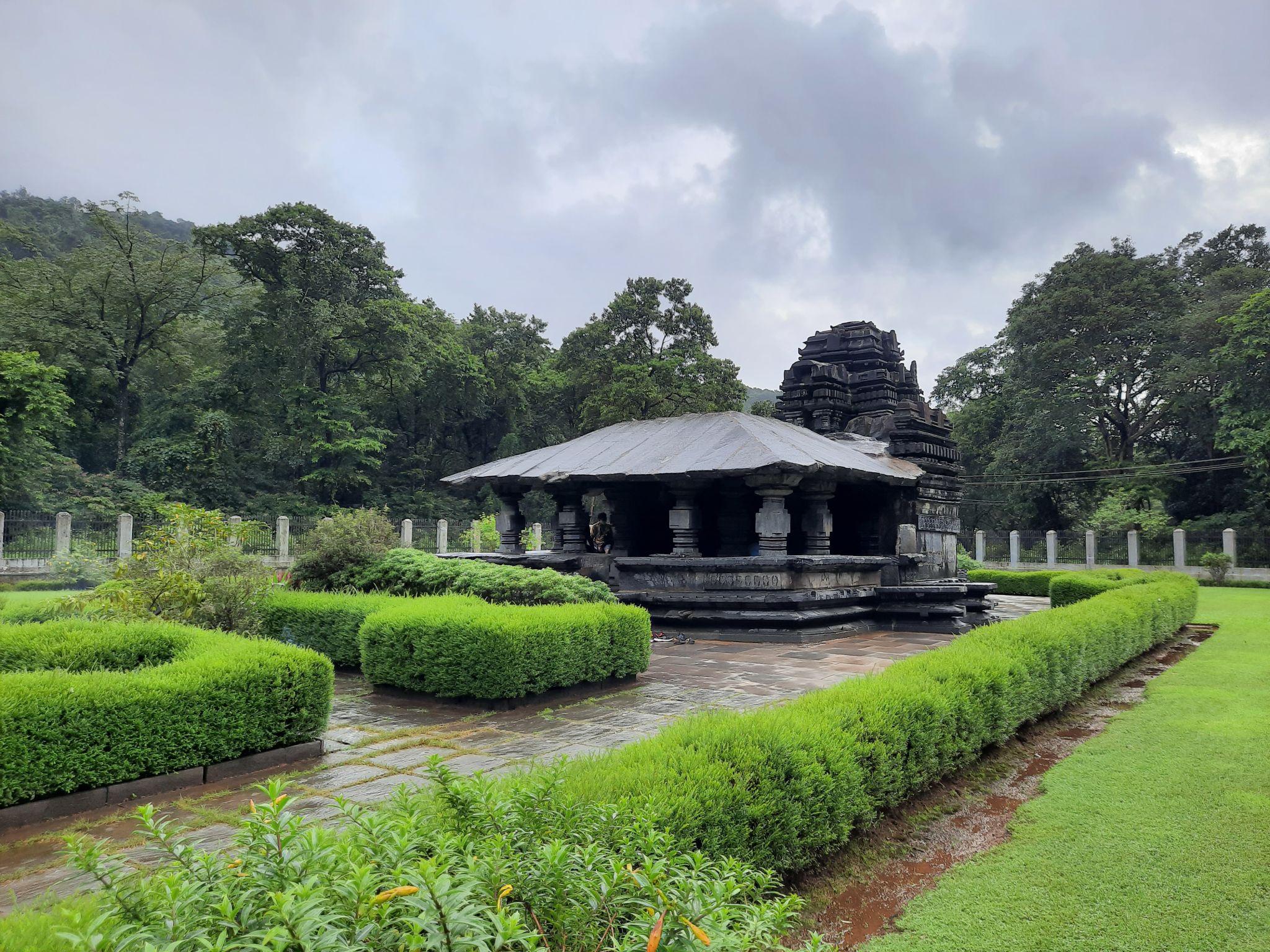
Managed by the Archaeological Survey of India (ASI), the temple grounds are meticulously maintained, featuring manicured lawns that provide a soft green carpet leading up to the dark, intricate stone structure. The temple faces east, ensuring that the first rays of the rising sun illuminate the deity within. As you approach the site, the sheer resilience of the structure becomes apparent—having withstood nearly a millennium of monsoons and forest growth, it remains a testament to the sophisticated craftsmanship of the Kadamba dynasty. Whether you are a history buff, an architecture enthusiast, or a spiritual seeker, Tambdi Surla offers a serene sanctuary far removed from the commercial bustle of modern tourism.
History & Religious Significance
The history of Tambdi Surla is as mysterious as the dense forests that surround it. Historians attribute the construction of this temple to Hemadri, a high-ranking minister in the court of the Yadava King Ramachandra of Devagiri, during the 12th century. The architectural style is often referred to as Hemadpanti, named after the minister himself, who is credited with introducing a unique method of building using locally available stone without the use of mortar. During this period, the Kadamba dynasty ruled Goa as vassals of the Yadavas, and this temple stands as the sole surviving representative of their architectural legacy in the state.
The religious significance of the temple is rooted in the worship of Lord Shiva, the destroyer and transformer within the Hindu Trinity. In the medieval period, Goa was a flourishing hub of Shaivism, and Tambdi Surla served as a vital spiritual outpost. While other magnificent temples in the coastal regions were destroyed during the Portuguese Inquisition or modified beyond recognition, Tambdi Surla’s geographical isolation proved to be its greatest defense. Hidden deep within the impenetrable jungles at the foot of the Anmod Ghat, it escaped the notice of invading armies and colonial administrators alike. This survival has made it a symbol of cultural resilience for the Goan people, representing an unbroken link to their ancestral traditions.
Local legends also suggest that the temple was built in a single night by a supernatural entity, a common trope in Indian folklore that emphasizes the extraordinary nature of the construction. However, historical evidence points to a more grounded but equally impressive reality of skilled artisans transporting massive basalt slabs over the mountains from the Deccan Plateau, as basalt is not naturally found in this part of Goa. Over the centuries, the temple has remained a focal point for the local forest-dwelling communities and the surrounding villages, who have kept the lamp of devotion burning through generations of political and social upheaval.
Architecture of Tambdi Surla Temple
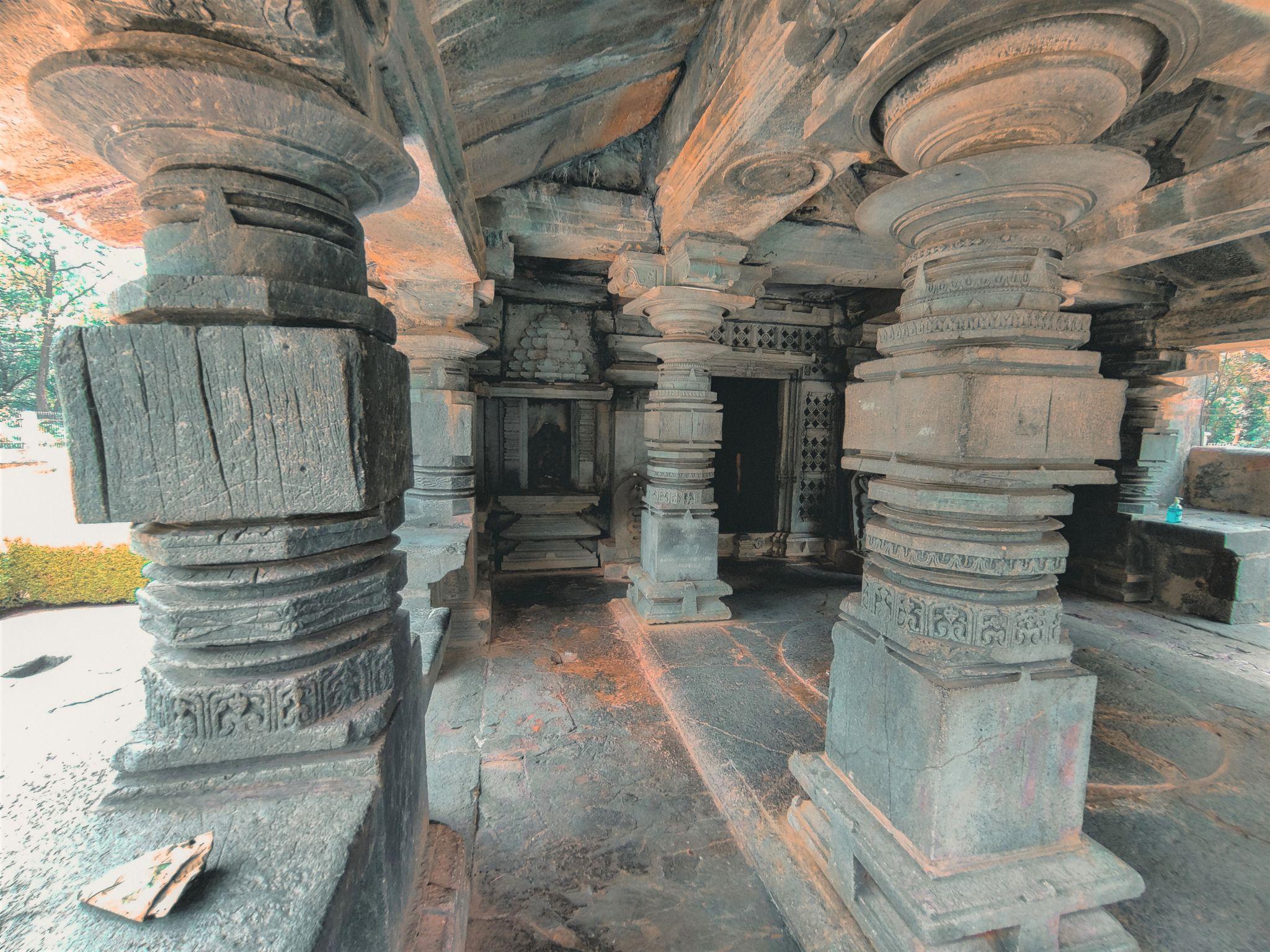
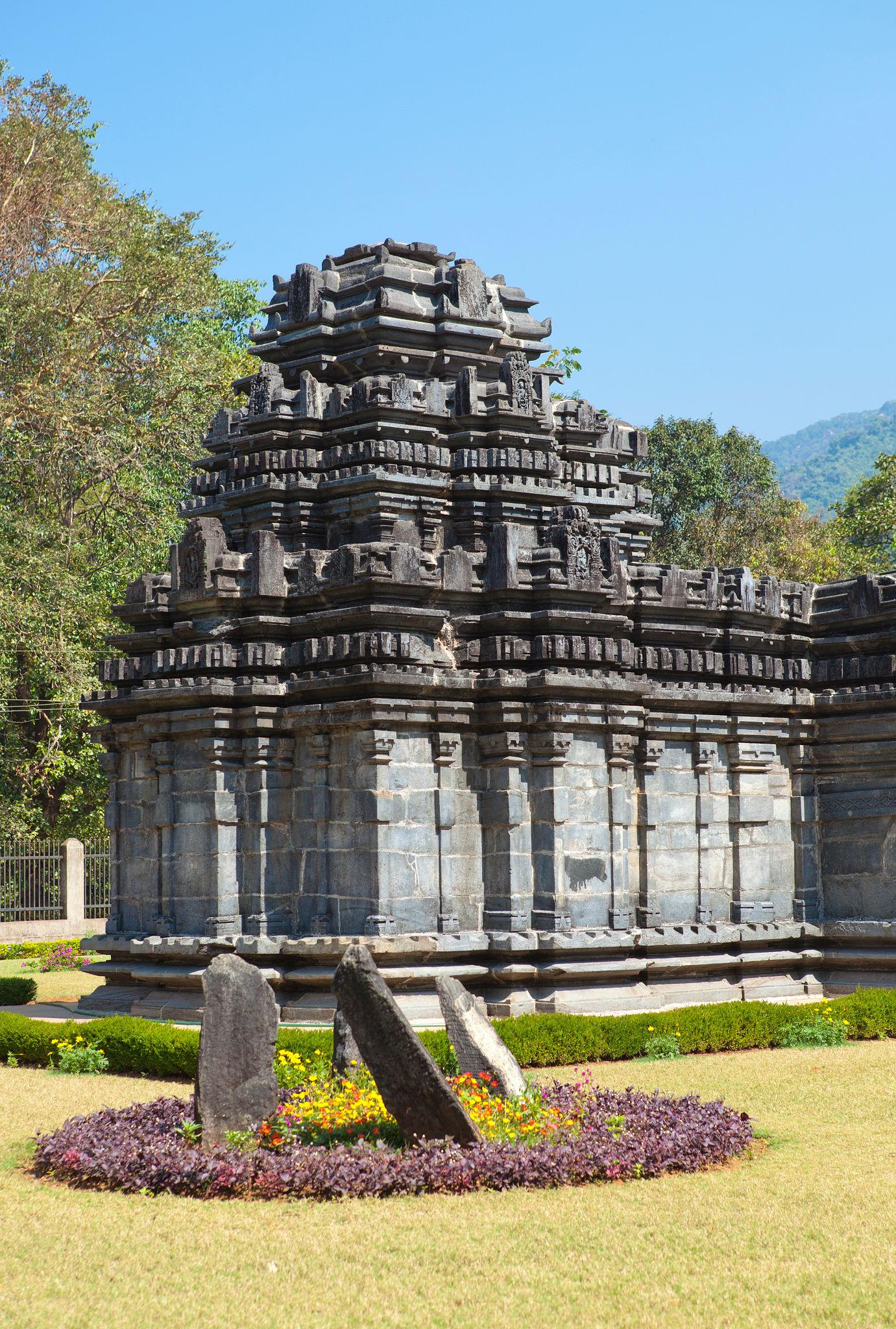
The architecture of the Mahadev Temple is a sophisticated blend of Kadamba-Yadava styles, characterized by its compact proportions and intricate carvings. The temple is built on a raised plinth, which protects it from the damp forest floor. It consists of three main sections: the Garbagriha (sanctum sanctorum), the Antarala (vestibule), and the Nandi Mandapa (pillared hall). The most striking feature is the use of basalt rock, which allows for much finer detailing than the porous laterite stone commonly used in other Goan structures.
- The Mandapa: The central hall is supported by four massive, highly polished basalt pillars. These pillars are adorned with intricate carvings of elephants, chains, and floral motifs. The ceiling of the mandapa is particularly noteworthy, featuring a magnificent carved lotus in full bloom, a symbol of purity and spiritual awakening in Indian iconography.
- The Shikhara: The tower or spire above the sanctum is built in a stepped pyramidal form. While the upper portions have suffered some damage over the centuries, you can still see the relief work depicting various deities, including Lord Shiva, Vishnu, and Brahma. The horizontal bands of the shikhara are a classic hallmark of the Kadamba style, reminiscent of the temples found in neighboring Karnataka.
- The Carvings: The exterior walls are decorated with panels showing scenes from the Puranas and the Mahabharata. You will find depictions of the elephant-headed God Ganesha, the goddess Durga in her Mahishasuramardini form, and various avatars of Vishnu. The precision of the stonework is so fine that even the jewelry and drapery on the figures are clearly visible.
- The Nandi: In the center of the mandapa sits a small, headless statue of Nandi the Bull, the vahana (vehicle) of Lord Shiva. Despite the damage, the Nandi remains a focal point of veneration, its presence completing the traditional layout of a Shiva temple.
One of the most fascinating aspects of the architecture is the interlocking stone technique. The slabs were carved with grooves and protrusions that fit together like a puzzle, ensuring stability without the need for cement or lime mortar. This engineering marvel has allowed the temple to withstand seismic shifts and the relentless pressure of the tropical monsoon for over eight hundred years. The interior remains remarkably cool even in the height of summer, a testament to the thermal properties of basalt and the strategic ventilation of the design.
Main Deity / Spiritual Importance
The presiding deity of the temple is Lord Shiva, worshipped here in the form of a Shiva Linga. The Linga is situated within the dark, cool confines of the Garbagriha, symbolizing the formless and eternal nature of the Divine. For devotees, the Linga is not just an idol but a powerhouse of spiritual energy. The simplicity of the sanctum, devoid of the flashy decorations found in modern temples, encourages a sense of inwardness and meditation. It is believed that the prayers offered here are particularly potent due to the temple's location at the confluence of natural energy lines within the forest.
The spiritual importance of Tambdi Surla extends to the concept of the Gram-Devta (village deity). For the people of the surrounding Mollem and Surla regions, Lord Mahadev is their protector. They believe that the temple acts as a spiritual shield for the entire forest ecosystem. The presence of water is also central to the spiritual experience here. The Surla River, which flows just a few meters away, is considered sacred. Devotees often take a ritual dip in its cool, clear waters before entering the temple, a practice believed to purify the body and mind. The synergy between the ancient stone, the flowing water, and the towering trees creates an atmosphere of Prakriti (Nature) and Purusha (Consciousness) in perfect harmony.
Festivals & Celebrations
While the temple is a place of quiet contemplation for most of the year, it transforms into a vibrant hub of activity during major Hindu festivals. The most significant celebration at Tambdi Surla is Mahashivratri, the "Great Night of Shiva." During this time, thousands of pilgrims from across Goa and neighboring Karnataka descend upon the forest shrine. The temple is decorated with marigold flowers and traditional lamps, and the chanting of "Om Namah Shivaya" echoes through the jungle. Special pujas are performed throughout the night, and the atmosphere is electric with devotion.
- Mahashivratri: Usually falling in February or March, this festival sees elaborate rituals, including the Abhishekam (ritual bathing) of the Shiva Linga with milk, honey, and water. Local folk dances and devotional songs (bhajans) are performed in the open spaces surrounding the temple.
- Shravan Month: During the holy month of Shravan (July-August), many locals visit the temple on Mondays, which are dedicated to Lord Shiva. Despite the heavy rains, the spiritual fervor remains high.
- Local Zatra: Small-scale local fairs or 'Zatras' are occasionally held, where local artisans and farmers gather, providing a glimpse into the authentic rural culture of Goa.
Attending a festival at Tambdi Surla is a unique experience. Unlike the commercialized festivals in the coastal belt, the celebrations here are deeply rooted in tradition and community. The sight of the ancient black stone temple illuminated by hundreds of oil lamps against the backdrop of a dark, starlit forest sky is a memory that stays with visitors forever.
Best Time to Visit
The best time to visit Tambdi Surla Temple is between October and March. During these post-monsoon and winter months, the weather is pleasantly cool, making the drive through the sanctuary and the walk to the temple very enjoyable. The humidity is lower, and the forest is at its most vibrant green, providing a stunning backdrop for photography. This period also coincides with the festival of Mahashivratri, offering a chance to witness the temple's cultural vibrancy.
The Monsoon season (June to September) offers a completely different experience. While the heavy rains can make the roads a bit challenging, the entire region turns into a misty, tropical paradise. The Surla River swells with rainwater, and the surrounding waterfalls come to life. However, visitors should be prepared for leeches and slippery paths during this time. The Summer months (April to May) can be quite hot and humid, although the interior of the temple remains surprisingly cool. If you visit in summer, it is best to arrive early in the morning to avoid the midday heat.
Timings, Entry Fee & Dress Code
To plan a successful trip to Tambdi Surla, keep the following logistical details in mind:
- Timings: The temple is generally open from 7:30 AM to 5:30 PM every day. It is highly recommended to reach early in the morning to experience the tranquil atmosphere before any crowds arrive and to allow ample time for the return journey before dark.
- Entry Fee: There is no entry fee to visit the temple. It is a public place of worship and a protected historical site. However, donations for the upkeep of the temple are accepted by the local committee.
- Dress Code: As this is an active religious site, visitors are expected to dress modestly. Both men and women should ensure their shoulders and knees are covered. Avoid wearing beachwear or revealing clothing. It is also customary to remove your footwear before entering the temple's inner mandapa and sanctum.
How to Reach Tambdi Surla Temple
Tambdi Surla is located in the Sanguem taluka of South Goa, approximately 65 kilometers from the state capital, Panaji, and about 55 kilometers from Margao. Reaching the temple is an adventure in itself, as the route takes you through some of Goa’s most scenic landscapes.
- By Private Vehicle/Taxi: This is the most convenient way to reach the temple. You can hire a taxi or rent a self-drive car/scooter from the coastal areas. The route typically involves taking the NH4A (Panaji-Belagavi Highway) towards Mollem. From Mollem, there is a clearly marked diversion that leads you through the winding forest roads to the temple.
- By Bus: State-run Kadamba Transport Corporation (KTC) buses and private buses ply from Panaji and Margao to Mollem or Sanguem. From there, you may need to hire a local pilot (motorcycle taxi) or a private rickshaw to cover the remaining distance to the temple, as direct bus frequency to the temple site is very low.
- By Train: The nearest railway station is Kulem, which is about 22 kilometers away. Kulem is the base for the Dudhsagar Falls trek. From Kulem station, you can hire a taxi to reach the temple.
The drive is characterized by canopy-covered roads and small Goan hamlets. Ensure your vehicle has enough fuel, as petrol pumps are scarce once you enter the sanctuary area.
Things to Do
While the temple is the main draw, the surrounding area offers several activities for nature lovers and adventure seekers:
- Nature Walks and Bird Watching: The Bhagwan Mahavir Wildlife Sanctuary is home to a diverse array of flora and fauna. You can spot various species of butterflies, kingfishers, and if you're lucky, the Malabar Giant Squirrel. A quiet walk along the perimeter of the temple can be very rewarding for wildlife enthusiasts.
- River Soaking: The Surla River flows right next to the temple. The water is shallow, clear, and cool. Many visitors enjoy sitting by the riverbanks or dipping their feet in the water to relax after exploring the temple.
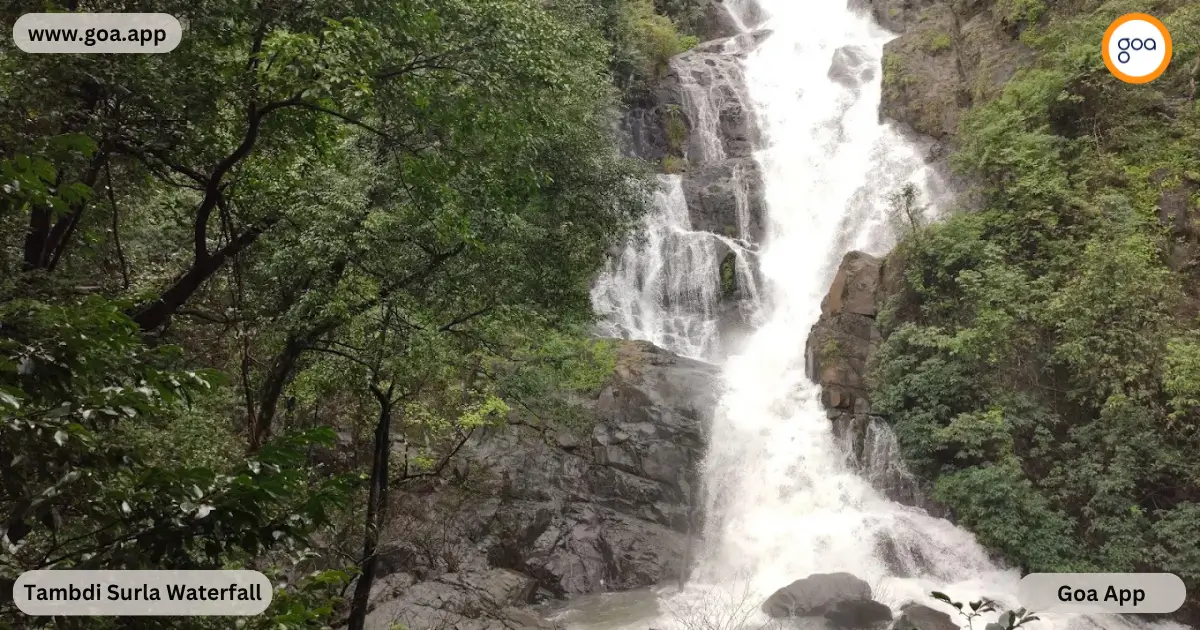
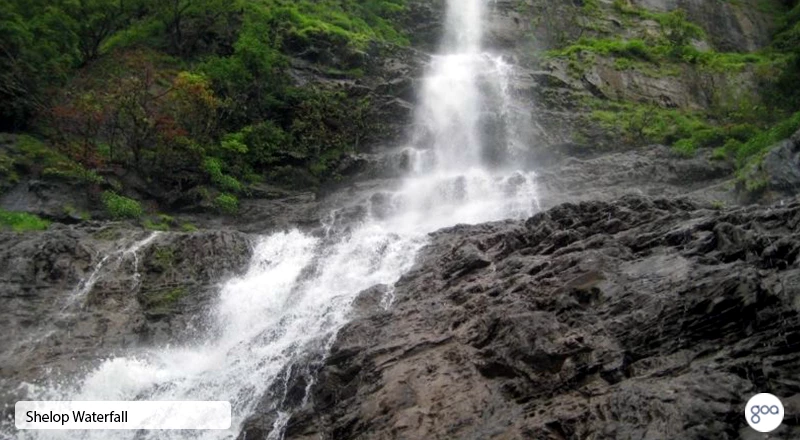
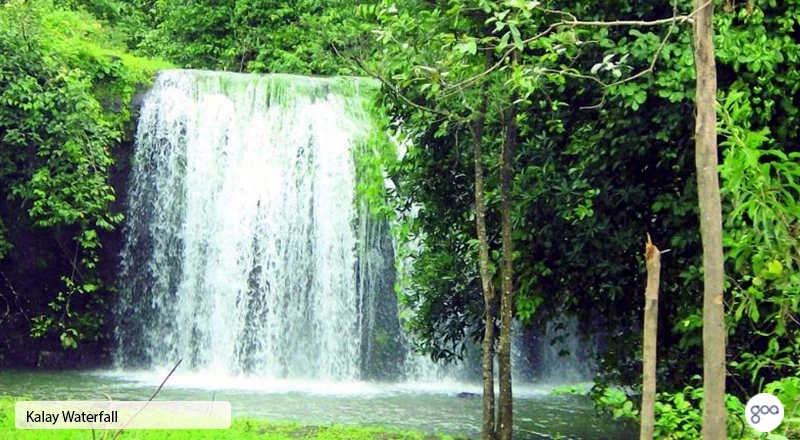
- Trekking: For the more adventurous, there are forest trails that lead deeper into the Western Ghats. One popular (though strenuous) trek leads to the Tambdi Surla Waterfall, which is located a few kilometers into the jungle. It is highly recommended to hire a local guide for this trek to avoid getting lost.
- Photography: The temple’s dark basalt stone against the vibrant green forest provides incredible contrast for photographers. The intricate carvings on the pillars and the exterior walls are excellent subjects for macro photography.
Nearby Attractions
A visit to Tambdi Surla can be easily combined with other attractions in the Mollem region, making for a full day of exploration:
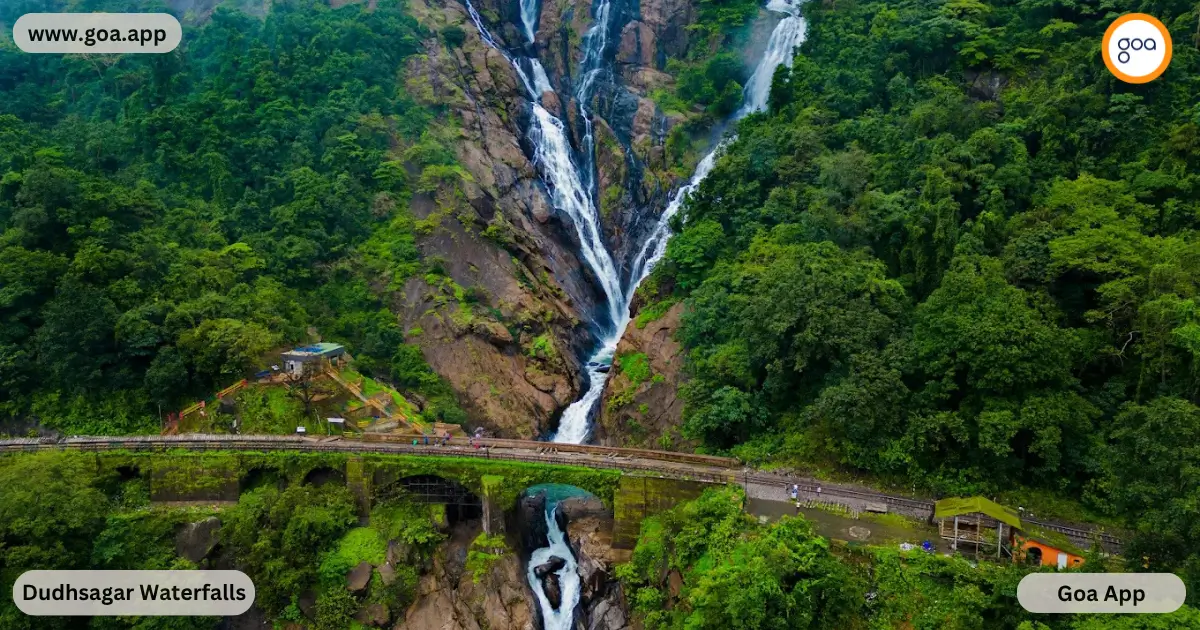
- Dudhsagar Falls: One of India’s tallest waterfalls, Dudhsagar is located within the same sanctuary. Most visitors take a Jeep safari from Kulem to reach the base of the falls. It is best to visit Dudhsagar in the morning and Tambdi Surla in the afternoon.
- Bondla Wildlife Sanctuary: Located about 25 kilometers away, this is a smaller, more family-friendly sanctuary featuring a mini-zoo, a botanical garden, and deer safari park.
- Mollem National Park: This park offers opportunities for jungle safaris where you might spot leopards, barking deer, and various species of snakes.
- Salaulim Dam: Located in Sanguem, this dam is famous for its unique "duckbill spillway" and the beautiful botanical gardens modeled after the Brindavan Gardens in Mysore.
Photography & Visitor Guidelines
To ensure a respectful and safe visit, please adhere to the following guidelines:
- Photography: Photography is generally allowed on the temple grounds and in the mandapa. However, taking photos of the deity inside the Garbagriha is strictly prohibited. Always look for signage or ask the resident priest before clicking pictures of the rituals.
- Silence: Maintain a low volume. The temple is a place of meditation and prayer. Avoid loud music or shouting.
- Environmental Care: The temple is located inside a wildlife sanctuary. Do not litter. Carry all your plastic waste back with you. Feeding wild animals is also strictly prohibited and can be dangerous.
- Safety: Be cautious near the river, especially during the monsoon when the current can be deceptively strong. Also, stay on the designated paths to avoid encounters with snakes or leeches.
Where to Eat Nearby
Being in a remote forest area, dining options directly at the temple are limited to small stalls selling snacks, tender coconut water, and basic refreshments. For a proper meal, you have a few options:
- Mollem Village: There are several small eateries and "Ghar- जेवण" (home-cooked meal) places in Mollem that serve authentic Goan Hindu cuisine, including fish thalis and vegetarian thalis.
- Dudhsagar Spa Resort: Located near the sanctuary entrance, this resort offers a more formal dining experience with a multi-cuisine menu.
- Kulem: The area near the railway station has several local restaurants catering to the Dudhsagar trekking crowd.
Pro Tip: If you have specific dietary requirements, it is best to carry your own food and water, but remember to dispose of the packaging responsibly outside the sanctuary area.
Accommodation Nearby
If you wish to immerse yourself in the tranquility of the forest for more than a day, consider staying at one of these locations:
- Nature’s Nest Goa: An eco-resort located near the sanctuary that specializes in birdwatching tours and nature activities. It offers comfortable cottages and an authentic Goan experience.
- Dudhsagar Spa Resort: A more upscale option with a swimming pool and modern amenities, located close to the Mollem check-post.
- Wildernest Nature Resort: Located further away on the Chorla Ghat, this resort offers breathtaking views of the Vazira falls and a premium eco-stay experience.
- GTDC Mollem: The Goa Tourism Development Corporation runs a residency in Mollem which provides basic, budget-friendly accommodation for travelers.
Travel Tips
To make the most of your trip to the Mahadev Temple at Tambdi Surla, keep these tips in mind:
- Start Early: The drive from the coast takes about 1.5 to 2 hours. Leaving by 8:00 AM ensures you beat the heat and the afternoon crowds.
- Fuel Up: Ensure your car or bike has a full tank before leaving the main towns (Ponda or Margao).
- Connectivity: Mobile network coverage is very spotty in the forest. It is a good idea to download offline maps or note down the directions beforehand.
- Comfortable Footwear: While you have to enter the temple barefoot, wear sturdy walking shoes for the forest paths and the area around the temple.
- Monsoon Gear: If visiting in the rains, carry a sturdy umbrella or a raincoat, and apply insect repellent to guard against leeches.
Conclusion
The Tambdi Surla Temple is a poignant reminder that Goa’s identity is far deeper and more complex than its popular "sun, sand, and sea" image. It is a place where history is etched into basalt and where the spiritual resonance of the past continues to vibrate in the present. Visiting this ancient shrine is a humbling experience that connects you with the skilled artisans of the 12th century and the timeless beauty of the Western Ghats. It is a sanctuary not just for the deity it houses, but for the traveler seeking a moment of profound peace and cultural enrichment. As you leave the cool shadows of the basalt pillars and step back into the dappled sunlight of the Mollem forest, you carry with you a piece of Goa’s eternal soul—a memory of a time when man and nature built something truly divine together.