Introduction to Betul Fort
Nestled in the quiet, southern reaches of Goa, far away from the pulsating neon lights of Baga and the crowded shacks of Calangute, lies a silent sentinel of history: Betul Fort. Located in the Quitol area of South Goa, this fort is more than just a collection of weathered laterite stones; it is a gateway to a bygone era where empires clashed over the emerald waters of the Arabian Sea. As a professional travel writer who has spent years traversing the winding lanes of the Sunshine State, I find Betul Fort to be one of the most evocative and underrated landmarks in all of Western India. It stands proudly at the mouth of the Sal River, overlooking the confluence where the river finally surrenders its fresh waters to the vast, salty expanse of the ocean. This specific geographical positioning makes Betul Fort not just a historical site, but a panoramic vantage point that offers some of the most breathtaking views in the region.
When you arrive at Betul, you are immediately struck by the transition in atmosphere. The air here feels thicker with the scent of salt and drying fish, a testament to the thriving local fishing community that calls this area home. The fort itself is relatively small compared to the sprawling ramparts of Aguada or Chapora, yet it possesses an intimate charm that those larger cousins lack. It is a place for the contemplative traveler, the history buff, and the photographer looking for that perfect, unobstructed shot of the Goan coastline. In this comprehensive guide, we will delve deep into the layers of history, the architectural nuances, and the practicalities of visiting this hidden gem, ensuring you have every piece of information needed to appreciate the Betul Fort in its entirety. Whether you are a solo backpacker seeking solitude or a family looking to explore the educational side of Goa, Betul Fort promises a rewarding journey into the heart of South Goan heritage.
The journey to the fort is an experience in itself. You pass through the quaint village of Betul, where traditional Goan houses with their vibrant red-tiled roofs and white-washed walls stand as reminders of the Portuguese influence that permeated the state for centuries. However, as we shall see, Betul Fort tells a slightly different story—one that begins not with the Portuguese, but with the legendary Maratha ruler, Chhatrapati Shivaji Maharaj. This distinction is crucial to understanding the fort's identity. It represents a period of resistance and strategic military planning that shaped the destiny of the Konkan coast. Today, as the fort slowly merges with the surrounding greenery, it invites visitors to step off the beaten path and discover a side of Goa that remains authentic, rugged, and profoundly beautiful.
History of Betul Fort
The history of Betul Fort is a fascinating tapestry of maritime ambition and colonial rivalry. Unlike many of the more famous forts in Goa which were built by the Portuguese to consolidate their maritime empire, Betul Fort has its origins in the visionary mind of Chhatrapati Shivaji Maharaj. It was constructed in 1679, during the twilight years of the great Maratha leader's reign. Shivaji Maharaj recognized the immense strategic value of the Sal River mouth. By establishing a presence here, the Marathas could monitor the movements of the Portuguese navy based in Velha Goa and the Desais of coastal regions, while also providing a secure base for their own naval fleet. The construction of the fort was a bold statement of Maratha sovereignty in a region that was increasingly being squeezed between European colonial powers and local sultanates.
For several decades, Betul Fort served as a crucial Maratha outpost. It was part of a larger network of coastal defenses designed to protect the Konkan region from seaborne invasions. However, the geopolitical landscape of 17th and 18th-century Goa was incredibly fluid. The Portuguese, realizing the threat the fort posed to their control over the southern territories (the Novas Conquistas or New Conquests), made several attempts to seize it. The fort finally fell into Portuguese hands in the late 18th century, specifically around 1763, following a series of military campaigns. Under Portuguese administration, the fort was renovated and integrated into their defensive line, though it never regained the primary military importance it held under the Marathas. It was eventually used as a customs house and a surveillance point to prevent smuggling along the Sal River.
One of the most interesting historical anecdotes regarding Betul Fort involves its role in the Ponda Siege and the broader Maratha-Portuguese conflicts. The fort was a point of contention because it controlled the access to the fertile hinterlands of Quepem and Salcete. Throughout the 19th century, as the military significance of stone forts began to wane with the advent of modern artillery and naval warfare, Betul Fort was gradually decommissioned. It survived as a silent witness to the integration of Goa into the Indian Union in 1961. Today, the fort is protected by the Directorate of Archives and Archaeology of the Government of Goa. While much of its original structure has succumbed to the relentless Goan monsoons and the passage of time, the historical weight of the site remains palpable. Walking through its ruins, one can almost hear the echoes of Maratha warriors and Portuguese sentries who once stood guard over these very cliffs.
Architecture
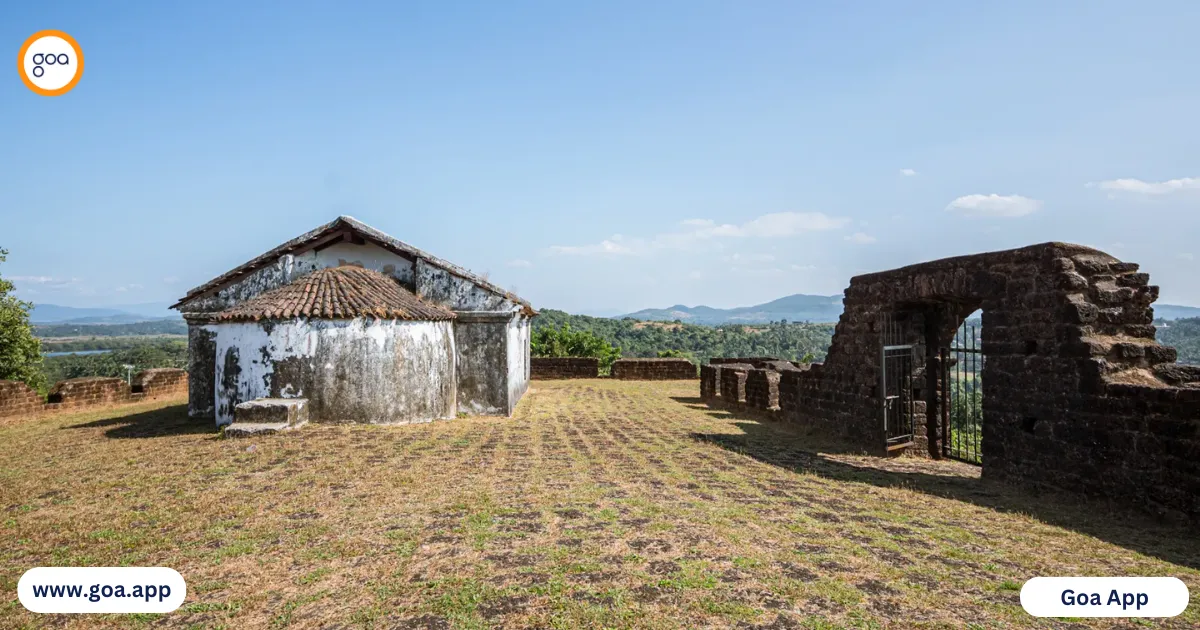
The architecture of Betul Fort is a study in functional military design tailored to the local landscape. Unlike the grand, ornamental forts of Rajasthan, Goan forts were built primarily for utility, using the most abundant material available: Laterite stone. This reddish-brown, porous volcanic rock is synonymous with Goan architecture. At Betul, the laterite blocks were carved directly from the surrounding hills and stacked to create thick, defensive walls that could withstand both the humid tropical climate and the occasional cannon fire. The fort is relatively compact, following the natural contours of the hillock on which it sits. This "hill-fort" style allowed the defenders to have a 360-degree view of the surrounding terrain without needing to build excessively high towers.
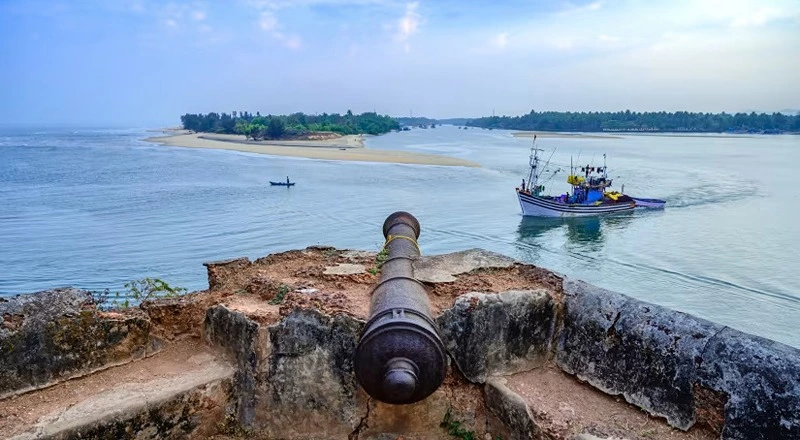
The layout of the fort features several key elements common to 17th-century fortifications. There are remains of bastions—rounded projections from the main wall—which allowed soldiers to fire upon attackers from multiple angles. One of the most iconic sights at Betul Fort today is the lone cannon that still sits atop the ramparts, pointing defiantly toward the Arabian Sea. This iron relic, though rusted by centuries of salt spray, provides a tangible link to the fort's martial past. The entrance to the fort was designed to be narrow and easily defensible, a classic "choke point" intended to slow down any invading force. Inside the perimeter, you can find the foundations of what were once barracks, ammunition stores, and administrative rooms, though most of these are now covered in a carpet of wild grass and wildflowers.
One of the unique architectural features of Betul Fort is its integration with the cliffside. The western wall of the fort seems to grow out of the very rock it stands upon, making it nearly impossible to scale from the sea side. The drainage system, designed to handle the torrential rains of the Indian monsoon, is still visible in parts, showing the foresight of the Maratha engineers. While the fort does not possess the intricate carvings or grand gateways of other Indian forts, its beauty lies in its minimalism and ruggedness. The way the red stone contrasts against the deep blue of the sea and the vibrant green of the surrounding palms creates a visual harmony that is quintessentially Goan. It is a structure that does not dominate the landscape but rather complements it, acting as a natural extension of the Betul headland.
Why Betul Fort is Famous
Betul Fort is famous primarily for being one of the few Maratha-built fortifications in Goa. While the state is dotted with Portuguese landmarks, the Maratha influence is less visible, making Betul a significant site for those interested in the indigenous history of the region. It stands as a monument to Shivaji Maharaj’s naval vision and his commitment to protecting the Konkan coast from foreign encroachment. For historians and students of Indian warfare, the fort is a crucial piece of the puzzle in understanding the Maratha Empire's reach into the southern Konkan. However, its fame extends beyond just the historical community; it has become a "bucket list" item for offbeat travelers who want to escape the commercialized chaos of North Goa.
Another reason for its fame is the unparalleled view it offers. From the ramparts of Betul Fort, you can see the Sal River snaking through the lush landscape before it meets the Arabian Sea. This confluence creates a unique ecosystem of sandbars, mangroves, and turquoise waters that is visually stunning. The fort is also famous among the local photography community. The combination of the ancient stone walls, the lone cannon, and the backdrop of the Mobor Beach across the river makes for some of the most Instagrammable shots in South Goa. Unlike the crowded Fort Aguada, here you can often find yourself completely alone with the view, allowing for a peaceful and immersive experience that is rare in modern-day Goa.
Furthermore, Betul Fort is famous for its proximity to the Betul Lighthouse and the bustling Betul Fishing Jetty. The area is known as the "fishing capital" of South Goa, and the fort provides a bird's-eye view of the traditional trawlers and canoes heading out to sea. This blend of historical significance, natural beauty, and cultural authenticity has earned Betul Fort a reputation as a must-visit destination for those who appreciate the "Susegad" (laid-back) lifestyle of Goa. It is a place where you can feel the pulse of the land, far removed from the tourist traps, making it a famous symbol of South Goan serenity.
Strategic Importance
The strategic importance of Betul Fort cannot be overstated. In the 17th century, control over water bodies was the key to economic and military power. By building a fort at the mouth of the Sal River, the Marathas effectively controlled one of the most important inland waterways in South Goa. The Sal River was a vital artery for trade, used to transport spices, timber, and agricultural produce from the interior villages to the coast. Whoever held Betul Fort could tax this trade, monitor the movement of goods, and prevent enemy ships from sailing upstream toward the heart of the Portuguese-held territories in Salcete.
From a purely military perspective, the fort served as an early warning system. Its elevated position on the headland provided a clear line of sight for several miles across the Arabian Sea. Sentries could spot approaching enemy fleets—whether they were Portuguese, Dutch, or British—long before they reached the shore. This gave the Maratha forces ample time to prepare their defenses or alert nearby garrisons. The fort also protected the local fishing communities, which were a vital source of food and revenue. During the Portuguese era, the fort’s strategic role shifted slightly toward border control. As the Portuguese expanded their territory, Betul became a frontier post, marking the boundary between the "Old Conquests" and the "New Conquests," ensuring that the transition of power in the southern districts remained secure.
Even today, the strategic value of the location is evident. The nearby Cutbona Jetty is one of the largest and most important fishing hubs in the state, and the navigational markers near the fort continue to guide modern vessels. The fort's position also allows for the monitoring of the delicate river-mouth ecosystem, which is crucial for the environmental health of the region. Historically, Betul Fort was a "lock" on the Sal River; today, it remains a symbolic guardian of the South Goan coast, reminding us that the geography of a place often dictates its destiny.
Best Time to Visit
To truly appreciate the beauty of Betul Fort, timing is everything. The best time to visit is from November to February. During these winter months, the weather in Goa is absolutely delightful. The humidity is low, the skies are a clear, piercing blue, and the temperatures are mild enough for you to explore the fort and its surroundings without getting exhausted by the heat. This is also the period when the sea is at its calmest, and the views of the Sal River confluence are most vibrant. The gentle breeze blowing off the Arabian Sea makes sitting on the fort walls a therapeutic experience.
If you are a fan of lush, dramatic landscapes, the Monsoon season (June to September) offers a completely different perspective. During the rains, the entire Betul headland is carpeted in an intense shade of emerald green. The laterite stones of the fort turn dark and moody, and the Sal River swells with rainwater, creating a powerful spectacle at the confluence. However, be prepared for slippery paths and heavy downpours. While the fort looks magical in the rain, photography can be a challenge, and the climb up the hill can be a bit treacherous. For those who want the best of both worlds—lush greenery and manageable weather—the shoulder months of October and March are also excellent choices.
In terms of the time of day, late afternoon is the absolute winner. Arriving around 4:30 PM or 5:00 PM allows you to explore the ruins while the sun is still up and then witness one of the most spectacular sunsets in Goa. The sun sinks directly into the Arabian Sea, casting a golden glow over the fort and the river. Early morning (around 7:00 AM) is also a great time for birdwatchers and those who want to see the fishing boats returning to the jetty with their morning catch. Avoid visiting during the midday hours (12:00 PM to 3:00 PM), as there is very little shade at the fort, and the tropical sun can be quite punishing.
Timings & Entry Fee
One of the best things about Betul Fort is its accessibility. As of my last visit, there is no entry fee to visit the fort. It is a public heritage site maintained by the state, making it a fantastic option for budget travelers and students. Unlike some of the more commercialized historical sites in North Goa where you have to pay for parking and entry, Betul remains free and open to all who wish to explore its history.
Regarding timings, the fort is technically accessible 24 hours a day, as there are no gates or fences that are locked at night. However, for safety and visibility reasons, it is highly recommended to visit between sunrise and sunset (6:00 AM to 6:30 PM). The path leading up to the fort is a natural trail with uneven rocks and no artificial lighting. Attempting to navigate this path in the dark can be dangerous. Furthermore, the fort is located in a relatively secluded area; while South Goa is generally very safe, it is always better to visit such spots during daylight hours when there are other people or locals around.
It is important to note that because there is no formal ticketing office, there are also no on-site facilities like restrooms, drinking water stations, or cloakrooms. You should plan your visit accordingly. Most visitors spend about 45 minutes to an hour at the fort, which is plenty of time to walk the perimeter, take photos, and soak in the views. If you are planning to combine the fort visit with a trip to the nearby beach or lighthouse, you might want to allocate a half-day for the entire Betul area.
Things To Do at Betul Fort
While Betul Fort is not a place with "activities" in the traditional sense, it offers a variety of experiences for the mindful traveler. Here are some of the top things to do:
- Historical Exploration: Walk along the remaining ramparts and identify the different bastions. Try to find the lone cannon and imagine the fort in its heyday. It is a great place to teach children about the Maratha history of Goa.
- Landscape Photography: This is arguably the best activity at the fort. The panoramic view of the Mobor Beach, the Sal River, and the open sea provides endless opportunities for stunning wide-angle shots. The textures of the laterite walls are also great for close-up photography.
- Sunset Watching: Find a comfortable spot on the western wall and watch the sun dip below the horizon. The lack of crowds makes this a much more peaceful experience than watching the sunset at more popular beaches like Palolem or Colva.
- Bird Watching: The surrounding vegetation and the river mouth attract a variety of bird species. Keep an eye out for Brahminy Kites circling above, Kingfishers diving into the river, and various sea birds along the shore.
- Picnicking: While there are no tables or benches, many visitors bring a light snack and a bottle of water to enjoy while taking in the view. Just remember to carry all your trash back with you, as there are no trash cans at the site and we must keep this heritage spot clean.
- Meditation and Reflection: The sound of the waves crashing against the rocks below and the rustle of the wind through the palms make Betul Fort an ideal spot for some quiet meditation or journaling.
Photography Spots
For those looking to capture the essence of Betul Fort through a lens, there are several specific spots you shouldn't miss. First and foremost is the The Cannon Frame. Positioning the ancient iron cannon in the foreground with the vast Arabian Sea in the background creates a powerful image that tells the story of the fort's defensive past. The best time for this shot is during the "golden hour" just before sunset when the rust on the cannon and the red of the laterite stone are accentuated by the warm light.
Another fantastic spot is the River-Sea Confluence Point. From the northern edge of the fort, you can clearly see the line where the blue waters of the sea meet the slightly darker, silt-heavy waters of the Sal River. This geographical phenomenon is best captured with a wide-angle lens to show the scale of the landscape. If you have a zoom lens, you can also capture the colorful fishing boats docked at the Cutbona Jetty across the water, providing a nice contrast between the ancient fort and modern local life.
Don't forget the Laterite Stairways and Walls. The weathered steps and the moss-covered walls (especially during the monsoon) provide excellent textures for architectural photography. Framing a shot through one of the narrow embrasures (the openings in the wall for firing weapons) can create a unique "window" effect, focusing the viewer's eye on a specific part of the coastline. Finally, for those who enjoy drone photography, Betul Fort is a spectacular subject from the air, revealing its unique shape and its precarious position on the edge of the cliff (just be sure to check local drone regulations first).
Nearby Attractions
A visit to Betul Fort can easily be part of a larger exploration of South Goa. The area is rich with attractions that cater to different interests:
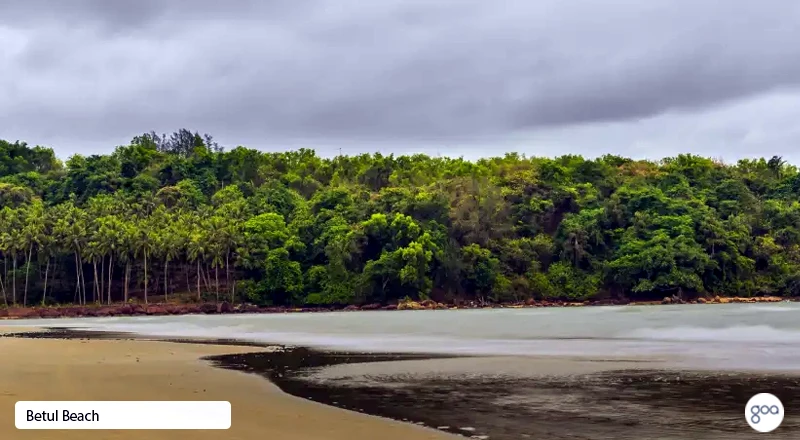
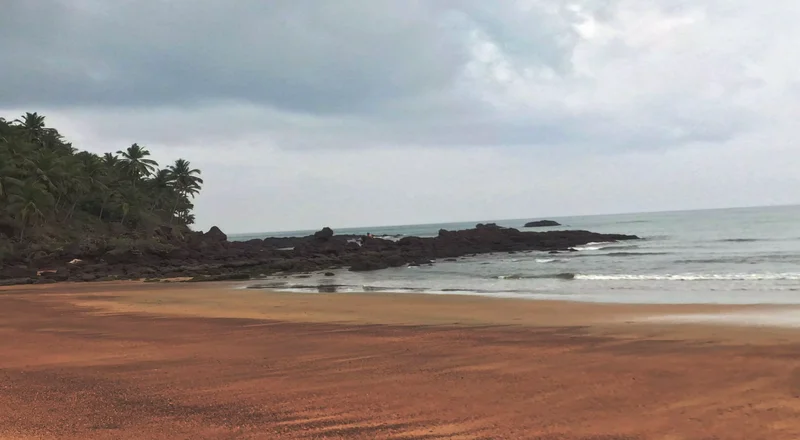
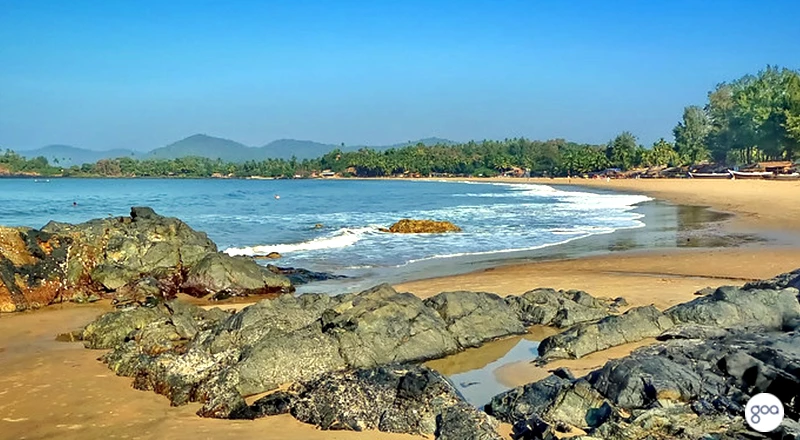
- Betul Beach: Located just a short walk or drive from the fort, this is a quiet, secluded beach known for its silvery sand and rocky outcrops. It is far less crowded than the neighboring Mobor Beach.
- Betul Lighthouse: Situated on the same hillock as the fort, the lighthouse is a modern structure that offers even higher vantage points. The red and white striped tower is a landmark in itself and is a great spot for photos.
- Cutbona Fishing Jetty: This is one of Goa's primary fishing hubs. Visiting the jetty in the morning allows you to see the true scale of the local fishing industry, with hundreds of boats and a bustling fish market.
- Holy Cross Church, Baradi: Located on a nearby hill, this church offers another stunning 360-degree view of the countryside and the sea. It is a place of great local religious significance.
- Cabo de Rama Fort: If you haven't had enough of history, a 20-minute drive south will take you to the much larger Cabo de Rama Fort, which has a fascinating history involving the Ramayana and later Portuguese occupation.
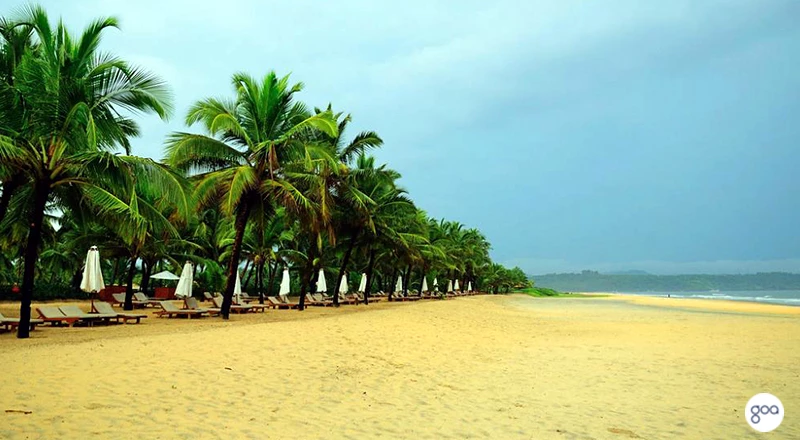
- Mobor Beach: Located across the Sal River, this beach is home to several high-end resorts and offers water sports activities like jet skiing and parasailing. You can reach it by taking the Cavelossim-Assolna ferry.
How To Reach Betul Fort
Reaching Betul Fort is relatively straightforward, but it does require some navigation through the scenic backroads of South Goa. The fort is located approximately 20 kilometers from Margao, the commercial capital of South Goa, and about 50 kilometers from Panjim, the state capital.
By Two-Wheeler or Car: This is the most convenient way to reach the fort. From Margao, follow the road toward Chinchinim and then head toward Assolna. Cross the bridge over the Sal River and follow the signs for Betul or Quitol. The road winds through beautiful coconut groves and small villages. Once you reach Betul village, look for the road that leads up the hill toward the lighthouse. You can park your vehicle near the base of the hill or slightly further up where the path to the fort begins.
By Bus: Local buses run regularly from Margao to Betul. Ask for the bus heading to "Betul" or "Quitol." The bus will drop you in the village, from where you will have to walk about 15-20 minutes uphill to reach the fort. It’s a pleasant walk, but be prepared for a bit of a climb.
By Taxi or Rickshaw: You can hire a taxi or an auto-rickshaw from Margao or any of the nearby beach towns like Colva or Benaulim. Ensure you negotiate the fare beforehand or use a taxi app if available. It’s often a good idea to ask the driver to wait for you, as finding a return taxi from the fort can be difficult.
The Ferry Experience: For a more scenic route, if you are coming from the Cavelossim or Mobor side, you can take the Cavelossim-Assolna ferry across the Sal River. It’s a short, free (for pedestrians) ride that adds a bit of adventure to your trip. Once you cross over, Betul Fort is just a short drive away.
Travel Tips
To make the most of your visit to Betul Fort, keep these practical tips in mind:
- Wear Comfortable Footwear: The path to the fort is rocky and uneven. Avoid wearing flip-flops or high heels; a good pair of sneakers or walking sandals is highly recommended.
- Carry Water and Snacks: As mentioned, there are no shops or vendors at the fort itself. Stay hydrated, especially if you are visiting in the afternoon. There are small local shops in Betul village where you can stock up before heading up the hill.
- Sun Protection: The fort is very exposed. Carry a hat, sunglasses, and apply sunscreen to protect yourself from the strong Goan sun.
- Respect the Heritage: Betul Fort is a historical monument. Do not deface the walls, litter, or remove any stones or artifacts. Let’s preserve it for future generations.
- Try the Local Seafood: The Betul area is famous for its fresh catch. After your visit, stop at one of the local eateries in the village or near the jetty. The Betul river mussels and fresh prawns are local delicacies you shouldn't miss.
- Check the Weather: If you are visiting during the monsoon, check the weather forecast. Heavy rain can make the path slippery and the visibility poor.
- Safety First: The fort is on a cliffside with no railings in many places. Be very careful when walking near the edges, especially if you are traveling with children.
Conclusion
Betul Fort is a poignant reminder that Goa's history is as diverse and layered as its landscape. It is a place where the martial spirit of the Marathas meets the tranquil beauty of the South Goan coast. While it may not have the grandeur of India's more famous forts, its significance lies in its story—a story of strategic brilliance, colonial transition, and the enduring power of nature. For the traveler who seeks to understand the "real" Goa, away from the clichés of parties and neon lights, Betul Fort is an essential stop. It offers a rare opportunity to stand at the edge of the world, where a river meets the sea, and feel the weight of centuries beneath your feet.
As you stand on the weathered ramparts, looking out at the vast Arabian Sea, you realize that Betul Fort is more than just a tourist attraction; it is a sanctuary of silence and a witness to time. Whether you come for the history, the photography, or simply the peace of the sunset, Betul Fort will leave an indelible mark on your soul. It is a hidden gem that rewards the curious, a red-stone guardian that continues to watch over the Sal River, waiting for the next traveler to discover its secrets. So, on your next trip to South Goa, take the road less traveled, climb the laterite hill, and let Betul Fort tell you its story.