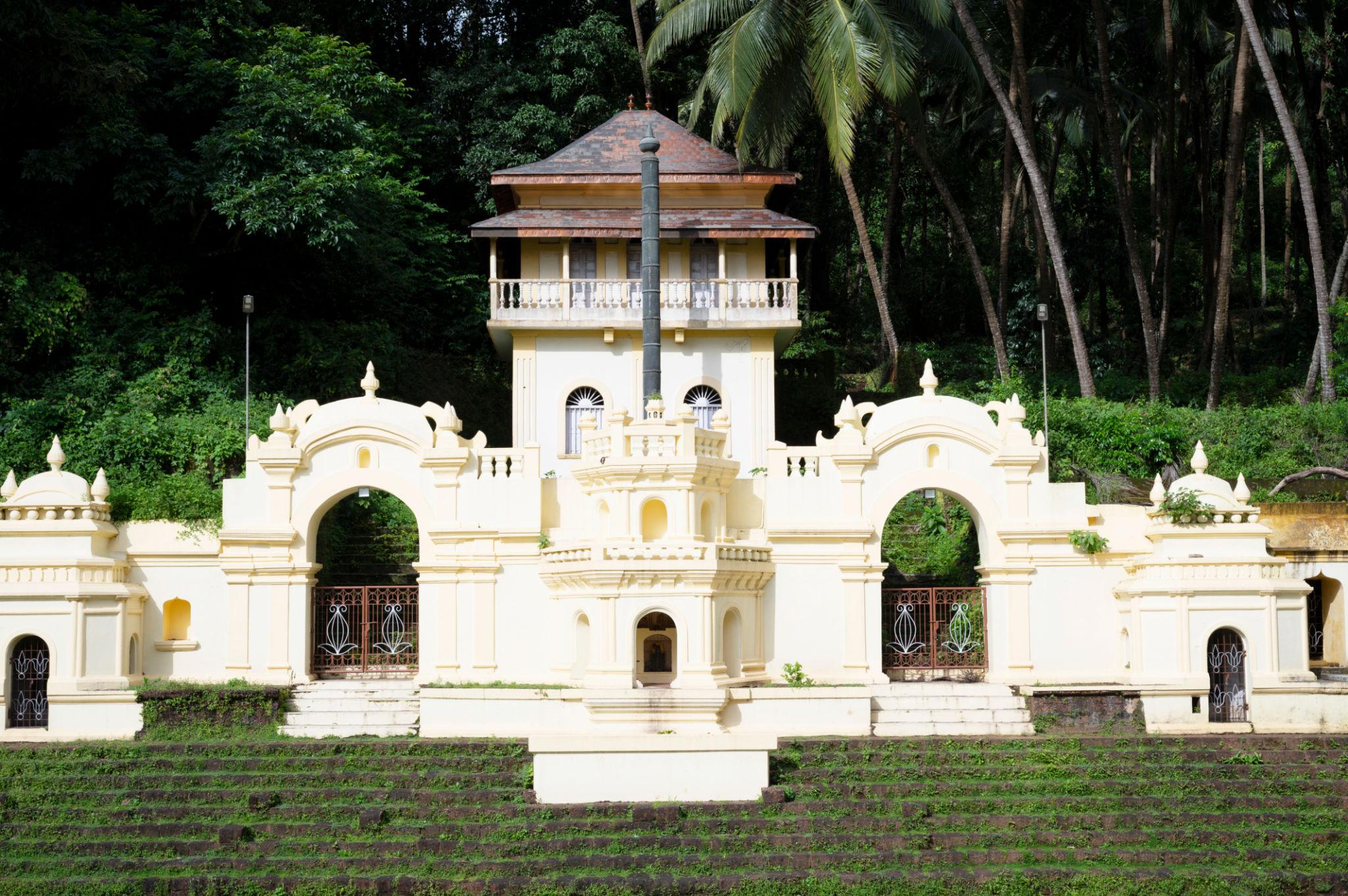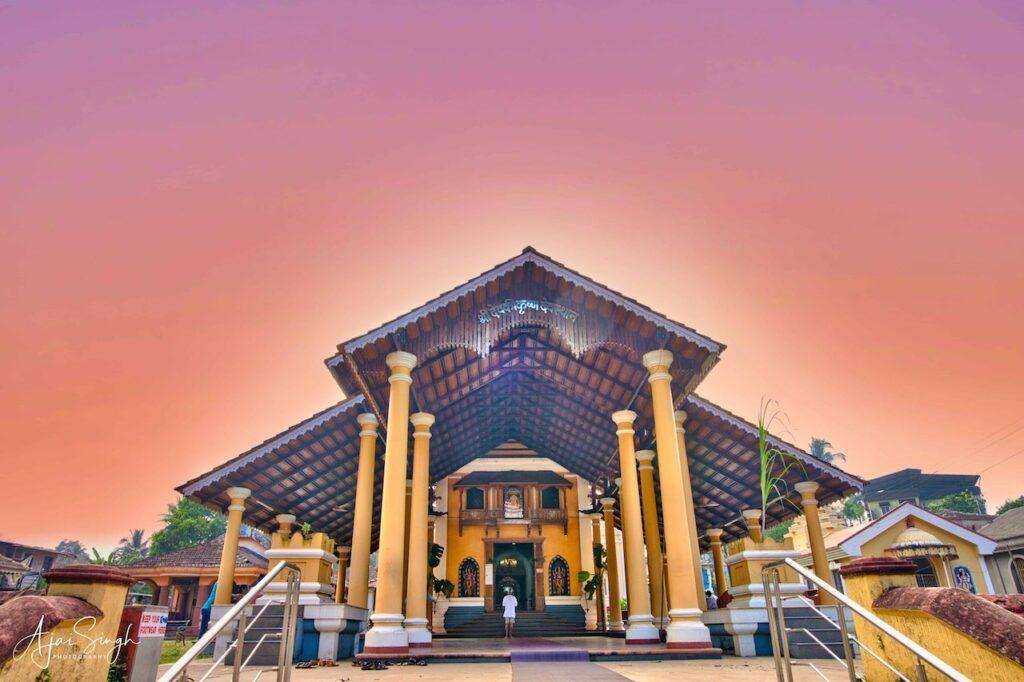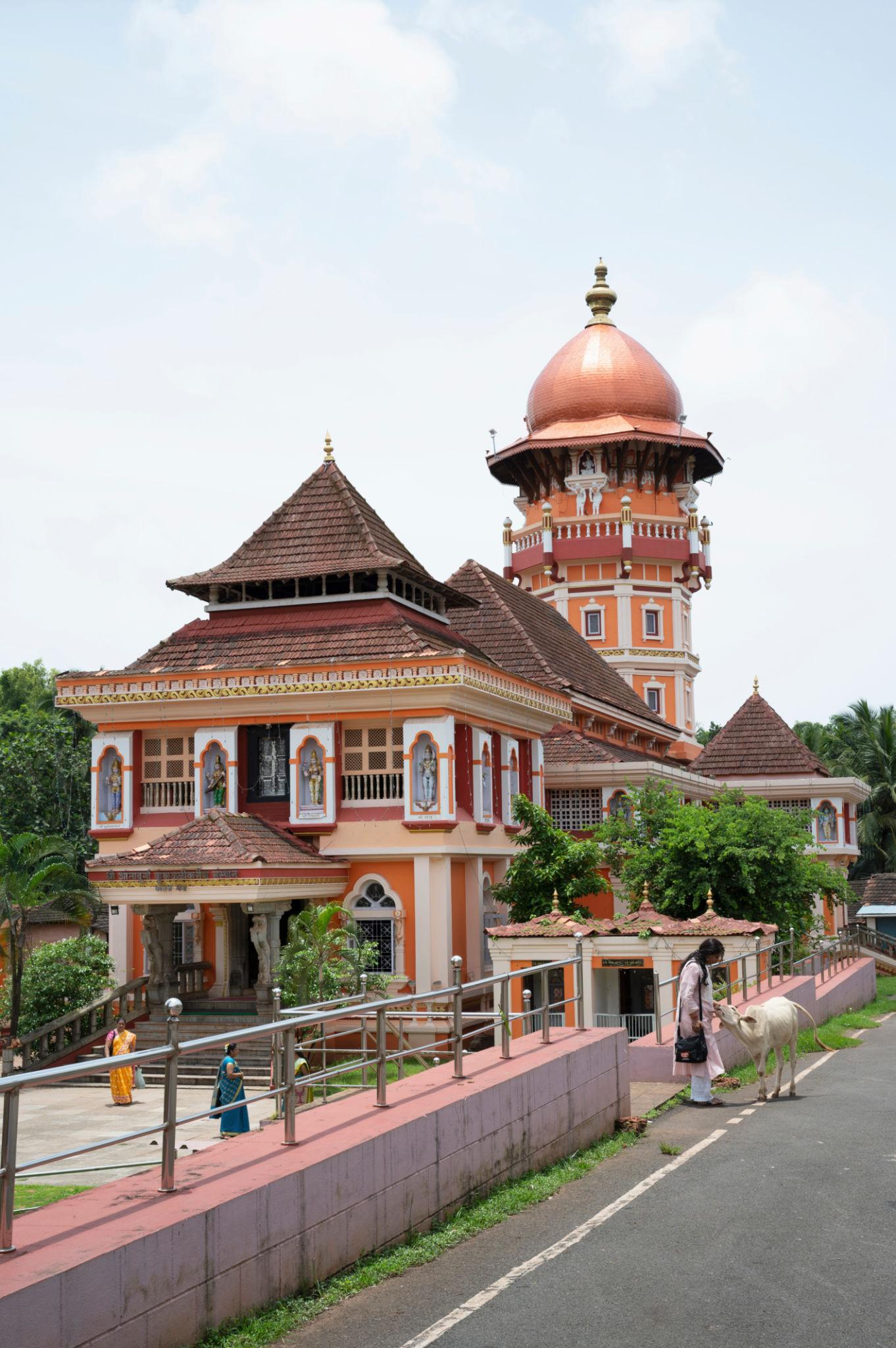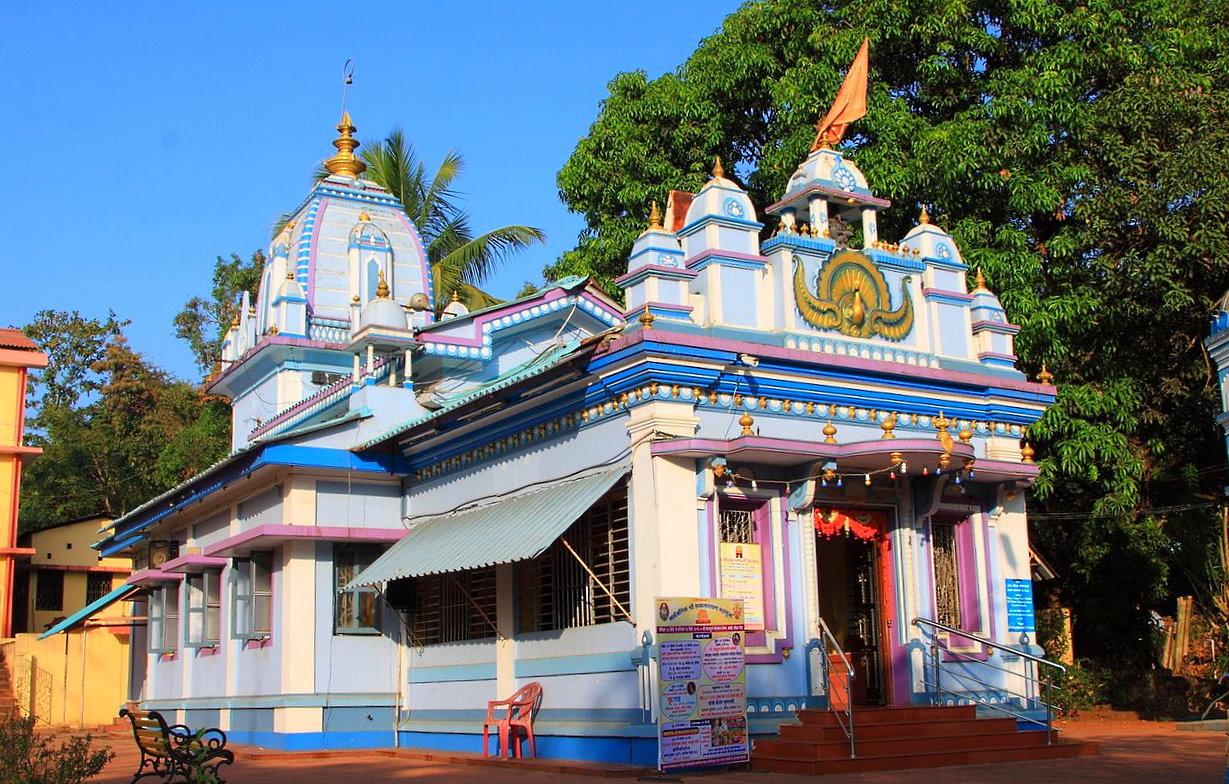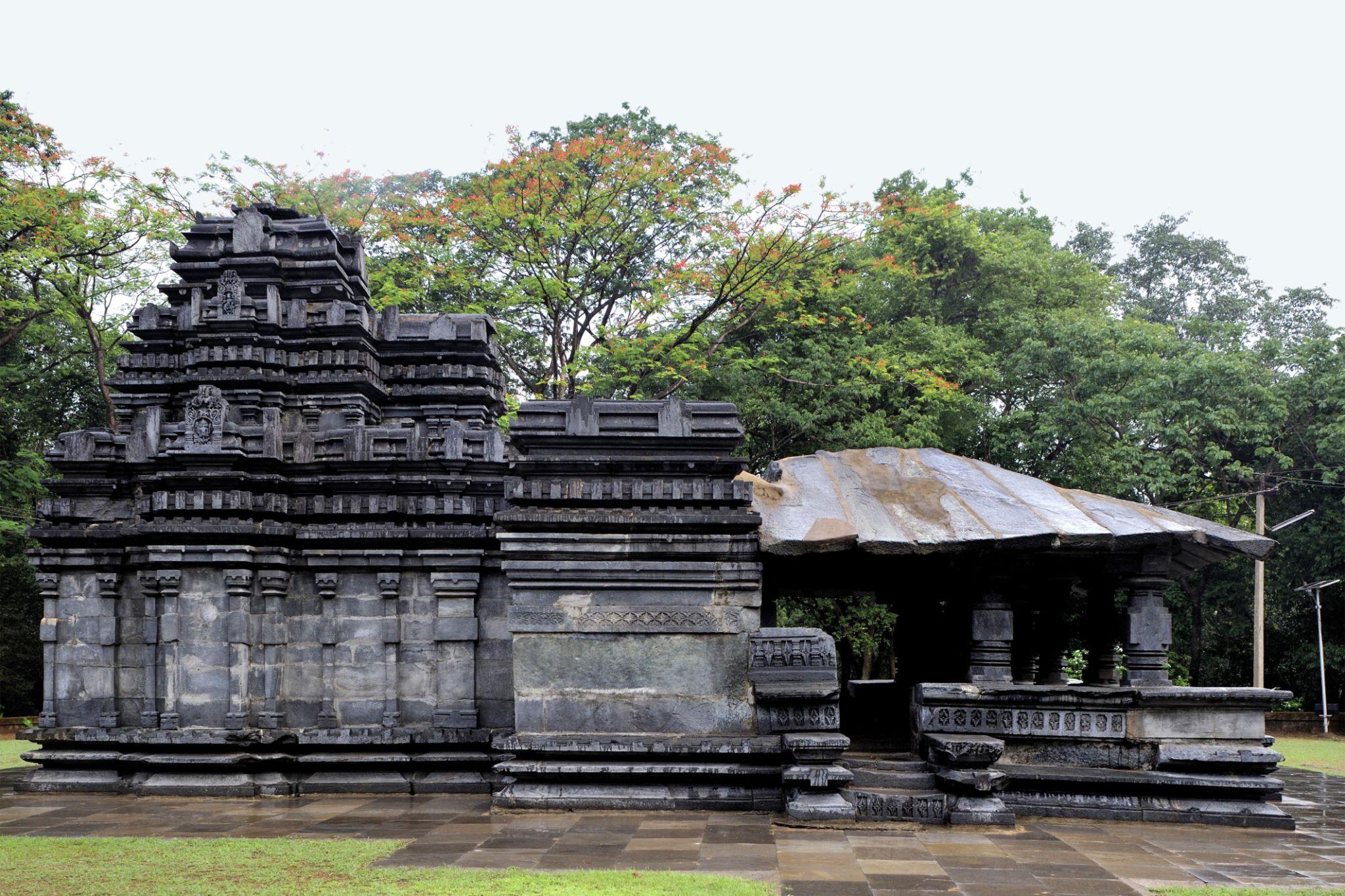
Mahadev temple

Mahadev temple

5 1,585 Verified
Temple South Goa

Quick Navigation

Explore sections of this guide

Overview of Mahadev temple

The Mahadev Temple at Tambdi Surla is not just a place of worship; it is a profound journey back in time, standing as a silent witness to the rich and complex history of Goa. Tucked away in the dense, verdant foliage of the Bhagwan Mahavir Wildlife Sanctuary, near the village of Mollem, this temple is widely regarded as the most ancient structural stone temple in the state. While Goa is often celebrated for its sun-kissed beaches and vibrant nightlife, the Mahadev Temple offers a completely different narrative—one of spiritual solitude, architectural brilliance, and historical resilience. This 12th-century marvel is the only surviving specimen of the Kadamba-Yadava architecture in Goa, having survived centuries of colonial iconoclasm and natural wear. The temple is dedicated to Lord Shiva and remains an active place of worship, drawing devotees, historians, and nature lovers alike. Its location at the foot of the Anmod Ghat, where the Western Ghats begin their ascent, adds a layer of mystical charm, with the sound of the nearby Surla River providing a constant, soothing background score to the spiritual experience. For any traveler seeking the "real" Goa, far removed from the commercial hubs, a visit to this basalt stone masterpiece is an absolute necessity. The temple’s weathered black walls contrast sharply against the emerald green of the surrounding jungle, creating a visual spectacle that feels almost otherworldly. It is a site where the boundaries between nature and man-made art blur, offering a sense of peace that is increasingly rare in the modern world.

History & Religious Significance

The history of the Mahadev Temple at Tambdi Surla is as fascinating as its structure. Built in the 12th century, specifically around 1271 AD, it is attributed to the ministers of the Yadava King Ramachandra. During this era, the Kadamba dynasty ruled Goa as vassals of the Yadavas of Devagiri. This temple is a rare survivor of a turbulent period in Indian history. While most Hindu temples in the coastal regions of Goa were destroyed during the 14th-century invasions by the Bahmani Sultanate and later by the Portuguese Inquisition in the 16th century, the Mahadev Temple remained untouched. Its survival is largely credited to its remote, inaccessible location deep within the forest, shielded by the rugged terrain of the Western Ghats. Historically, it serves as a crucial link to Goa’s pre-colonial past, showcasing the artistic and religious fervor of the Kadamba era. Religiously, the temple is a significant site for Shaivism. Lord Shiva, the destroyer and regenerator, is the primary deity here. The temple is believed to have been constructed using weather-resistant grey-black basalt, which was transported from the Deccan plateau over the mountains—a feat of engineering and devotion that continues to baffle modern architects. Local legends suggest that a massive King Cobra is a permanent resident in the inner sanctum, protecting the deity, which adds to the temple's aura of divine mystery. For the local Goan community, the temple is a symbol of cultural identity and spiritual endurance, representing a time when the region was a flourishing center of Vedic learning and temple culture.

Architecture of Mahadev temple

The architecture of the Mahadev Temple is a masterclass in the Hemadpanthi style, a subset of the broader Kadamba-Yadava architectural tradition. What makes it unique in Goa is the use of basalt rock, as most other local structures from that period used softer laterite stone. The temple is small but exquisitely detailed, designed according to the principles of Vastu Shastra. It consists of three main sections: the Garbhagriha (sanctum sanctorum), the Antarala (vestibule), and the Nandi Mandapa (pillared hall).

  • The Mandapa: The hall is supported by four massive, intricately carved pillars. These pillars feature detailed motifs of elephants, horses, and floral patterns. The ceiling of the mandapa is particularly striking, featuring a beautifully carved lotus flower in relief, a symbol of purity and divine birth.
  • The Shikara: The tower or spire above the sanctum is built in a stepped pyramidal shape. While the upper portions have seen some restoration, the base remains original. Interestingly, the shikara features carvings of various deities, including Lord Brahma, Vishnu, and Shiva with his consort Parvati.
  • The Bas-Reliefs: The exterior walls are relatively plain, which is characteristic of the style, but the interior carvings are incredibly fine. You can spot depictions of various mythological scenes and symbols of the Kadamba dynasty, such as the lion emblem.
  • The Nandi: In the center of the mandapa sits a small, headless statue of Nandi, the sacred bull and vahana (vehicle) of Lord Shiva. Despite the damage, the Nandi remains a focal point of devotion.
The temple is built without the use of mortar; the basalt blocks are held together by interlocking joints, a testament to the sophisticated masonry skills of the 12th-century artisans. The precision with which the stones are cut and fitted allows the temple to stand firm even after nearly 800 years of heavy Goan monsoons.

Main Deity / Spiritual Importance

The heart of the temple is the Garbhagriha, where the main deity, Lord Shiva, is worshipped in the form of a Shiva Linga. The Linga is mounted on a traditional pedestal and is continuously bathed in the soft glow of oil lamps, creating an atmosphere of intense devotion and "Vairagya" (detachment). For devotees, the Shiva Linga represents the infinite nature of the Divine, without beginning or end. The spiritual importance of this site is amplified by its natural surroundings. In Hindu philosophy, forests (Aranyas) are considered ideal places for meditation and spiritual realization. The Mahadev Temple, being an Aranya Kshetra, is believed to be a place where the veil between the material and spiritual worlds is thin. Pilgrims come here not just to offer prayers, but to immerse themselves in the "Prana" (life force) of the jungle. The presence of the Surla River nearby is also spiritually significant; it is customary for devotees to cleanse themselves or at least sprinkle the river water before entering the temple premises. The temple serves as a powerful reminder of the "Nirguna" (formless) and "Saguna" (with form) aspects of Shiva, where the simple stone Linga stands amidst complex architectural carvings. Visiting the temple is often described as a meditative experience, where the silence of the forest and the ancient energy of the stone allow for deep introspection.

Festivals & Celebrations

While the Mahadev Temple is a place of quiet contemplation for most of the year, it transforms into a hub of vibrant activity during major Hindu festivals.

  • Mahashivratri: This is the most significant festival celebrated at the temple. Thousands of devotees from all over Goa and neighboring states like Karnataka and Maharashtra trek to this remote location to perform "Abhisheka" (ritual bathing of the Linga) and offer "Bilva" leaves. The atmosphere is electric with the chanting of "Om Namah Shivaya." Traditional folk music and bhajans continue throughout the night, as Mahashivratri is the "Great Night of Shiva."
  • Shravan Month: During the holy Hindu month of Shravan (usually August), special prayers and rituals are conducted every Monday. Local villagers often organize community feasts and small processions.
  • Zatra: Like most Goan temples, the Mahadev temple has its annual Zatra (temple festival), though it is more low-key compared to the larger temples in Ponda. It involves the ritualistic bathing of the deity and local cultural performances.
Attending a festival here offers a unique glimpse into Goan Hindu traditions that have remained unchanged for centuries. The local "Ghumot" (a Goan percussion instrument made of clay) is often played during these celebrations, blending the classical Shaivite rituals with local Konkani culture.

Best Time to Visit

Choosing the right time to visit the Mahadev Temple can significantly enhance your experience.

  • Monsoon (June to September): This is arguably the most beautiful time to visit. The Western Ghats come alive in every shade of green, and the Surla River flows with vigor. The temple, washed by the rains, looks dark and majestic against the misty forest backdrop. However, be prepared for heavy downpours and the possibility of leeches if you plan on trekking to the nearby waterfall.
  • Winter (October to February): This is the peak tourist season and the most comfortable time for sightseeing. The weather is pleasant, with cool mornings and evenings, making the drive and the walk to the temple very enjoyable. This is also the best time for birdwatching in the surrounding sanctuary.
  • Summer (March to May): The weather can be quite hot and humid, especially during the day. However, if you visit early in the morning, the forest canopy provides enough shade to keep the temple premises relatively cool.
Pro Tip: Aim to reach the temple by 8:30 AM or 9:00 AM to enjoy the morning mist and beat any crowds that might arrive later in the day.

Timings, Entry Fee & Dress Code

To ensure a respectful and smooth visit, keep the following logistical details in mind:

  • Timings: The temple is generally open from 7:30 AM to 5:30 PM daily. It is advisable to visit during daylight hours as the temple is located inside a wildlife sanctuary, and driving through the forest after dark is not recommended.
  • Entry Fee: There is no entry fee to visit the Mahadev Temple. It is a protected monument under the Archaeological Survey of India (ASI), but it remains a free public site for both devotees and tourists.
  • Dress Code: As this is an active religious site, a modest dress code is expected. Both men and women should ensure their shoulders and knees are covered. Avoid wearing swimwear, sleeveless tops, or very short skirts/shorts. Removing footwear before entering the Mandapa is mandatory.
  • Photography: While photography is generally allowed in the outer areas, avoid taking photos inside the Garbhagriha (sanctum) out of respect for the deity and the devotees.

How to Reach Mahadev temple

The Mahadev Temple is located in the Sanguem Taluka of South Goa, approximately 65 kilometers from the capital city, Panaji, and about 55 kilometers from Margao.

  • By Private Vehicle: The most convenient way to reach the temple is by hiring a taxi or driving your own car/scooter. The route takes you through the Ponda-Belgaum Highway (NH-4A). Follow the signs towards Mollem and then take the diversion towards Tambdi Surla. The roads are generally well-maintained, offering a scenic drive through spice plantations and forest stretches.
  • By Bus: You can take a Kadamba Transport Corporation (KTC) bus from Panaji or Margao to Mollem. From Mollem, you will need to hire a local "pilot" (motorcycle taxi) or a private cab to cover the remaining 12-15 kilometers to the temple.
  • By Train: The nearest railway station is Kulem, which is about 20 kilometers away. Kulem is the base for the Dudhsagar Falls trek. From Kulem, you can hire a taxi to reach the temple.
The journey itself is part of the experience, as you transition from the coastal plains into the rugged heart of the Western Ghats.

Things to Do

A visit to the Mahadev Temple can be much more than just a quick stop. Here are several activities to enrich your trip:

  • Trek to Tambdi Surla Waterfall: For the adventurous, there is a trekking trail that starts near the temple and leads to a stunning waterfall deep in the forest. The trek takes about 90 minutes one way and requires a moderate level of fitness. It is highly recommended to hire a local guide, as the trail can be confusing.
  • Bird Watching and Nature Photography: Located within the Bhagwan Mahavir Wildlife Sanctuary, the area is a paradise for birders. You might spot the Malabar Whistling Thrush, the Ruby-throated Yellow Bulbul (Goa’s state bird), or various species of kingfishers.
  • Meditation: Find a quiet spot near the river or in the outer courtyard of the temple. The ancient vibrations and the sound of nature make it an ideal place for a few minutes of silent meditation.
  • Explore the Surla River: The river flows just a few meters from the temple. You can sit by the banks, dip your feet in the cool water, and enjoy the serene environment.

Nearby Attractions

Since the temple is located in a forest reserve, there are several other attractions nearby that you can combine with your visit:

  • Bhagwan Mahavir Wildlife Sanctuary: Explore the biodiversity of the Western Ghats. The sanctuary is home to leopards, barking deer, and a variety of reptiles.
  • Dudhsagar Falls: One of India’s tallest waterfalls is located in the same sanctuary. While you can't reach it directly from the temple, it is a short drive to Kulem, from where the jeep safaris to the falls depart.
  • Bondla Wildlife Sanctuary: A more family-friendly park located about 25 kilometers away, featuring a mini-zoo, botanical gardens, and nature trails.
  • Devil's Canyon: A beautiful river canyon with eerie rock formations and deep pools, located near Mollem. It’s a great spot for those who enjoy rugged natural beauty.
  • Spice Plantations: On the way back towards Ponda, you can visit several spice farms like Sahakari or Tropical Spice Plantation for a guided tour and a traditional Goan lunch.

Photography & Visitor Guidelines

To preserve the sanctity and the physical structure of this ancient site, visitors are requested to follow certain guidelines:

  • Respect the Sanctum: Do not use flash photography inside the temple. If there are people praying, maintain silence and avoid standing directly in front of the deity, blocking their view.
  • Preserve the Stone: The basalt carvings are ancient and fragile. Do not touch or lean against the intricate carvings, as the oils from human skin can damage the stone over time.
  • Waste Management: The temple is in a plastic-free zone. Ensure you do not leave any litter behind. Carry your trash back with you to the main road.
  • Wildlife Safety: Since you are in a wildlife sanctuary, do not wander too far into the forest without a guide. Respect the animals and do not feed any monkeys you might encounter.
  • Silence: The temple is a place of peace. Avoid playing loud music or shouting while on the premises.

Where to Eat Nearby

Being in a remote location, dining options are somewhat limited but authentic:

  • Local Shacks: Near the entrance of the temple complex, there are small local shacks serving basic Goan snacks like Samosas, Batata Vadas, and Masala Chai.
  • Mollem Village: About 12-15 kilometers away in Mollem, you will find more substantial options. There are small restaurants serving Goan Fish Thalis, which are a must-try. The food is usually simple, home-cooked, and very spicy.
  • Dudhsagar Spa Resort: For a more upscale dining experience, you can stop at this resort in Mollem. They offer a multi-cuisine menu including Indian, Goan, and Continental dishes.
  • Farm-to-Table: If you are heading back towards Ponda, the spice plantations offer excellent buffet lunches featuring local delicacies like Chicken Xacuti and Vegetable Caldin, served on banana leaves.

Accommodation Nearby

If you wish to stay overnight and soak in the forest atmosphere, consider these options:

  • Nature Resorts: Wildernest Nature Resort and Swapnagandha Resort are located further up in the Ghats but offer spectacular views and an eco-friendly stay. Closer to the temple is the Dudhsagar Spa Resort.
  • Forest Guest Houses: The Goa Forest Department operates basic guest houses in Mollem. These are budget-friendly but require prior booking through the forest department office in Panaji.
  • Eco-Stays: Shanti Nature Resort near Mollem offers mud huts and a rustic experience that complements the spiritual nature of the trip.
  • Ponda Hotels: For more conventional hotel stays, the town of Ponda (about 30 km away) has several mid-range hotels and guest houses.

Travel Tips

To make the most of your trip to the Mahadev Temple, keep these tips in mind:

  • Connectivity: Mobile network is very spotty or non-existent near the temple. Download your maps offline or carry a physical map.
  • Footwear: Wear comfortable walking shoes or sandals with a good grip, especially if you plan to walk to the river or trek to the waterfall.
  • Hydration: Carry a reusable water bottle. While there are small shops nearby, it’s best to have your own supply, especially during the humid months.
  • Cash: Most small vendors and shacks do not accept digital payments due to poor connectivity. Carry enough cash for food, parking, and small purchases.
  • Fuel: Ensure your vehicle has enough fuel. The last reliable petrol pump is in Mollem or near Ponda.
  • Leech Protection: If visiting during the monsoon, carry some salt or lime to deter leeches during forest walks.

Conclusion

The Mahadev Temple at Tambdi Surla is more than just a historical monument; it is the soul of ancient Goa preserved in stone. It offers a rare opportunity to step away from the modern world and connect with a lineage of devotion that spans nearly a millennium. Whether you are drawn by the architectural precision of the Kadamba craftsmen, the spiritual pull of Lord Shiva, or the raw beauty of the Western Ghats, this temple provides an experience that is both grounding and elevating. It stands as a reminder that even in a rapidly changing world, there are places where time seems to stand still, held in place by the weight of basalt and the power of faith. As you leave the temple and drive back through the winding forest roads, the sense of peace you carry with you is the true gift of Tambdi Surla. It is a destination that demands respect, offers tranquility, and leaves every visitor with a deeper understanding of Goa’s multifaceted heritage. Make sure to include this hidden gem in your Goan itinerary for a journey that nourishes the mind, body, and spirit.

Photo Gallery

Mahadev temple Gallery Image

User Reviews

5
1585 Reviews
5
85%
4
10%
3
3%
2
1%
1
1%

Login to post a review

Join the community to share your spiritual experiences.

Login / Sign Up

Location Details

Address
Mahadev Temple, Tambdi Surla, Dharbandora, Goa 403406, India
Visiting Hours
All year round

Share Peace

Share this spiritual guide with your friends and family on WhatsApp!

Share Now

Nearest Beaches from Mahadev temple

Nearest Forts from Mahadev temple

Nearest Waterfalls from Mahadev temple

Nearby Nightlife from Mahadev temple