Overview of Sadolxem waterfall
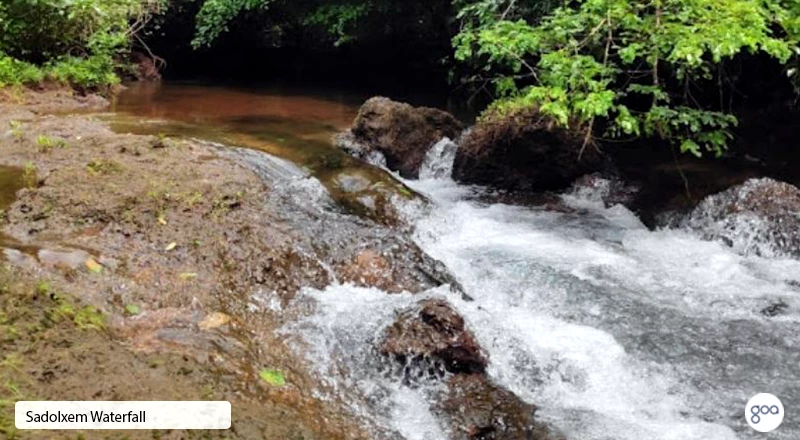
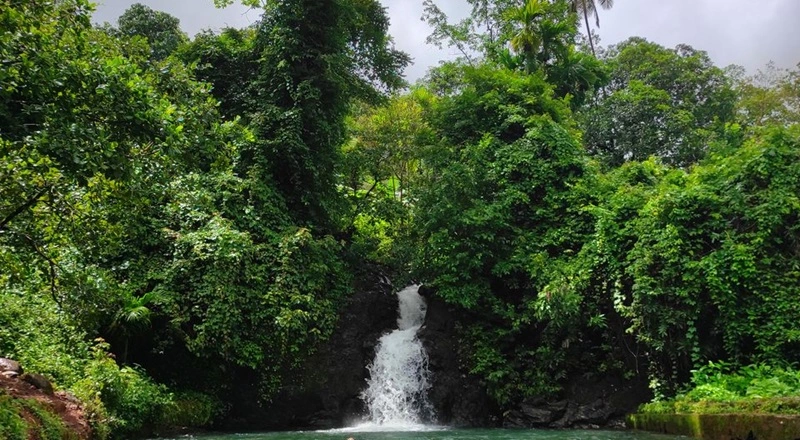
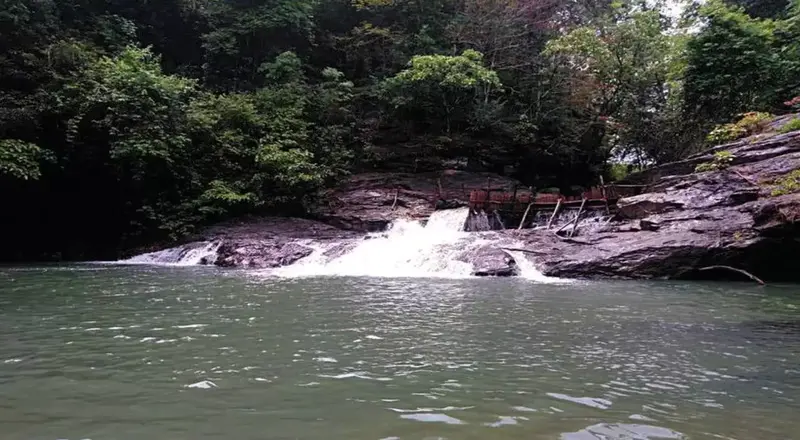
Deep within the emerald embrace of South Goa, far away from the pulsating neon lights of Baga and the crowded shacks of Calangute, lies a pristine sanctuary known as the Sadolxem waterfall. Located in the quaint village of Sadolxem within the Canacona taluka, this waterfall is a testament to Goa’s enduring natural beauty. Unlike the thunderous and world-famous Dudhsagar Falls, Sadolxem offers a more intimate, soulful connection with nature. It is a seasonal marvel, coming to life primarily during the monsoon months when the Western Ghats are draped in a thick carpet of moss and mist.
The Sadolxem waterfall is intricately linked to the Talpona River ecosystem. The river, which meanders through the landscape of South Goa, creates several small cascades and pools, but the hidden fall at Sadolxem is perhaps its most enchanting secret. The water here is crystal clear, filtered by the dense forest floor and the ancient rock formations that define the Sahyadri range. For the traveler who seeks "Susegad"—the traditional Goan concept of quiet enjoyment and contentment—Sadolxem is the ultimate destination.
Top Goa Experience • Part 1
Highly Recommended Near Sadolxem waterfall
Explore All
The surrounding landscape is a patchwork of cashew plantations, coconut groves, and traditional Goan homes with their distinctive red-tiled roofs. As you approach the waterfall, the air grows cooler, and the ambient noise of traffic is replaced by the rhythmic chirping of cicadas and the distant roar of falling water. This isn't just a tourist spot; it is a vital part of the local ecology and a sacred space for the villagers who have lived in harmony with these waters for generations. To visit Sadolxem is to step back in time to a Goa that existed before the advent of mass tourism—a place of raw beauty, silence, and profound peace.
How to Reach Sadolxem waterfall
Reaching the Sadolxem waterfall is an adventure in itself, requiring a journey through some of the most scenic backroads in India. The waterfall is located approximately 80 kilometers from the capital city of Panaji and about 40 kilometers from Margao, the commercial hub of South Goa. If you are staying in the popular beach areas of Palolem or Patnem, you are in luck, as the waterfall is a mere 15 to 20-minute drive away.
Recommended Guide
15 Best Hill Stations Near Goa distance & Travel Tips
Discover the 15 best hill stations near Goa to visit in 2026. Our guide covers distances, trekking trails, and local highlights.
Read Guide →
By Air: The nearest airport is the Manohar International Airport (Mopa) in North Goa, which is quite far (about 3 hours away), or the older Dabolim Airport, which is roughly 65 kilometers from Sadolxem. From the airport, it is highly recommended to hire a private taxi or rent a self-drive car to navigate the winding roads of the south.
By Train: The Canacona Railway Station is the closest railhead, located just 5-7 kilometers from the village. Many local trains and a few express trains stop here. From the station, you can take an auto-rickshaw or a local pilot (motorcycle taxi) to reach the Sadolxem bridge.
Recommended Guide
Where to Party in Goa? (Ultimate 2026 Nightlife Guide)
Goa is not just a destination—it’s an experience. When the sun sets over the Arabian Sea, the state transforms into India’s ultimate nightlife capita...
Read Guide →
The Iconic Sadolxem Bridge: One of the most critical landmarks in your journey is the Sadolxem Bridge. This narrow, one-lane bridge spans the Talpona River and is famous among locals and photographers. It is so narrow that only one car can pass at a time, and if two vehicles meet, one must reverse to a designated passing point. Crossing this bridge is the unofficial gateway to the hidden falls. Once you cross the bridge, follow the narrow village roads toward the hills. It is best to ask locals for "the waterfall" (or dhudhsagar in the local sense of 'sea of milk'), as GPS coordinates can sometimes be finicky in the dense forest cover.
By Scooter/Bike: For the most authentic experience, rent a Royal Enfield or a Scooty from Palolem. Riding through the salt pans and the lush paddy fields of Canacona with the wind in your face is the best way to soak in the rural charm before reaching the trekking point.
Recommended Guide
Water Sports in Candolim Goa | Best Prices, Packages & Booking Guide
Candolim Beach, located in North Goa, is one of the most popular destinations for water sports in Goa. Known for its clean shoreline, less crowded environm...
Read Guide →
Best Time to Visit
Timing is everything when it comes to visiting the Sadolxem waterfall. Because it is a seasonal fall fed by rainwater and forest runoff, its appearance changes drastically throughout the year.
Top Goa Experience • Part 2
Highly Recommended Near Sadolxem waterfall
Explore All
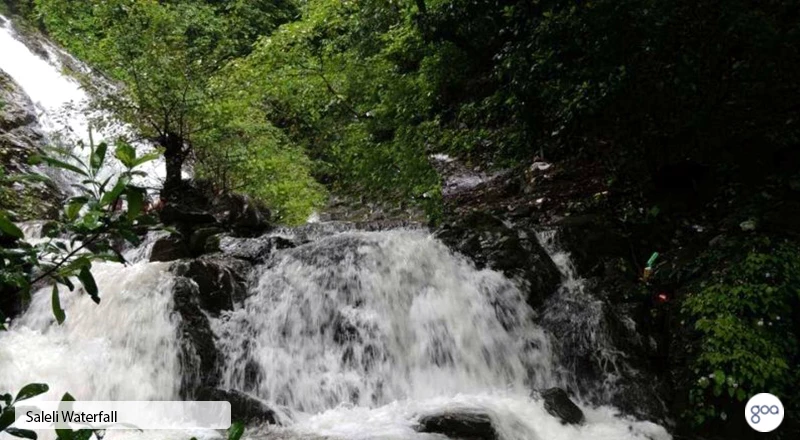
The Monsoon Season (June to September): This is the absolute best time to witness the waterfall in its full glory. During these months, the Sahyadris receive heavy rainfall, and the waterfall transforms into a vigorous, frothy white cascade. The surrounding forest turns a vibrant, neon green, and the atmosphere is incredibly refreshing. However, be prepared for heavy downpours and muddy trails. This is when the "Hidden Gem" truly shines.
Post-Monsoon (October to November): If you prefer a more moderate flow and clearer skies, the post-monsoon period is ideal. The water level is still sufficient for a refreshing dip, but the intensity of the rain has subsided, making the trek much easier and safer. The humidity is also lower, allowing for a more comfortable exploration of the nearby village.
Winter (December to February): By December, the waterfall usually thins down to a gentle trickle. While the spot remains beautiful for a quiet picnic or a nature walk, it lacks the dramatic visual appeal of the monsoon months. However, the weather in Goa during this time is perfect—cool mornings and sunny afternoons—making it a great time for photography and birdwatching in the area.
Summer (March to May): It is generally advised to avoid visiting the waterfall for the purpose of seeing water during the summer. The stream often dries up completely, leaving behind only the rocky basin. However, the drive to Sadolxem is still pleasant if you enjoy rural landscapes and the famous Goan summer fruit—the cashew apple.
Trek Details for Sadolxem waterfall
The trek to Sadolxem waterfall is considered easy to moderate, making it accessible for families, solo travelers, and amateur hikers. Unlike the grueling multi-hour treks to some of the deeper waterfalls in the Bhagwan Mahavir Wildlife Sanctuary, the walk to Sadolxem is relatively short but packed with sensory delights.
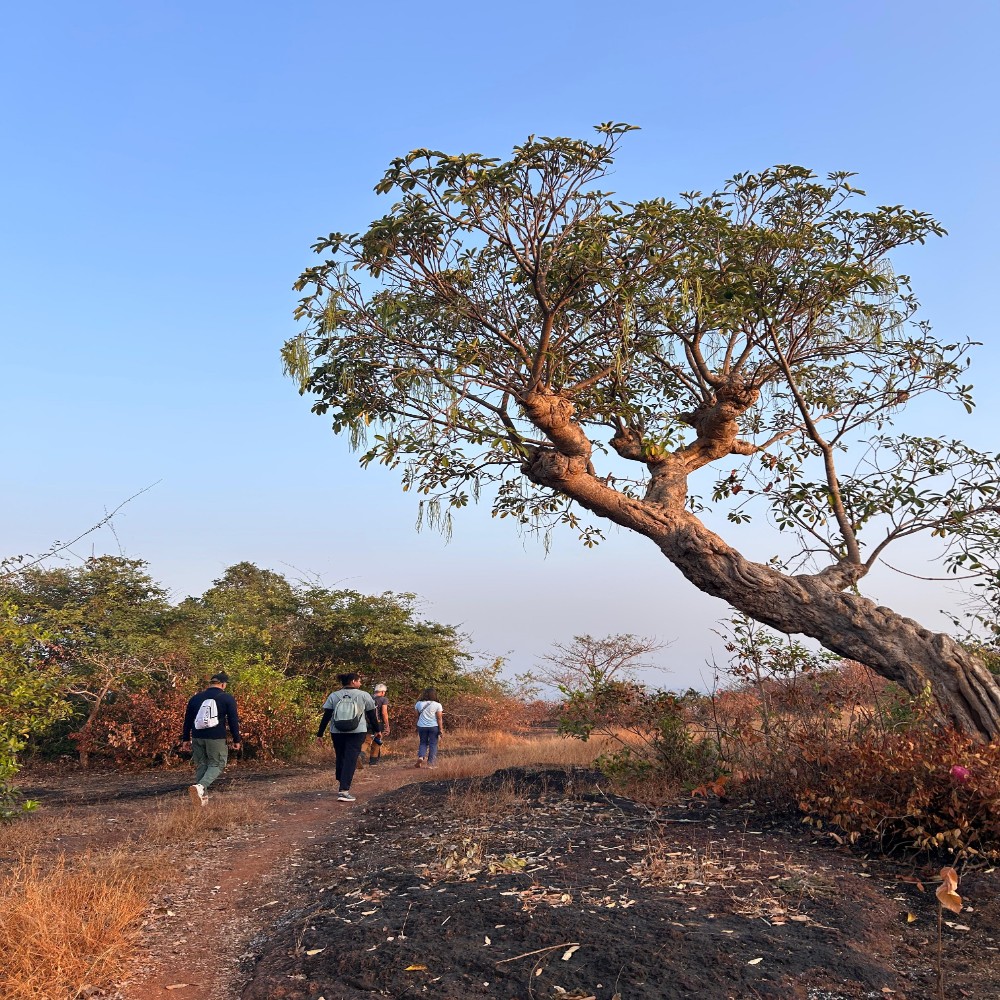
The trek begins at the edge of the village where the paved road ends. From here, you will follow a narrow trail that winds through private cashew plantations and dense tropical foliage. The path is often marked by the footsteps of locals, but in the peak of monsoon, the trail can become overgrown with ferns and wild wildflowers. You will need to navigate some uneven terrain, including loose rocks and muddy patches, so sturdy footwear with good grip is essential.
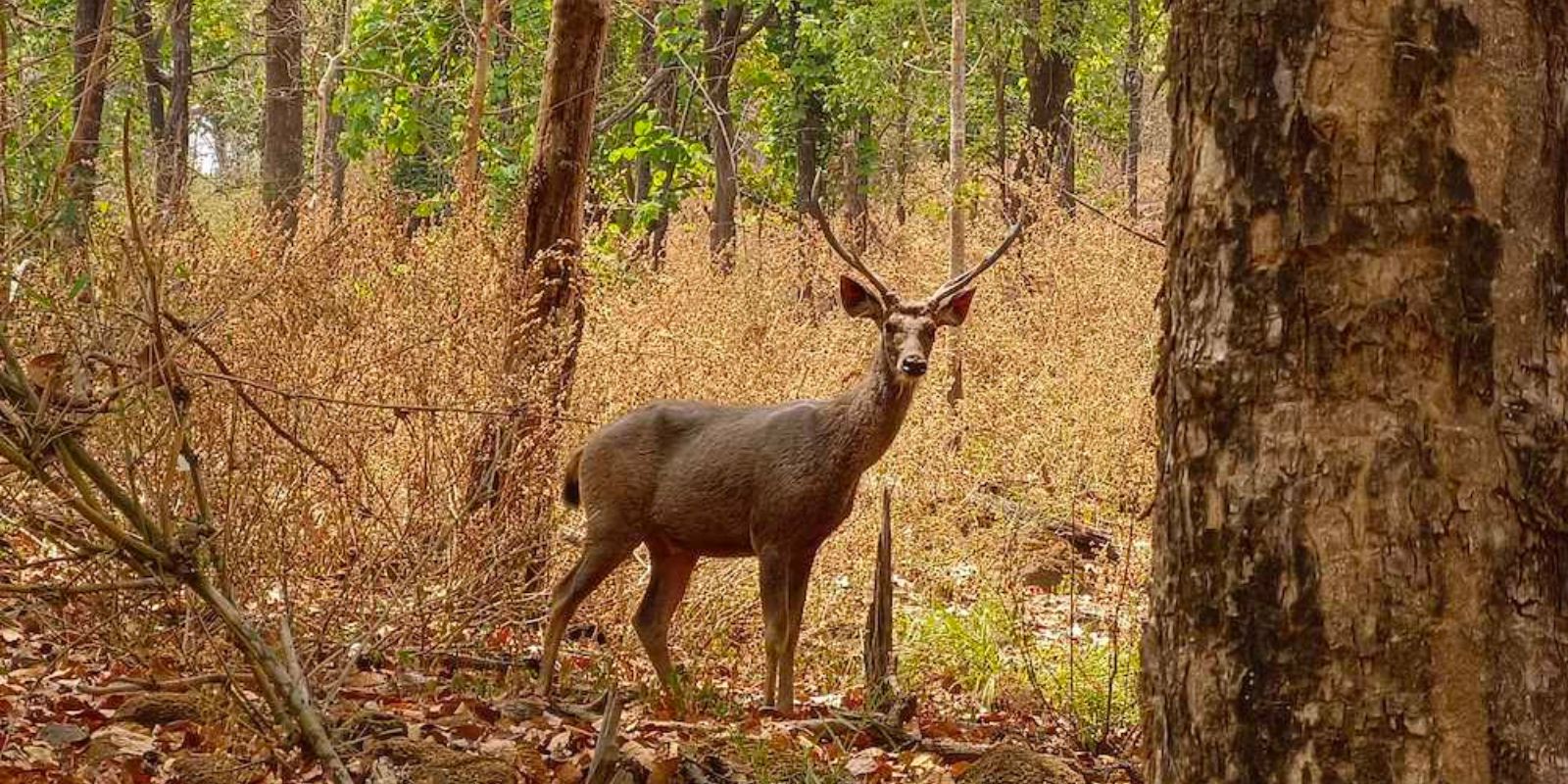
As you walk, keep an ear out for the sound of the water. The trek usually takes about 20 to 30 minutes depending on your pace and how often you stop to admire the flora. You might encounter local wildlife, such as the Malabar Giant Squirrel, various species of butterflies like the Blue Mormon, and a plethora of forest birds. The final stretch involves a slight scramble over some larger boulders that guard the base of the falls. Once you clear these rocks, the canopy opens up to reveal the hidden pool and the cascading water of Sadolxem.
The beauty of this trek lies in its lack of commercialization. There are no paved steps, no railings, and no signboards every ten meters. It is a raw, organic experience that requires you to be mindful of your surroundings and respectful of the environment. Ensure you stay on the path to avoid damaging the delicate undergrowth.
Things to Do
While the Sadolxem waterfall is a place for relaxation, there are several activities that can enhance your visit:
- Natural Jacuzzi: The way the water falls over the rocks creates natural pressure points. Sitting under the moderate flow of the falls provides a therapeutic "natural jacuzzi" experience that is incredibly rejuvenating for tired muscles.
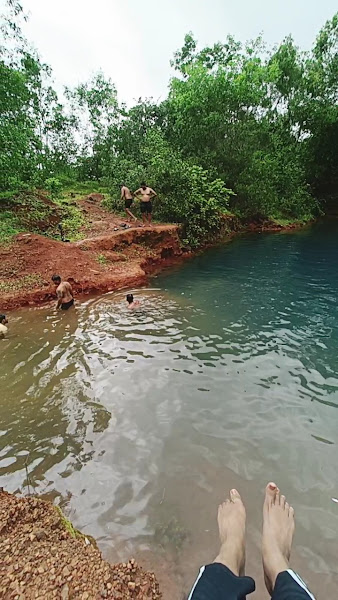
- Wilderness Swimming: The pool at the base of the waterfall is generally shallow and safe for swimming during the mid-monsoon and post-monsoon periods. The water is cool, fresh, and free from the salt of the nearby Arabian Sea.
- Mindfulness and Meditation: Given the low crowd levels, Sadolxem is an ideal spot for meditation. The "white noise" of the waterfall combined with the oxygen-rich forest air creates a perfect environment for grounding oneself.
- Birdwatching: Canacona is a birdwatcher’s paradise. Bring your binoculars to spot the White-bellied Sea Eagle, the Brahminy Kite, and the vibrant Kingfisher. The area around the waterfall is a hub for avian activity.
- Eco-Friendly Picnic: You can carry some local snacks like Pao (Goan bread) and Chouriço (Goan sausage) for a small picnic. Important: Ensure you carry every bit of your trash back with you. There are no waste management services in this forest area.
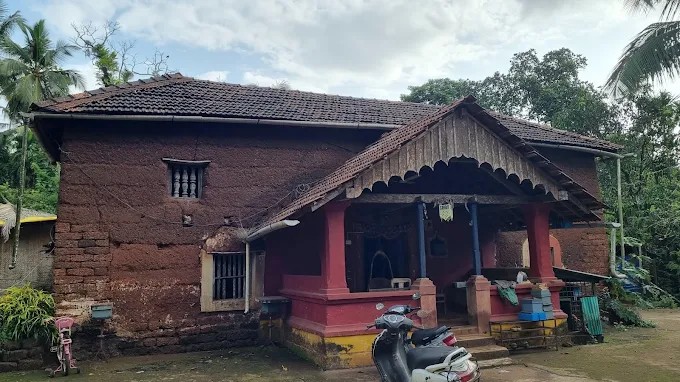
- Explore the Village: After visiting the falls, take a walk through Sadolxem village. Observe the traditional architecture, the small roadside shrines, and the slow-paced life of the Goan countryside.
Safety Tips
Safety should be your top priority when visiting any natural water body in Goa. The Sadolxem waterfall is remote, and help is not immediately available. Follow these guidelines for a safe trip:
- Slippery Surfaces: The rocks around the waterfall are covered in moss and algae, making them incredibly slippery. Always test your footing before putting your full weight on a rock. Avoid jumping from one rock to another.
- Flash Floods: During peak monsoon, heavy rains in the hills can lead to a sudden increase in water volume. If the water starts turning muddy or if you hear a sudden increase in the roar of the falls, exit the water immediately and move to higher ground.
- Leeches: The damp forest floor is home to leeches during the monsoon. While they are harmless, they can be a nuisance. Wearing long socks and applying salt or tobacco water on your shoes can help deter them.
- Stay Hydrated: Even though it’s a waterfall visit, the humidity in Goa can lead to quick dehydration. Carry plenty of drinking water.
- No Lifeguards: Unlike the major beaches, there are no lifeguards here. Do not venture into deep sections of the pool if you are not a confident swimmer.
- Inform Someone: Let your hotel manager or a friend know where you are going, as mobile network coverage can be spotty once you enter the dense forest area.
Nearby Attractions
The area around Sadolxem is rich with other hidden gems and popular landmarks that you can combine with your waterfall visit:
- Talpona Beach: Just a few kilometers away, Talpona is one of the quietest beaches in South Goa. It is a long stretch of golden sand with very few shacks, perfect for those who find Palolem too crowded.
- Galgibaga Beach: Known as the "Turtle Beach," this is a protected nesting site for Olive Ridley turtles. It is a pristine, pine-fringed beach that offers a serene atmosphere and some of the best river-mouth views in Goa.
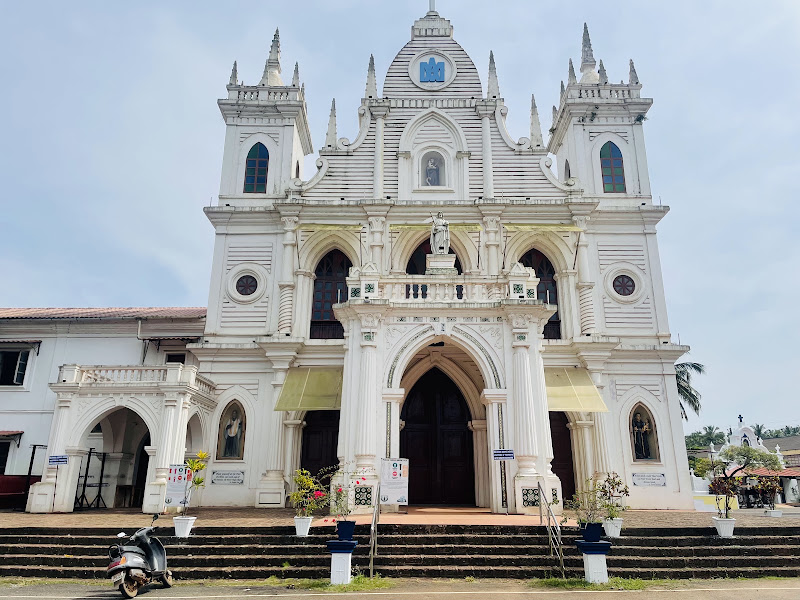
- St. Anthony’s Church: Located in the heart of Sadolxem, this beautiful white-washed church is a fine example of Goan colonial architecture and serves as a major landmark for the village.
- Loliem Village: Further south, Loliem is known for its plateau landscapes and ancient "Hero Stones" (sculptures) that date back centuries, offering a glimpse into Goa's pre-colonial history.
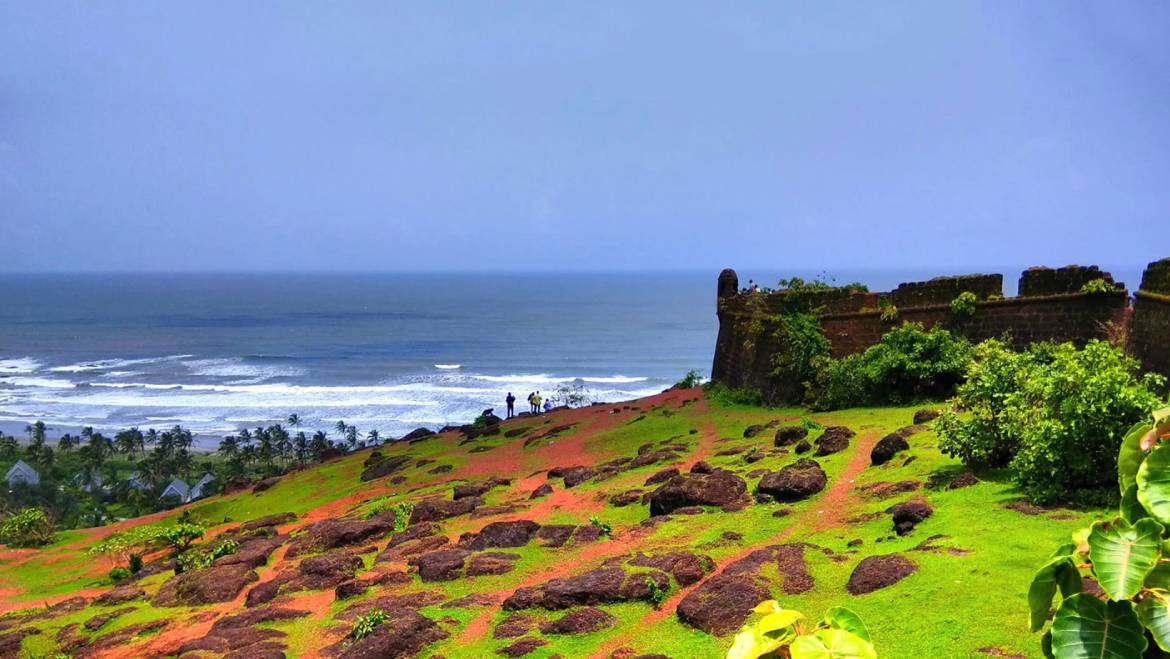
- Cabo de Rama Fort: About a 30-40 minute drive away, this historic fort offers breathtaking views of the Arabian Sea and houses a small, active church within its walls.
Entry Fees & Timings
One of the best things about the Sadolxem waterfall is that it remains an open, public natural site. As of now, there is no entry fee to visit the waterfall. It is maintained by the local community’s unspoken rules of preservation.
Timings: While there are no official gates or closing times, it is highly recommended to visit between 8:00 AM and 4:30 PM. The forest canopy makes the area dark much earlier than the open beaches. You do not want to be trekking back through the forest after sunset, as the terrain can be treacherous in the dark and there is a risk of encountering nocturnal wildlife or losing your way.
Where to Eat Nearby
You won't find any fancy cafes or restaurants at the waterfall itself, which is part of its charm. However, the surrounding Canacona region offers some incredible culinary experiences:
- Local Village Eateries: In Sadolxem and Talpona, you will find small "Gauti" (local) bars and eateries. Here, you can enjoy an authentic Goan Fish Thali featuring fresh catch from the Talpona river, local red rice, and Kismur (a dried shrimp salad).
- Surya Beach Cafe (Galgibaga): Famous for its oysters and fresh seafood, this is a great spot to head to after your trek. It’s simple, rustic, and serves food that tastes like home.
- Palolem/Patnem Cafes: If you crave international cuisine, head back toward Palolem. Places like Art Resort or Zest offer everything from vegan bowls to wood-fired pizzas.
- Street Food: Look out for local vendors selling Ras Omurice (omelet in spicy gravy) or Gadbad Ice Cream in the Canacona market area for a quick and delicious energy boost.
Accommodation Nearby
If you want to stay close to the Sadolxem waterfall to enjoy the early morning mist, you have several options ranging from eco-stays to luxury boutiques:
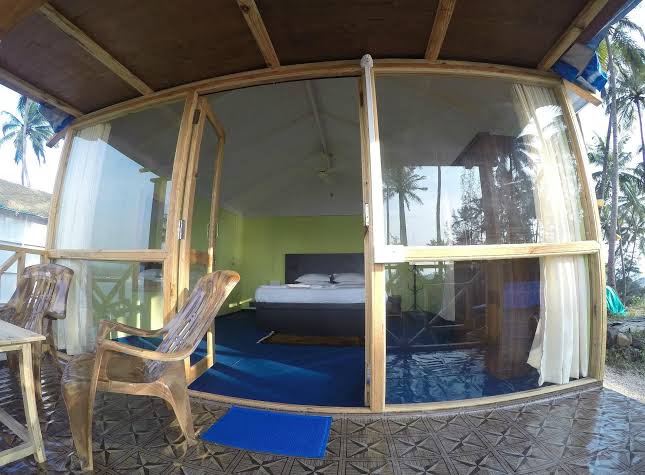
- Eco-Resorts in Galgibaga: There are several sustainable stays near the turtle beach that offer wooden cottages and a focus on nature. These are perfect for those who want to stay disconnected from the digital world.
- Boutique Stays in Patnem: Patnem offers a more laid-back vibe than Palolem, with several high-end boutique resorts and yoga retreats that provide a peaceful base for your explorations.
- Heritage Homestays: Look for restored Portuguese villas in the Canacona interior. These homestays offer a deep dive into Goan culture and usually come with home-cooked meals prepared by the hosts.
- Budget Huts: For solo travelers and backpackers, the seasonal beach huts in Palolem are a budget-friendly option, located just a short ride away from the waterfall.
Photography Spots
For photographers, the Sadolxem waterfall is a dream. Here are the best spots to capture its essence:
- The Sadolxem Bridge: Capture the symmetry of the narrow bridge against the backdrop of the Talpona river. The best time is during the "blue hour" just before sunrise or after sunset.
- The Canopy Walk: The sunlight filtering through the dense teak and cashew trees during the trek creates beautiful "God rays," perfect for atmospheric forest photography.
- Long Exposure at the Falls: Use a tripod and a Neutral Density (ND) filter to capture the milky, silk-like flow of the water over the dark basalt rocks.
- Macro Photography: The monsoon brings out incredible detail in the moss, wild mushrooms, and exotic insects. Don't forget to look down!
- Village Life: The colorful houses and the elderly locals going about their day in Sadolxem village provide excellent opportunities for candid, documentary-style photography.
Hidden Gem Score & Crowd Level
Hidden Gem Score: 9.5/10
The Sadolxem waterfall scores exceptionally high as a hidden gem. It is one of the few places left in Goa that hasn't been overrun by commercial tours or loud music. It remains a sanctuary for nature lovers and those who respect the silence of the woods.
Crowd Level: Very Low
On a typical weekday, you might be the only person at the waterfall. Even on weekends, the crowd usually consists of a handful of local youngsters or informed travelers. You won't find the busloads of tourists that are common at Dudhsagar. This low crowd level makes it a premium destination for those seeking privacy and an authentic connection with the Goan wilderness.
Conclusion
The Sadolxem waterfall is more than just a body of water falling over rocks; it is a symbol of the "other" Goa—the one that lives in the shadows of the palms and the rhythm of the monsoon rains. It is a place that rewards the patient traveler, the one who is willing to navigate narrow bridges and muddy trails to find a piece of paradise. In a world that is increasingly loud and fast, Sadolxem offers a much-needed pause. Whether you are a solo adventurer, a couple looking for a romantic escape, or a photographer chasing the perfect light, this hidden waterfall in Canacona is a destination that will linger in your memory long after the Goan sand has been washed from your shoes. Visit with an open heart, leave only footprints, and take back a soul filled with the serenity of the South.