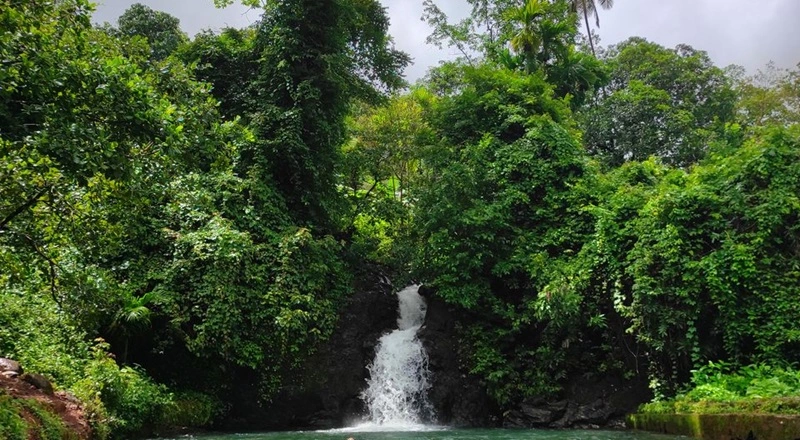
Overview of Bhupar waterfall
Deep within the emerald embrace of South Goa’s Canacona taluka lies a secret that the typical tourist brochure often overlooks. While the sun-drenched sands of Palolem and the vibrant nightlife of North Goa capture the headlines, the hinterlands of the state harbor treasures that speak to the soul of the land. One such treasure is the Bhupar waterfall, also locally referred to as Bupar Falls. Located in the quaint and culturally rich village of Gaodongrem, this waterfall is a testament to the raw, unfiltered beauty of the Western Ghats. Unlike the famous Dudhsagar Falls, which sees thousands of visitors daily, Bhupar remains a sanctuary for those who seek solitude, adventure, and a direct connection with nature.
The Bhupar waterfall is not just a single drop of water; it is a rhythmic cascade that gains its full glory during the monsoon season. The water originates from the dense forest reserves of the Cotigao Wildlife Sanctuary perimeter, tumbling down over ancient basalt rock formations into a refreshing natural pool. The surrounding landscape is a lush tapestry of tropical vegetation, where giant ferns, teak trees, and thick creepers create a canopy that filters the sunlight into dancing patterns of gold and green. For the locals of Gaodongrem, the waterfall is a part of their heritage, a place where the air is cooler and the water is pure.
Top Goa Experience • Part 1
Highly Recommended Near Bhupar waterfall
Explore All
What makes Bhupar truly special is its "hidden" status. To reach it, one must venture away from the coastal highways and navigate the winding, scenic roads of rural Goa. Here, the "Susegad" lifestyle is not just a catchphrase but a living reality. You will pass by traditional Goan houses with red-tiled roofs, sprawling cashew plantations, and local temples that have stood for centuries. The journey to Bhupar is as much about the destination as it is about experiencing the authentic, pastoral charm of South Goa. It is a place where the only playlist you need is the symphony of cicadas, the rustle of leaves, and the thunderous roar of falling water.
How to Reach Bhupar waterfall
Reaching Bhupar waterfall requires a bit of planning, as it is tucked away from the main tourist hubs. However, the drive itself is one of the most scenic experiences you can have in Goa. The waterfall is situated approximately 18 to 20 kilometers from the popular Palolem Beach and about 40 kilometers from the city of Margao. If you are traveling from the capital city, Panjim, expect a journey of about 80 kilometers, which takes roughly two and a half hours depending on traffic and road conditions.
Recommended Guide
15 Best Hill Stations Near Goa distance & Travel Tips
Discover the 15 best hill stations near Goa to visit in 2026. Our guide covers distances, trekking trails, and local highlights.
Read Guide →
- By Private Vehicle (Scooter or Car): This is the most recommended way to reach the falls. From Margao, take the NH66 highway heading south towards Canacona. Once you reach the Char Rasta junction in Canacona, look for signs leading towards Gaodongrem. The road transitions from a wide highway to narrow, winding village lanes flanked by dense greenery. Using GPS is helpful, but don't hesitate to ask locals for "Bhupar Falls" or "Bupar Vazar" (Vazar is the local term for waterfall).
- By Bus: You can take a Kadamba (state-run) bus or a private bus from Margao to Canacona (Chaudi). From the Chaudi bus stand, you will need to find a local bus heading towards Gaodongrem or Netravali. These buses are less frequent, so it is essential to check the timings beforehand. Once you get off at the Gaodongrem village center, you may need to hire a local motorcycle taxi (pilot) or walk the remaining distance to the trek starting point.
- By Train: The nearest railway station is Canacona (CNO), though only a few slow trains stop there. A more practical option is the Madgaon Railway Station (MAO), which is well-connected to major Indian cities. From Madgaon, you can rent a bike or take a taxi directly to Gaodongrem.
- By Air: The Dabolim Airport is about 65 kilometers away, while the newer Manohar International Airport (Mopa) is significantly further north (about 110 kilometers). From either airport, hiring a pre-paid taxi is the most convenient, albeit expensive, option. For budget travelers, taking an airport shuttle to Margao and then proceeding by bike or local bus is the best route.
The final stretch of the journey involves navigating through the village of Gaodongrem. Keep an eye out for the Mallikarjun Temple, a significant landmark in the area. From the main village road, a smaller path leads towards the forest area where the trek begins. It is advisable to park your vehicle at a safe spot near the trailhead, ensuring you do not block the narrow village roads used by local farmers.
Best Time to Visit
Timing is everything when it comes to visiting waterfalls in Goa. Because Bhupar is a seasonal waterfall fed by rainwater and forest springs, its appearance changes dramatically throughout the year. To see it in its full, majestic form, you must align your visit with the rhythm of the Indian monsoon.
Recommended Guide
Best Less Crowded Beaches in South Goa
South Goa is famous for its peaceful beaches, natural beauty, clean coastline, and relaxed atmosphere. While North Goa attracts thousands of tourists every...
Read Guide →
- Monsoon Season (June to September): This is the absolute best time to visit Bhupar waterfall. The entire region of South Goa turns into a vibrant shade of neon green. The waterfall is at its most powerful, and the surrounding streams are flowing vigorously. However, be prepared for heavy downpours, which can make the trekking path muddy and slippery. The months of July and August offer the most dramatic views.
- Post-Monsoon (October to November): If you prefer a more comfortable trek with less rain, the early post-monsoon months are ideal. The waterfall still has a healthy flow, and the forest is lush, but the paths are drier and easier to navigate. The weather during this time is also more pleasant, with lower humidity levels.
- Winter (December to February): During the peak tourist season, Bhupar begins to shrink. While it may not be a roaring cascade, it remains a peaceful spot for a picnic or a quiet walk in nature. The pool at the bottom is usually clear and calm, making it a great spot for a quick dip.
- Summer (March to May): It is generally not recommended to visit Bhupar during the peak of summer. The waterfall often dries up completely or reduces to a mere trickle. The heat in the Goan hinterlands can be intense, and the trek through the dry forest may not offer the same rewarding experience as the wetter months.
Pro Tip: If you are visiting during the monsoon, try to go on a weekday. While Bhupar is a hidden gem, it can attract small groups of locals on Sundays. Visiting on a Tuesday or Wednesday almost guarantees that you will have the entire waterfall to yourself, allowing for a truly meditative experience.
Trek Details for Bhupar waterfall
The trek to Bhupar waterfall is considered easy to moderate, making it accessible for most people with a basic level of fitness. It is not a grueling hike, but it does require navigating through uneven terrain, which adds to the sense of adventure. The trek usually takes about 20 to 30 minutes one way, depending on your pace and how often you stop to admire the flora.
Recommended Guide
Top 10 Tips for Renting a Car in Goa (Complete Guide 2026)
Renting a car in Goa sounds like the perfect plan — full freedom, beach hopping, no waiting for taxis, and exploring hidden places at your own pace. But...
Read Guide →
The trail begins at the edge of the Gaodongrem village, where the paved road ends and the forest path begins. Initially, the path is relatively flat, cutting through cashew groves and patches of dense shrubs. As you move deeper into the forest, the canopy thickens, and the temperature drops noticeably. You will hear the distant sound of rushing water, which serves as your primary guide.
Top Goa Experience • Part 2
Highly Recommended Near Bhupar waterfall
Explore All
During the monsoon, the trail can become quite adventurous. You may need to cross small, seasonal rivulets that crisscross the path. The ground is often covered in a layer of fallen leaves and moss, which can be very slippery. It is essential to wear shoes with a good grip. Along the way, keep an eye out for the local wildlife. It is common to see vibrant butterflies, forest crabs, and various species of birds like the Malabar Whistling Thrush, whose melodic call is often mistaken for a human whistling.
The final approach to the waterfall involves a slight descent over some rocky outcrops. This is where you get your first full view of Bhupar. The water cascades down in tiers, creating a spectacular sight. There isn't a heavily marked trail, so following the sound of the water and looking for the "worn-in" paths created by previous trekkers is the best strategy. If you feel unsure, hiring a local boy from the village to guide you for a small fee is a great way to support the local community and ensure you don't lose your way.
Things to Do
While the primary attraction is the waterfall itself, the area around Bhupar offers several activities for nature lovers and peace seekers. Here is how you can make the most of your visit:
- Take a Natural Shower: Standing under the cascading water of Bhupar is a revitalizing experience. The water is cool, crisp, and free from the chemicals found in city supplies. It is like a natural hydrotherapy session that washes away the stress of modern life.
- Swimming in the Rock Pool: At the base of the falls, there is a natural pool. While it isn't very deep, it is perfect for wading and relaxing. Always check the depth with a stick before jumping in, as the monsoon currents can shift underwater rocks.
- Nature Photography: For photographers, Bhupar is a paradise. The contrast between the dark basalt rocks, the white frothy water, and the deep green foliage provides endless composition opportunities. Capture long-exposure shots of the falls or macro shots of the unique forest fungi and insects.
- Birdwatching: The proximity to the Cotigao Wildlife Sanctuary means that the area is teeming with avian life. Bring a pair of binoculars and look for the Great Hornbill, the Heart-spotted Woodpecker, or the vibrant Emerald Dove.
- Picnicking: There are several flat rock surfaces near the falls that are perfect for a picnic. Important: Goa has strict anti-littering laws. If you bring food, ensure you carry every bit of plastic and waste back with you. Leaving the site pristine is the responsibility of every visitor.
- Meditation and Mindfulness: The sheer isolation of Bhupar makes it an ideal spot for meditation. Sit on a rock, close your eyes, and focus on the sound of the water. It is a powerful way to reconnect with yourself.
Safety Tips
Visiting a remote waterfall in the Goan jungle requires a certain level of caution. To ensure your trip to Bhupar is memorable for the right reasons, keep these safety tips in mind:
- Beware of Slippery Surfaces: The rocks around the waterfall are often covered in thin layers of algae or moss, making them incredibly slick. Always test your footing before putting your full weight down. Avoid wearing flip-flops; opt for sturdy trekking sandals or hiking shoes.
- Stay Hydrated: Even though the forest is cool, the humidity in Goa can lead to quick dehydration. Carry at least two liters of water per person. Avoid drinking directly from the stream unless you have a portable water filter.
- Leech Protection: During the monsoon, leeches are common in the Goan forests. While they are harmless, their bites can be annoying. Wearing long socks and applying salt or tobacco water on your shoes can help deter them.
- Check Weather Forecasts: Avoid visiting the waterfall during periods of extremely heavy rainfall or "red alerts" issued by the weather department. Flash floods, though rare at Bhupar, can occur in forest streams, and the trek path can become dangerously muddy.
- Travel in Groups: It is always safer to trek in a group of at least two or three people. Since mobile network coverage can be spotty in the deep forest of Gaodongrem, having someone with you in case of an accidental slip is vital.
- Respect the Wildlife: You are entering a natural habitat. Do not disturb any animals you encounter, and avoid making excessive noise. Snakes are present in the Western Ghats; while they usually avoid humans, it is wise to stay on the path and watch where you step.
Nearby Attractions
Since Bhupar waterfall is located in the southern tip of Goa, you can easily combine your visit with other nearby attractions to make a full day of exploration. The Canacona region is rich in both natural and cultural sites.
- Cotigao Wildlife Sanctuary: Located just a short drive away, this is Goa’s second-largest sanctuary. It is famous for its tall trees and the "tree-top" watchtowers that offer a bird's-eye view of the watering holes where animals come to drink.
- Mallikarjun Temple: Situated in Gaodongrem itself, this temple is dedicated to Lord Shiva. It is one of the oldest temples in Goa, known for its exquisite wood carvings and the unique "Shisharanni" festival. The architecture is a beautiful example of the local Goan-Hindu style.
- Galgibaga Beach: Known as the "Turtle Beach," Galgibaga is one of the cleanest and most peaceful beaches in India. It is a nesting site for Olive Ridley turtles. There are no loud shacks here, just rows of pine trees and the roaring Arabian Sea.
- Sadolxem Bridge: A narrow, iconic bridge that spans the Talpona River. It is a favorite spot for photographers and offers stunning views of the backwaters and traditional fishing boats.
- Netravali Bubbling Lake: If you are willing to drive a bit further inland, the Netravali lake (Budbudyanchi Tali) is a geological marvel where bubbles rise to the surface of the water in response to rhythmic sounds like clapping.
Entry Fees & Timings
One of the charms of Bhupar waterfall is that it remains largely unregulated, which means there is currently no official entry fee collected by the forest department or the local panchayat. However, this is subject to change as the area gains popularity. Occasionally, during the peak monsoon, local forest guards might be stationed at the entrance to ensure safety, and they may ask you to register your name in a logbook.
In terms of timings, it is highly recommended to visit between 8:00 AM and 4:00 PM.
- Early Morning (8:00 AM - 10:00 AM): This is the best time for birdwatching and enjoying the crisp morning air. The light is soft, making it perfect for photography.
- Afternoon (11:00 AM - 3:00 PM): This is when the water feels most inviting for a swim, as the sun is at its peak. However, it can also be the most humid time for the trek.
- Late Afternoon (After 4:00 PM): It is not advisable to stay at the waterfall after 4:30 PM. The forest gets dark very quickly under the thick canopy, and navigating the trek path back to the village can be difficult and unsafe as the light fades.
Where to Eat Nearby
Gaodongrem is a traditional village, so do not expect fancy cafes or multi-cuisine restaurants. However, this is the perfect opportunity to sample authentic Goan Saraswat or Catholic-style home cooking.
- Local Village Tavernas: You will find small tea stalls and tavernas in the village center. Here, you can get snacks like Samosas, Batata Vadas, and the quintessential Goan "Ross Omelette." Pair it with a hot cup of tea or a local soda.
- Home-run Eateries: Some families in the village offer "Thali" meals if informed in advance. A typical Goan fish thali here will include fresh river fish, rice, sheetakadi (fish curry), and a vegetable side dish like "Khatkhate."
- Restaurants in Canacona/Chaudi: For more variety, head back to the main town of Chaudi. Places like Karma Kitchen or Taverna offer a range of Indian and Continental dishes.
- Beach Shacks: If you are heading back towards the coast, the shacks at Palolem or Patnem (like Dropadi or Art Resort) offer excellent seafood, wood-fired pizzas, and refreshing cocktails with a view of the ocean.
Recommendation: Carry some light snacks like biscuits, nuts, or fruit with you to the waterfall, as the trek and the swim will definitely work up an appetite. Just remember to bring back all your wrappers!
Accommodation Nearby
If you want to stay close to Bhupar waterfall and experience the quietude of the Goan countryside, you have several unique options ranging from eco-stays to luxury resorts.
- Eco-Resorts near Cotigao: There are a few eco-friendly lodges near the entrance of the Cotigao Wildlife Sanctuary. These offer basic but clean cottages that allow you to stay right in the heart of nature. Bhakti Kutir in Palolem is a bit further away but offers a similar eco-conscious vibe.
- Homestays in Gaodongrem: For a truly immersive experience, look for local homestays. Staying with a Goan family allows you to learn about their traditions, agriculture, and local folklore. You can find these listed on popular booking platforms or by asking around the village.
- Luxury Stays in Palolem: If you prefer comfort after a day of trekking, Palolem (about 30 minutes away) has high-end resorts like The Lalit Golf & Spa Resort. This allows you to combine a morning jungle trek with an evening of luxury by the sea.
- Forest Department Huts: The Goa Forest Department has basic huts available for rent within the Cotigao Sanctuary. These must be booked in advance at the forest office in Panjim or Margao. They are very basic but offer an unparalleled experience for wildlife enthusiasts.
Photography Spots
Bhupar waterfall is a visual treat, and if you are looking to populate your Instagram feed or professional portfolio, here are the best spots to set up your tripod:
- The Mid-Trek Clearing: About halfway through the trek, there is a clearing where the canopy opens up slightly. This offers a great "jungle trail" shot with deep perspectives of the winding path.
- The Lower Pool: Capture the waterfall from a low angle at the edge of the pool. This emphasizes the height of the falls and allows for beautiful reflections in the water.
- The Mossy Rocks: Close-up shots of the vibrant green moss on the dark rocks, with the blurred water in the background, make for stunning atmospheric photos.
- The Village Road: Don't forget to photograph the journey! The narrow roads leading through Gaodongrem, with their old Portuguese-style houses and cattle grazing in the fields, capture the essence of "Real Goa."
Photography Tip: Use a circular polarizer filter to reduce the glare on the wet rocks and leaves. If you are shooting during the monsoon, ensure you have a waterproof cover for your camera gear, as the mist from the waterfall and the sudden rain showers can be quite intense.
Hidden Gem Score & Crowd Level
In the world of over-tourism, Bhupar waterfall is a rare find. On a scale of 1 to 10, with 10 being a completely untouched paradise, Bhupar comfortably sits at a 9/10.
Crowd Level: Very Low. On most weekdays, you will likely be the only person there. On weekends, you might encounter a few local families or small groups of students from nearby towns. Unlike the crowded beaches of North Goa or the commercialized Dudhsagar trek, Bhupar offers true "peace and quiet." There are no vendors selling plastic water bottles, no loud music, and no queues for photos. It is a place where nature still holds the upper hand, and that is exactly why it is so precious.
Because the crowd level is low, it is even more important for visitors to be mindful of their impact. The lack of a formal management system means that the cleanliness of the site depends entirely on the ethics of the people who visit it. Be a responsible traveler and help keep this hidden gem hidden and pristine.
Conclusion
The Bhupar waterfall is more than just a destination; it is an invitation to experience the "other" Goa—the one that exists far away from the neon lights and crowded dance floors. It is a place where the air smells of wet earth and wild jasmine, where the water is as cold as the mountain springs, and where the silence is broken only by the rhythms of the forest. For those willing to take the road less traveled, Bhupar offers a profound sense of peace and a reminder of the incredible natural beauty that the state of Goa preserves in its heart.
Whether you are a solo traveler seeking introspection, a couple looking for a romantic escape in nature, or a group of friends on an adventure, Bhupar waterfall will not disappoint. It challenges you with its trek, rewards you with its beauty, and leaves you with memories of a Goa that few ever get to see. So, the next time you find yourself in the sunny state, leave the beach behind for a day, head south to the hills of Gaodongrem, and let the magic of Bhupar wash over you. It is, without a doubt, one of the most soul-refreshing experiences you will ever have in the land of sun, sand, and sea.