Overview of Bamanbudo Waterfall
Nestled in the heart of the lush, emerald landscapes of South Goa, the Bamanbudo Waterfall stands as a testament to the raw and unfiltered beauty of the Western Ghats. Unlike the more commercialized tourist spots in North Goa, Bamanbudo offers a serene retreat for those who seek solace in nature's lap. Located in the Gaodongrem village of Canacona Taluka, this waterfall is a unique geographical marvel. What sets it apart from other famous Goan cascades, such as the mighty Dudhsagar, is its remarkable accessibility and its tiered, gentle flow that resembles a natural water slide designed by the heavens themselves.
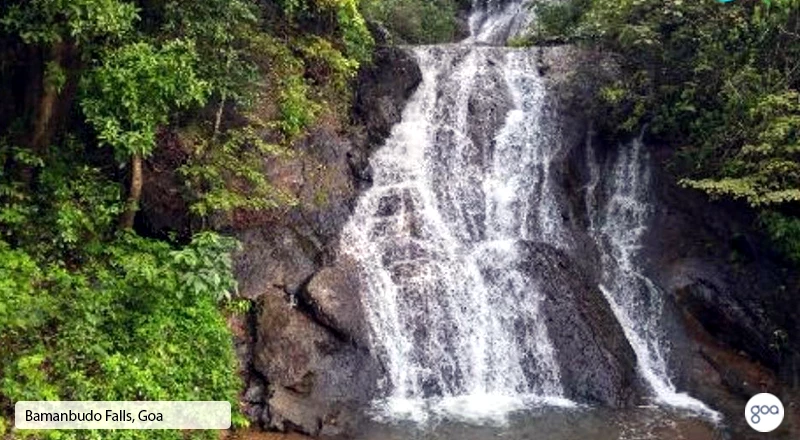
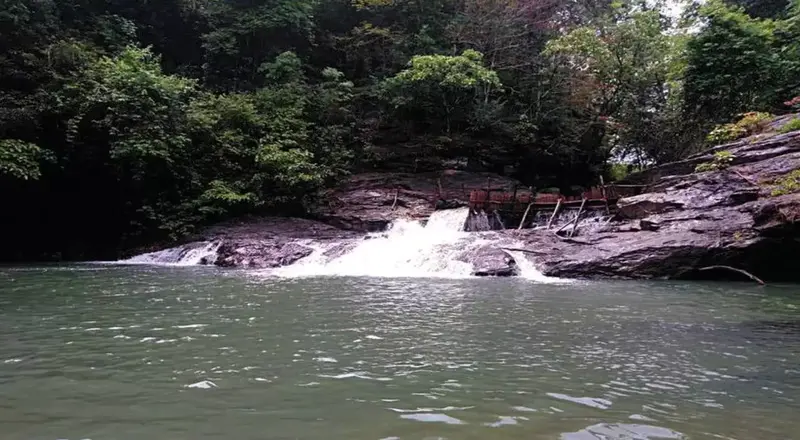
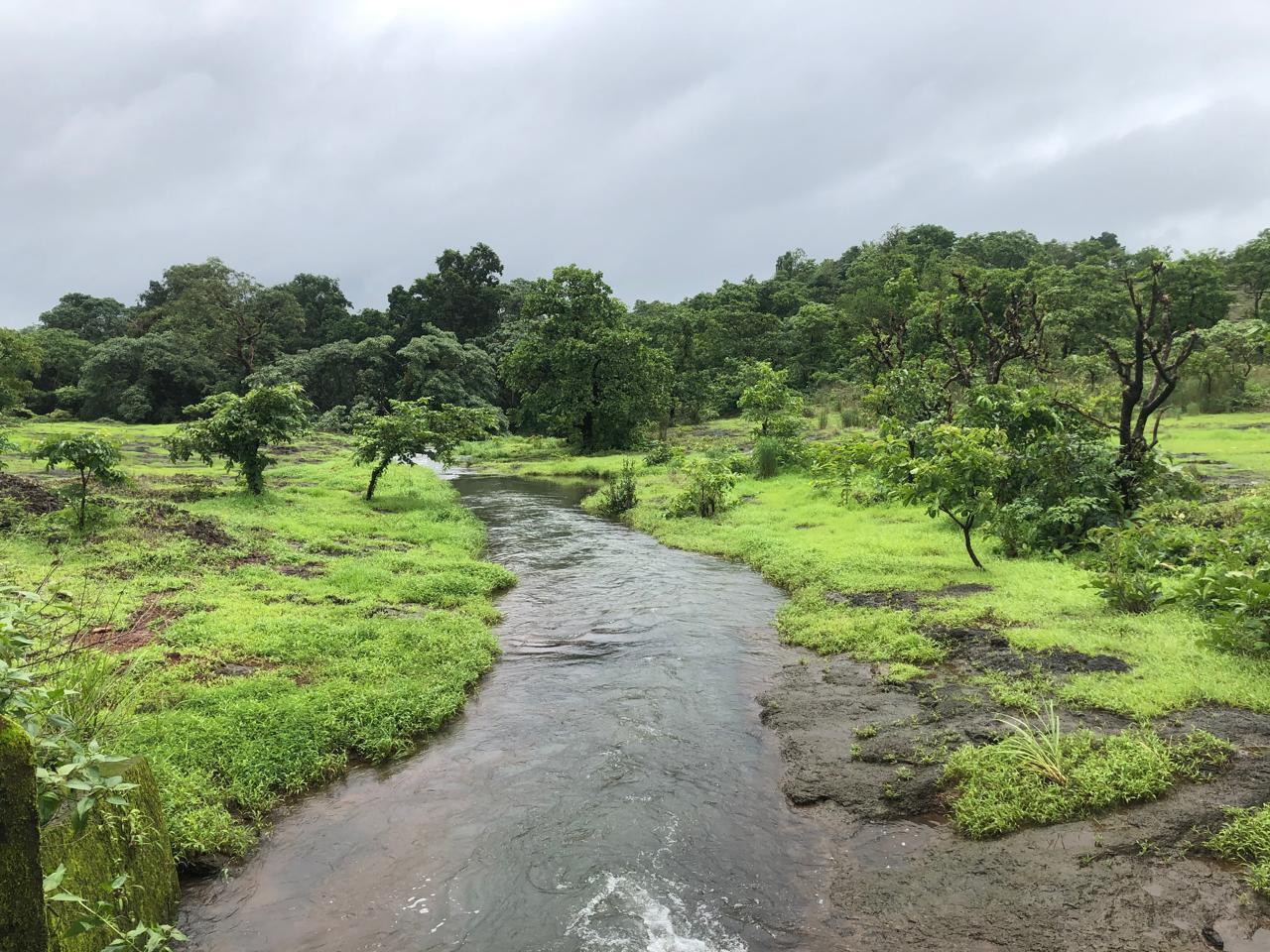
The name 'Bamanbudo' carries local significance, often associated with traditional folklore of the Gaodongrem community. As a professional travel writer who has traversed the length and breadth of Goa, I find Bamanbudo to be one of the most "honest" locations in the state. It doesn't demand a grueling five-mile trek or a permit-heavy jeep safari. Instead, it greets you right by the side of the road, its white frothy waters contrasting beautifully against the black basalt rocks and the deep green foliage of the surrounding forest. The waterfall is not a single vertical drop but a series of cascades that tumble down the hillside, creating shallow pools that are perfect for a refreshing dip.
Top Goa Experience • Part 1
Highly Recommended Near Bamanbudo Waterfall
Explore All
For the eco-conscious traveler, Bamanbudo is a dream. The area remains largely untouched by massive commercial infrastructure, preserving its pristine ecosystem. Here, the air is thick with the scent of wet earth and wild tropical blooms. The soundscape is dominated not by the thumping bass of a beach club, but by the rhythmic splashing of water and the distant calls of the Malabar Whistling Thrush. It is a place where time seems to slow down, allowing visitors to reconnect with the elemental forces of the earth. Whether you are a solo backpacker looking for a quiet spot to meditate or a family seeking a safe place for children to play in the water, Bamanbudo Waterfall provides an idyllic setting that captures the essence of "Old Goa"—a side of the state that remains wild, welcoming, and wonderfully quiet.
How to Reach Bamanbudo Waterfall
Reaching Bamanbudo Waterfall is an adventure in itself, taking you through some of the most scenic backroads of South Goa. The waterfall is located approximately 18 kilometers from the town of Canacona and about 85-90 kilometers from the capital city, Panjim. Because of its remote location in the Canacona Taluka, public transport is infrequent, making private transport the most viable and enjoyable option.
Recommended Guide
15 Best Hill Stations Near Goa distance & Travel Tips
Discover the 15 best hill stations near Goa to visit in 2026. Our guide covers distances, trekking trails, and local highlights.
Read Guide →
By Scooter or Bike: For many, the best way to experience the Goan countryside is on two wheels. If you are staying in Palolem, Patnem, or Agonda, you can rent a scooter for approximately ₹400-₹600 per day. From Canacona, you need to head towards the Gaodongrem village. The route takes you along winding roads flanked by cashew plantations and dense forests. Follow the NH 66 (Kochi-Panvel Highway) and take the diversion towards the Netravali Wildlife Sanctuary. The roads are generally in good condition, but be prepared for sharp curves and occasional potholes during the monsoon season.
By Car: If you are traveling with family or in a group, hiring a private taxi or driving a self-drive car is recommended. From Margao, the drive takes about 1.5 to 2 hours. You will pass through the lush Ambe Ghat, which offers stunning panoramic views of the valley below. The waterfall is located right on the roadside, so you won't need to worry about parking in a distant lot and walking; you can literally park your car and step out into the spray of the falls. Ensure your GPS is set to "Bamanbudo Waterfall, Gaodongrem," but do not hesitate to ask locals for directions, as mobile signals can be spotty in the deep interiors of the Ghats.
Recommended Guide
Why Foreigners Love Arambol, Morjim, and Agonda
Goa has long been one of India’s most famous beach destinations, attracting millions of travelers from around the world every year. While bustling beache...
Read Guide →
By Bus: For the budget traveler, Kadamba Transport Corporation (KTC) buses run from Margao to Canacona regularly. From the Canacona bus stand, you might find a local bus heading towards Gaodongrem or Netravali, but these are rare. A more practical "budget" approach is to take a bus to Canacona and then hire a local rickshaw or "pilot" (motorcycle taxi) to take you the rest of the way. However, keep in mind that finding a return rickshaw from the waterfall can be difficult, so it is wise to ask the driver to wait for you or schedule a pickup time.
Best Time to Visit
Timing is everything when it comes to visiting waterfalls in Goa. Since Bamanbudo is fed by seasonal rains and natural springs within the Western Ghats, its appearance changes drastically throughout the year. To see the waterfall in its full, roaring glory, the Monsoon Season (June to September) is undoubtedly the best time. During these months, the Sahyadri mountains receive heavy rainfall, turning the Bamanbudo stream into a powerful, milky-white cascade. The surrounding vegetation is at its most vibrant green, and the atmosphere is cool and misty.
Recommended Guide
Water Sports in Candolim Goa | Best Prices, Packages & Booking Guide
Candolim Beach, located in North Goa, is one of the most popular destinations for water sports in Goa. Known for its clean shoreline, less crowded environm...
Read Guide →
However, if you prefer a more relaxed experience where you can actually sit under the water and swim in the pools, the Post-Monsoon Season (October to December) is ideal. During this window, the intensity of the rain subsides, and the water flow becomes more manageable and clear. The weather remains pleasant, and the humidity is lower than in the peak of summer. This is also the best time for photography, as the sky is often clear, providing great natural lighting against the lush backdrop.
Top Goa Experience • Part 2
Highly Recommended Near Bamanbudo Waterfall
Explore All
Visiting during the Summer Months (March to May) is generally not recommended if your primary goal is to see a spectacular waterfall. By April, the flow often reduces to a mere trickle, and the pools may become stagnant. Furthermore, the heat in the Goan interiors can be quite oppressive during midday. If you do find yourself in South Goa during the summer, a trip to Bamanbudo can still be a nice drive for the forest scenery, but don't expect the dramatic water display seen in the monsoon. For the ultimate experience, aim for a weekday in late August or early September; you will witness the peak volume of water with fewer crowds than on weekends.
Trek Details for Bamanbudo Waterfall
One of the most surprising things about Bamanbudo Waterfall is that there is virtually no trek required. While famous Goan falls like Tambdi Surla or Dudhsagar require hours of hiking through rugged terrain, Bamanbudo is essentially a "roadside attraction." This makes it an incredibly accessible destination for people of all ages and fitness levels. When you arrive at the designated spot on the road in Gaodongrem, the waterfall is visible from your vehicle.
However, if you wish to explore the different tiers of the waterfall, there is some very light "scrambling" involved. You can walk along the edge of the rocks to reach the higher sections or the base pool. The walk from the road to the main pool is less than 50 meters. The terrain consists of natural stone steps and some muddy patches. Because the rocks are constantly wet, they are covered in a thin layer of moss and algae, making them extremely slippery. Even though it isn't a "trek" in the traditional sense, you should still wear footwear with a good grip, such as trekking sandals or water shoes.
For those who have a thirst for more activity, the surrounding area of Gaodongrem offers plenty of opportunities for forest walks. You can walk along the periphery of the road to spot local bird species or explore the nearby stream beds that feed into the main fall. The lack of a strenuous trek means you can spend more of your energy enjoying the water and the scenery rather than exhausting yourself on the trail. This accessibility is why Bamanbudo is a favorite among local Goan families who come here for Sunday picnics, bringing along elderly grandparents and young children who wouldn't be able to manage the more difficult treks in the region.
Things to Do
Despite its small size and roadside location, there is plenty to keep a nature lover occupied at Bamanbudo Waterfall. It is not just a place to look at; it is a place to experience. Here are the top things to do:
- Natural Hydrotherapy: The way the water cascades over the rocks creates several "seats" where you can sit and let the falling water massage your shoulders and back. It is a natural spa experience that is incredibly rejuvenating after a long drive.
- Swimming and Wading: The pools at the base of the various tiers are relatively shallow and safe for wading. Unlike some other waterfalls with dangerous undercurrents, the pools here are generally calm, making them perfect for a refreshing swim.
- Birdwatching: The Gaodongrem forest is home to a variety of endemic bird species. Keep an eye out for the Malabar Pied Hornbill, the Flame-throated Bulbul (Goa's state bird), and various species of kingfishers that frequent the stream.
- Picnicking: Many locals bring packed lunches and spend the afternoon by the falls. It is a great way to enjoy a meal amidst nature. However, it is vital to carry all your trash back with you, as there are no formal waste management services at the site.
- Nature Photography: With its multi-tiered structure and the surrounding canopy of ancient trees, Bamanbudo is a photographer's paradise. You can experiment with slow-shutter speeds to capture the "silky" effect of the water.
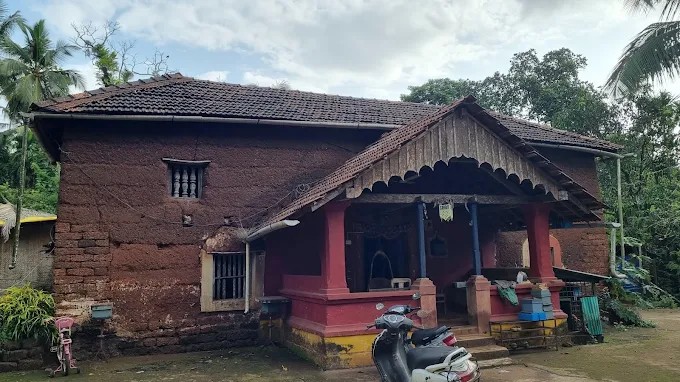
- Explore Gaodongrem Village: Take a slow drive through the village to see traditional Goan houses, local temples, and the simple, agrarian lifestyle of the residents. It’s a great way to experience the authentic culture of South Goa.
Safety Tips
While Bamanbudo Waterfall is generally safer than many other wild waterfalls in India, nature should always be treated with respect. Here are some essential safety tips to ensure your trip remains enjoyable and accident-free:
- Beware of Slippery Rocks: This is the most common cause of injury at Bamanbudo. The rocks are incredibly slick due to algae. Always test your footing before putting your full weight down. Avoid jumping from one rock to another.
- Monitor Water Levels: During peak monsoon, the water level can rise suddenly if there is heavy rain upstream in the mountains. If you notice the water turning muddy or the volume increasing rapidly, exit the pools immediately.
- No Lifeguards: There are no official lifeguards or emergency services stationed at Bamanbudo. You are responsible for your own safety. If you are not a confident swimmer, stick to the shallower edges of the pools.
- Avoid Alcohol: Consuming alcohol near the waterfall is not only disrespectful to the local environment but also dangerous. Alcohol impairs balance and judgment, which is a recipe for disaster on slippery rocks.
- Check for Leeches: During the monsoon, the damp forest floor around the waterfall may have leeches. While they are harmless, they can be a bit unsettling. Wearing long trousers or applying a bit of salt/tobacco water can deter them.
- Travel in Groups: Since the area is somewhat remote and mobile connectivity is weak, it is always safer to travel with at least one companion.
Nearby Attractions
Bamanbudo Waterfall is located in a region of South Goa that is rich in biodiversity and cultural landmarks. You can easily combine your visit with several other nearby attractions to make a full day trip:
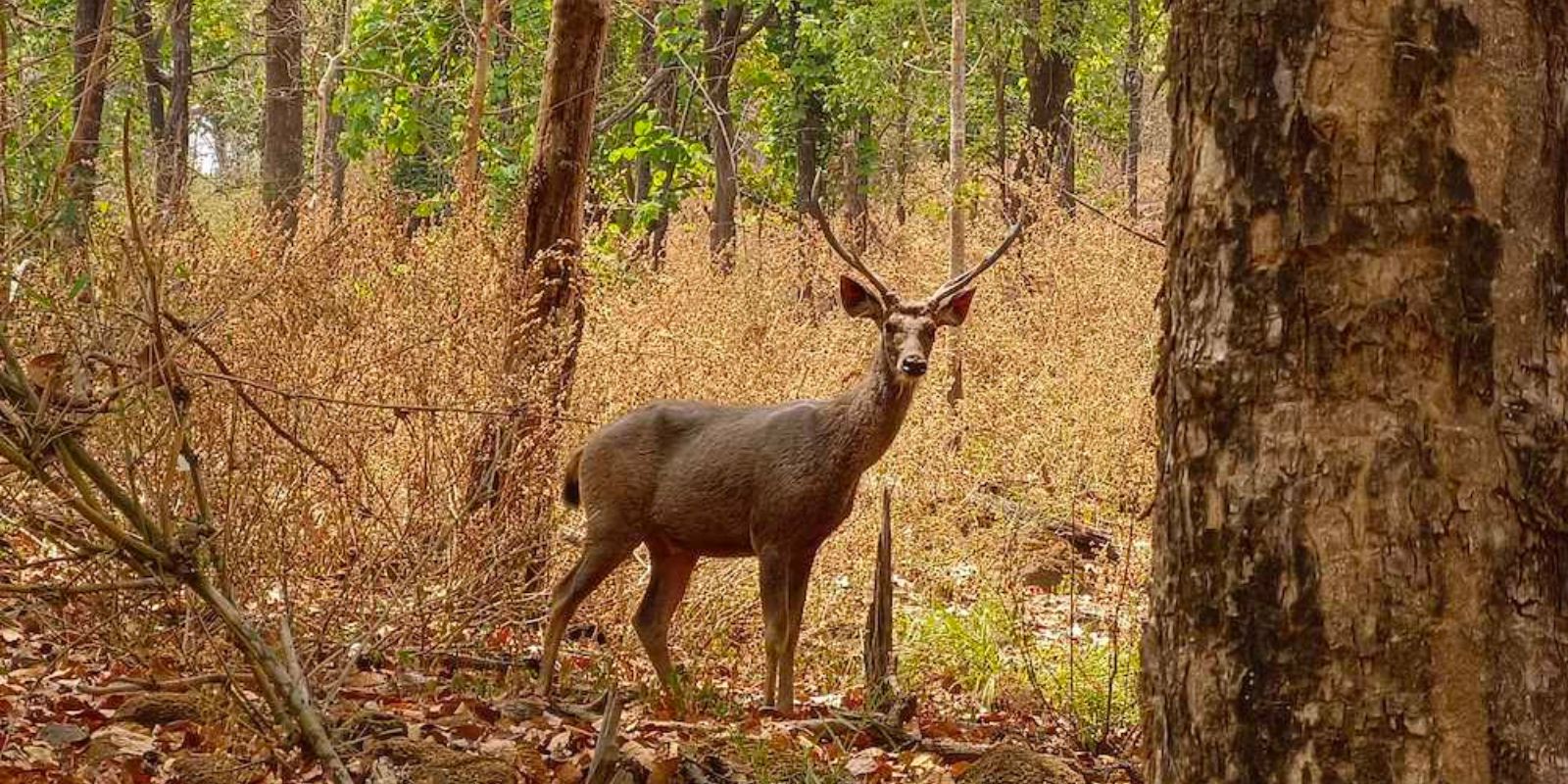
Cotigao Wildlife Sanctuary: Located just a short drive away, Cotigao is the second-largest wildlife sanctuary in Goa. It is famous for its tall trees and dense multi-layered canopy. There are several hiking trails and a 25-meter-high watchtower that overlooks a watering hole where you might spot gaurs, wild boars, or langurs.
Netravali Wildlife Sanctuary and Bubbling Lake: Further inland lies Netravali. The "Bubbling Lake" (Budbudyanchi Tali) at the Gopinath Temple is a fascinating site where continuous bubbles rise from the bottom of a sacred pond, reacting to sound and vibrations. It is a peaceful spot with deep religious significance.
Sadolxem Bridge: This is a narrow, scenic bridge over the Talpona River. It has become a popular spot for photography due to its unique structure and the beautiful river views it offers. It’s a great place to stop on your way back to the coast.
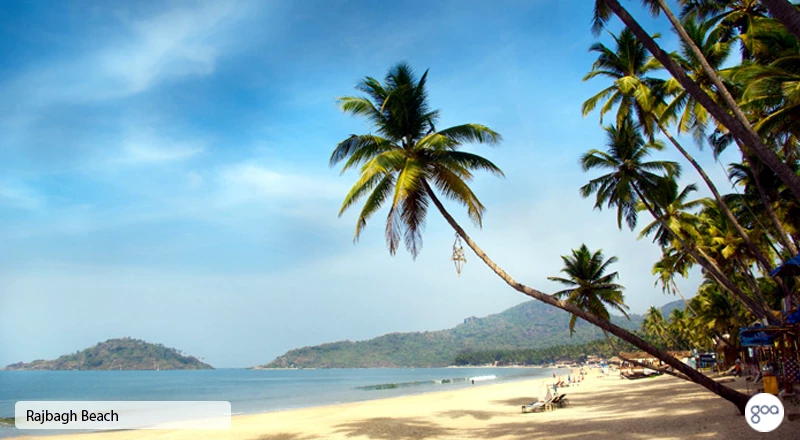
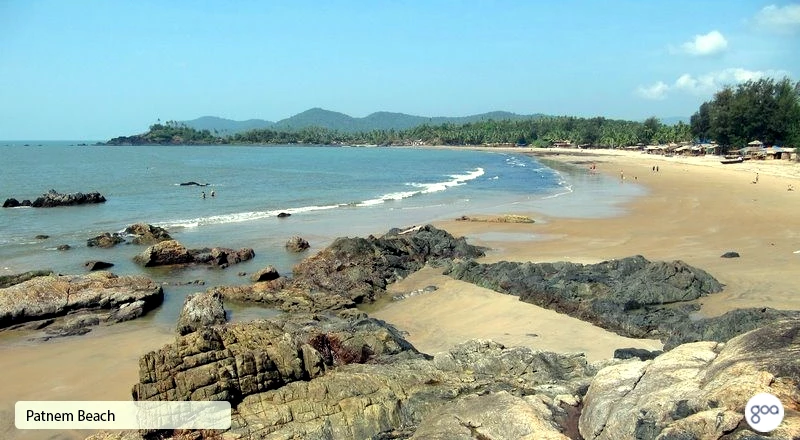
Palolem and Patnem Beaches: After a day in the forest, you can head back to the coast. Palolem is famous for its crescent shape and calm waters, while Patnem offers a quieter, more laid-back vibe. Both are excellent for a sunset dinner by the sea.
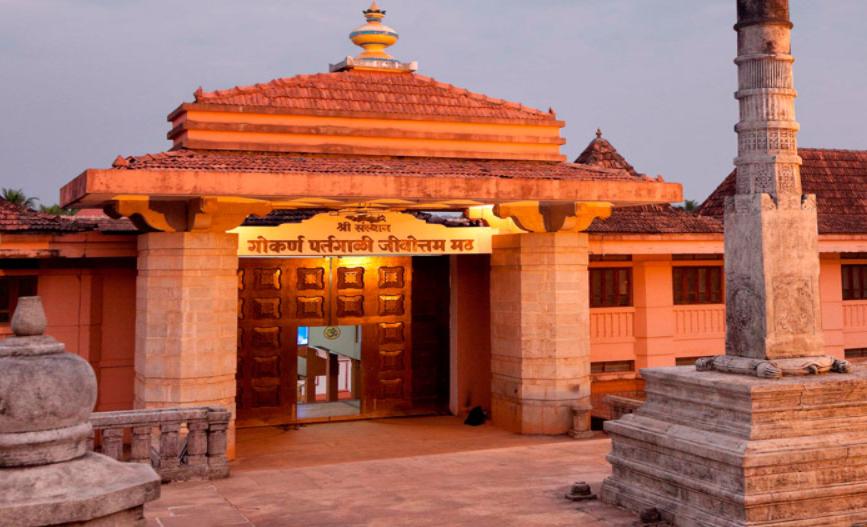
Partagal Math: A historic Vedic school and monastery located in the Canacona region. It is home to a massive, ancient Banyan tree that is said to be over 500 years old and covers a vast area, creating a natural cathedral of roots and branches.
Entry Fees & Timings
One of the best things about Bamanbudo Waterfall is that it is completely free to visit. There are no entry tickets, parking fees, or commercial gates. This is because the waterfall is located on public land right next to a state road.
In terms of timings, the waterfall is technically "open" 24 hours a day as it is a natural site. However, for safety and visibility, it is highly recommended to visit between 8:00 AM and 5:00 PM. The area becomes very dark after sunset, and the winding forest roads can be tricky to navigate at night, especially with the possibility of wildlife crossing the road. Visiting early in the morning also allows you to beat the small crowds of locals that usually gather on weekend afternoons. If you arrive by 9:00 AM, you will likely have the entire place to yourself, allowing for a much more tranquil experience.
Where to Eat Nearby
Because Bamanbudo is in a remote village area, don't expect fine-dining restaurants or cafes right at the waterfall. However, you won't go hungry if you plan ahead:
- Local Shacks: Occasionally, during the peak season, a few local villagers might set up small temporary stalls near the roadside selling snacks like vada pav, samosas, and omelet pav, along with tea and cold drinks. These are great for a quick bite.
- Canacona Town: About 15-20 minutes away, the town of Canacona offers several authentic Goan eateries. Look for small "Bhojan" hotels that serve traditional Goan Fish Thalis. These thalis usually include rice, fish curry, fried fish, a vegetable side, and 'sol kadi' (a refreshing kokum and coconut milk drink).
- Palolem Beach: If you want a more varied menu, head back towards Palolem. Here you will find everything from Italian wood-fired pizzas to vegan smoothie bowls and fresh seafood grills. Restaurants like Dropadi and Art Resort Cafe are highly rated.
- Carry Your Own: The best option for Bamanbudo is to carry a picnic basket. Bring plenty of water, fruits, sandwiches, and perhaps some local Goan poi (bread). Just remember the golden rule: Pack it in, pack it out. Leave no trace of your visit.
Accommodation Nearby
While there are no hotels directly overlooking Bamanbudo Waterfall, the surrounding South Goa region offers some of the best accommodation options in the state, ranging from eco-stays to luxury resorts.
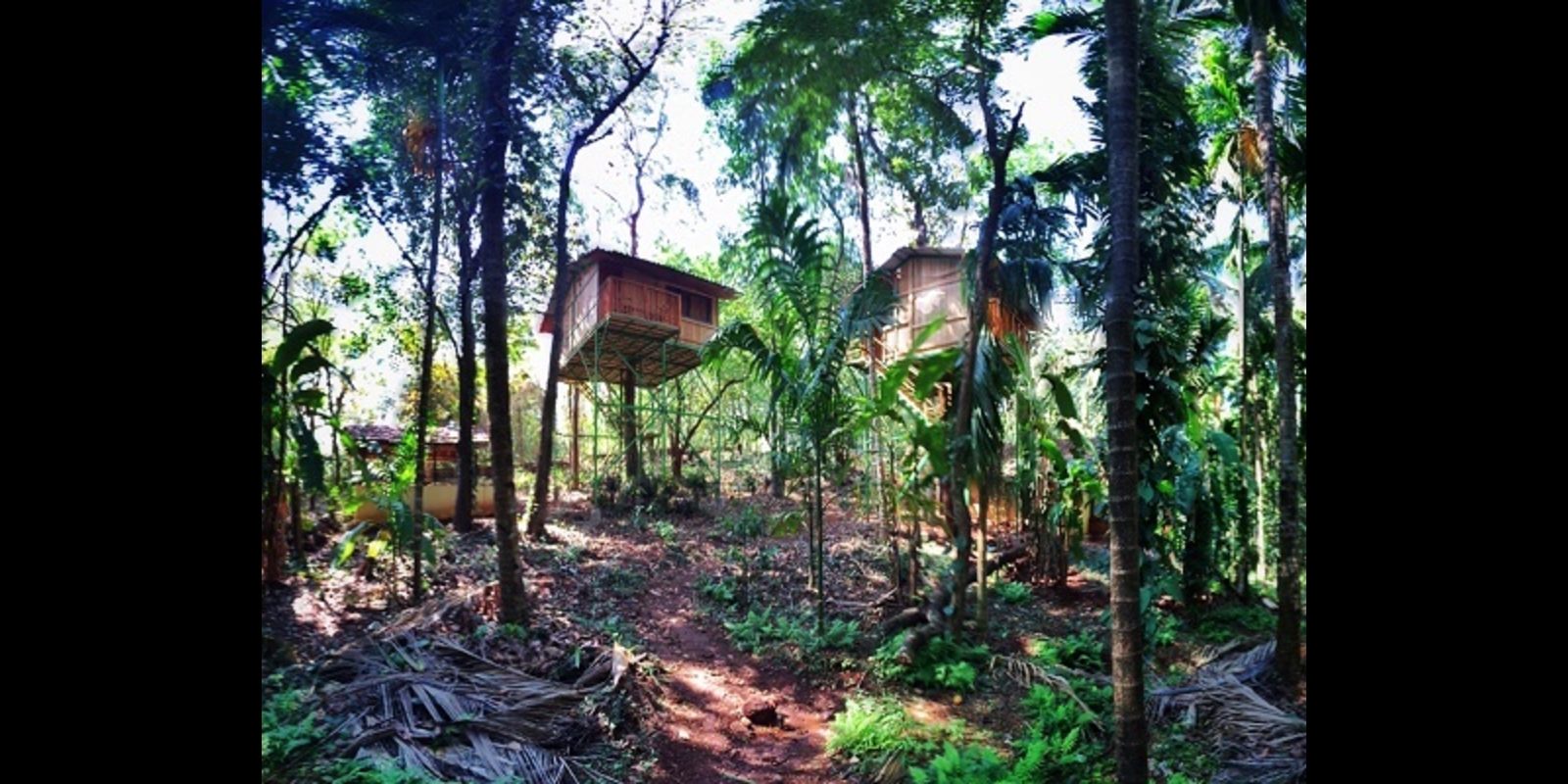
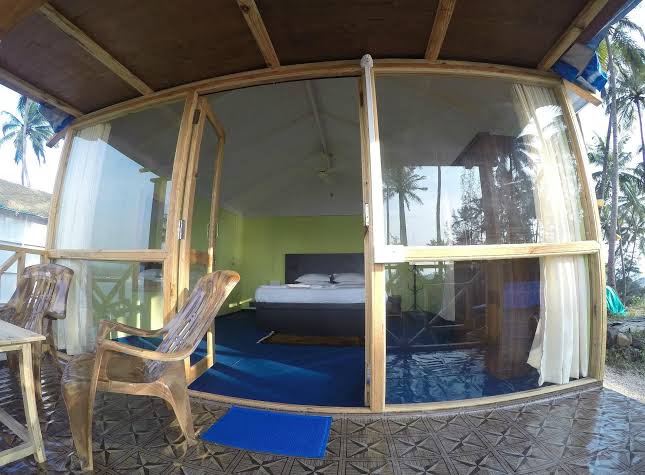
Eco-Resorts in Netravali/Canacona: For those who want to stay close to nature, there are several eco-resorts located within a 30-minute drive. These often feature mud huts or wooden cottages and focus on sustainable tourism. Angunda Nature Stay and various forest lodges near Cotigao are excellent choices for birdwatchers and hikers.
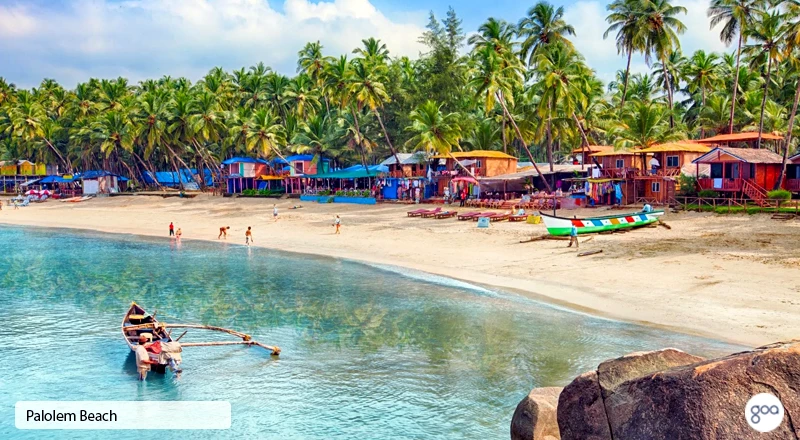
Beach Huts in Palolem and Agonda: Most visitors choose to stay at the nearby beaches and make a day trip to Bamanbudo. Palolem is famous for its colorful wooden huts built right on the sand. These range from basic fan-cooled rooms to luxury air-conditioned huts with sea views. Agonda offers a more upscale, "boutique" beach experience with several high-end eco-resorts.
Homestays: If you want to experience true Goan hospitality, look for homestays in the Gaodongrem or Loliem areas. These allow you to stay with a local family, enjoy home-cooked meals, and learn about the local culture and traditions firsthand.
Photography Spots
Bamanbudo Waterfall is a visual treat, and if you are a photographer, you will find plenty of angles to work with. Here are some tips for the best shots:
- The Roadside Perspective: Stand on the road and use a wide-angle lens to capture the entire scale of the waterfall as it descends from the forest into the roadside pool. This shot highlights the "hidden in the jungle" feel.
- The Middle Tier: Carefully climb up to the middle section. From here, you can get close-up shots of the water rushing over the dark rocks. Use a tripod and a Neutral Density (ND) filter to achieve that smooth, silky water effect even in daylight.
- The Canopy Frame: Look for spots where the overhanging branches of the massive trees frame the waterfall. This adds depth and a sense of "place" to your photographs.
- Macro Opportunities: Don't just focus on the big picture. The moss-covered rocks, the intricate patterns of the ferns, and the colorful forest insects provide excellent subjects for macro photography.
- Golden Hour: While the waterfall is in a valley and doesn't get direct sunset light, the "blue hour" just before dusk provides a soft, even light that eliminates harsh shadows and makes the greens of the forest pop.
Hidden Gem Score & Crowd Level
Hidden Gem Score: 9/10
Bamanbudo Waterfall is a true hidden gem. While it is known to locals, it remains largely absent from the standard "Top 10 Things to Do in Goa" lists found in most travel brochures. This lack of mainstream fame has preserved its charm. It doesn't have the "tourist trap" feel that often ruins natural sites. There are no pushy vendors, no loud music, and no piles of commercial waste.
Crowd Level: Low to Moderate
On weekdays, you might find yourself completely alone at the falls, or perhaps sharing it with one other group. On weekends and public holidays, the crowd level rises to "moderate" as local Goan families from Margao and Canacona come here for their weekly outing. Even at its busiest, it never feels claustrophobic or overwhelmed like the beaches of North Goa. If you are looking for total solitude, a Tuesday or Wednesday morning is your best bet. The atmosphere is always respectful; since it’s a family-oriented spot, the vibe is generally peaceful and friendly.
Conclusion
Bamanbudo Waterfall is more than just a scenic stop on a map; it is a reminder of the quiet, soulful beauty that Goa possesses away from its famous coastline. It represents a different kind of luxury—the luxury of fresh air, cold mountain water, and the simple pleasure of a roadside discovery. In a world that is increasingly fast-paced, Bamanbudo invites you to step out of your car, take off your shoes, and feel the pulse of the Western Ghats.
Its accessibility makes it a "must-visit" for anyone staying in South Goa, providing a perfect counterpoint to the salt and sand of the beaches. Whether you are seeking a romantic spot for a quiet conversation, a safe playground for your children, or a dramatic subject for your photography, this waterfall delivers on all fronts. As you plan your Goan itinerary, make sure to carve out a few hours for Bamanbudo. It is a place that doesn't shout for attention, but once you find it, its gentle roar and verdant surroundings will stay in your memory long after you’ve returned home. Just remember to travel responsibly, respect the local Gaodongrem community, and keep this hidden gem as pristine as you found it. South Goa is waiting to show you its secrets, and Bamanbudo is undoubtedly one of its finest.