Overview of Kuskem Waterfall
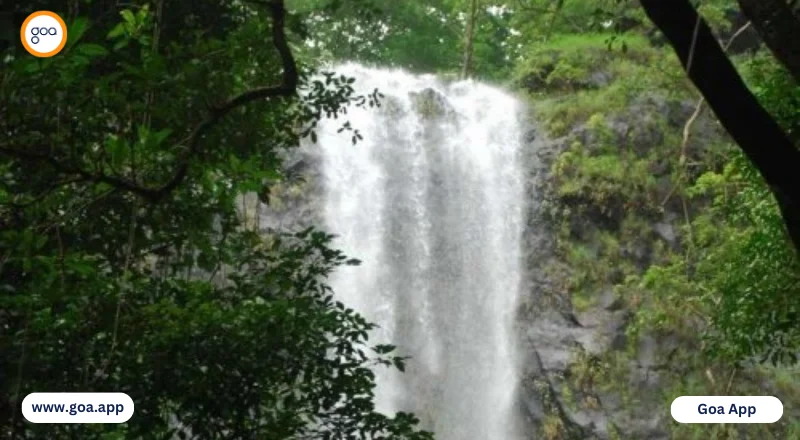
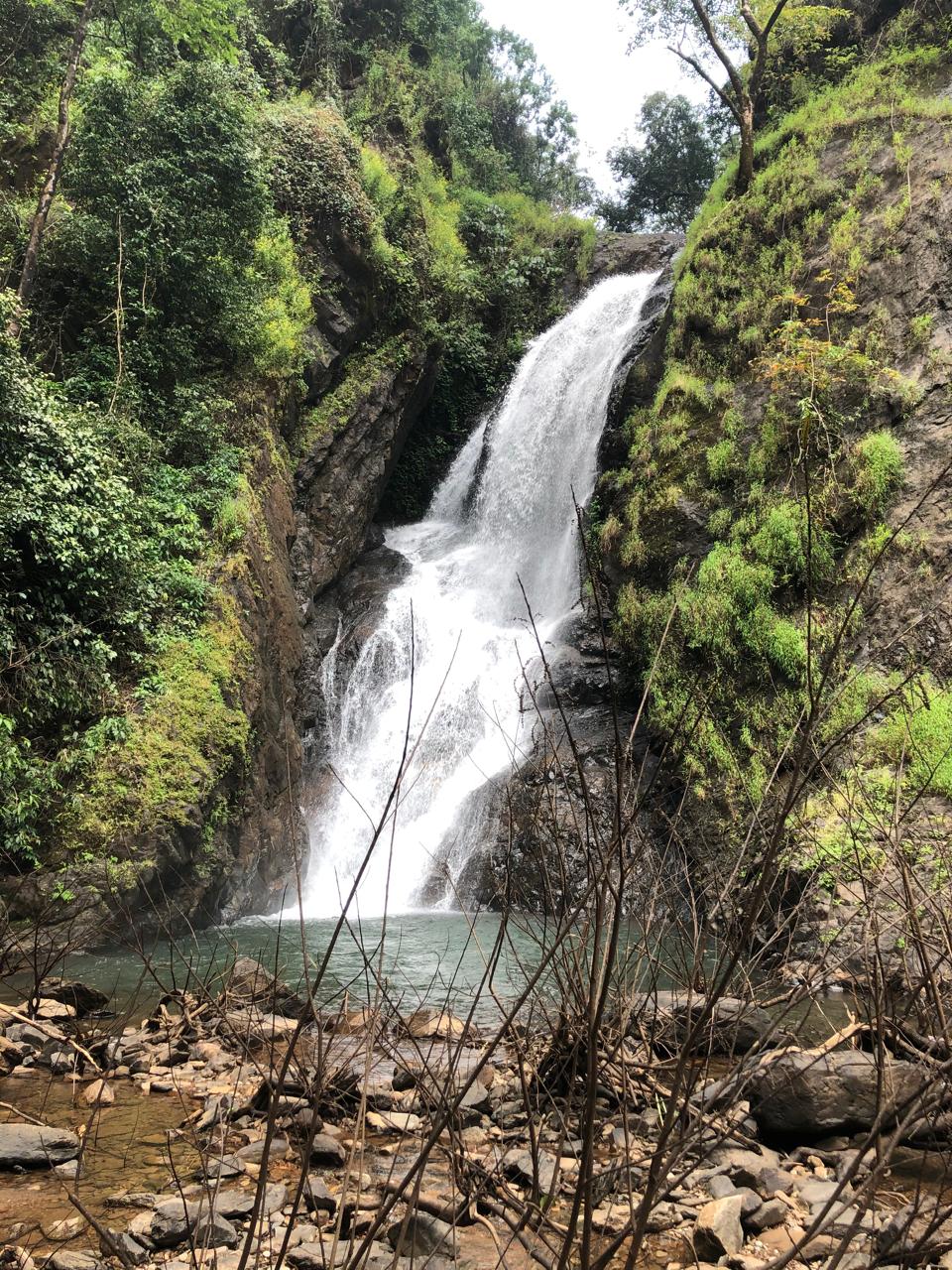
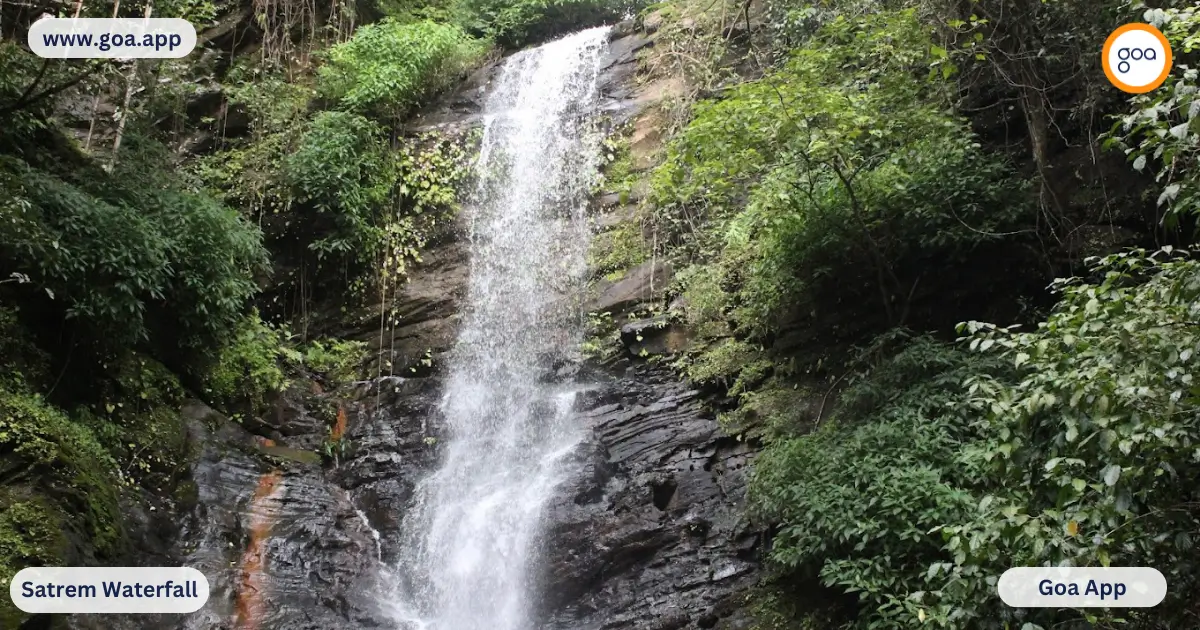
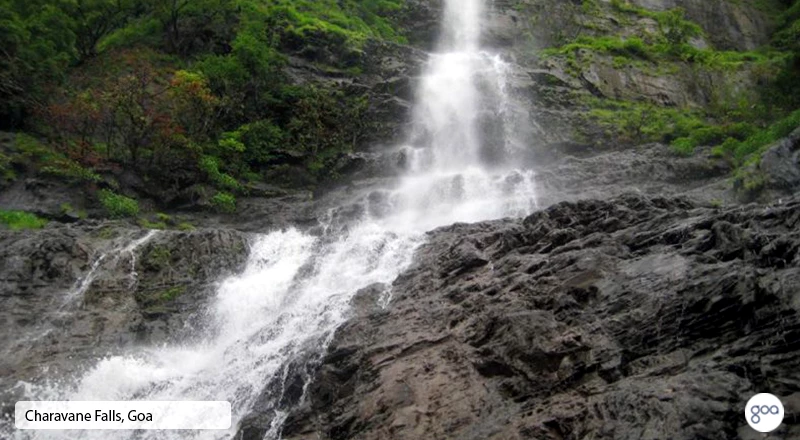
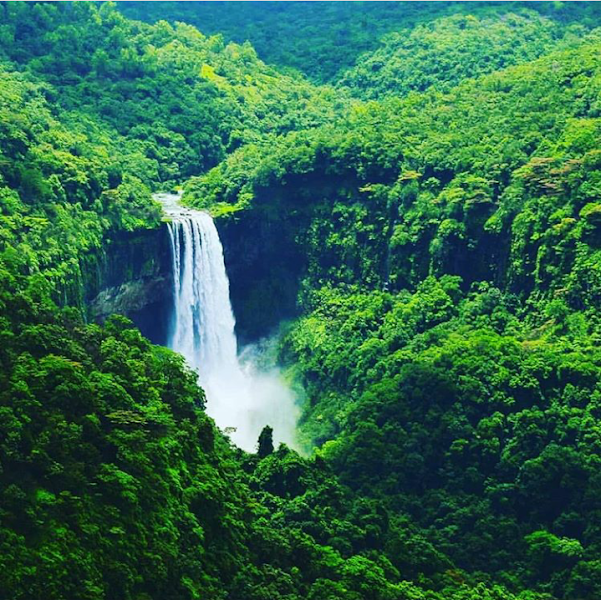
Deep within the heart of the Canacona taluka in South Goa lies a spectacle of nature that remains largely untouched by the rampant commercialization seen in the northern parts of the state. Kuskem Waterfall is a seasonal marvel, a cascading ribbon of white foam that plunges from a height of approximately 30 meters against a backdrop of emerald-green foliage. Located within the buffer zone of the Cotigao Wildlife Sanctuary, this waterfall is a testament to Goa's rich biodiversity and its hidden interior beauty. Unlike the famous Dudhsagar Falls, which attracts thousands of tourists daily, Kuskem offers a more intimate, meditative experience for those willing to venture off the beaten path.
The waterfall is named after the Kuskem village, a quiet settlement primarily inhabited by the Kunbi and Velip communities. These indigenous tribes have lived in harmony with the Western Ghats for centuries, and their presence adds a layer of cultural richness to the journey. The water originates from the high plateaus of the Sahyadri range, gathering momentum during the heavy monsoon rains before spilling over the rocky cliffside. The visual of the "milky" water against the dark basalt rocks is a sight to behold, earning it a reputation among local hikers as one of the most photogenic spots in the southern district. For travelers seeking Susegad—the Goan concept of a relaxed, laid-back life—Kuskem Waterfall is the ultimate destination to reconnect with the rhythms of nature.
Top Goa Experience • Part 1
Highly Recommended Near Kuskem Waterfall
Explore All
The surrounding environment is a dense canopy of semi-evergreen and deciduous forests. As you approach the site, the air becomes cooler, filled with the scent of damp earth and wild blossoms. The soundscape is dominated by the rhythmic chirping of cicadas and the distant roar of the falling water. This is not just a tourist spot; it is a vital ecosystem that supports various species of flora and fauna endemic to the Western Ghats, a UNESCO World Heritage site. To visit Kuskem is to witness the raw, unadulterated power of the monsoon in Goa.
How to Reach Kuskem Waterfall
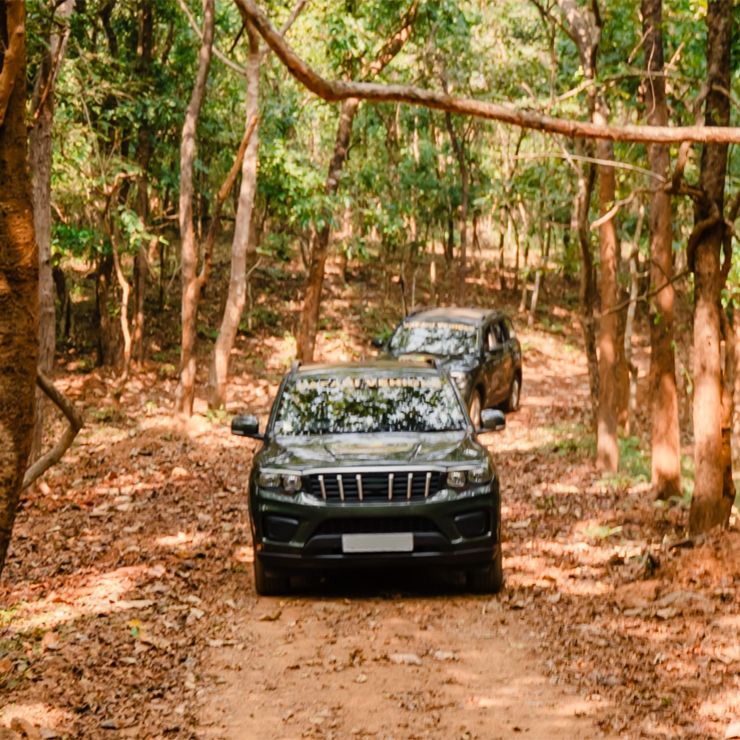
Reaching Kuskem Waterfall requires a bit of planning, as it is located far from the coastal tourist hubs. However, the drive itself is one of the most scenic experiences in South Goa, taking you through winding roads flanked by cashew plantations and ancient banyan trees. Here is a detailed breakdown of how to reach this hidden gem:
Recommended Guide
15 Best Hill Stations Near Goa distance & Travel Tips
Discover the 15 best hill stations near Goa to visit in 2026. Our guide covers distances, trekking trails, and local highlights.
Read Guide →
- By Air: The nearest airport is Dabolim Airport (GOI), located about 90 kilometers away. Alternatively, the newer Manohar International Airport (Mopa) is much further north, nearly 130 kilometers away. From Dabolim, you can hire a pre-paid taxi or rent a car to drive down to Canacona.
- By Rail: The closest major railway station is Madgaon Junction (Margao), which is approximately 45 kilometers from Kuskem. There is a smaller station at Canacona, which is only 20 kilometers away, but fewer express trains stop there. From either station, you can take a local bus or hire a rickshaw/taxi.
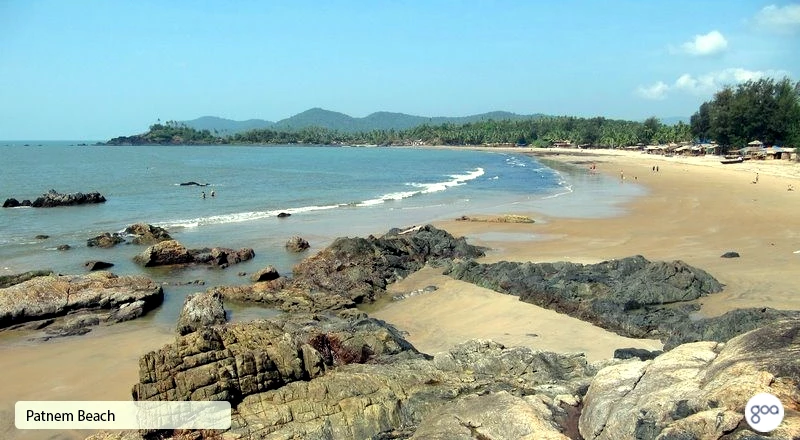
- By Road (Self-Drive): This is the most recommended way to visit. If you are staying in Palolem, Patnem, or Agonda, the drive will take about 45 to 60 minutes. Follow the NH-66 (Panvel-Edapally Highway) towards Karwar. Once you reach the village of Hathipal, look for signs pointing toward the Cotigao Wildlife Sanctuary. You will need to take a detour inland toward Kuskem village.
- Local Bus: For budget travelers, buses run from the Canacona Bus Stand to Kuskem, though they are infrequent. It is advisable to check the timings locally at the stand or ask the residents in Chaudi (Canacona’s main town).
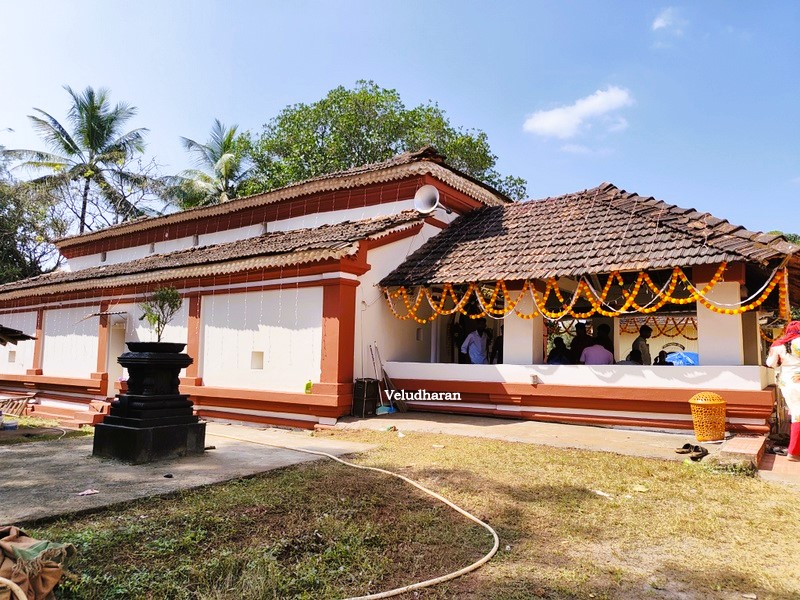
The final stretch of the journey involves driving through narrow village lanes where you might encounter herds of cattle or children playing. The road ends at a clearing near the Kuskem temple, which serves as the starting point for the short trek to the falls. Ensure your vehicle is in good condition, as the incline can be steep in certain sections of the forest road.
Best Time to Visit
Timing is everything when it comes to Kuskem Waterfall. Because it is a seasonal waterfall fed entirely by rainwater, its appearance changes drastically throughout the year. To experience Kuskem in its full glory, you must visit during the Monsoon Season (June to September). During these months, the waterfall is at its most voluminous, and the surrounding forest is a vibrant, pulsating green. The mist created by the crashing water can be felt from several meters away, providing a refreshing natural spray.
Recommended Guide
Why Foreigners Love Arambol, Morjim, and Agonda
Goa has long been one of India’s most famous beach destinations, attracting millions of travelers from around the world every year. While bustling beache...
Read Guide →
The Post-Monsoon period (October to November) is also a great time to visit. The intensity of the rains decreases, making the trek less slippery and more manageable for families. The water flow remains steady, though it is not as thunderous as in July or August. The weather during this time is pleasant, with clear blue skies providing a beautiful contrast to the forest canopy.
It is highly recommended to avoid visiting during the Summer (March to May). By this time, the waterfall usually dries up completely, leaving behind only a dry rock face and a few stagnant pools. The heat in the Goan hinterlands can be oppressive during the summer, making the trek uncomfortable. Similarly, by late January, the flow is often reduced to a mere trickle. To see the "White Giant" of Kuskem, aim for a visit between July and September, preferably after a heavy bout of rain when the falls are at their peak performance.
Recommended Guide
Water Sports in Candolim Goa | Best Prices, Packages & Booking Guide
Candolim Beach, located in North Goa, is one of the most popular destinations for water sports in Goa. Known for its clean shoreline, less crowded environm...
Read Guide →
Trek Details for Kuskem Waterfall
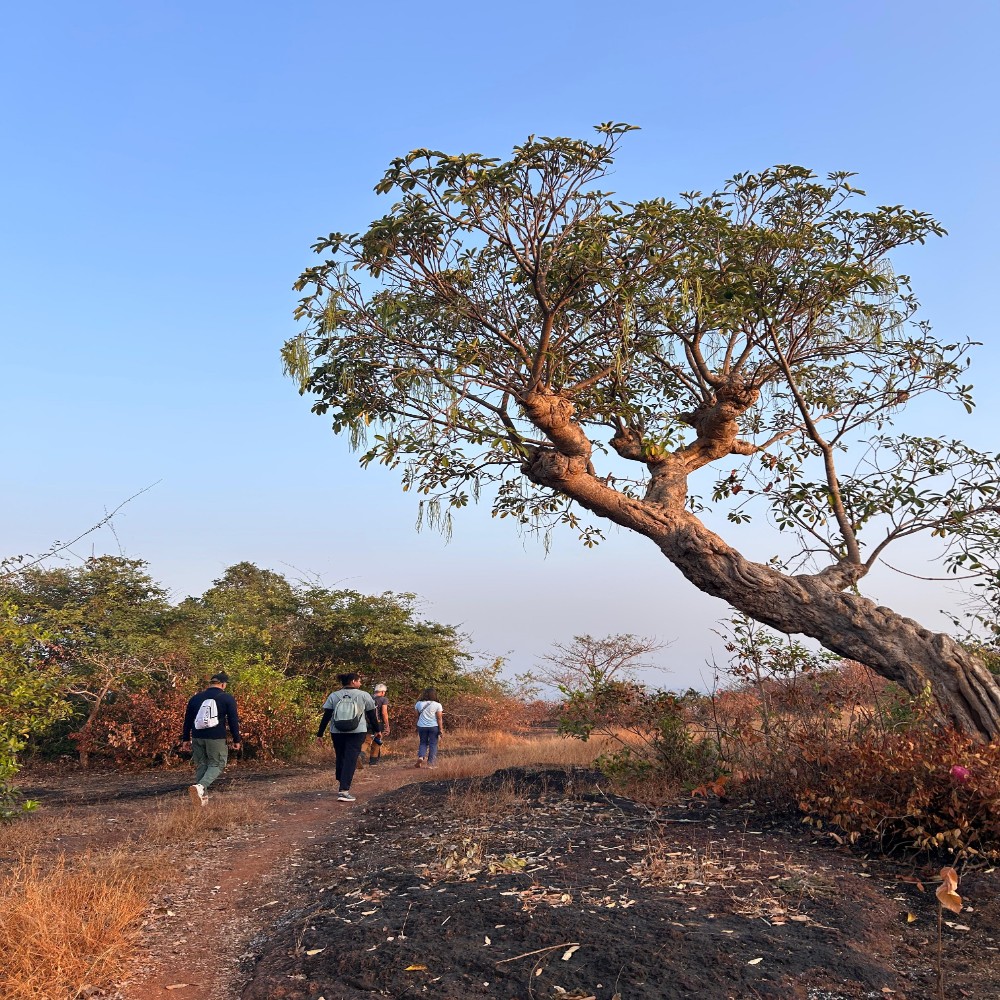
The trek to Kuskem Waterfall is relatively short but incredibly rewarding. It is categorized as an easy to moderate trek, making it accessible for most people with a basic level of fitness. The trail begins near the village school or the local temple, where you can often find local children offering to guide you for a small fee. While the path is somewhat defined, having a local guide is helpful, especially during peak monsoon when the trail can get overgrown.
Top Goa Experience • Part 2
Highly Recommended Near Kuskem Waterfall
Explore All
- Distance: The trek is approximately 1.5 to 2 kilometers long (one way).
- Duration: It takes about 20 to 30 minutes to reach the base of the falls, depending on your pace and how often you stop for photos.
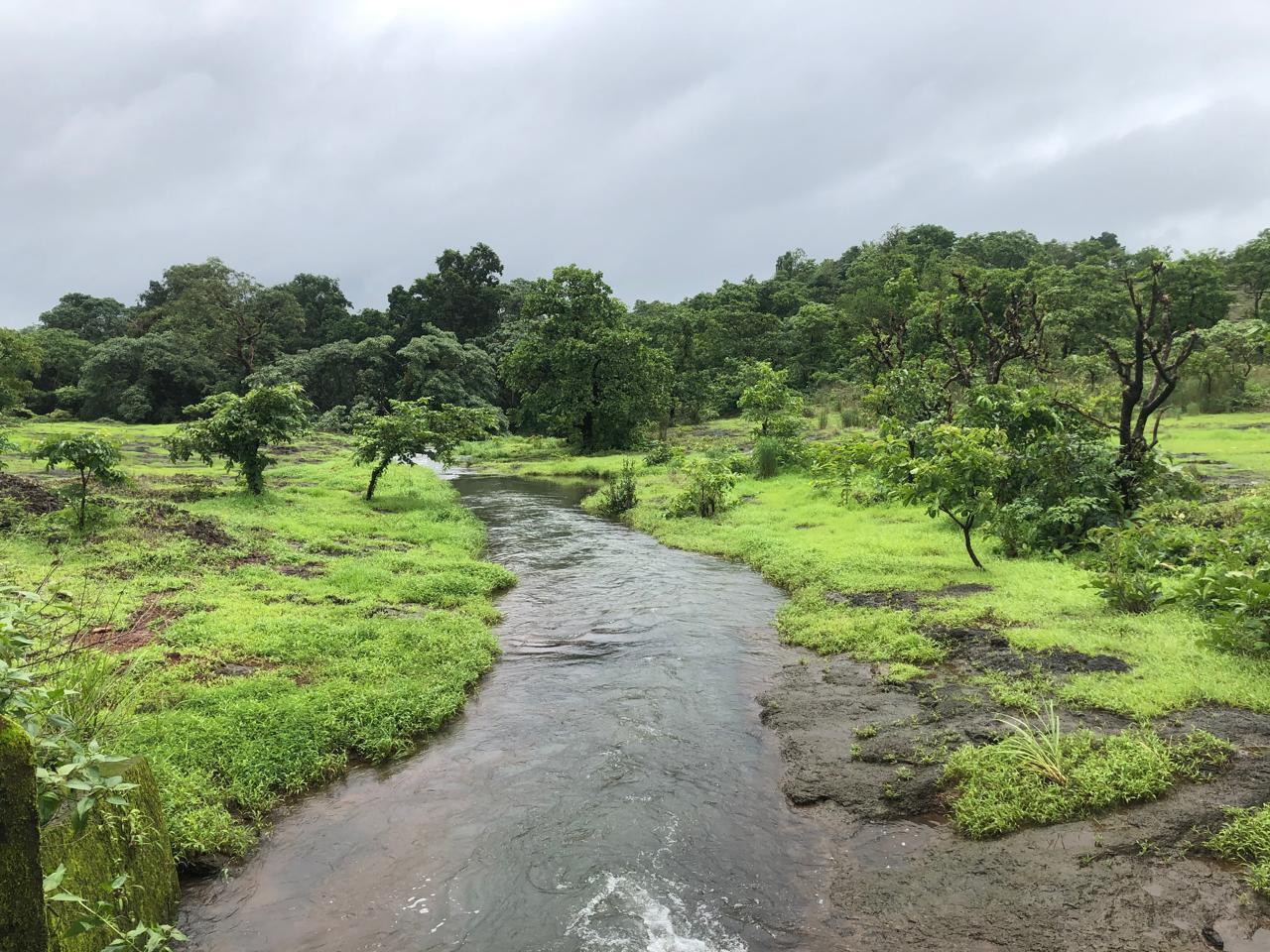
- Terrain: The path winds through thick vegetation, rubber plantations, and small streams. You will encounter uneven rocky steps, muddy patches, and exposed tree roots. During the rain, the rocks can become exceptionally slippery, so sturdy footwear with good grip is non-negotiable.
- River Crossing: Depending on the intensity of the rain, you may need to wade through a shallow stream. The water is usually crystal clear and cool, providing a nice break for your feet.
As you hike, keep an eye out for the incredible flora. You will see massive teak trees, wild mushrooms, and various species of ferns. The trek is a sensory experience; the smell of decomposing leaves, the sound of water getting louder with every step, and the sight of butterflies fluttering across the path. Once you reach the clearing at the base, the full view of the waterfall opens up, making every bit of effort worth it. There is a small rocky pool at the bottom where visitors often sit to soak their feet, but be cautious of the water pressure directly under the fall.
Things to Do
While the waterfall is the main attraction, there are several ways to enrich your visit to Kuskem. This isn't a place for loud parties; it's a place for nature immersion. Here are the top things to do:
- Natural Hydrotherapy: Standing under the periphery of the waterfall (where the pressure is safe) acts as a natural massage. The cold mountain water is believed by locals to have mineral properties that rejuvenate the skin and soul.
- Bird Watching: The Cotigao region is a haven for bird enthusiasts. Carry a pair of binoculars to spot the Malabar Pied Hornbill, the White-bellied Blue Flycatcher, or the vibrant Ruby-throated Bulbul (Goa's state bird).
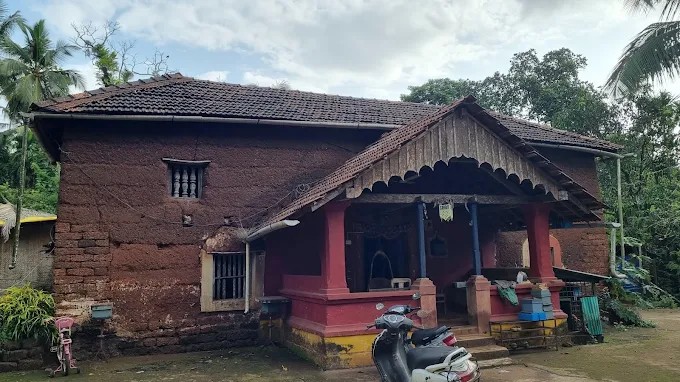
- Village Exploration: Spend some time walking through Kuskem village. Observe the traditional Goan houses with their red-tiled roofs and large verandas. The locals are incredibly friendly and can share stories about the history of the region.
- Forest Bathing (Shinrin-yoku): Take a moment to sit in silence. The density of the forest at Kuskem makes it a perfect spot for mindfulness and meditation. The high oxygen levels and the sound of the falls create a natural stress-relief environment.
- Picnicking: While there are no formal picnic tables, many visitors bring light snacks to enjoy by the water. Note: Always carry your trash back with you. Kuskem is a plastic-free zone, and maintaining its pristine beauty is every visitor's responsibility.
Safety Tips
Visiting a waterfall in the middle of a tropical jungle requires a certain level of caution. To ensure a safe and enjoyable trip to Kuskem, keep the following tips in mind:
- Beware of Leeches: During the monsoon, the damp forest floor is home to leeches. While they are harmless, they can be a bit unsettling. Wear long socks and apply salt or a strong insect repellent on your shoes and ankles to keep them away.
- Slippery Rocks: The rocks near the waterfall are covered in moss and algae. They are incredibly slick. Always test your footing before putting your full weight on a rock, and avoid jumping from one stone to another.
- Flash Floods: If it starts raining heavily while you are at the falls, it is wise to head back. Mountain streams can swell rapidly, making river crossings dangerous.
- Hydration and Snacks: There are no shops once you leave the main road. Carry sufficient water and some energy bars. However, avoid heavy meals right before the trek.
- Network Connectivity: Mobile signals are extremely weak or non-existent in the Kuskem valley. Inform someone of your plans before you head into the forest and don't rely on GPS entirely—follow the physical trail or ask locals.
- Dress Appropriately: Wear lightweight, quick-dry clothing. Avoid heavy denim, which becomes cumbersome when wet. A raincoat or poncho is essential during the monsoon.
Nearby Attractions
A trip to Kuskem Waterfall can be easily combined with other attractions in South Goa, making for a full day of exploration. The Canacona region is rich in both natural and cultural sites:
- Cotigao Wildlife Sanctuary: Located just a few kilometers away, this is the second-largest sanctuary in Goa. It is famous for its tree-top watchtowers situated near watering holes, where you can spot gaurs, deer, and occasionally leopards.
- Partagali Math: A historic monastery and center of Vedic learning located on the banks of the Kushavati River. It is home to a massive, ancient Banyan tree (Vatavriksha) that is said to be over 200 years old.
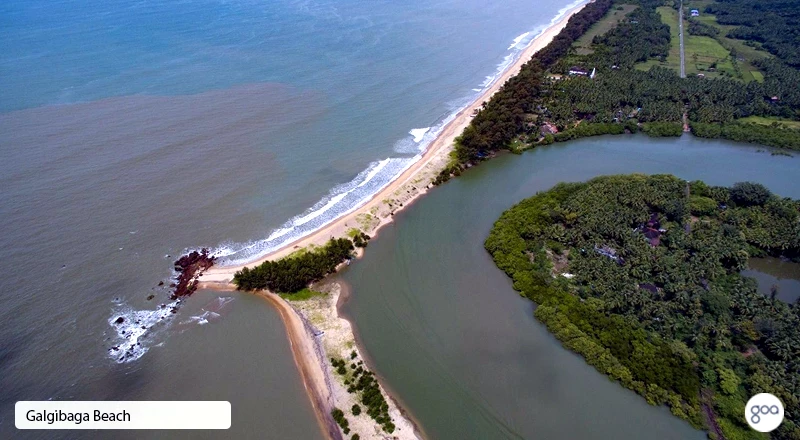
- Galgibaga Beach: Known as the "Turtle Beach," this is one of the cleanest and most secluded beaches in Goa. It serves as a nesting site for Olive Ridley turtles. It’s a great place for a quiet sunset after your trek.
- Palolem Beach: About 20 kilometers away, Palolem offers a contrasting vibe with its crescent-shaped bay, colorful shacks, and vibrant nightlife. You can head here for a celebratory dinner after your day in the wild.
- Sadolxem Bridge: A narrow, picturesque bridge over the Talpona River, perfect for photography and seeing the local backwaters.
Entry Fees & Timings
Since Kuskem Waterfall is located within the jurisdiction of the Forest Department and the local village panchayat, there are some basic rules to follow:
- Timings: The waterfall is generally accessible from 9:00 AM to 5:00 PM. It is not advisable to stay past sunset as the forest path becomes difficult to navigate and wild animal activity increases.
- Entry Fee: There is a nominal entry fee usually collected at the forest checkpost or by the village committee. This fee (typically around INR 20 to INR 50 per person) goes toward the maintenance of the trail and village development.
- Vehicle Parking: You can park your bikes or cars near the entrance of the village for a small parking fee. Ensure you do not block the narrow village roads.
- Permissions: Usually, no prior permission is needed for individual travelers. However, if you are planning a large group excursion or a commercial film shoot, you may need to contact the Range Forest Office in Canacona.
Where to Eat Nearby
Don't expect fine dining near Kuskem; instead, prepare for authentic, home-cooked Goan flavors. Eating here is an opportunity to taste the local cuisine of the hinterlands:
- Village Eateries: A few small houses in Kuskem village serve traditional Goan Fish Thalis. These typically include rice, fresh fish curry (often caught from nearby streams or the coast), fried fish, a vegetable side (foogath), and sol kadi. The food is spicy, fresh, and cooked on wood fires.
- Bhakti Kutir (Palolem): On your way back toward the coast, this eco-restaurant serves organic, healthy meals with plenty of vegan and vegetarian options in a beautiful forest-like setting.
- Tulla (Canacona): A great spot for those who want a mix of local and continental food. Their seafood preparations are highly recommended.
- Roadside Chai Shacks: Along the NH-66, you will find several small stalls selling hot tea, Samosas, and Batata Vadas. These are perfect for a quick energy boost during your drive.
Pro Tip: If you want a meal in the village, it’s often best to "order" it with a local family before you start your trek. By the time you return, a piping hot, authentic meal will be waiting for you.
Accommodation Nearby
If you want to stay close to nature and avoid the typical beach resort experience, there are several excellent options near Kuskem:
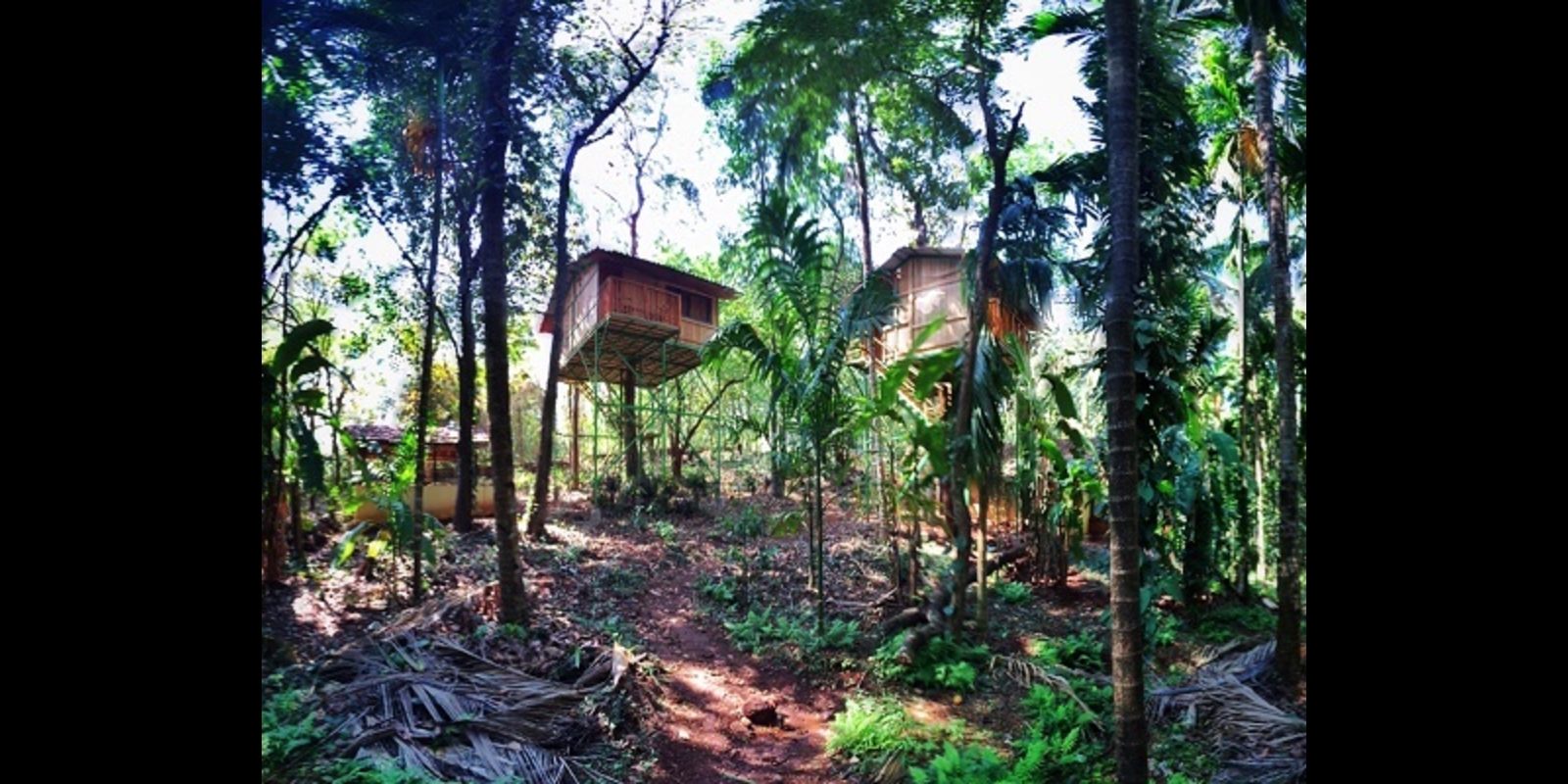
- Eco-Resorts in Cotigao: There are forest department huts available within the Cotigao Wildlife Sanctuary for a very basic, rustic stay. For something more comfortable, look for private eco-resorts like The Postcard Hideaway, Netravali Wildlife Sanctuary (a bit further away but similar vibe).
- Bhakti Kutir (Colomb/Palolem): This is a well-known eco-friendly retreat that offers huts made of natural materials. It aligns perfectly with the "back-to-nature" theme of a Kuskem trip.
- Homestays in Canacona: Several locals have opened their doors to travelers. Staying in a homestay allows you to experience Goan hospitality firsthand and enjoy home-cooked meals.
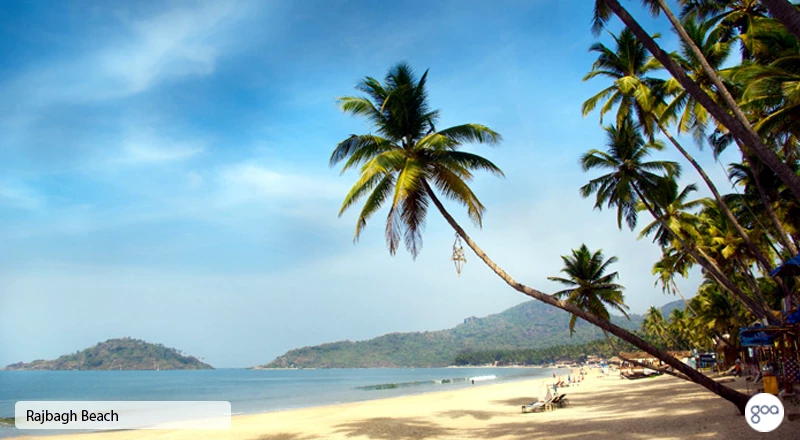
- Luxury Options: For those who prefer luxury, The Lalit Golf & Spa Resort at Rajbagh Beach is about 25 kilometers away. It offers world-class amenities and is a great base from which to explore South Goa's wilderness in comfort.
Photography Spots
For photographers, Kuskem is a paradise of textures, colors, and light. To capture the best shots, consider these spots and tips:
- The Mid-Trek Clearing: About halfway through the trek, there is a spot where the canopy thins out, allowing shafts of sunlight to hit the forest floor. This is perfect for capturing the "jungle" atmosphere.
- The Base of the Fall: Use a tripod and a slow shutter speed (long exposure) to capture the water as a smooth, silky veil. The dark rocks provide an excellent contrast to the white water.
- Macro Photography: The trail is teeming with life. Use a macro lens to photograph the intricate patterns on wild mushrooms, the iridescent wings of dragonflies, or the unique flora of the Western Ghats.
- The Kuskem Temple: The small village temple at the start of the trek, with its traditional architecture and surrounding greenery, offers a beautiful cultural shot.
- Drone Photography: While drones offer a spectacular perspective of the waterfall emerging from the forest, ensure you have the necessary permissions. The area is close to a wildlife sanctuary, and noise can disturb the animals.
Lighting Tip: The best light for photography at Kuskem is usually in the early morning (around 9:00 AM) or late afternoon (3:30 PM). The dense canopy can make it quite dark at the base, so a camera with good low-light performance is beneficial.
Hidden Gem Score & Crowd Level
Hidden Gem Score: 9.5/10
Kuskem Waterfall is one of the few places in Goa that can still be called a "hidden gem." While locals and seasoned trekkers know about it, it rarely appears on standard tourist itineraries. This lack of fame is its greatest strength. You won't find rows of souvenir shops, loud music, or throngs of people blocking your view. Instead, you find peace.
Crowd Level: Very Low
On a typical weekday during the monsoon, you might be the only person at the waterfall. On weekends, you might encounter a few groups of local students or families from Margao and Canacona. Even at its "busiest," Kuskem feels spacious and private. It is the polar opposite of the crowded beaches of North Goa. If you are looking for a place where you can hear your own thoughts and the sounds of the earth, Kuskem is the place to be.
Conclusion
Kuskem Waterfall is more than just a destination; it is a journey into the soul of rural South Goa. It challenges the stereotype of Goa being solely about sun, sand, and seafood. By trekking through the lush forests of Canacona, you engage with a side of the state that is ancient, green, and deeply tranquil. The sight of the water cascading down the Sahyadri cliffs is a powerful reminder of the natural wonders that exist just a few kilometers away from the bustling coastline.
Whether you are an avid trekker, a photography enthusiast, or a traveler looking for a quiet escape, Kuskem offers an experience that lingers in your memory long after the monsoon rains have stopped. It demands respect for the environment and rewards the visitor with unparalleled beauty. As you plan your next Goan adventure, step away from the neon lights and the crowded shacks. Head south, drive into the mountains, and let the White Giant of Kuskem wash away your worries. Just remember to travel responsibly, leave nothing but footprints, and carry the serenity of the forest back home with you.