Overview of Kumthal Waterfall
Deep within the emerald embrace of the Sattari Taluka in North Goa lies a spectacle of nature that remains largely untouched by the commercial frenzy of the coastline. Kumthal Waterfall, often referred to as the "hidden jewel of the Sahyadris," is more than just a cascading body of water; it is a testament to the raw, pulsating life of the Western Ghats. While most tourists flock to the sun-drenched beaches of Calangute or the architectural marvels of Old Goa, the discerning traveler seeks the silence of the forest, broken only by the rhythmic thrum of Kumthal’s descent.
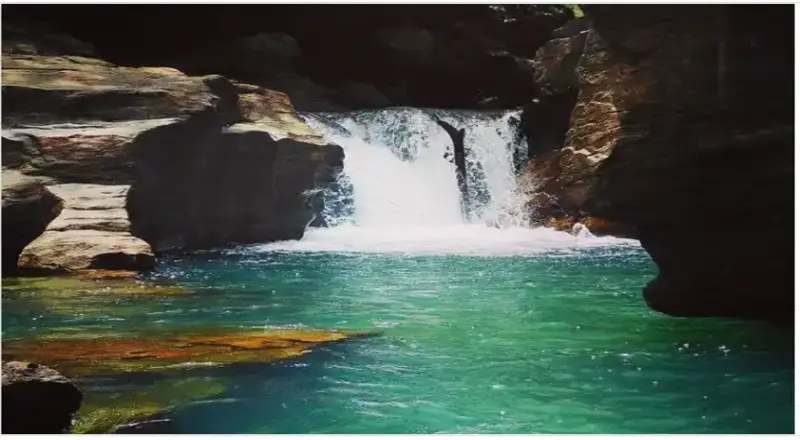
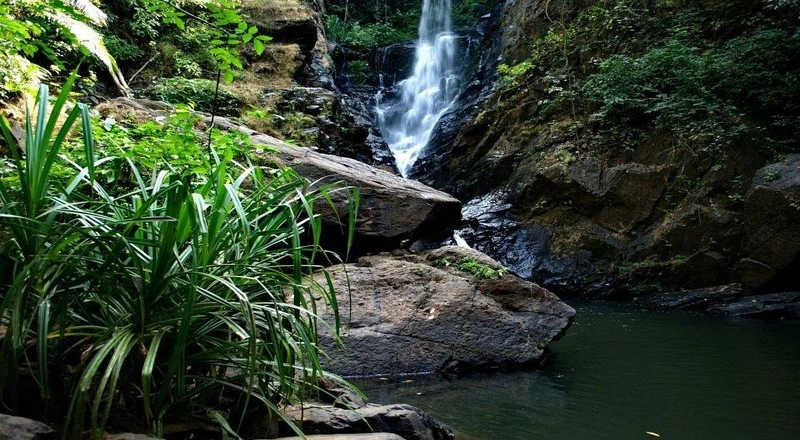
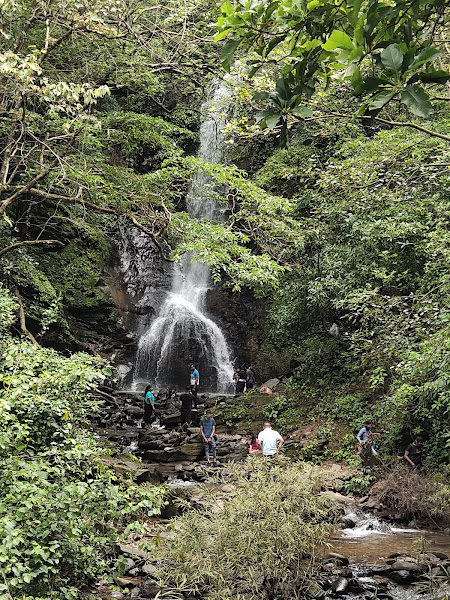
The waterfall is situated near the village of Kumthal, a small settlement characterized by its traditional Goan lifestyle and deep connection to the land. This region is part of the Mhadei Wildlife Sanctuary, a biodiversity hotspot that serves as a vital corridor for tigers, leopards, and an array of endemic bird species. When you visit Kumthal, you are not just visiting a site; you are entering a protected ecosystem that demands respect and mindfulness. The waterfall itself is a multi-tiered marvel, where the water spills over ancient basalt rock formations, creating a series of natural plunge pools that are as refreshing as they are beautiful.
Top Goa Experience • Part 1
Highly Recommended Near Kumthal Waterfall
Explore All
What sets Kumthal apart from the more famous Dudhsagar Falls is its intimacy. There are no crowded jeep safaris here, no long queues for tickets, and no cacophony of vendors. Instead, you find the scent of wild turmeric and damp earth, the sight of giant wood spiders weaving intricate webs across the trail, and the cooling mist that clings to your skin as you approach the base. It is a place for contemplation, for reconnecting with the elements, and for experiencing the "Susegad" lifestyle in its most primal form. For the locals of Sattari, these hills are sacred, and the water is a life-giving force that sustains the lush plantations of areca nut, cashew, and spice that dot the landscape.
How to Reach Kumthal Waterfall
Reaching Kumthal Waterfall is an adventure in itself, requiring a journey through the winding ghat roads of North-Eastern Goa. The waterfall is located approximately 55 to 60 kilometers from the capital city, Panjim, and about 45 kilometers from Mapusa. To get here, you must first navigate toward the town of Valpoi, which serves as the gateway to the Sattari hinterlands.
Recommended Guide
15 Best Hill Stations Near Goa distance & Travel Tips
Discover the 15 best hill stations near Goa to visit in 2026. Our guide covers distances, trekking trails, and local highlights.
Read Guide →
- By Private Vehicle: The most convenient way to reach Kumthal is by renting a car or a powerful scooter. From Panjim, take the road toward Ponda and then head north toward Bicholim and Sanquelim. From Sanquelim, follow the signs for Valpoi. Once you reach Valpoi, you will need to head toward the village of Nagargao and then proceed toward the specific Kumthal forest entry point. The roads are generally well-maintained but can be narrow and winding, with sharp turns that require careful driving.
- By Public Transport: While challenging, it is possible to reach Kumthal via public buses. You can take a Kadamba bus from Panjim or Mapusa to Valpoi. From the Valpoi bus stand, you will need to find a local "pilot" (motorcycle taxi) or a private rickshaw to take you to the start of the trekking trail near Kumthal village. Be warned that return transport can be difficult to find late in the afternoon, so it is best to coordinate with your driver for a pickup.
- Landmarks to Watch For: Keep an eye out for the Nanuz Fort in Valpoi and the various forest department checkposts. The turn-off for Kumthal is often unmarked on major maps, so do not hesitate to ask the friendly locals for "Kumthal Falls" or "Kumthal Jalsrot." They are usually happy to point you in the right direction.
It is highly recommended to download offline maps before heading out, as cellular reception becomes extremely spotty once you enter the dense forest zones of Sattari. Look for the Honda-Valpoi road, as this is the smoothest route into the heart of the taluka.
Best Time to Visit
The character of Kumthal Waterfall changes dramatically with the seasons, making the timing of your visit crucial to the experience you seek. To see the waterfall in its full, thunderous glory, the Monsoon season (June to September) is the undisputed champion. During these months, the Western Ghats receive heavy rainfall, turning every dry crevice into a stream and the main falls into a roaring white curtain of water. The surrounding forest turns a shade of green so vibrant it almost looks surreal. However, trekking during the peak monsoon can be treacherous due to slippery rocks and the presence of leeches.
Recommended Guide
Where to Party in Goa? (Ultimate 2026 Nightlife Guide)
Goa is not just a destination—it’s an experience. When the sun sets over the Arabian Sea, the state transforms into India’s ultimate nightlife capita...
Read Guide →
The Post-Monsoon period (October to December) is perhaps the most balanced time to visit. The water flow remains substantial, but the intensity of the rain subsides, making the trek much safer and more enjoyable. The weather is cooler, the skies are often a clear cobalt blue, and the natural pools at the base of the falls are safe for swimming. This is also the best time for photography, as the light is softer and the trails are more accessible.
During the Winter months (January to March), the waterfall begins to thin out. While it remains a beautiful spot for a quiet picnic or a forest walk, it lacks the dramatic impact of the earlier months. By Summer (April to May), Kumthal may reduce to a mere trickle or dry up entirely. The heat in the Goan hinterlands during these months can be oppressive, and the trek through the dry forest can be taxing. Therefore, if you are planning a trip specifically for the waterfall, aim for the window between July and November for the best experience.
Recommended Guide
Water Sports in Candolim Goa | Best Prices, Packages & Booking Guide
Candolim Beach, located in North Goa, is one of the most popular destinations for water sports in Goa. Known for its clean shoreline, less crowded environm...
Read Guide →
Trek Details for Kumthal Waterfall
The trek to Kumthal Waterfall is considered moderate in difficulty, making it accessible to those with a basic level of fitness. The trail is approximately 2 to 3 kilometers long (one way), depending on where you park your vehicle. It typically takes about 45 minutes to an hour to reach the falls from the starting point.
Top Goa Experience • Part 2
Highly Recommended Near Kumthal Waterfall
Explore All
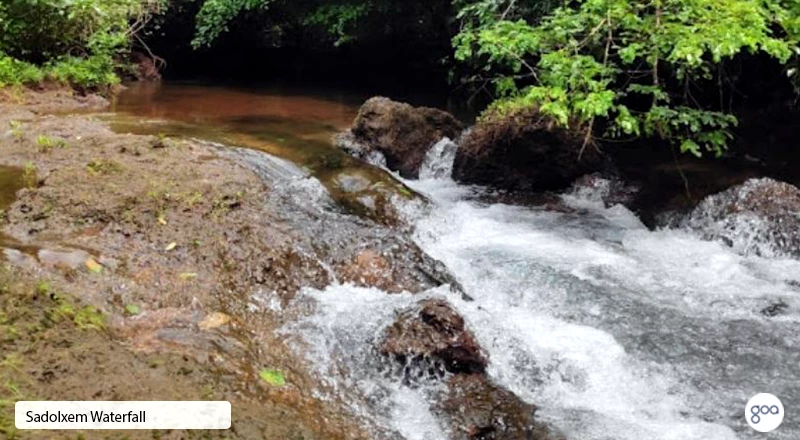
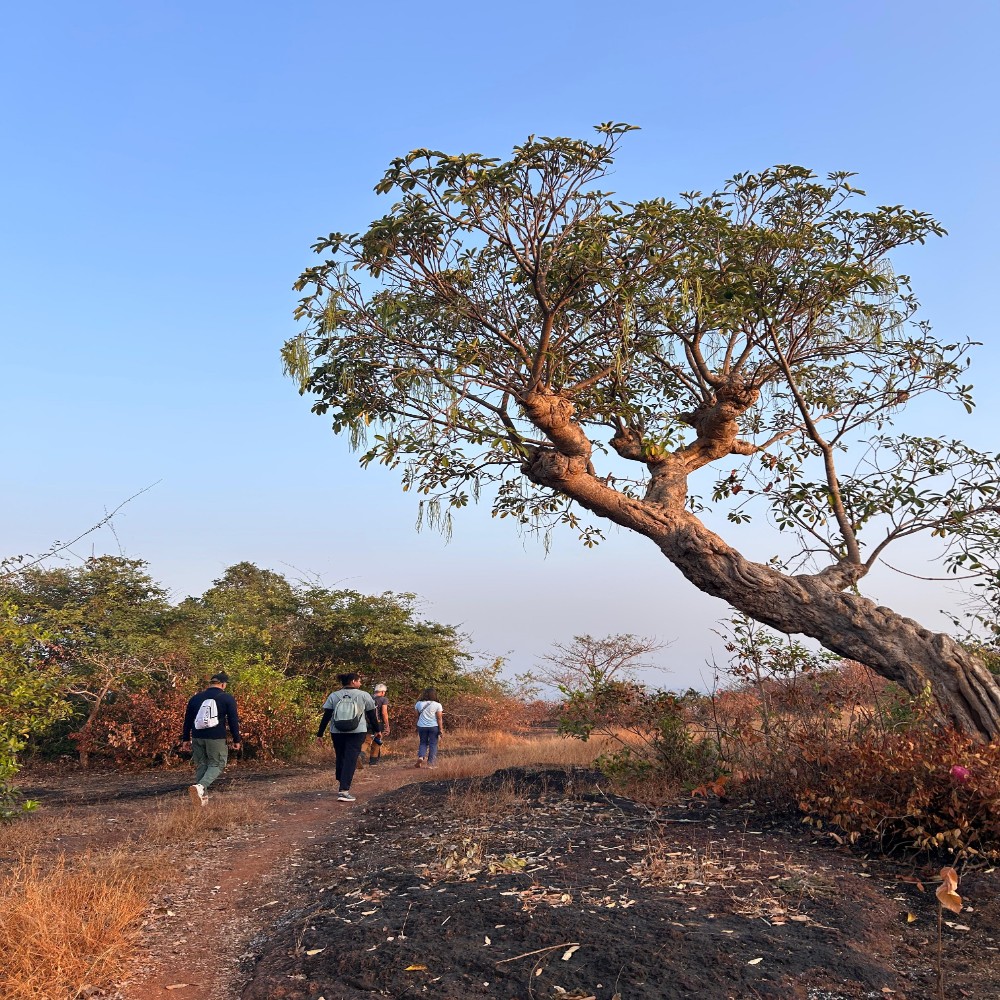
The journey begins at the edge of the village, where the paved road gives way to a red laterite path. As you move deeper into the Mhadei forest, the canopy thickens, providing a natural shield from the sun. The terrain is a mix of flat forest floor, gentle inclines, and a few rocky patches that require careful footwork. One of the highlights of the trek is crossing small perennial streams. During the monsoon, these streams can rise, requiring you to wade through knee-deep water. Strong, waterproof trekking shoes with good grip are non-negotiable here, as the moss-covered stones can be incredibly slippery.
As you trek, keep your ears open for the call of the Malabar Whistling Thrush, often called the "Whistling Schoolboy" for its human-like musical notes. The forest is home to giant ferns, ancient creepers, and a variety of wild mushrooms that sprout during the rainy season. The final stretch involves a slight descent toward the sound of crashing water. The first glimpse of Kumthal through the trees is a moment of pure magic—a hidden sanctuary revealed. For those who enjoy a bit more challenge, there are paths that lead to the upper tiers of the falls, but these should only be attempted with a local guide as the paths are not well-defined and can be dangerous.
Things to Do
While the primary attraction is the waterfall itself, the Kumthal area offers a variety of activities for nature lovers and adventurers. It is a place that encourages you to slow down and engage your senses.
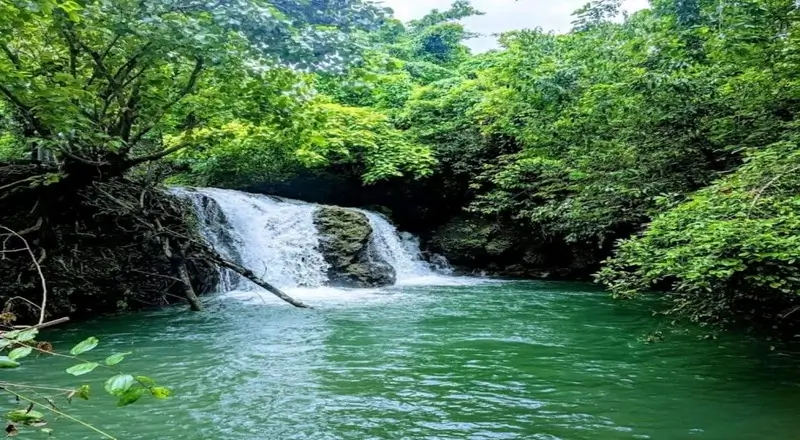
- Natural Pool Swimming: The base of Kumthal Waterfall forms a natural pool. The water is cold, crystal clear, and incredibly refreshing after the trek. It is a natural spa experience, with the force of the falling water providing a vigorous "hydro-massage" if you stand near the edge of the cascade.
- Bird Watching: Being part of the Mhadei Wildlife Sanctuary, the area is a haven for avian life. Look out for the Malabar Pied Hornbill, the Emerald Dove, and the State Bird of Goa—the Flame-throated Bulbul. Bringing a pair of binoculars is highly recommended.
- Forest Bathing (Shinrin-yoku): The Japanese practice of forest bathing is perfectly suited for Kumthal. Simply sitting in silence, breathing in the phytoncides released by the trees, and listening to the wind in the canopy can be a deeply meditative and healing experience.
- Picnicking: There are several flat rock surfaces near the water that are perfect for a quiet meal. However, there are no shops nearby, so you must carry your own food and water. Crucially, you must carry back all your trash to preserve the pristine nature of the site.
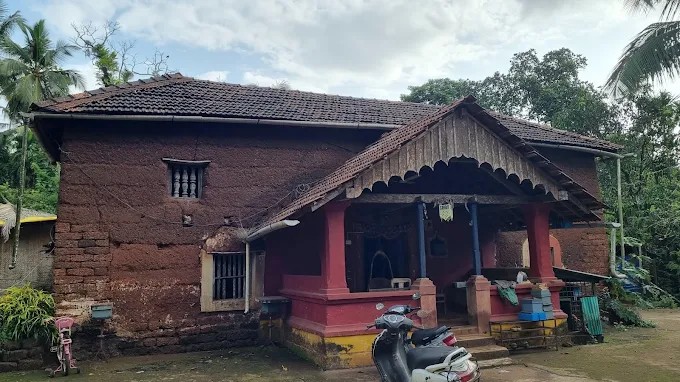
- Exploring the Village: Before or after your trek, take a walk through Kumthal village. Observe the traditional architecture, the neatly maintained courtyards, and the local way of life. It provides a stark and beautiful contrast to the tourist-heavy coastal towns.
Safety Tips
Venturing into the Goan wilderness requires preparation and a healthy respect for nature. Kumthal is a remote location, and help is not immediately available if something goes wrong.
- Leech Protection: During the monsoon, the forest floor is teeming with leeches. While they are harmless, their bites can be annoying. Wear long socks, tuck your trousers into them, and carry a small pouch of salt or tobacco water to deter them.
- Weather Awareness: Flash floods can occur in the Western Ghats during heavy downpours. If you notice the water turning muddy or the flow increasing rapidly, leave the water and move to higher ground immediately.
- Wildlife Encounters: This is tiger and leopard territory. While sightings are rare, it is best to trek in groups and avoid staying in the forest after dark. If you encounter a snake, give it a wide berth; most are non-venomous, but the region is home to the King Cobra and Malabar Pit Viper.
- Hydration and Nutrition: The humidity in Goa can lead to rapid dehydration. Carry at least two liters of water per person and some high-energy snacks like nuts or energy bars.
- Footwear: Do not attempt this trek in flip-flops or sandals. The terrain requires shoes with aggressive tread patterns to prevent slips on wet rocks and mud.
- No Solo Trekking: It is always safer to trek with at least one companion or a local guide. If you get lost or injured, having someone to go for help is vital.
Nearby Attractions
If you are making the trip to Sattari, it is worth exploring other nearby attractions to make the most of your day. The region is packed with hidden gems that few tourists ever see.
- Charavane Waterfall: Located just a short drive away, this is another stunning waterfall that requires a trek through a scenic village. It is often less visited than Kumthal.
- Hivre Waterfalls: For those who haven't had enough of trekking, Hivre offers a more challenging route with multiple cascades to discover.
- Nanuz Fort: Built by Shivaji Maharaj and later occupied by the Portuguese, this fort in Valpoi has a rich history, particularly during the revolts of the Ranes of Sattari. Though mostly in ruins, it offers a glimpse into Goa's martial past.
- Brahma Temple at Carambolim (Sattari): This is one of the few temples in India dedicated to Lord Brahma. The idol dates back to the 12th century and is a masterpiece of Kadamba art.
- Mhadei River: The lifeline of the region, the river offers spots for white-water rafting during the peak monsoon, organized by the Goa Tourism Development Corporation (GTDC).
Entry Fees & Timings
As of now, there is no formal "ticket booth" for Kumthal Waterfall, as it is located within a rural forest area. However, because it falls under the jurisdiction of the Goa Forest Department and is near the Mhadei Wildlife Sanctuary, you may be required to register your name at a forest checkpost or pay a nominal eco-fee (usually around INR 20–50).
Timings: It is strictly recommended to visit between 8:00 AM and 4:30 PM. Entering the forest before sunrise or staying after sunset is not allowed for safety reasons and to avoid disturbing the nocturnal wildlife. Aim to start your trek by 10:00 AM so you can spend a few hours at the falls and return to the main road before the afternoon light fades, which happens quickly under the thick forest canopy.
During periods of extreme rainfall or if there are sightings of predatory wildlife in the immediate vicinity, the Forest Department may temporarily close the trail to visitors. It is always a good idea to check with locals in Valpoi before heading all the way to the village.
Where to Eat Nearby
You won't find any fancy cafes or multi-cuisine restaurants near Kumthal Waterfall. The culinary experience here is as authentic as the landscape. For a proper meal, you will need to head back to Valpoi town.
- Local Dhabas: In Valpoi, there are several small eateries serving traditional Goan Hindu cuisine. Look for places serving a Goan Fish Thali or a "Baji-Pao" (vegetable curry with local bread). The flavors are spicy, coconut-based, and incredibly fresh.
- Homestays: Some families in the nearby villages offer home-cooked meals if informed in advance. This is the best way to try local delicacies like Khatkhate (a mixed vegetable stew) or Tambdi Bhaji.
- Self-Catering: Most visitors choose to pack a lunch. Local bakeries in Valpoi sell fresh "Pao" (bread) and "Poee." You can also buy local bananas and snacks to keep you going. Just remember to pack all wrappers and leftovers back in your bag.
Accommodation Nearby
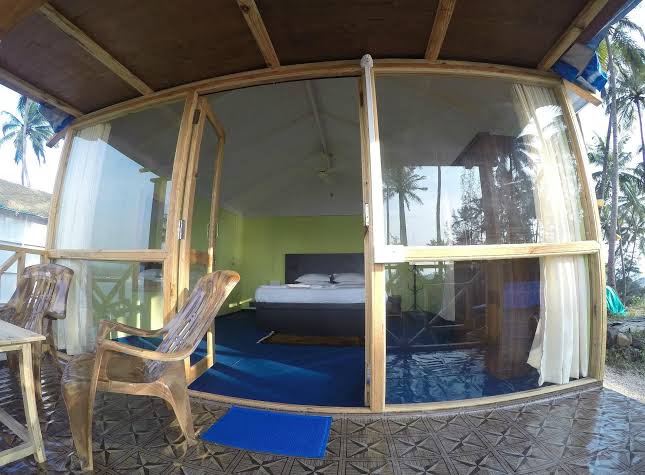
If you want to immerse yourself in the wilderness of Sattari, staying overnight is a great option. While there are no hotels in Kumthal village itself, the surrounding areas offer some unique stays.
- Wildernest Nature Resort: Located on the Chorla Ghat, about an hour's drive from Valpoi, this is an upscale eco-resort offering stunning views of the Vazra Sakla falls and the valley. It provides a luxurious yet eco-conscious experience.
- Swapnagandha Resort: A sister property to Wildernest, it offers similar breathtaking views and is perfect for birdwatchers and nature enthusiasts.
- Homestays in Valpoi: There are a few budget-friendly homestays and guest houses in Valpoi town that offer basic amenities and a chance to interact with local families.
- Forest Guest Houses: The Forest Department has guest houses in the region, but these require prior booking through the Forest Department headquarters in Panjim and are often reserved for officials or researchers.
Photography Spots
For photographers, Kumthal Waterfall is a playground of textures, light, and motion. To capture the best shots, consider these specific spots:
- The Main Cascade: Use a tripod and a slow shutter speed (long exposure) to capture the "silky" effect of the water falling over the dark rocks. The contrast between the white foam and the mossy green stones is striking.
- The Stream Crossings: The small wooden bridges or stepping stones over the streams on the way to the falls provide excellent leading lines for landscape photography.
- Macro Opportunities: The forest floor is a treasure trove for macro photography. Look for colorful fungi, iridescent beetles, and the intricate patterns of wild ginger flowers.
- The Canopy Gaps: In the late morning, "God rays" often filter through the dense canopy, creating dramatic shafts of light that are perfect for capturing the atmospheric mood of the jungle.
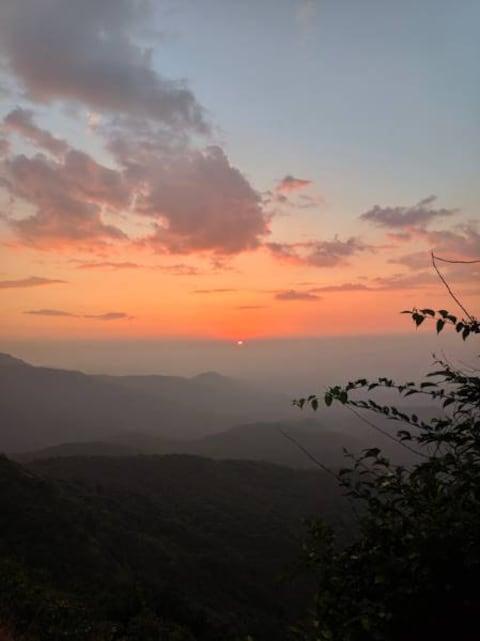
- Wide-Angle Vistas: From certain points on the trek, you can get a wide-angle view of the Sahyadri range, showing the waterfall as a small white thread in a vast sea of green.
Hidden Gem Score & Crowd Level
Hidden Gem Score: 9.5/10. Kumthal Waterfall remains one of the most authentic nature experiences in Goa. It hasn't yet been hit by the wave of mass tourism that has affected Dudhsagar. The trek, the village atmosphere, and the pristine state of the falls make it a top-tier destination for offbeat travelers.
Crowd Level: Very Low to Moderate. On weekdays, you might be the only person at the waterfall, offering a rare sense of solitude. On weekends and public holidays, local Goan families and small groups of trekkers from Panjim or Belgaum may visit, but it never feels "crowded" in the traditional sense. If you seek total peace, a Tuesday or Wednesday morning visit is your best bet.
Conclusion
Kumthal Waterfall is a reminder that there is another side to Goa—one that doesn't involve neon lights, loud music, or crowded shorelines. It is a place where the ancient rhythm of the Western Ghats takes center stage, inviting you to witness the power and beauty of nature in its most raw form. Visiting Kumthal is a privilege; it is an opportunity to step into a world that has remained unchanged for centuries.
As a traveler, your role here is that of a silent observer. By following the principles of Leave No Trace, respecting the local customs of the Sattari people, and prioritizing safety, you ensure that Kumthal remains a sanctuary for generations to come. Whether you are a seasoned trekker, a photography enthusiast, or someone simply looking to escape the chaos of modern life, the journey to Kumthal Waterfall will leave an indelible mark on your soul. It is not just a destination; it is a journey into the green heart of Goa, a place where every droplet of water tells a story of resilience, life, and the enduring magic of the wild.