Overview of Masjid E Hamza
Nestled in the verdant landscapes of Ponda, Goa, Masjid E Hamza stands as a serene beacon of faith and architectural grace. While Goa is globally celebrated for its sun-drenched beaches and Portuguese-era churches, the hinterlands of Ponda offer a different, more contemplative narrative of the state's diverse religious tapestry. Masjid E Hamza, located specifically in the Curti area, is one such spiritual landmark that often escapes the typical tourist radar but holds immense significance for the local Muslim community and those interested in the Islamic heritage of the Konkan coast.
As a professional travel writer who has traversed the length and breadth of the "Pearl of the Orient," I find that Masjid E Hamza provides a unique juxtaposition to the bustling coastal life. Ponda, often referred to as the "Antruz Mahal" or the temple heartland of Goa, is a crucible of cultures. Here, the Masjid E Hamza serves as a vital center for worship, community gathering, and spiritual education. The mosque is not just a building of brick and mortar; it is a living institution that reflects the peaceful co-existence and the syncretic culture that defines the Goan identity. Visitors to this site are often struck by the profound silence that permeates the air, broken only by the rhythmic call to prayer, the Adhan, which echoes across the surrounding spice plantations and rolling hills.
The mosque is dedicated to the memory and spirit of Hamza ibn Abdul-Muttalib, a figure of great strength and valor in Islamic history. This dedication sets a tone of resilience and dignity that is palpable as you walk through its gates. Whether you are a devotee looking for a place of solace or a traveler seeking to understand the multi-layered history of Goa beyond the colonial facade, Masjid E Hamza offers an immersive experience. Its location in Ponda makes it an ideal stop for those exploring the nearby spice farms and ancient temples, providing a comprehensive view of the region's spiritual diversity. The mosque's presence in a region dominated by Hindu shrines is a beautiful testament to the Ganga-Jamuni Tehzeeb (syncretic culture) that flourishes in this part of India.
History & Religious Significance
The history of Masjid E Hamza is deeply intertwined with the broader history of Islam in Goa, which dates back several centuries. While the popular narrative of Goa often begins with the arrival of the Portuguese in 1510, the Islamic influence in the region was established much earlier, primarily through trade and the rule of the Bahmani Sultanate and later the Adil Shahi dynasty of Bijapur. During the 15th century, Goa was a major port for the horse trade from the Middle East, bringing with it scholars, traders, and architects who left an indelible mark on the local culture.
The specific origins of Masjid E Hamza are rooted in the needs of the growing Muslim population in the Ponda taluka. Unlike the historic Safa Masjid (built in 1560 by Ibrahim Adil Shah), which stands as a monumental relic of the past, Masjid E Hamza represents the contemporary and evolving faith of the community. It was established to provide a dedicated space for the five daily prayers (Salah) and to serve as a hub for the Tablighi and Dawah activities in the region. The mosque is named after Hazrat Hamza, the paternal uncle of Prophet Muhammad, known as the "Lion of God" for his bravery. This naming is significant as it inspires the local youth and the congregation toward strength of character and unwavering faith.
Religious significance at Masjid E Hamza extends beyond the ritualistic prayers. It serves as a Madrasa (educational center) where children from the neighborhood come to learn the Quran, Tajweed (proper pronunciation), and Islamic ethics. For the local community, the mosque is the heart of their social fabric. It is where disputes are mediated, where the poor find charity through the Zakat system, and where the milestones of life—from births to funerals—are marked with communal support. In the context of Goan history, the survival and thriving of such mosques during the periods of the Inquisition and colonial pressure signify a narrative of endurance and the preservation of religious identity against all odds.
Architecture of Masjid E Hamza
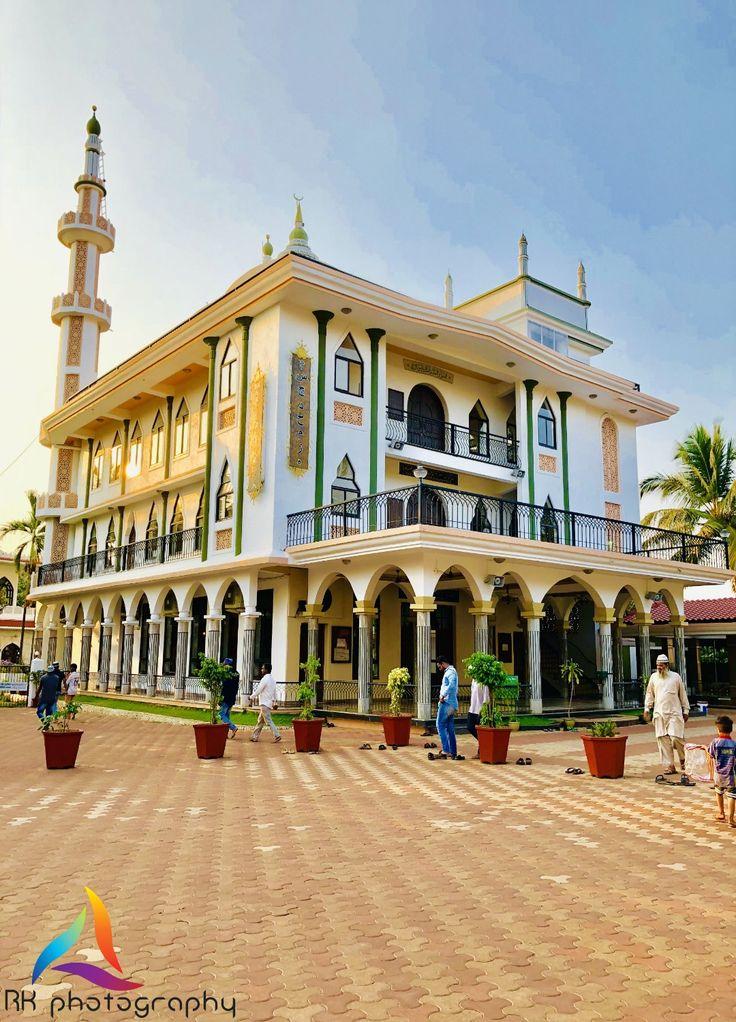
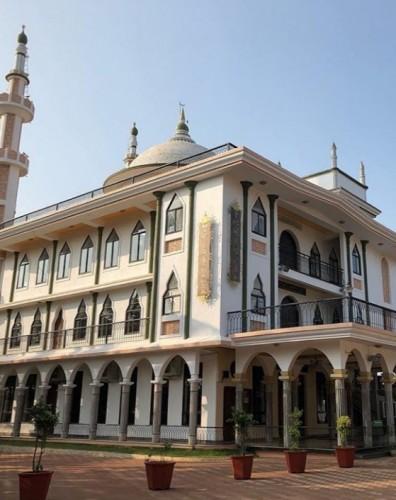
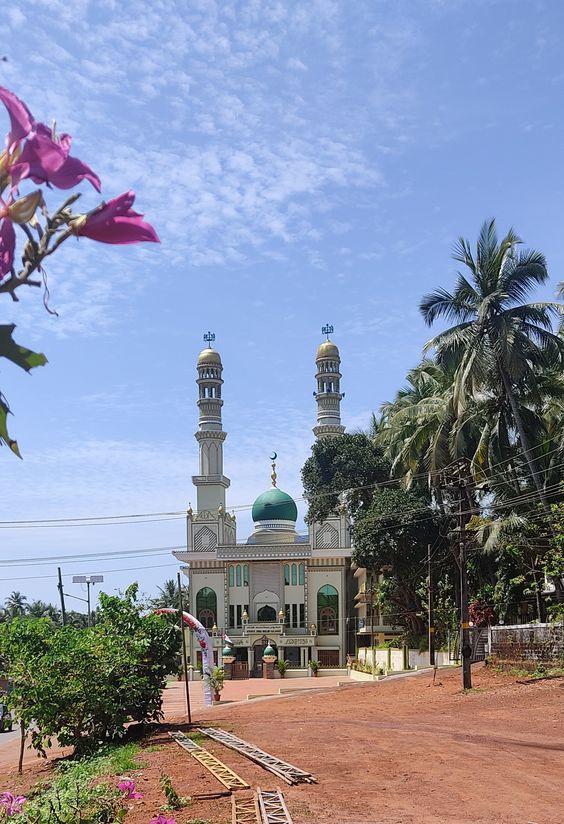
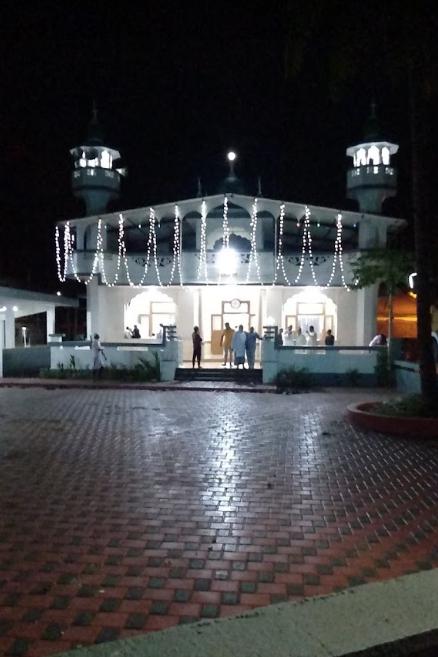
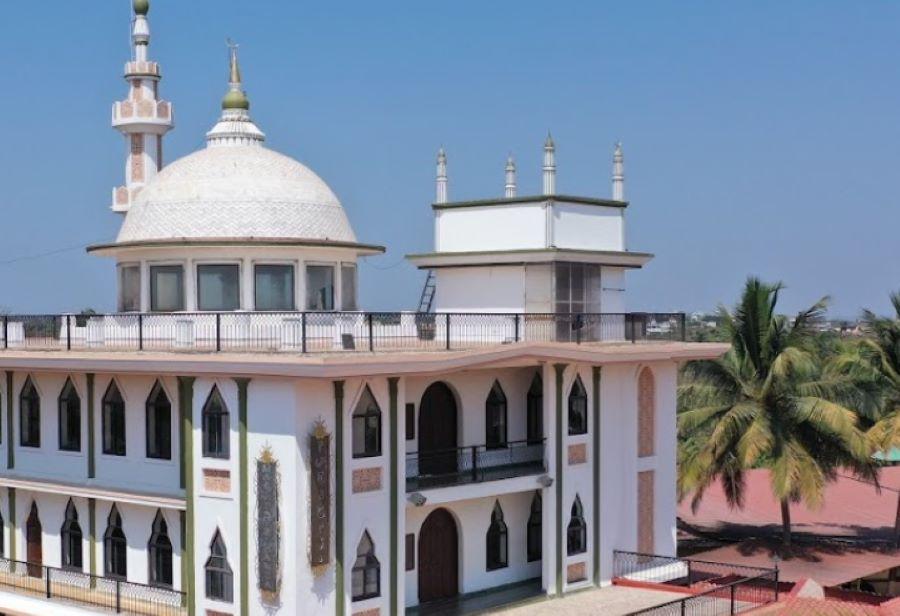
The architecture of Masjid E Hamza is a fascinating blend of traditional Islamic design principles and local Goan aesthetic sensibilities. While it may not possess the grand marble domes of the Mughal north, its beauty lies in its functional elegance and its harmony with the tropical environment. The mosque features a prominent Minaret, which serves as a visual landmark for the faithful. This minaret is often adorned with green tiles or paint, a color traditionally associated with Islam, symbolizing life and paradise.
Upon entering the complex, one notices the Wudu Khana (ablution area), designed with a series of taps and stone benches. The ritual of washing before prayer is central to Islamic practice, and the architecture here ensures a clean, flowing water supply, often integrated with local drainage systems suitable for Goa's heavy monsoon rains. The main prayer hall, or the Musalla, is a spacious, airy chamber designed to maximize natural ventilation. Large windows with decorative grills allow the cross-breeze from the surrounding hills to cool the interior, a necessary feature in Goa's humid climate.
The Mihrab (a niche in the wall indicating the direction of Mecca) is the focal point of the prayer hall. In Masjid E Hamza, the Mihrab is typically decorated with intricate calligraphy featuring verses from the Holy Quran. The use of Laterite stone, which is abundant in Goa, in the foundation and sometimes the exterior walls, gives the structure a grounded, earthy feel that is distinctly Goan. The roof is often a mix of modern concrete slabs and traditional terracotta tiles (Mangalore tiles), providing excellent insulation against the sun. The interior floors are usually laid with cool marble or polished granite, providing a comfortable surface for the worshippers to prostrate during prayer. The overall architectural language is one of humility and focus, intended to direct the worshipper's mind away from worldly distractions and toward the divine.
Main Deity / Spiritual Importance
In Islam, there is no concept of a "deity" in the form of an idol or image. The spiritual focus of Masjid E Hamza is the absolute oneness of God, known as Allah. The mosque is a space dedicated to Tawhid (the monotheistic belief in Islam). The spiritual importance of this site lies in its role as a "House of God" (Bayt Allah), where the earthly and the divine meet through the medium of prayer and contemplation.
The spiritual atmosphere at Masjid E Hamza is governed by the Sunnah (practices of the Prophet). For the devotees who frequent this mosque, the spiritual importance is found in the Jama'at (congregational prayer). There is a belief in Islam that prayer performed in a congregation carries twenty-seven times more spiritual merit than prayer performed alone. This creates a powerful sense of brotherhood and spiritual synergy. The mosque also serves as a retreat for I'tikaf (spiritual seclusion) during the last ten days of the holy month of Ramadan, where men spend their time in constant worship, reading the Quran, and seeking Laylat al-Qadr (the Night of Power).
Furthermore, the mosque honors the legacy of Hamza ibn Abdul-Muttalib. His life is a source of spiritual reflection on the virtues of courage, loyalty, and sacrifice. While he is not worshipped, his role as a protector of the early Muslim community is remembered during sermons (Khutbahs), encouraging the congregation to stand up for justice and truth in their daily lives. The spiritual essence of Masjid E Hamza is therefore a mix of rigorous monotheism and a deep respect for the historical figures who shaped the faith's early journey.
Festivals & Celebrations
The calendar at Masjid E Hamza is punctuated by vibrant and deeply meaningful festivals. The most significant of these is Eid-ul-Fitr, which marks the end of the month-long fast of Ramadan. On this day, the mosque and its surrounding grounds are filled to capacity. Men and children, dressed in their finest new clothes (often white kurta-pyjamas), gather for the special Eid prayer. The atmosphere is one of immense joy and gratitude. After the prayer, the "Eid Milan" takes place, where people embrace and exchange greetings of "Eid Mubarak."
Eid-ul-Adha (the Feast of Sacrifice) is another major celebration. It commemorates the willingness of Prophet Ibrahim to sacrifice his son as an act of obedience to God. This festival involves the ritual of Qurbani, and the mosque plays a central role in coordinating the distribution of meat to the poor and needy in the Ponda area. This act of charity is a cornerstone of the celebration, ensuring that no one in the community goes hungry during the festivities.
Other important occasions include Milad-un-Nabi (the birth anniversary of Prophet Muhammad) and Shab-e-Barat. During Milad-un-Nabi, the mosque may be decorated with lights, and special programs are held where Naats (poetry in praise of the Prophet) are recited. In the Goan context, these festivals often see participation or well-wishes from Hindu and Christian neighbors, reflecting the communal harmony of the state. The mosque also observes Muharram with sobriety and reflection. Throughout these festivals, the local Goan Muslim cuisine takes center stage, with dishes like Sheer Khurma and Biryani being prepared in large quantities to be shared with the community.
Best Time to Visit
To experience Masjid E Hamza in its most serene and spiritually charged state, the winter months from November to February are ideal. During this period, the weather in Goa is pleasant, with cool breezes and low humidity, making the outdoor areas of the mosque comfortable for exploration. The lush greenery of Ponda is at its peak right after the monsoons, providing a stunning natural backdrop to the mosque's white and green structure.
In terms of the time of day, the early morning hours (during the Fajr prayer) or the late afternoon (before the Maghrib prayer) are highly recommended. The soft light of the rising or setting sun creates a beautiful play of shadows on the mosque's architecture. Visiting during the Friday afternoon prayer (Jummah) offers a chance to see the mosque at its most vibrant, as the entire local community gathers for the weekly sermon. However, visitors should be mindful that the mosque will be very crowded at this time.
For those interested in the cultural aspects, visiting during the Holy Month of Ramadan is a unique experience. While the atmosphere is quiet during the day as people fast, the evenings come alive with Iftar (breaking of the fast). The mosque often hosts community Iftars, and the sense of camaraderie is palpable. However, if you prefer a quiet, meditative visit, avoid the major festival days when the crowds are at their peak.
Timings, Entry Fee & Dress Code
Timings: Masjid E Hamza is primarily a place of worship and follows the five-fold daily prayer schedule. The mosque generally opens around 5:00 AM for the morning prayer and remains open until the Isha prayer (around 8:30 PM or 9:00 PM). For tourists and non-Muslim visitors, the best time to visit is between the prayer times—for instance, between 10:00 AM and 12:00 PM, or between 2:30 PM and 4:00 PM—to avoid interrupting the congregational prayers.
Entry Fee: There is no entry fee to visit Masjid E Hamza. Like most religious sites in Goa, it is open to all who come with a spirit of respect and sincerity. Donations (Sadaqah) are welcomed but entirely voluntary and are used for the maintenance of the mosque and its educational programs.
Dress Code: As this is a sacred religious site, a strict dress code is expected of all visitors.
- Men: Should wear long trousers and shirts that cover the shoulders. Shorts and sleeveless vests are not permitted inside the prayer hall.
- Women: Should wear modest clothing that covers the arms and legs. A headscarf (hijab) or a dupatta to cover the head is mandatory when entering the mosque. Transparent or tight-fitting clothing should be avoided.
- Footwear: All footwear must be removed before entering the main prayer hall. There are designated racks or areas near the entrance for shoes.
By adhering to these guidelines, visitors show respect for the local traditions and the sanctity of the space.
How to Reach Masjid E Hamza
Masjid E Hamza is located in Curti, Ponda, which is a major transport hub in Central Goa. Reaching the mosque is relatively easy due to Ponda's excellent connectivity with other parts of the state.
By Air: The nearest airport is Dabolim Airport (GOI), located approximately 35-40 kilometers away. Alternatively, the new Manohar International Airport (Mopa) is about 60 kilometers away. From either airport, you can hire a pre-paid taxi directly to Ponda.
By Road: Ponda is well-connected by a network of National Highways (NH-4A and NH-17).
- From Panjim: The capital city is about 28 kilometers away. You can take a Kadamba bus (state transport) or a private bus from the Panjim bus stand. The drive takes about 45-60 minutes.
- From Margao: Located about 18 kilometers away, Margao is the nearest major city. Frequent buses ply between Margao and Ponda, taking roughly 30-40 minutes.
- By Private Vehicle: If you are driving or using a rented scooter, follow the signs for Ponda/Curti. The mosque is a well-known landmark in the Curti area.
By Rail: The closest railway stations are Madgaon (Margao) and Karmali (Old Goa). Madgaon is a major junction for long-distance trains. From the station, you can take a bus or a taxi to Ponda. Kulem is another station nearby, but it serves fewer trains.
Local Transport: Once in Ponda, you can use Motorcycle Taxis (Pilots), which are unique to Goa, for a quick and budget-friendly ride to the mosque. Auto-rickshaws are also readily available near the Ponda bus stand.
Things to Do
A visit to Masjid E Hamza offers several meaningful activities for the culturally curious traveler:
- Spiritual Reflection: The primary "activity" here is to sit quietly in the prayer hall (outside of prayer times) and soak in the tranquil atmosphere. It is an excellent place for meditation and inner peace.
- Observe the Architecture: Take a close look at the calligraphy on the walls and the design of the minaret. Notice how the mosque integrates with the surrounding tropical foliage.
- Interact with the Local Community: If you find the Imam or a mosque official free, you can respectfully engage in a conversation about the history of the mosque and the life of the Muslim community in Ponda. Most people are welcoming and happy to share their stories.
- Photography: Capture the exterior of the mosque and its beautiful surroundings. The contrast of the white building against the blue Goan sky and green palms makes for stunning photographs (ensure you have permission first).
- Attend a Sermon: If you are visiting on a Friday, you can listen to the Khutbah (sermon), which often touches upon ethical living, community service, and spiritual growth (though it is usually in Urdu or the local dialect).
- Learn about Islamic Practices: Observe the Wudu ritual or the rhythmic movements of the Salah. It provides a great educational insight into the daily lives of millions of people worldwide.
Nearby Attractions
Ponda is the cultural heart of Goa, and Masjid E Hamza is perfectly positioned for a full day of sightseeing. Here are some nearby attractions you shouldn't miss:
- Safa Masjid: Just a short drive away, this is one of the oldest mosques in Goa, built in 1560. It features a beautiful masonry tank and lush gardens, offering a historical perspective on Islamic architecture in the region.
- Sahakari Spice Farm: Located very close to Curti, this farm offers guided tours where you can learn about various spices like cardamom, vanilla, and cinnamon. You can also enjoy a traditional Goan lunch served on banana leaves.
- Mangueshi Temple: One of the most famous and largest temples in Goa, dedicated to Lord Shiva. Its towering Deepastambha (lamp tower) is an architectural marvel.
- Shanta Durga Temple: Located in Kavlem, this temple is dedicated to the goddess who mediated between Vishnu and Shiva. The temple complex is known for its Indo-Portuguese architectural fusion.
- Butterfly Conservatory of Goa: A small, private sanctuary near Ponda where you can see numerous species of butterflies in a natural habitat.
- Bondla Wildlife Sanctuary: A bit further away but worth the trip, especially for families. it features a mini zoo, a deer park, and botanical gardens.
Photography & Visitor Guidelines
To ensure a respectful visit to Masjid E Hamza, please follow these guidelines:
- Photography: Always ask for permission from the mosque authorities before taking photos of the interior. Avoid taking photos of people while they are praying, as this is considered a major distraction and disrespectful. Flash photography is generally discouraged inside the prayer hall.
- Silence: Maintain a low volume. The mosque is a place of deep concentration and prayer. Avoid loud conversations or playing music on your phone.
- Mobile Phones: Ensure your mobile phone is on silent or switched off before entering the mosque premises.
- Physical Contact: In a traditional mosque setting, it is respectful to avoid physical contact (like shaking hands) with members of the opposite sex unless they initiate it. A simple nod or placing your hand over your heart is a polite way to greet.
- Avoid Walking in Front of Worshippers: If someone is praying, do not walk directly in front of them. It is believed that the space between the worshipper and their Sutrah (barrier) is sacred during the prayer.
- Cleanliness: Ensure you are clean when entering. If you have been trekking or are covered in dust, use the Wudu area to freshen up before entering the Musalla.
Where to Eat Nearby
Ponda offers a variety of culinary experiences, ranging from traditional Hindu Saraswat cuisine to flavorful Goan Muslim dishes.
- Local Eateries near Curti: You will find several small restaurants serving Goan Biryani and Mutton Xacuti. The Muslim community in Ponda has a unique way of preparing these dishes, often using fresh coconut and local spices.
- Sahakari Spice Farm: For a lavish, traditional Goan buffet, this is the best spot. They serve both vegetarian and non-vegetarian options, including the famous Fish Recheado and Cashew Feni.
- Hotel Menino: Located in the heart of Ponda city, this is a reliable spot for multi-cuisine dining, including North Indian and Goan specialties.
- Shagun Veg Restaurant: If you are looking for pure vegetarian South Indian or local Goan snacks like Misal Pav and Batata Vada, this is a popular choice among locals.
- Street Food: In the evenings, the area around the Ponda bus stand comes alive with carts selling Gada (street food), including spicy Omelette Ross and Chorizo Pav.
Accommodation Nearby
While many tourists stay at the beaches, staying in Ponda provides a more authentic Goan experience.
- Farmstays and Eco-Resorts: There are several eco-friendly stays near the spice plantations, such as Tropical Spice Plantation Guest House or Atreya Vedic Farm. These offer a peaceful, rustic atmosphere.
- Hotel Farmagudi Residency: A Goa Tourism Development Corporation (GTDC) property, it offers comfortable and affordable rooms with a touch of traditional Goan hospitality. It is located on a hillock with great views.
- The Postcard Hideaway, Netravali: For those looking for luxury, this is a bit of a drive but offers an incredible, secluded experience in the lap of nature.
- Budget Guesthouses: Ponda city has several budget-friendly lodges and guesthouses that are clean and provide basic amenities for travelers on a shoestring budget.
Travel Tips
To make the most of your visit to Masjid E Hamza and the Ponda region, keep these tips in mind:
- Stay Hydrated: Goa's humidity can be draining. Always carry a bottle of water, especially if you are exploring on foot.
- Use Local Transport: Don't be afraid to use the "Pilot" (motorcycle taxi). It's the fastest way to navigate the narrow lanes of Ponda and is a quintessential Goan experience.
- Respect Local Customs: Ponda is more conservative than the beach belts. Dressing modestly and being soft-spoken will go a long way in earning the respect of the locals.
- Combine Your Trip: Plan your visit to Masjid E Hamza along with the Safa Masjid and a Spice Farm. This gives you a well-rounded view of the area's history and nature.
- Check Prayer Timings: Use a local prayer timing app or ask a local to find out the exact times for the five daily prayers, so you can plan your visit accordingly.
- Carry a Scarf: For women, having a light scarf in your bag is always handy when visiting religious sites in Goa, whether it's a mosque or a temple.
Conclusion
Masjid E Hamza is more than just a place of worship; it is a symbol of the enduring and diverse spirit of Goa. In a state that is often pigeonholed into a singular cultural identity, this mosque in Ponda serves as a reminder of the rich Islamic heritage that has contributed to the Konkan's unique social fabric. Its simple yet elegant architecture, its deep spiritual significance, and its role as a community anchor make it a must-visit for anyone looking to experience the "real" Goa.
As you leave the quiet precincts of the mosque and head back into the lush, spice-scented air of Ponda, you carry with you a sense of peace and a broader understanding of the human quest for the divine. Whether you are moved by the call to prayer, intrigued by the history of the Adil Shahi influence, or simply seeking a moment of stillness, Masjid E Hamza delivers an experience that is both grounding and elevating. It is a hidden gem that rewards the mindful traveler with a glimpse into the soul of Goan multiculturalism. So, on your next trip to the sunshine state, venture inland, follow the winding roads to Curti, and discover the serene beauty of Masjid E Hamza for yourself.