Overview of Sharvani Temple, Advalpale
Nestled in the serene and verdant landscape of the Bicholim Taluka in North Goa, the Sharvani Temple of Advalpale stands as a magnificent testament to Goa’s profound spiritual heritage and its enduring architectural grace. Unlike the bustling coastal belts of Calangute or Baga, Advalpale offers a glimpse into the "soul" of Goa—a place where time seems to slow down, and the air is thick with the scent of tropical flora and the rhythmic chanting of ancient prayers. The Sharvani Temple is not merely a place of worship; it is a cultural sanctuary that has anchored the local community for generations. Dedicated to the Goddess Sharvani, an embodiment of the Divine Mother or Shakti, this temple is a cornerstone of the religious life of the people of Advalpale and the surrounding villages.
As you approach the temple, the first thing that strikes you is the overwhelming sense of peace. The village of Advalpale is characterized by its rolling hills, cashew plantations, and traditional Goan homes with tiled roofs. The temple complex itself is a sprawling area that harmonizes perfectly with this natural backdrop. For a traveler or a spiritual seeker, the Sharvani Temple represents the quintessential Goan Hindu experience—one that is defined by devotion, community, and a deep-seated respect for tradition. Whether you are an architecture enthusiast, a history buff, or someone looking for a quiet space to meditate, this temple provides an immersive experience that goes far beyond the typical tourist itinerary. It is a site where the divine meets the earthly in a beautiful display of Goan aesthetics and Vedic rituals.
History & Religious Significance
The history of the Sharvani Temple is deeply intertwined with the socio-religious fabric of Goa. While the exact date of its original foundation is shrouded in the mists of time, oral traditions and local folklore suggest that the deity has been worshipped here for centuries. Goddess Sharvani is considered a Gramadevata (village deity) and a Kuladevata (family deity) for many clans (Gotras) across Goa and the neighboring states of Maharashtra and Karnataka. In the Goan Hindu pantheon, Sharvani is often associated with the fierce yet benevolent protective energy of Goddess Parvati.
Historically, the temples of Goa faced significant challenges during the Portuguese colonial era, particularly during the 16th and 17th centuries when many religious structures were destroyed. However, the temples in the "Novas Conquistas" (New Conquests) regions, such as Bicholim, remained relatively safer for a longer period or were rebuilt with great fervor after the initial waves of persecution. The Sharvani Temple at Advalpale is a symbol of this resilience. It has been renovated and expanded over the decades, with each generation adding to its splendor while carefully preserving the sanctity of the original site. The temple also holds a significant place in the "Panchayatan" system of worship, where multiple deities are honored within a single complex, reflecting a holistic approach to Hindu spirituality.
The religious significance of the temple is also linked to the local "Kaulas" or ancestral lineages. Families from across the country return to Advalpale to seek the blessings of the Goddess for major life events, such as weddings, naming ceremonies, or the start of new business ventures. The belief is that Goddess Sharvani acts as a guardian, protecting the village from natural calamities and ensuring the prosperity of her devotees. This deep emotional and spiritual bond between the people and the deity is what makes the Sharvani Temple a living, breathing institution of faith.
Architecture of Sharvani Temple, Advalpale
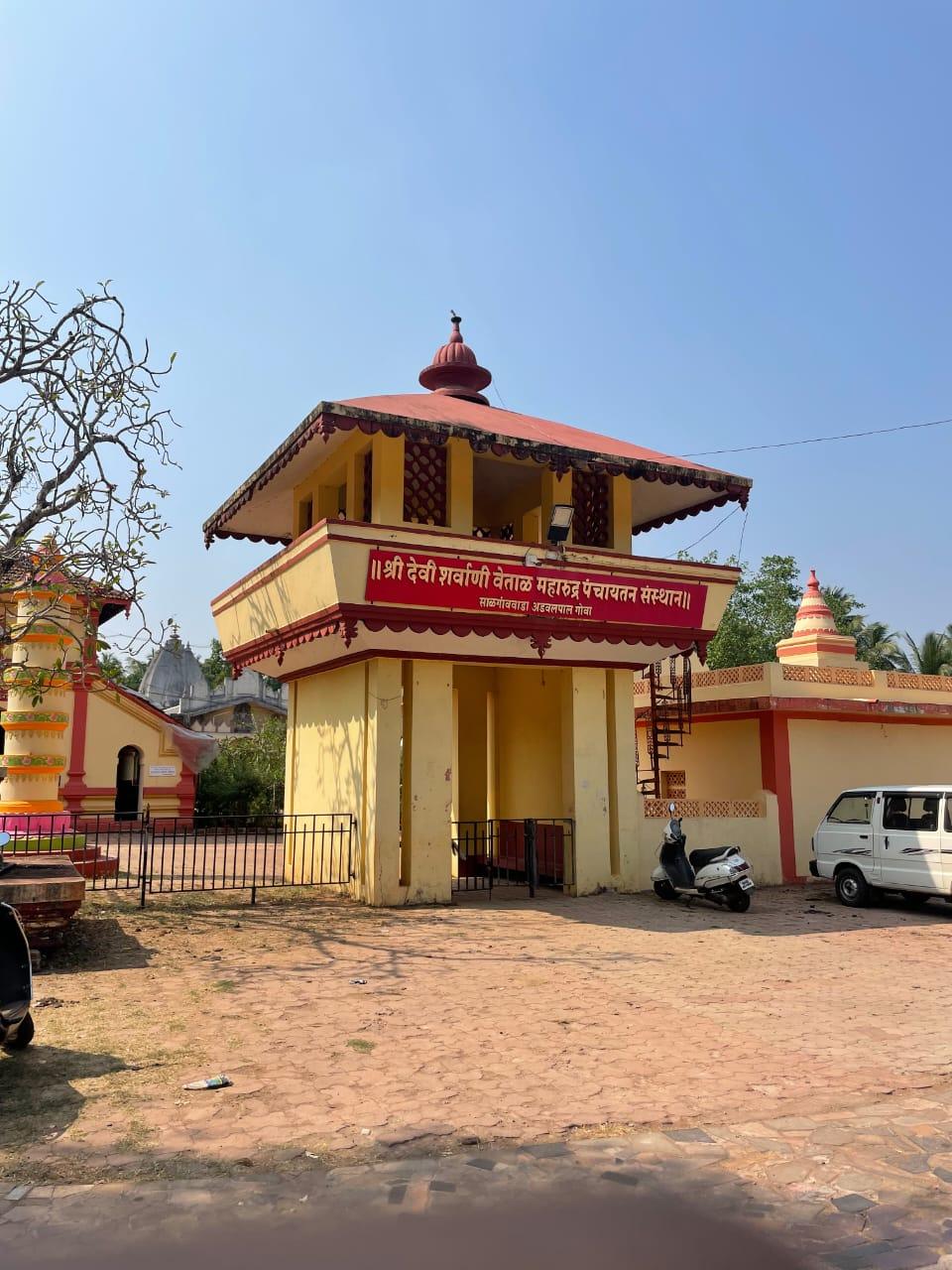
The architecture of the Sharvani Temple is a stunning example of the Goan Temple Style, which is a unique fusion of various cultural influences, including Maratha, Kadamba, and even subtle Portuguese elements. The temple complex is designed with a focus on symmetry, ventilation, and a grand sense of scale. As you enter the main gate, you are greeted by a spacious courtyard (Prakara) paved with stone, which serves as a gathering space for devotees during major festivals.
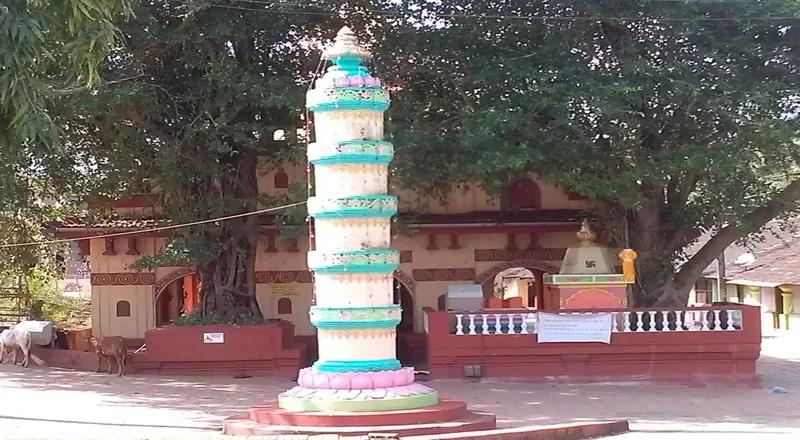
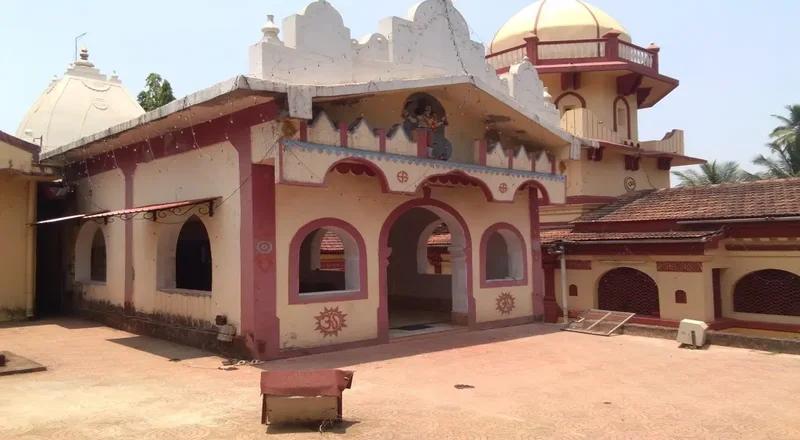
One of the most striking features of the temple is the Deepastambha (lamp tower). This multi-storied octagonal tower is a hallmark of Goan Hindu architecture. During festivals, hundreds of oil lamps are placed in the niches of the tower, creating a celestial glow that can be seen from a distance. The main structure consists of the Mandapa (assembly hall) and the Garbhagriha (sanctum sanctorum). The Mandapa is supported by heavy, intricately carved pillars that depict various mythological scenes and floral motifs. The ceiling of the Mandapa is often adorned with colorful paintings or wood carvings, showcasing the craftsmanship of local Goan artisans.
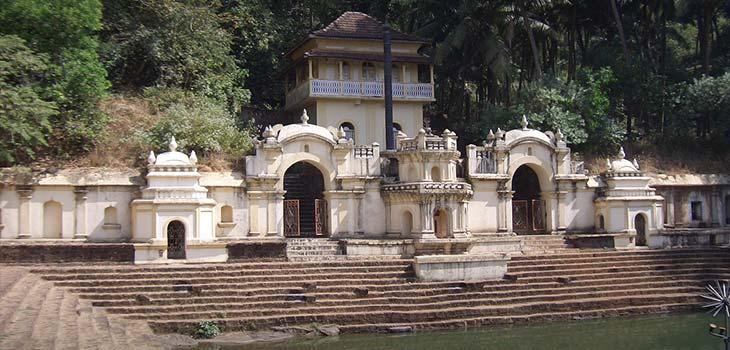
The Shikhara (temple spire) rises majestically above the sanctum. It is typically built in a tiered fashion, topped with a golden Kalash (finial). The use of red laterite stone—abundant in Goa—for the foundation and outer walls gives the temple an earthy, grounded feel, while the whitewashed exterior or the use of vibrant pastel colors reflects the local aesthetic. Another essential architectural element is the Tali or the temple tank. This sacred water body is used for ritualistic baths and is often surrounded by stone steps (Ghats). The reflection of the temple in the still waters of the tank provides a breathtaking sight, especially during sunrise or sunset. Every corner of the temple, from the brass-plated doors to the stone carvings of guardian deities at the entrance, reflects a meticulous attention to detail and a commitment to maintaining architectural harmony.
Main Deity / Spiritual Importance
The presiding deity of the temple is Goddess Sharvani. She is depicted in a regal and powerful form, usually made of polished black stone or metal, adorned with rich silk sarees and exquisite gold jewelry. The idol is a sight of immense beauty and spiritual power, with her eyes conveying a sense of deep compassion and protection. In Hindu theology, Sharvani is often identified with the energy of Shiva (Sharva), representing the feminine counterpart that sustains the universe.
The spiritual importance of Goddess Sharvani lies in her role as a bestower of boons. Devotees believe that she has the power to remove obstacles, heal illnesses, and provide mental peace. The "Darshan" (viewing of the deity) is considered a transformative experience. Many visitors speak of a palpable "vibration" or energy within the sanctum sanctorum that helps in quieting the mind and facilitating a deeper connection with the divine. The daily rituals, known as Pujas, are conducted with strict adherence to Vedic traditions. These include the Abhisheka (ritual bathing of the idol), Archana (chanting of names), and the Aarti (offering of lamps). The sound of the temple bells, the fragrance of incense, and the rhythmic chanting create an atmosphere that is conducive to Dhyana (meditation) and Bhakti (devotion). For many, the Sharvani Temple is a "Jagrut Devasthan"—a place where the deity is believed to be actively present and responsive to the prayers of the faithful.
Festivals & Celebrations
The Sharvani Temple comes alive with extraordinary fervor during its annual festivals. These celebrations are not just religious events but are grand social gatherings that showcase the rich cultural tapestry of Goa. The most significant event is the Annual Zatra (temple fair). Held usually in the winter months, the Zatra attracts thousands of devotees from all over Goa and beyond. The highlight of the Zatra is the Palkhi Procession, where the deity is placed in a beautifully decorated palanquin and carried on the shoulders of devotees around the temple complex. The air is filled with the sounds of traditional Goan musical instruments like the Dhol, Tasha, and Zanj.
Other major festivals celebrated with great pomp include:
- Navratri: The nine nights dedicated to the Goddess are marked by special pujas, classical music performances, and the traditional Ghumat Aarti. The temple is illuminated with thousands of lights, creating a magical ambiance.
- Shigmo: This is the Goan version of Holi. During Shigmo, various folk dances like Ghode Modni and Fugdi are performed in the temple courtyard, celebrating the arrival of spring and the victory of good over evil.
- Vasant Panchami: A day dedicated to knowledge and the arts, where special offerings are made to the Goddess to seek her blessings for wisdom.
- Diwali: The festival of lights is a sight to behold at the Sharvani Temple, especially when the massive Deepastambha is fully lit.
During these festivals, the village of Advalpale transforms into a hub of activity. Temporary stalls selling traditional Goan sweets like Khaje, handmade toys, and religious artifacts line the streets. The community kitchen or Mahaprasad is another vital aspect, where thousands of people, regardless of their social standing, sit together to share a blessed meal provided by the temple trust.
Best Time to Visit
While the Sharvani Temple is a year-round destination for spiritual seekers, the best time to visit is undoubtedly between October and March. During these months, the weather in Goa is pleasant, with cool breezes and moderate temperatures, making it ideal for exploring the outdoor temple complex and the surrounding village. This period also coincides with the major festival season, including Navratri and the annual Zatra, providing visitors with a chance to witness the temple in its full glory.
The monsoon season (June to September) offers a different kind of charm. The Bicholim region turns into a lush green paradise, and the temple, surrounded by mist-covered hills and rain-washed trees, looks incredibly ethereal. However, travel can be a bit challenging due to heavy downpours. For those seeking solitude and quiet reflection, visiting during the mid-week days in the off-peak season (like April or May) is recommended, though one should be prepared for the Goan summer heat. The early morning hours (between 6:30 AM and 8:30 AM) are particularly magical, as you can witness the morning rituals and enjoy the serene atmosphere before the day's heat sets in.
Timings, Entry Fee & Dress Code
To ensure a respectful and smooth visit, it is important to be aware of the temple's operational hours and regulations. The Sharvani Temple generally follows these timings:
- Morning: 6:00 AM to 12:30 PM
- Evening: 4:00 PM to 8:30 PM
Please note that the temple may remain open for longer hours during festival days or special occasions. There is no entry fee to visit the Sharvani Temple; it is open to all individuals regardless of their background. However, donations for the maintenance of the temple and its charitable activities are always welcomed and can be made at the official counter.
Dress Code: As with most traditional Hindu temples in Goa, a modest dress code is strictly enforced. Visitors should avoid wearing shorts, sleeveless tops, or revealing clothing. Men are encouraged to wear trousers or traditional dhotis, while women are advised to wear sarees, salwar kameez, or long skirts. It is customary to remove your footwear before entering the main temple platform. Maintaining silence and decorum within the sanctum is expected of all visitors.
How to Reach Sharvani Temple, Advalpale
Advalpale is located in the northern part of Goa, approximately 30-35 kilometers from the capital city, Panaji. Reaching the temple is a scenic journey through the heart of rural Goa. Here are the best ways to reach the site:
- By Road: The most convenient way to reach the temple is by hiring a private taxi or driving a self-rented car/scooter. From Panaji, you can take the route via Mapusa or through the bypass roads leading towards Bicholim. The roads are generally well-maintained and wind through picturesque villages and cashew groves.
- By Bus: Regular bus services operate from the Mapusa Bus Stand and the Bicholim Bus Stand to Advalpale. While this is an economical option, it may involve a bit of walking from the bus stop to the temple entrance.
- By Train: The nearest railway station is Thivim Railway Station, which is about 15-18 kilometers away. From the station, you can easily find rickshaws or taxis to take you directly to the temple.
- By Air: The Manohar International Airport (Mopa) is relatively closer to North Goa’s interior regions than the Dabolim Airport. From Mopa, the drive to Advalpale takes roughly 45 minutes to an hour.
Using a GPS navigation system is highly recommended, as some of the interior village roads can be a bit confusing for first-time visitors. Look for signs pointing towards "Bicholim" or "Assonora" as you make your way towards Advalpale.
Things to Do
A visit to the Sharvani Temple offers more than just a religious ritual; it is an opportunity for cultural immersion. Here are some things you can do during your visit:
- Attend the Aarti: Witnessing the evening Aarti is a soulful experience. The synchronized ringing of bells and the flickering lamps create a powerful meditative environment.
- Explore the Village: Take a leisurely walk through Advalpale village. Observe the traditional Goan architecture of the houses, interact with the friendly locals, and enjoy the slow pace of life.
- Meditation: Find a quiet corner in the temple courtyard or near the temple tank to sit and meditate. The natural tranquility of the location makes it an ideal spot for introspection.
- Study the Architecture: Spend time observing the intricate carvings on the pillars and the design of the Deepastambha. It is a great place for students of art and history.
- Photography: Capture the stunning exterior of the temple and the surrounding landscapes (ensure you follow the guidelines regarding photography inside the sanctum).
- Participate in Sevas: If you wish, you can participate in various 'Sevas' or offerings. You can talk to the temple priests to understand the significance of different rituals.
Nearby Attractions
Bicholim Taluka is rich in historical and natural sites. You can easily combine your visit to the Sharvani Temple with these nearby attractions:
- Arvalem Caves (Pandava Caves): Located about 10-12 km away, these ancient rock-cut caves date back to the 6th century and are believed to have been used by the Pandavas during their exile.
- Arvalem Waterfall: Situated right next to the caves, this beautiful waterfall is a popular spot for nature lovers, especially during the monsoon and post-monsoon months.
- Saptakoteshwar Temple, Narve: One of the most important Shiva temples in Goa, rebuilt by Chhatrapati Shivaji Maharaj. It is known for its shallow dome and unique architectural style.
- Mayem Lake: A peaceful lake surrounded by hills, offering boating facilities and a well-maintained park. It is a great spot for a family picnic.
- Bicholim Market: Visit the local market to buy authentic Goan pottery, copperware, and fresh local produce like cashews and seasonal fruits.
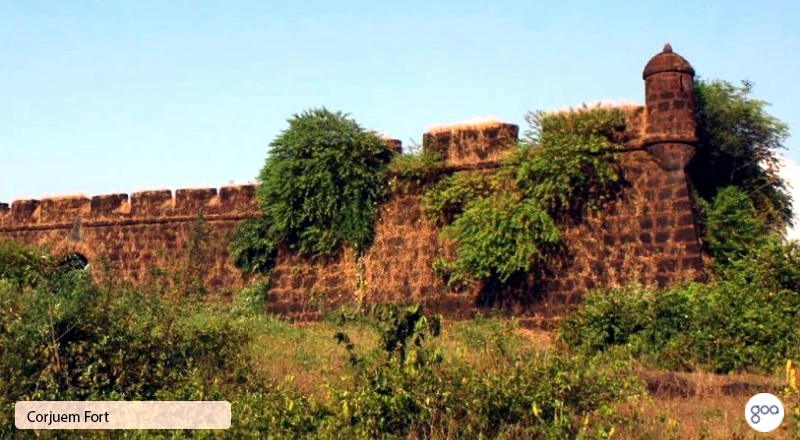
- Corjuem Fort: A small but historically significant inland fort offering panoramic views of the river and the surrounding countryside.
Photography & Visitor Guidelines
To preserve the sanctity and privacy of the temple, visitors are requested to adhere to the following guidelines:
- Photography: While photography of the temple's exterior, the Deepastambha, and the surrounding gardens is generally permitted, photography and videography inside the Garbhagriha (inner sanctum) are strictly prohibited. Always look for signage or ask the temple authorities before taking photos.
- Mobile Phones: Please keep your mobile phones on silent or vibrate mode while inside the temple premises. Avoid taking calls inside the prayer halls.
- Offerings: If you wish to offer flowers or coconuts, you can buy them from small shops near the entrance. Ensure that you do not litter the temple premises with plastic bags or wrappers.
- Respect Rituals: If a puja or ceremony is in progress, maintain a respectful distance and do not interrupt the priests.
- Environmental Care: The temple is located in an ecologically sensitive area. Avoid using single-use plastics and ensure you dispose of waste in designated bins.
Where to Eat Nearby
Being a rural area, Advalpale itself does not have luxury restaurants, but you can find authentic Goan flavors in the vicinity:
- Local Eateries in Bicholim: The nearby town of Bicholim (about 5-7 km away) has several small restaurants serving traditional Goan Hindu "Thalis," which include rice, fish curry (for non-vegetarians), or a variety of vegetable preparations like Khatkhate and Alsande.
- Assonora: There are a few decent multi-cuisine restaurants in Assonora where you can find North Indian and Goan dishes.
- Temple Mahaprasad: On special festival days, the temple provides free meals (Mahaprasad) to all devotees. This is a humble yet delicious vegetarian meal that shouldn't be missed.
- Street Food: Near the Bicholim bus stand, you can find local snacks like Mirchi Baji, Samosas, and Ros Omelette.
Accommodation Nearby
If you wish to stay close to the Sharvani Temple to experience the early morning rituals, you have a few options:
- Homestays: There are several charming homestays in the Bicholim and Sanquelim areas that offer a glimpse into local life and home-cooked Goan meals.
- Resorts in Assonora: For those seeking luxury, there are high-end resorts located in Assonora (about 10 km away) that provide modern amenities and a tranquil environment.
- Hotels in Mapusa: Mapusa city (about 20 km away) offers a wide range of budget and mid-range hotels, making it a convenient base for exploring North Goa's interior.
- Temple Guest Houses: Some temples in the region have basic dharamshalas or guest houses for pilgrims. It is best to inquire directly with the temple trust for availability.
Travel Tips
To make your trip to Sharvani Temple, Advalpale, as comfortable as possible, keep these tips in mind:
- Carry Water: While there are shops nearby, it’s always a good idea to carry a reusable water bottle, especially if you plan to explore the nearby caves or waterfalls.
- Footwear: Wear easy-to-remove footwear like sandals or flip-flops, as you will need to take them off frequently.
- Cash: Carry enough cash, as small shops and local transport in the village may not accept digital payments or cards. ATMs are available in Bicholim town.
- Language: While Konkani is the local language, most people understand Marathi, Hindi, and basic English.
- Sun Protection: Use sunscreen and carry a hat or umbrella if you are visiting during the daytime, as the temple courtyard can get quite hot.
- Respect Local Customs: Goan villages are traditional. Be polite, ask for permission before photographing people, and respect the local way of life.
Conclusion
The Sharvani Temple of Advalpale is more than just a destination; it is an evocative journey into the heart of Goan spirituality. It stands as a beacon of peace, offering a stark yet beautiful contrast to the commercialized image of Goa. Through its stunning architecture, its rich history of resilience, and the vibrant energy of its festivals, the temple invites every visitor to pause and reflect. Whether you come as a devout pilgrim seeking the blessings of the Goddess or as a curious traveler looking to discover the hidden gems of the Konkan coast, the Sharvani Temple leaves an indelible mark on your soul. It reminds us that amidst the rapid pace of modern life, there are sacred spaces where tradition, nature, and divinity continue to coexist in perfect harmony. A visit to this holy site is not just a checkbox on a travel list; it is an experience of pure, unadulterated Goan culture that will stay with you long after you have left the quiet lanes of Advalpale.