Overview of Gurudwara 3 MTR
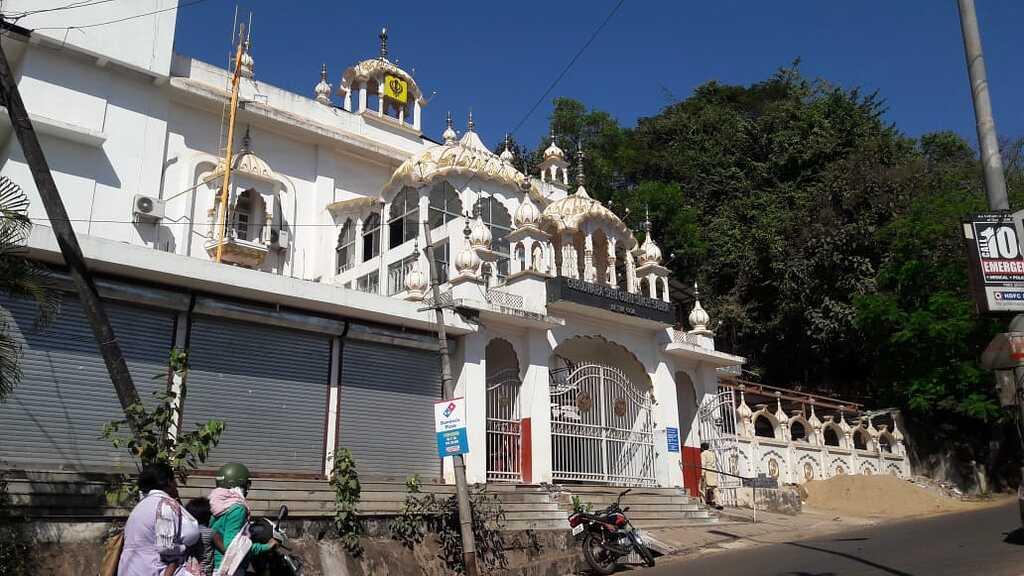
Nestled in the heart of Ponda, specifically in the Curti area, Gurudwara 3 MTR stands as a serene beacon of spirituality, peace, and communal harmony. While Goa is globally celebrated for its sun-kissed beaches, historic Portuguese-era churches, and ancient Hindu temples, Gurudwara 3 MTR offers a different yet equally profound spiritual experience. This sacred site is the primary place of worship for the Sikh community in South Goa and serves as a vital cultural bridge in the diverse social fabric of the state. The name "3 MTR" is derived from its proximity to the 3 Mechanical Transport Regiment of the Indian Army, which played a pivotal role in the establishment and maintenance of this holy shrine.
As you approach the Gurudwara, the first thing that strikes you is the stark contrast between the bustling traffic of the Ponda-Belgaum highway and the absolute tranquility within the Gurudwara premises. The air here seems lighter, filled with the rhythmic chanting of Gurbani and the gentle rustle of the Nishan Sahib (the Sikh flag) fluttering high in the Goan breeze. For travelers exploring the "Temple Town" of Ponda, a visit to Gurudwara 3 MTR provides a soulful interlude. It is not just a building of brick and marble; it is a living institution where the principles of equality, service, and devotion are practiced daily. Whether you are a devout Sikh, a spiritual seeker, or a curious traveler, the Gurudwara welcomes you with open arms, offering a glimpse into the rich traditions of Sikhism set against the tropical backdrop of Goa.
The Gurudwara serves as a community hub, hosting regular kirtans (devotional singing), langars (free community meals), and educational activities. Its location in Ponda is strategic, as this region is the cultural heart of Goa, housing some of the most significant religious landmarks in the state. Visiting Gurudwara 3 MTR allows visitors to witness the inclusive nature of Goan society, where different faiths coexist and flourish together. The meticulously maintained gardens and the pristine white structure of the Gurudwara create an atmosphere of purity that lingers in the hearts of visitors long after they have left.
History & Religious Significance
The history of Gurudwara 3 MTR is deeply intertwined with the presence of the Indian Armed Forces in Goa. Following the liberation of Goa in 1961, there was an influx of military personnel from various parts of India, including a significant number of Sikh soldiers. These soldiers, belonging to the 3 Mechanical Transport Regiment, felt the need for a spiritual sanctuary where they could practice their faith and find a sense of community far from their homes in Punjab and northern India. What began as a modest prayer room within the military cantonment eventually evolved into the majestic structure that stands today, catering to both the military personnel and the growing civilian Sikh population in Ponda and surrounding areas.
The religious significance of this Gurudwara lies in its adherence to the teachings of the ten Sikh Gurus and the Guru Granth Sahib (the holy scripture). In a state where the religious landscape is dominated by Catholic and Hindu traditions, Gurudwara 3 MTR serves as a reminder of the universal message of Sikhism: "Manas ki jat sabhe eke paihchanbo" (Recognize the whole human race as one). This message resonates deeply in Goa, a land known for its tolerance and syncretic culture. The Gurudwara is a site where the "Khalsa" spirit—characterized by bravery, humility, and selfless service—is celebrated and shared with the local Goan community.
Over the decades, the Gurudwara has grown from a local regimental shrine into a prominent landmark. It has witnessed the evolution of Ponda from a quiet inland town to a bustling commercial and educational hub. Throughout this transformation, the Gurudwara has remained an anchor of stability and spiritual solace. It holds a special place in the hearts of the Sikh diaspora in Goa, who look to this shrine as their spiritual home. The history of the Gurudwara is also a testament to the Indian Army's role in fostering religious harmony and providing spaces for spiritual growth for its soldiers, which in turn enriches the local community.
Architecture of Gurudwara 3 MTR
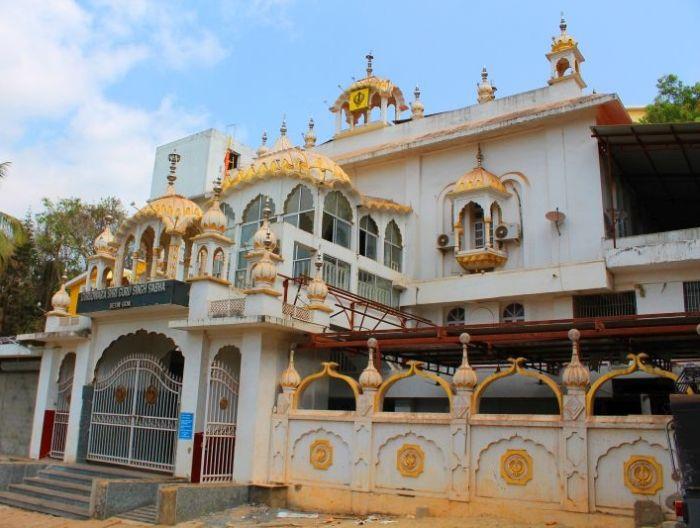
The architecture of Gurudwara 3 MTR is a beautiful blend of traditional Sikh architectural elements and adaptations suited to the tropical Goan climate. The structure is characterized by its brilliant white facade, which reflects the intense Goan sun, keeping the interiors relatively cool. The most prominent feature is the large central dome, or Gumbad, which is flanked by smaller domes at the corners. These domes are often topped with golden finials that glisten under the sun, symbolizing the spiritual height and purity of the shrine.
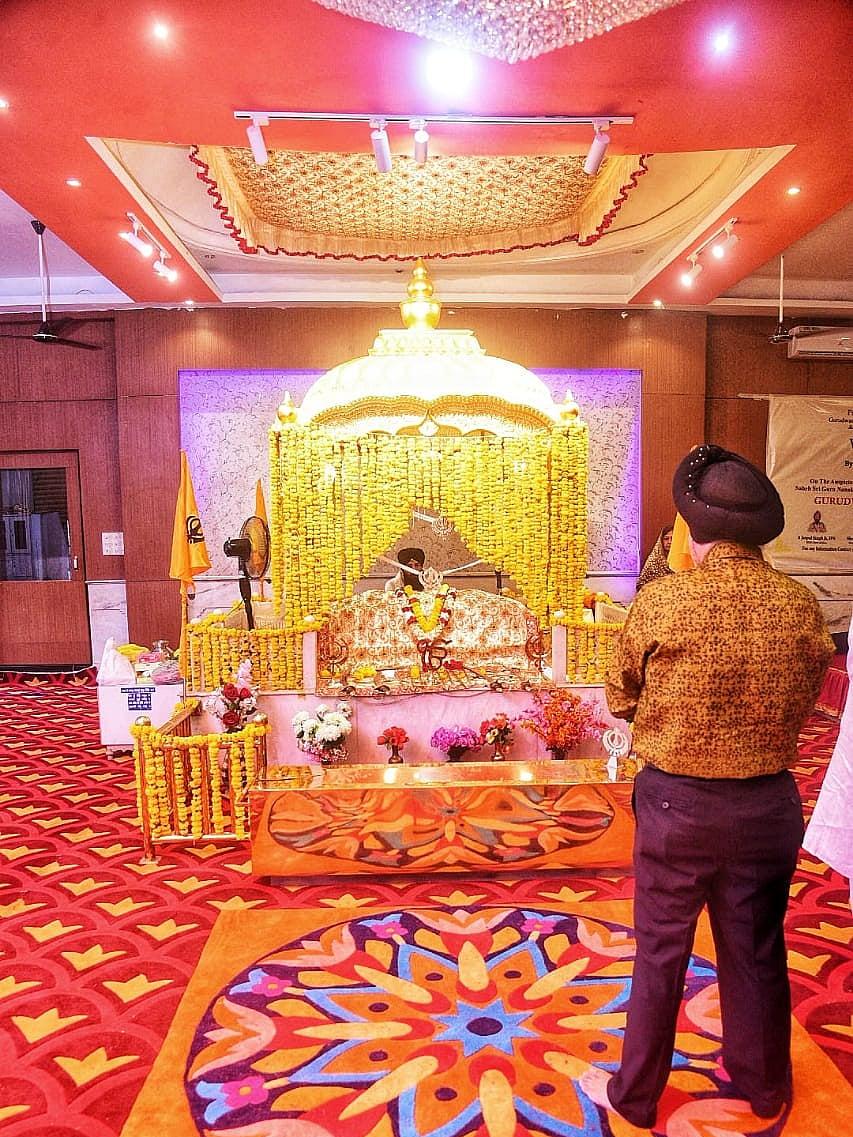
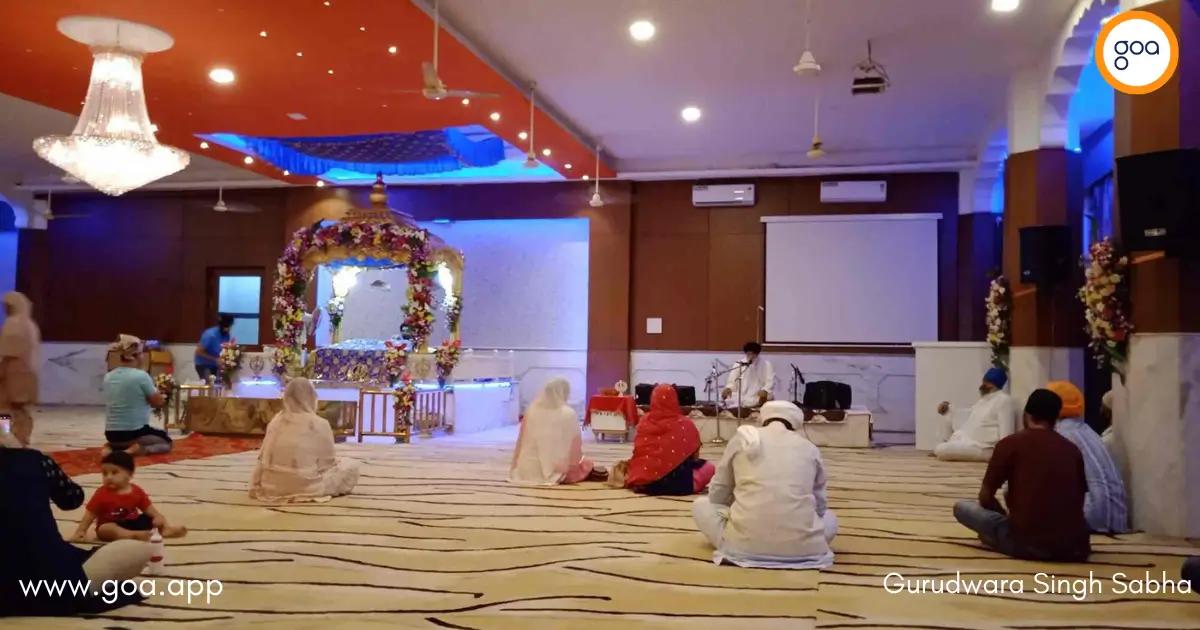
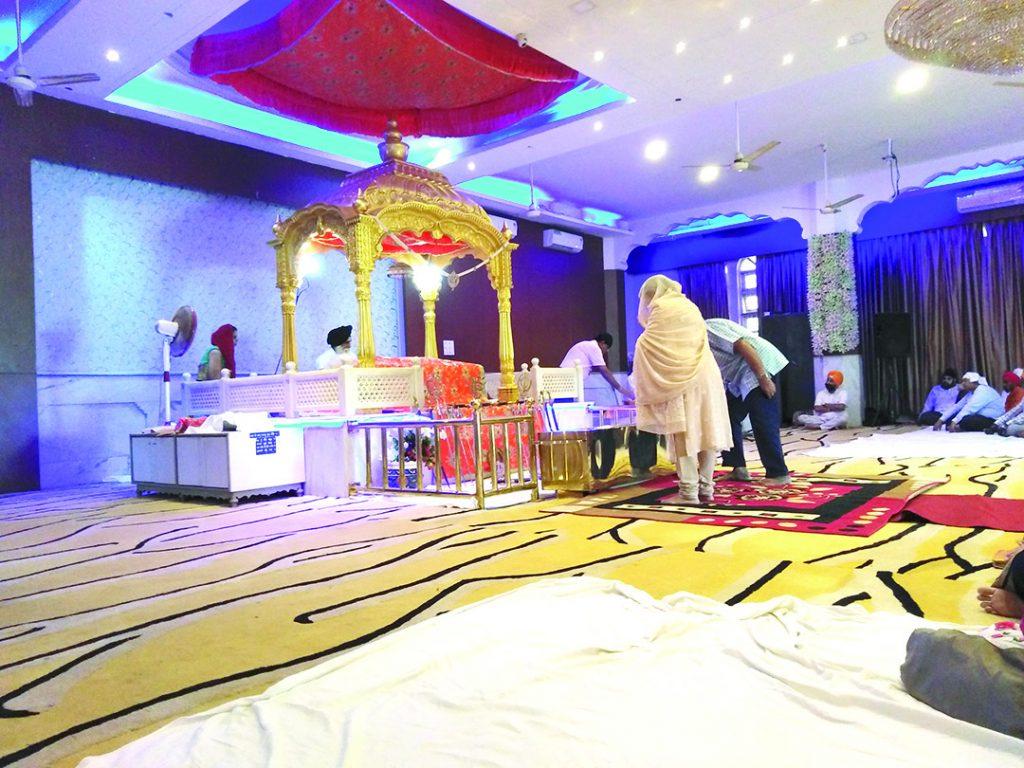
Upon entering the complex, visitors are greeted by a spacious courtyard paved with cool stone. The main prayer hall, known as the Darbar Sahib, is located on an elevated platform. The entrance to the Darbar Sahib is wide and welcoming, signifying that the house of God is open to all, regardless of caste, creed, or gender. Inside, the hall is expansive and well-ventilated, with large windows that allow natural light to flood the space. The walls are often adorned with intricate floral patterns and verses from the Guru Granth Sahib written in Gurmukhi script. The focal point of the hall is the Palki Sahib, a beautifully decorated canopy under which the Guru Granth Sahib is placed on a raised platform (Takhat).
Another architectural highlight is the Nishan Sahib, a tall flagpole draped in saffron cloth and topped with a Khanda (the Sikh symbol). It is visible from a distance and serves as a landmark for devotees. The Gurudwara also includes a dedicated wing for the Langar Hall (community kitchen), which is designed to accommodate large numbers of people sitting on the floor in rows, emphasizing the concept of equality. The use of marble, the symmetry of the arches, and the peaceful landscaping around the building all contribute to an aesthetic that is both grand and humble. While it may not be as large as the historic Gurudwaras in North India, its architectural integrity and the devotion with which it is maintained make it a jewel of Goan religious architecture.
Main Deity / Spiritual Importance
In Sikhism, there is no idol worship or "deity" in the conventional sense. The central focus of devotion at Gurudwara 3 MTR is the Guru Granth Sahib, the eternal living Guru of the Sikhs. This holy scripture is a compilation of hymns (Gurbani) composed by the Sikh Gurus and several saints from different religious backgrounds, including Hindus and Muslims. The presence of the Guru Granth Sahib makes the Gurudwara a "Darbar" or a Royal Court. Every ritual performed here is centered around showing the utmost respect to the scripture, which is treated as a living entity.
The spiritual importance of Gurudwara 3 MTR lies in its role as a school of life. Visitors come here to listen to the Kirtan (musical recitation of the hymns), which is believed to soothe the soul and provide divine guidance. The teachings emphasize three core pillars:
- Naam Japo: Meditating on the name of God to achieve spiritual clarity.
- Kirat Karo: Earning an honest living through hard work and integrity.
- Vand Chakko: Sharing one's earnings and resources with the needy and the community.
For the local Goan community and tourists, the Gurudwara offers a space for silent meditation and introspection. In the fast-paced world of tourism, the spiritual vibrations of this site provide a much-needed "reset." The concept of Seva (selfless service) is also central to the spiritual life here. You will often see devotees cleaning the floors, serving food in the Langar, or polishing the shoes of visitors. This practice is intended to subdue the ego and foster a sense of humility and brotherhood. Thus, the spiritual importance of Gurudwara 3 MTR transcends religious boundaries, offering universal lessons in love, service, and devotion.
Festivals & Celebrations
Gurudwara 3 MTR comes alive with vibrant energy during Sikh festivals, which are celebrated with great fervor and traditional grandeur. The most significant of these is Vaisakhi (usually in April), which marks the birth of the Khalsa Panth. During Vaisakhi, the Gurudwara is decorated with flowers and lights, and special kirtan sessions are held throughout the day. The highlight is the Nagar Kirtan, a religious procession that often winds through the streets of Ponda, led by the Panj Pyare (five beloved ones) and the Guru Granth Sahib placed on a beautifully decorated float. This procession is a sight to behold, featuring martial arts displays (Gatka), singing of hymns, and distribution of sweets to onlookers.
Another major celebration is Guru Nanak Jayanti (Gurpurab), the birth anniversary of the founder of Sikhism, Guru Nanak Dev Ji. This festival is characterized by early morning processions known as Prabhat Pheris and continuous readings of the Guru Granth Sahib (Akhand Path). The atmosphere is one of immense joy and gratitude. Other Gurpurabs, such as the birth anniversary of Guru Gobind Singh Ji and the martyrdom days of Guru Arjan Dev Ji and Guru Tegh Bahadur Ji, are also observed with solemnity and devotion.
During these festivals, the Langar is expanded to serve thousands of people. In the Goan context, these celebrations often see participation from local Hindus and Christians, reflecting the communal harmony of the state. The Gurudwara also celebrates Hola Mohalla, a day after Holi, focusing on military exercises and mock battles, keeping the martial spirit of the Khalsa alive. For a traveler, visiting during these festivals offers a unique opportunity to witness the rich cultural heritage of the Sikh community in a tropical setting, far from the traditional heartlands of the faith.
Best Time to Visit
The best time to visit Gurudwara 3 MTR is during the winter months, from November to February. During this period, the weather in Goa is pleasant, with cool breezes and moderate temperatures, making it ideal for exploring the outdoor areas of the Gurudwara and the surrounding Ponda region. The humidity is lower, and the sky is usually a clear blue, providing a beautiful backdrop for the white architecture of the shrine.
If you wish to experience the spiritual vibrancy of the Gurudwara at its peak, Sunday mornings are highly recommended. This is when the local community gathers for the main weekly service. You can witness the full Kirtan, participate in the Ardas (common prayer), and enjoy the Langar with a diverse group of people. Early mornings (around 5:00 AM to 7:00 AM) are also a wonderful time to visit for those seeking absolute peace and the chance to hear the Nitnem (daily morning prayers).
For those interested in cultural immersion, planning a visit during Vaisakhi or Guru Nanak Jayanti is ideal. While it may be more crowded during these times, the energy and traditional celebrations are unforgettable. Conversely, if you prefer a quiet, meditative experience, visiting on a weekday afternoon will allow you to have the prayer hall almost to yourself, providing a serene environment for contemplation.
Timings, Entry Fee & Dress Code
Gurudwara 3 MTR is open to people of all faiths and backgrounds. To ensure a respectful visit, it is important to be aware of the following guidelines:
- Timings: The Gurudwara is generally open from 5:00 AM to 9:00 PM daily. However, the best times for visitors are during the morning and evening prayers.
- Entry Fee: There is no entry fee. Gurudwaras are community-funded institutions, and everyone is welcome to enter for free. You may choose to make a voluntary donation (Golak) inside the prayer hall, but it is not mandatory.
- Dress Code: Visitors must dress modestly. Shoulders and knees should be covered. Avoid wearing shorts, miniskirts, or sleeveless tops.
- Head Covering: It is mandatory for both men and women to cover their heads inside the Gurudwara premises. If you do not have a scarf or handkerchief, the Gurudwara usually provides clean headscarves at the entrance.
- Footwear: Shoes must be removed before entering the main building. There is a dedicated shoe storage area (Jora Ghar) managed by volunteers where you can safely leave your footwear.
- Tobacco and Alcohol: Carrying or consuming tobacco, alcohol, or any other intoxicants is strictly prohibited within the Gurudwara premises.
By following these simple rules, you show respect for the sanctity of the site and the sentiments of the worshippers. The volunteers at the Gurudwara are generally very helpful and will guide you if you are unsure about any protocol.
How to Reach Gurudwara 3 MTR
Gurudwara 3 MTR is located in Curti, Ponda, making it centrally accessible from various parts of Goa. Ponda is often referred to as the gateway to the hinterlands and is well-connected by a network of roads.
By Road: Ponda is approximately 28-30 km from Panaji (the capital) and about 18-20 km from Margao. If you are driving from Panaji, you will take the NH748 (Panaji-Belagavi Highway). The Gurudwara is located just off the main road, near the 3 MTR military area. It is easily searchable on Google Maps. Local buses frequently run from Panaji and Margao to Ponda. From the Ponda KTC Bus Stand, you can take an auto-rickshaw or a local pilot (motorcycle taxi) to reach the Gurudwara, which is about 3-4 km away.
By Rail: The nearest major railway station is Madgaon Junction (Margao), which is well-connected to the rest of India. From the station, you can hire a taxi or take a bus to Ponda. The Karmali Railway Station is also relatively close (about 18 km away) and is convenient if you are traveling on the Konkan Railway line.
By Air: The Dabolim Airport is approximately 35-40 km from Ponda. You can hire a pre-paid taxi from the airport to reach the Gurudwara directly. The newer Manohar International Airport (Mopa) in North Goa is further away, roughly 65-70 km, and a taxi ride from there would take about 1.5 to 2 hours depending on traffic.
For those staying in the coastal belt of North Goa (Calangute, Baga), a trip to Gurudwara 3 MTR can be combined with a visit to the famous temples of Ponda or the spice plantations, making it a productive day trip into the heart of Goa.
Things to Do
A visit to Gurudwara 3 MTR is more than just a sightseeing stop; it is an opportunity for engagement and reflection. Here are some things you can do:
- Listen to Kirtan: Spend some time sitting quietly in the Darbar Sahib and listen to the soulful rendition of Gurbani. Even if you do not understand the language, the melody and devotion are universally moving.
- Participate in Langar: One of the most significant experiences in a Gurudwara is eating at the Langar. Sitting on the floor and sharing a simple, nutritious vegetarian meal with people from all walks of life is a powerful lesson in equality and community.
- Engage in Seva: If you have the time, offer to help. This could be as simple as serving water, helping in the kitchen, or assisting with cleaning. Seva is a core tenet of Sikhism and is a deeply rewarding experience.
- Meditation: The quiet environment of the Gurudwara is perfect for meditation or personal prayer. Use the peaceful atmosphere to reconnect with your inner self.
- Learn about Sikhism: Feel free to talk to the Granthi (priest) or the volunteers. They are usually happy to share information about the history of the Gurudwara and the basics of the Sikh faith.
- Photography (with permission): Capture the beautiful architecture and the peaceful surroundings, but always ensure you have permission and do not disturb those in prayer.
Nearby Attractions
Ponda is the cultural and religious heart of Goa, and there are several significant attractions near Gurudwara 3 MTR that you can visit:
- Mangueshi Temple: Located about 7 km from the Gurudwara, this is one of the most famous and largest temples in Goa, dedicated to Lord Shiva. Its towering Deepastambha is an architectural marvel.
- Shanta Durga Temple: Situated in Kavlem (about 5 km away), this temple is dedicated to the goddess of peace. The temple complex is known for its beautiful fusion of Indo-Portuguese architecture.
- Sahakari Spice Farm: Just a short drive away, this farm offers guided tours where you can learn about various spices, enjoy a traditional Goan lunch, and even watch elephant washings.
- Tropical Spice Plantation: Another excellent spice farm nearby that offers a glimpse into Goa's agricultural heritage and a chance to enjoy nature.
- Safa Shahouri Masjid: A historic 16th-century mosque located in Ponda, known for its simple yet elegant architecture and a large masonry water tank.
- Bondla Wildlife Sanctuary: Located about 15-20 km from Ponda, this is a great spot for families, featuring a mini zoo, botanical gardens, and nature trails.
Combining these sites with your visit to the Gurudwara allows you to experience the full spectrum of Goa's religious and natural beauty in a single day.
Photography & Visitor Guidelines
To maintain the sanctity of Gurudwara 3 MTR, visitors are requested to adhere to the following guidelines regarding photography and general conduct:
- Photography: While photography of the exterior and the gardens is generally permitted, taking photos or videos inside the Darbar Sahib (prayer hall) is often restricted or requires explicit permission. Always ask a volunteer or the priest before using your camera inside. If you are allowed to take photos, do so discreetly without using a flash.
- Silence: Maintain a low volume when speaking. The Gurudwara is a place of prayer and meditation, and loud conversations can be disruptive.
- Mobile Phones: Switch your mobile phones to silent mode or turn them off before entering the prayer hall.
- Sitting Etiquette: When sitting in the Darbar Sahib, it is customary to sit cross-legged on the floor. Avoid pointing your feet toward the Guru Granth Sahib, as this is considered disrespectful.
- Respecting the Scripture: Never turn your back directly to the Guru Granth Sahib when leaving the hall; it is traditional to walk backward for a few steps before turning away.
- Children: If you are visiting with children, ensure they remain quiet and do not run around the prayer area.
By being a mindful visitor, you contribute to the peaceful atmosphere that makes the Gurudwara such a special place for everyone.
Where to Eat Nearby
After your visit to the Gurudwara, you might want to explore the local culinary scene in Ponda. While the Langar at the Gurudwara provides a wonderful spiritual meal, here are some other options:
- Spice Farm Restaurants: If you visit Sahakari or Tropical spice plantations, they offer authentic Goan Hindu-style buffets served on banana leaves. These meals are typically vegetarian-friendly and include local specialties like Khatkhate (a vegetable stew).
- Hotel Menino: A well-known establishment in Ponda town offering a variety of Indian, Chinese, and Goan dishes. It is a reliable spot for a clean and comfortable meal.
- Farmagudi Residency: Located on the hillock overlooking Ponda, this GTDC (Goa Tourism Development Corporation) property has a restaurant that serves decent Goan and Indian fare.
- Local Eateries: Ponda market area has several small "khanavals" or local eateries where you can try Goan snacks like Mirchi Baji, Samosas, and Bhat (rice) with fish curry for non-vegetarians.
Ponda is known for its traditional Goan Hindu cuisine, which is distinct from the Catholic-influenced food found in the coastal areas. It is generally less spicy but rich in coconut and local flavors.
Accommodation Nearby
While many visitors choose to stay in the coastal areas and visit Ponda as a day trip, staying in or near Ponda offers a more "authentic" and quiet Goan experience. Options include:
- Farmagudi Residency (GTDC): A budget-friendly and well-located option for those who want to be close to the temples and the Gurudwara.
- Atreya Vedic Farm: For a more nature-oriented stay, this eco-tourism spot offers a unique experience in the lush greenery of the Western Ghats' foothills.
- The Postcard Hideaway, Netravali: If you are looking for luxury and don't mind a bit of a drive, this property offers ultimate seclusion and high-end amenities.
- Guest Houses in Ponda: There are several small, family-run guest houses in the Ponda town area that provide basic but clean accommodation for budget travelers.
Staying in Ponda is particularly convenient if you plan to visit multiple temples and spice farms over two or three days.
Travel Tips
To make the most of your visit to Gurudwara 3 MTR and Ponda, keep these tips in mind:
- Carry a Scarf: While the Gurudwara provides head coverings, carrying your own scarf or bandana is more convenient and hygienic.
- Stay Hydrated: Ponda can be quite warm and humid, especially during the day. Carry a reusable water bottle.
- Plan for Traffic: The road between Panaji and Ponda can get congested with trucks and heavy vehicles. Allow extra time for travel.
- Respect Local Customs: Ponda is a traditional area. While Goa is generally liberal, modesty in dress and behavior is appreciated when visiting religious sites.
- Combine Visits: Since the Gurudwara is relatively small, combine it with a visit to the Mangueshi Temple and a spice farm to make a full day of it.
- Use Local Transport: If you are on a budget, the local buses are a great way to experience the Goan way of life, though they can be crowded.
Conclusion
Gurudwara 3 MTR in Ponda is a testament to the diverse and inclusive spirit of Goa. It stands as a serene sanctuary that offers a unique spiritual experience, blending the profound traditions of Sikhism with the warm hospitality of the Goan heartland. Whether you come to admire its white marble architecture, to find peace in the chanting of the Gurbani, or to share a meal at the Langar, the Gurudwara promises a journey of humility and grace. It is a reminder that in the midst of Goa's vibrant party scene and historical monuments, there lies a quiet corner where the message of "One God, One Humanity" is celebrated every day. A visit here is not just a stop on a map, but a soulful encounter that enriches your understanding of India’s multifaceted cultural identity. As you leave the gates of the Gurudwara, the sense of peace and the warmth of the community stay with you, making it a highlight of any spiritual itinerary in the beautiful state of Goa.