Overview of Shree Bhagavati Temple
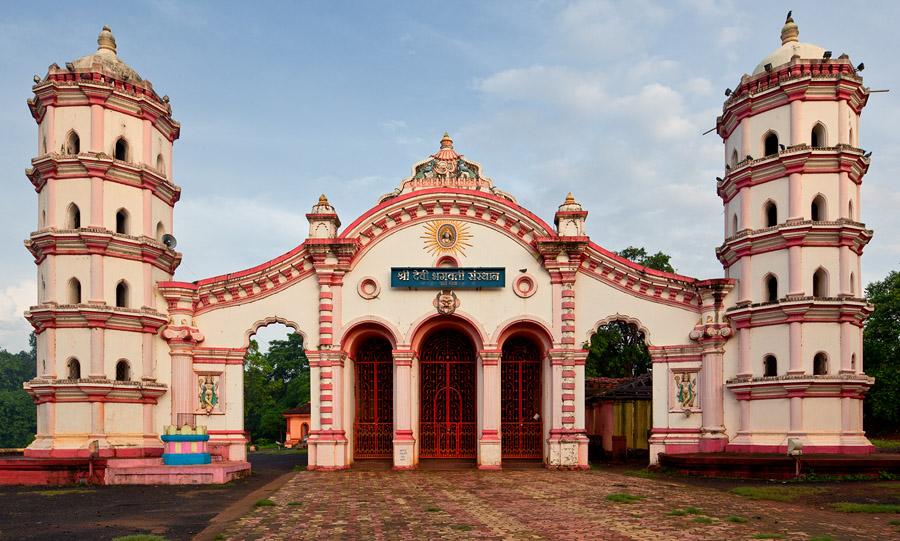
Nestled in the serene and culturally rich landscape of the Pernem Taluka in North Goa, the Shree Bhagavati Temple stands as a magnificent testament to Goa’s enduring spiritual heritage and architectural grandeur. Unlike the bustling, sun-drenched beaches that most tourists associate with the state, the Pernem region offers a more contemplative and traditional side of Goan life. The Shree Bhagavati Temple is dedicated to the Goddess Bhagavati, an incarnation of Goddess Parvati, and is considered one of the oldest and most significant religious sites in the northernmost part of the state. This temple is not just a place of worship but a cultural anchor for the local community, representing centuries of devotion that survived the turbulent eras of colonial rule.
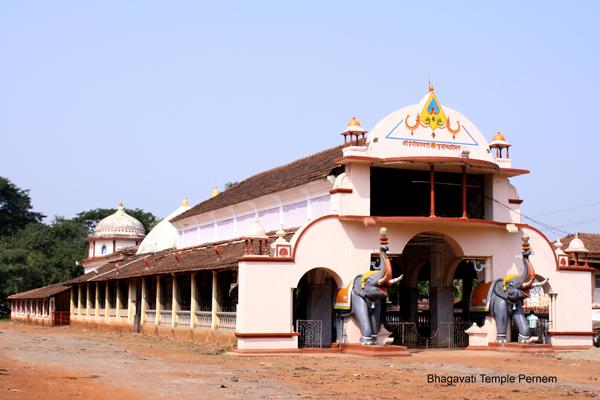
The temple complex is situated approximately 28 kilometers from the capital city of Panaji and about 7 kilometers from the Pernem railway station. As you approach the temple, the atmosphere shifts from the modern pace of life to a tranquil, rhythmic cadence defined by the ringing of temple bells and the scent of fresh marigolds and incense. The temple is particularly famous for its two life-sized stone elephants that guard the entrance, carved with such precision that they seem almost sentient. For travelers seeking to delve deeper into the "New Conquests" (Novas Conquistas) history of Goa—territories that were annexed by the Portuguese much later than the central districts—the Shree Bhagavati Temple serves as a primary point of interest. It provides a window into the preservation of Hindu traditions during a time when many other coastal temples were being dismantled or converted. Today, it remains a vibrant center for Vedic rituals, local folklore, and community gatherings, drawing thousands of devotees and curious travelers every year.
Top Goa Experience • Part 1
Highly Recommended Near Shree Bhagavati Temple
Explore All
History & Religious Significance
The history of the Shree Bhagavati Temple is deeply intertwined with the broader historical narrative of the Konkan coast. Historians suggest that the temple is over 500 years old, dating back to a period before the Portuguese consolidated their power over the Pernem region. Because Pernem was part of the "New Conquests," it did not face the same level of systematic religious persecution seen in the "Old Conquests" (Velhas Conquistas) like Salcete and Bardez during the 16th century. This allowed the temple to maintain its original structural essence and continue its traditional rituals without significant interruption.
The Goddess Bhagavati is revered as the Gramadevi (village deity) of Pernem. In Goan Hindu culture, the Gramadevi is seen as the protector of the land, the one who ensures the fertility of the soil and the safety of the inhabitants. The religious significance of this temple is amplified by its connection to the ancient Kadamba and Vijayanagara influences that once swept through this region. Local legends speak of the Goddess’s immense power and her role as a fierce protector against evil forces. Over the centuries, the temple has been renovated and expanded, but the core sanctity of the inner sanctum has remained untouched. The temple also serves as a unifying force for various communities in Pernem, bridging the gap between different castes and social groups who all come together to seek the blessings of the Divine Mother. The preservation of the Ashtabhuja (eight-armed) idol is a point of great pride for the locals, as it represents a direct link to their ancestral roots and the resilient spirit of Goan Hinduism.
Recommended Guide
10 Interesting Facts About Goa That Will Blow Your Mind
Discover 10 fascinating facts about Goa from Portuguese history & architecture to hidden beaches, cheap alcohol secrets, and more.
Read Guide →
Architecture of Shree Bhagavati Temple
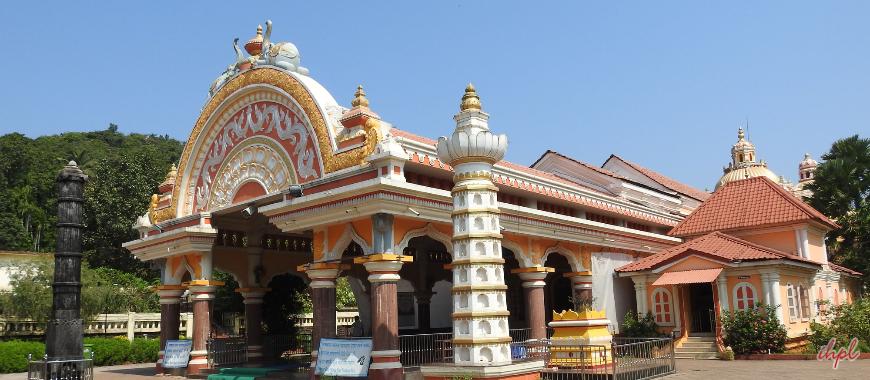
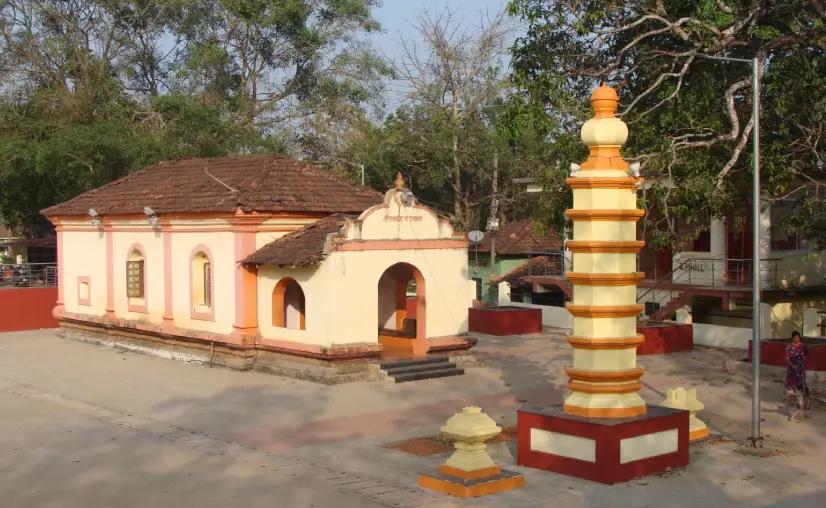
The architecture of the Shree Bhagavati Temple is a stunning blend of traditional Goan temple design and subtle influences from neighboring Maharashtra. As you enter the complex, your eyes are immediately drawn to the Deepstambha (lamp tower), a signature feature of Goan Hindu architecture. This multi-storied octagonal tower is used to hold hundreds of oil lamps during festivals, creating a pillar of light that can be seen from a distance. The tower is intricately carved and reflects the aesthetic sensibilities of the late medieval period.
One of the most striking architectural features of this temple is the presence of two massive stone elephants at the main entrance. Carved from single blocks of dark basalt stone, these elephants are depicted in a standing posture, welcoming devotees with a sense of royal dignity. The main temple structure features a sloping roof, designed to withstand the heavy monsoon rains of the Konkan region. The roof is often covered with red Mangalore tiles, which contrast beautifully with the whitewashed walls. Inside, the Sabhamandapa (assembly hall) is supported by heavy wooden pillars, many of which feature intricate carvings of floral motifs and mythological scenes. The Garbhagriha (sanctum sanctorum) is where the deity resides, and its entrance is often adorned with silver plating or intricate brass work. The use of local laterite stone in the foundation and outer walls provides a sturdy base, while the interior finishes utilize finer materials to create a space of divine elegance. The layout follows the traditional Panchayatana style in spirit, where the main deity is central, surrounded by minor shrines, ensuring a harmonious flow of energy throughout the complex.
Recommended Guide
Best Less Crowded Beaches in South Goa
South Goa is famous for its peaceful beaches, natural beauty, clean coastline, and relaxed atmosphere. While North Goa attracts thousands of tourists every...
Read Guide →
Main Deity / Spiritual Importance
The presiding deity of the temple is Goddess Bhagavati, depicted in a powerful yet benevolent form. The idol is an exquisite example of ancient sculpture, crafted from black stone. The Goddess is Ashtabhuja, meaning she possesses eight arms, each holding a symbolic weapon or object that represents her various powers and attributes. These include the trident (Trishula), the sword (Khadga), and the shield, symbolizing her role as a warrior who destroys ignorance and ego. Despite her formidable weapons, her facial expression is one of "Shanti" (peace) and "Karuna" (compassion), reassuring her devotees of her protection.
Spiritually, the Goddess Bhagavati is considered the supreme primordial energy (Shakti). Devotees believe that praying at this temple helps in overcoming obstacles, gaining mental clarity, and achieving spiritual growth. The temple is also a site for Prasad (divine consultation), where locals seek guidance from the deity on important life decisions through traditional rituals. The spiritual aura of the temple is further enhanced by the daily performance of "Aarti" and the chanting of Vedic hymns. For many Goans, the Goddess is not just a statue in a temple but a living presence that oversees the welfare of the entire Pernem taluka. The energy of the sanctum is said to be particularly potent during the dawn and dusk hours, when the vibrations of the bells and the rhythmic chants create a meditative environment that transcends the physical realm.
Recommended Guide
Top 10 Tips for Renting a Car in Goa (Complete Guide 2026)
Renting a car in Goa sounds like the perfect plan — full freedom, beach hopping, no waiting for taxis, and exploring hidden places at your own pace. But...
Read Guide →
Festivals & Celebrations
The Shree Bhagavati Temple becomes a hub of vibrant energy and cultural spectacle during its various festivals. The most significant of these is the Dussehra festival, which is celebrated with unparalleled fervor in Pernem. Unlike the Dussehra celebrations in other parts of India, the Goan version involves unique local traditions. The "Tarangs" (sacred colorful umbrellas or poles representing the deities) are brought out in a grand procession. Thousands of people from across Goa and the neighboring state of Maharashtra gather to witness the Goddess being carried in a beautifully decorated palanquin (Palkhi). The atmosphere is electric, filled with the sounds of traditional Goan instruments like the Dhol, Tasha, and Cymbals.
Top Goa Experience • Part 2
Highly Recommended Near Shree Bhagavati Temple
Explore All
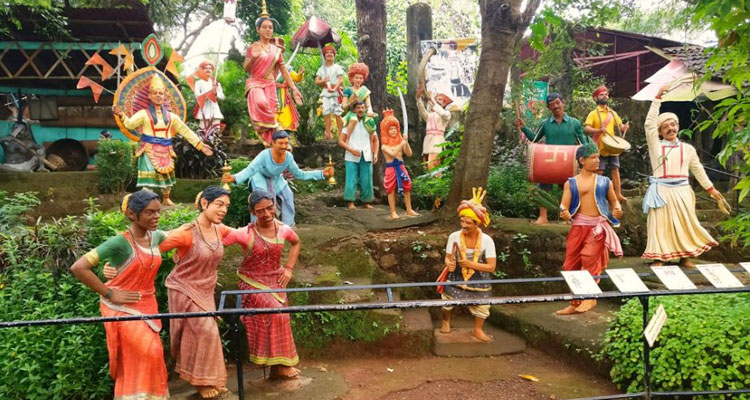
Another major event is the Zatra (annual temple feast). During the Zatra, the entire temple complex is illuminated with thousands of lights, and the Deepstambha is lit, creating a mesmerizing sight. The Zatra features a mix of religious rituals and local entertainment, including "Dashavatara" plays (folk theater depicting the ten incarnations of Lord Vishnu). Shigmo, the Goan version of Holi, is also celebrated here with great enthusiasm. During Shigmo, folk dances like the "Ghode Modni" and "Romtamel" are performed in the temple courtyard, showcasing the rich martial and cultural history of the region. These festivals are not just religious events but are essential for the preservation of Goan folk arts, as they provide a platform for local artists to showcase their skills in music, dance, and drama.
Best Time to Visit
While the temple is open year-round, the best time to visit the Shree Bhagavati Temple is between October and March. During these months, the weather in Goa is pleasant, with cool breezes and moderate temperatures, making it ideal for exploring the temple grounds and the surrounding Pernem countryside. The humidity is significantly lower than in the summer months, allowing for a more comfortable experience.
If you wish to witness the temple in its full glory, plan your visit during the Dussehra festival (usually in October) or during the annual Zatra. However, be prepared for large crowds during these times. For those seeking a quiet, meditative experience, visiting on a weekday during the early morning hours (between 7:00 AM and 9:00 AM) is highly recommended. The monsoon season (June to September) also offers a unique charm; the surrounding landscape turns a lush, vibrant green, and the temple takes on a mystical quality amidst the mist and rain. However, travel can be a bit challenging during heavy downpours, so check the local weather forecast if you choose to visit during the rains.
Timings, Entry Fee & Dress Code
To ensure a respectful and smooth visit, it is important to be aware of the following details:
- Temple Timings: The temple is generally open from 6:00 AM to 1:00 PM and then from 4:00 PM to 8:00 PM. The afternoon closure is a common practice in Goan temples to allow the deity and the priests a period of rest.
- Entry Fee: There is no entry fee to visit the Shree Bhagavati Temple. It is a public place of worship open to everyone regardless of their nationality or religion. However, donations for the maintenance of the temple are always welcome and can be made at the official counter.
- Dress Code: As with most religious sites in India, a conservative dress code is strictly expected. Both men and women should ensure their shoulders and knees are covered. Avoid wearing swimwear, sleeveless tops, or short skirts. For men, trousers or traditional dhotis are preferred, while women typically wear sarees, salwar kameez, or long skirts. It is customary to remove your footwear before entering the temple complex; there are designated areas to store your shoes safely.
How to Reach Shree Bhagavati Temple
Reaching the Shree Bhagavati Temple is relatively easy, as Pernem is well-connected to the rest of Goa. Here are the best ways to get there:
- By Air: The Manohar International Airport (Mopa) is the closest airport, located just about 15-20 minutes away from the temple. This makes the temple an excellent first or last stop for travelers flying into North Goa. The Dabolim Airport is much further away, approximately 60-70 kilometers.
- By Rail: The Pernem Railway Station is the nearest railhead, located about 7 kilometers from the temple. Most trains on the Konkan Railway route stop here. From the station, you can easily hire an auto-rickshaw or a local taxi to reach the temple.
- By Road: Pernem is situated along the National Highway 66 (NH66). If you are staying in popular North Goa beach areas like Calangute, Baga, or Anjuna, the drive will take approximately 45 to 60 minutes. You can rent a scooter, a car, or hire a taxi for the day.
- By Bus: Regular Kadamba Transport Corporation (KTC) buses and private buses run from Panaji and Mapusa to Pernem. Once you reach the Pernem bus stand, the temple is just a short walk or a quick rickshaw ride away.
Things to Do
A visit to the Shree Bhagavati Temple offers more than just a religious experience. Here are some things you can do to make your visit more meaningful:
- Observe the Rituals: Participate in or observe the morning or evening Aarti. The synchronized ringing of bells and the chanting of prayers create a powerful spiritual resonance.
- Architectural Photography: Capture the stunning details of the Deepstambha and the life-sized stone elephants. The contrast of the white temple walls against the blue sky is a photographer’s delight (ensure you follow the photography guidelines).
- Explore the Complex: Walk around the temple courtyard and visit the smaller shrines dedicated to other deities. Notice the intricate woodwork on the ceilings and pillars.
- Interact with Locals: Spend some time talking to the temple priests or local devotees. They often have fascinating stories about the temple’s history and the miracles associated with the Goddess.
- Meditation: Find a quiet corner in the Sabhamandapa and sit in silence for a few minutes. The peaceful atmosphere is perfect for self-reflection and meditation.
- Village Walk: After visiting the temple, take a stroll through the narrow lanes of Pernem village. You will see traditional Goan houses with large porches and colorful facades, offering a glimpse into the local lifestyle.
Nearby Attractions
Pernem is a gateway to several other interesting sites in North Goa. You can easily combine your visit to the temple with these nearby attractions:
- Alorna Fort: Located about 10 kilometers from Pernem, this is one of the oldest forts in Goa. It offers a commanding view of the Chapora River and is a great spot for history buffs.
- Arambol Beach: Known for its bohemian vibe and fresh water lake, Arambol is about a 20-minute drive from the temple. It’s a great place to relax after your spiritual tour.
- Morjim Beach: Famous as the nesting site for Olive Ridley sea turtles, Morjim is a serene beach perfect for sunset views and bird watching.
- Querim (Keri) Beach: The northernmost beach of Goa, Querim is quiet, pristine, and lined with pine trees instead of the usual palms.
- Shree Sapteshwar Bhagavati Temple: Another important temple in the vicinity, often visited along with the main Bhagavati temple to complete the local pilgrimage circuit.
- Pernem Market: Experience the local commerce by visiting the weekly market where you can buy fresh spices, local produce, and traditional Goan sweets like Bebinca and Dodol.
Photography & Visitor Guidelines
To ensure that the sanctity of the temple is maintained and that you have a pleasant visit, please adhere to the following guidelines:
- Photography: While photography is usually allowed in the outer courtyard and of the temple’s exterior, it is strictly prohibited inside the Garbhagriha (inner sanctum). Always look for signs or ask the temple authorities before taking photos of the deities.
- Silence: Maintain a low volume when speaking. The temple is a place of prayer and meditation, and loud noises can be disruptive to other devotees.
- Mobile Phones: Keep your mobile phones on silent mode or switched off while inside the main hall.
- Respecting Rituals: If a ritual or ceremony is in progress, do not stand in the way of the priests or the devotees. Observe from a respectful distance.
- Cleanliness: Do not litter within the temple premises. Use the provided bins for any waste.
- Offerings: If you wish to make an offering, you can buy flowers or oil lamps from the vendors outside. Ensure that the offerings are handled with clean hands.
Where to Eat Nearby
Pernem offers a variety of dining options that cater to different tastes, ranging from traditional Goan thalis to modern cafes:
- Local Eateries in Pernem Town: There are several small "Khanavals" (local eateries) near the Pernem bus stand that serve authentic Goan Hindu Fish Thalis or vegetarian meals. These are usually very affordable and offer a true taste of local flavors.
- Garden Restaurants: Along the highway and the road leading to the beaches, you will find garden restaurants that serve a mix of North Indian, Chinese, and Goan cuisines.
- Beach Shacks in Arambol/Morjim: If you are heading towards the coast after your visit, the shacks at Arambol and Morjim offer everything from fresh seafood to international vegan dishes.
- Cafes: With the opening of the Mopa airport, several new cafes have cropped up in the Pernem area, offering good coffee, snacks, and a comfortable place to rest.
Accommodation Nearby
Since Pernem is close to the popular beach belt, you have a wide range of accommodation options:
- Boutique Resorts: There are several high-end boutique resorts in the Morjim and Ashwem areas, offering luxury amenities and beach access, located about 10-15 kilometers away.
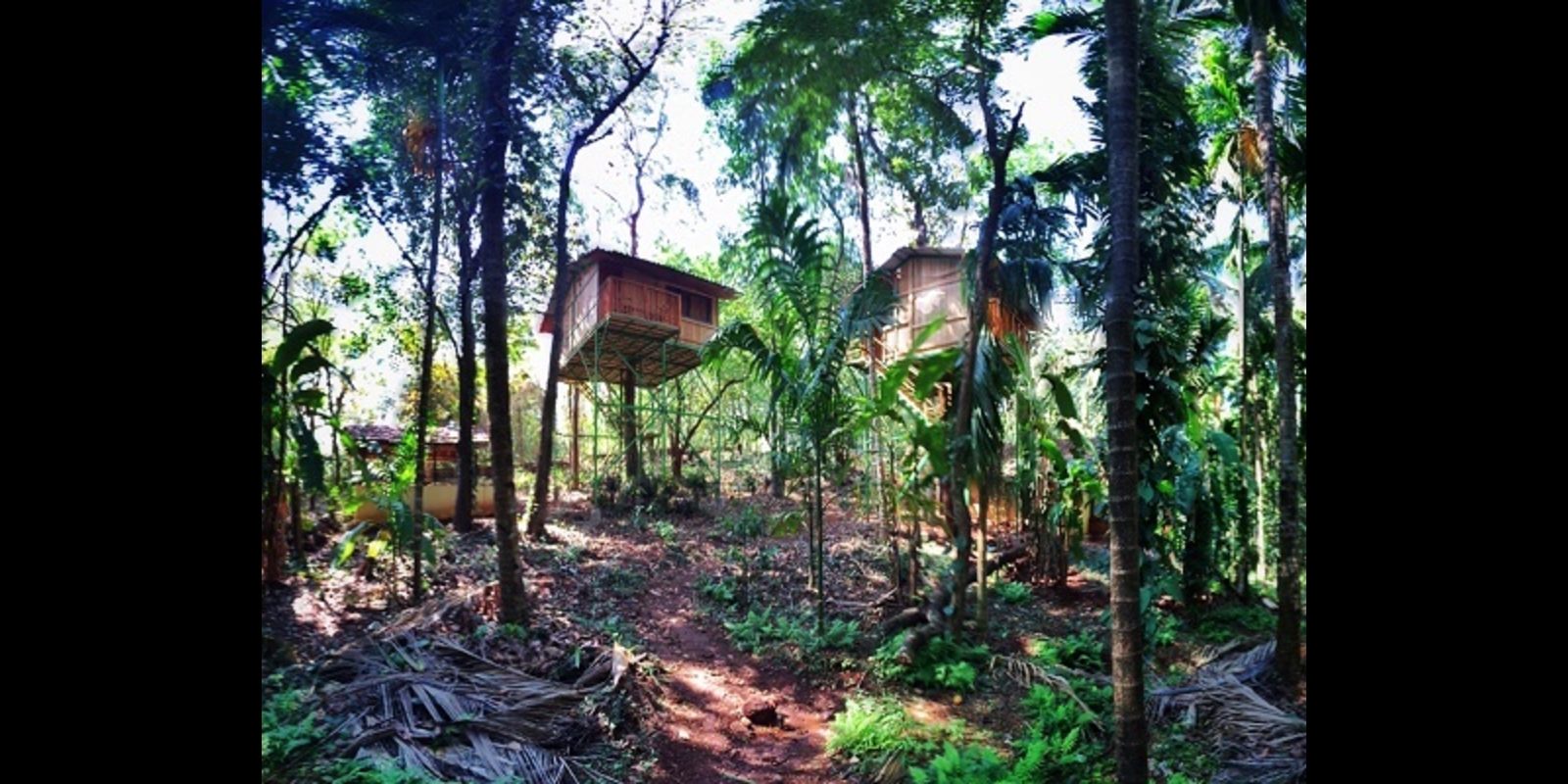
- Eco-Stays and Guesthouses: For a more authentic experience, look for eco-stays or traditional Goan guesthouses in the Pernem countryside. These offer a peaceful environment away from the tourist crowds.
- Budget Hotels: Pernem town itself has a few budget hotels and lodges that are convenient if you need to stay close to the railway station or the temple.
- Yoga Retreats: The Arambol and Mandrem areas are famous for their yoga and wellness retreats, which provide a perfect extension to your spiritual journey.
Travel Tips
To make the most of your trip to the Shree Bhagavati Temple, keep these travel tips in mind:
- Hydration: Carry a bottle of water, especially if you are visiting during the day, as it can get quite warm.
- Footwear: Wear easy-to-remove footwear like sandals or flip-flops, as you will need to take them off before entering the temple.
- Local Language: While English and Hindi are widely understood, knowing a few words of Konkani (the local language) like "Dev Baren Karu" (Thank you/May God do good) will be greatly appreciated by the locals.
- Cash: While digital payments are becoming common, it is always a good idea to carry some cash for small purchases, donations, or rickshaw fares.
- Respect Local Customs: Be mindful of local traditions. If you see a sign or are told something by a priest, follow it respectfully.
- Combine Trips: Since the temple is in North Goa, plan to visit other inland attractions like the Savoi Spice Plantation or Sahakari Spice Farm on the same day to experience the agricultural side of Goa.
Conclusion
The Shree Bhagavati Temple in Pernem is more than just a historical monument; it is a living, breathing sanctuary of faith that has stood the test of time. It offers a profound sense of peace and a deep connection to the spiritual roots of Goa. Whether you are a devout pilgrim, a history enthusiast, or a traveler looking to explore the hidden gems of North Goa, this temple provides an enriching experience that stays with you long after you leave its gates. The sight of the majestic stone elephants, the towering Deepstambha, and the serene face of Goddess Bhagavati creates a tapestry of memories that define the true essence of Goan heritage. As you walk out of the temple complex, the sense of tranquility you carry with you is a testament to the enduring power and grace of this ancient site. Make sure to include this spiritual landmark in your Goan itinerary to discover a side of the state that is as beautiful as its beaches, yet infinitely more profound.