Overview of Sunni Noorani Masjid
Nestled in the serene and verdant landscapes of Goa, the Sunni Noorani Masjid stands as a profound symbol of faith, peace, and the harmonious multicultural fabric of India’s smallest state. While Goa is globally renowned for its sun-kissed beaches, vibrant nightlife, and majestic Portuguese-era churches, its Islamic heritage is a deeply rooted and equally fascinating aspect of its cultural identity. The Sunni Noorani Masjid, located in the heart of the Sattari taluka—specifically within the bustling yet traditional town of Valpoi—serves as a spiritual anchor for the local Muslim community and an architectural gem for travelers seeking the "offbeat" side of Goa.
The name "Noorani" translates to "luminous" or "filled with light," a fitting descriptor for a sanctuary that provides spiritual enlightenment to hundreds of devotees daily. Unlike the grand, sprawling mosques found in northern India, the Sunni Noorani Masjid in Goa reflects a unique regional charm. It is a place where the rhythmic call to prayer, the Adhan, echoes against the backdrop of the Western Ghats, creating a meditative atmosphere that transcends religious boundaries. This mosque is not merely a place of worship; it is a community hub where local traditions meet Islamic tenets, fostering a sense of brotherhood and tranquility.
Visitors to the Sunni Noorani Masjid are often struck by the stark contrast it presents to the coastal tourist hubs of Baga or Calangute. Here, the air is thick with the scent of tropical rain and damp earth, and the pace of life slows down significantly. The masjid is surrounded by lush coconut groves and cashew plantations, typical of the Goan hinterlands. For the discerning traveler, a visit here offers a glimpse into the syncretic culture of Goa, where different faiths have coexisted for centuries, influencing each other’s customs, culinary habits, and even architectural nuances.
History & Religious Significance
The history of the Sunni Noorani Masjid is inextricably linked to the broader history of Islam in Goa. While many associate Goa’s religious history primarily with the arrival of the Portuguese in 1510, Islamic influence in the region dates back much further. From the 14th to the early 16th century, Goa was under the rule of the Bahmani Sultanate and later the Bijapur Sultanate under Yusuf Adil Shah. During this era, many mosques were constructed, and a thriving Muslim community established itself in the coastal and inland regions.
The Sunni Noorani Masjid, though a more contemporary structure compared to the ancient Safa Shahouri Masjid in Ponda, carries forward this historical legacy. It represents the resilience and continuity of the Sunni Muslim community in the Sattari region. Historically, Valpoi and the surrounding areas served as important outposts for the Adil Shahi rulers, and the local population has preserved these ancestral ties through their religious practices. The mosque serves the Sunni sect, which follows the traditional path of the Prophet Muhammad, emphasizing communal harmony and the rigorous pursuit of spiritual knowledge.
The religious significance of this masjid lies in its role as a center for Islamic learning and social welfare. For the locals, it is the heart of their social fabric. It is here that children receive their initial religious education (Madrasa), where elders gather to discuss community affairs, and where the poor find refuge and assistance. The mosque is dedicated to the oneness of Allah and serves as a reminder of the transitory nature of the material world. In the context of Goa’s history, the Sunni Noorani Masjid stands as a testament to the fact that despite the various colonial upheavals, the Islamic faith remained a vibrant and integral part of the Goan identity.
Architecture of Sunni Noorani Masjid
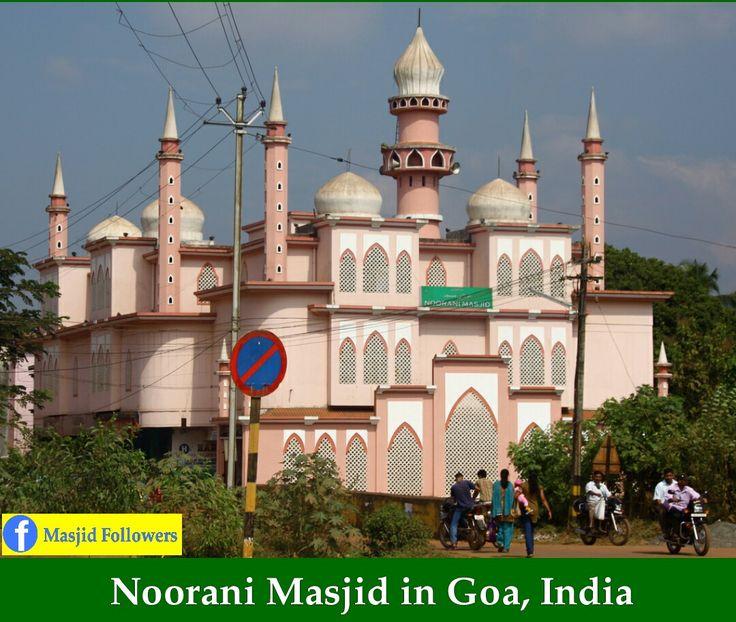
The architecture of the Sunni Noorani Masjid is a captivating blend of traditional Islamic motifs and local Goan structural sensibilities. Upon approaching the mosque, the most striking feature is its tall, slender minarets that pierce the sky. These minarets, adorned with crescent moons at their peaks, serve the functional purpose of broadcasting the call to prayer while acting as a visual landmark for the town of Valpoi. The use of white and pastel shades on the exterior reflects the "Noor" or light that the mosque is named after, giving it a clean, ethereal appearance.
The mosque features a prominent central dome, a classic element of Islamic architecture representing the vault of heaven. What makes the architecture specifically "Goan" is the integration of elements suited for the tropical climate. You will notice sloping roofs in certain sections of the complex, designed to channel the heavy monsoon rains typical of the Western Ghats region. The windows are often large and strategically placed to allow for cross-ventilation, ensuring that the interior remains cool even during the humid summer months.
Inside the main prayer hall, or the Musalla, the design is characterized by elegant simplicity. Islamic tradition prohibits the use of figurative images, so the aesthetic focus shifts to calligraphy and geometric patterns. The walls are often adorned with verses from the Holy Quran, rendered in beautiful Arabic script. The Mihrab (a niche in the wall indicating the direction of Mecca) is the focal point of the hall, often intricately carved or tiled. The floor is covered with soft carpets, arranged in rows to guide the faithful during congregational prayers. The use of high ceilings and open arches creates a sense of vastness, encouraging a feeling of humility and focus during worship.
Main Deity / Spiritual Importance
In accordance with the fundamental tenets of Islam, the Sunni Noorani Masjid does not house a "deity" in the form of an idol or statue. Instead, the spiritual focus is entirely on Allah (God), the singular, omnipotent, and merciful creator. The mosque is a dedicated space for Salah (prayer), which is one of the Five Pillars of Islam. The spiritual importance of this site is rooted in the concept of Tawhid, the oneness of God, and the mosque serves as a physical space where believers can achieve a direct connection with the Divine without any intermediaries.
The spiritual atmosphere is further enhanced by the presence of the Imam, the religious leader who guides the congregation in prayer and delivers the Khutbah (sermon) on Fridays. The sermons often touch upon themes of morality, charity, patience, and the importance of living a life of integrity. For the devotees, the masjid is a sanctuary from the stresses of daily life—a place for Dhikr (remembrance of God) and Dua (supplication). The silence within the walls of the Sunni Noorani Masjid, broken only by the melodic recitation of the Quran, provides a profound sense of "Sakina" or divine tranquility.
Furthermore, the mosque holds spiritual importance as a place of equality. Regardless of their social or economic standing, all worshippers stand shoulder to shoulder in the prayer rows, symbolizing the brotherhood of mankind. This spiritual egalitarianism is a core message of the Sunni Noorani Masjid, making it a beacon of social cohesion in the diverse landscape of Goa.
Festivals & Celebrations
The Sunni Noorani Masjid becomes a hub of intense activity and spiritual fervor during Islamic festivals. The two most significant celebrations are Eid-ul-Fitr and Eid-ul-Adha. Eid-ul-Fitr, marking the end of the holy month of Ramadan, is celebrated with great joy. The mosque is packed with worshippers dressed in their finest traditional attire—men in crisp white kurtas and skullcaps, and children in vibrant new clothes. After the special Eid prayers, the atmosphere is one of communal celebration, with people embracing each other and exchanging "Eid Mubarak" greetings.
During the month of Ramadan, the mosque is the center of spiritual life. Every evening, the community gathers for Iftar, the breaking of the fast. Dates, fruits, and local Goan snacks like Samosas and Pakoras are shared among everyone, including travelers and visitors. The late-night Taraweeh prayers during Ramadan are a soul-stirring experience, as the entire Quran is recited over the course of the month. The mosque is beautifully illuminated with fairy lights, creating a magical sight against the dark Goan nights.
Another important occasion is Milad-un-Nabi, the birth anniversary of Prophet Muhammad. This day is often marked by processions, religious discourses, and the distribution of sweets. In Valpoi, these festivals often take on a local flavor, with the entire town—including neighbors from Hindu and Christian communities—participating in the spirit of the celebration. The mosque also observes Muharram with solemnity and reflection, honoring the sacrifices made by the family of the Prophet.
Best Time to Visit
To experience the Sunni Noorani Masjid and the surrounding beauty of Sattari at its best, the winter months from November to February are ideal. During this period, the weather in Goa is pleasant, with clear blue skies and cool breezes, making it comfortable for sightseeing and exploration. The humidity is at its lowest, and the lush greenery of the Western Ghats is still vibrant after the monsoon season.
However, for those who wish to experience the mosque in its most spiritually vibrant state, visiting during the Holy Month of Ramadan is highly recommended. The atmosphere is electric with devotion, and the evening Iftar gatherings offer a unique opportunity to witness the hospitality of the local community. Be mindful that the dates of Ramadan shift every year according to the lunar calendar, so it is essential to check the Islamic calendar before planning your trip.
The monsoon season (June to September) offers a different kind of charm. While the heavy rains might make travel a bit challenging, the landscape around Valpoi turns into a tropical paradise with mist-covered hills and roaring waterfalls nearby. If you enjoy the rain and want to see the "Green Goa," this is a beautiful time to visit, though you should be prepared for high humidity and occasional downpours. Avoid visiting during the peak of summer (April and May) as the heat can be quite intense, especially during the middle of the day.
Timings, Entry Fee & Dress Code
The Sunni Noorani Masjid, like most mosques, follows the schedule of the five daily prayers. While the mosque is generally open from dawn to late evening, it is best to visit during non-prayer times if you wish to explore the architecture and speak with the locals. The general timings are from 5:00 AM to 9:00 PM. However, avoid visiting during the Friday afternoon prayers (Jumu'ah) between 12:30 PM and 2:00 PM, as the mosque is extremely crowded with worshippers, and entry for tourists may be restricted to maintain the sanctity of the service.
Entry Fee: There is no entry fee to visit the Sunni Noorani Masjid. It is a house of worship open to all who come with respect and a peaceful intent. Donations (Sadaqah) are welcome but entirely voluntary and are usually used for the maintenance of the mosque and community welfare programs.
Dress Code: As this is a sacred religious site, a modest dress code is strictly enforced for both men and women.
- Men: Should wear trousers or long pants that cover the knees. Sleeveless shirts or tank tops should be avoided; a shirt or T-shirt with sleeves is appropriate.
- Women: Should wear loose-fitting clothing that covers the arms and legs. A headscarf (hijab or dupatta) is mandatory to cover the hair inside the mosque premises.
- Footwear: All visitors must remove their shoes before entering the main prayer hall. There are usually designated racks or areas near the entrance for footwear.
How to Reach Sunni Noorani Masjid
The Sunni Noorani Masjid is located in Valpoi, which is the headquarters of the Sattari taluka in North Goa. While it is tucked away from the main coastal belt, it is well-connected by road.
By Air: The nearest airport is the Manohar International Airport (Mopa), which is approximately 50-60 km away. Alternatively, Dabolim Airport is about 65-70 km away. From either airport, you can hire a pre-paid taxi or use a ride-sharing app to reach Valpoi. The drive takes about 1.5 to 2 hours through scenic winding roads.
By Rail: The closest major railway station is Thivim, located about 35 km from Valpoi. Karmali Railway Station (near Old Goa) is also a viable option, roughly 40 km away. From these stations, local buses frequently ply to Valpoi, or you can opt for a taxi or a motorcycle pilot (Goa’s unique bike taxi service).
By Road: Valpoi is well-connected to major Goan cities like Panaji (approx. 45 km) and Mapusa (approx. 40 km).
- From Panaji: Follow the route via Ponda or through the interior roads passing through Banastari and Amona. The drive is beautiful, crossing several bridges over Goan rivers.
- By Bus: State-run Kadamba buses and private buses run regularly from the Panaji KTC bus stand and Mapusa bus stand to Valpoi. The bus journey is affordable and gives you a chance to interact with the locals.
Things to Do
A visit to the Sunni Noorani Masjid can be a multi-faceted experience. Here are some things you can do:
- Spiritual Reflection: Spend some time in silence inside the prayer hall. The peaceful ambiance is perfect for meditation and introspection, regardless of your personal faith.
- Observe the Architecture: Take a closer look at the intricate calligraphy and the geometric designs that decorate the Mihrab and the ceilings. Notice how the local Goan climate has influenced the mosque’s design.
- Interact with the Community: The locals in Valpoi are known for their warmth. If you happen to meet the Imam or the mosque caretakers, they are often happy to share stories about the mosque’s history and the local culture.
- Witness the Adhan: Try to be near the mosque during one of the five prayer times to hear the soulful call to prayer. The evening Adhan (Maghrib), coinciding with the sunset, is particularly moving.
- Explore Valpoi Market: After your visit, take a walk through the Valpoi market. It is a traditional Goan market where you can find fresh local produce, spices, and traditional Goan sweets.
- Photography: Capture the stunning exterior and the minarets against the backdrop of the lush green hills. (Ensure you follow the guidelines mentioned below).
Nearby Attractions
Valpoi is the gateway to the Western Ghats and the Mhadei Wildlife Sanctuary, making it a perfect base for nature lovers.
- Bondla Wildlife Sanctuary: Located about 20 km from Valpoi, this is a great spot for families. It features a mini zoo, a deer park, and beautiful botanical gardens.
- Harvalem Waterfalls & Caves: Situated in Sanquelim (about 15 km away), these ancient 6th-century rock-cut caves and the adjacent waterfall are steeped in history and natural beauty.
- Tambdi Surla Temple: For a deeper dive into Goa’s heritage, visit this 12th-century Shaivite temple located in the dense forest of the Bhagwan Mahavir Wildlife Sanctuary. It is the oldest temple in Goa and features exquisite Kadamba-Yadava architecture.
- Hivre Waterfalls: For the adventurous, a trek to the Hivre waterfalls near Valpoi offers a raw and untouched experience of Goa’s tropical jungles.
- Safa Shahouri Masjid: If you are interested in Islamic history, a visit to this 16th-century mosque in Ponda is a must. It is one of the oldest surviving mosques in Goa and features a beautiful masonry tank.
Photography & Visitor Guidelines
To ensure a respectful visit to the Sunni Noorani Masjid, please adhere to the following guidelines:
- Seek Permission: Always ask for permission from the mosque authorities or the Imam before taking photographs of the interior. Photography during active prayer sessions is strictly prohibited.
- Maintain Silence: The mosque is a place of deep spiritual concentration. Keep your voice low and ensure your mobile phone is on silent mode.
- Respect Personal Space: Avoid walking in front of someone who is praying. In Islam, the space directly in front of a person in prayer is considered private.
- No Public Displays of Affection: Respect the conservative nature of the religious site and avoid any PDA within or around the mosque premises.
- Cleanliness: Maintain the cleanliness of the mosque. If you have any trash, please use the bins provided or take it back with you.
- Gender Segregation: Be aware that many mosques have separate sections for men and women. Follow the signs or ask a local if you are unsure where to go.
Where to Eat Nearby
Valpoi offers a taste of authentic, non-touristy Goan cuisine. While you won't find high-end fine dining here, the local eateries provide delicious and hearty meals.
- Local Muslim Eateries: Near the mosque, you will find small restaurants serving delicious Beef or Mutton Biryani, which is a staple for the local community. The Goan version of Biryani is often less spicy but rich in aroma.
- Goan Thalis: Several small "Khanavals" (eateries) in Valpoi serve traditional Goan fish thalis. These include rice, fish curry, fried fish, and local vegetable preparations.
- Samosas and Chai: The tea stalls around the Valpoi bus stand are famous for their spicy samosas and hot Irani-style tea, perfect for a quick snack.
- Hotel Satkar: A popular spot in Valpoi known for its clean environment and variety of vegetarian and non-vegetarian Indian dishes.
- Street Food: In the evenings, look out for carts selling Ros Omelette—a Goan specialty consisting of an omelette served with spicy chicken or chickpea gravy and local bread (Pao).
Accommodation Nearby
Since Valpoi is in the hinterlands, accommodation options are more rustic and nature-oriented compared to the coastal areas.
- Eco-Resorts: There are several eco-resorts and jungle lodges located on the outskirts of Valpoi, such as the Wildernest Nature Resort or Swapnagandha Resort. These offer stunning views of the Vazra Sakla waterfalls and the Chorla Ghats.
- Homestays: For a more personal experience, look for local homestays in Sattari. This is a great way to experience Goan hospitality and enjoy home-cooked meals.
- Government Guest Houses: The Goa Tourism Development Corporation (GTDC) has a residency in nearby Sanquelim or Mayem Lake, which provides basic and affordable lodging.
- Ponda Hotels: If you prefer more conventional hotels, the town of Ponda (about 25 km away) has several mid-range hotels and is a central point for visiting both mosques and temples.
Travel Tips
To make the most of your trip to the Sunni Noorani Masjid and the Sattari region, keep these tips in mind:
- Language: While Konkani is the local language, most people in Valpoi understand and speak Hindi and basic English. A few words of Konkani like "Dev barem koru" (Thank you) will go a long way in building rapport.
- Transport: Renting a car or a scooter is the best way to explore the interior regions of Goa. However, be cautious while driving in the ghats, especially during the monsoons.
- Hydration: The humidity can be draining. Always carry a reusable water bottle and stay hydrated.
- Cash is King: While digital payments are catching on, many small shops and eateries in Valpoi still prefer cash. Ensure you have enough change on hand.
- Respect Local Customs: Sattari is a traditional region. Being respectful of local customs, whether in a mosque, a temple, or a village home, will ensure you have a warm and welcoming experience.
- Connectivity: Mobile network can be spotty in the deeper parts of the wildlife sanctuaries nearby, but it is generally good in Valpoi town.
Conclusion
The Sunni Noorani Masjid is more than just a religious landmark; it is a testament to the enduring spirit of faith and the rich, multi-layered history of Goa. In a state often defined by its colonial past, this mosque serves as a vital reminder of the Islamic heritage that has shaped the culture, architecture, and community life of the Goan hinterlands. Whether you are a spiritual seeker looking for a quiet place of reflection, an architecture enthusiast admiring the blend of styles, or a traveler eager to explore the authentic soul of Valpoi, the masjid offers a profound and enriching experience.
Visiting this "Luminous Mosque" allows you to see a side of Goa that many tourists miss—a side that is quiet, deeply traditional, and harmoniously integrated with the natural beauty of the Western Ghats. As the sun sets over the minarets and the call to prayer blends with the rustle of the surrounding coconut palms, you realize that the true magic of Goa lies in its diversity and its ability to offer peace to everyone who seeks it. A journey to the Sunni Noorani Masjid is not just a travel itinerary item; it is an invitation to witness the living history and the serene spirituality of the Goan Muslim community.