Overview of St. Jerome church
Nestled in the heart of the bustling commercial hub of Mapusa in North Goa, the
St. Jerome Church stands as a magnificent sentinel of faith, history, and architectural grandeur. Known locally as the
Igreja de São Jerónimo, this sacred structure is more than just a place of worship; it is a living testament to Goa’s complex colonial past and its vibrant, syncretic present. While Mapusa is often recognized for its sprawling Friday Market and rhythmic chaos, the St. Jerome Church offers a serene sanctuary where the spiritual pulse of the town beats most strongly.
The church is uniquely famous not just for its patron, St. Jerome, but also for its profound association with
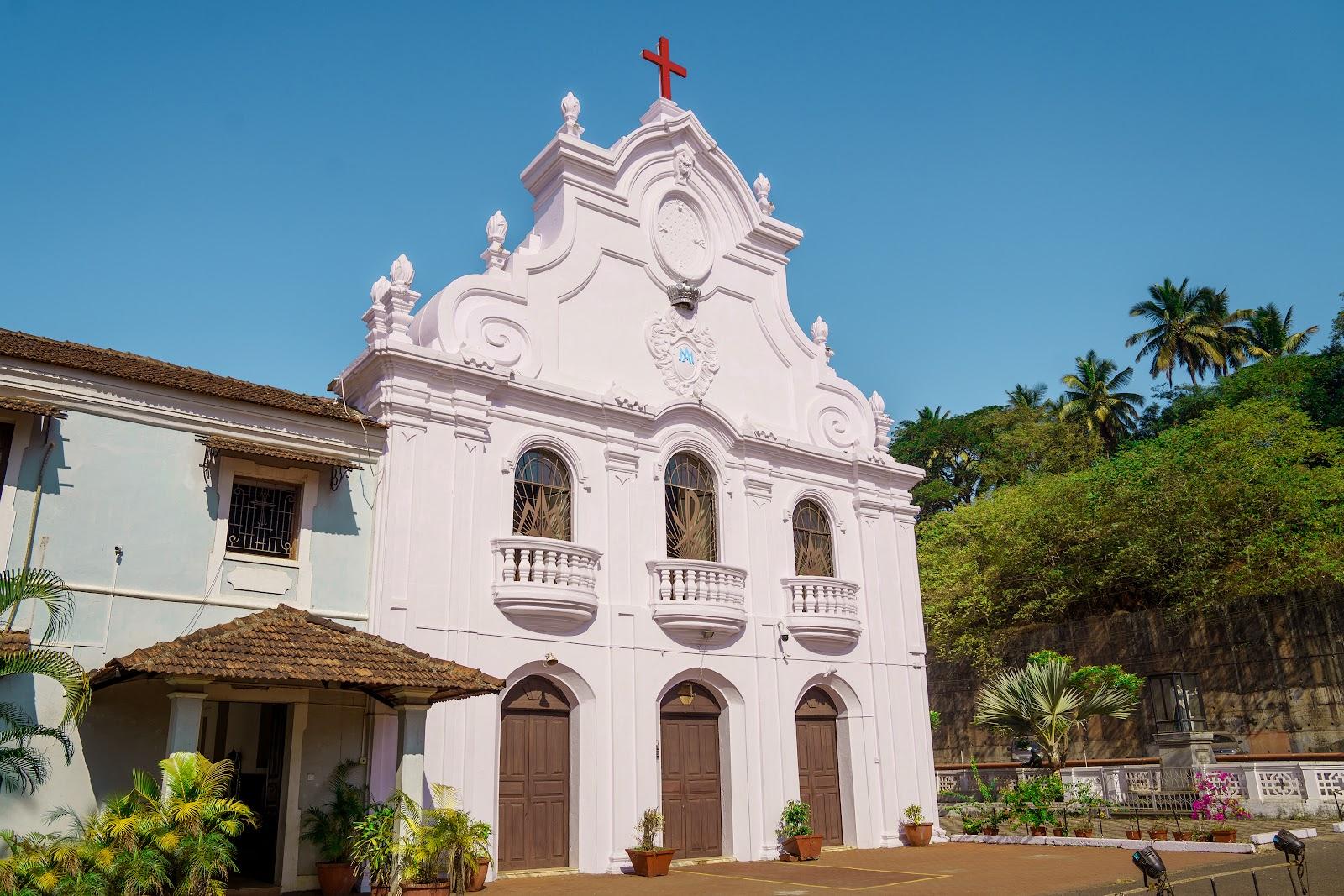
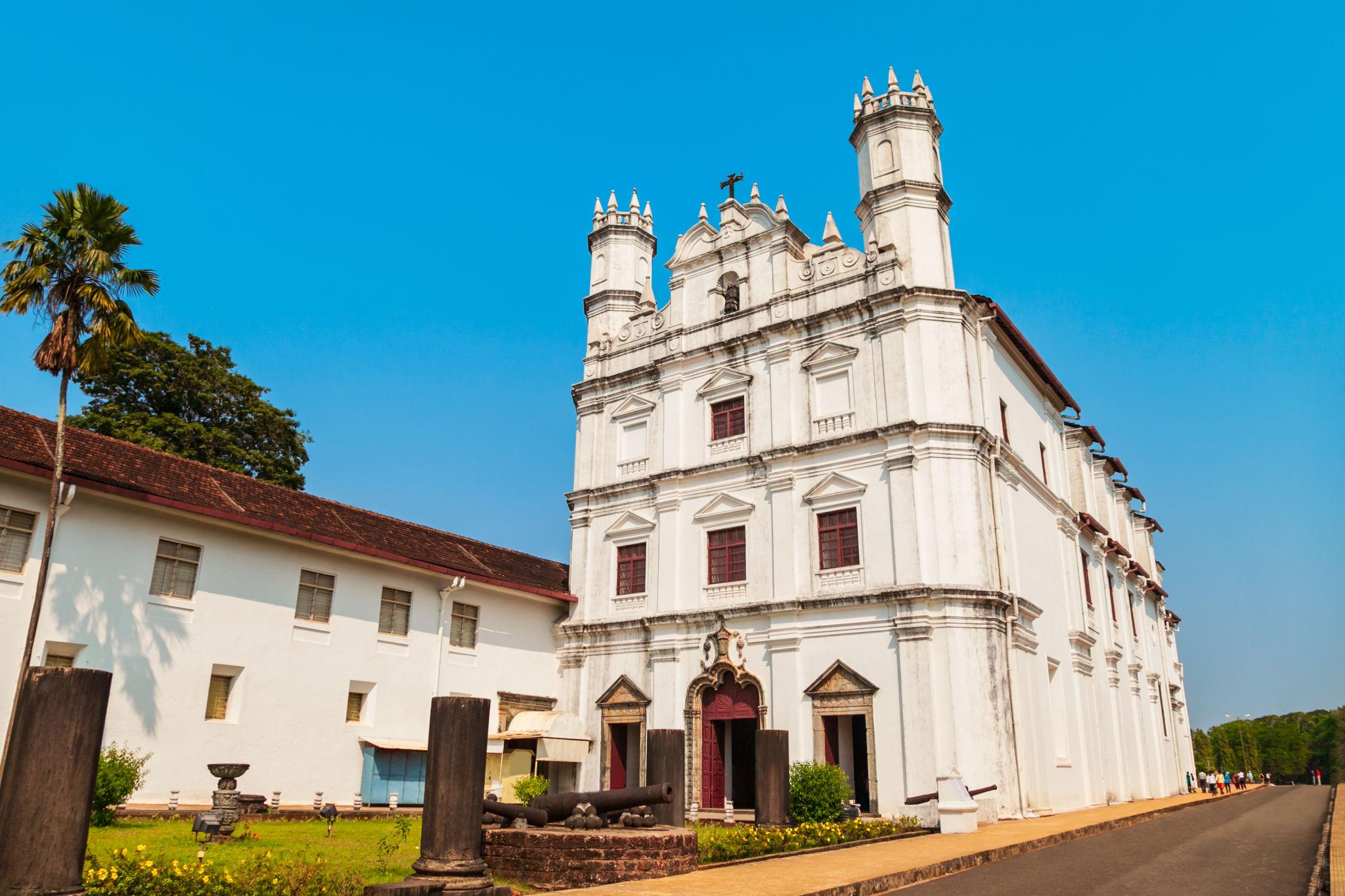
Our Lady of Miracles (Milagres Saibinn). This dual identity makes it one of the most visited religious sites in North Goa, drawing thousands of devotees from various faiths. As you approach the church, the striking white facade rises against the azure Goan sky, framed by swaying palms and the energetic streets of Mapusa. It serves as the spiritual anchor for the Bardez taluka, embodying the deep-rooted Catholic traditions that the Portuguese introduced to the region in the 16th century.
For the traveler, a visit to St. Jerome Church is an immersion into the soul of "Old Goa" aesthetics transplanted into a modern urban setting. It is a place where the scent of incense mingles with the salty breeze, and where the echoes of Latin chants seem to linger in the ornate rafters. Whether you are a history buff, an architecture enthusiast, or a spiritual seeker, the St. Jerome Church provides a multi-layered experience that captures the essence of Goan identity—a blend of European influence and indigenous devotion.
History & Religious Significance
The history of St. Jerome Church is a fascinating chronicle of transformation, resilience, and cultural synthesis. The original structure was established by the
Franciscan missionaries in 1594. During this era, the Portuguese were aggressively expanding their religious footprint in the "Novas Conquistas" (New Conquests) and "Velhas Conquistas" (Old Conquests) of Goa. The site where the church stands is steeped in historical intrigue; many historians and local oral traditions suggest that the church was built upon the ruins of an ancient Hindu temple dedicated to
Goddess Shantadurga. This transition from a Hindu site of worship to a Christian one is a recurring theme in Goan history, reflecting the socio-religious shifts of the 16th century.
The church has faced numerous trials over the centuries. In 1838, a devastating fire broke out, causing significant damage to the structure and its priceless artifacts. However, the community’s devotion was unshakable, and the church was painstakingly rebuilt and renovated, with major reconstructions occurring in 1839 and again in the early 20th century. Each renovation added layers to its architectural and spiritual character.
The religious significance of the church is twofold. Firstly, it is dedicated to
St. Jerome, the 4th-century scholar and priest who is best known for translating the Bible into Latin (the Vulgate). His intellectual rigor and ascetic life are celebrated here. However, the church’s most profound religious impact comes from its association with
Our Lady of Miracles. The statue of the Virgin Mary housed here is believed to possess miraculous healing powers.
What makes this church globally unique is its role in
communal harmony. There is a deep-seated belief that Our Lady of Miracles is one of seven sisters, with the other six being Hindu goddesses (including Goddess Lairai of Shirgao and Goddess Shantadurga). This belief fosters a beautiful bond between the Hindu and Christian communities of Mapusa. During the feast day, it is common to see Hindu devotees offering oil to the Virgin Mary, a tradition that has survived centuries of political and social change. This shared sacred space represents the true "Goenkarponn" (Goanness)—a spirit of mutual respect and shared divinity.
Architecture of St. Jerome church
The architecture of St. Jerome Church is a quintessential example of the
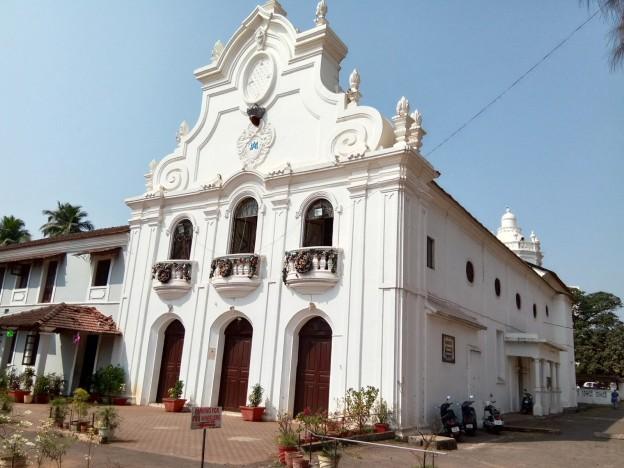
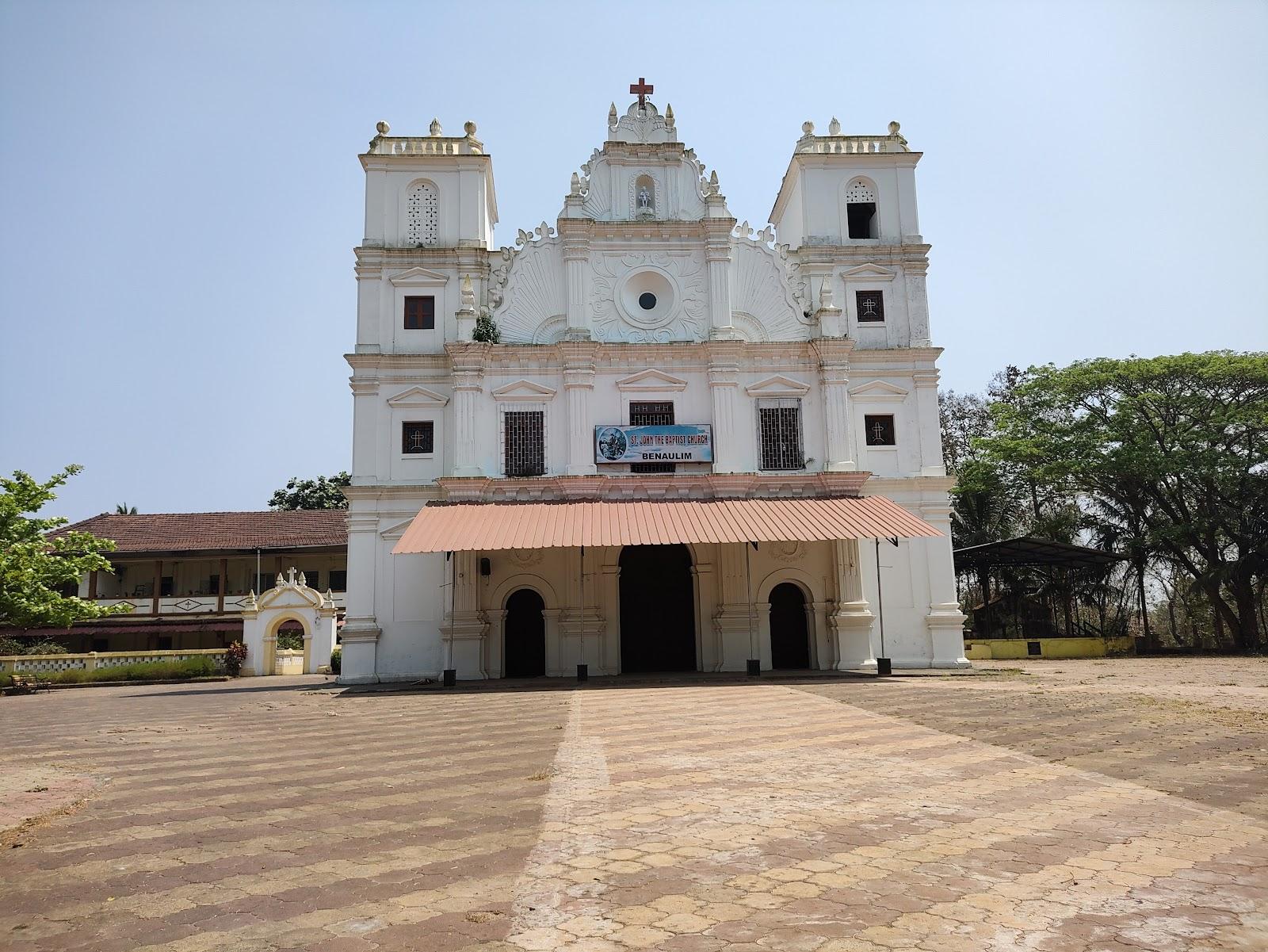
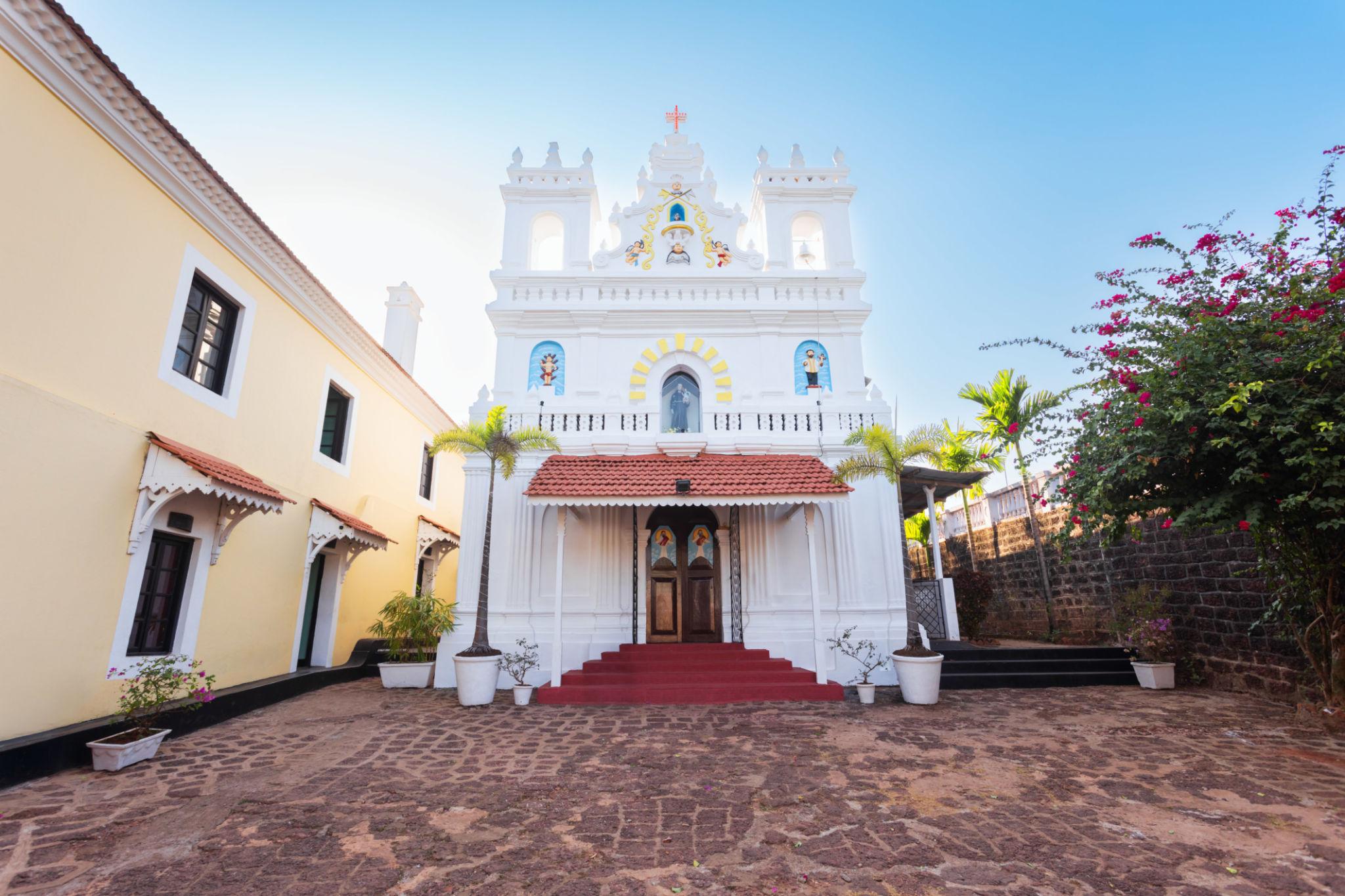
Neo-Roman style, which dominated Goan ecclesiastical design during the later Portuguese period. While it lacks the sheer scale of the cathedrals in Old Goa, it compensates with its elegant proportions and intricate interior details. The exterior is characterized by a clean, white-washed facade that gleams under the sun. The frontispiece is divided into three vertical sections, featuring a central doorway flanked by niches and decorative pilasters.
One of the most striking features of the exterior is the
bell tower, which houses a massive bell that can be heard across the Mapusa valley. The gables are adorned with scrolls and finials, giving the building a sense of upward movement toward the heavens. As you step through the heavy wooden doors, the transition from the humid Mapusa heat to the cool, dimly lit interior is instantaneous and awe-inspiring.
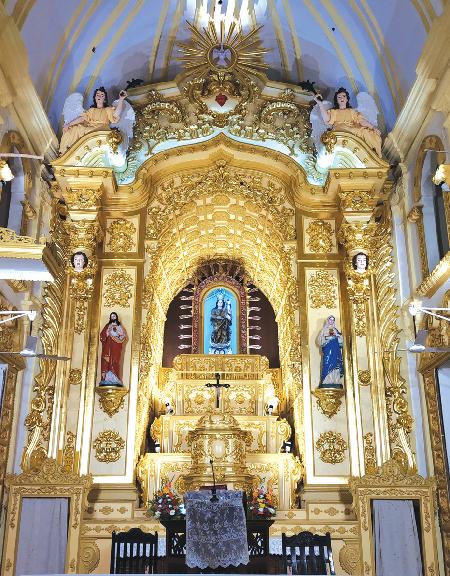
The interior follows a single-nave layout, typical of Franciscan churches in Goa. The ceiling is a magnificent vault that draws the eye toward the
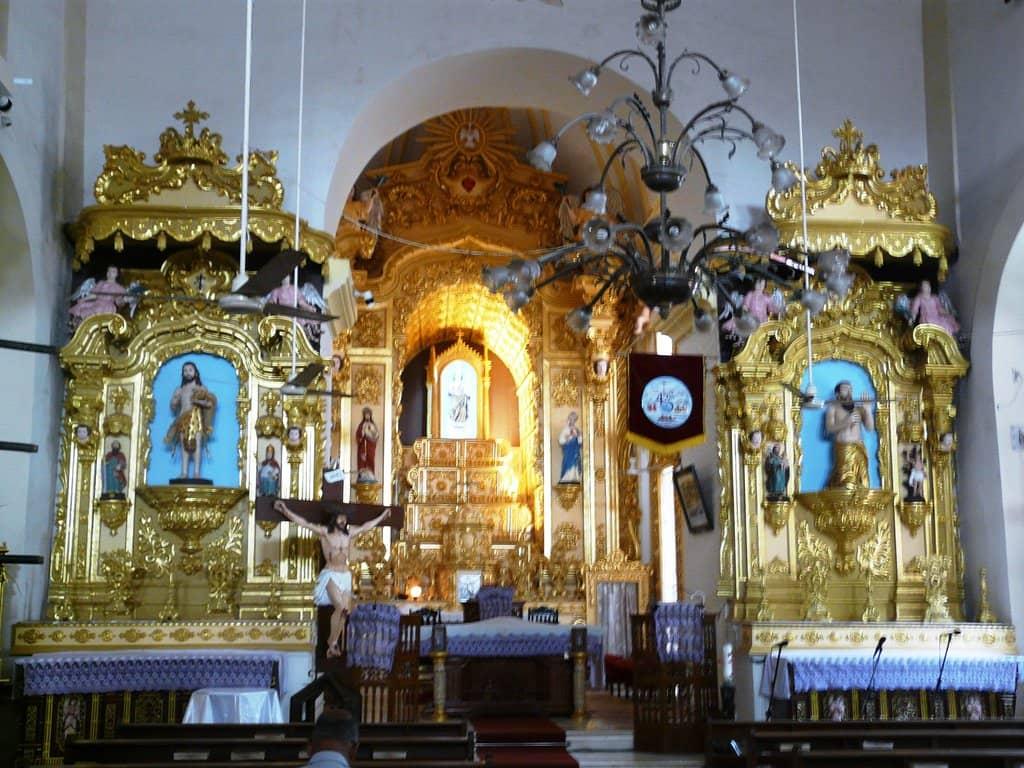
High Altar. This altar is a masterpiece of Goan woodcraft, featuring intricate carvings, gold leaf gilding, and statues of saints. The central niche of the main altar houses the image of St. Jerome, depicted with his traditional attributes—a lion and a book.
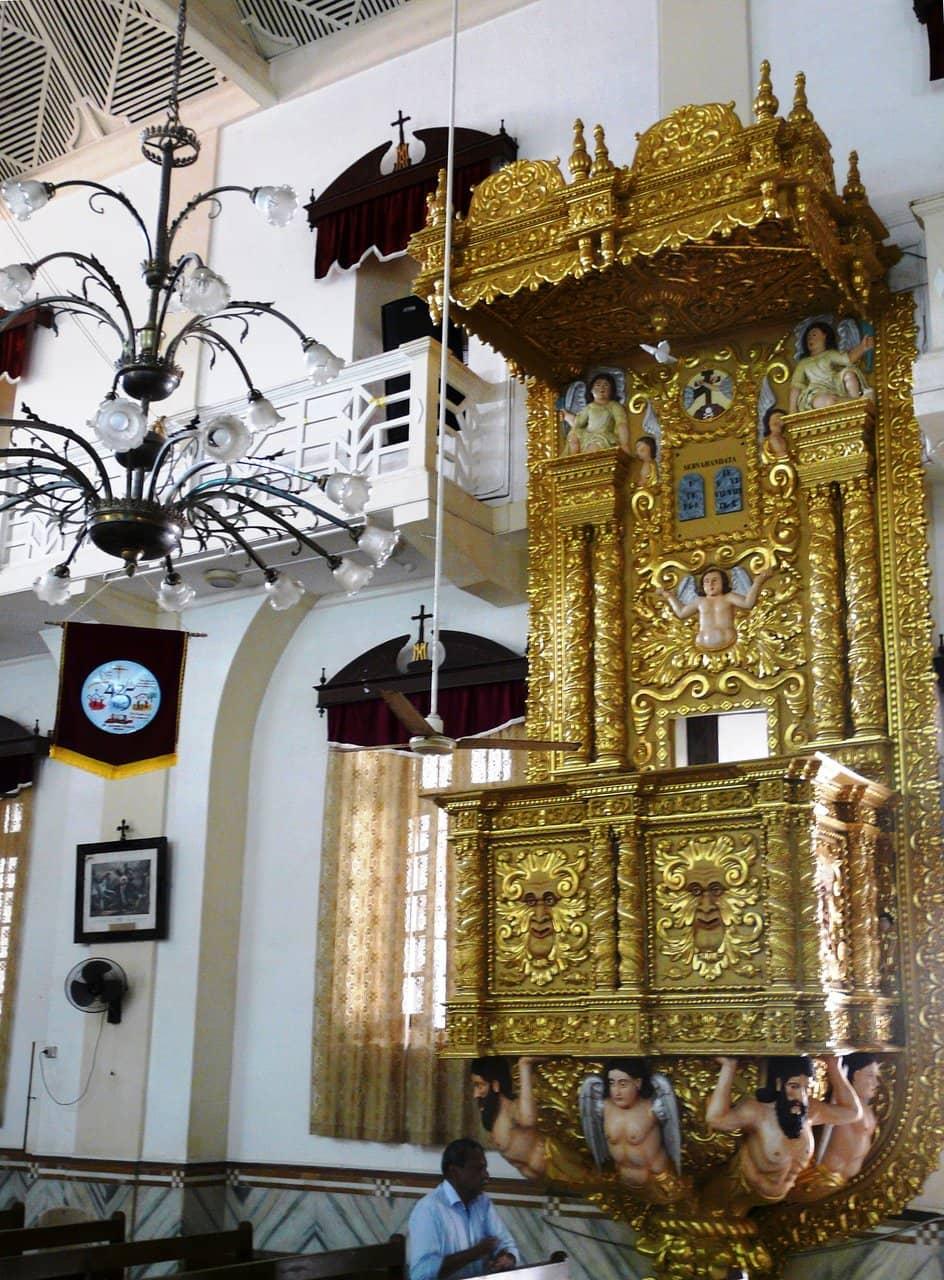
To the sides, you will find smaller altars dedicated to various saints and the Virgin Mary. The pulpit is another architectural highlight, often featuring carved motifs of vines and grapes, symbolizing the blood of Christ. The floor is paved with traditional stone tiles, worn smooth by the feet of generations of worshippers. The windows are strategically placed to allow shafts of light to illuminate the altars at specific times of the day, creating a mystical atmosphere that enhances the spiritual experience. The integration of
Rococo elements in the decorative flourishes of the altars provides a sense of theatricality and grandeur that was meant to inspire awe in the 16th-century converts.
Main Deity / Spiritual Importance
While the church is named after St. Jerome, the spiritual epicenter for many is the shrine of
Our Lady of Miracles (Nossa Senhora dos Milagres). St. Jerome himself is a significant figure; as the patron saint of librarians, scholars, and translators, he represents the intellectual foundation of the faith. His presence in Mapusa, a town of trade and exchange, serves as a reminder of the importance of wisdom and the Word.
However, the
Milagres Saibinn (as the Virgin Mary is locally called) is the figure who commands the most intense devotion. The spiritual importance of this deity transcends the boundaries of the Catholic Church. For the locals, she is a mother figure, a healer, and a protector. The statue of Our Lady is often draped in beautiful silk sarees and adorned with gold jewelry, reflecting a localized form of Catholic worship that incorporates Indian aesthetic traditions.
The spiritual "miracle" of this church lies in the
Oil Offering. Devotees believe that anointing the statue or offering oil at her feet can cure ailments, particularly skin diseases and infertility. This belief is so strong that on the feast day, thousands of liters of coconut oil are brought as offerings. The spiritual energy during these times is palpable, as people from all walks of life—rich, poor, Hindu, Christian, local, and tourist—gather to seek blessings. The church thus acts as a bridge between the earthly and the divine, and more importantly, between different cultural identities, making it a cornerstone of Goan spirituality.
Festivals & Celebrations
The calendar of St. Jerome Church is punctuated by several religious events, but none compare to the
Feast of Our Lady of Miracles. This feast is celebrated on the 16th day after Easter, making it a movable feast that usually falls in late April or early May. It is arguably one of the most important social and religious events in North Goa.
The celebrations begin with a
nine-day Novena, during which special prayers and masses are held. The atmosphere in Mapusa during the Novena is electric. The climax is the Feast Day itself. The church is decorated with flowers and lights, and the bells chime incessantly. The highlights of the festival include:
- The High Mass: A grand liturgical service attended by thousands, often featuring a choir singing traditional Goan hymns.
- The Procession: The statue of Our Lady of Miracles is carried in a solemn procession around the church grounds, accompanied by a brass band and devotees reciting the Rosary.
- The Oil Offering (Otel): This is the most unique part of the festival. Hindu devotees, particularly from the surrounding villages, arrive in large numbers to pour oil over the statue or into a large vessel, seeking the "Saibinn's" favor.
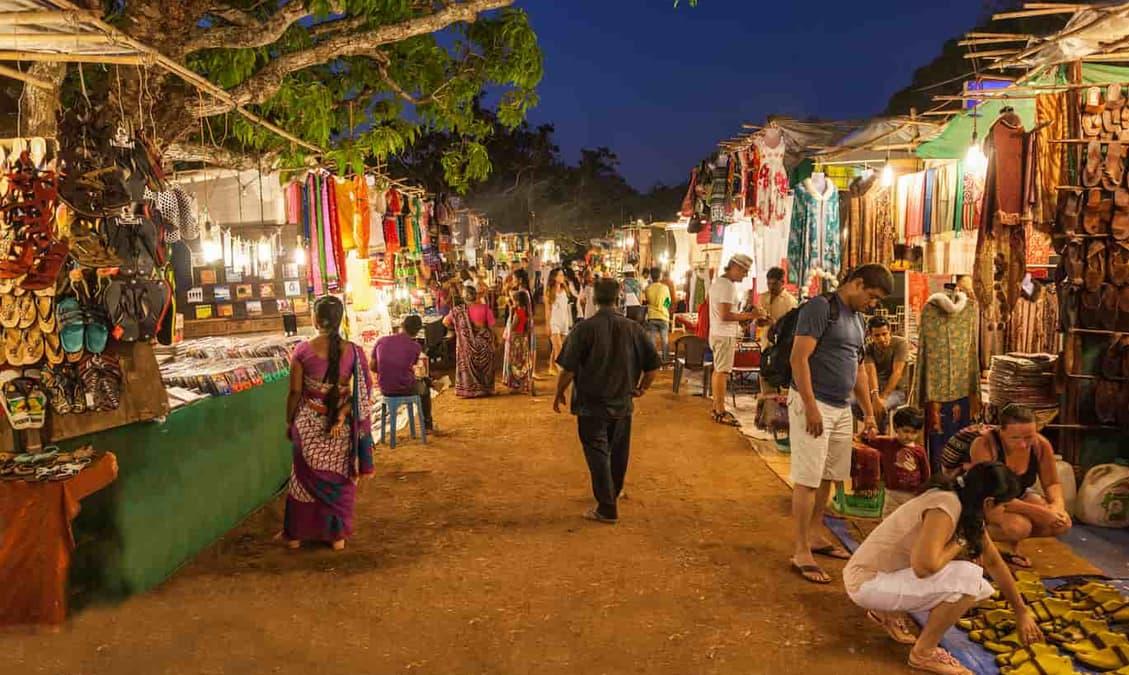
- The Feast Fair: The area surrounding the church transforms into a massive marketplace. You can find everything from traditional Goan sweets (like khaje and laddoos) to copperware, furniture, and clothes. It is a sensory explosion of colors, sounds, and smells.
In addition to the Milagres feast, the
Feast of St. Jerome is celebrated on September 30th with religious fervor. While smaller in scale than the Milagres feast, it is a significant day for the parishioners of Mapusa. Christmas and Holy Week are also observed with traditional Goan Catholic rituals, including the "Way of the Cross" and midnight masses that are deeply moving.
Best Time to Visit
To truly experience the spiritual and cultural depth of St. Jerome Church, timing is essential. The
best time to visit is undoubtedly during the
Feast of Our Lady of Miracles (April/May). Although the weather in Goa is hot and humid during this period, the cultural richness of the festival is unparalleled. You will witness the unique inter-religious harmony that defines this site.
If you prefer a more tranquil experience, the
winter months (November to February) are ideal. The weather is pleasant, with cool mornings and evenings, making it comfortable to explore the church and the surrounding Mapusa market. Visiting during
Christmas is also a treat, as the church is beautifully illuminated and the local community creates elaborate "cribs" (nativity scenes).
For daily visits, the
early morning hours (6:30 AM to 8:30 AM) are best. You can witness the local community attending the morning Mass, which provides an authentic glimpse into the daily religious life of Goans. The soft morning light also offers the best conditions for admiring the architecture and taking photographs of the exterior.
Timings, Entry Fee & Dress Code
St. Jerome Church is a place of active worship, and visitors are expected to respect the sanctity of the environment.
- Timings: The church is generally open from 6:30 AM to 12:30 PM and from 3:30 PM to 7:00 PM daily. These timings may vary during feast days or special liturgical seasons.
- Mass Timings: On weekdays, Masses are usually held at 6:30 AM, 7:15 AM, and 8:00 AM. On Sundays, multiple Masses are held throughout the morning, starting as early as 6:00 AM, with an evening Mass around 6:00 PM. Masses are conducted in Konkani, with occasional English services.
- Entry Fee: There is no entry fee to visit St. Jerome Church. It is open to all, regardless of faith. Donations for the upkeep of the church are welcomed but entirely voluntary.
- Dress Code: As with most religious sites in Goa, a modest dress code is strictly enforced. Visitors should ensure their shoulders and knees are covered. Sleeveless tops, short skirts, and beachwear are inappropriate. It is advisable to carry a shawl or scarf if you are wearing summer attire. Removing hats and sunglasses inside the church is a sign of respect.
How to Reach St. Jerome church
The St. Jerome Church is centrally located in Mapusa, making it very accessible from various parts of Goa.
- By Road: Mapusa is a major transit point. You can easily reach the church by hiring a taxi or an auto-rickshaw from popular beach areas like Calangute, Baga, or Anjuna (approx. 20-30 minutes away). If you are driving, the church is located near the main Mapusa municipal garden.
- By Bus: The Mapusa Bus Stand is one of the busiest in Goa. Regular "shuttle" buses run from Panjim (the capital) to Mapusa every 15 minutes. Once you reach the Mapusa bus stand, the church is just a 5-10 minute walk or a very short rickshaw ride away.
- By Two-Wheeler: Renting a scooter is the most popular way to travel in Goa. The roads to Mapusa are well-paved. However, be cautious of the heavy traffic within Mapusa town, especially on Fridays.
- From the Airport: Manohar International Airport (Mopa) is relatively close to Mapusa (about 30-40 minutes). Dabolim Airport is further away (about 1.5 hours). Pre-paid taxis are available from both airports.
Things to Do
A visit to St. Jerome Church can be expanded into a half-day exploration of Mapusa’s heritage. Here are some things to do:
- Attend a Konkani Mass: Even if you don't understand the language, the melodic nature of a Konkani Mass and the devotion of the locals provide a soulful experience.
- Explore the Altars: Spend time detailing the intricate wood carvings of the main and side altars. Look for the symbolic representations of St. Jerome’s lion.
- Light a Candle: Join the locals in the side chapel dedicated to Our Lady of Miracles. Lighting a candle and offering a silent prayer is a common practice for visitors.
- Visit the Cemetery: Located adjacent to or near the church, the old Catholic cemeteries in Goa are often architecturally interesting, with ornate crosses and historical epitaphs.
- Observe the Grotto: Most Goan churches have a grotto dedicated to Our Lady of Lourdes. The one at St. Jerome is a peaceful spot for meditation.
- Walk the Church Grounds: The courtyard offers a great vantage point for photography and a chance to observe the local architecture of the parish house and administrative buildings.
Nearby Attractions
Mapusa is a treasure trove of local culture. After visiting the church, you can explore:
- Mapusa Friday Market: If your visit falls on a Friday, this is a must-see. It is a vibrant, chaotic traditional market where farmers from all over North Goa come to sell spices, home-made sausages (chorizo), dry fish, pottery, and fresh produce.
- Shree Bodgeshwar Temple: Located on the outskirts of Mapusa, this temple is dedicated to Kanakeshwar Baba. Like the St. Jerome Church, it is a site of great local faith and is particularly beautiful during its annual fair (Zatra).
- Moira Village: A short drive from Mapusa, this quintessential Goan village is famous for its massive bananas, beautiful ancestral homes, and the Church of Our Lady of Immaculate Conception.
- Aldona: Known as one of the most beautiful villages in the world, Aldona features the stunning St. Thomas Church and a scenic cable-stayed bridge.
- Swiss Chapel: A small, quaint chapel located on a hillock in Mapusa, offering a panoramic view of the town.
Photography & Visitor Guidelines
To ensure a respectful and pleasant visit, please keep the following guidelines in mind:
- Photography: Photography is generally prohibited inside the church during Mass. Even outside of Mass hours, it is polite to ask for permission before clicking photos of the altars. Flash photography is strictly discouraged as it can damage the ancient pigments and gold leaf. Photography of the exterior is permitted and encouraged.
- Silence: Maintain strict silence inside the sanctuary. Many people come here for private prayer and meditation.
- Mobile Phones: Switch off your mobile phone or put it on silent mode before entering the church premises.
- Avoid Touching Statues: While it may be tempting to touch the intricate carvings or statues, please refrain from doing so to preserve the artifacts.
- No Food/Drink: Consumption of food and beverages inside the church or in the immediate courtyard is not allowed.
- Interact Respectfully: If you wish to talk to the priest or the sacristan, wait for a quiet moment and approach them politely. They are often happy to share stories about the church’s history.
Where to Eat Nearby
Mapusa is a culinary hotspot for those who want to taste authentic Goan flavors.
- Hotel Ruchira: Located near the bus stand, it is famous for its Goan Fish Thali. It’s a no-frills place that serves fresh, local seafood at very reasonable prices.
- The Pub: A legendary spot in Mapusa for a relaxed afternoon. It offers a mix of Goan and Continental dishes and is a great place to observe the town's pace.
- Cafe Tato: Perfect for a Goan breakfast or evening snack. Try their Baji-Pao (spiced lentils with local bread) and a cup of hot tea.
- Spice Goa: A slightly more upscale option known for its excellent seafood preparations and traditional masalas.
- Street Food: During the Friday market, don't miss the local snacks like samosas, cutlet bread, and various Goan sweets sold by vendors near the church.
Accommodation Nearby
While many tourists stay at the beaches, staying in Mapusa offers a more "local" experience.
- Hotel Green Park: A reliable mid-range hotel located at the Mapusa-Panjim bypass, offering comfortable rooms and a pool.
- Mapusa Residency (GTDC): Run by the Goa Tourism Development Corporation, this is a budget-friendly and centrally located option.
- Heritage Villas in Moira/Aldona: For a more luxury or boutique experience, look for restored Portuguese villas in the nearby villages of Moira or Aldona. These offer a serene and upscale stay away from the coastal crowds.
- Guesthouses: There are several small guesthouses around the Mapusa market area catering to budget travelers and backpackers.
Travel Tips
- Hydration: Mapusa can get very hot. Always carry a bottle of water, especially if you plan to walk from the church to the market.
- Footwear: Wear comfortable walking shoes. The area around the church and the market involves a fair amount of walking on uneven surfaces.
- Bargaining: If you are shopping at the nearby Mapusa market after your church visit, remember that bargaining is expected and part of the fun.
- Cash: While many shops in Goa now accept digital payments, small vendors and rickshaw drivers often prefer cash. There are several ATMs near the church.
- Local Etiquette: Goans are very friendly but value their peace. A simple "Dev Borem Karu" (May God do good to you/Thank you) goes a long way in building rapport with locals.
- Parking: Parking near the church can be difficult, especially on Fridays. If you are driving, try to find a spot a few blocks away and walk.
Conclusion
The
St. Jerome Church in Mapusa is much more than a historical monument; it is a vibrant heartbeat of Goan culture. It stands as a symbol of how history, though often marked by conflict and change, can eventually resolve into a beautiful harmony. The way the church embraces both St. Jerome’s scholarly legacy and the miraculous, inclusive devotion to Our Lady of Miracles is a lesson in spiritual fluidity.
Visiting this church allows you to step away from the stereotypical "party" image of Goa and enter a space of profound quietude and community spirit. From the intricate Neo-Roman carvings to the scent of coconut oil offered by devotees of all faiths, every corner of St. Jerome Church tells a story of faith, survival, and the enduring power of the "Milagres Saibinn." Whether you come for the architectural beauty, the historical depth, or a moment of prayer, St. Jerome Church promises an experience that will linger in your heart long after you leave the sunny shores of Goa. It is, quite simply, an essential stop for anyone wishing to understand the true spirit of the Konkan coast.