Overview of Shree Ramnath Temple
Nestled in the heart of the lush, emerald-green landscapes of Ponda, the Shree Ramnath Temple stands as a beacon of spiritual resilience and architectural elegance. Located specifically in the village of Bandivade in Goa, this temple is not just a place of worship but a historical monument that encapsulates the turbulent yet triumphant history of the Goan Hindu community. As a professional travel writer who has traversed the length and breadth of the Konkan coast, I find that Shree Ramnath Temple offers a unique serenity that is often missing from the more commercialized coastal stretches of North Goa. It is part of the famous "Temple Circuit" of Ponda, a region that became a sanctuary for deities and devotees alike during the era of Portuguese colonial expansion.
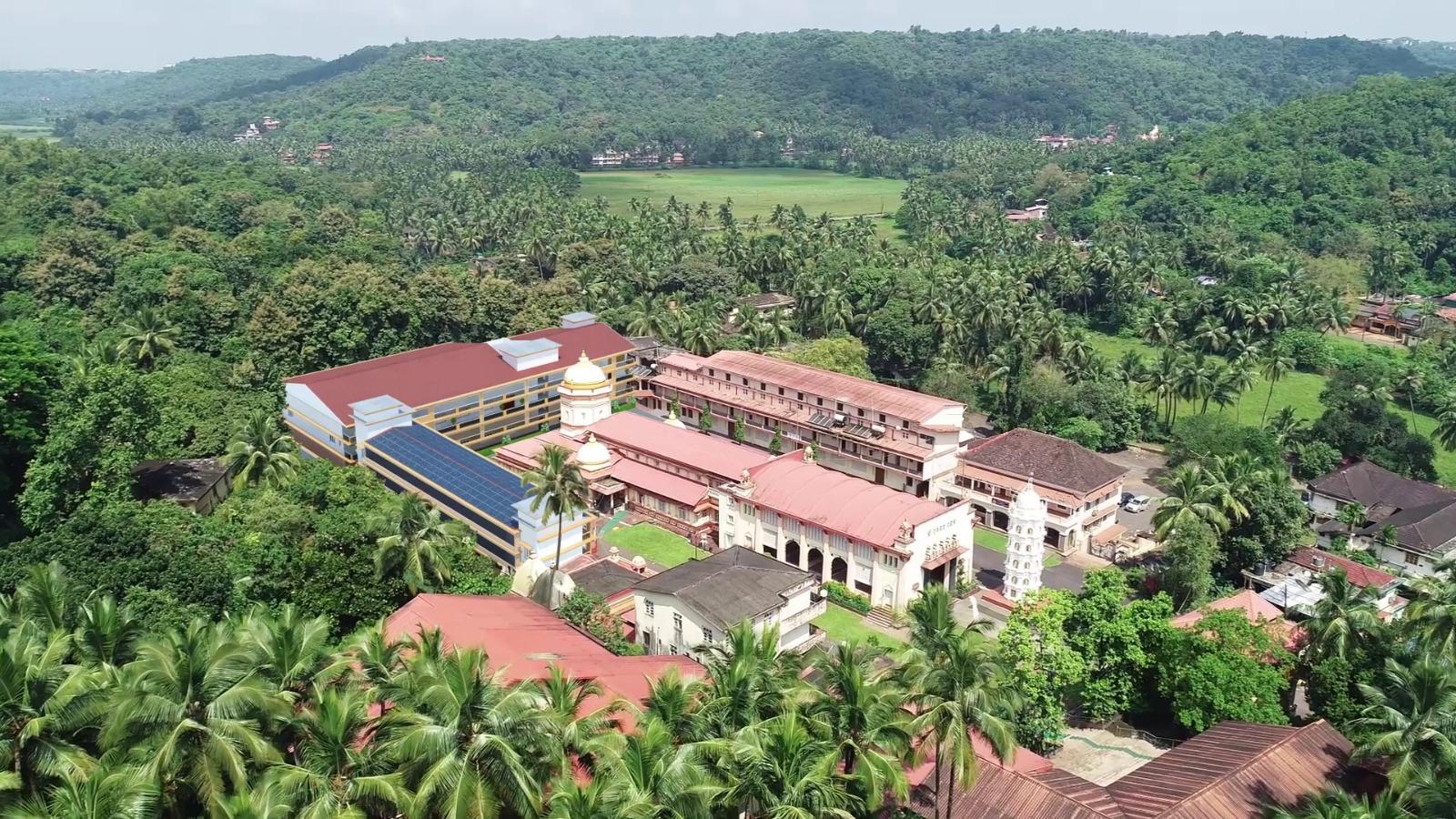
The temple is dedicated to Lord Ramnath, an incarnation of Lord Shiva. The name "Ramnath" itself translates to the "Lord of Ram," signifying the profound mythological connection between Lord Rama and Lord Shiva. The atmosphere here is one of profound silence, broken only by the rhythmic chanting of Vedic hymns and the occasional ringing of temple bells. Surrounded by betel nut plantations and coconut groves, the temple complex provides a panoramic view of rural Goan life, where tradition remains woven into the fabric of everyday existence. For the Gaud Saraswat Brahmin (GSB) community, this temple serves as a "Kuladevata" or ancestral shrine, making it a site of immense emotional and genealogical importance. Whether you are a spiritual seeker, a history buff, or an admirer of unique architectural styles, the Shree Ramnath Temple provides an immersive experience into the soulful side of Goa.
History & Religious Significance
The history of Shree Ramnath Temple is a poignant saga of faith surviving against all odds. Originally, the temple was located in Loutolim (Lotli) in the Salcete taluka. However, the 16th century brought significant upheaval to the region with the arrival of the Portuguese. In 1566, as part of the colonial "Inquisition," many Hindu temples in Salcete were earmarked for destruction to make way for the spread of Christianity. Refusing to let their beloved deity be desecrated, the devotees of Lord Ramnath undertook a perilous journey. Under the cover of darkness, they smuggled the sacred Linga across the Zuari River into the territory of the Sonde Rajas, who were then under the suzerainty of the Bijapur Sultanate and later the Maratha Empire.
The relocation to Bandivade was more than just a physical move; it was a strategic retreat into a region where Hindu traditions could be preserved without fear of persecution. For over 450 years, the temple has stood in its current location, evolving from a simple mud-and-thatch structure into the magnificent edifice we see today. The religious significance of the temple is rooted in the Ramayana. According to local legends and scriptural interpretations, Lord Rama, after slaying the demon-king Ravana in Lanka, felt the heavy burden of "Brahma-hatya" (the sin of killing a Brahmin, as Ravana was the son of a Brahmin). To seek penance and purification, Lord Rama installed a Shiva Linga and offered prayers. Thus, the deity became known as Ramnath—the Lord whom Rama worshipped. This legend bridges the two major sects of Hinduism—Vaishnavism and Shaivism—making the temple a site of universal reverence.
Furthermore, the temple complex houses other important deities, including Shree Laxmi-Narayan, Shree Kamakshi, Shree Santeri, and Shree Sidhanath. This "Panchayatana" style of worship (five deities) is a hallmark of Goan Hindu culture, representing a harmonious blend of various divine energies. The temple's history is also documented in the "Puranas," specifically the Sahyadri Khanda of the Skanda Purana, which highlights the sanctity of the Gomantak (Goa) region as a land chosen by the gods.
Architecture of Shree Ramnath Temple
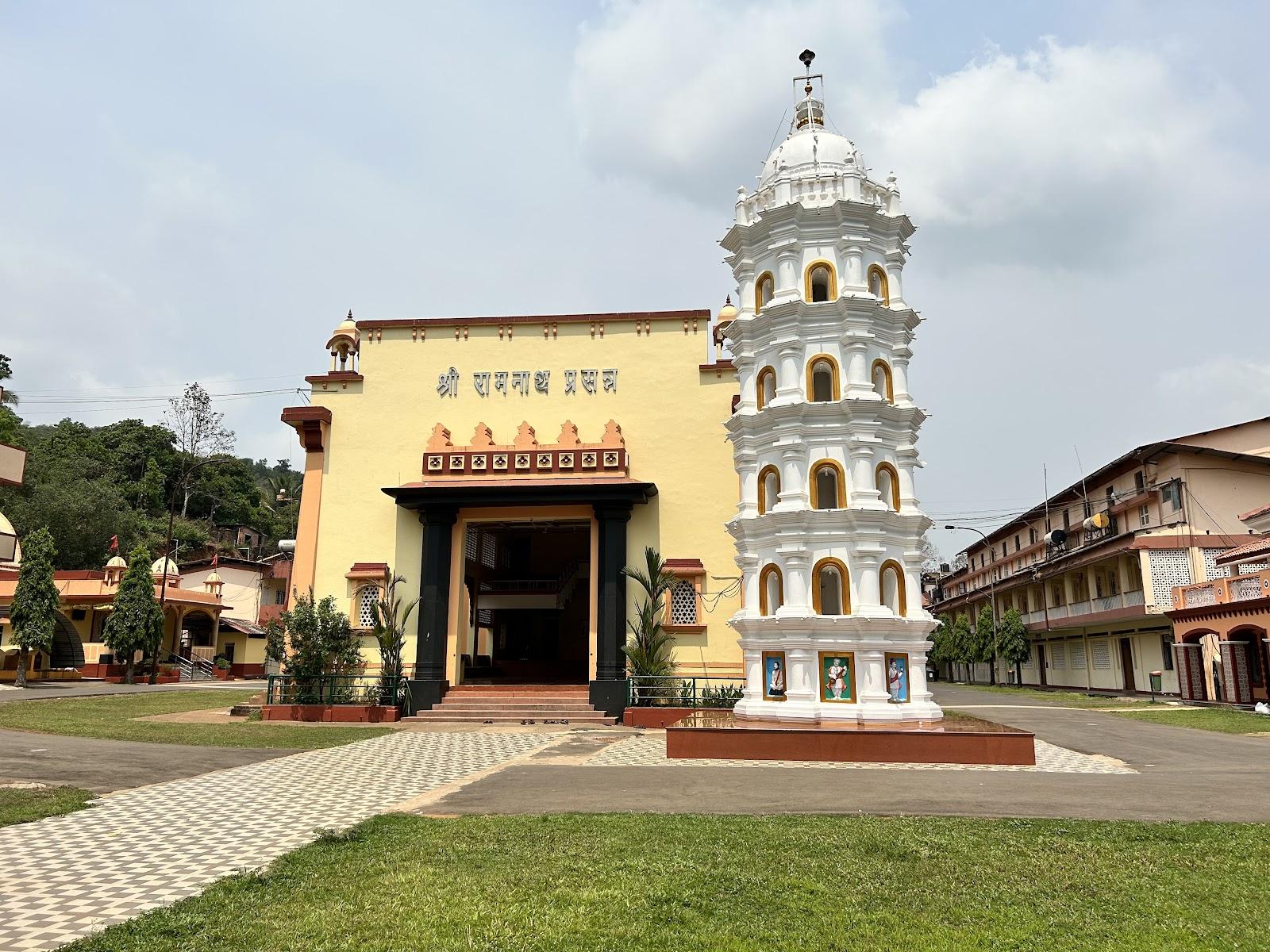
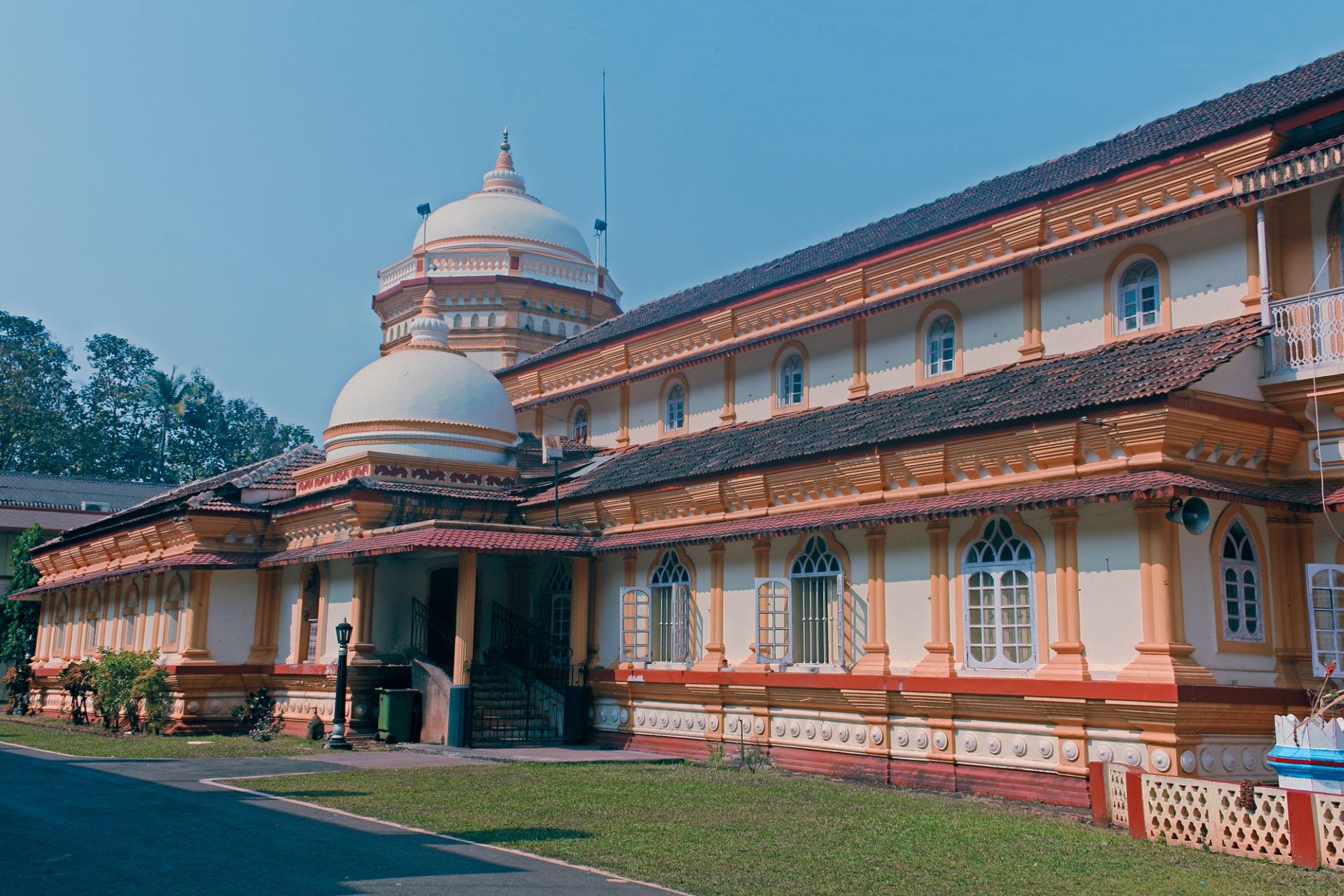
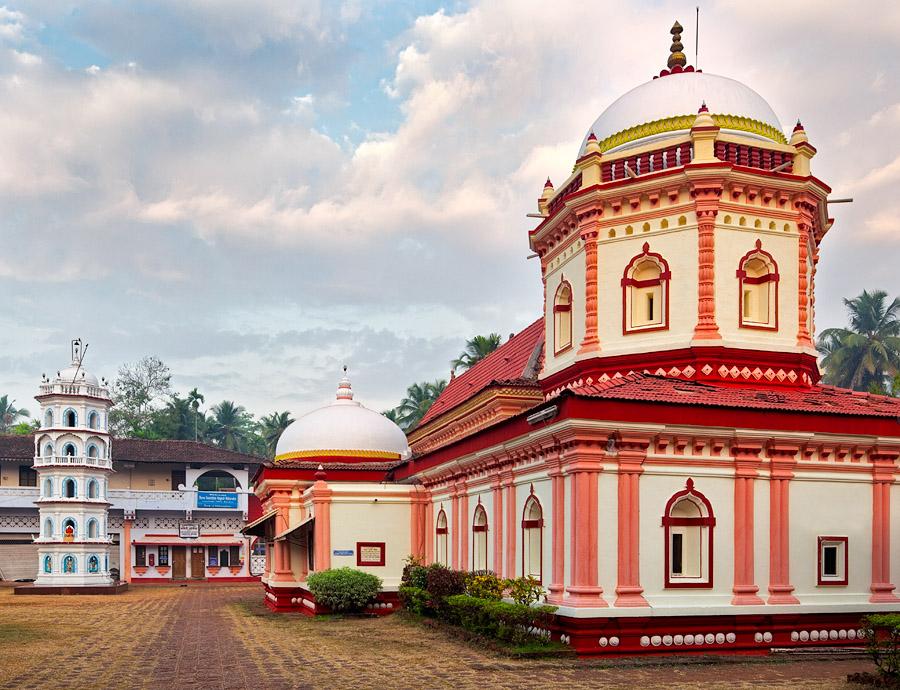
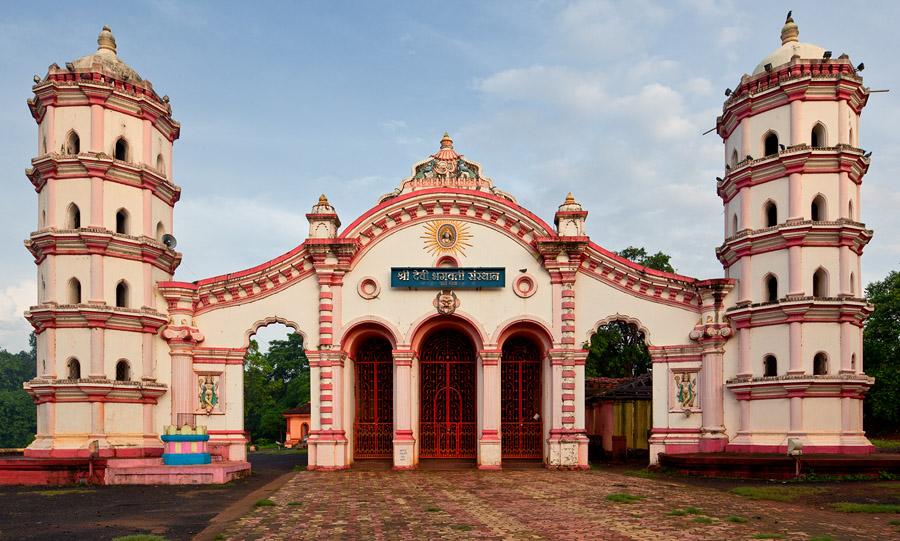
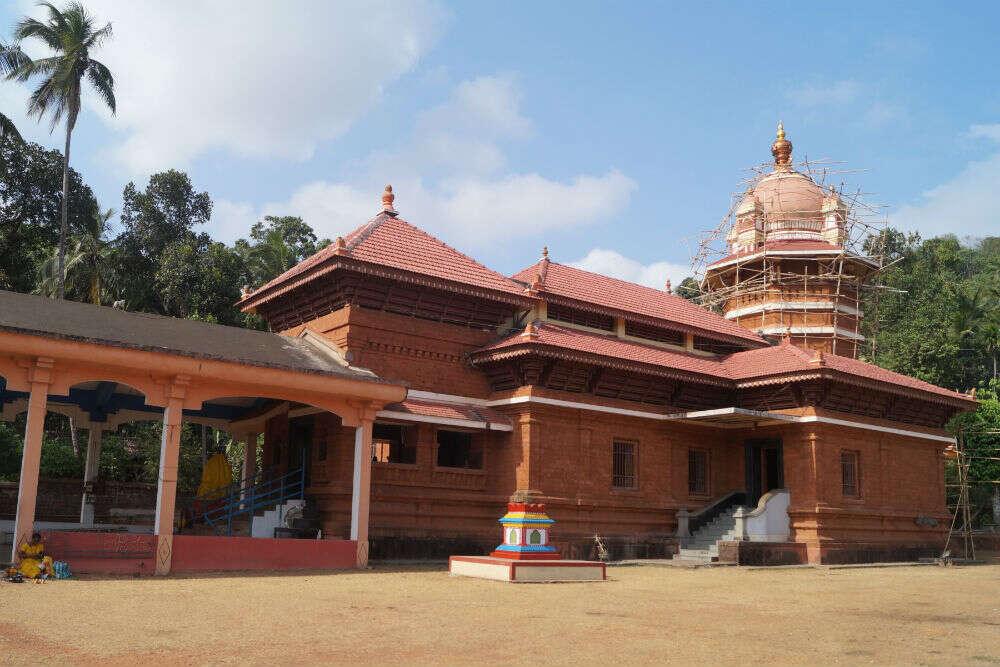
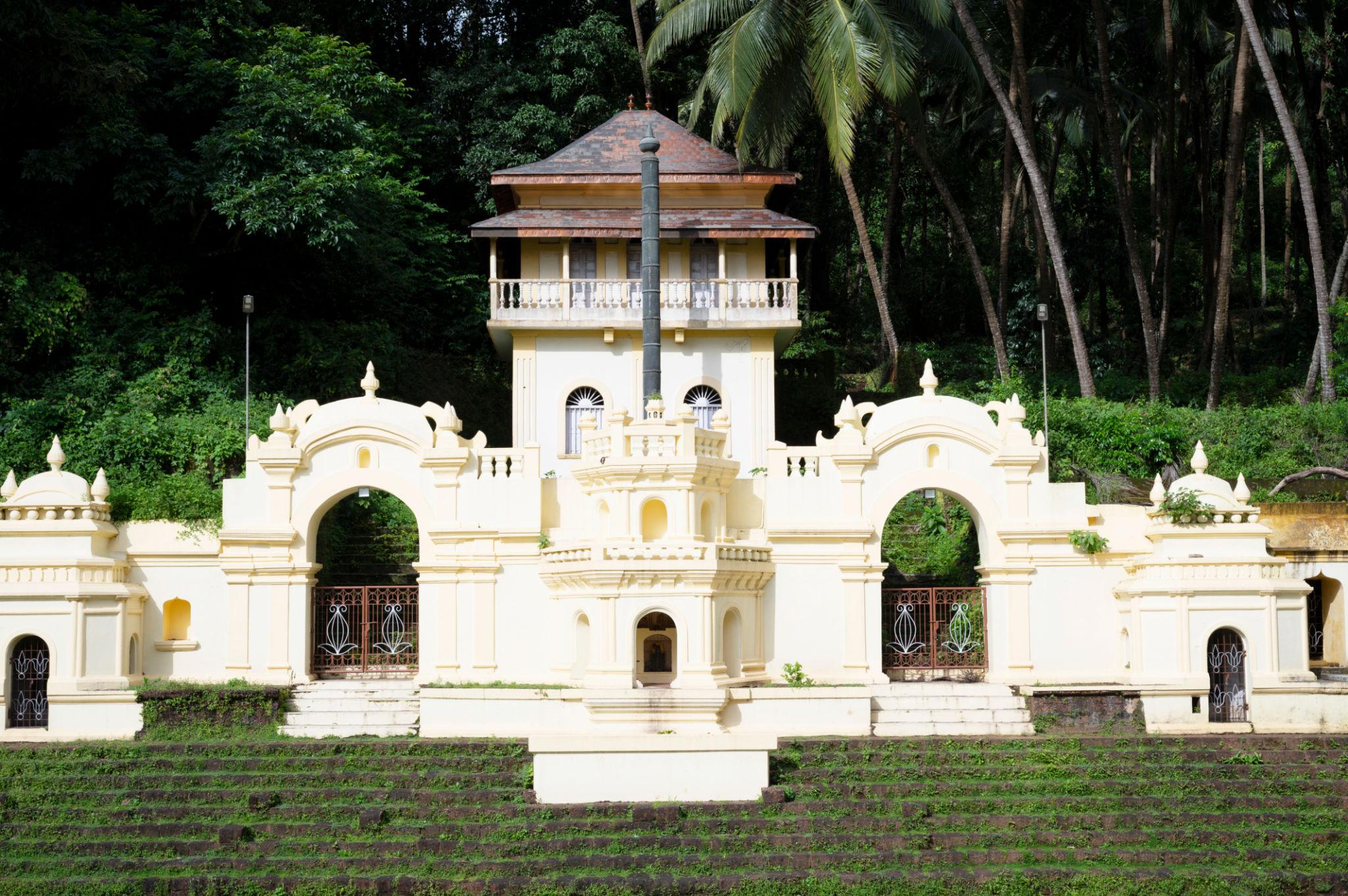
The architecture of Shree Ramnath Temple is a fascinating study in the Goan Temple Style, which is a distinctive fusion of traditional Hindu, Islamic (Bijapuri), and even Portuguese colonial influences. Unlike the Nagara or Dravidian styles found in the rest of India, Goan temples have a unique aesthetic characterized by their domes, sloping tiled roofs, and the iconic Deepastambha (lamp tower).
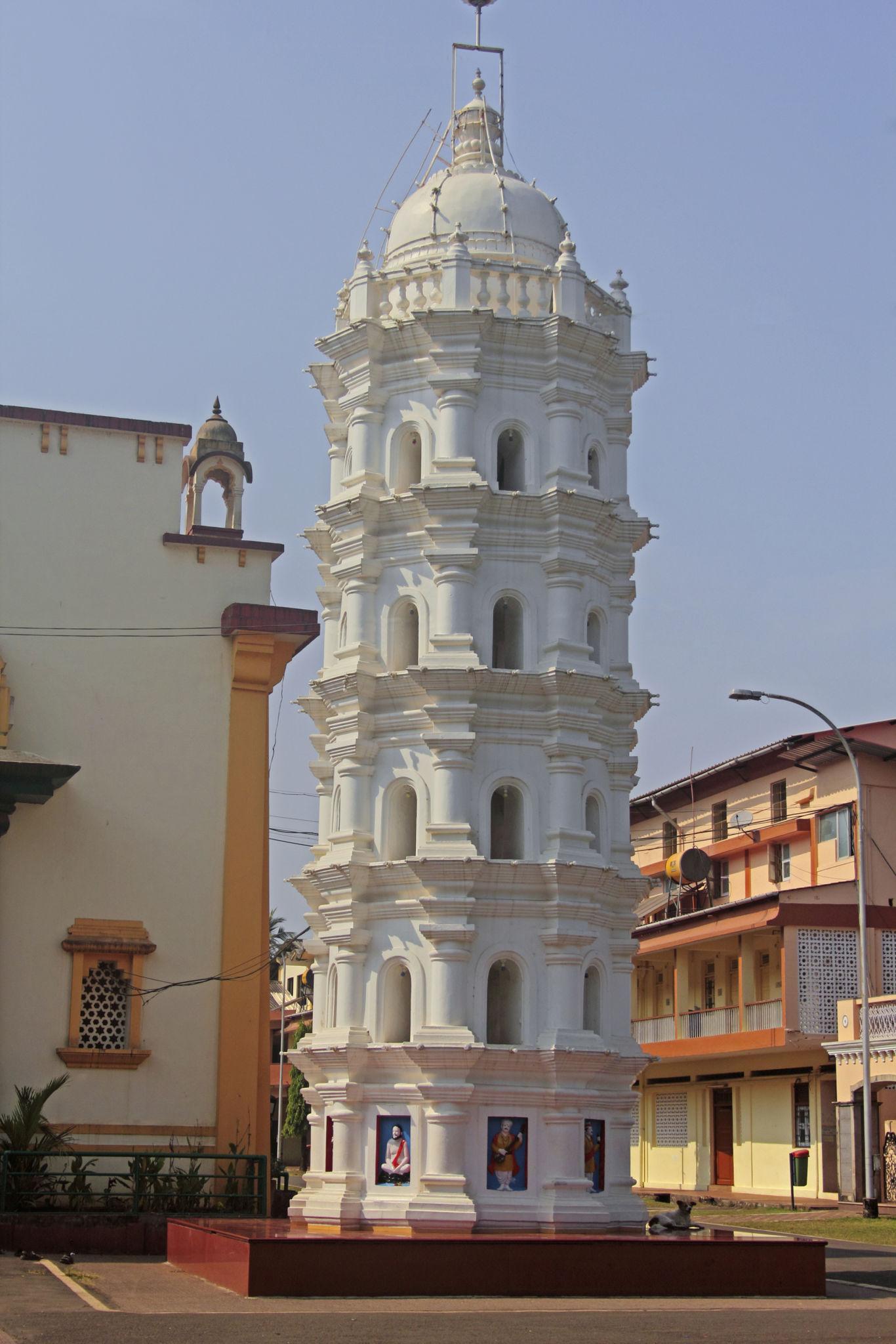
Upon entering the complex, the first thing that captures the eye is the towering Deepastambha. This multi-storied white octagonal tower is a masterpiece of Goan masonry. During festivals, hundreds of oil lamps are lit in the niches of this tower, creating a celestial glow that can be seen from miles away. The main temple structure features a shikhara (spire) that is more reminiscent of a dome, influenced by the Deccan Sultanate architecture. This was a practical choice during the reconstruction era, as domes were more resilient and easier to construct with local materials.
The Sabhamandapa (assembly hall) is an expansive space supported by intricately carved wooden pillars. These pillars often feature motifs of lotus flowers, mythical creatures, and geometric patterns. The ceiling of the Mandapa is often adorned with paintings or wood carvings depicting scenes from the Puranas. One of the most striking features of the temple's interior is the use of Kaavi art—a traditional form of mural art found in the Konkan region. Kaavi involves using reddish-brown pigment (derived from laterite soil) to create intricate stenciled designs on white lime-plastered walls. While much of it has been renovated, traces of this ancient art form still lend an air of antiquity to the premises. The silver-plated entrance to the Garbhagriha (sanctum sanctorum) is another highlight, showcasing the exquisite craftsmanship of local Goan silversmiths. The overall layout is symmetrical, designed to guide the devotee’s energy from the bustling outer courtyard to the silent, dark, and spiritually charged inner sanctum.
Main Deity / Spiritual Importance
The presiding deity of the temple is Lord Ramnath, represented by a sacred Shiva Linga. In the Hindu spiritual tradition, the Linga is a symbol of the infinite, formless nature of the Divine. At Shree Ramnath Temple, the spiritual energy is perceived as being particularly "Saumya" or gentle, reflecting the compassionate nature of Lord Shiva when he is worshipped as the protector of Rama. Devotees believe that offering prayers here helps in overcoming internal conflicts and achieving a state of mental peace.
The spiritual ecosystem of the temple is enriched by the presence of the Parivar Devatas (family deities). Shree Laxmi-Narayan represents the preservation and prosperity of life, while Shree Kamakshi (a form of the Mother Goddess) represents the creative and nurturing power of the universe. The inclusion of Shree Santeri, a local Goan deity often associated with the anthill (Valmiki), signifies the deep-rooted connection between the temple and the indigenous land spirits of Goa. For many families, the spiritual importance of Ramnath is tied to their "Kul" (lineage). It is a tradition for newly married couples or families celebrating a milestone to visit the temple to seek the "Prasad" (divine blessing) and "Kaul" (a ritual seeking divine guidance where flower petals are placed on the deity). This practice of Kaul Prasad is a unique aspect of Goan spirituality, where the falling of a petal is interpreted as a 'yes' or 'no' from the deity to a devotee's specific question.
Festivals & Celebrations
The Shree Ramnath Temple comes alive during its various festivals, which are celebrated with a level of fervor and communal harmony that is quintessential to Goan culture. The most significant event is the Annual Jatra (temple fair), which usually takes place in the month of January or February (Magha month of the Hindu calendar). During the Jatra, the deity is taken out in a grand procession on a Ratha (wooden chariot) or a Palkhi (palanquin). The entire village of Bandivade transforms into a carnival of lights, music, and traditional performances like "Dashavatara" (folk theater depicting the ten incarnations of Vishnu).
Mahashivratri is another major festival celebrated with great solemnity. Devotees keep a night-long vigil, chanting "Om Namah Shivaya" and performing "Abhisheka" (ritual bathing) of the Shiva Linga with milk, honey, and water. The atmosphere during the "Prahar" (timed prayers) of Mahashivratri is electrically spiritual. Another unique celebration is the Shravan Somvar (Mondays of the Shravan month), where the temple is decorated with fresh flowers and special vegetarian feasts are prepared. The festival of Navratri is also celebrated with great pomp, especially honoring Goddess Kamakshi within the complex. During these times, the traditional Goan percussion instruments like the Ghumot and Shamel provide a rhythmic backdrop to the rituals, creating a sensory experience that stays with the visitor long after they have left.
Best Time to Visit
To experience Shree Ramnath Temple in its full glory, the best time to visit is between November and February. During these winter months, the weather in Goa is pleasantly cool and dry, making it ideal for exploring the temple's outdoor complex and the surrounding village. The humidity is low, and the lush greenery resulting from the preceding monsoon is still vibrant, providing a beautiful backdrop for photography and quiet contemplation.
If your goal is spiritual immersion and witnessing local culture, visiting during the Jatra (late January or early February) or Mahashivratri is highly recommended. However, be prepared for large crowds during these times. For those who prefer solitude, the monsoon season (June to September) offers a different kind of beauty. The temple, surrounded by rain-washed forests and mist-covered hills, looks ethereal. However, travel can be a bit challenging due to heavy downpours. Ideally, plan your visit for the early morning hours (around 7:00 AM) to witness the morning rituals and enjoy the temple in relative peace before the afternoon heat sets in.
Timings, Entry Fee & Dress Code
Understanding the logistical details is crucial for a respectful and smooth visit to this sacred site. The temple timings are generally consistent throughout the year:
- Opening Hours: 5:00 AM to 8:00 PM daily.
- Aarti Timings: Usually held at sunrise, noon, and sunset. The evening Aarti (around 6:30 PM to 7:00 PM) is particularly beautiful as the lamps are lit.
Entry Fee: There is no entry fee to visit Shree Ramnath Temple. It is open to people of all faiths, provided they respect the sanctity of the place. Donations are welcome and can be made at the temple office, for which a receipt is provided.
Dress Code: Being a traditional religious site, a strict dress code is encouraged. Men are expected to wear trousers or traditional dhotis/kurtas. Women should ideally wear sarees, salwar kameez, or long skirts. Avoid wearing short skirts, sleeveless tops, or beachwear. If you are not dressed appropriately, you may be asked to wrap a shawl or lungi (often available at the entrance) around yourself before entering the inner sanctum. Removing footwear before entering the temple premises is mandatory.
How to Reach Shree Ramnath Temple
Shree Ramnath Temple is located in Bandivade, Ponda, which is approximately 22 kilometers from the capital city, Panaji, and about 18 kilometers from Margao. Its central location makes it easily accessible from various parts of Goa.
- By Air: The nearest airport is Manohar International Airport (Mopa) in the North or Dabolim Airport in the South. From the airport, you can hire a pre-paid taxi directly to Ponda. The drive takes about 1 hour and 15 minutes.
- By Rail: The closest major railway station is Madgaon (Margao). From Madgaon, you can take a local bus to Ponda or hire a taxi. The temple is about a 30-minute drive from the station. Karmali Railway Station is also a nearby option for those coming from the North.
- By Road: Ponda is well-connected by a network of National Highways. If you are staying in North Goa (Calangute/Baga), it is a scenic 1-hour drive. You can use apps like Google Maps, which accurately lead to the temple entrance. Local buses frequently ply between Panaji/Margao and Ponda. Once at the Ponda bus stand, you can take an auto-rickshaw or a local "pilot" (motorcycle taxi) to reach the temple in Bandivade.
Things to Do
A visit to Shree Ramnath Temple is not just about a quick prayer; it is about absorbing the spiritual and cultural ambiance. Here are some things you can do:
- Participate in the Morning Puja: Witnessing the "Abhisheka" and the morning "Aarti" is a deeply meditative experience. The synchronization of the bells and the chants creates a powerful resonance.
- Walk the Temple Complex: Take a slow "Pradakshina" (circumambulation) around the main shrine. Observe the smaller shrines of the Parivar Devatas and the intricate carvings on the wooden doors.
- Meditate in the Mandapa: The assembly hall is designed to be cool and airy. Sitting quietly for a few minutes allows you to connect with the peaceful energy of the space.
- Study the Deepastambha: Spend some time admiring the geometry and height of the lamp tower. If you visit during an evening when it is lit, the sight is truly unforgettable.
- Observe Local Rituals: You might see families performing the "Kaul Prasad" or "Tulabhar" (weighing a person against offerings like coconuts or sugar). Observing these rituals offers a window into the lived religion of Goa.
- Explore the Village: Bandivade is a quintessential Goan village. A short walk outside the temple will lead you past traditional Goan houses with balcãos (porches) and lush spice gardens.
Nearby Attractions
The Ponda region is the cultural heart of Goa, and there are several significant sites within a 5-10 kilometer radius of Shree Ramnath Temple:
- Shree Nagueshi Temple: Located just a few hundred meters away, this temple is dedicated to Lord Shiva and is famous for its ancient water tank and exquisite wood carvings.
- Shree Mangueshi Temple: Perhaps the most famous temple in Goa, dedicated to Lord Shiva. It is known for its grand architecture and the massive 7-story Deepastambha.
- Shree Mahalsa Narayani Temple: Located in Mardol, this temple is dedicated to the female incarnation of Lord Vishnu. It features a unique brass Deepastambha.
- Sahakari Spice Farm: A short drive away, this farm offers guided tours where you can learn about tropical spices, enjoy a traditional Goan lunch, and even see elephants.
- Safa Masjid: Built in 1560, this is one of the oldest mosques in Goa and is a beautiful example of Islamic architecture set amidst lush gardens.
- Tropical Spice Plantation: Another excellent spot for nature lovers to understand Goa's agricultural heritage and enjoy bird watching.
Photography & Visitor Guidelines
To ensure a respectful visit, please adhere to the following guidelines:
- Photography: Photography is generally prohibited inside the inner sanctum (Garbhagriha) and of the main deity. However, you are usually allowed to take photos of the temple exterior, the Deepastambha, and the courtyard. Always look for signage or ask a temple priest before clicking photos.
- Silence: Maintain a low volume. The temple is a place for meditation and prayer; loud conversations and mobile phone use inside the Mandapa are discouraged.
- Prohibited Items: Do not carry leather items (belts, bags) into the main shrine if possible. Smoking, alcohol, and non-vegetarian food are strictly prohibited within the temple premises.
- Offerings: If you wish to make an offering, you can buy "Puja Thalis" containing flowers, incense, and coconuts from shops outside the temple.
- Interacting with Priests: The priests are generally helpful. If you wish to perform a specific puja, approach the temple office first to understand the procedure and the fixed rates for various rituals.
Where to Eat Nearby
While the temple itself sometimes provides "Mahaprasad" (blessed meals) during festivals, there are several options nearby to satisfy your hunger:
- Local Eateries: Numerous small "Khanavals" (local eateries) in Bandivade and Ponda serve authentic Goan Hindu vegetarian Thalis. These typically include rice, dal (varan), vegetable bhaji, khatkhate (a mixed vegetable stew), and sol kadi.
- Spice Farm Restaurants: If you visit the Sahakari or Tropical spice farms, they offer elaborate buffet lunches served on banana leaves, featuring both vegetarian and non-vegetarian Goan delicacies.
- Ponda City: Just 4 km away, Ponda city has more formal restaurants like Hotel Menino or Kamat’s, which serve South Indian, North Indian, and local snacks.
- Street Food: Try the local "Mirchi Bhajis" (chili fritters) and "Ros Omelette" (though the latter is non-veg) from stalls near the Ponda bus stand for a taste of local street life.
Accommodation Nearby
Most visitors visit Shree Ramnath Temple as a day trip from the coastal areas, but staying in Ponda offers a more tranquil experience:
- Temple Guest Houses: The Shree Ramnath Temple Trust maintains guest houses (Agrashalas) for devotees. These are basic, clean, and very affordable, but they are primarily intended for those visiting for religious purposes.
- Farmstays and Eco-Resorts: There are several eco-friendly resorts near the spice plantations that offer a "back-to-nature" experience. Places like Atreya Vedic Farm or Dudhsagar Spa Resort (a bit further away) are excellent options.
- Budget Hotels in Ponda: Hotels like Farmagudi Residency (run by GTDC) provide comfortable rooms with a touch of Goan hospitality and are conveniently located near the main highway.
- Luxury Options: For a more luxurious stay, you might need to look toward the Heritage Hotels in Loutolim or the luxury resorts in South Goa, which are about 45-60 minutes away.
Travel Tips
To make the most of your spiritual journey to Shree Ramnath Temple, keep these tips in mind:
- Hire a Local Guide: If you are interested in the deep history and the meanings behind the carvings, hiring a local guide or talking to a resident priest can provide insights you won't find in brochures.
- Carry Water: While the temple is cool inside, the Goan humidity can be taxing. Carry a bottle of water, but ensure you don't litter.
- Combine Visits: Since several temples are located close to each other, plan a "Ponda Temple Tour" to see Mangueshi, Nagueshi, and Ramnath in a single morning.
- Respect Local Customs: You might see people prostrating or performing specific rituals. It is best to observe silently without interrupting.
- Cash is King: While some larger establishments in Ponda accept cards, small shops near the temple and for donations, it is better to carry sufficient cash.
- Language: Most people speak Konkani and Marathi. However, Hindi and English are widely understood, so communication shouldn't be a problem.
Conclusion
The Shree Ramnath Temple is more than just a religious landmark; it is a testament to the enduring spirit of Goa’s cultural heritage. It stands as a bridge between the past and the present, offering a sanctuary of peace in a rapidly changing world. From its historical roots in Loutolim to its current majestic form in Bandivade, the temple tells a story of survival, faith, and artistic brilliance. The unique Goan architecture, the serene "Panchayatana" deities, and the vibrant festivals make it a must-visit destination for anyone looking to go beyond the beaches and bars of Goa. As you stand before the towering Deepastambha or sit in the quiet Mandapa, you realize that the true essence of Goa lies here—in its sacred groves, its ancient chants, and its unwavering devotion to the Divine. Whether you leave with a renewed sense of spirit or simply a greater appreciation for Goan history, a visit to Shree Ramnath Temple is a journey that resonates long after you have departed from its hallowed gates.