Overview of Lakshmi Narasimha Temple
Nestled in the heart of the lush, emerald-green landscapes of Veling, in the Ponda taluka of North Goa, the Lakshmi Narasimha Temple stands as a serene testament to Goa’s enduring spiritual heritage. While Goa is globally renowned for its sun-kissed beaches and vibrant nightlife, the hinterlands of Ponda offer a completely different experience—one of profound tranquility, ancient traditions, and architectural splendor. The Lakshmi Narasimha Temple is a primary jewel in this spiritual crown, dedicated to the fourth avatar of Lord Vishnu, Lord Narasimha, and his consort, Goddess Lakshmi.
Unlike the bustling tourist hubs of North Goa, Veling provides a sanctuary where time seems to slow down. As you approach the temple, you are greeted by the sight of towering coconut palms, sprawling areca nut plantations, and the rhythmic sound of temple bells echoing through the valley. This temple is not merely a place of worship; it is a cultural repository for the Goud Saraswat Brahmin (GSB) community, who have preserved their customs and rituals here for centuries. The temple complex is characterized by its peaceful atmosphere, its iconic temple tank (Pushkarni), and its unique Goan-style architecture that blends indigenous designs with subtle influences from the Maratha and Portuguese eras.
For the traveler seeking a deeper connection with the "real Goa," a visit to the Lakshmi Narasimha Temple is indispensable. It offers a glimpse into the Antruz Mahal (the old name for Ponda), which served as a safe haven for Hindu deities and their devotees during the period of the Portuguese Inquisition. Today, the temple remains a vibrant center of faith, attracting thousands of devotees and history enthusiasts who come to marvel at its beauty and seek the blessings of the divine protector, Narasimha. Whether you are a spiritual seeker, an architecture aficionado, or a curious traveler, the Lakshmi Narasimha Temple promises an experience that is both enlightening and rejuvenating.
History & Religious Significance
The history of the Lakshmi Narasimha Temple is a saga of resilience, faith, and the preservation of identity. Originally, the temple was not located in Veling. Its ancestral home was in Sancoale, a village in the Salcete taluka. However, the 16th century brought significant upheaval to the region with the arrival of the Portuguese. In 1567, during the height of the religious conversions and the destruction of Hindu temples in the "Old Conquests," the original shrine in Sancoale was targeted. To protect their beloved deity from desecration, the devotees and priests of the temple undertook a perilous journey, clandestinely moving the idol of Lord Narasimha across the river to the safety of the "New Conquests," which were then under the rule of local Hindu chieftains and later the Marathas.
The relocation to Veling was a strategic choice. The dense forests and hilly terrain of Ponda provided a natural shield against the Portuguese forces, who were largely confined to the coastal regions at that time. This period of "exodus" is a defining chapter in Goan Hindu history, as many other prominent deities—including Lord Manguesh and Goddess Mahalsa—were also moved to the Ponda region during this era. The Lakshmi Narasimha Temple at Veling thus became a symbol of the survival of the Vaishnavite tradition in Goa. The temple is the Kuladevata (family deity) for many families belonging to the Goud Saraswat Brahmin community, specifically those of the Shankhapala Gotra.
The religious significance of the temple is rooted in the mythology of Lord Narasimha. According to the Puranas, Lord Vishnu manifested as Narasimha—a half-man, half-lion being—to slay the demon king Hiranyakashipu and protect his devotee, Prahlada. While Narasimha is often depicted in his "Ugra" (ferocious) form, the idol at Veling depicts him as Lakshmi Narasimha, where he is calmed by the presence of Goddess Lakshmi. This duality represents the balance between divine justice and divine grace. The temple serves as a powerful center for Vaishnavism in Goa, emphasizing the protective nature of Vishnu and the nurturing power of Lakshmi.
Architecture of Lakshmi Narasimha Temple
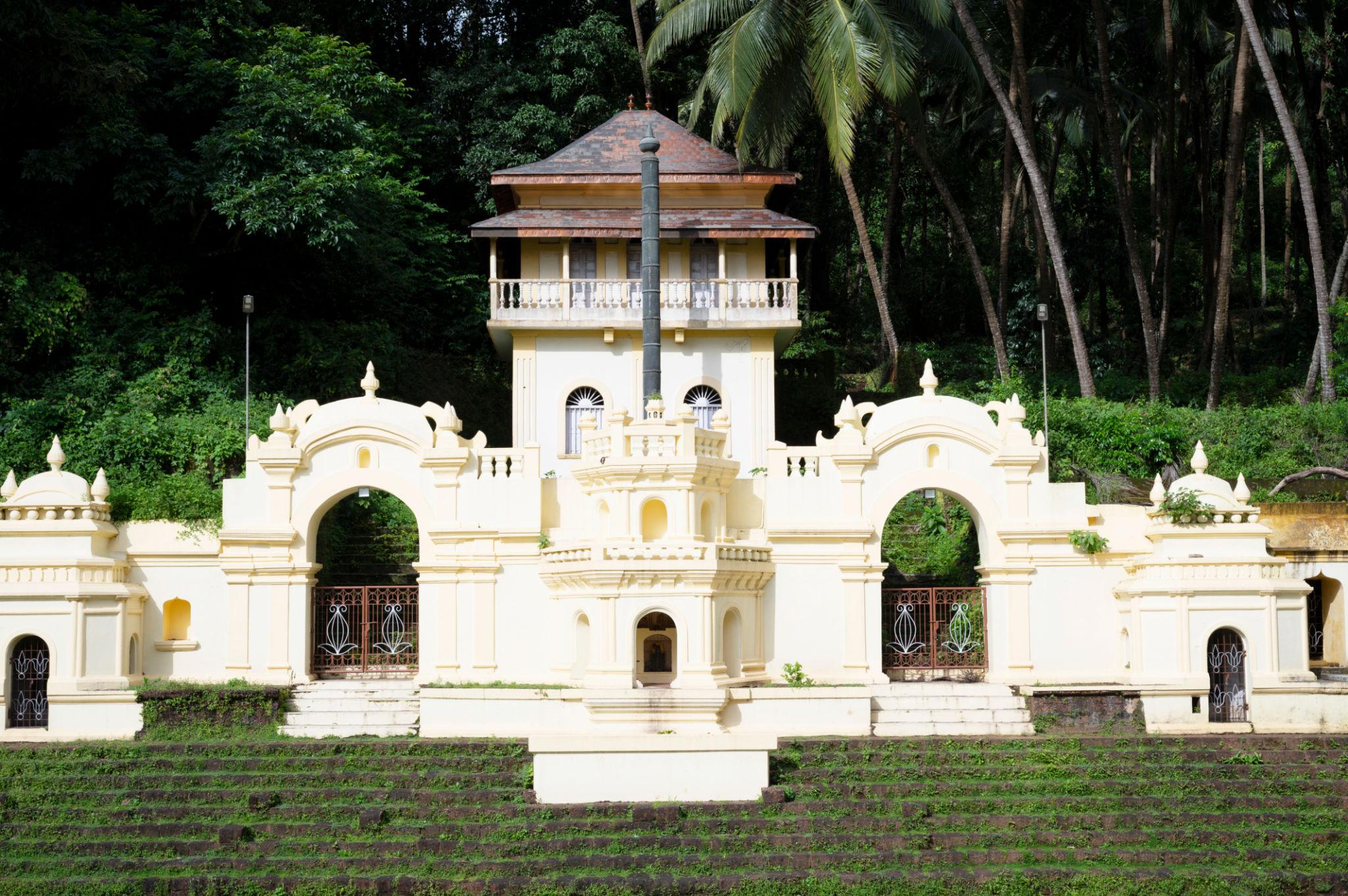
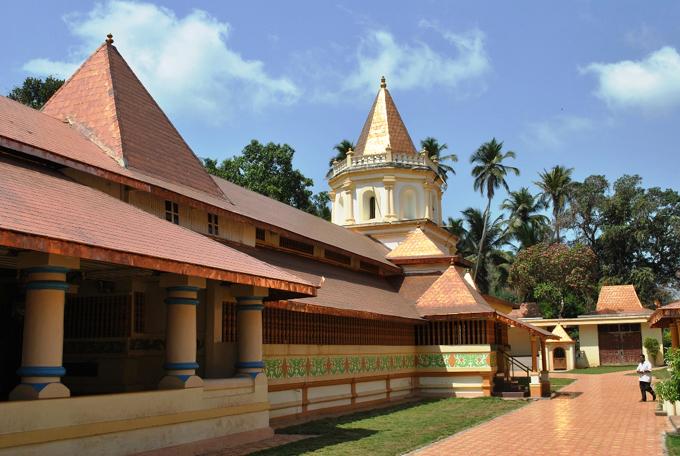
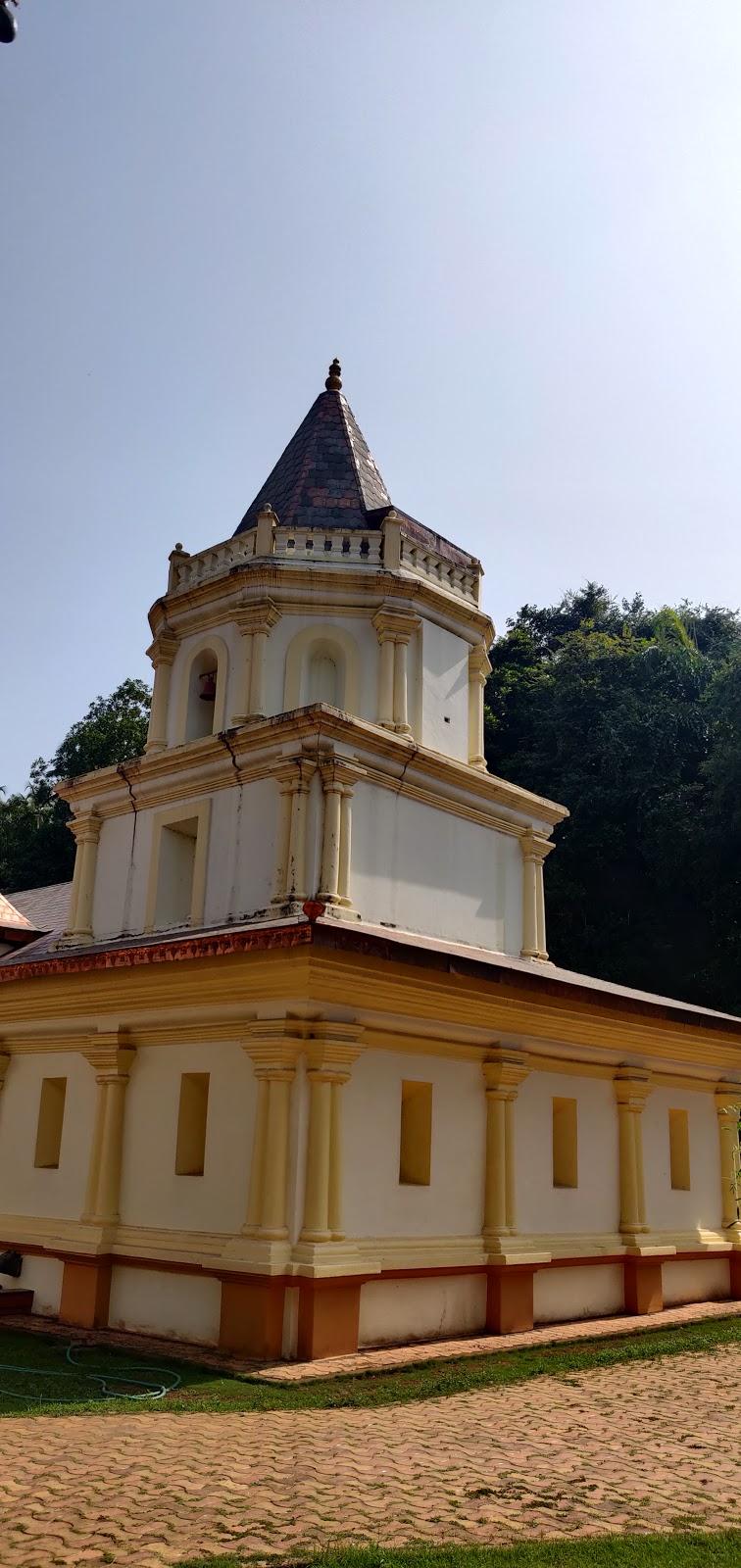
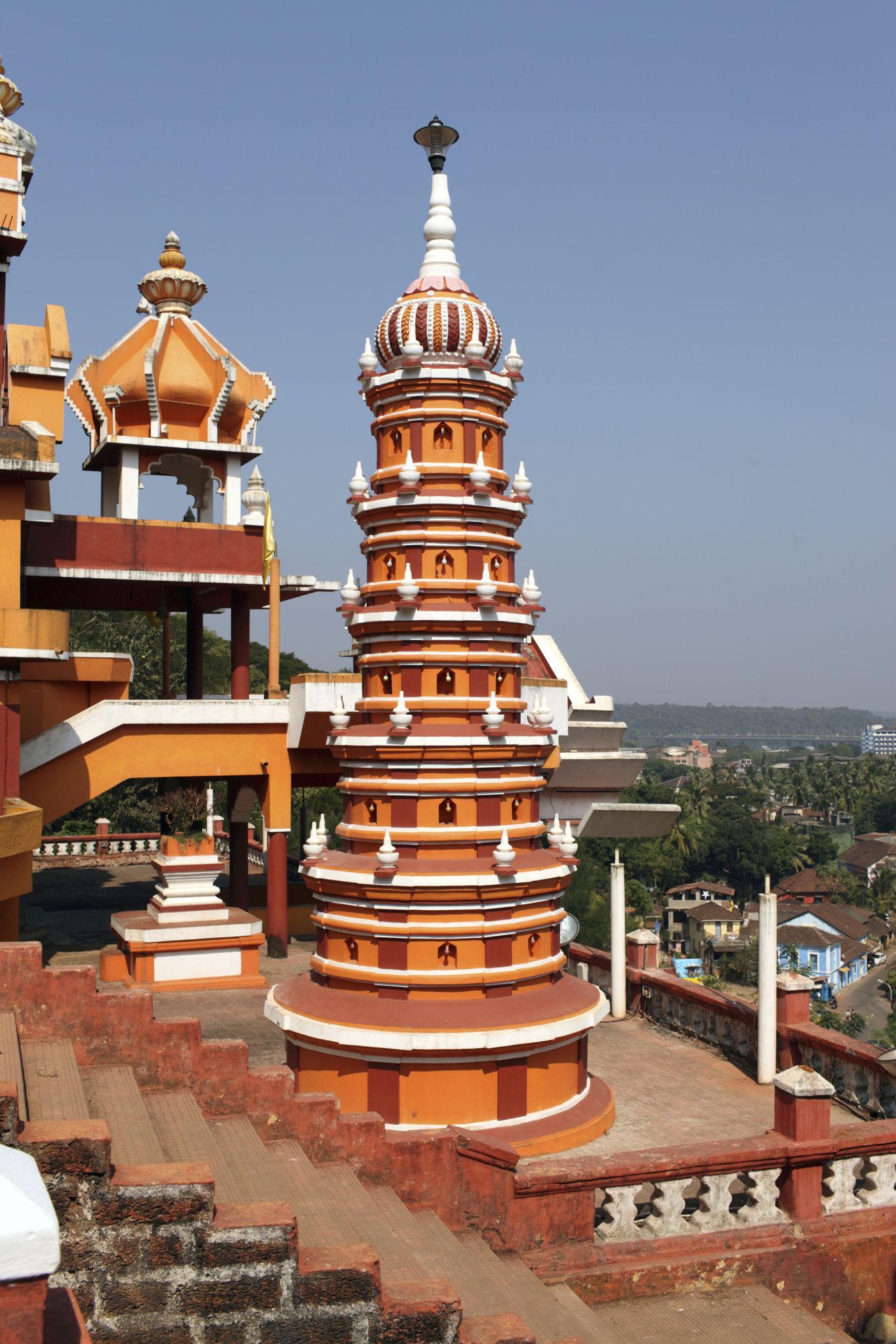
The architecture of the Lakshmi Narasimha Temple is a classic example of the Goan Temple Style, which evolved as a distinctive fusion of various cultural influences. Upon entering the complex, the first thing that catches the eye is the Deepstambha (tower of light). This multi-storied octagonal tower is a hallmark of Goan temples. During festivals, hundreds of oil lamps are placed in its niches, creating a breathtaking spectacle of light. The white-washed exterior of the Deepstambha contrasts beautifully with the surrounding greenery, standing as a beacon of spirituality.
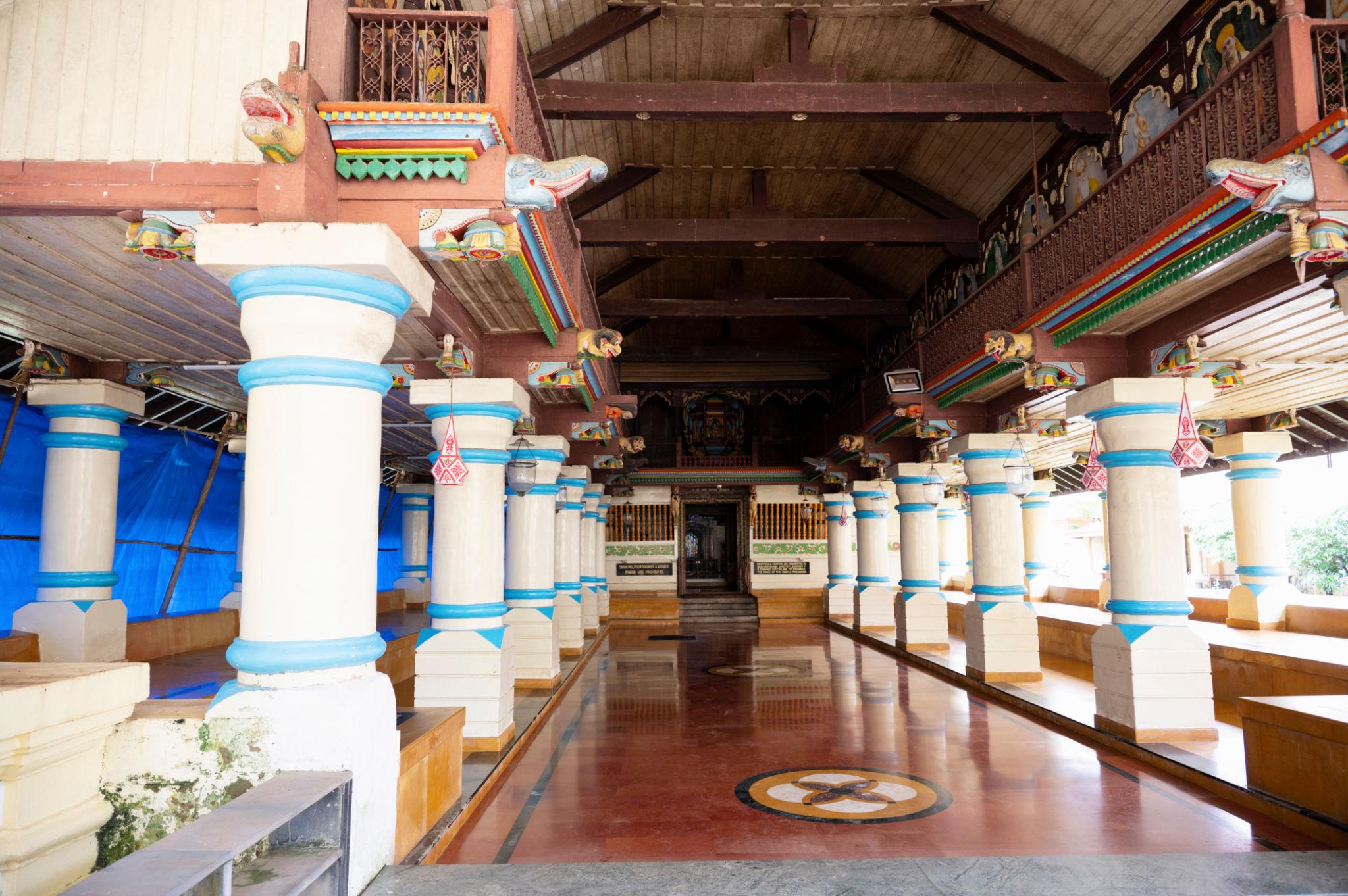
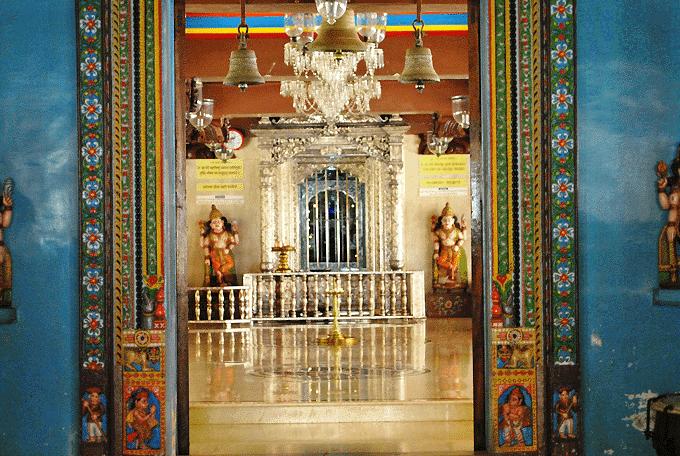
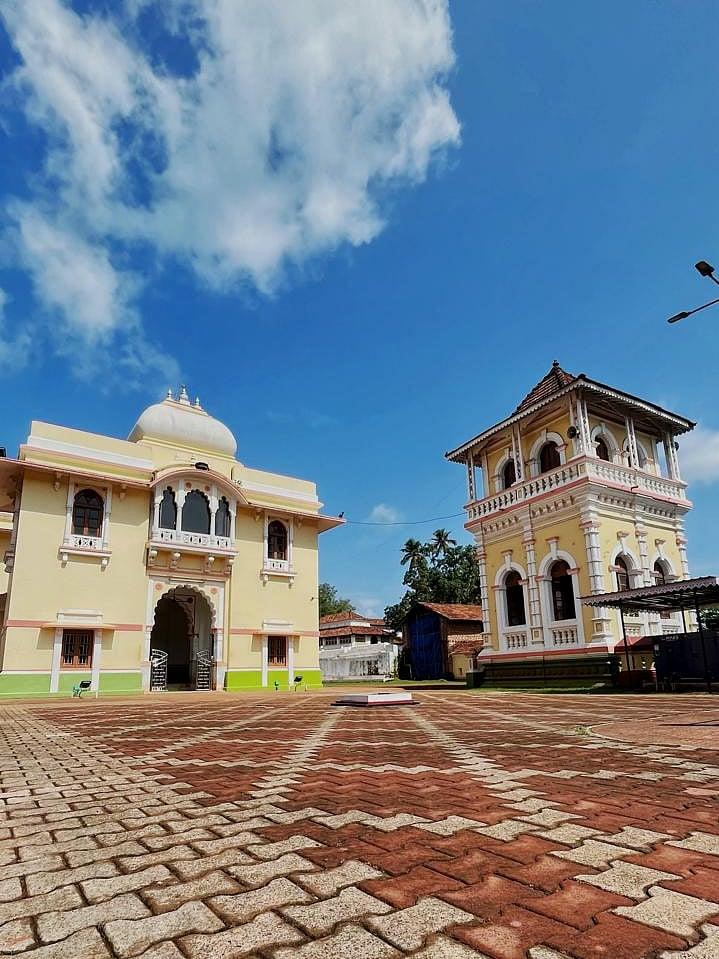
The main temple structure features a sloping roof, traditionally made of Mangalore tiles, designed to withstand the heavy Goan monsoons. The Shikhara (dome) over the sanctum sanctorum is particularly noteworthy. It exhibits a blend of Maratha-style ribbing and Mughal-inspired decorative elements, which was common in the 18th and 19th-century renovations of Goan temples. The Sabhamandapa (assembly hall) is supported by intricately carved wooden pillars. These carvings often depict scenes from the Ramayana, Mahabharata, and the various avatars of Vishnu, showcasing the high level of craftsmanship prevalent in ancient Goa.
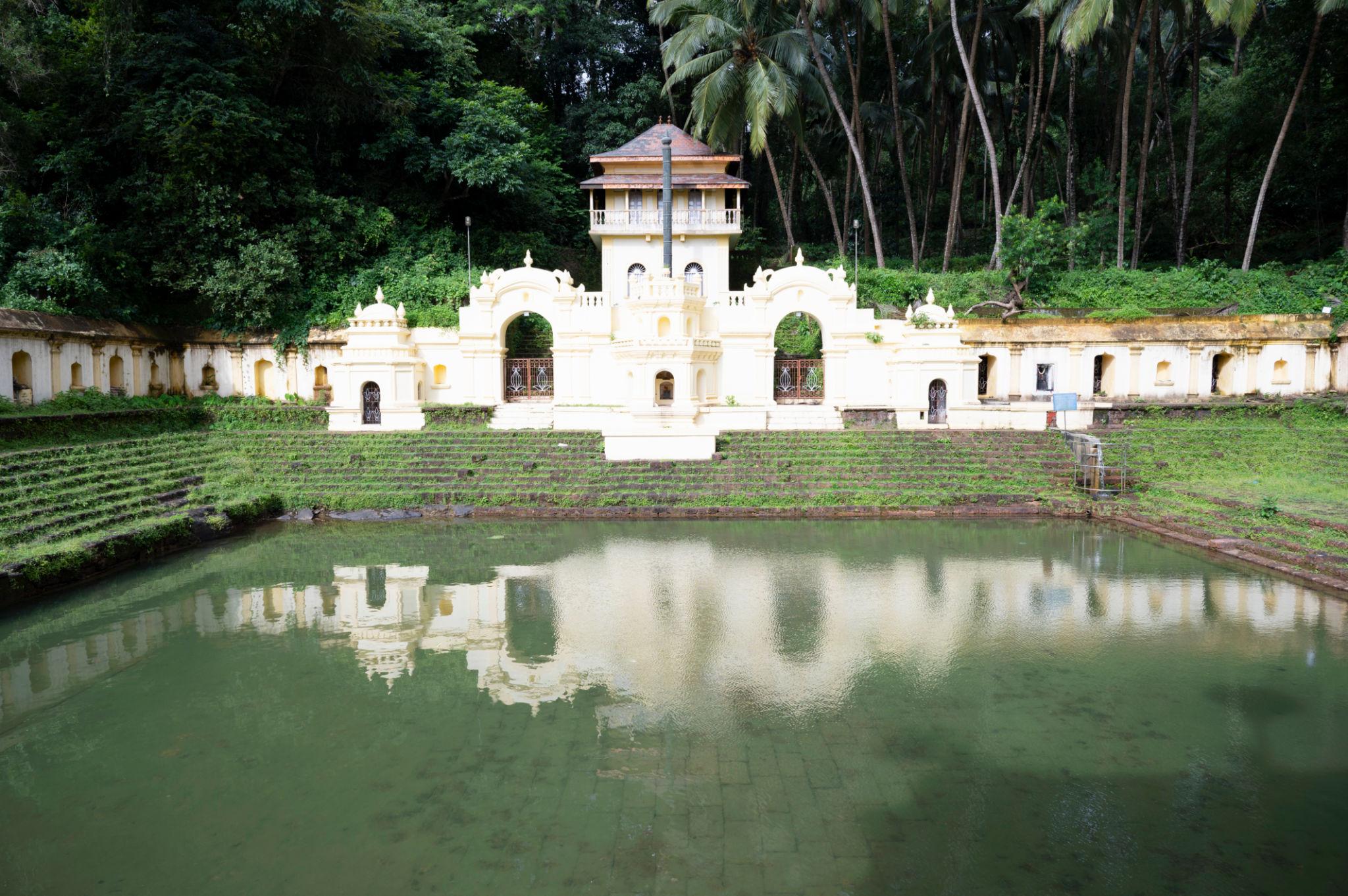
One of the most enchanting features of the temple is the Pushkarni or temple tank. Located at the front or side of the main shrine, the tank is lined with stone steps and surrounded by a gallery of arched walkways. The water in the tank is considered sacred and is used for various ritualistic purposes. The reflection of the temple and the coconut trees in the still water of the tank creates a picturesque and meditative setting. Furthermore, the interior of the temple is adorned with Kaavi art—a traditional Goan form of wall painting using reddish-brown pigment derived from laterite soil. These murals add a layer of historical and artistic depth to the temple’s ambiance, making it a living museum of Goan heritage.
Main Deity / Spiritual Importance
The presiding deity of the temple is Lord Lakshmi Narasimha. The idol is a masterpiece of iconography, carved from black stone with meticulous detail. Lord Narasimha is shown seated with Goddess Lakshmi on his left lap. This specific posture is known as the Ananda Tandava or the peaceful state, signifying that the Lord's anger has been appeased by the devotion of Prahlada and the presence of his consort. The idol is often draped in exquisite silk sarees and adorned with traditional Goan gold jewelry, including the Kasulaperu and intricate headgear.
The spiritual importance of the deity lies in the concept of Saranagati (total surrender). Devotees believe that praying to Lord Narasimha removes obstacles, protects them from evil influences, and brings mental peace. The presence of Goddess Lakshmi signifies prosperity, both material and spiritual. In the Goan context, the deity is also viewed as a guardian of the land. Every ritual performed here, from the daily Abhishek (ritual bath) to the evening Aarti, is conducted with Vedic precision, maintaining the purity and sanctity of the space.
Apart from the main shrine, the temple complex houses several Parivar Devatas (subsidiary deities). These include shrines dedicated to Lord Ganesha, Goddess Durga, and the Gramadevata (village deity). The inclusion of these deities reflects the inclusive nature of Goan Hinduism, where multiple aspects of the divine are worshipped within a single complex. For the GSB community, the temple is the spiritual anchor for their lineage. Many families travel from across the globe to perform the Munj (thread ceremony) or seek blessings for weddings, ensuring that the bond between the deity and the devotee remains unbroken across generations.
Festivals & Celebrations
The Lakshmi Narasimha Temple comes alive during its various festivals, which are celebrated with immense fervor and traditional Goan "shigmo" spirit. The most significant festival is Narasimha Jayanti, which marks the birth anniversary of the Lord. Occurring in the Hindu month of Vaishakha (typically April or May), the temple is decorated with flowers and lights. Special prayers, Vedic chants, and Kirtans (devotional songs) are held throughout the day, culminating in a grand procession at night.
Another major highlight is the Annual Zatra (temple festival). This is a multi-day event that draws thousands of people from all over Goa. The Palkhi (palanquin) procession is the centerpiece of the Zatra, where the deity is carried around the temple complex amidst the sound of traditional instruments like the Dhol, Tasha, and Shehnai. The energy during the Zatra is palpable, with devotees offering "Oti" (offerings of rice, coconut, and cloth) to the Goddess and seeking the Lord's grace. The temple tank is often the site of the Sangodd, a traditional boat festival where the deities are taken for a ceremonial ride on the water.
Other important celebrations include:
- Vasant Panchami: Marking the onset of spring, celebrated with special floral decorations.
- Mharudra: A significant ritual involving the chanting of Vedic hymns for universal peace and prosperity.
- Navratri: Dedicated to Goddess Lakshmi and the various forms of the Divine Mother, featuring nine nights of music and dance.
- Diwali: The festival of lights is particularly beautiful here, as the entire Deepstambha is lit with traditional oil lamps.
These festivals are not just religious events but social gatherings that reinforce community bonds and keep Goan traditions alive.
Best Time to Visit
The best time to visit the Lakshmi Narasimha Temple depends on what you wish to experience. For a pleasant and comfortable visit, the winter months (November to February) are ideal. During this time, the weather in Goa is mild and dry, making it perfect for exploring the temple complex and the surrounding areas of Ponda without the heat and humidity. The mornings are particularly refreshing, with a cool breeze blowing through the valley.
If you wish to experience the temple in its most vibrant and festive state, plan your visit during Narasimha Jayanti (April/May) or the Annual Zatra. Be prepared for crowds, but the cultural richness and the spiritual energy of these events are unparalleled. However, keep in mind that the summer months in Goa can be quite hot, so it is advisable to visit the temple early in the morning or late in the evening.
The monsoon season (June to September) offers a different kind of charm. The Ponda region turns into a lush, tropical paradise with vibrant shades of green. The temple tank fills up, and the sound of rain against the tiled roofs creates a soothing atmosphere. While the rain might limit some outdoor exploration, the temple remains a peaceful retreat for those who enjoy the rainy season. Just ensure you carry an umbrella and are prepared for occasional heavy downpours. Regardless of the season, a visit during the early morning hours (6:30 AM to 8:30 AM) is highly recommended to witness the morning rituals and enjoy the serenity before the day's heat sets in.
Timings, Entry Fee & Dress Code
To ensure a respectful and smooth visit, it is important to be aware of the temple's practical details. The Lakshmi Narasimha Temple generally follows these timings:
- Morning: 6:30 AM to 12:30 PM
- Afternoon Break: 12:30 PM to 3:30 PM (The inner sanctum is usually closed during this time).
- Evening: 3:30 PM to 8:30 PM
Please note that timings may slightly vary during festivals or special occasions. It is always best to arrive at least 30 minutes before the afternoon closing to ensure you can have a
Darshan (viewing of the deity).
Entry Fee: There is no entry fee to visit the Lakshmi Narasimha Temple. Entry is free for everyone, regardless of nationality or religion. However, donations for the upkeep of the temple and its social initiatives are welcomed and can be made at the designated office within the complex.
Dress Code: As a place of deep religious significance, a strict dress code is expected. Visitors are required to dress modestly.
- For Men: Long trousers or traditional dhotis/veshtis are preferred. Short pants, sleeveless shirts, and hats should be avoided inside the temple.
- For Women: Sarees, salwar kameez, or long skirts are recommended. Avoid wearing short skirts, sleeveless tops, or transparent clothing.
- Footwear: All footwear must be removed before entering the temple premises. There is usually a designated area or a shoe stand near the entrance.
Adhering to these guidelines shows respect for the local culture and the sanctity of the temple.
How to Reach Lakshmi Narasimha Temple
The Lakshmi Narasimha Temple is located in Veling, which is approximately 3 kilometers from the main town of Ponda and about 22 kilometers from the state capital, Panaji. Reaching the temple is relatively easy due to Goa’s well-connected road network.
By Road: This is the most convenient way to reach the temple.
- From Panaji: You can hire a taxi or take a Kadamba (government) bus heading towards Ponda. From the Ponda bus stand, you can take a local rickshaw or a pilot (motorcycle taxi) to Veling.
- From Margao: The temple is about 20 kilometers from Margao. Similar to Panaji, you can use private taxis or buses to reach Ponda and then proceed to Veling.
- Self-Drive: If you have a rented car or scooter, use GPS navigation. The route to Ponda is scenic and well-marked.
By Rail: The nearest major railway station is Madgaon (Margao). From there, you can take a taxi directly to the temple, which takes about 45 minutes to an hour. Another nearby station is Karmali (Old Goa), which is closer to Panaji and about 30 minutes away from the temple by road.
By Air: The Dabolim Airport is approximately 35-40 kilometers away, while the newer Manohar International Airport (Mopa) is about 60 kilometers away. Pre-paid taxis are available at both airports to take you directly to Ponda/Veling. For a more authentic Goan experience, consider using the Goa Miles app to book your taxi at standardized rates.
Things to Do
While the primary purpose of visiting the Lakshmi Narasimha Temple is spiritual, there are several things you can do to enrich your visit:
- Participate in the Aarti: Witnessing the evening Aarti is a sensory delight. The rhythmic chanting, the sound of the bells, and the glow of the lamps create a powerful spiritual atmosphere.
- Meditate by the Pushkarni: The steps of the temple tank are a perfect spot for quiet reflection or meditation. The sound of water and the surrounding greenery provide a natural calming effect.
- Observe the Architecture: Spend time looking at the intricate carvings on the wooden pillars and the unique design of the Deepstambha. If you are interested in photography, the exterior of the temple offers many beautiful angles (ensure you follow photography rules).
- Explore the Village of Veling: Take a short walk around the village. The area is filled with traditional Goan houses, spice plantations, and friendly locals. It’s a great way to experience rural Goan life.
- Seek a Blessing: If you are comfortable, you can approach the temple priest to perform a small Archana (offering) in your name or the name of your loved ones.
- Learn about the History: Engage with the temple staff or local devotees. Many have fascinating stories about the temple’s relocation and the miracles associated with the deity.
Nearby Attractions
The Ponda region is often called the "Temple Heartland of Goa," and there are several other significant sites located within a short distance of the Lakshmi Narasimha Temple:
- Mangueshi Temple (Priol): One of the most famous and largest temples in Goa, dedicated to Lord Shiva. It is just a 5-minute drive from Veling.
- Mahalsa Narayani Temple (Mardol): Located very close to Veling, this temple is dedicated to the female avatar of Lord Vishnu. Its wooden carvings are world-renowned.
- Nageshi Temple: Another ancient temple in the vicinity, known for its beautiful tank and peaceful surroundings.
- Sahakari Spice Farm: Located a few kilometers away, this is a great place to learn about Goa’s spices, enjoy a traditional Goan lunch, and even see elephants.
- Tropical Spice Plantation: Another excellent agro-tourism spot offering guided tours and insights into the cultivation of vanilla, cardamom, and black pepper.
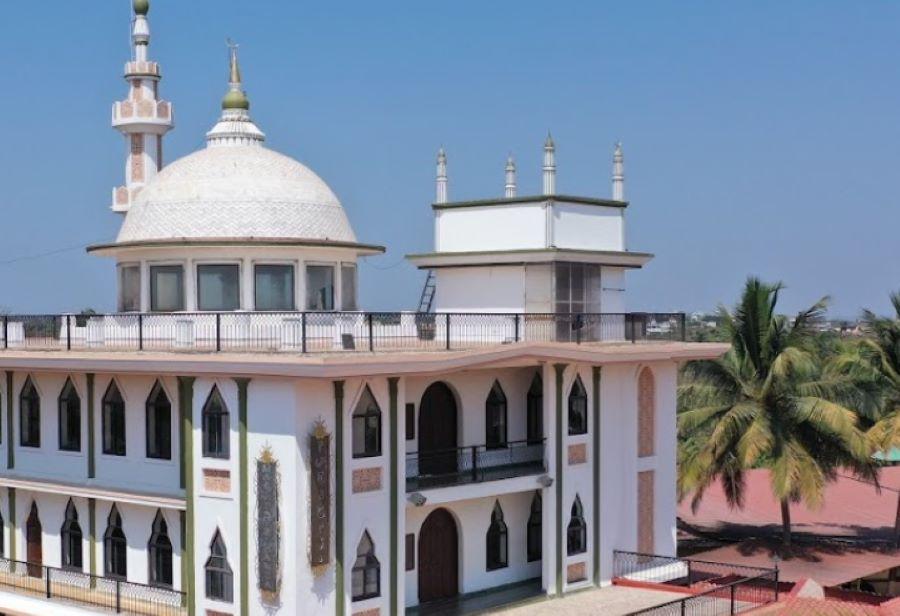
- Safa Shahouri Masjid: A 16th-century mosque built by Ibrahim Adil Shah, showcasing beautiful Islamic architecture amidst lush gardens.
- Bondla Wildlife Sanctuary: About 15-20 kilometers away, this is a great spot for families, featuring a mini zoo, botanical gardens, and nature trails.
Photography & Visitor Guidelines
To maintain the decorum and sanctity of the Lakshmi Narasimha Temple, visitors are requested to follow these guidelines:
- Photography: Photography is generally prohibited inside the inner sanctum (Garbhagriha). However, you are usually allowed to take photos of the exterior, the Deepstambha, and the temple tank. Always look for signage or ask the temple authorities before clicking pictures.
- Silence: Maintain silence or speak in low tones within the temple premises. Avoid using mobile phones for calls while inside the prayer halls.
- Respect Rituals: If a ritual or ceremony is in progress, observe quietly from a distance. Do not interrupt the priests or the devotees.
- Cleanliness: Do not litter. Use the bins provided. The temple complex is a sacred space; help keep it clean.
- Offerings: If you wish to offer flowers or coconuts, purchase them from the vendors outside. Do not bring outside food into the main temple area.
- Menstruation: In accordance with traditional customs, women are requested not to visit the temple during their menstrual cycle. While this is a personal choice, respecting local traditions is appreciated.
Where to Eat Nearby
Exploring the temples of Ponda can work up an appetite. Fortunately, there are several options for authentic Goan food nearby:
- Temple Bhojanhalaya: Many temples in the area, including Mangueshi and Mahalsa, offer a simple, traditional vegetarian meal (Prasad) during lunchtime. It is a humble but soul-satisfying experience.
- Local Eateries in Ponda: The Ponda market area has several restaurants serving authentic Goan Hindu cuisine. Look for places serving Goan Thalis, which include fish curry (for non-vegetarians) or variety of vegetable preparations like Khatkhate.
- Spice Farm Lunches: If you visit the Sahakari or Tropical spice farms, they provide an elaborate buffet lunch served on banana leaves, featuring local specialties and herbal teas.
- Farmagudi Residency: Run by the Goa Tourism Development Corporation (GTDC), this place offers a decent range of Indian and Goan dishes in a comfortable setting.
- Street Food: Don't miss trying the local "Ross Omelette" or "Batata Vada" from the small kiosks around the Ponda bus stand for a quick, tasty snack.
Accommodation Nearby
While most people visit the Lakshmi Narasimha Temple as a day trip from the coastal areas, staying in Ponda allows for a more immersive experience:
- GTDC Farmagudi Residency: A reliable and budget-friendly option located on a hillock near Ponda. It offers clean rooms and a peaceful environment.
- Atreya Vedic Farm: For those seeking a wellness-oriented stay, this farm offers eco-friendly cottages and Ayurvedic treatments in a lush forest setting.
- The Postcard Hideaway, Netravali: If you are looking for luxury and don't mind a bit of a drive, this boutique hotel offers ultimate seclusion and high-end amenities.
- Homestays: Several local families in Veling and Mardol offer homestay options. This is the best way to experience Goan hospitality and home-cooked food.
- Dharamshalas: The temple itself and nearby major temples often have Agarsalas (pilgrim rest houses) which provide basic accommodation for devotees at a very nominal cost.
Travel Tips
To make your trip to the Lakshmi Narasimha Temple seamless, keep these tips in mind:
- Carry Cash: While some larger shops in Ponda accept cards or UPI, smaller vendors and temple donation counters may prefer cash.
- Stay Hydrated: The Goan humidity can be taxing. Carry a reusable water bottle and drink plenty of fluids.
- Local Language: Konkani is the local language. Knowing basic phrases like "Dev Borem Karum" (Thank you/God bless you) can go a long way in connecting with the locals. Most people also understand English, Hindi, and Marathi.
- Combine Your Visit: Since several major temples are located within a 5-kilometer radius, it is efficient to plan a "Temple Circuit" day.
- Respect Local Customs: Goans are very protective of their culture. Be polite, dress appropriately, and always ask before taking photos of people.
- Transport: If you are not driving, hiring a taxi for the day is the most comfortable way to see multiple sites in Ponda, as public buses can be time-consuming.
Conclusion
The Lakshmi Narasimha Temple in Veling is more than just a historical monument; it is a living, breathing symbol of Goan faith and resilience. Its journey from the shores of Sancoale to the quiet valleys of Veling mirrors the story of the Goan people themselves—unyielding in their devotion and deeply rooted in their traditions. The temple’s unique blend of architecture, its serene Pushkarni, and the powerful presence of the deity create an atmosphere that is both humbling and uplifting.
As you leave the temple gates, the sense of peace you carry with you is the true gift of this sacred site. In a world that is increasingly fast-paced, places like the Lakshmi Narasimha Temple remind us of the importance of stillness, faith, and the preservation of our cultural roots. Whether you come here to offer a prayer, to admire the craftsmanship of the Goan artisans, or simply to find a moment of quietude amidst nature, the temple welcomes you with open arms. It remains an essential stop for anyone wishing to discover the soulful, spiritual heart of Goa.