Overview of Shri Nagesh Temple Bandora
Nestled in the heart of the lush, emerald-green landscapes of Ponda, the Shri Nagesh Temple in Bandora stands as a profound testament to Goa’s enduring spiritual heritage. While many travelers flock to the coastal stretches of Goa for its sun-kissed beaches and vibrant nightlife, the hinterlands of Ponda—often referred to as the "Antruz Mahal"—offer a completely different experience. Here, in the quiet village of Bandora, the Shri Nagesh Temple serves as a sanctuary of peace, history, and architectural brilliance. It is one of the most ancient and significant shrines in the region, dedicated to Lord Shiva in his form as Nagesh (the Lord of Serpents).
What makes the Shri Nagesh Temple particularly unique in the Goan context is its remarkable survival. Unlike many other prominent Goan temples that were destroyed during the 16th-century Portuguese Inquisition and subsequently rebuilt in new locations, the Shri Nagesh Temple remained untouched in its original site. This is because Ponda, during that turbulent era, fell under the jurisdiction of the Sonde Rajas or the Bijapur Sultanate, remaining outside the immediate reach of the Portuguese "Old Conquests." Consequently, when you walk through the gates of this temple, you are stepping onto ground that has remained sacred and physically continuous for over six centuries.
The temple is situated approximately 4 kilometers from the bustling town of Ponda and about 25 kilometers from the capital city, Panaji. The approach to the temple is characterized by winding village roads lined with coconut groves, betel nut trees, and traditional Goan homes. The atmosphere here is thick with the scent of damp earth and incense, immediately transporting visitors away from the modern world into a realm of ancient devotion. For the traveler seeking the "real" Goa—the Goa of deep-rooted traditions, intricate craftsmanship, and serene spirituality—the Shri Nagesh Temple is an essential destination.
History & Religious Significance
The historical weight of the Shri Nagesh Temple Bandora is anchored by a significant archaeological find: a stone inscription dating back to the year 1413 AD. This inscription, which belongs to the era of the Vijayanagara Empire, mentions the gift of lands to the temple by a local authority under the reign of King Devaraya I. This piece of evidence firmly establishes that the temple was a flourishing center of worship long before the arrival of European colonial powers in India. The inscription is not just a legal document of land grants but a window into the socio-religious fabric of 15th-century Goa, highlighting the patronage the temple received from the ruling elite.
The religious significance of the temple is deeply intertwined with the worship of Lord Shiva. In Hindu mythology, Shiva is often associated with snakes, representing his control over time, poison, and the primal energies of the earth. As "Nagesh," he is the Lord of the Serpents. Local legends suggest that the site of the temple was chosen because of a Swayambhu (self-manifested) Lingam found in the area. For centuries, the local Goud Saraswat Brahmin community and other local devotees have looked upon Shri Nagesh as their "Kuladevata" (family deity), maintaining a lineage of worship that has seen no interruption.
Furthermore, the temple's history is a story of resilience. During the 16th and 17th centuries, as the Portuguese systematically dismantled Hindu temples in the coastal talukas of Bardez, Salcete, and Tiswadi, Bandora became a refuge for both deities and devotees. While Shri Nagesh was already resident here, the surrounding areas saw the arrival of other displaced deities, turning Ponda into a "Temple Town." The fact that Shri Nagesh remained in its original 15th-century location (with subsequent renovations in the 18th and 19th centuries) makes it a primary source for understanding pre-colonial Goan temple layouts and rituals.
Architecture of Shri Nagesh Temple Bandora
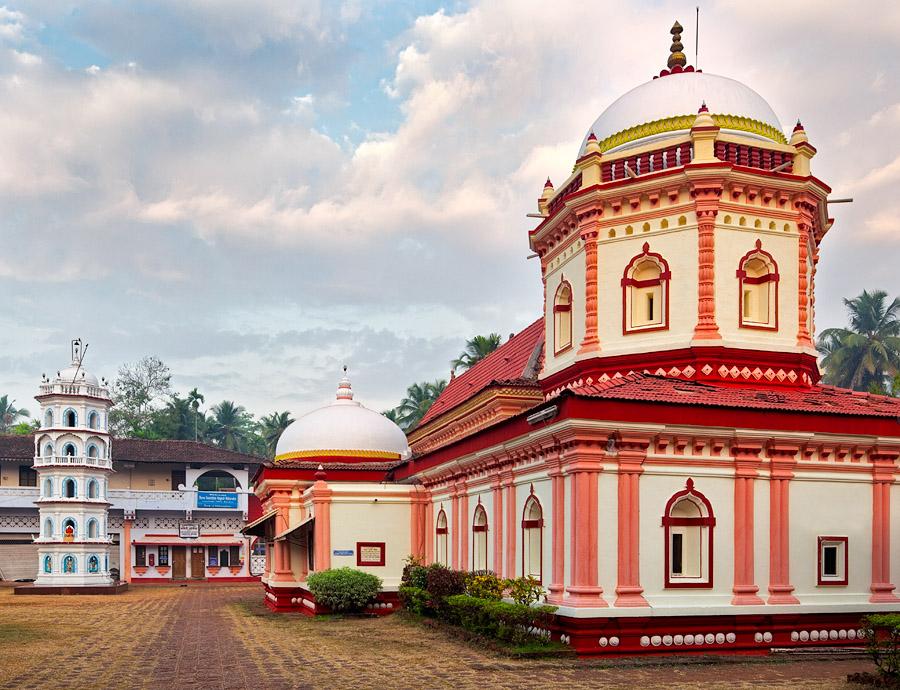
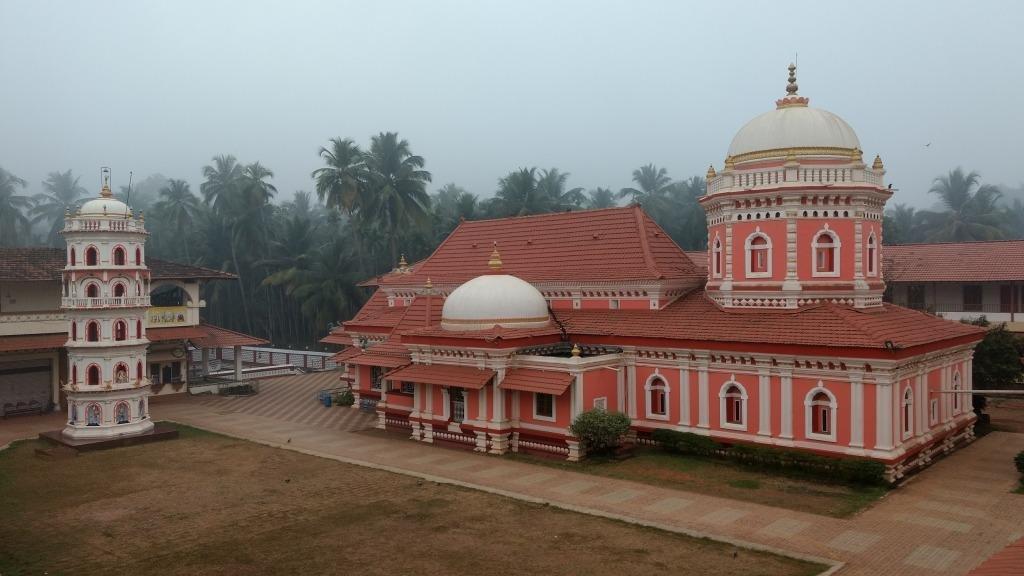
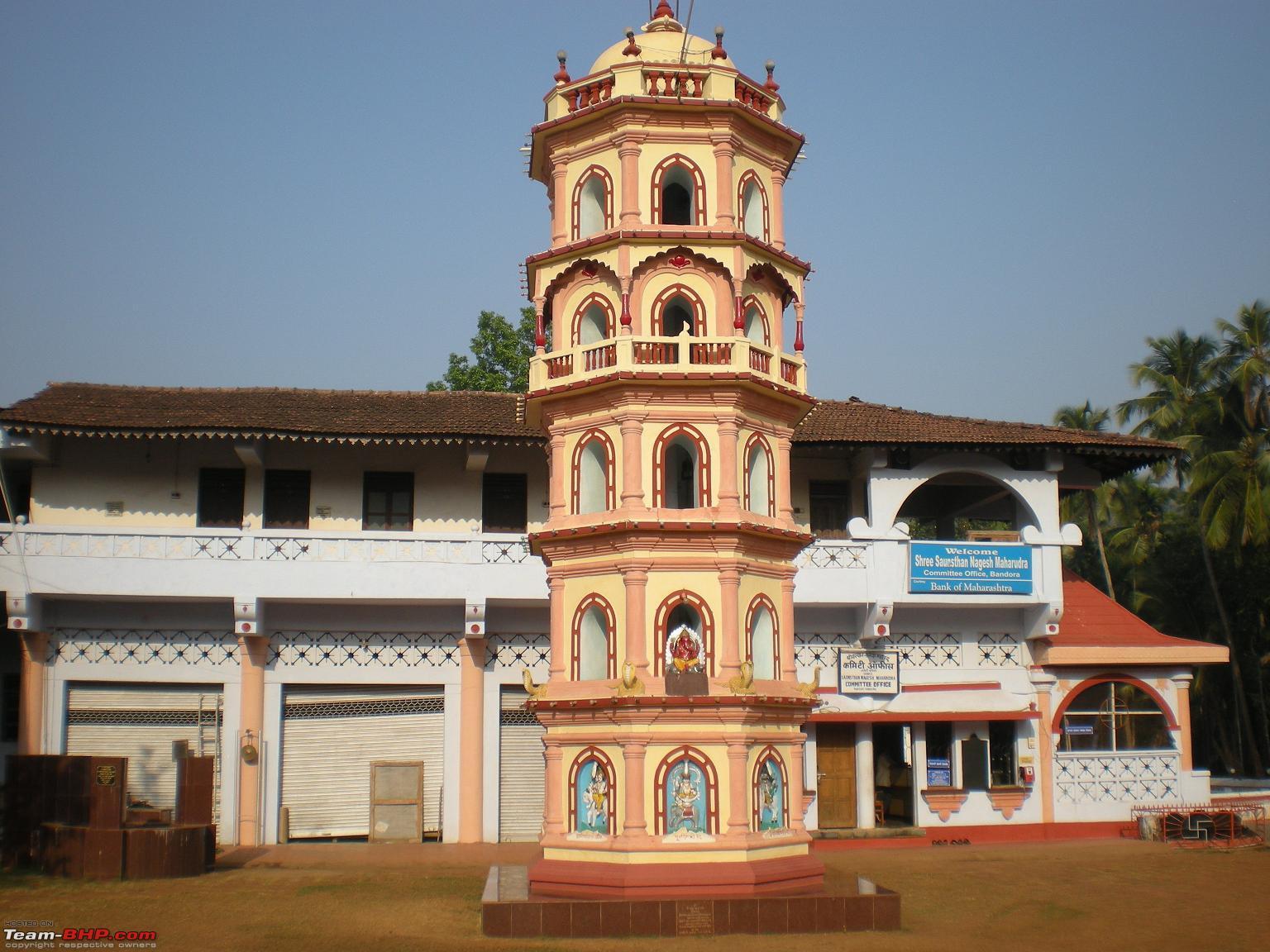
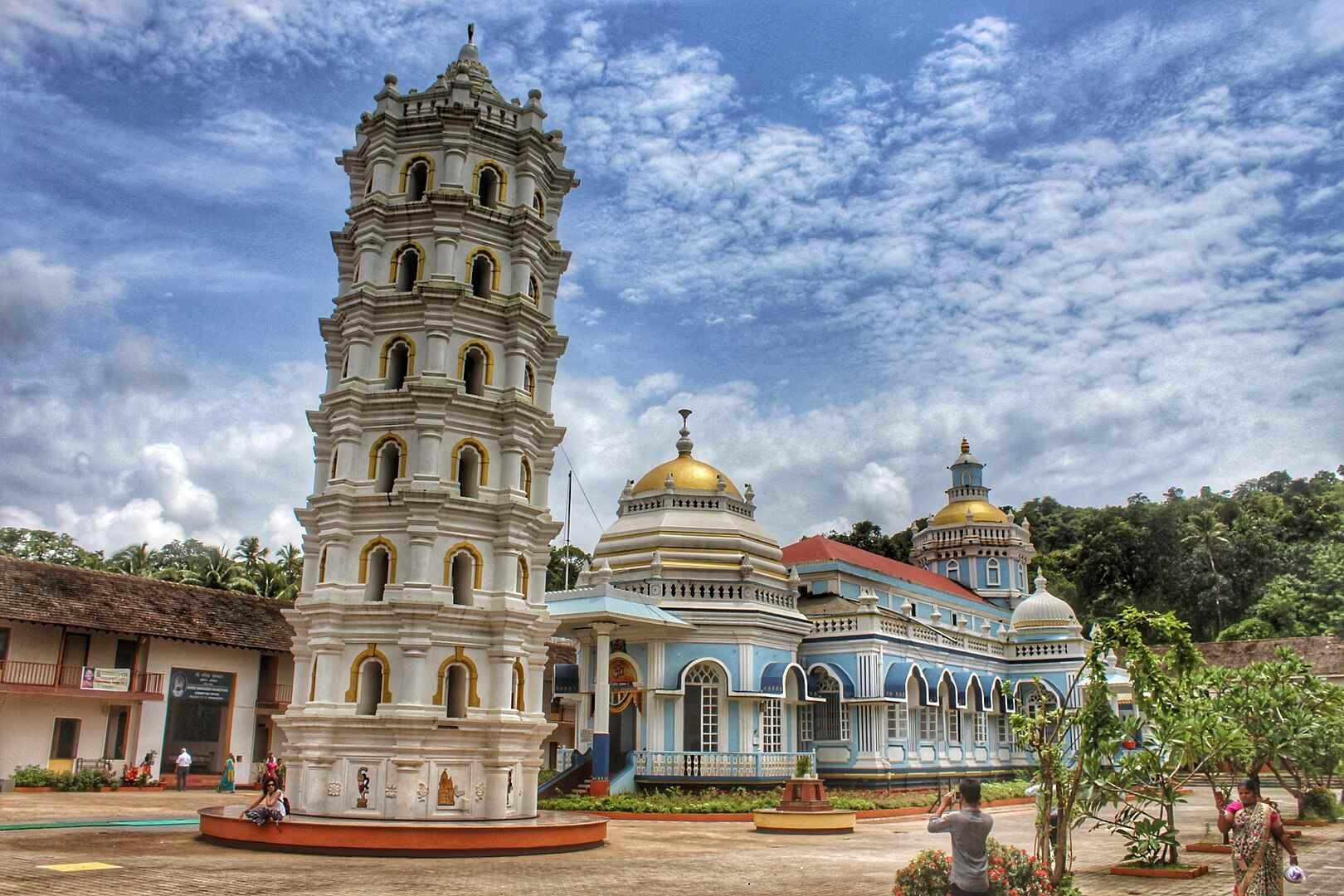
The architecture of the Shri Nagesh Temple is a magnificent blend of traditional Goan Hindu styles and subtle influences from the Maratha and Vijayanagara periods. As you enter the complex, the first thing that captures your attention is the Deepastambha (lamp tower). This five-story structure is a classic feature of Goan temples. It is elegantly proportioned and, during festivals, when hundreds of oil lamps are lit in its niches, it transforms into a pillar of fire, illuminating the entire courtyard.
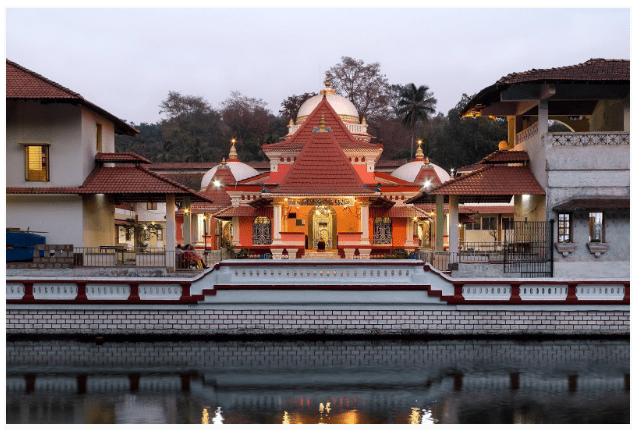
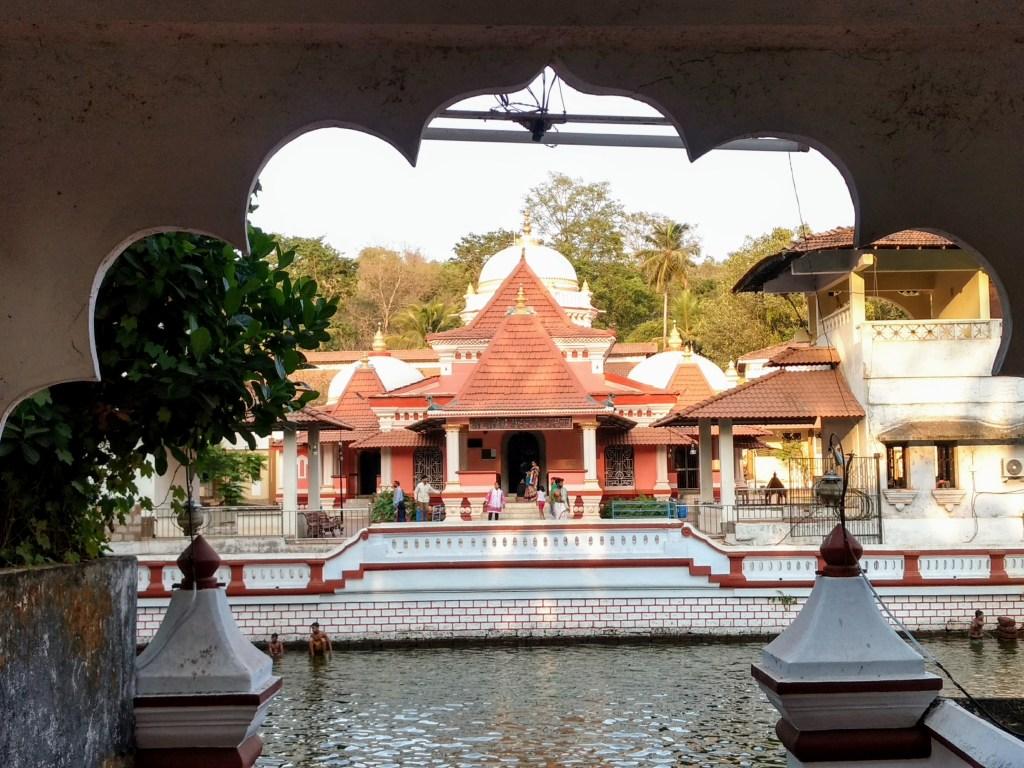
One of the most iconic features of this temple is the Tali or the temple tank. Unlike many other tanks that are purely functional, the tank at Shri Nagesh is designed such that it reflects the main temple structure with crystal clarity. The water is often filled with small fish and lotus plants, creating a meditative visual harmony. Standing at a specific angle near the tank allows you to see the reflection of the temple's dome and the Deepastambha, a sight that has been the subject of countless photographs and paintings. This "mirror effect" is considered one of the most beautiful architectural experiences in Goa.
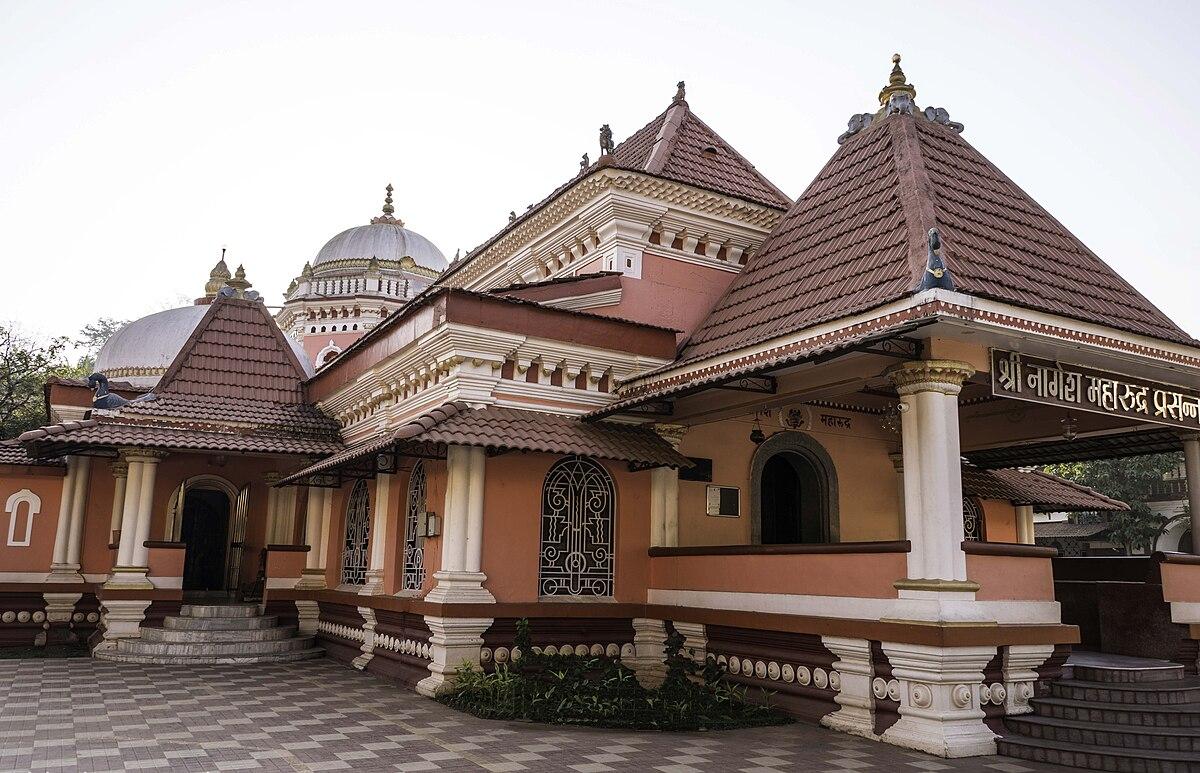
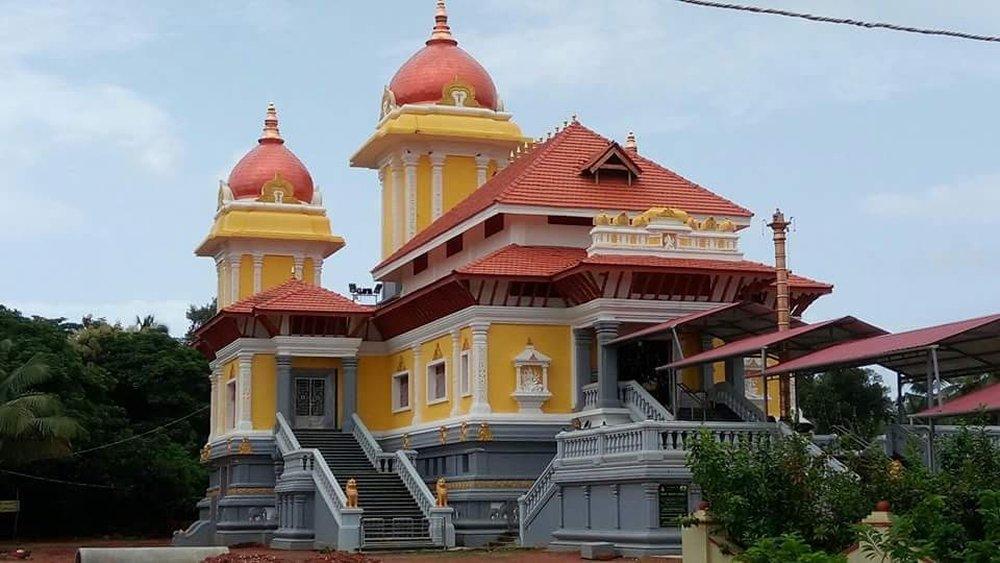
The main temple building consists of the Garbhagriha (sanctum sanctorum), the Antarala (vestibule), and a spacious Mandapa (assembly hall). The Mandapa is particularly noteworthy for its intricate wood carvings. Goan craftsmanship is on full display here, with the ceiling and pillars featuring detailed depictions of scenes from the Ramayana and the Mahabharata. These carvings are not merely decorative; they serve as a visual narrative of Vedic philosophy. The use of dark, polished wood creates a contrast with the white-washed exterior walls, a hallmark of the Goan aesthetic. The roof is typically tiled in the local "Mangalore tile" style, which helps in keeping the interiors cool during the humid Goan summers.
Main Deity / Spiritual Importance
The presiding deity of the temple is Lord Nagesh, an avatar of Lord Shiva. The sanctum sanctorum houses the Shiva Lingam, which is the focal point of all spiritual activity. The Lingam is considered extremely powerful and is believed to be a source of immense "Shakti" (energy). Devotees believe that praying to Lord Nagesh can help overcome obstacles related to health, particularly skin ailments and issues related to "Sarpa Dosha" (afflictions related to serpents in Vedic astrology).
Beside the main Lingam, the temple complex also houses shrines dedicated to other deities, including Goddess Parvati and Lord Ganesha. This trinity represents the complete family unit of Shiva, emphasizing themes of domestic harmony and cosmic balance. The spiritual importance of the temple is also elevated by the presence of the Nandi (the sacred bull), positioned traditionally facing the Lingam. The Nandi at Shri Nagesh is beautifully sculpted, symbolizing patient waiting and focused devotion.
For the local community, the spiritual importance of the temple extends beyond individual prayer. It is a communal hub where the "Panchang" (Hindu calendar) governs daily life. The rituals performed here follow ancient Agamic traditions, which have been preserved by generations of priests. The chanting of the Rudra Chamakam and Abhishekam (ritual bathing of the Lingam) are daily occurrences that fill the air with a rhythmic, hypnotic energy, inviting even the casual visitor into a state of introspection and peace.
Festivals & Celebrations
The Shri Nagesh Temple comes alive with extraordinary fervor during its annual festivals. The most significant of these is Mahashivratri, celebrated in February or March. On this day, thousands of devotees from across Goa and neighboring states descend upon Bandora. The temple remains open throughout the night, with special "Prahars" (prayer sessions) and continuous chanting of "Om Namah Shivaya." The entire temple complex is decorated with flowers and traditional lamps, creating an ethereal atmosphere.
Another major celebration is the Annual Jatra (temple fair), which usually takes place in the month of November (Kartik month of the Hindu calendar). This is a multi-day event characterized by the Palkhi (palanquin) procession. The deity is placed in a beautifully decorated palanquin and carried around the temple premises on the shoulders of devotees, accompanied by traditional music played on the Dhol, Tasha, and Shehnai. The energy during the Jatra is infectious, with local markets popping up around the temple selling everything from traditional sweets like 'Khaje' to handmade wooden toys.
Kartik Poornima is also a sight to behold at the Shri Nagesh Temple. On this full moon night, the Deepastambha is fully lit. The reflection of the thousand lamps in the temple tank creates a mesmerizing "double illumination" effect. Other festivals like Ganesh Chaturthi and Shigmo (Goa's version of Holi) are also celebrated with local cultural performances, including folk dances like the 'Ghodemodni' and 'Dashavatara' plays, which are integral to Goan Hindu culture.
Best Time to Visit
To experience the Shri Nagesh Temple Bandora in its full glory, the best time to visit is during the winter months, from November to February. During this period, the weather in Goa is pleasant, with clear blue skies and a gentle breeze, making it ideal for exploring the outdoor architectural features of the temple and the surrounding village. This period also coincides with major festivals like the Jatra and Mahashivratri, offering a deep dive into local traditions.
The monsoon season (June to September) offers a different kind of charm. The Ponda region becomes incredibly lush, and the temple tank fills to the brim. The sound of rain falling on the Mangalore tiles and the sight of the misty Western Ghats in the distance provide a very soulful, albeit humid, experience. However, travelers should be prepared for heavy downpours which might limit outdoor exploration.
If you prefer a quiet, meditative visit, aim for the mid-week mornings (Tuesday to Thursday). Weekends tend to see more local devotees and domestic tourists. Arriving early in the morning, around 7:30 AM or 8:00 AM, allows you to witness the morning rituals and enjoy the temple in near-solitude before the heat of the day sets in.
Timings, Entry Fee & Dress Code
The temple follows a strict schedule to accommodate daily rituals and the rest periods of the deity. Generally, the timings are as follows:
- Morning: 6:30 AM to 12:30 PM
- Afternoon: 3:30 PM to 8:30 PM
Please note that the inner sanctum may be closed briefly during specific ritualistic offerings (Naivedya). It is always advisable to check locally if there are any special festival-related changes to these timings.
Entry Fee: There is no entry fee to visit the Shri Nagesh Temple. It is a place of worship open to people of all faiths. However, donations for the upkeep of the temple (Devasthan) are welcomed and can be made at the administrative office inside the complex.
Dress Code: As with most religious sites in Goa, a modest dress code is strictly enforced. Visitors should avoid wearing shorts, sleeveless tops, miniskirts, or beachwear. Men are encouraged to wear trousers or traditional dhotis/kurtas, while women should wear sarees, salwar kameez, or long skirts that cover the legs. It is a sign of respect to the local customs and the sanctity of the space. You will be required to remove your footwear before entering the main temple hall.
How to Reach Shri Nagesh Temple Bandora
Reaching the Shri Nagesh Temple is relatively easy as it is well-connected by road to major Goan hubs. Here are the best ways to get there:
- By Air: The nearest airport is the Manohar International Airport (Mopa) in the north or Dabolim Airport in the south. From either airport, you can hire a pre-paid taxi. The drive from Dabolim takes approximately 45-60 minutes (about 35 km).
- By Rail: The closest major railway station is Madgaon (Margao), which is about 20 km away. Another option is the Karmali Railway Station near Old Goa, which is roughly 15 km from the temple. Taxis and auto-rickshaws are readily available at both stations.
- By Road: If you are staying in Panaji, you can take a KTC (Kadamba Transport Corporation) bus to Ponda and then a local rickshaw to Bandora. However, for the most comfortable experience, hiring a car or a scooter is recommended. The temple is located just off the NH4A (Panaji-Belgaum Highway). Follow the signs for "Bandora" or "Nageshi."
- Local Transport: Within Ponda, pilot (motorcycle taxi) services are a unique and quick way to reach the temple through the narrow village lanes.
Things to Do
While the primary purpose of a visit is spiritual, there are several things you can do to enrich your experience at the Shri Nagesh Temple:
- Meditate by the Tali: Spend at least 15-20 minutes sitting by the ancient water tank. The stillness of the water and the reflection of the temple provide a perfect backdrop for mindfulness and meditation.
- Study the Wood Carvings: Bring a small pair of binoculars or use your zoom lens to look closely at the carvings on the Mandapa ceiling. The intricate details of the chariot scenes and mythological figures are a masterclass in traditional Indian art.
- Observe the Inscriptions: Look for the 1413 AD stone inscription. While you may not be able to read the ancient script, witnessing a physical object that has survived for over 600 years is a humbling experience.
- Witness the Evening Aarti: If you visit in the evening, try to stay for the Aarti. The sound of the bells, the rhythmic chanting, and the waving of the camphor lamps create a powerful sensory experience that defines Goan temple culture.
- Walk through Bandora Village: After visiting the temple, take a slow walk through the village. You will see traditional Goan houses with large balconies (balcãos) and vibrant gardens, offering a glimpse into the slow-paced "Susegad" life of rural Goa.
Nearby Attractions
The Shri Nagesh Temple is located in a region rich with historical and natural attractions. You can easily spend a full day exploring the vicinity:
- Shri Mahalaxmi Temple, Bandora: Located just a few hundred meters away, this temple is dedicated to the Goddess of Wealth. It features a beautiful silver arched entrance and is another ancient site of great importance.
- Farmagudi Fort & Ganpati Temple: About 3 km away, Farmagudi is home to a stone fort and a modern Ganpati temple built by the Maratha ruler Shivaji. It is a great spot for history buffs.
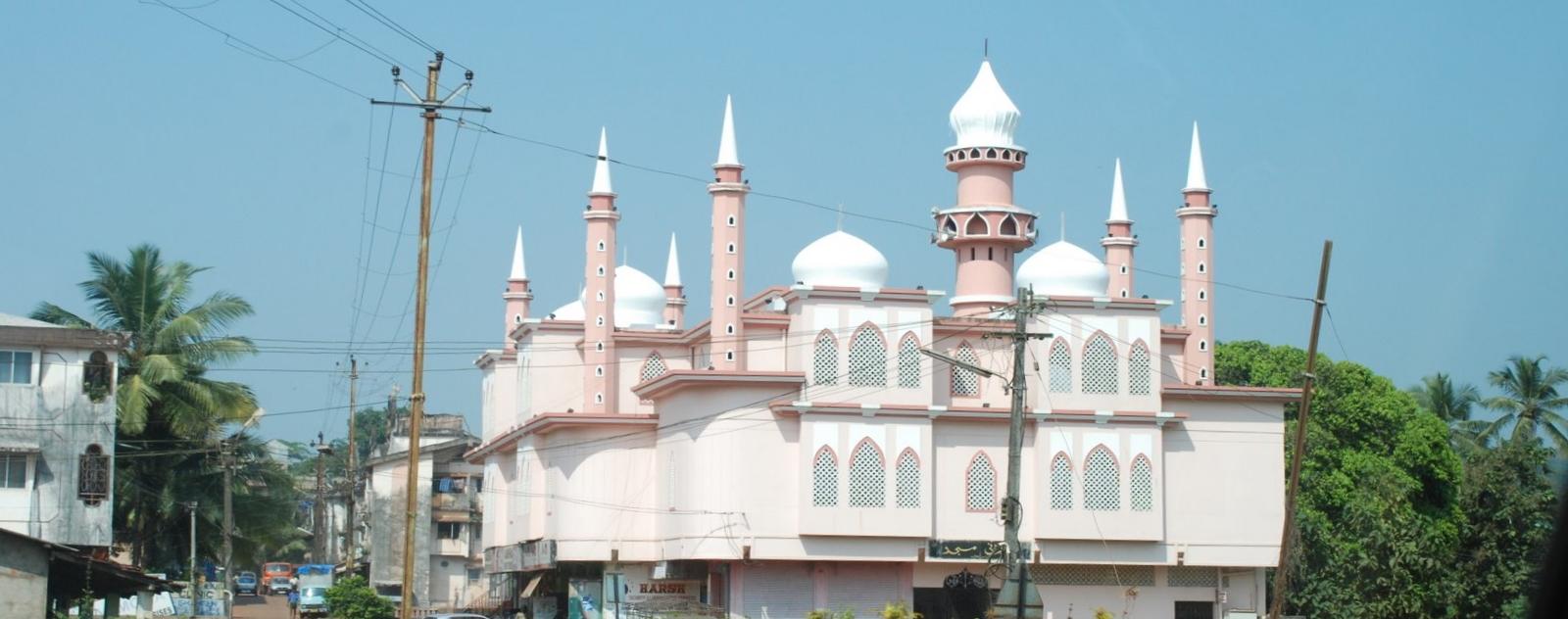
- Safa Shahouri Masjid: One of the oldest mosques in Goa, built in 1560 by Ibrahim Adil Shah. It is located in Ponda and is famous for its elegant masonry and large masonry tank.
- Sahakari Spice Farm: Located about 5 km from the temple, this is one of Goa’s premier spice plantations. You can take a guided tour to learn about cardamom, vanilla, cinnamon, and black pepper, followed by a traditional Goan lunch.
- Mangueshi Temple: One of the largest and most visited temples in Goa, dedicated to Lord Manguesh (an incarnation of Shiva). It is about 7 km from Bandora and is famous for its grand architecture and massive Deepastambha.
Photography & Visitor Guidelines
To ensure a respectful visit, please keep the following guidelines in mind:
- Photography: Photography is generally prohibited inside the inner sanctum (Garbhagriha) of the temple. However, you are usually allowed to take photos of the exterior architecture, the Deepastambha, and the temple tank. Always look for signage or ask the temple priest before clicking photos.
- Silence: Maintain silence within the temple premises. This is a place of active worship and meditation; loud conversations or phone calls are discouraged.
- Holy Water (Teertha): If the priest offers you 'Teertha' (holy water), receive it in your right palm. It is customary to sip a small amount and then touch your palm to your forehead.
- Circumambulation (Pradakshina): If you wish to walk around the deity, always do so in a clockwise direction.
- Mobile Phones: Keep your mobile phones on silent mode. Avoid taking selfies in front of the main deity as it is considered disrespectful.
Where to Eat Nearby
Ponda is known for its authentic Goan Hindu cuisine, which is distinct from the Catholic Goan food found on the coast. Here are some recommendations:
- Local Eateries in Ponda: Look for small restaurants serving the "Goan Thali." These usually include rice, 'Hooman' (fish curry), 'Kismoor' (dried shrimp salad), and various vegetable preparations flavored with coconut and 'Teppal' (Sichuan pepper).
- Sahakari Spice Farm: If you are visiting the spice farm nearby, their buffet lunch is highly recommended. It is served on banana leaves and features fresh, farm-to-table Goan dishes.
- Hotel Menino: A reliable spot in Ponda town for both vegetarian and non-vegetarian Indian meals.
- Street Food: In the evenings, near the Ponda bus stand, you can find stalls selling 'Ross Omelette' (omelette served with spicy gravy) and 'Mirchi Wada' (chili fritters), which are local favorites.
Accommodation Nearby
Most visitors stay in the coastal areas and visit Ponda as a day trip. However, if you wish to stay closer to the spiritual heart of Goa, there are several options:
- Farmagudi Residency (GTDC): Run by the Goa Tourism Development Corporation, this is a clean, budget-friendly option located on a hillock in Farmagudi, very close to Bandora.
- The Postcard Hideaway, Netravali: For those looking for luxury and seclusion, this boutique property (though a bit of a drive away) offers an immersive experience in Goan nature.
- Atreya Lifestyle: Located in nearby Keri, this offers a more rustic, eco-stay experience surrounded by spice plantations.
- Ponda Town Hotels: There are several mid-range hotels in Ponda town, such as Hotel Sun Grace or Hotel Shakti Palace, which provide basic amenities and easy access to all the surrounding temples.
Travel Tips
To make your trip to Shri Nagesh Temple Bandora seamless, consider these professional travel tips:
- Combine Your Visit: Don't just visit one temple. Plan a "Temple Circuit" that includes Shri Nagesh, Shri Mahalaxmi, Mangueshi, and Shanta Durga. They are all within a 10-15 km radius.
- Hire a Guide: If you are interested in the deep history and the meanings behind the carvings, consider hiring a local guide who specializes in Goan heritage.
- Stay Hydrated: The Ponda region can be quite humid. Always carry a bottle of water, especially if you are walking between temples.
- Respect Local Customs: You might see devotees performing 'Angapradakshina' (rolling on the floor as a form of penance). Please give them space and do not stare or take photos of these private acts of devotion.
- Cash is King: While digital payments are growing, small shops and rickshaws in the Bandora area often prefer cash. Keep some change handy for offerings and small purchases.
Conclusion
The Shri Nagesh Temple in Bandora is more than just a religious site; it is a living museum of Goan history and a sanctuary for the soul. In its ancient stones, reflected waters, and intricate wood carvings, one finds the story of a culture that has remained steadfast through centuries of change. Whether you are a history enthusiast, an architecture lover, or a spiritual seeker, a visit to this temple offers a profound sense of continuity and peace. It reminds us that amidst the fast-paced evolution of modern Goa, there are pockets of stillness where the ancient world still breathes, inviting us to slow down, reflect, and connect with something timeless. As you leave the temple gates, the image of the temple shimmering in the tank water stays with you—a perfect reflection of the enduring beauty of Goan heritage.