Introduction to Fort Aguada
Perched majestically on the Sinquerim beach, overlooking the vast expanse of the Arabian Sea, Fort Aguada stands as a silent sentinel of Goa’s rich colonial past. This formidable seventeenth-century Portuguese fort is perhaps the most iconic and well-preserved historical monument in the state of Goa. For travelers seeking a blend of history, architecture, and breathtaking natural beauty, Fort Aguada is an indispensable stop on any Goan itinerary. Its name, derived from the Portuguese word for water, 'Agua,' hints at its original purpose as a crucial watering station for passing ships navigating the treacherous waters of the Indian Ocean.
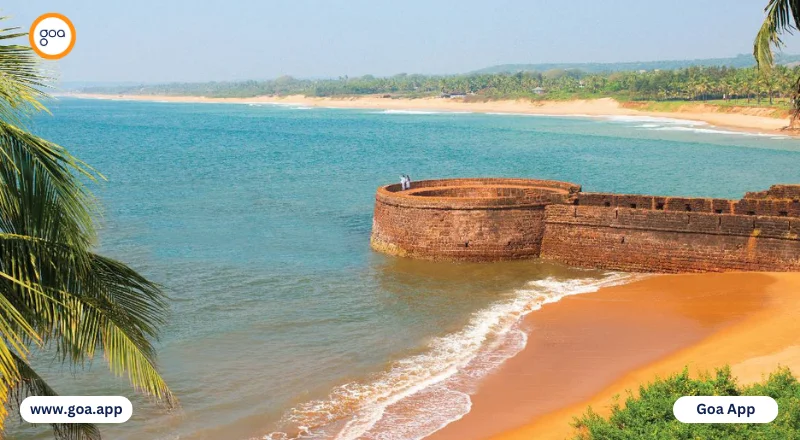
As you approach the fort, the first thing that strikes you is the deep, earthy red of the laterite stone, a characteristic feature of Indo-Portuguese architecture. The fort is strategically located at the mouth of the Mandovi River, offering a panoramic view that stretches from the bustling shores of Candolim to the distant horizon where the sky meets the sea. Whether you are a history buff, a photography enthusiast, or a casual tourist looking for the perfect sunset spot, Fort Aguada delivers an experience that is both educational and visually stunning. It represents an era when Goa was the "Rome of the East," serving as a vital node in the global maritime trade routes controlled by the Portuguese Empire.
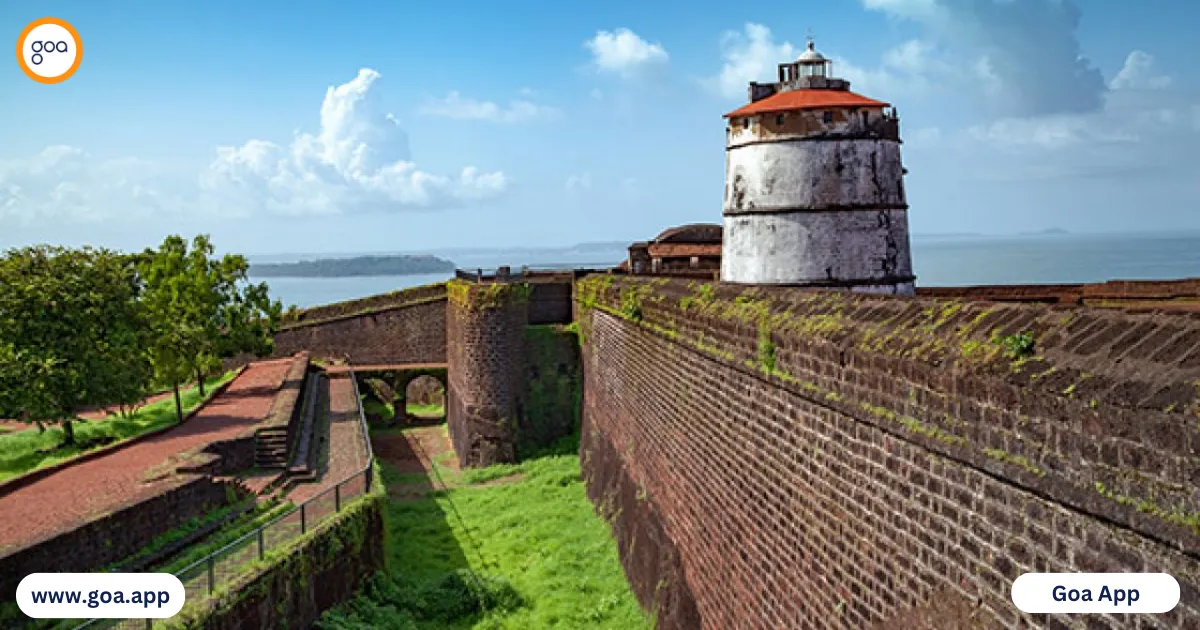
Today, Fort Aguada is managed by the Archaeological Survey of India (ASI) and remains one of the most visited heritage sites in North Goa. Its dual identity—as a defensive bastion and a supply hub—makes it unique among the many forts scattered across the Goan coastline. From the towering lighthouse that once guided sailors to the massive cisterns that stored millions of gallons of fresh water, every corner of this fort tells a story of ingenuity, survival, and imperial ambition. In this comprehensive guide, we will delve deep into the heart of Fort Aguada, exploring its history, its architectural marvels, and the practical details you need to plan a memorable visit.
History of Fort Aguada
The history of Fort Aguada is deeply intertwined with the geopolitical struggles of the 17th century. Construction of the fort began in 1609 and was completed in 1612 under the rule of King Philip III of Spain (who also ruled Portugal during the Iberian Union). The primary motivation behind building this massive fortification was the increasing threat from Dutch and Maratha forces. During this period, the Dutch East India Company was aggressively challenging Portuguese dominance in the Indian Ocean, and the Maratha Empire, under various leaders, was a constant threat to Portuguese territories on land.
The fort was designed to be the ultimate line of defense for the Old Goa region, which was then the capital of the Portuguese Eastern Empire. Its location was chosen with precision; by controlling the mouth of the Mandovi River, the Portuguese could prevent enemy ships from entering the river and attacking the capital. The fort was also equipped with 79 cannons, making it one of the most heavily fortified positions in Asia at the time. Interestingly, throughout its long history, Fort Aguada was never captured by an enemy force, a testament to its superior design and strategic location.
One of the most fascinating aspects of Fort Aguada’s history is its role as a freshwater source. Within the fort’s walls lies a massive underground storage chamber capable of holding approximately 2,376,000 gallons of water. This was essential for the Portuguese galleons that would stop here after long voyages across the Atlantic and Indian Oceans to replenish their supplies. The water was drawn from several natural springs located within the fort complex, ensuring a steady supply of clean drinking water even during prolonged sieges. This function gave the fort its name—Aguada, the place where water is collected.
In the later years of Portuguese rule, the fort’s role evolved. While it maintained its defensive capabilities, parts of the lower fort were converted into a high-security prison. This prison was used to house political dissidents and those who opposed the colonial regime, particularly during the Indian independence movement and the struggle for the liberation of Goa. Following the annexation of Goa by India in 1961, the prison continued to be used by the Indian government until it was eventually decommissioned and converted into a museum, preserving the stories of those who fought for freedom within its cold, stone walls.
Architecture
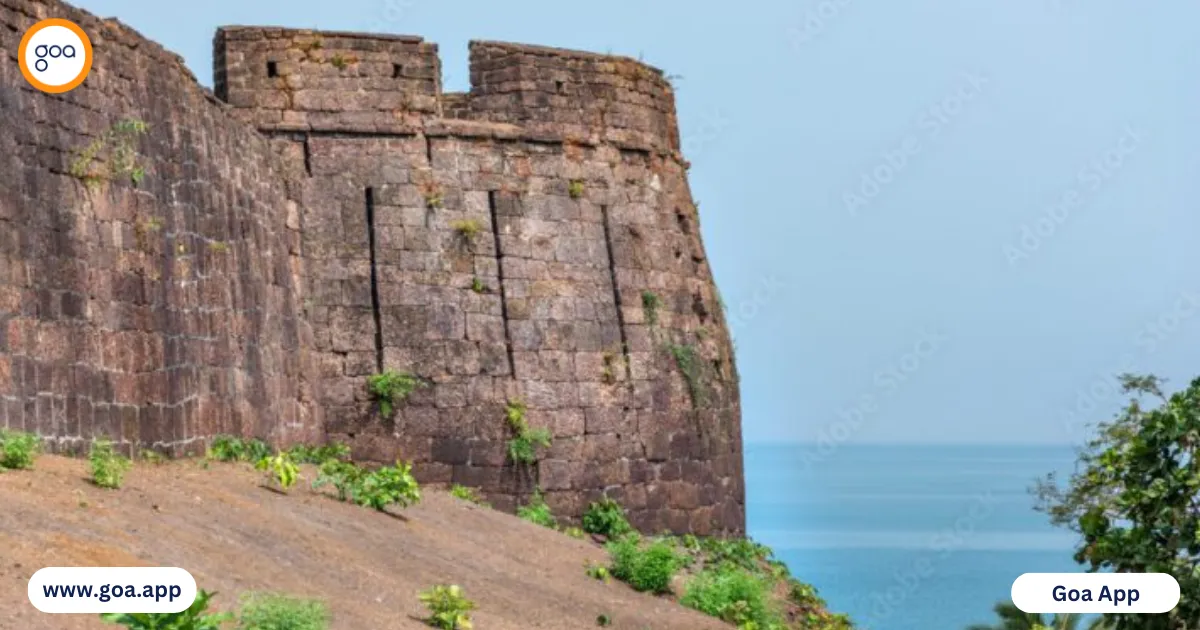
The architecture of Fort Aguada is a masterclass in 17th-century military engineering. Built primarily using locally sourced laterite stone—a reddish, porous rock that hardens upon exposure to air—the fort is designed to withstand both the corrosive salty air of the Arabian Sea and the impact of heavy artillery. The fort is divided into two main segments: the upper fort and the lower fort. The upper fort served as the primary defensive structure and water storage facility, while the lower fort provided a safe harbor for Portuguese ships and housed the administrative and residential quarters.
The most striking architectural feature of the upper fort is the four-story Portuguese lighthouse. Built in 1864, it is the oldest of its kind in Asia. Initially, the lighthouse used an oil lamp to emit light, which was later upgraded to more modern systems. Its circular design and sturdy construction have allowed it to survive the elements for over a century and a half. Visitors can still see the massive iron bell that was once used to signal ships during heavy fog or storms. Surrounding the lighthouse is a wide, dry moat, which added an extra layer of protection against land-based attacks. The walls of the fort are exceptionally thick, designed to absorb the shock of cannon fire without crumbling.
Another architectural marvel is the underground water cistern. This enormous vaulted chamber is supported by massive pillars and was engineered to keep the water cool and free from contamination. The precision with which the Portuguese managed the flow of water from natural springs into this reservoir is a highlight of colonial engineering. The ramparts of the fort are also worth noting; they are wide enough for soldiers to patrol and are punctuated by bastions that offered a 360-degree view of the surrounding landscape. The gateways are arched and decorated with the Portuguese coat of arms, serving as a reminder of the imperial power that once commanded these shores.
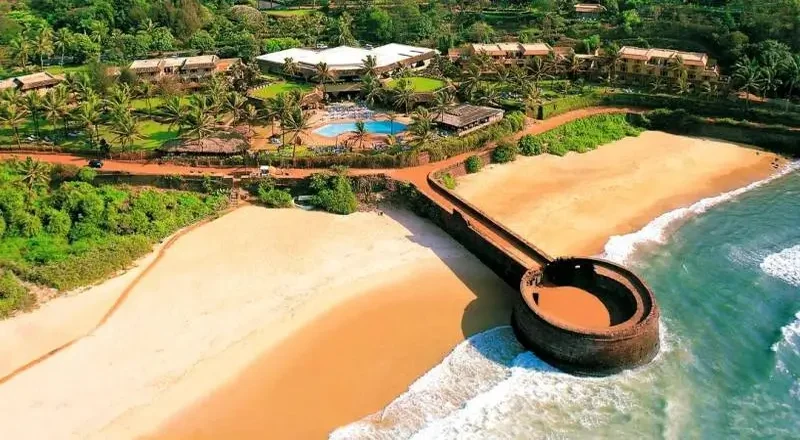
The lower fort, which is now partially occupied by the Taj Fort Aguada Resort, showcases a different side of the architecture. Here, the focus was on accessibility to the sea. The bastions in the lower fort were positioned closer to the water level, allowing cannons to fire directly at the hulls of approaching enemy ships. The integration of the fort into the natural topography of the hill is seamless, demonstrating the skill of the Portuguese architects in utilizing the landscape for defensive purposes. The transition from the rugged, defensive upper fort to the more functional lower fort provides a comprehensive look at the logistical complexity of maintaining a colonial outpost.
Why Fort Aguada is Famous
Fort Aguada holds a special place in the hearts of both locals and tourists for several reasons. Primarily, it is famous for its sheer historical significance. As the largest and best-preserved Portuguese fort in Goa, it serves as a tangible link to the 450 years of colonial rule that shaped the culture, language, and architecture of the region. It is a symbol of Goa's resilience and its strategic importance in global history. For history enthusiasts, the fort is a living museum where one can walk through the same corridors and stand on the same ramparts as the soldiers of the 17th century.
In contemporary times, the fort has gained immense popularity due to its presence in Indian pop culture. It was featured prominently in the iconic Bollywood film Dil Chahta Hai, specifically the scene where the three main characters sit on the fort's wall overlooking the sea. This single cinematic moment transformed Fort Aguada into a pilgrimage site for millennials and Gen Z travelers, who flock to the "Dil Chahta Hai wall" to recreate the famous pose. The fort's dramatic backdrop and romantic atmosphere have made it a favorite location for film shoots, pre-wedding photography, and social media influencers.
Furthermore, the fort is famous for its breathtaking views. The vantage point from the upper fort offers an unparalleled look at the confluence of the Mandovi River and the Arabian Sea. The sight of the sun dipping below the horizon, painting the sky in shades of orange and purple, is a quintessential Goan experience. The presence of the ancient lighthouse adds a touch of nautical charm that is hard to find elsewhere. Its proximity to the popular beaches of Candolim and Calangute also contributes to its fame, making it an easy and essential addition to any sightseeing tour of North Goa.
Strategic Importance
The strategic importance of Fort Aguada during the 17th and 18th centuries cannot be overstated. It was the linchpin of the Portuguese defensive system in the East. Its primary role was to guard the entrance to the Mandovi River, which led directly to the city of Velha Goa (Old Goa). If an enemy fleet managed to bypass Aguada, the very heart of the Portuguese administration would be at risk. The fort’s elevated position gave it a commanding view of the sea, allowing sentries to spot approaching vessels from miles away, long before they reached the shore.
Strategically, the fort was also a logistical hub. The massive water storage capacity meant that Portuguese ships did not have to rely on potentially hostile mainland sources for fresh water. This self-sufficiency was a major advantage during times of war or blockade. The fort also acted as a communications hub; signals could be sent from Aguada to other smaller forts along the coast, such as Reis Magos and Cabo Raj Bhavan, creating a coordinated defensive network. The 79 cannons mentioned earlier were not just for show; they were positioned to provide overlapping fields of fire, ensuring that no ship could enter the river without coming under heavy bombardment.
Even after the decline of the Portuguese naval power, the fort remained strategically relevant. During the World Wars, the lighthouse and the fort’s observation points were used to monitor ship movements in the Arabian Sea. Its conversion into a prison in the 20th century also highlighted its strategic value as a secure, isolated location for holding high-profile prisoners. The sheer physical presence of the fort served as a psychological deterrent to any potential invaders, symbolizing the permanence and strength of the Portuguese presence in India. Today, while its military role has ended, its strategic location continues to make it a key landmark for navigation and tourism.
Best Time to Visit
To truly enjoy the majesty of Fort Aguada, timing is everything. The best time to visit is during the winter months, from November to February. During this period, the weather in Goa is pleasant, with temperatures ranging from 20°C to 30°C. The humidity is relatively low, and the cool breeze from the Arabian Sea makes exploring the expansive fort grounds a comfortable experience. This is also the peak tourist season, so while the weather is ideal, expect larger crowds, especially around the lighthouse and the famous sunset points.
If you prefer a more tranquil experience, the shoulder months of October and March are also good options. The weather is slightly warmer, but the crowds are thinner, allowing you to photograph the architecture without too many people in the frame. The monsoon season (June to September) offers a different kind of beauty. The laterite stones turn a deep, dark red, and the surrounding greenery becomes incredibly lush. However, visiting during the monsoon can be challenging as the fort is exposed to the elements, and heavy rain can make the stone paths slippery. Additionally, the lighthouse may be closed to visitors during heavy storms for safety reasons.
Regarding the time of day, early morning or late afternoon is highly recommended. Arriving at the fort as soon as it opens (around 9:00 AM) allows you to beat the heat and the midday rush. However, the most popular time is undoubtedly the late afternoon, around 4:30 PM. This gives you enough time to explore the fort before heading to the ramparts to witness the spectacular sunset. The golden hour light is perfect for photography, casting a warm glow over the ancient stones and the sea. Avoid visiting during the peak afternoon hours (12:00 PM to 3:00 PM) as the sun can be quite harsh, and there is very little shade within the fort complex.
Timings & Entry Fee
Planning your visit to Fort Aguada requires knowledge of its operational hours and entry requirements. As of the latest updates, the fort is generally open to the public from 9:00 AM to 6:00 PM every day of the week. It is important to note that the last entry is usually permitted around 5:30 PM to ensure all visitors have exited by closing time. The lighthouse, which is a separate attraction within the complex, sometimes has slightly different timings, often closing a bit earlier than the main fort, so it is wise to visit the lighthouse first.
The entry fee for Fort Aguada is quite nominal, making it an accessible attraction for all. For Indian nationals, the entry fee is typically around INR 25 to INR 50. For international tourists, the fee is higher, usually around INR 300. Children below the age of 15 are often allowed free entry. Please note that there might be additional charges if you wish to climb the lighthouse or visit the newly inaugurated Aguada Central Jail Museum. It is always a good idea to carry some cash, although digital payment methods are increasingly being accepted at the ticket counters.
For those interested in the Aguada Central Jail Museum, the timings are usually 10:00 AM to 5:30 PM, and it is closed on Mondays. The entry fee for the museum is separate from the fort and is approximately INR 100 for adults. Since these prices and timings are subject to change based on government regulations or special events, checking the official ASI website or local tourism boards before your visit is highly recommended. Parking is available near the entrance, but it can get crowded during weekends, so arriving early is beneficial.
Things To Do at Fort Aguada
There is much more to do at Fort Aguada than just walking around and looking at old walls. Here are some of the top activities to engage in:
- Explore the Upper Fort: Walk along the massive ramparts and admire the engineering of the bastions. The upper fort offers the best views and houses the famous lighthouse and the water cistern.
- Visit the Old Lighthouse: While you can't always go inside, standing at the base of this 19th-century marvel is a must. It’s a great spot to learn about maritime history and take some iconic photos.
- Tour the Aguada Central Jail Museum: Recently renovated, this museum offers a somber and educational look at Goa's struggle for independence. You can see the prison cells, the courtyard, and exhibits dedicated to freedom fighters.
- Marvel at the Water Cistern: Peek into the openings of the massive underground reservoir. It’s incredible to imagine how millions of gallons of water were stored here centuries ago.
- Watch the Sunset: This is a non-negotiable activity. Find a spot on the western wall and watch the sun sink into the Arabian Sea. It’s one of the most peaceful and beautiful experiences in Goa.
- Spot the 'Dil Chahta Hai' Wall: For fans of Indian cinema, finding and sitting on the specific section of the wall made famous by the movie is a highlight.
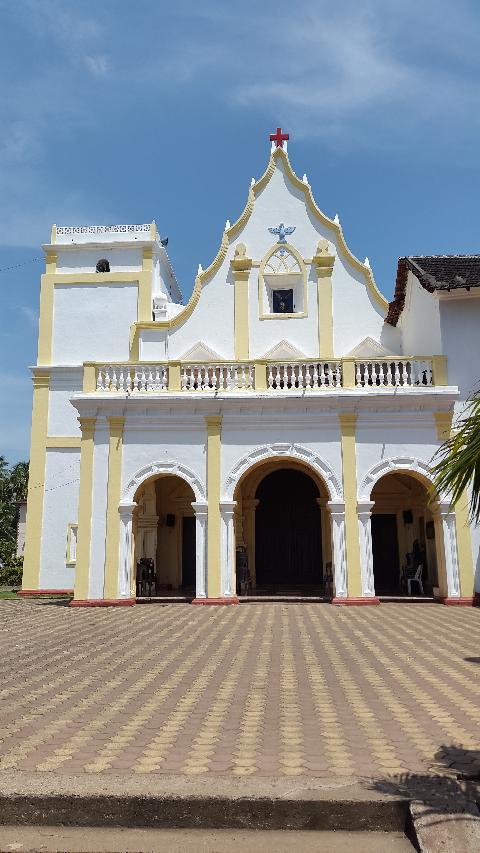
- Visit the Church of St. Lawrence: Located just a short distance from the fort, this beautiful church was built in 1630 and is dedicated to the patron saint of sailors. It offers a quiet, spiritual contrast to the military fort.
Photography Spots
For photographers, Fort Aguada is a goldmine of textures, colors, and perspectives. To get the best shots, you need to know where to look. The lighthouse is the most obvious subject; try capturing it from a low angle to emphasize its height against the blue sky. The dry moat surrounding the fort provides an excellent leading line that can draw the viewer's eye toward the main structures. The contrast between the red laterite and the green grass (especially after the monsoons) makes for vibrant, high-contrast images.
The sea-facing ramparts are perfect for wide-angle landscape photography. You can capture the curve of the coastline, the waves crashing against the rocks below, and the distant horizon. For those interested in architectural details, the arched gateways and the iron bell of the lighthouse offer great opportunities for close-up shots. The play of light and shadow within the prison museum corridors can create moody, atmospheric photos that tell a story of confinement and hope.
Don't forget the sunset. The best spot for this is the western edge of the fort. Use a tripod if you have one, as the light fades quickly. Try to include a silhouette of the fort walls or a lone tree in the foreground to give your sunset photos more depth. Another hidden gem for photography is the view of Sinquerim Beach from the lower bastions; you can see the luxury resorts and the colorful boats in the water, providing a modern contrast to the ancient fort.
Nearby Attractions
Fort Aguada is located in a prime area of North Goa, surrounded by several other attractions that you can visit on the same day. Just at the base of the hill is Sinquerim Beach, known for its pristine sands and water sports like parasailing and jet skiing. It is much quieter than the nearby Baga or Calangute beaches, making it a great place to relax after exploring the fort. The Lower Aguada Fort, which is now integrated into the Taj Fort Aguada Resort, is also worth a look for its well-maintained gardens and sea views.
A few minutes away lies Candolim Beach, famous for its vibrant nightlife, beach shacks, and shopping. If you are interested in more history, the Reis Magos Fort is about 15 minutes away by car. It is smaller than Aguada but has been beautifully restored and offers a different perspective on the Mandovi River. For nature lovers, the Dr. Salim Ali Bird Sanctuary is a short drive and a ferry ride away, offering a chance to see rare bird species in the mangroves.
For a spiritual experience, the Church of St. Lawrence is practically next door. It’s one of the oldest churches in Goa and features stunning altars and a peaceful courtyard. If you're looking for something more modern, the Museum of Goa (MOG) in Pilerne is about 20 minutes away and showcases contemporary Goan art. Combining these spots makes for a full, diverse day of exploration in the heart of the Bardez taluka.
How To Reach Fort Aguada
Reaching Fort Aguada is relatively straightforward, as it is one of the most well-known landmarks in Goa. If you are staying in the popular tourist hubs of Calangute or Candolim, the fort is just a 10 to 15-minute drive away. You can easily rent a scooter or a "pilot" (motorcycle taxi) to take you there. For those coming from Panjim, the state capital, the distance is about 15 kilometers, and the drive takes approximately 30 to 40 minutes via the Betim-Verem road, which offers scenic views of the river.
If you are traveling from South Goa, the journey will take longer—around 1.5 to 2 hours depending on traffic. It is best to hire a private cab for the day if you plan to visit multiple spots in the North. For those using public transport, you can take a bus from Panjim or Mapusa to Candolim and then hire an auto-rickshaw or walk the remaining distance. However, be prepared for a steep uphill walk if you choose to go on foot from the Sinquerim beach area.
For a more unique experience, some tourists choose to reach the vicinity of the fort by boat. Many boat tours operating from Panjim or Sinquerim offer "Dolphin Sighting" trips that pass by the base of the fort, giving you a majestic view of the ramparts from the sea. If you are driving your own vehicle, there is a dedicated parking area near the upper fort. During peak season, traffic can get heavy on the narrow roads leading up to the fort, so plan your departure accordingly to avoid getting stuck in jams.
Travel Tips
To make the most of your visit to Fort Aguada, keep these practical travel tips in mind:
- Wear Comfortable Footwear: The fort is spread over a large area with uneven stone surfaces and some steep climbs. Sturdy walking shoes or sneakers are much better than flip-flops.
- Stay Hydrated: Goa’s sun can be intense. Carry a reusable water bottle. While there are some vendors near the entrance selling snacks and drinks, there are no shops inside the fort itself.
- Sun Protection: Apply sunscreen, wear a hat, and carry sunglasses. Most of the fort is open-to-sky, and there is very little shade while you are exploring the ramparts.
- Hire a Guide: If you are a history enthusiast, consider hiring a local guide at the entrance. They can provide detailed anecdotes and historical context that you might miss on your own.
- Respect the Heritage: Fort Aguada is a protected monument. Avoid littering, and do not deface the walls. Follow the instructions provided by the ASI staff.
- Check for Events: Occasionally, parts of the fort or the museum might be closed for maintenance or special events. Check local news or travel forums a day before your visit.
- Carry Identity Proof: You may need to show a valid ID (like an Aadhaar card or passport) when purchasing tickets, especially if you are claiming the Indian national rate.
- Watch Your Step: Some of the walls do not have railings. While it’s tempting to get that perfect photo, be extremely careful, especially if you are traveling with children.
Conclusion
Fort Aguada is more than just a collection of old stones; it is a testament to Goa's enduring spirit and its complex, multicultural history. From its origins as a vital source of life-giving water for weary sailors to its role as a formidable guardian of the Mandovi River, the fort has played a central part in the narrative of the Indian subcontinent. Its stunning architecture, panoramic views, and deep-rooted historical significance make it a cornerstone of Goan tourism. Whether you are standing in the shadow of the ancient lighthouse or looking out over the same sea that the Portuguese once dominated, you can't help but feel a sense of awe at the scale and ambition of this structure.
A visit to Fort Aguada offers a rare opportunity to step back in time and reflect on the forces that shaped the modern world. It is a place where history, culture, and nature converge in a spectacular display. As you leave the fort, perhaps with the scent of the sea still in the air and the memory of a golden sunset in your mind, you carry with you a piece of Goa’s soul. No trip to the "Pearl of the Orient" is complete without witnessing the grandeur of Fort Aguada. It remains, and will likely always remain, a shining example of heritage preservation and a must-visit destination for anyone seeking the true essence of Goa.