Overview of Gopal Ganapati Temple
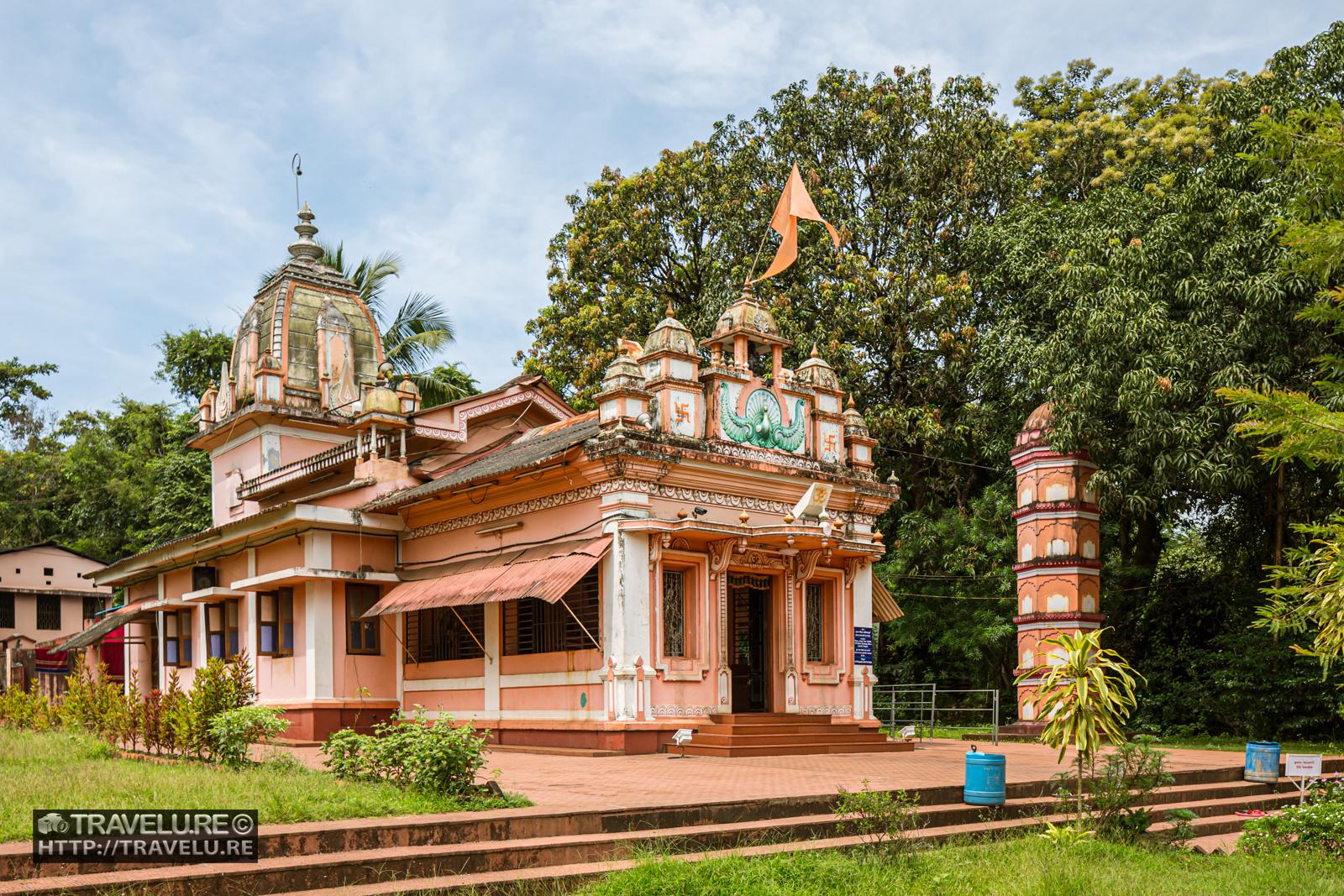
Nestled amidst the emerald slopes of Farmagudi in the Ponda taluka of North Goa, the Gopal Ganapati Temple stands as a serene testament to Goan faith, resilience, and architectural elegance. Unlike the coastal temples that often bustle with international tourists, this temple offers a more contemplative and deeply local experience. It is situated on a hillock, surrounded by a canopy of lush tropical trees, providing a panoramic view of the rolling valleys of Ponda, often referred to as the "Antruz Mahal" or the cultural heartland of Goa. The temple is dedicated to Lord Ganesha, the elephant-headed deity of wisdom and the remover of obstacles, who is worshipped here in a unique form known as Gopal Ganapati.
The temple is not just a place of worship but a symbol of the post-colonial cultural revival in Goa. While many temples in the region have histories spanning centuries, the Gopal Ganapati Temple represents a bridge between ancient traditions and modern Goan identity. The atmosphere here is thick with the scent of incense, fresh hibiscus flowers, and the earthy aroma of the surrounding forest. Visitors are often struck by the silence that prevails, broken only by the chirping of birds and the rhythmic tolling of the temple bell. For those seeking a spiritual retreat away from the thumping bass of Goa’s beaches, this temple serves as a sanctuary of peace. Its location in Ponda makes it a central hub for pilgrims who are visiting the famous temple circuit of Goa, which includes the nearby Mangueshi and Mahalasa temples.
Top Goa Experience • Part 1
Highly Recommended Near Gopal Ganapati Temple
Explore All
As a travel destination, the Gopal Ganapati Temple offers a glimpse into the Hindu heritage of Goa that survived and thrived despite centuries of colonial rule. It is a place where the local community gathers to celebrate life’s milestones, and where travelers can witness the authentic "Goan-Hindu" way of life. The temple’s sprawling courtyard, its meticulously maintained gardens, and the cooling breeze that sweeps across the Farmagudi plateau make it one of the most aesthetically pleasing spiritual sites in the state. Whether you are a devotee, a history buff, or a nature lover, the Gopal Ganapati Temple promises a soul-stirring experience that lingers long after you have left its gates.
History & Religious Significance
The history of the Gopal Ganapati Temple is intrinsically linked to the narrative of Goa’s liberation and its first Chief Minister, Dayanand Bandodkar. In the mid-1960s, shortly after Goa was liberated from 450 years of Portuguese rule, there was a significant movement to restore and celebrate the indigenous culture and religious sites that had been suppressed or marginalized. Bandodkar, a visionary leader, played a pivotal role in the construction of this temple. The site of Farmagudi itself holds historical weight, as it was the location of a fierce battle between the Marathas, led by Sambhaji Maharaj, and the Portuguese forces. The victory of the Marathas in this region is a point of local pride, and the temple serves as a spiritual anchor to this historic victory ground.
Recommended Guide
10 Interesting Facts About Goa That Will Blow Your Mind
Discover 10 fascinating facts about Goa from Portuguese history & architecture to hidden beaches, cheap alcohol secrets, and more.
Read Guide →
The religious significance of the site predates the current structure. Local legends suggest that the idol of Lord Ganesha was discovered by shepherds in the nearby forest centuries ago. The idol was hidden away during the period of the Inquisition to protect it from destruction. For years, it was worshipped in a humble shed or a small shrine until the modern temple was commissioned. The name "Gopal Ganapati" is unique; "Gopal" is another name for Lord Krishna, and the fusion of these names reflects the deep-rooted Vaishnavite and Shaivite influences that coexist in Goan Hinduism. It is believed that worshipping here brings clarity of thought and removes the most stubborn hurdles in one's personal and professional life.
The temple is also significant because it marks the entrance to Ponda, a region that became a refuge for many Goan deities when their original coastal temples were threatened. Thus, Gopal Ganapati is often seen as the "Guardian of the Gateway." The historical narrative of this temple is not just about a building, but about the reclaiming of a landscape. It represents the transition of Goa from a colonial territory to a vibrant Indian state, where ancient roots were allowed to grow into a modern architectural marvel. For the people of Ponda, the temple is a living chronicle of their ancestors' perseverance and their own contemporary devotion.
Recommended Guide
North Goa vs South Goa: Which is Better for Your Goa Trip?
Goa is India's most popular beach destination and attracts millions of domestic and international tourists every year. One of the most common questions tra...
Read Guide →
Architecture of Gopal Ganapati Temple
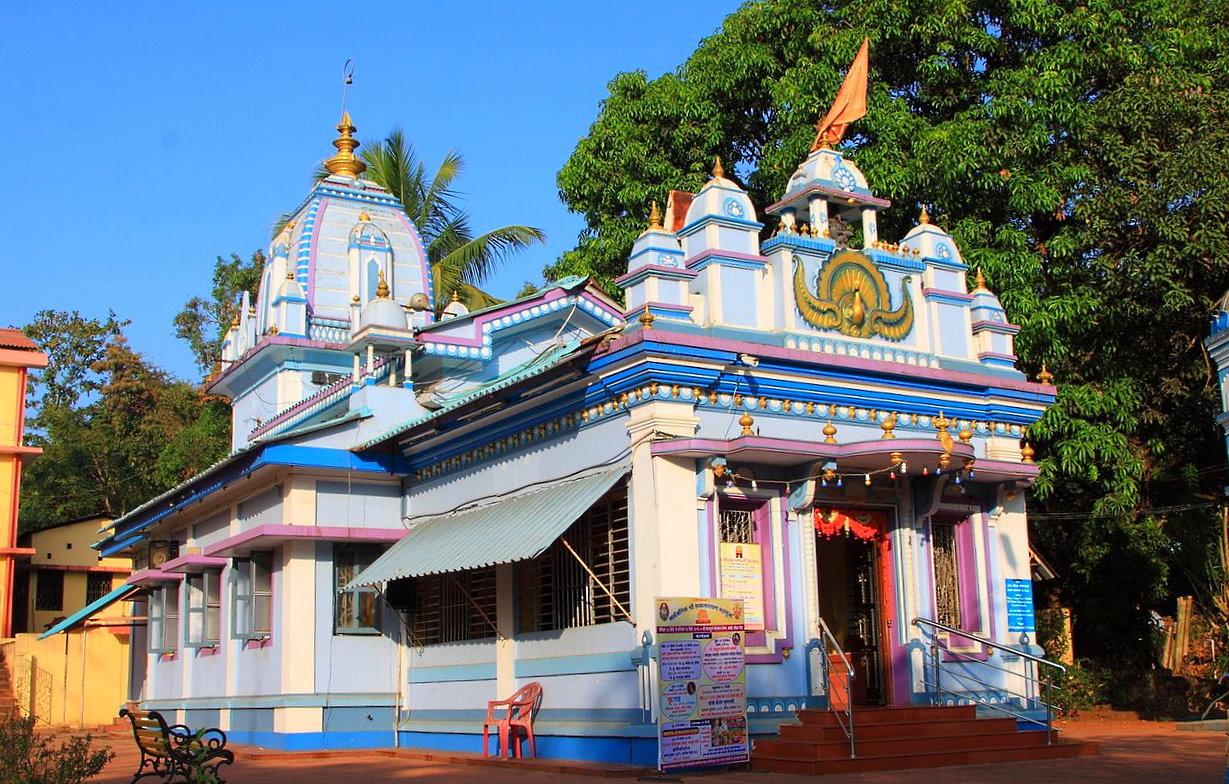
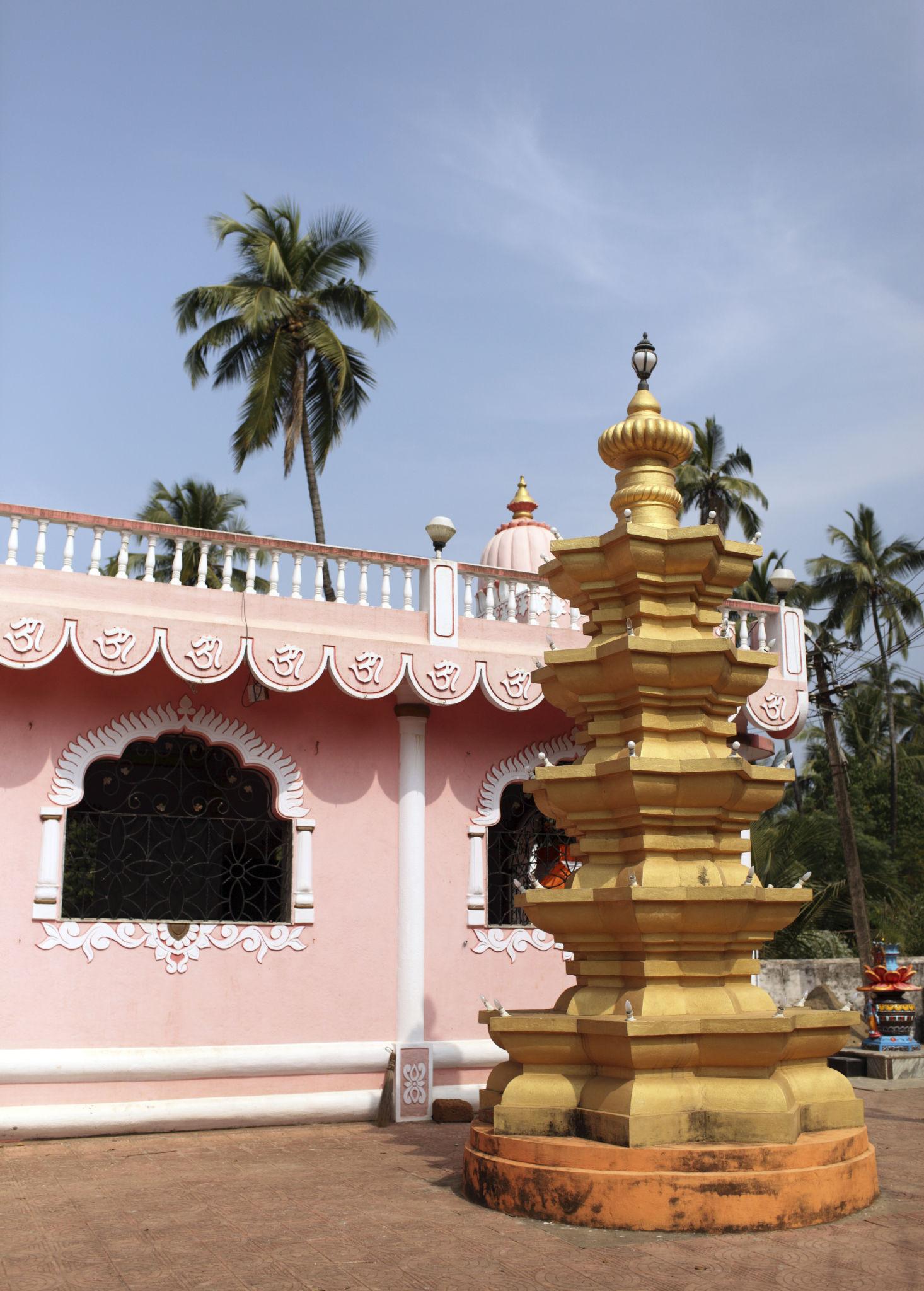
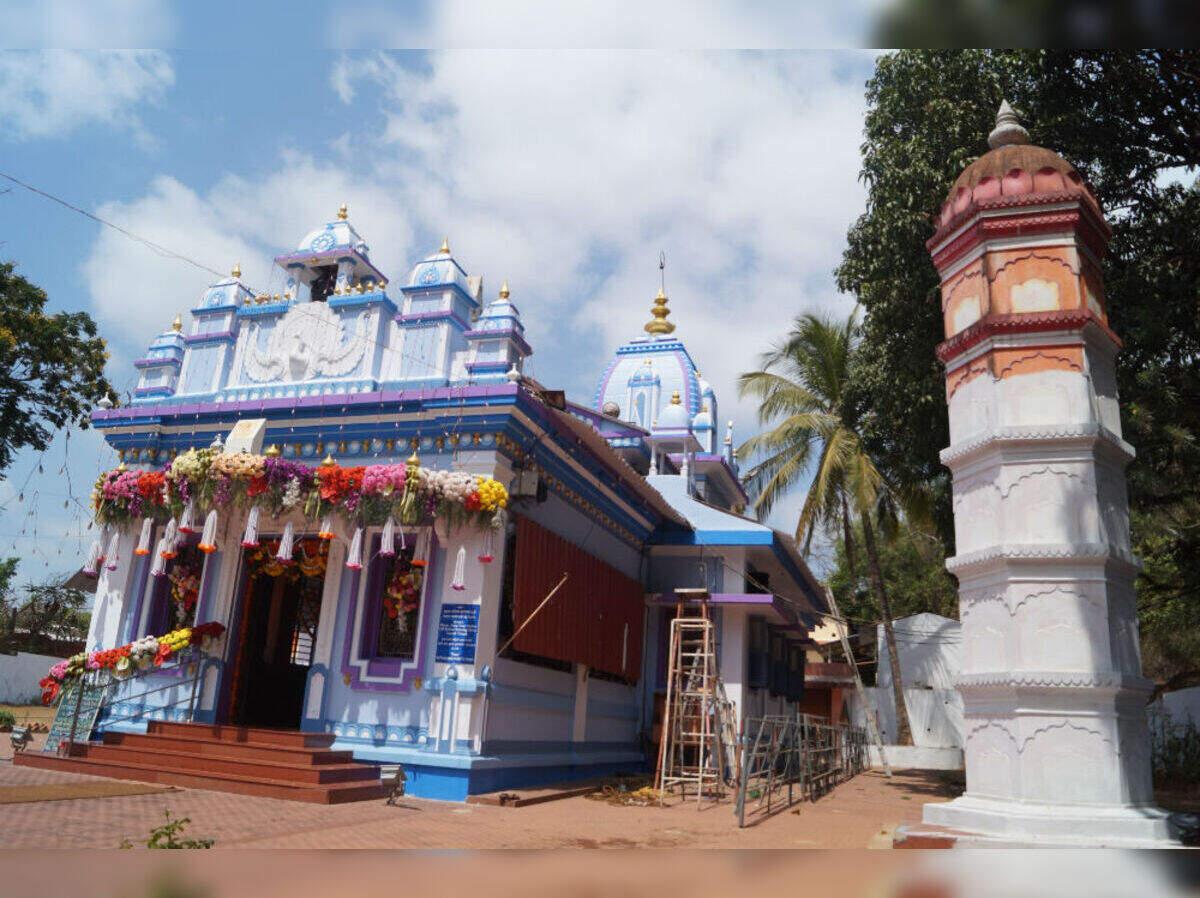
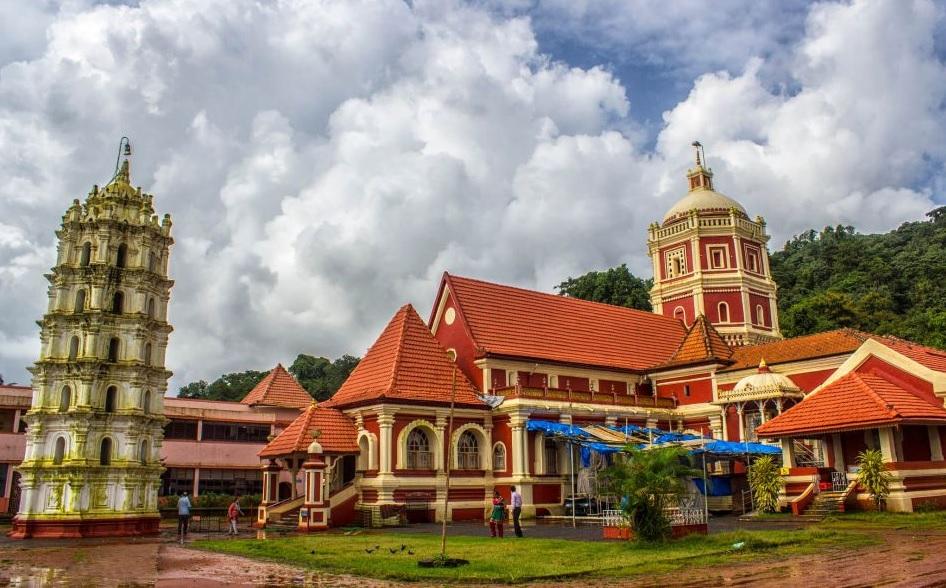
The architecture of the Gopal Ganapati Temple is a fascinating blend of traditional Goan temple styles and modern design sensibilities. While it incorporates elements seen in older temples like Mangueshi, it also features cleaner lines and a more contemporary spatial arrangement. One of the first things a visitor notices is the striking Deepastambha (lamp tower) standing tall in the courtyard. This multi-storied octagonal tower is a quintessential feature of Goan Hindu architecture. During festivals, hundreds of oil lamps are placed in its niches, creating a pillar of fire that can be seen from a distance, symbolizing the light of knowledge dispelling the darkness of ignorance.
The temple structure itself is built on a raised platform, featuring a sloping roof covered with traditional red terracotta tiles, which are essential for weathering the heavy Goan monsoons. The Shikhara (spire) is elegant and rises gracefully above the sanctum sanctorum, decorated with intricate motifs and small figurines of deities. The entrance to the main hall, or the Mandapa, is flanked by beautifully carved pillars that reflect a mix of Indian and subtle Portuguese aesthetic influences—a unique "Goan Baroque" touch that is found nowhere else in India. The flooring is made of cool marble and polished stone, providing a soothing surface for devotees who walk barefoot.
Recommended Guide
Best Less Crowded Beaches in South Goa
South Goa is famous for its peaceful beaches, natural beauty, clean coastline, and relaxed atmosphere. While North Goa attracts thousands of tourists every...
Read Guide →
Inside the Mandapa, the ceiling is often adorned with chandeliers and traditional paintings depicting scenes from the Puranas. The walls are thick and designed to keep the interior cool even during the peak of the tropical summer. The Garbhagriha (inner sanctum) is where the deity resides, and it is designed with a focus on acoustics, allowing the chanting of mantras to resonate with a divine frequency. The surrounding gardens and the stone-paved walkways are integrated into the architectural plan, ensuring that the natural beauty of Farmagudi is not obscured but rather enhanced by the man-made structure. The use of local laterite stone in the foundations and boundary walls grounds the temple in the very earth of Goa.
Top Goa Experience • Part 2
Highly Recommended Near Gopal Ganapati Temple
Explore All
Main Deity / Spiritual Importance
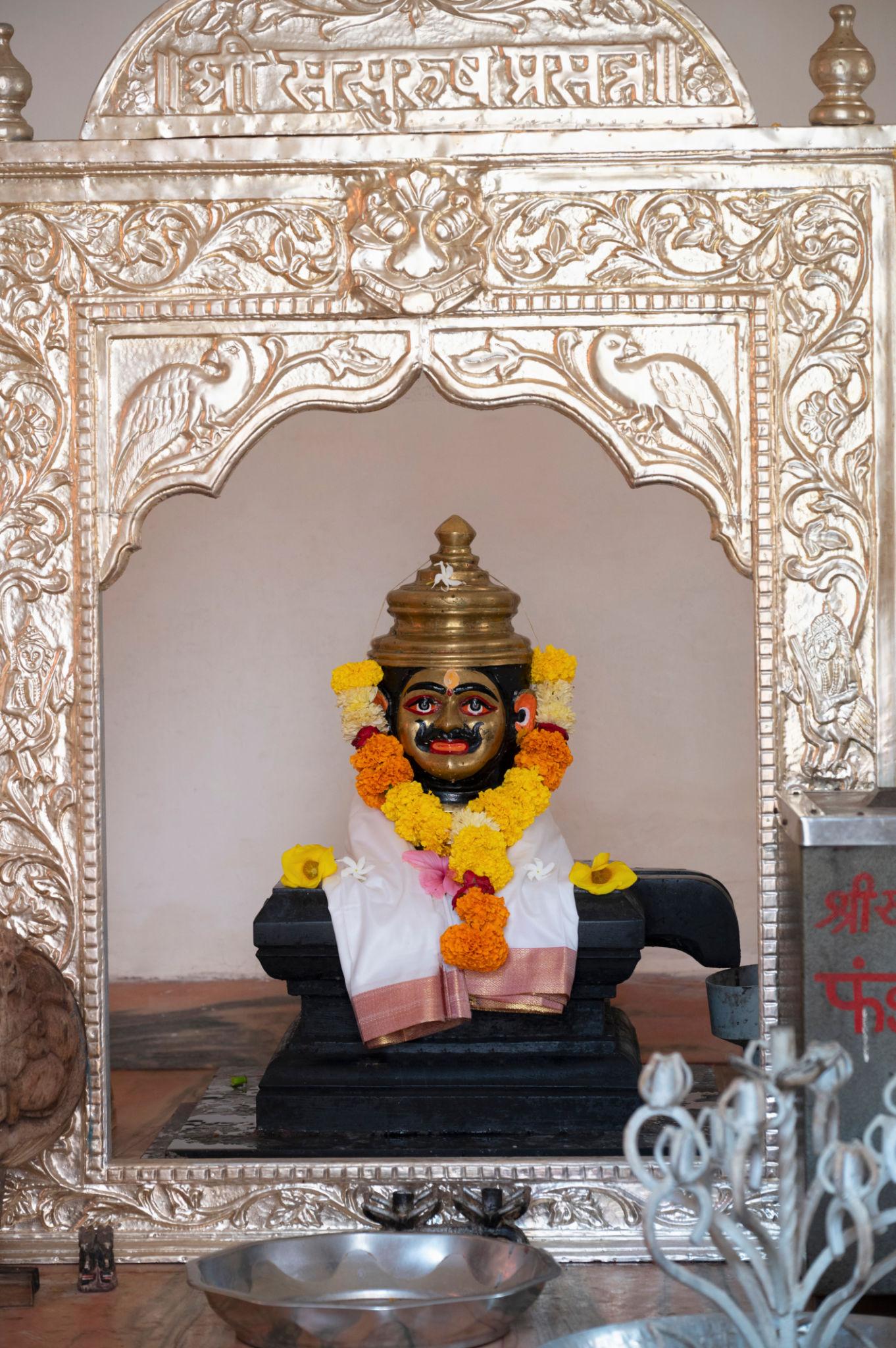
The presiding deity of the temple is Lord Ganesha, specifically worshipped here as Gopal Ganapati. The idol is a magnificent sight, carved from a single piece of smooth, dark stone (often referred to as Shaligram or black basalt). The deity is depicted in a seated posture, with a serene expression that exudes compassion and wisdom. What makes this particular idol special is the craftsmanship; the fine details of the trunk, the crown, and the ornaments are a testament to the skill of the artisans who created it. Ganesha is shown with four arms, holding traditional symbols like the pasha (noose) and ankusha (goad), while one hand is in the Abhaya Mudra (gesture of fearlessness).
Spiritually, Gopal Ganapati is considered the Vighnaharta (remover of obstacles) for the entire Ponda region. It is a common tradition among Goans to visit this temple before starting any new venture, whether it is a business, a wedding, or even buying a new vehicle. The energy of the temple is said to be particularly potent for those seeking mental peace and academic success. Many students from the nearby educational institutions, such as the Goa Engineering College, are frequent visitors, seeking the blessings of the Lord of Wisdom before their examinations.
The spiritual practice at the temple follows the Agamic traditions, with daily rituals that include the Abhisheka (ritual bathing of the idol) and the Aarti. The morning Aarti is a particularly powerful experience, where the sound of the drums, bells, and the chanting of "Ganpati Bappa Morya" creates an atmosphere of intense devotion. For a spiritual seeker, the temple provides various corners for quiet meditation. The belief is that the Lord here is especially "Jagrut" (awake and responsive), and many devotees share stories of their prayers being answered after visiting this sacred hillock. The connection between the deity and the surrounding nature is also emphasized, with the Lord being seen as the protector of the flora and fauna of the Farmagudi hills.
Festivals & Celebrations
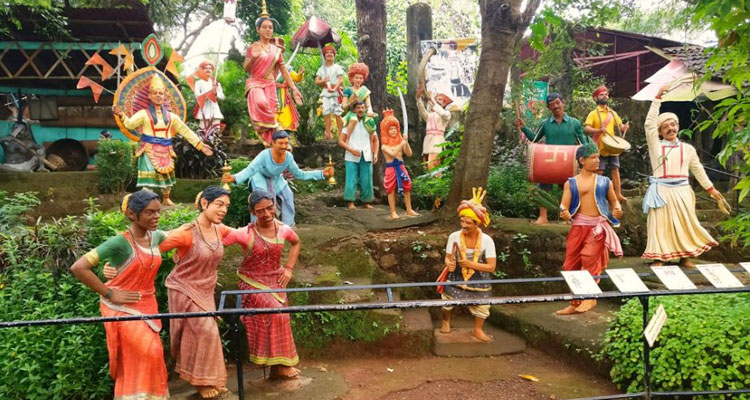
The Gopal Ganapati Temple comes alive with vibrant energy during festivals, with the most significant being Ganesh Chaturthi, known locally in Goa as Chovoth. While the entire state celebrates this festival with great fervor, the celebrations at Farmagudi have a unique communal touch. During this time, the temple is decorated with elaborate Matoli—a traditional Goan canopy made of seasonal fruits, flowers, and wild vegetables sourced from the forest. This Matoli is a beautiful representation of the agrarian roots of Goan culture and is a must-see for any visitor. The temple hosts public Ganeshotsav, where large crowds gather for cultural programs, Bhajans (devotional songs), and Fugdi (folk dance) performances.
Another major celebration is Maghi Ganesh Jayanti, which falls in the Hindu month of Magh (January/February). This day marks the birth of Ganesha and is celebrated with special pujas, a grand procession, and the distribution of Prasadam to thousands of devotees. The temple courtyard becomes a sea of colors, with traditional music echoing through the hills. The Zatra (annual temple fair) is another highlight, where the deity is taken out in a decorated palanquin (Pallakhi). This event attracts people from all over Goa, turning the quiet hill of Farmagudi into a bustling hub of spiritual and social activity.
- Sankashti Chaturthi: Every month, on the fourth day after the full moon, special prayers are offered, and many locals observe a fast, breaking it only after the moon rises and they have visited the temple.
- Vasant Panchami: Celebrating the onset of spring, the temple is decorated with yellow flowers, and special prayers are offered for knowledge and arts.
- Anant Chaturdashi: The final day of the Ganesh festival involves emotional farewells and prayers for the Lord's return the following year.
Best Time to Visit
The best time to visit the Gopal Ganapati Temple is during the winter months, from November to February. During this period, the weather in Goa is exceptionally pleasant, with cool breezes and clear blue skies. The humidity is significantly lower, making the climb up to the Farmagudi hillock a comfortable experience. This is also the time when several local festivals take place, allowing visitors to witness the rich cultural tapestry of the region. The morning hours during winter are particularly magical, as a light mist often blankets the valley, creating a mystical atmosphere around the temple.
The Monsoon season (June to September) offers a different but equally enchanting experience. Goa is at its greenest during the rains, and the Farmagudi area transforms into a lush paradise. The temple, surrounded by rain-washed trees and the sound of falling water, feels incredibly secluded and peaceful. However, visitors should be prepared for heavy downpours and carry appropriate gear. The Ganesh Chaturthi festival usually falls in late August or September, making it a great time to visit if you want to experience the peak of Goan religious fervor, despite the rain.
Summer (March to May) can be quite hot and humid in Ponda. If you are visiting during this time, it is best to plan your trip for the early morning (before 9:00 AM) or the late evening (after 5:00 PM). The temple’s stone floors can get quite warm during the day, so early visits are more comfortable for walking barefoot. Regardless of the season, visiting during the evening Aarti is always recommended, as the lighting of the lamps and the cooler evening air create a sublime environment for worship.
Timings, Entry Fee & Dress Code
To ensure a smooth visit to the Gopal Ganapati Temple, it is essential to be aware of the operational hours and the expected etiquette. The temple follows a strict schedule that aligns with traditional Hindu ritual timings. Generally, the temple is open from 6:30 AM to 1:00 PM and then reopens from 3:00 PM to 8:30 PM. The afternoon closure is a standard practice in Goan temples, allowing the deity and the priests a period of rest. The most auspicious times to visit are during the morning Abhisheka at around 7:30 AM and the evening Aarti at 7:00 PM.
There is no entry fee to visit the temple. Like most Hindu shrines in India, it is open to people of all faiths, provided they respect the sanctity of the space. Donations are voluntary and can be made at the designated office or in the Hundi (donation box). If you wish to perform a specific Puja or Archana, there are nominal fixed rates for these services, and you can obtain a receipt from the temple counter.
Regarding the dress code, the Gopal Ganapati Temple, like other major temples in Goa (such as Mangueshi), requests visitors to dress modestly. This is a place of deep spiritual significance for the locals, and respectful attire is appreciated.
- For Men: Long trousers or dhotis are preferred. Avoid wearing shorts or sleeveless shirts inside the main temple hall.
- For Women: Sarees, salwar kameez, or long skirts are ideal. It is recommended to avoid short skirts, sleeveless tops, or transparent clothing.
- Footwear: All footwear must be removed before entering the temple complex. There is a designated area to leave your shoes safely.
By following these simple guidelines, you show respect for the local culture and ensure a welcoming environment for everyone.
How to Reach Gopal Ganapati Temple
The Gopal Ganapati Temple is located in Farmagudi, Ponda, which is a major transit point in Goa, making it easily accessible from various parts of the state. It is situated right along the Panaji-Ponda Highway (NH 4A), making it hard to miss. Whether you are traveling by public transport or a private vehicle, the connectivity is excellent.
By Road: Ponda is approximately 28 kilometers from the capital city, Panaji, and about 20 kilometers from Margao. You can easily hire a taxi or a pilot (motorcycle taxi) from these cities. If you are driving yourself, simply follow the signs for Ponda; the temple is located just before you enter the main Ponda town area. There is ample parking space available near the temple entrance for cars and bikes.
By Bus: Regular KTC (Kadamba Transport Corporation) buses and private buses ply between Panaji, Margao, and Ponda. You can get down at the Farmagudi Bus Stop, which is just a short 5-minute walk from the temple. The bus journey is affordable and offers a glimpse into the local Goan countryside.
By Train: The nearest major railway station is Madgaon Junction, which is well-connected to the rest of India. From the station, you can take a bus or a taxi to Ponda. The Karmali Railway Station is also relatively close (about 18 km) and is a good option if you are coming from North Goa or via the Konkan Railway.
By Air: The Dabolim Airport is approximately 35-40 kilometers away from the temple. You can book a pre-paid taxi from the airport directly to Farmagudi. The newly opened Mopa Airport (Manohar International Airport) is further away (about 60 km), so Dabolim remains the more convenient option for visiting Ponda.
Things to Do
While the primary activity at the Gopal Ganapati Temple is worship, the site and its surroundings offer several other engaging experiences for travelers. The temple's location on the Farmagudi plateau makes it an excellent spot for a half-day excursion. Here are some things you can do during your visit:
- Attend the Evening Aarti: This is a sensory experience that shouldn't be missed. The synchronized ringing of bells, the rhythmic chanting, and the glow of the oil lamps create a powerful meditative atmosphere.
- Explore the Gardens: The temple is surrounded by well-maintained gardens and open spaces. It is a great place to sit quietly, meditate, or simply enjoy the breeze. The view of the Ponda valley from the temple premises is particularly beautiful during sunset.
- Visit the Shivaji Maharaj Statue: Located just a stone's throw away from the temple is a magnificent statue of the Maratha King Chhatrapati Shivaji Maharaj. The statue commemorates the Maratha presence in Goa and is a popular spot for photography and history enthusiasts.
- Photography (Outdoors): While photography is usually restricted inside the inner sanctum, the exterior of the temple, the Deepastambha, and the surrounding landscapes are incredibly photogenic. Capture the vibrant red of the roof against the deep green of the forest.
- Observe Local Rituals: Take a moment to observe the local devotees as they offer flowers and perform Pradakshina (circumambulation) around the temple. It provides deep insight into the Goan Hindu way of life.
- Shopping for Spiritual Souvenirs: Small stalls near the entrance sell religious items, incense, and local Goan sweets like Khaje (ginger-infused jaggery sticks). These make for meaningful mementos of your trip.
Nearby Attractions
The Gopal Ganapati Temple is situated in the heart of Goa’s "Temple Town," meaning there are several other significant sites within a 5 to 10-kilometer radius. You can easily combine your visit with these nearby attractions to create a full day of exploration:
1. Mangueshi Temple: Located in Priol, just a short drive from Farmagudi, this is perhaps the most famous temple in Goa. Dedicated to Lord Shiva, it is known for its stunning architecture, its massive seven-story Deepastambha, and its elegant water tank.
2. Mahalasa Narayani Temple: Situated in Mardol, this temple is unique as it is dedicated to the female incarnation of Lord Vishnu. The temple complex is vast and features a spectacular brass lamp tower that is one of the tallest in the state.
3. Nageshi Temple: This is one of the few temples in Goa that remained at its original site during the Portuguese era. The temple is dedicated to Lord Shiva and is famous for its beautiful wood carvings and the ancient water tank that reflects the temple structure.
4. Sahakari Spice Farm: For a change of pace, visit one of the spice plantations in Ponda. The Sahakari Spice Farm offers guided tours where you can learn about various spices, enjoy a traditional Goan lunch served on banana leaves, and even watch elephant baths.
5. Safa Shahouri Masjid: This is one of the oldest mosques in Goa, built in 1560 by Ibrahim Adil Shah of Bijapur. It is located very close to the Ponda city center and is known for its simple yet elegant architecture and the large masonry tank with small chambers.
Photography & Visitor Guidelines
To ensure that the sanctity of the Gopal Ganapati Temple is maintained and that you have a pleasant experience, please keep the following guidelines in mind:
Photography: Photography is generally prohibited inside the main sanctum and the inner prayer hall. This is to ensure that the rituals and the privacy of devotees are not disturbed. However, you are usually free to take photos of the temple exterior, the gardens, and the Deepastambha. Always look for signs or ask the temple priest before taking out your camera. Using drones is strictly prohibited without prior written permission from the temple committee.
Silence and Decorum: The temple is a place of quiet reflection. Please keep your voice low and avoid loud conversations. Ensure your mobile phone is on silent mode before entering the temple premises. If you are traveling with children, encourage them to maintain the decorum of the site.
Offerings: If you wish to make an offering, fresh flowers (especially hibiscus and marigolds), coconuts, and sweets are traditionally accepted. Avoid bringing non-vegetarian food items anywhere near the temple complex. Plastic is discouraged; if you bring offerings, try to use eco-friendly packaging.
Respect the Priests: The priests (Pujaris) are the custodians of the temple’s traditions. If you have questions about the rituals, feel free to ask politely, but do not interrupt them while they are performing a ceremony. It is customary to offer a small amount of Dakshina (monetary offering) if you seek their specific blessings or guidance.
Where to Eat Nearby
Ponda is known for its authentic Goan Hindu cuisine, which is distinct from the Catholic-influenced dishes found in the coastal areas. After your visit to the Gopal Ganapati Temple, you can indulge in some local flavors:
- Local Thalis: Many small eateries in Ponda serve the traditional Goan fish thali or a pure vegetarian thali. A typical vegetarian thali includes Khatkhate (a mixed vegetable stew), Hooman (lentil curry), Bhaji, rice, and Sol Kadi (a refreshing drink made from kokum and coconut milk).
- Farmagudi Residency: Located very close to the temple, this GTDC (Goa Tourism Development Corporation) property has a restaurant that serves a variety of Indian and Goan dishes in a comfortable setting. It is a reliable option for families.
- Tato’s: A legendary name in Goa, Tato’s has an outlet in Ponda that is famous for its Bhaji Pao and Patal Bhaji. It is a great spot for a quick breakfast or an evening snack.
- Spice Farm Lunches: If you are visiting the nearby spice plantations (like Sahakari or Tropical Spice Plantation), they offer an all-you-can-eat traditional Goan buffet which is highly recommended for foodies.
- Street Food: In the evenings, you might find local vendors near the Farmagudi circle selling Gadbad Ice Cream or Ras Omlet, though the latter is more common in the city center.
Accommodation Nearby
While many visitors choose to stay in the coastal belts and visit Ponda as a day trip, staying in or around Farmagudi offers a more peaceful and culturally immersive experience. Here are some accommodation options:
1. Farmagudi Residency (GTDC): This is the most convenient option, located right in Farmagudi. It offers clean, spacious rooms at budget-friendly prices. The property is surrounded by greenery and provides easy access to all the major temples in Ponda.
2. Boutique Homestays: There are several heritage homes and boutique stays in the Ponda countryside that offer a glimpse into traditional Goan life. These are ideal for travelers looking for a quiet, personalized experience away from the tourist crowds.
3. Luxury Spice Resorts: Some spice plantations offer eco-friendly luxury cottages. Staying here allows you to wake up to the sounds of nature and enjoy organic, farm-to-table meals.
4. Ponda City Hotels: The main town of Ponda has several mid-range hotels that cater to business travelers and pilgrims. These offer modern amenities like air conditioning, Wi-Fi, and in-house restaurants.
5. Meditation Retreats: Occasionally, there are ashrams and meditation centers in the Ponda taluka that offer basic accommodation for those visiting for spiritual reasons. It is best to check and book these in advance.
Travel Tips
To make the most of your trip to the Gopal Ganapati Temple, consider these practical travel tips:
- Stay Hydrated: The Goan sun can be quite intense, even in the "cooler" months. Always carry a bottle of water with you, especially if you plan to walk around the Farmagudi hills.
- Combine with Other Temples: Ponda is home to several beautiful temples. Plan a "Temple Circuit" itinerary to see Mangueshi, Mahalasa, and Nageshi on the same day. Most of these are within a 15-minute drive of each other.
- Use Local Transport: For an authentic experience, try taking a local bus or a motorcycle taxi (pilot). It’s not only cheaper but also a great way to interact with the locals.
- Respect the Mid-day Break: Remember that the temple closes between 1:00 PM and 3:00 PM. Use this time to have a leisurely lunch or visit a spice farm.
- Learn a few Konkani words: While English and Hindi are widely understood, a simple "Dev barem koru" (May God do good to you/Thank you) goes a long way in winning local hearts.
- Carry Cash: While larger establishments in Ponda accept cards and UPI, smaller stalls and some temple counters may prefer cash. It is always good to have some change handy for offerings and small purchases.
Conclusion
The Gopal Ganapati Temple in Farmagudi is more than just a religious site; it is a sanctuary where history, architecture, and spirituality converge. It offers a window into the "other" Goa—the one that exists beyond the sun-drenched beaches and neon-lit parties. It is a place where the air is pure, the traditions are ancient, and the welcome is warm. Whether you come seeking the blessings of Lord Ganesha, an interest in the post-liberation history of Goa, or simply a quiet spot to admire the natural beauty of the Ponda hills, this temple does not disappoint.
As you stand in the temple courtyard, looking at the towering Deepastambha and hearing the distant chants, you feel a sense of continuity. You realize that despite the changes the centuries have brought to this land, the core of Goan devotion remains unshakable. The Gopal Ganapati Temple stands as a proud guardian of this heritage, inviting every traveler to pause, reflect, and find a moment of peace in the heart of the Antruz Mahal. Make sure to include this hidden gem in your Goan itinerary for a truly holistic experience of India’s most beloved sunshine state.