Overview of Shree Mahalaxmi Temple Bandora
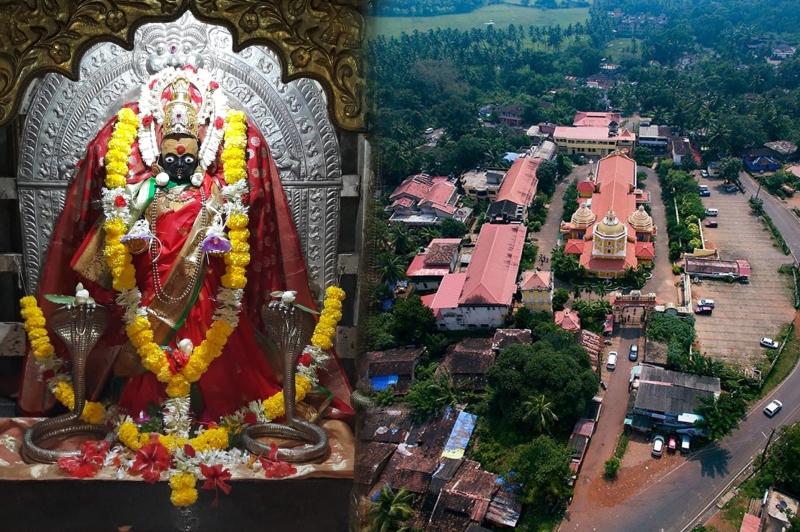
Nestled in the heart of the lush, emerald-green village of Bandora in Ponda, the Shree Mahalaxmi Temple stands as a beacon of spiritual solace and architectural splendor. Known as the "Temple Hub" of Goa, Ponda is home to several ancient shrines, but the Mahalaxmi Temple holds a special place in the hearts of devotees and history buffs alike. This temple is dedicated to Goddess Mahalaxmi, the deity of wealth, prosperity, and spiritual liberation. Unlike many other temples in India, this shrine is unique for its peaceful atmosphere, away from the commercial hustle of the coastal tourist belts.
The village of Bandora, historically known as Bandivade, provides a serene backdrop with its winding lanes, betel nut plantations, and traditional Goan homes. The temple complex is not just a place of worship but a cultural repository that preserves the essence of Konkani traditions. Visitors are often struck by the profound silence that permeates the air, broken only by the rhythmic chanting of mantras or the ringing of temple bells. For a traveler seeking the "authentic Goa," a visit to Shree Mahalaxmi Temple Bandora is an essential journey into the soul of the state’s Hindu heritage.
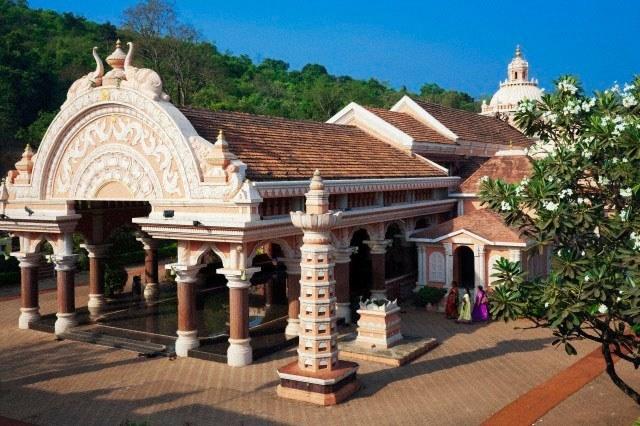
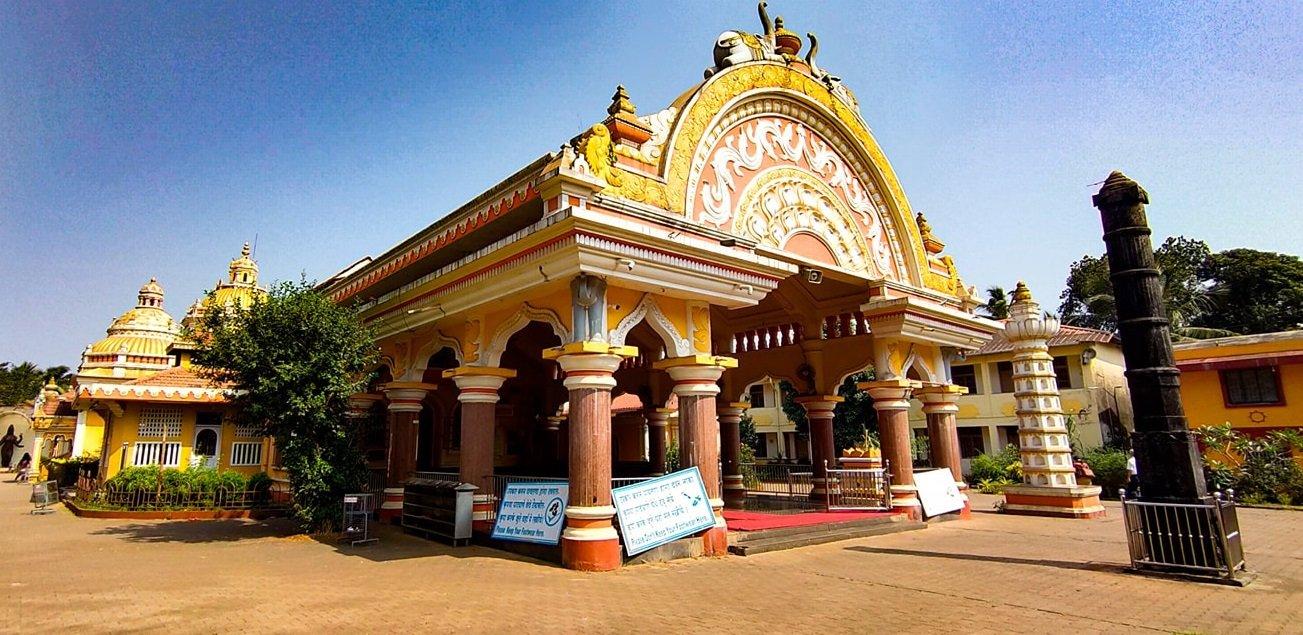
As you approach the temple, the first thing you notice is the towering Deepstambha (lamp tower), a signature element of Goan temple architecture. The temple serves as the "Kuldevata" (family deity) for many Saraswat Brahmins and other communities across India, who travel long distances to seek the blessings of the Mother Goddess. Whether you are a spiritual seeker, an architecture enthusiast, or a curious traveler, this temple offers a deep dive into the resilient spirit of Goan culture, which has survived centuries of colonial influence while keeping its core identity intact.
History & Religious Significance
The history of Shree Mahalaxmi Temple Bandora is a gripping saga of faith, resilience, and survival. The original idol of Goddess Mahalaxmi was not located in Bandora; it was originally enshrined in a magnificent temple in the village of Colva in the Salcete taluka. However, the 16th century brought a period of immense turmoil for the Hindu population of Goa due to the arrival of the Portuguese and the subsequent Inquisition. During this time, many ancient temples were destroyed, and their idols were either desecrated or hidden by devotees.
In 1567, as the Portuguese intensified their campaign to dismantle local religious structures, a group of brave devotees managed to smuggle the idol of Goddess Mahalaxmi out of Colva under the cover of darkness. They traveled through dense forests and crossed rivers to reach the Antruz Mahal (modern-day Ponda), which was at that time under the rule of the Bijapur Sultanate and thus outside Portuguese jurisdiction. This region became a sanctuary for many displaced Goan deities, including Lord Manguesh and Goddess Shantadurga.
Initially, the idol was kept in a small, inconspicuous shrine to avoid detection. It was only later, under the patronage of local rulers and the contributions of the migrant community, that the current temple structure was built. The temple has seen several renovations over the centuries, with the most significant one occurring in the 19th century. Historically, the temple is mentioned in various Puranic texts, emphasizing its status as a Siddha Peetha. The religious significance of the temple is further elevated by the fact that the Goddess is worshipped here in her Sattvic (peaceful) form, as opposed to the more common Ugra (fierce) representations found in other parts of India. This peaceful manifestation is believed to grant not just material wealth, but the wealth of knowledge and inner peace.
Architecture of Shree Mahalaxmi Temple Bandora
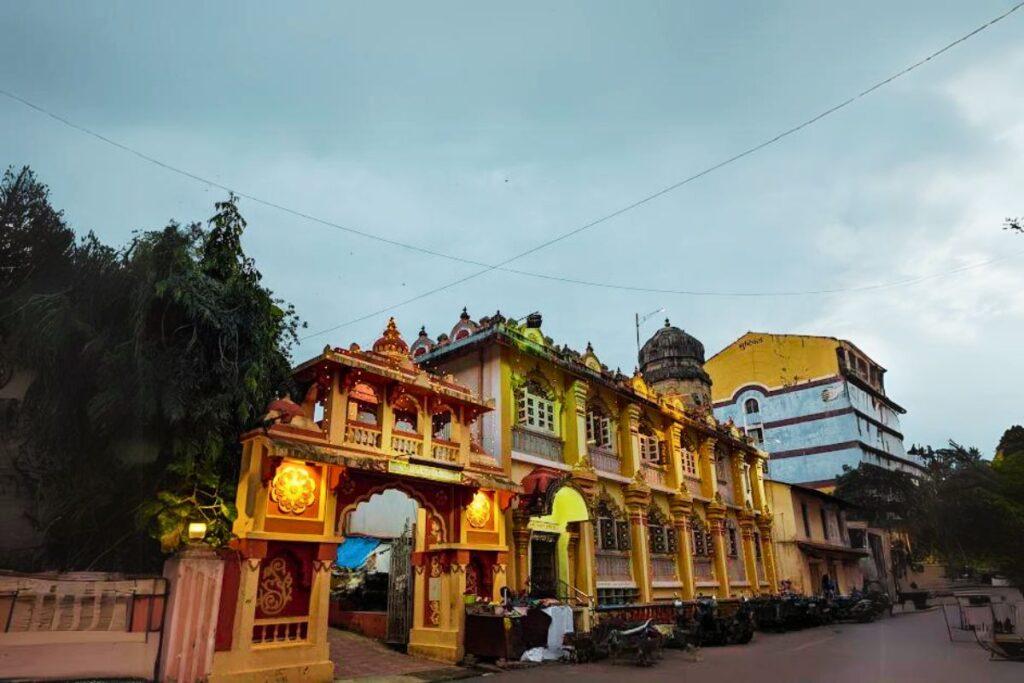
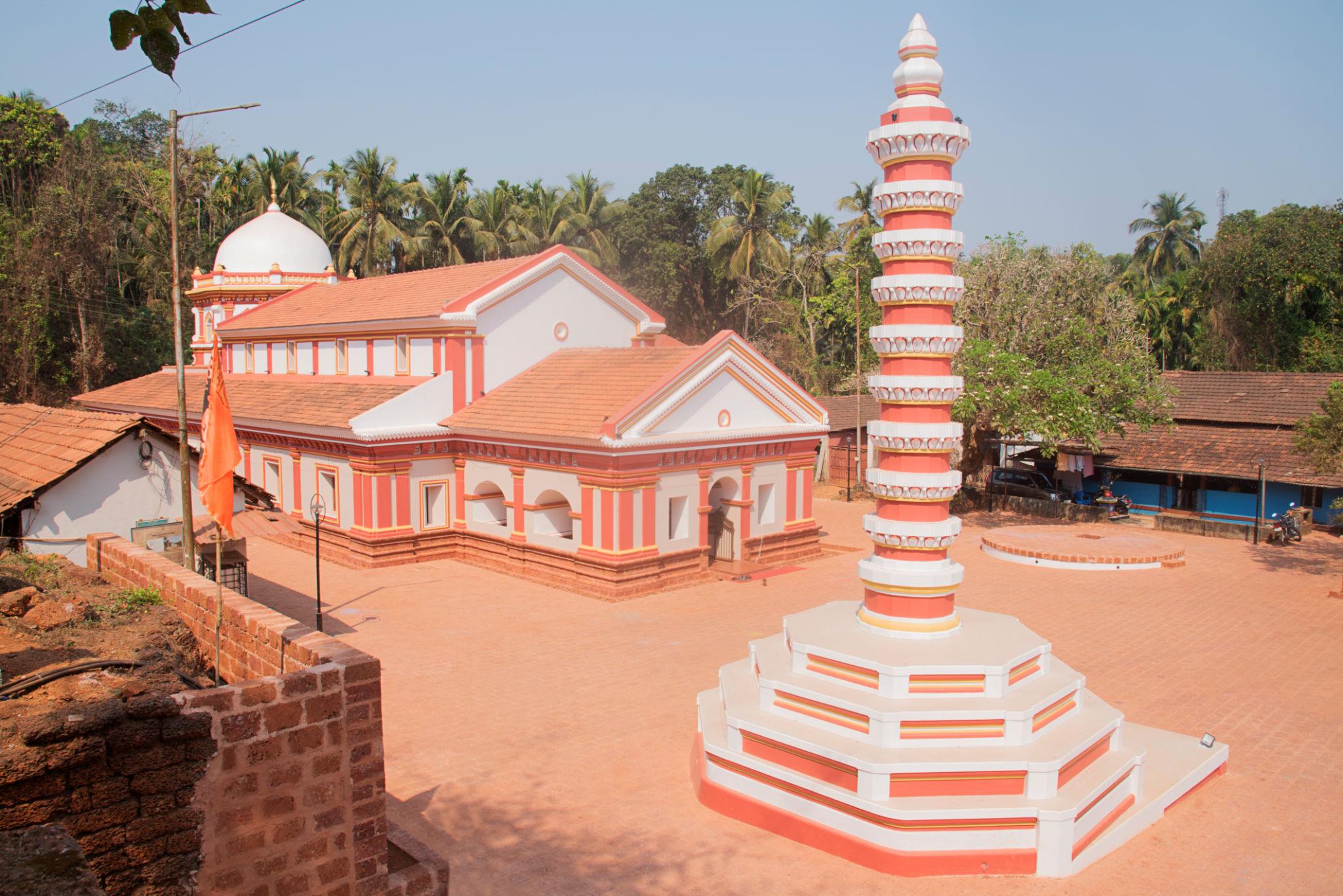
The architecture of Shree Mahalaxmi Temple Bandora is a masterful blend of traditional Indian styles and subtle influences that evolved during the colonial era in Goa. Upon entering the premises, the most striking feature is the Deepstambha. This multi-storied octagonal lamp tower is white-washed and features niches for hundreds of oil lamps. When lit during festivals, the entire tower glows, creating a celestial sight that symbolizes the enlightenment of the soul.
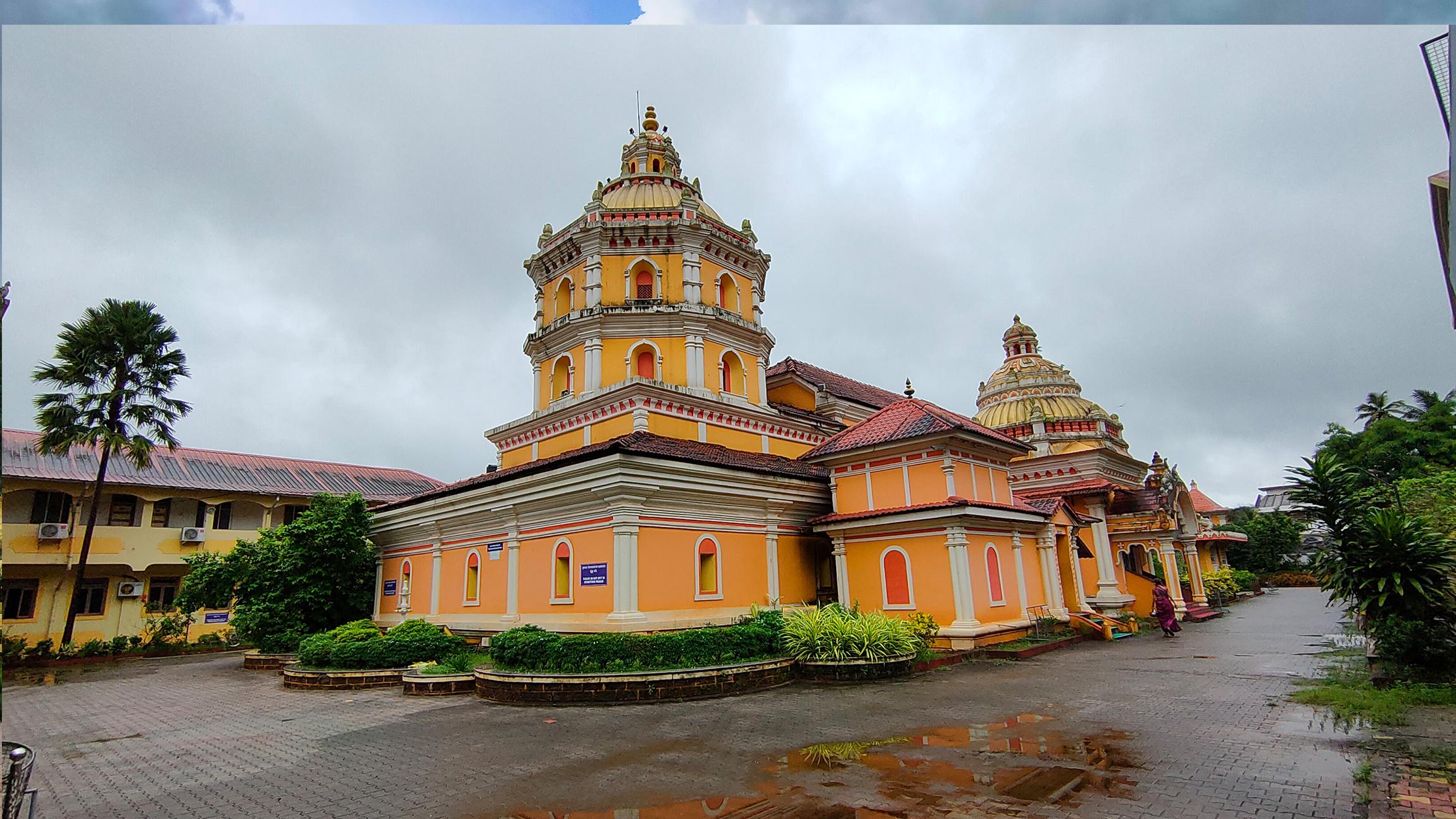
The main temple building consists of the Sabhamandapa (assembly hall) and the Garbhagriha (sanctum sanctorum). The Sabhamandapa is an architectural marvel, supported by beautifully carved wooden pillars. These pillars and the ceiling are adorned with intricate carvings depicting scenes from the Bhagavad Gita, the Puranas, and the various avatars of Lord Vishnu. The use of wood is a classic feature of Goan temples, reflecting the local craftsmanship that has been passed down through generations. The roof of the temple is typically Goan, with sloping tiles designed to withstand the heavy monsoon rains of the Konkan coast.
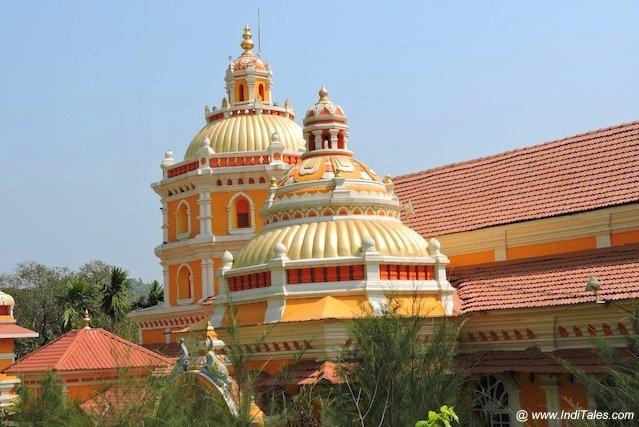
One of the most unique aspects of the architecture is the Shikhara (dome). Unlike the sharp, pyramidal spires of North Indian temples, the Shikhara here is more rounded and reflects a fusion of Indo-Islamic and even some Portuguese Baroque elements, which is a hallmark of the "Goan Temple Style." Inside the sanctum, the walls are often decorated with silver plating, reflecting the light of the oil lamps and creating an aura of divine radiance. The temple also features a large water tank or Tirthasthana, where devotees perform ritual ablutions. The harmony between the white-washed walls, the red-tiled roofs, and the surrounding green palm groves makes it one of the most photogenic religious sites in the region.
Main Deity / Spiritual Importance
The presiding deity of the temple is Goddess Mahalaxmi, but the idol here is distinct from any other in the world. Carved out of black stone, the idol is a masterpiece of ancient sculpture. The Goddess is depicted with four arms, holding a vessel (symbolizing prosperity), a shield, a mace, and a fruit (the Mahalunga). What makes this specific idol incredibly rare and spiritually significant is that she wears a Linga (the symbol of Lord Shiva) on her head. This signifies the non-duality of the divine—the union of Shiva and Shakti, or the male and female energies of the universe.
Spiritual seekers believe that the Mahalaxmi of Bandora is the Prakriti (nature) that sustains all life. Devotees flock here to pray for various reasons—some seek success in business, while others come for the health and well-being of their families. The Goddess is considered a "Jagrut" deity, meaning one who is "awake" and responsive to the sincere prayers of her followers. The rituals performed here are strictly according to the Agamic traditions. The morning 'Abhishek' and the evening 'Aarti' are powerful spiritual experiences that draw visitors into a state of deep meditation.
The spiritual importance of the temple is also linked to the concept of Shakti Peethas. While not one of the primary 51 Shakti Peethas, it is considered a secondary seat of immense power. The presence of other deities in the temple complex, such as Shree Ravalnath, Shree Bairav, and Shree Narayan Canabarode, creates a spiritual ecosystem where the devotee is surrounded by various manifestations of the divine. The energy of the temple is said to be particularly potent for those practicing "Sadhana" or disciplined spiritual practice.
Festivals & Celebrations
The Shree Mahalaxmi Temple is a hub of cultural activity throughout the year, but certain festivals transform the complex into a vibrant spectacle of color and devotion. The most significant of these is the Mahashivratri, given the unique Linga-wearing form of the Goddess. Thousands of devotees stand in long queues to catch a glimpse of the deity during this auspicious night.
- Navratri: This nine-night festival dedicated to the Divine Mother is celebrated with unparalleled fervor. Each day, the Goddess is dressed in different sarees and adorned with precious jewelry. The temple echoes with the sounds of traditional Goan music, including the 'Ghumat' and 'Shamel'. On the tenth day, Vijayadashami, a grand procession is held.
- Chaitra Purnima: This marks the annual Jatra (temple festival). The highlight of the Jatra is the Rathotsav, where the deity is placed in a massive wooden chariot (Ratha) and pulled by hundreds of devotees around the temple complex. The atmosphere is electric, filled with chants of "Jai Maa Laxmi!"
- Magha Purnima: Another major festival where the temple is illuminated with thousands of oil lamps on the Deepstambha, creating a "festival of lights" that rivals Diwali.
- Vasant Panchami: Celebrating the arrival of spring, this festival involves special prayers and the decoration of the temple with yellow flowers, symbolizing the bloom of nature and knowledge.
During these festivals, traditional Goan art forms like Dashavatar (folk theater) and Bhajans are performed in the Sabhamandapa. These celebrations are not just religious events but are vital for the social cohesion of the local community, bringing together people from all walks of life.
Best Time to Visit
To experience the Shree Mahalaxmi Temple in its full glory, the winter months from November to February are ideal. The weather in Goa during this period is pleasant, with cool breezes and mild sunshine, making it comfortable for temple hopping and exploring the rural landscapes of Ponda. This period also coincides with several major festivals and the annual Jatra, providing a glimpse into the rich cultural tapestry of the region.
The Monsoon season (June to September) offers a different kind of beauty. The surrounding hills of Bandora turn a vibrant shade of green, and the temple pond fills up, reflecting the white structure of the shrine. While the humidity can be high, the rain adds a mystical quality to the temple visits. However, be prepared for heavy downpours which might hinder outdoor exploration.
If you prefer a quiet, meditative experience, visit during the shoulder months of October or March. During these times, the tourist crowds are thinner, and you can spend more time in the inner sanctum without feeling rushed. It is advisable to visit early in the morning (around 7:00 AM) to witness the morning rituals and enjoy the tranquility before the day's heat sets in.
Timings, Entry Fee & Dress Code
The temple follows a strict schedule to ensure that the rituals are conducted with utmost sanctity. It is important for visitors to plan their trip according to these timings to avoid disappointment.
- Temple Timings: The temple usually opens at 6:30 AM and remains open until 12:30 PM. It then closes for the afternoon rituals and rest, reopening at 4:00 PM and closing for the night at 8:30 PM.
- Entry Fee: There is no entry fee to visit the Shree Mahalaxmi Temple. It is open to people of all castes and creeds, provided they respect the temple's sanctity.
- Dress Code: As a place of deep religious significance, a strict dress code is enforced. Men are expected to wear traditional dhotis or formal trousers (shorts are strictly prohibited). Women should wear sarees, salwar kameez, or long skirts. Shoulders and knees must be covered. Sleeveless tops and revealing clothing are not allowed. It is customary to remove footwear before entering the temple premises.
Pro Tip: Many visitors carry a shawl or a stole to cover themselves if they are wearing western clothes. Respecting these rules ensures a smooth and respectful experience for both the visitor and the local devotees.
How to Reach Shree Mahalaxmi Temple Bandora
Shree Mahalaxmi Temple is located in Bandora, approximately 4 kilometers from the city of Ponda and about 28 kilometers from the state capital, Panaji. Reaching the temple is relatively easy due to Goa's well-connected road network.
- By Road: You can hire a taxi or a self-drive car from Panaji, Margao, or the beach areas. If you are using public transport, take a bus to Ponda Kadamba Bus Stand. From Ponda, you can take a local bus heading towards Bandora or hire an auto-rickshaw for a short 10-minute ride to the temple.
- By Rail: The nearest major railway station is Madgaon (Margao), which is about 22 kilometers away. Another option is the Karmali Railway Station, located about 18 kilometers from the temple. From either station, taxis are readily available.
- By Air: The Dabolim Airport is approximately 35 kilometers away, while the newer Manohar International Airport (Mopa) is about 60 kilometers away. Pre-paid taxis from the airport are the most convenient way to reach Ponda.
The drive to the temple is scenic, passing through winding roads lined with cashew trees and traditional Goan villages. If you are driving yourself, use GPS as the interior roads of Bandora can be a bit confusing for first-time visitors.
Things to Do
While the primary activity is offering prayers, there are several other things to do in and around the Shree Mahalaxmi Temple to make your visit more fulfilling:
- Observe the Architecture: Spend time studying the intricate wood carvings in the Sabhamandapa. Look for the depictions of the ten avatars of Lord Vishnu (Dashavatara).
- Photography: While photography is prohibited inside the inner sanctum, the exterior of the temple, the Deepstambha, and the surrounding gardens are incredibly photogenic. Capture the contrast of the white temple against the blue sky.
- Attend the Evening Aarti: The evening Aarti (around 7:00 PM) is a sensory experience. The sound of bells, drums, and the flickering light of the lamps create a powerful spiritual vibration.
- Walk through Bandora Village: After your temple visit, take a leisurely stroll through the village. You will see traditional Goan houses with wide porches (balcaos) and friendly locals.
- Meditation: Find a quiet corner in the temple courtyard to sit and meditate. The energy of the place is highly conducive to introspection and peace.
Nearby Attractions
The area around Ponda is a treasure trove of religious and natural attractions. You can easily combine your visit to Shree Mahalaxmi Temple with these nearby spots:
- Shree Nageshi Temple: Located just a few hundred meters away in Bandora, this temple is dedicated to Lord Shiva. It is famous for its ancient water tank and beautiful wood carvings.
- Shree Ramnathi Temple: Another significant temple within walking distance, known for its unique history and the assembly of multiple deities.
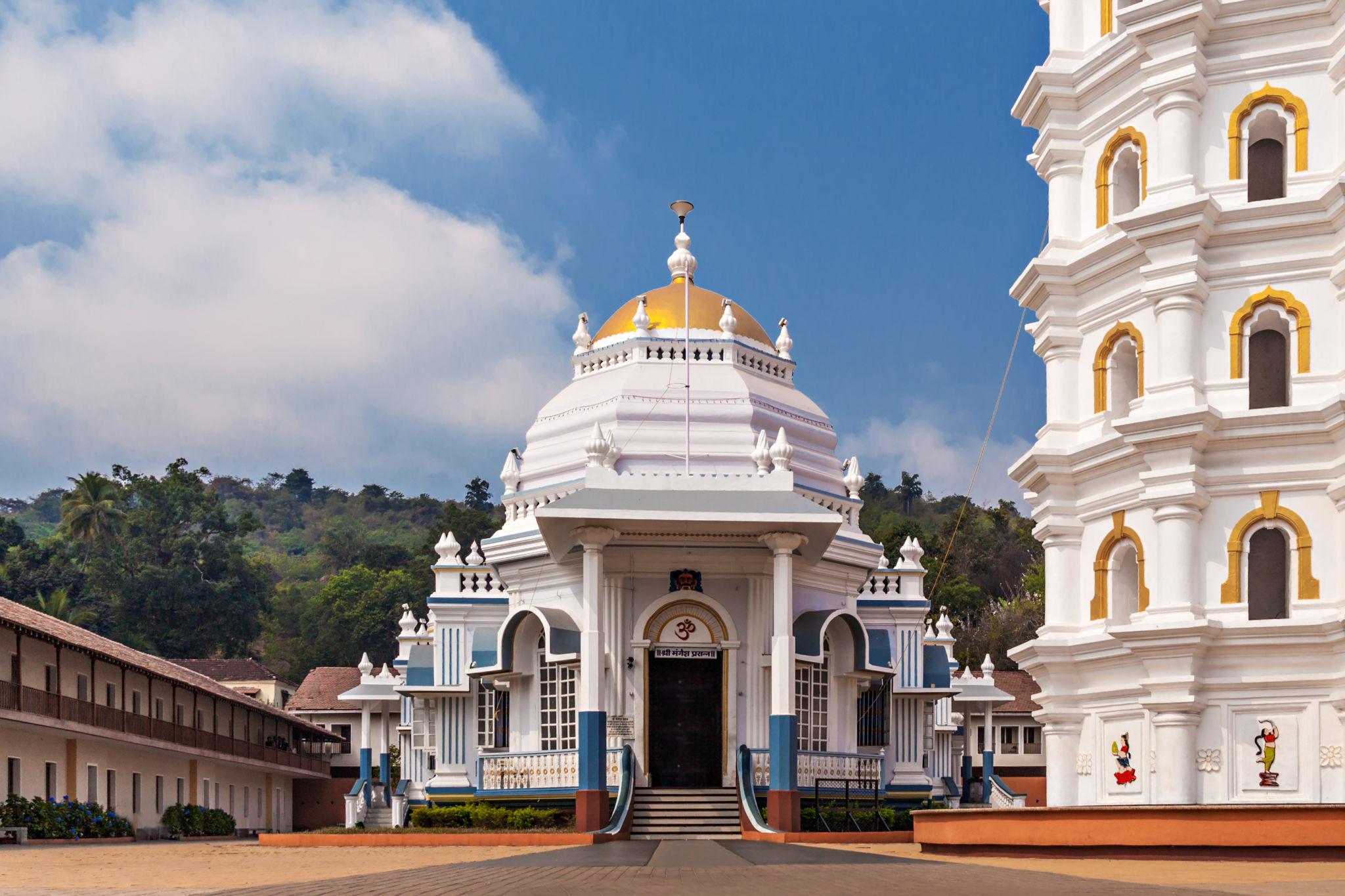
- Shree Mangueshi Temple: Located about 5 kilometers away in Priol, this is perhaps the most famous temple in Goa, known for its stunning architecture and massive Deepstambha.
- Sahakari Spice Farm: A 15-minute drive will take you to one of Goa's famous spice plantations. Here, you can take a guided tour to learn about local spices, enjoy a traditional Goan lunch, and even watch elephant washings.
- Safa Shahouri Masjid: One of the oldest mosques in Goa, built in 1560 by Ibrahim Adil Shah. It is a beautiful example of Islamic architecture and is located just on the outskirts of Ponda.
Photography & Visitor Guidelines
To maintain the sanctity of the temple and ensure a pleasant experience for everyone, visitors are requested to follow these guidelines:
- No Indoor Photography: Taking pictures or videos of the main idol and inside the Garbhagriha is strictly forbidden. This is to respect the privacy of the deity and the devotees.
- Maintain Silence: Loud talking, laughing, or playing music is discouraged. The temple is a place for quiet reflection.
- Mobile Phones: Keep your mobile phones on silent mode or switched off while inside the temple premises.
- Respect Rituals: If a ritual or ceremony is in progress, do not interrupt. Observe from a distance.
- Cleanliness: Do not litter. Use the bins provided in the complex. The temple management takes great pride in maintaining the cleanliness of the surroundings.
- Seek Permission: If you wish to take photos of the priests or locals, it is polite to ask for their permission first.
Where to Eat Nearby
Ponda is known for its authentic Goan Hindu cuisine, which is quite different from the seafood-heavy fare found in the coastal areas. Here are some options:
- Local Thali Places: There are several small eateries in Ponda city that serve a traditional Goan "Veg Thali," featuring local specialties like Khatkhate (a mixed vegetable stew), Tondak (beans curry), and Sol Kadi (a refreshing coconut milk and kokum drink).
- Spice Farm Restaurants: If you visit the nearby spice plantations (like Sahakari or Tropical Spice Plantation), they offer a lavish buffet lunch served on banana leaves, which is a must-try experience.
- Hotel Menino: Located in Ponda city, this is a popular spot for both vegetarian and non-vegetarian Goan dishes.
- Street Food: In the evenings, you can find local vendors selling 'Mirchi Bajji' (chili fritters) and 'Ross Omurice' (omelet in a spicy gravy) near the Ponda bus stand.
Accommodation Nearby
While most tourists visit Ponda as a day trip from the beaches, staying overnight allows you to experience the early morning temple rituals. Options include:
- The Farm House India: A beautiful eco-resort located near the spice plantations, offering a rustic yet comfortable stay amidst nature.
- Hotel Menino: A reliable budget-to-mid-range hotel in the heart of Ponda city, convenient for those who want easy access to transport and markets.
- Heritage Homestays: There are several old Goan mansions in the Ponda region that have been converted into boutique homestays, offering a chance to live like a local.
- Atreya Vedic Farm: For those interested in wellness, this farm offers accommodation along with Ayurvedic treatments and yoga sessions.
Travel Tips
To make the most of your visit to Shree Mahalaxmi Temple Bandora, keep these practical tips in mind:
- Stay Hydrated: The Goan sun can be intense. Carry a bottle of water, but remember not to drink or eat inside the temple sanctum.
- Carry Cash: While many places in Goa accept digital payments, small shops and auto-rickshaws in the Ponda interior often prefer cash.
- Hire a Local Guide: If you are interested in the deep history and the meanings behind the carvings, hiring a local guide can be very rewarding.
- Visit Early: To beat the heat and the crowds, aim to reach the temple by 8:00 AM.
- Combine with Other Temples: Ponda is best explored as a "Temple Circuit." Plan your day to include Mangueshi, Shantadurga, and Nageshi temples along with Mahalaxmi.
- Respect Local Customs: Goans are very protective of their traditions. A simple "Namaste" or "Dev Boren Karun" (May God do good) goes a long way in building rapport with the locals.
Conclusion
The Shree Mahalaxmi Temple Bandora is more than just a religious site; it is a living monument to the endurance of Goan culture. It offers a unique opportunity to step back in time and witness a side of Goa that remains untouched by the commercialization of the northern beach strips. The serene environment, the unique "Linga-wearing" deity, and the stunning fusion of architectural styles make it a must-visit destination for anyone traveling through the Konkan region.
As you leave the temple, carrying the scent of incense and the sound of the temple bells with you, you realize that the true wealth of Goa lies not just in its golden sands, but in these hallowed halls where faith has been preserved for centuries. A visit here is a reminder of the peaceful coexistence of different cultures and the timeless beauty of spiritual devotion. Whether you come for the history, the art, or the divine blessings, the Mahalaxmi Temple of Bandora will leave an indelible mark on your soul.