Overview of Anant Temple
Deep within the verdant, emerald-green heart of Ponda, specifically in the tranquil village of Savoi Verem, lies one of Goa’s most spiritually evocative and historically significant shrines: the Anant Temple. While Goa is globally renowned for its sun-kissed beaches and vibrant nightlife, the hinterlands of the Ponda Taluka offer a starkly different, more introspective experience. The Anant Temple, dedicated to Lord Anant (a form of Lord Vishnu), is a sanctuary that perfectly encapsulates the "other side" of Goa—one defined by ancient traditions, lush spice plantations, and a profound sense of peace that seems to have remained untouched by the rapid pace of modern tourism.
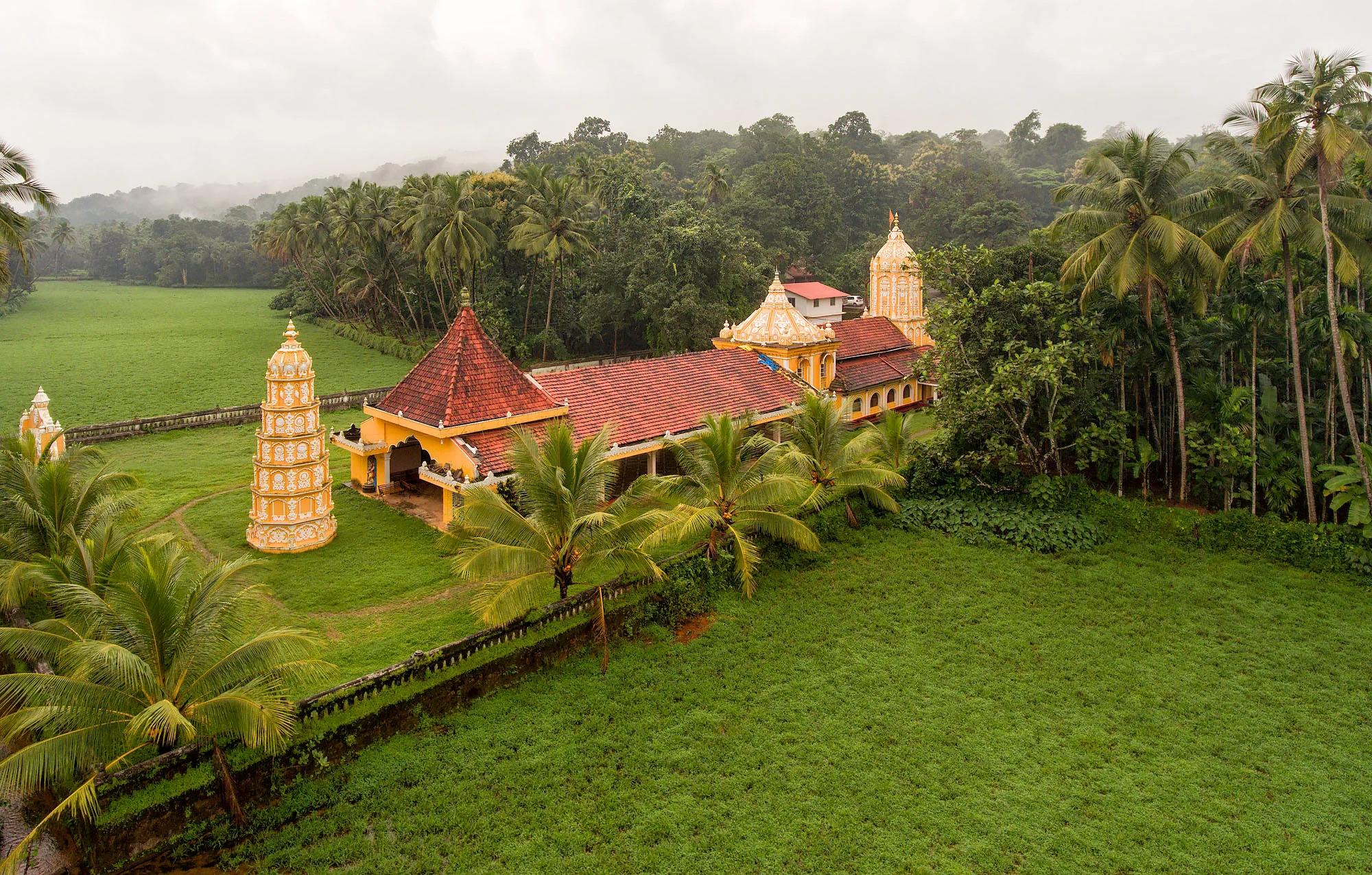
The Anant Temple is unique for several reasons. Primarily, it is the only temple in the entire state of Goa dedicated to Anant Shesha, the infinite serpent upon whom Lord Vishnu reclines in the cosmic ocean. Surrounded by a landscape that feels like a tropical rainforest, the temple is flanked by betel nut trees, coconut groves, and sprawling spice gardens. This setting isn't just aesthetic; it is integral to the spiritual experience, as the rustling of leaves and the distant call of tropical birds provide a natural symphony for meditation and prayer. Visitors to the Anant Temple often describe a feeling of stepping back in time, leaving the coastal commercialism behind to enter a realm where the rhythms of nature and the divine are inextricably linked.
For the traveler seeking a deeper understanding of Goan culture, the Anant Temple serves as a gateway into the soul of the Antruz Mahal (the traditional name for the Ponda region). This area remained a stronghold of Hindu culture even during the height of Portuguese colonial rule, and the Anant Temple stands as a testament to this resilience. It is not just a place of worship but a living museum of Goan heritage, where the architecture, the rituals, and even the surrounding flora tell a story of a community that has fiercely guarded its spiritual identity for over a thousand years. Whether you are a devout pilgrim, a history enthusiast, or a nature lover, the Anant Temple offers a multifaceted journey into the very essence of Goan spirituality.
History & Religious Significance
The history of the Anant Temple is a fascinating tapestry woven with threads of dynastic shifts, religious fervor, and the geographical isolation that saved many of Ponda’s treasures from destruction. The temple’s origins date back to the 11th century, during the reign of the Kadamba Dynasty. The Kadambas were great patrons of art and religion, and it was under their influence that the initial shrine was established. Unlike many other Goan temples that were destroyed during the 16th-century Portuguese Inquisition and later rebuilt in different locations, the Anant Temple is believed to have remained in its original location in Savoi Verem. This is largely due to the village’s remote, inland position, which made it difficult for colonial forces to reach and monitor during the early years of the conquest.
The religious significance of the temple is deeply rooted in the Vaishnavite tradition. The deity, Lord Anant, represents the eternal and infinite nature of the universe. In Hindu mythology, Anant Shesha is the king of all Nagas (serpents) and serves as the bed for Lord Vishnu. The concept of "Ananta" signifies that which has no end, symbolizing the timelessness of the soul and the universe. For the local community, the temple is the "Gramadevata" (village deity) of Savoi Verem, playing a central role in the social and spiritual fabric of the village. For centuries, the temple has been a center for learning, communal gatherings, and the preservation of traditional Goan music and dance forms.
Throughout the centuries, the temple has undergone various renovations, particularly during the 17th and 18th centuries when the Maratha influence grew in the region. These renovations added layers to the temple’s history, blending the original Kadamba simplicity with more ornate Maratha and local Goan architectural flourishes. The fact that the temple survived the tumultuous periods of Goan history—from the Bahmani Sultanate to the Portuguese era—makes it a symbol of spiritual endurance. Today, it stands not just as a relic of the past, but as a vibrant center of faith where the same hymns that echoed through its halls a millennium ago are still chanted with the same devotion by the descendants of the original devotees.
Architecture of Anant Temple
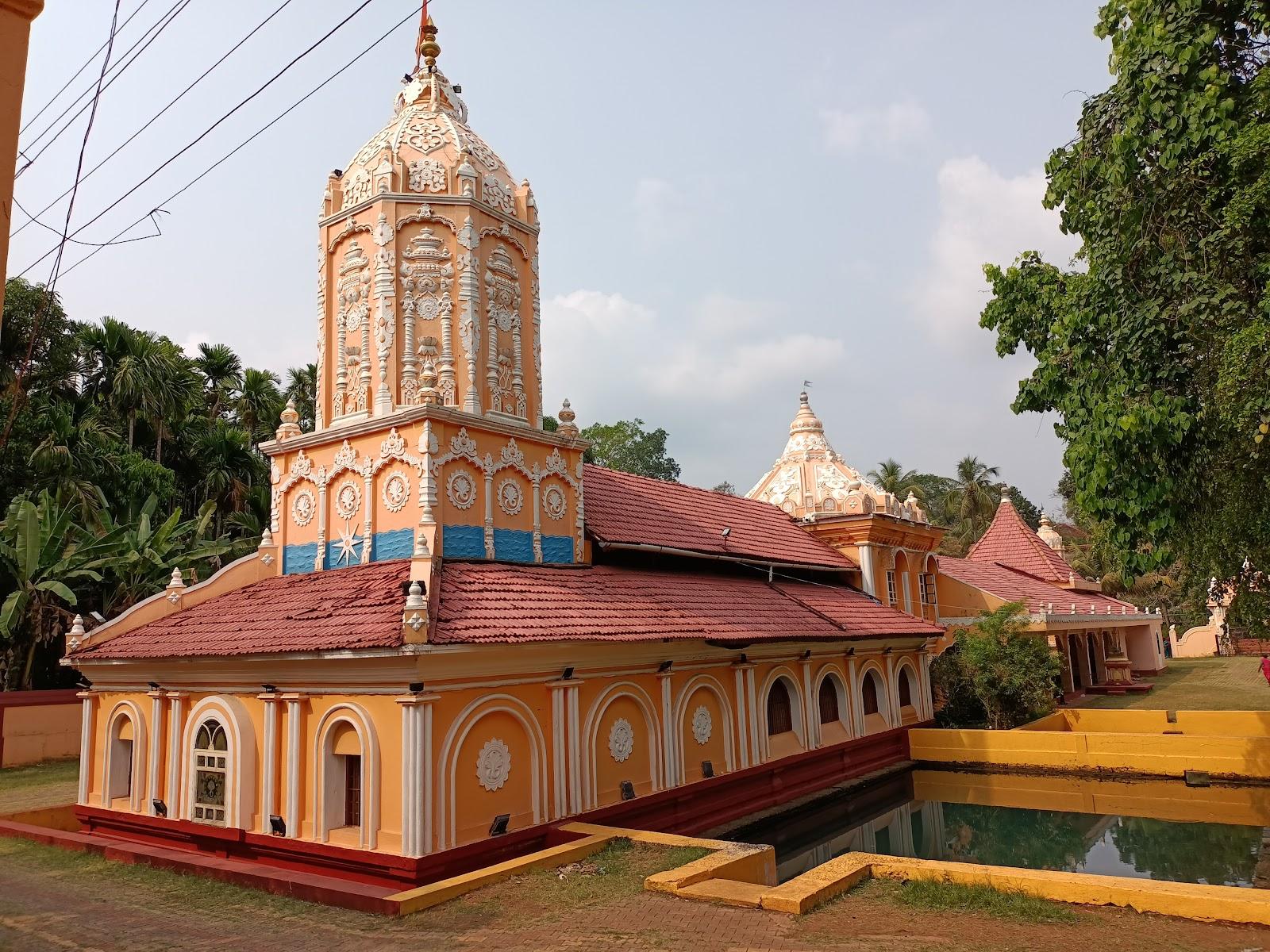
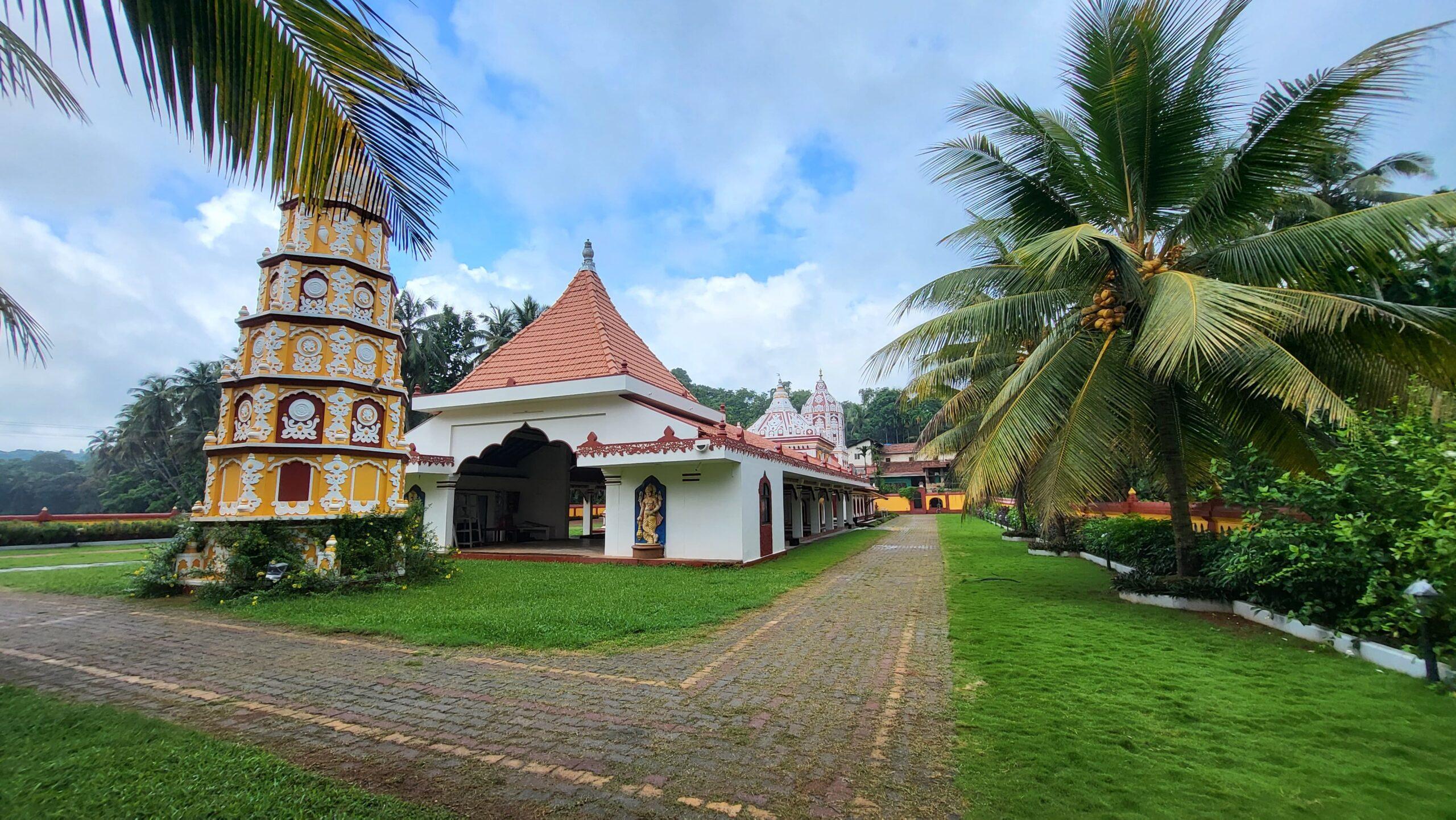
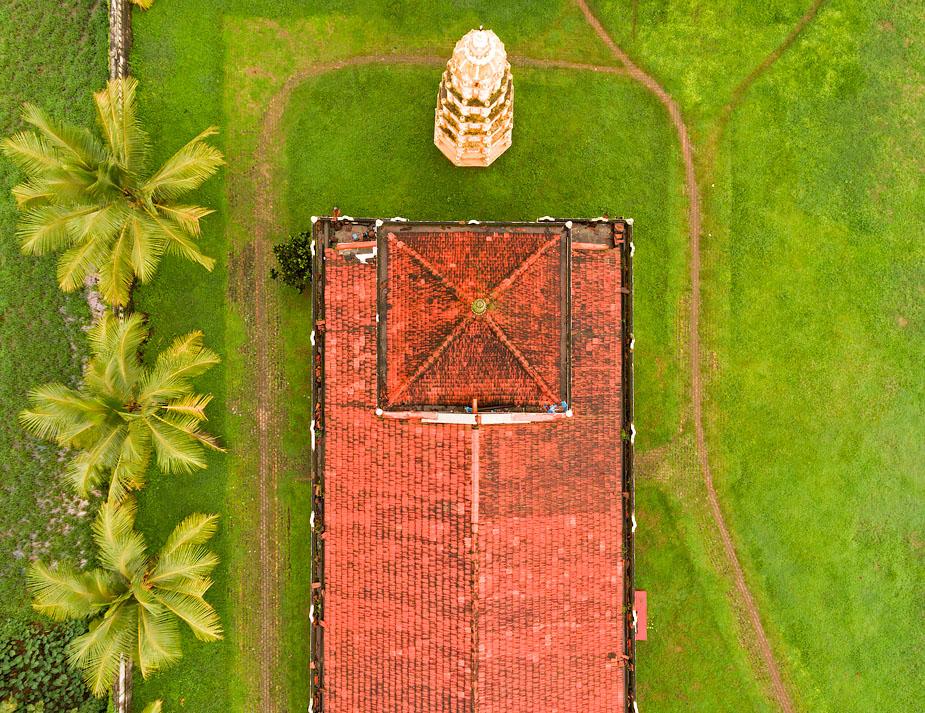
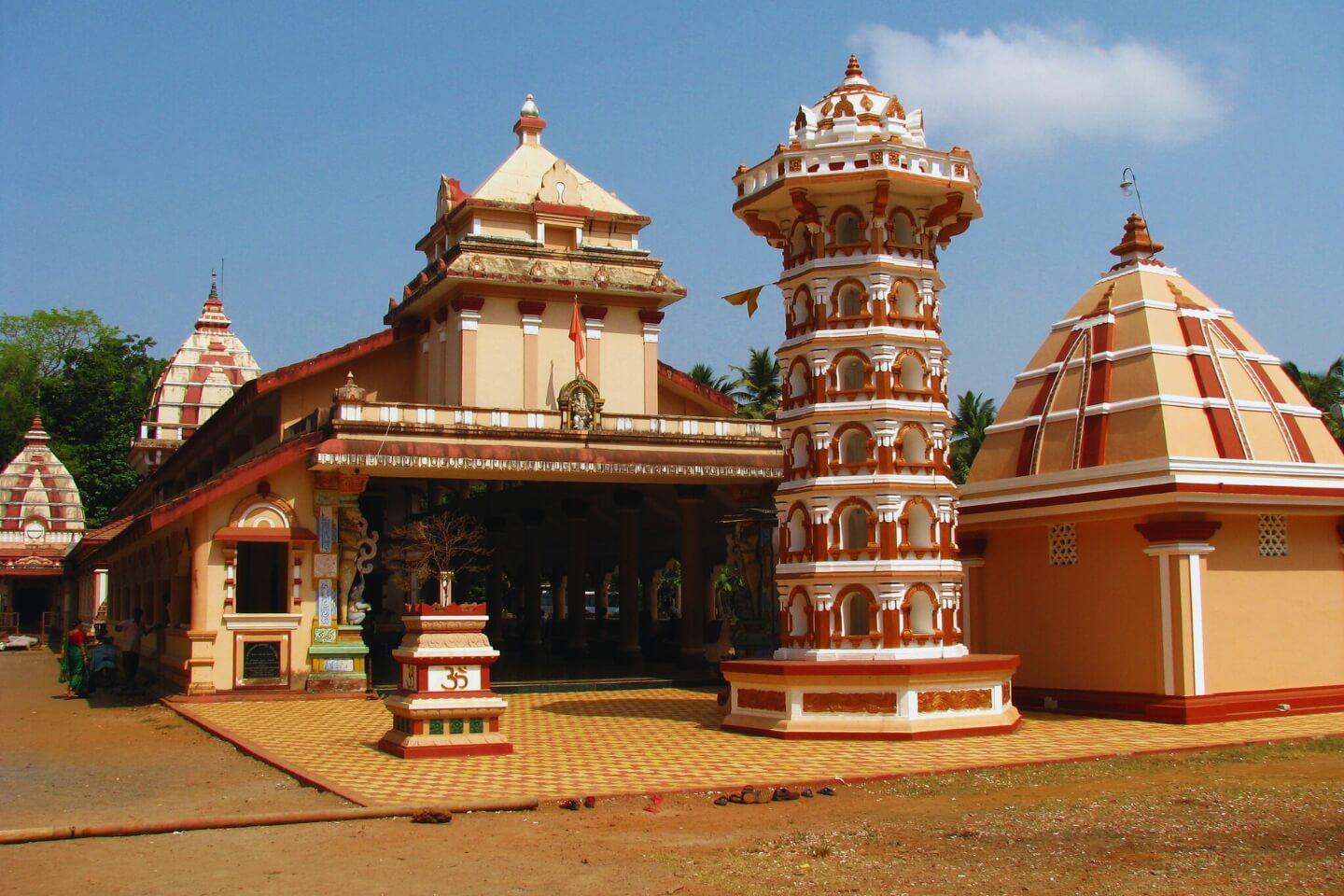
The architecture of the Anant Temple is a magnificent example of traditional Goan temple design, which differs significantly from the towering gopurams found in South India or the shikharas of the North. The most striking feature of the temple is its pyramidal gabled roof, traditionally made of red tiles. This style is specifically adapted to the heavy monsoon rains of the Konkan coast, allowing water to run off quickly and protecting the wooden interiors. The temple complex is built using local laterite stone, which is abundant in Goa and provides a warm, reddish hue to the structures, blending harmoniously with the surrounding red soil.
As you enter the temple, you are greeted by a series of intricately carved wooden pillars in the Mandapa (assembly hall). These carvings are a hallmark of Goan craftsmanship, featuring floral motifs, geometric patterns, and depictions of various deities. The use of wood in temple architecture is a tradition that has largely disappeared in other parts of India but has been preserved in the hinterland temples of Goa. The ceiling of the Mandapa is often a work of art in itself, featuring decorative panels that reflect the artistic sensibilities of the medieval period. The transition from the bright, open courtyard to the dim, cool interior of the Mandapa creates a psychological shift, preparing the devotee for the darshan (viewing) of the deity.
One cannot discuss the architecture of the Anant Temple without mentioning the Kalyani or the temple tank. Located adjacent to the main structure, this sacred water body is surrounded by stone steps and lush vegetation. The reflection of the temple’s gabled roof in the still waters of the tank is one of the most iconic sights in Savoi Verem. Additionally, the temple features a Deepastambha (lamp tower), a quintessential element of Goan Hindu architecture. This multi-storied tower is lit with hundreds of oil lamps during festivals, creating a celestial glow that illuminates the entire complex. The overall layout of the temple, with its emphasis on horizontal lines and integration with the landscape, reflects a philosophy where the divine is not seen as separate from nature, but as an integral part of it.
Main Deity / Spiritual Importance
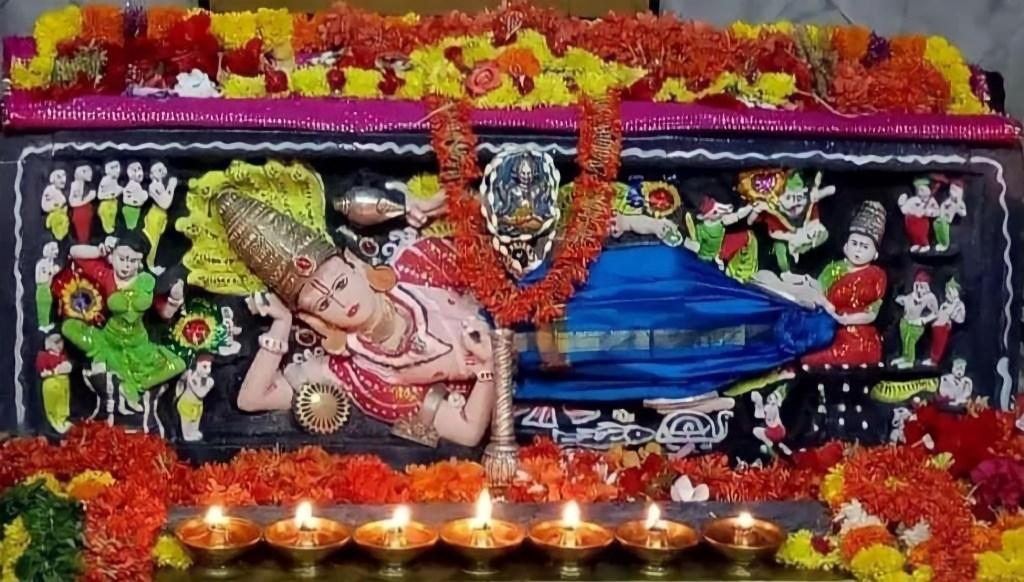
The heart of the Anant Temple is the sanctum sanctorum, which houses the extraordinary idol of Lord Anant Sheshashayi. Unlike the standing or sitting postures commonly seen in Vishnu temples, the deity here is depicted in the Anantashayana posture—reclining on the coils of the thousand-headed serpent, Shesha. The idol is carved from a single piece of polished black basalt stone, which gives it a timeless, ethereal quality. The craftsmanship is exquisite; you can see the intricate details of the serpent's hoods forming a canopy over the Lord's head, and the serene expression on Vishnu’s face, representing the "Yoga Nidra" or the cosmic sleep from which the universe is created.
From the navel of Lord Vishnu, a lotus emerges, upon which Lord Brahma, the creator, is seated. This imagery represents the entire cycle of cosmic creation and preservation. At the feet of the Lord is Goddess Lakshmi, the consort of Vishnu and the goddess of wealth and prosperity, shown attending to Him. The spiritual importance of this specific form of Vishnu is profound. It reminds devotees that even amidst the chaos of the material world (represented by the ocean), one can find a state of perfect equanimity and peace (represented by Vishnu’s reclining form). It is a call to seek the "Ananta" or the infinite within oneself, moving beyond the limitations of the physical body and the ego.
The spiritual energy of the temple is palpable, especially during the early morning hours when the air is thick with the scent of incense and the sound of Vedic chants. For many Goans, a visit to the Anant Temple is a way to reconnect with their roots. The deity is believed to be a protector of the land and its people, ensuring fertile harvests and protection from calamities. The presence of the serpent Shesha also links the temple to ancient Naga worship, which was prevalent in the Konkan region long before the formalization of modern Hinduism. This layer of spiritual history adds a unique depth to the worship at Savoi Verem, making it a site where various strands of Indian spirituality converge into a single, powerful experience.
Festivals & Celebrations
The Anant Temple comes alive with extraordinary fervor during its annual festivals, the most important of which is Anant Chaturdashi. Falling in the Hindu month of Bhadrapada (usually September), this festival marks the culmination of the ten-day Ganesh Chaturthi celebrations. On this day, special "Anant Vrata" rituals are performed. Devotees tie a sacred silk thread with fourteen knots on their arms, symbolizing the fourteen years of Lord Vishnu’s protection and the fourteen worlds of the universe. The atmosphere in Savoi Verem during Anant Chaturdashi is electric, as thousands of pilgrims from across Goa and neighboring states descend upon the village to seek blessings.
Another significant celebration is the Zatra (annual temple feast). During the Zatra, the deity is taken out of the sanctum and placed in a beautifully decorated Palki (palanquin). The procession moves through the village, accompanied by traditional music played on instruments like the Dhol, Tasha, and Shehnai. The sight of the Palki swaying through the narrow, tree-lined lanes of Savoi Verem, lit by torches and surrounded by chanting devotees, is a spectacle of faith that remains etched in the memory of any visitor. The village takes on a fair-like atmosphere, with stalls selling traditional Goan sweets like Khaje, handmade toys, and local crafts.
The temple also celebrates Vasant Panchami and Shigmo, the Goan version of Holi. During Shigmo, folk troupes perform traditional dances like the Ghode Modni and Fugdi in the temple courtyard. These celebrations are not just religious events but cultural milestones that bring the community together. The involvement of the local youth in organizing these festivals ensures that the traditions are passed down through generations. For a traveler, visiting during these festivals offers a rare opportunity to witness the "Living Heritage" of Goa, far removed from the choreographed performances seen in tourist hubs. The authenticity of the emotions and the vibrancy of the rituals make these celebrations a highlight of the Goan spiritual calendar.
Best Time to Visit
Choosing the right time to visit the Anant Temple can significantly enhance your experience. The winter months (November to February) are arguably the best time for general tourists. During this period, the weather in Goa is pleasant, with clear blue skies and cool breezes. The humidity is at its lowest, making the walk through the spice plantations surrounding the temple an absolute delight. The morning hours are particularly magical, as a light mist often hangs over the temple tank, and the air is filled with the fragrance of blooming tropical flowers.
However, if you wish to experience the temple in its most lush and vibrant state, the Monsoon season (June to September) is unparalleled. Ponda is known for its heavy rainfall, which turns the entire landscape into a deep, saturated green. The temple tank overflows, and the surrounding betel nut groves seem to vibrate with life. While the rain might make travel a bit more challenging, the sight of the red-tiled temple roof glistening under the rain and the sound of water gushing through the village streams create a deeply atmospheric and romantic setting. This is also the time when the Anant Chaturdashi festival occurs, making it a prime time for spiritual seekers.
The summer months (March to May) can be quite hot and humid in the Goan hinterlands. However, the temple interior remains remarkably cool due to its laterite stone construction and the shade provided by the surrounding forest. If you visit during the summer, it is best to arrive early in the morning (between 7:00 AM and 9:00 AM) or in the late evening (after 4:30 PM). This allows you to avoid the midday heat and also witness the beautiful evening Aarti (ritual of light). Regardless of the season, the Anant Temple remains a place of profound quietude, though the changing seasons each bring a different "mood" to the sacred site.
Timings, Entry Fee & Dress Code
To ensure a respectful and smooth visit, it is important to be aware of the temple’s operational details. The Anant Temple generally follows these timings:
- Morning: 7:00 AM to 1:00 PM
- Evening: 4:00 PM to 8:00 PM
Please note that the temple may remain closed for a few hours in the afternoon for the deity’s rest. During major festivals like Anant Chaturdashi, the temple may stay open throughout the day and well into the night. As with most Hindu temples in Goa, there is no entry fee to visit the Anant Temple. It is a place of public worship, and everyone is welcome regardless of their background, provided they respect the sanctity of the space.
Dress Code: In recent years, Goan temples have become stricter regarding dress codes to maintain spiritual decorum. Visitors are expected to dress modestly.
- For Men: Long trousers or dhotis are preferred. Avoid wearing shorts, sleeveless tank tops, or beachwear.
- For Women: Sarees, salwar kameez, or long skirts are recommended. Shoulders and knees should be covered. Avoid wearing short skirts, hot pants, or transparent clothing.
A simple rule of thumb is to dress as you would for a formal or sacred occasion. Carrying a shawl or a scarf is always a good idea. Before entering the main temple structure, you must remove your footwear and leave it at the designated area near the entrance. It is also customary to wash your hands and feet at the temple tank or the provided taps before entering the inner sanctum.
How to Reach Anant Temple
The Anant Temple is located in Savoi Verem, which is approximately 10 to 12 kilometers from the main town of Ponda and about 30 kilometers from the capital city, Panjim. Reaching the temple is an adventure in itself, as the route takes you through some of Goa's most scenic countryside.
- By Private Vehicle/Taxi: This is the most convenient way to reach the temple. From Panjim, you take the road towards Ponda, and then follow the signs for Savoi Verem. The drive involves winding roads through dense plantations and small hamlets. Using a GPS navigation system like Google Maps is highly recommended, as some of the interior roads can be confusing.
- By Two-Wheeler: For the solo traveler or couples, renting a scooter or bike is a fantastic way to reach Savoi Verem. The ride allows you to stop and admire the views, breathe in the fresh air of the spice gardens, and experience the rural Goan life at your own pace.
- By Bus: Local buses run from Ponda KTC Bus Stand to Savoi Verem. While this is the most economical option, it requires some patience as buses may not be very frequent. From Panjim or Margao, you would first need to take a bus to Ponda and then change for a local bus heading towards Savoi Verem or Marcel.
- From the Airport: Dabolim Airport is about 45 kilometers away, while Mopa Airport is roughly 60 kilometers away. A pre-paid taxi from either airport will take you directly to the temple in about 1.5 to 2 hours.
The final stretch of the journey to the temple is particularly beautiful, as the road narrows and the canopy of trees overhead creates a natural tunnel. Keep an eye out for the traditional Goan houses with their colorful facades and well-maintained gardens that line the route.
Things to Do
A visit to the Anant Temple is not just about the few minutes spent in front of the deity; it is about the entire experience of the Savoi Verem ecosystem. Here are some things you should do to make the most of your trip:
- Participate in the Morning Aarti: If you can arrive by 7:30 AM, witnessing the morning ritual is a soul-stirring experience. The rhythmic ringing of bells and the chanting of mantras create a powerful vibratory atmosphere.
- Explore the Temple Tank (Kalyani): Spend some time sitting by the steps of the tank. It is a great spot for quiet reflection. Observe the architecture of the surrounding stone walls and the way the light plays on the water.
- Walk through the Spice Plantations: Savoi Verem is famous for its spice farms. Many of these are located within walking distance of the temple. Take a guided tour to learn about black pepper, cardamom, vanilla, and the famous Goan cashew.
- Admire the Wood Carvings: Don't just walk past the pillars. Take a moment to look closely at the intricate details of the wood carvings. They are some of the finest examples of medieval Goan art.
- Bird Watching: The area around the temple is a haven for birds. If you are a bird enthusiast, bring your binoculars. You might spot kingfishers, orioles, and even the Malabar Grey Hornbill.
- Photography (External): While photography is usually prohibited inside the sanctum, the exterior of the temple, the Deepastambha, and the surrounding landscapes are incredibly photogenic. Capture the play of light on the red-tiled roofs.
Nearby Attractions
The Ponda region is often called the "Temple Heartland of Goa," and there are several other attractions near the Anant Temple that you can combine into a full-day itinerary:
- Savoi Plantation: Located just a stone’s throw from the temple, this is one of the oldest and most authentic spice plantations in Goa. They offer traditional Goan Saraswat lunches served on banana leaves, which is a must-try experience.
- Sahakari Spice Farm: Another excellent spice farm nearby, known for its elephant rides and informative tours about herbal medicines and spices.
- Mangueshi Temple: Located about 15 kilometers away, this is perhaps the most famous temple in Goa, dedicated to Lord Shiva. Its towering 7-story Deepastambha is a landmark of Goan architecture.
- Shanta Durga Temple: Situated in Kavlem, this temple is dedicated to the goddess of peace. It features an unusual blend of Indo-Portuguese architecture, including arched windows and a dome.
- Bondla Wildlife Sanctuary: For nature lovers, this sanctuary is about 20 kilometers away and offers a mini-zoo, botanical gardens, and short hiking trails.
- Marcel Village: Known as the "Village of Temples," Marcel is home to several unique shrines, including the Devaki-Krishna temple, which is the only one in India where Lord Krishna is depicted with his mother Devaki.
Photography & Visitor Guidelines
To maintain the sanctity of the Anant Temple and ensure a pleasant experience for everyone, visitors are requested to follow these guidelines:
- No Photography Inside the Sanctum: Like most traditional Hindu temples, photography of the main idol is strictly prohibited. This is to maintain the spiritual focus and respect the privacy of devotees. You may take photos of the temple exterior and the courtyard, but always look for signs or ask the priest for permission first.
- Maintain Silence: The temple is a place for meditation and prayer. Please keep your voice low and avoid loud conversations, especially when inside the Mandapa.
- Switch Off Mobile Phones: Or at least put them on silent mode. Using mobile phones for calls inside the temple is considered disrespectful.
- Respect the Priests and Devotees: If a ritual is in progress, stand aside and do not interrupt. If you wish to offer a 'Puja' or 'Prasad', you can approach the temple office or the priest politely.
- Environmental Responsibility: Savoi Verem is an ecologically sensitive area. Do not litter. Avoid using plastic, and if you have any trash, please carry it back with you or dispose of it in designated bins.
- Footwear: Always leave your shoes at the entrance. It is a sign of respect and keeps the temple floor clean for those who sit on the ground to pray.
Where to Eat Nearby
Food in the Ponda hinterlands is a delightful departure from the standard tourist fare found in North Goa. Here are some options for a meal near Anant Temple:
- Savoi Plantation Restaurant: This is the most popular choice. They serve a traditional Hindu Goan Thali. Expect dishes like Khatkhate (a mixed vegetable stew), fish curry (for non-vegetarians), various types of Bhaji, and the delicious Sol Kadi (a digestive drink made from kokum and coconut milk).
- Sahakari Spice Farm: They also offer a buffet-style traditional lunch that is very popular with visitors. The setting is rustic and beautiful, often overlooking a stream or the spice groves.
- Local Eateries in Ponda: If you head back towards Ponda town, you will find several small restaurants serving authentic Goan snacks like Mirchi Bajji, Samosas, and Batata Vada. Look for places where the locals eat for the most authentic flavor.
- Home-stays: Some local families in Savoi Verem offer home-cooked meals if informed in advance. This is the best way to try "Amchi Gele" (our people's) food, which is the traditional cuisine of the Goan Saraswat Brahmins.
Accommodation Nearby
While most people visit the Anant Temple as a day trip from the coastal areas, staying overnight in Savoi Verem can be a deeply rewarding experience. It allows you to witness the village at dawn and dusk, when it is at its most peaceful.
- Savoi Plantation Guest House: They offer a few rustic but comfortable rooms within the plantation itself. Staying here is an immersive experience in nature.
- Dudhsagar Spa Resort: Located a bit further away (about 30-40 minutes), this resort offers more modern amenities and is a good base if you plan to visit the Dudhsagar Falls as well.
- Farmstays: There are several eco-friendly farmstays in the Ponda and Mollem region that offer a "back-to-basics" experience. These are perfect for those who want to disconnect from the digital world.
- Atreya Vedic Farm: Located in the nearby village of Mollem, this place offers a unique stay focused on Ayurveda and nature.
Travel Tips
To make your journey to the Anant Temple as smooth as possible, keep these tips in mind:
- Start Early: To beat the heat and the crowds, aim to reach the temple by 8:00 AM. This also gives you plenty of time to explore the spice farms afterward.
- Carry Cash: While some larger spice farms might accept cards or UPI, many small shops and local transport options in Savoi Verem still prefer cash.
- Stay Hydrated: The humidity in the spice groves can be high. Carry a reusable water bottle with you.
- Insect Repellent: Since the temple is located in a lush, forested area, mosquitoes can be an issue, especially in the evenings or during the monsoon.
- Respect Local Customs: If you see a local ritual or a procession, feel free to watch from a distance. Goans are generally very welcoming, but it’s important to be a silent observer rather than an intruder.
- Combine Your Visit: Since Savoi Verem is a bit of a drive, plan to spend the whole day in the Ponda area. You can visit 2-3 temples and a spice farm in one trip.
Conclusion
The Anant Temple in Savoi Verem is more than just a historical monument; it is a sanctuary for the soul. In a state that is often pigeonholed as a party destination, this temple stands as a reminder of Goa's deep-rooted spiritual traditions and its intimate connection with nature. The sight of Lord Anant reclining on the cosmic serpent, surrounded by the eternal green of the Ponda spice gardens, offers a sense of perspective that is hard to find elsewhere. It is a place where the "infinite" isn't just a theological concept, but something you can feel in the cool breeze, the ancient stone, and the profound silence of the village. Whether you come seeking divine blessings or simply a break from the frantic pace of life, the Anant Temple promises a journey that is as much inward as it is outward. It is, without a doubt, one of the most authentic and enriching experiences that the beautiful state of Goa has to offer.