Overview of Golauli Waterfall
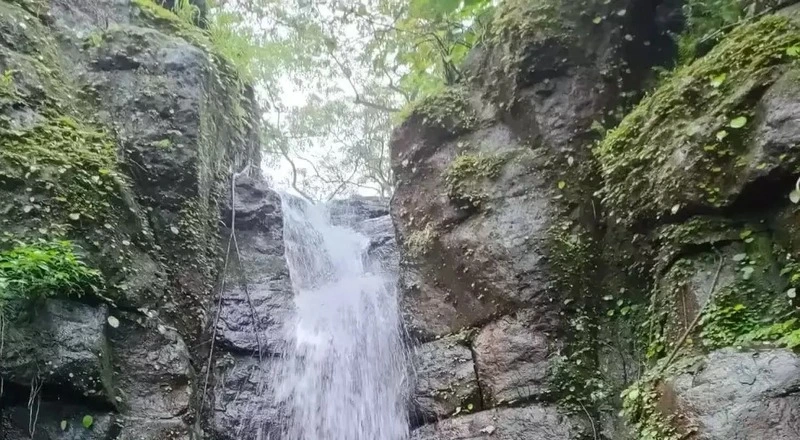
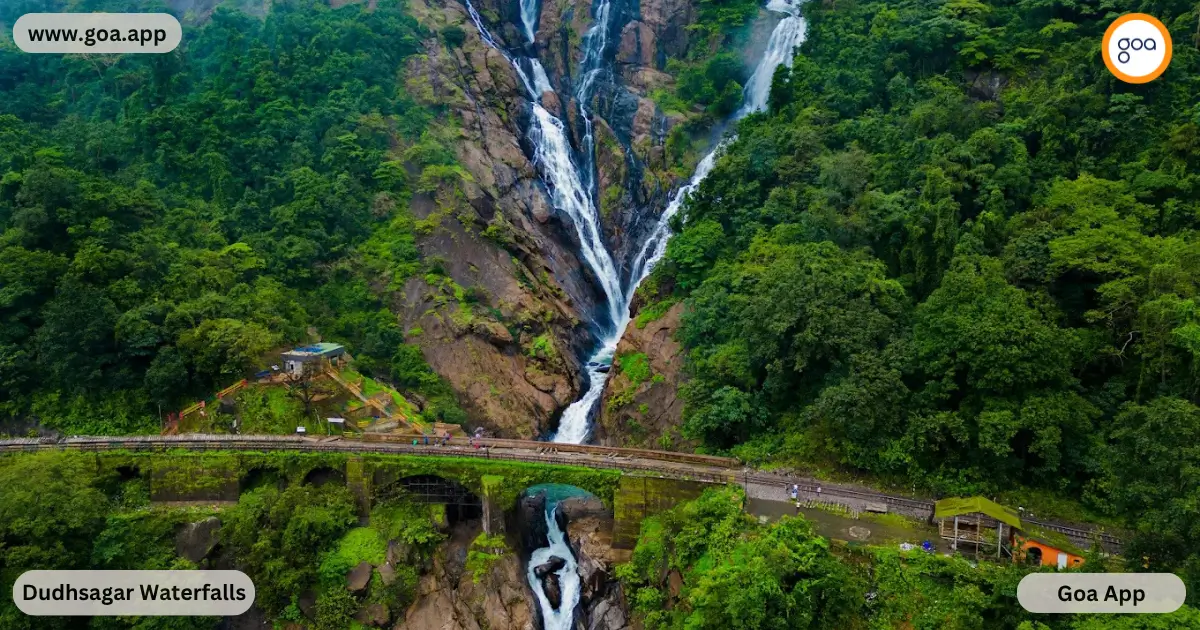
Deep within the heart of the Sattari Taluka in North Goa lies a hidden sanctuary that remains largely untouched by the frantic pace of mainstream tourism. The Golauli Waterfall, often referred to locally as the hidden jewel of the Mhadei Wildlife Sanctuary, offers an immersive experience into the wild, emerald landscapes of the Western Ghats. Unlike the famous Dudhsagar Falls, which attracts thousands of tourists daily, Golauli is a place of solitude, raw beauty, and profound silence, broken only by the rhythmic cascading of water and the calls of exotic birds.
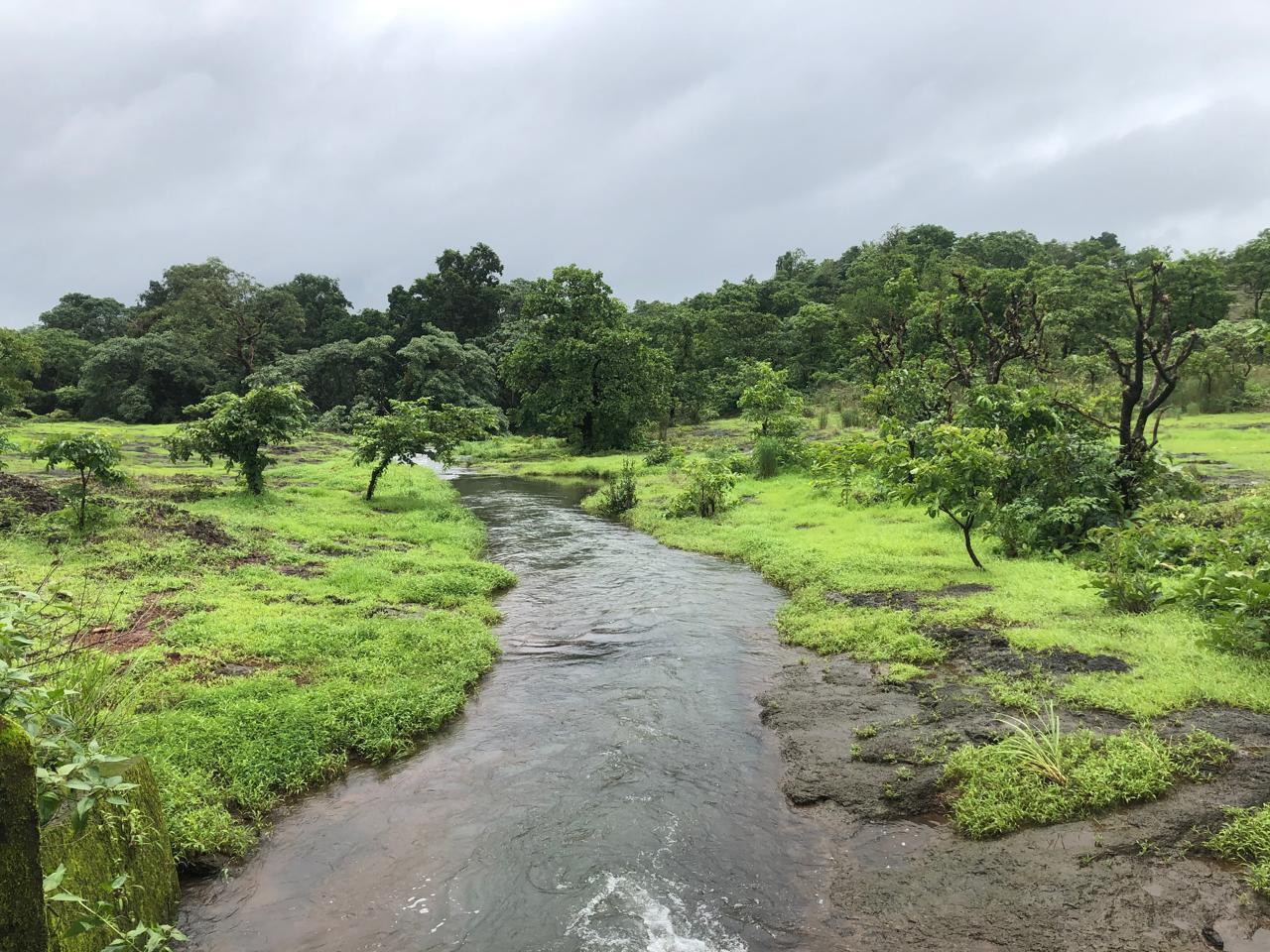
The waterfall is part of a complex system of seasonal streams that originate in the high ridges of the Sahyadri range. As these streams descend through the dense canopy of teak and bamboo forests, they form several tiers of falls, with Golauli being one of the most picturesque. The water here is crystal clear, filtered by the natural basalt rock formations and the thick forest floor. For the traveler who seeks the "real Goa"—the one that exists beyond the neon lights of Baga and the crowded sands of Calangute—Golauli represents the soul of the Goan hinterlands. It is a place where eco-tourism meets adventure, providing a refreshing escape into a world of vibrant greens and cool, refreshing mountain water.
Top Goa Experience • Part 1
Highly Recommended Near Golauli Waterfall
Explore All
Geographically, Golauli is situated near the village of Golauli, a small settlement where life moves at a traditional "Sussegad" pace. The region is a biodiversity hotspot, home to various species of flora and fauna that are endemic to the Western Ghats. Visitors to Golauli Waterfall are not just visiting a water body; they are stepping into a delicate ecosystem that plays a crucial role in the hydrology of the Mhadei River basin. The sight of the water crashing against the dark volcanic rocks, surrounded by ancient ferns and towering trees, creates a prehistoric atmosphere that is both humbling and exhilarating.
How to Reach Golauli Waterfall
Reaching Golauli Waterfall is an adventure in itself, requiring a journey through some of the most scenic rural landscapes in India. The waterfall is located approximately 55 kilometers from the state capital, Panjim, and about 45 kilometers from Mapusa. Because of its remote location, public transport is limited, and the most effective way to reach the site is by hiring a private vehicle or riding a powerful scooter.
Recommended Guide
15 Best Hill Stations Near Goa distance & Travel Tips
Discover the 15 best hill stations near Goa to visit in 2026. Our guide covers distances, trekking trails, and local highlights.
Read Guide →
- By Private Vehicle: From Panjim, take the road towards Ponda and then head north toward Bicholim. From Bicholim, follow the signs toward Valpoi, which is the nearest major town to Golauli. Once you reach Valpoi, you will need to travel another 10 to 12 kilometers deep into the Sattari countryside. The drive from Valpoi to Golauli village is breathtaking, featuring narrow winding roads flanked by cashew plantations and dense forest patches.
- By Bus: You can take a Kadamba transport bus from Panjim or Mapusa to Valpoi. Once at the Valpoi bus stand, you can look for local "pilot" motorcycles (Goa's unique motorcycle taxis) or small rickshaws to take you to Golauli village. However, be warned that finding a return transport from the village can be difficult, so it is highly recommended to arrange for a vehicle to wait for you or use a self-drive option.
- Landmarks: Keep an eye out for the Valpoi Forest Office as you exit the town. As you approach the village, the landscape becomes increasingly rugged. The trek to the waterfall begins near a small bridge or a designated clearing in Golauli village, where locals are usually happy to point you in the right direction.
The road conditions are generally good up to Valpoi, but the final stretch to Golauli village can be narrow and may have some potholes, especially during the monsoon season. GPS navigation can be spotty in the deep valleys of Sattari, so it is often better to rely on local directions. Asking for "Golauli Vaze" (the local term for the waterfall) will usually get you the most accurate help from the friendly villagers.
Best Time to Visit
Timing your visit to Golauli Waterfall is critical, as the experience changes dramatically with the seasons. Because it is a seasonal waterfall fed by monsoon rains, the window for seeing it in its full glory is specific.
Recommended Guide
Why Foreigners Love Arambol, Morjim, and Agonda
Goa has long been one of India’s most famous beach destinations, attracting millions of travelers from around the world every year. While bustling beache...
Read Guide →
The Monsoon Season (June to September): This is when Golauli Waterfall is at its most powerful. The rains turn the entire Sattari Taluka into a lush, vibrant jungle. The waterfall gushes with immense force, and the surrounding greenery is at its peak. However, this is also the most challenging time to visit. The trekking paths can be extremely slippery, leeches are highly active, and the river crossings can become dangerous due to sudden surges in water levels. If you are an experienced trekker who enjoys the raw power of nature, this is the time for you.
Post-Monsoon (October to November): This is arguably the best time to visit Golauli Waterfall. The rains have subsided, but the waterfall still maintains a healthy flow. The trekking trails are drier and safer, and the weather is pleasant—neither too hot nor too wet. The water in the natural pools is clear, making it perfect for a refreshing dip. The humidity is also lower, making the physical exertion of the trek much more manageable.
Recommended Guide
Water Sports in Candolim Goa | Best Prices, Packages & Booking Guide
Candolim Beach, located in North Goa, is one of the most popular destinations for water sports in Goa. Known for its clean shoreline, less crowded environm...
Read Guide →
Winter (December to February): During the winter months, the flow of the waterfall begins to diminish. While the forest remains beautiful and the trek is very pleasant, the "waterfall" might be reduced to a gentle trickle. This is a great time for birdwatchers and those who want to enjoy a quiet picnic in the woods without the intensity of the monsoon dampness. Summer (March to May) is generally not recommended, as the waterfall often dries up completely, leaving only the dry rock face and a small, stagnant pool.
Top Goa Experience • Part 2
Highly Recommended Near Golauli Waterfall
Explore All
Trek Details for Golauli Waterfall
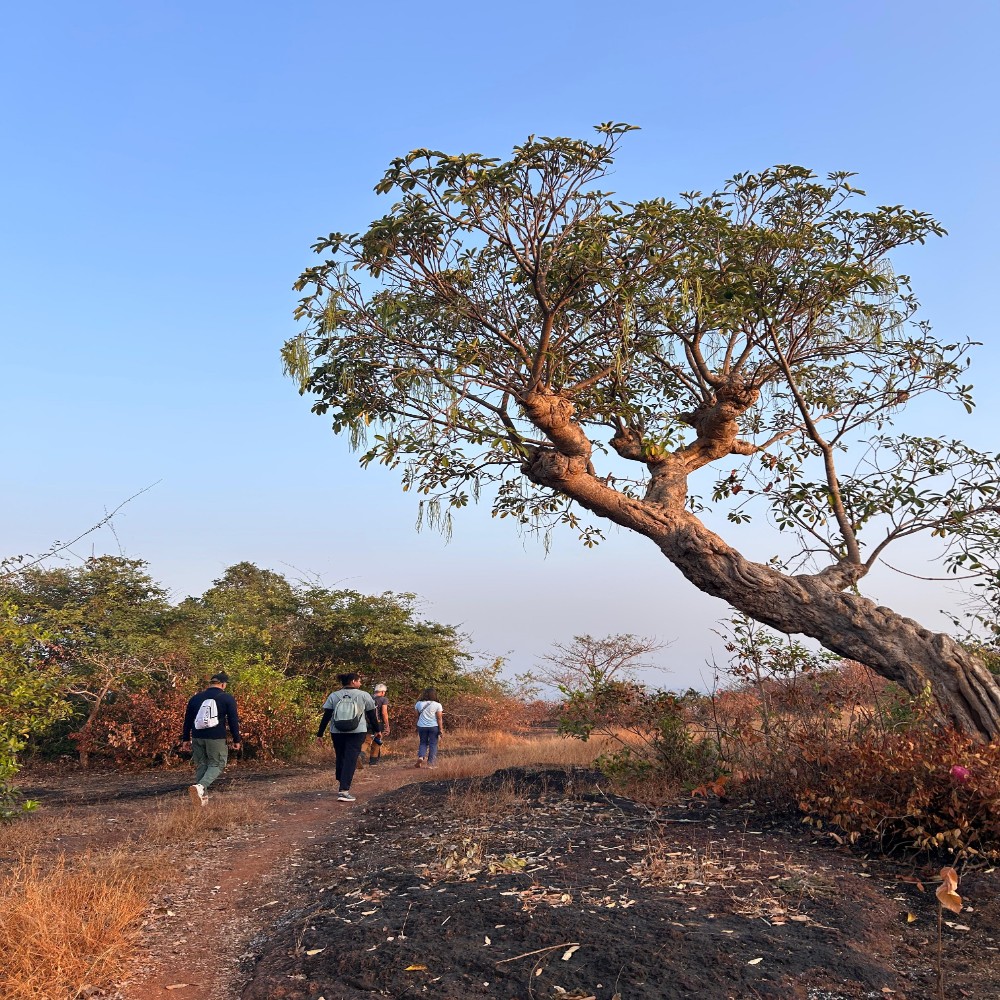
The trek to Golauli Waterfall is a moderate challenge that requires a basic level of physical fitness. It is not a paved path; rather, it is a raw forest trail that winds through the Mhadei Wildlife Sanctuary. The trek usually takes between 45 minutes to an hour one way, depending on your pace and the weather conditions.
The Starting Point: The trek begins from the outskirts of Golauli village. There is no large signboard, so you will likely start at a point where the motorable road ends and a dirt track begins. You will immediately find yourself under a thick canopy of trees. The air here is noticeably cooler and carries the scent of damp earth and wild blossoms.
The Terrain: The first half of the trek involves walking on relatively flat ground through teak and cashew plantations. As you go deeper, the trail narrows and begins to slope upwards. You will encounter several small streams that you must cross. During the monsoon, these streams can be ankle-deep or higher. The ground is a mix of red Goan soil and basalt rocks. Slippery moss is a major factor here, so every step must be placed carefully. You will also have to navigate through thickets of bamboo and climbing vines that occasionally obstruct the path.
Flora and Fauna: As you trek, keep your eyes peeled for the Malabar Giant Squirrel, which is often seen leaping between the high branches. The forest is also home to various species of hornbills and the vibrant Blue-eared Kingfisher. The flora is equally impressive, with giant ferns, orchids clinging to tree trunks, and ancient trees with massive buttress roots that look like something out of a fantasy novel. The sound of the waterfall grows louder as you approach the final stretch, acting as a natural guide through the dense foliage.
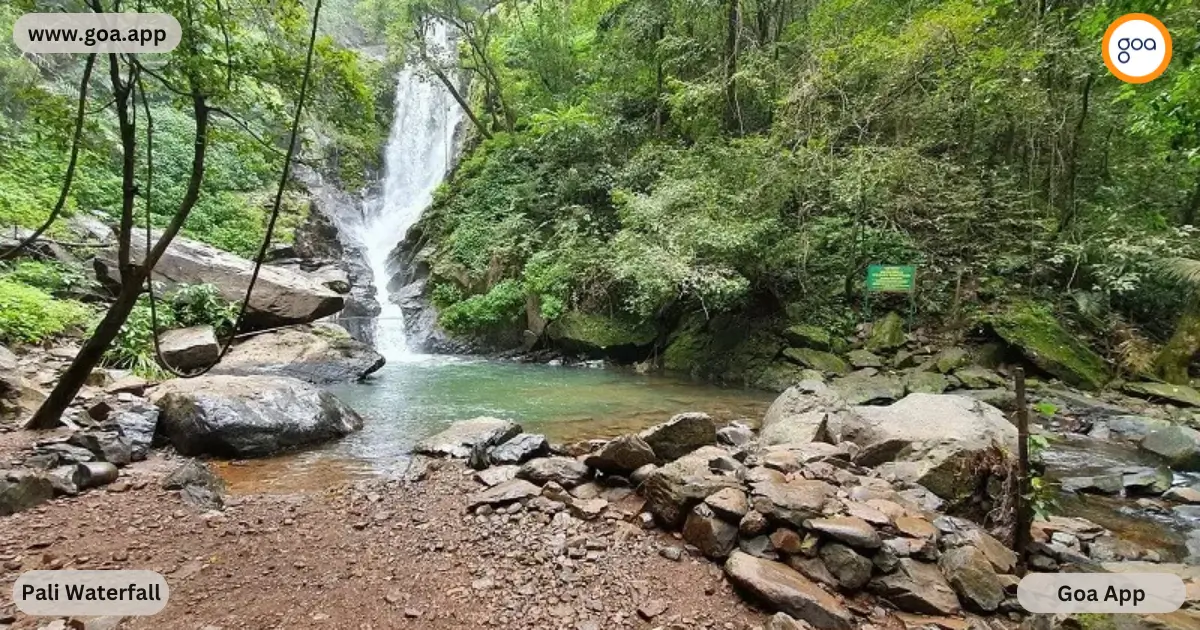
The Final Ascent: The last 10 minutes of the trek are the most strenuous, involving a slight scramble over larger boulders. Once you round the final bend, the forest opens up to reveal the magnificent Golauli Waterfall. The sight of the water plunging into the dark pool below is a rewarding conclusion to the physical effort of the trek.
Things to Do
Golauli Waterfall is not a place for commercial activities; it is a place for connecting with nature. However, there are several ways to make the most of your visit:
- Swimming in Natural Pools: At the base of the waterfall, there is a natural plunge pool. The water is cool, refreshing, and incredibly pure. Swimming here is a highlight of the trip, but always check the depth and current before jumping in, especially during the monsoon.
- Nature Photography: With its multi-tiered drops and lush surroundings, Golauli is a photographer's dream. Capture the long-exposure shots of the flowing water, the intricate patterns of the forest floor, or the macro details of the local insects and wildflowers.
- Birdwatching: The Sattari region is a haven for bird enthusiasts. Carry a pair of binoculars to spot rare species like the Sri Lanka Frogmouth or the Malabar Trogon. The quietude of Golauli makes it easier to hear and locate these elusive birds.
- Mindfulness and Meditation: The sheer isolation of Golauli makes it an ideal spot for meditation. Sitting on a flat rock with the sound of the waterfall as your soundtrack is a deeply meditative experience that can help clear the mind and rejuvenate the spirit.
- Eco-Friendly Picnicking: You can carry light snacks and water to enjoy by the falls. However, it is strictly "Carry In, Carry Out." There are no trash cans in the wild, so you must take all your plastic and waste back to the town with you to preserve the pristine nature of the site.
Safety Tips
While Golauli Waterfall is beautiful, the wild environment of the Western Ghats demands respect. Safety should be your top priority during the trek and your stay at the falls.
- Beware of Leeches: During the monsoon and post-monsoon months, the forest is crawling with leeches. While they are harmless, their bites can be annoying. Wear long socks, tuck your trousers into them, and carry a small pouch of salt or tobacco water to deter them. Applying lime or Odomos can also help to some extent.
- Footwear Matters: Do not attempt this trek in flip-flops or smooth-soled sandals. The rocks are incredibly slippery due to moss and moisture. Wear high-quality trekking shoes with good grip or specialized "floaters" designed for water hiking.
- Flash Flood Warning: If it starts raining heavily while you are at the waterfall, leave immediately. Mountain streams can turn into raging torrents in a matter of minutes. Never cross a stream if the water is rising or turning muddy.
- Trek in Groups: Never trek to Golauli alone. The trail is not well-marked, and in case of an injury or getting lost, having a companion is vital. If you are unfamiliar with the area, hiring a local guide from Golauli village is a wise investment. They know the safest paths and the hidden dangers of the forest.
- Hydration and Sun Protection: Even though the forest is shaded, the humidity can lead to rapid dehydration. Carry at least two liters of water per person. Also, apply insect repellent to protect against mosquitoes that may carry forest-borne fevers.
- Respect Wildlife: Remember that you are in a wildlife sanctuary. Do not make loud noises, play music, or try to feed any animals you encounter. Keep a safe distance from snakes, which are common in this region, particularly the Malabar Pit Viper.
Nearby Attractions
The Sattari Taluka is full of hidden gems. If you have time, you can combine your visit to Golauli Waterfall with these nearby attractions:
- Hivre Waterfall: Located in the neighboring village, Hivre is another spectacular waterfall that requires a slightly more intense trek. It is famous for its multiple levels and the stunning views of the Sahyadri valley.
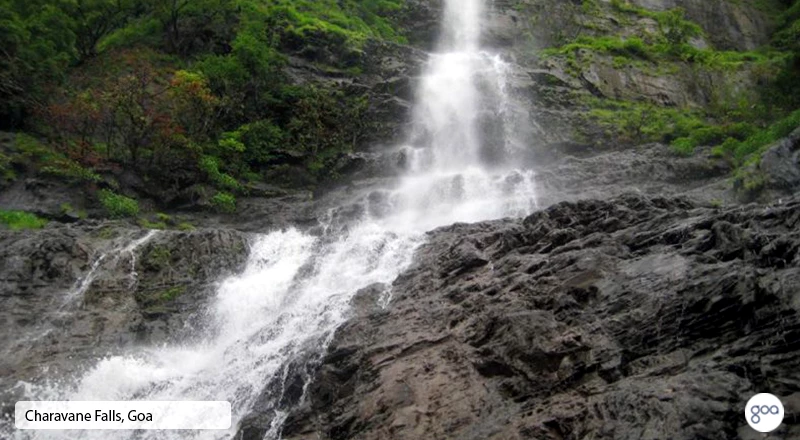
- Charavane Waterfall: Situated near the village of Charavane, this waterfall is known for its beautiful rock formations and is a popular spot for local trekkers.
- Nanuz Fort: Built by Shivaji Maharaj and later occupied by the Portuguese, this small fort in Valpoi has a rich history. While mostly in ruins, it offers a glimpse into the military history of the region and provides a nice view of the surrounding plains.
- Mhadei Wildlife Sanctuary: The sanctuary itself is a massive expanse of forest. You can arrange for guided nature walks through the forest department to learn more about the unique biodiversity of the Northern Western Ghats.
- Tambdi Surla Temple: About an hour's drive from Valpoi, this 12th-century Shaivite temple is the oldest in Goa. Carved from black basalt, it is a masterpiece of Kadamba-Yadava architecture and is located deep within the forest.
Entry Fees & Timings
As of the current regulations, there is no formal "ticket counter" specifically for Golauli Waterfall, as it is located within a village and forest boundary. However, since it falls within the Mhadei Wildlife Sanctuary jurisdiction, forest officials may occasionally set up checkposts, especially during the peak monsoon season, to monitor the number of visitors and ensure safety.
- Entry Fee: Generally free, but if a forest department checkpost is active, a nominal fee of INR 20 to 50 per person may be charged.
- Timings: The waterfall is best visited between 8:00 AM and 5:00 PM. It is highly discouraged to stay in the forest after dark, as the terrain becomes dangerous and wild animal activity increases. Plan to start your trek no later than 2:00 PM to ensure you are back at the village before sunset.
- Permits: For large groups or professional filming, it is advisable to seek permission from the Range Forest Office in Valpoi.
Where to Eat Nearby
Golauli is a remote village, so do not expect cafes or restaurants at the waterfall site. You will need to plan your meals around your visit to Valpoi or carry your own food.
- Valpoi Town: This is your best bet for a proper meal. There are several small eateries and "Khanavals" (local lunch homes) that serve authentic Goan Fish Thali. Look for places serving fresh mackerel or kingfish fry, accompanied by local red rice and "Sol Kadi."
- Local Snacks: In Golauli village, you might find a small "Gado" (kiosk) selling tea, biscuits, and perhaps some local snacks like Mirchi Vada or Samosas. These are great for a quick energy boost before or after the trek.
- Home-Cooked Meals: Some enterprising villagers in Golauli may offer home-cooked vegetarian or chicken meals if informed in advance. This is a wonderful way to experience local hospitality and flavors like Xacuti or Khatkhate (a Goan vegetable stew).
- Self-Catering: Most visitors choose to pack a picnic. Bread (Pao), cheese, fruits, and nuts are ideal. Remember to avoid carrying glass bottles or heavy tiffin boxes that are difficult to carry back.
Accommodation Nearby
Since Golauli is usually a day trip, most people stay in the coastal areas. However, to truly appreciate the beauty of Sattari, consider staying in one of the eco-resorts or farmstays nearby.
- Wildernest Nature Resort: Located on the Chorla Ghat, about 45 minutes from Valpoi, this is one of Goa's premier eco-resorts. It offers luxury cottages with stunning views of the Vazira Falls and the valley. It is perfect for those who want to experience the wilderness without sacrificing comfort.
- Swapnagandha Resort: A sister concern of Wildernest, this resort offers similar views and a focus on Goan culture and folk dance performances. It provides an immersive experience in the Sahyadris.
- Budget Guesthouses in Valpoi: There are a few basic lodges and guesthouses in Valpoi town for budget travelers. These are functional and provide a base for exploring various waterfalls in the Sattari region.
- Farmstays: Several organic farms in the Sattari and Bicholim areas offer homestay facilities. These are excellent for travelers interested in agritourism and learning about local farming practices like spice and cashew cultivation.
Photography Spots
If you are looking to populate your Instagram feed or build a professional portfolio, Golauli Waterfall offers several iconic frames:
- The Main Drop: The classic shot is from the base of the falls, looking up. The contrast between the white foaming water and the dark, wet rocks is visually striking.
- The Riverbed Boulders: About halfway through the trek, the trail follows a riverbed filled with massive, smooth boulders. This is an excellent spot for portraits with a "jungle explorer" vibe.
- Macro Opportunities: The forest floor is a treasure trove. Look for wild mushrooms, colorful beetles, and the intricate patterns of moss on old tree trunks. The soft, diffused light under the canopy is perfect for macro photography.
- The Canopy View: At certain points on the trek, you can look up to see the sunlight filtering through the dense leaves, creating "God rays." This adds a magical, ethereal quality to your forest photos.
Hidden Gem Score & Crowd Level
Hidden Gem Score: 9.5/10
Golauli Waterfall is a true hidden gem. It remains off the radar for most tourists who visit Goa. Even during the peak season, you are unlikely to find more than a handful of people there, most of whom will be local youngsters or serious nature enthusiasts. This lack of crowds preserves the sanctity of the place and allows for a much deeper connection with the environment.
Crowd Level: Very Low
On weekdays, you might have the entire waterfall to yourself. On weekends, there might be a small increase in visitors from nearby towns, but it never reaches the point of being "crowded." If you value privacy and tranquility, Golauli is the perfect alternative to the more commercialized spots in North Goa.
Conclusion
Golauli Waterfall is a testament to the fact that Goa is much more than its coastline. It is a place of rugged beauty, ancient forests, and the timeless rhythm of the Western Ghats. A journey here is not just a physical trek; it is a sensory experience that stays with you long after you have left the forest. The cool mist on your face, the earthy smell of the jungle, and the feeling of absolute isolation are rare gifts in today’s over-connected world.
However, the beauty of Golauli comes with a responsibility. As travelers, it is our duty to ensure that such places remain pristine for generations to come. By following sustainable travel practices, respecting local customs, and leaving no trace of our visit, we can help protect this fragile paradise. Whether you are an avid trekker, a nature lover, or someone simply looking for peace, Golauli Waterfall offers a profound reminder of the power and elegance of the natural world. So, the next time you are in Goa, leave the beaches behind for a day and head into the green heart of Sattari. Golauli is waiting to tell you its story.