Explore sections of this guide
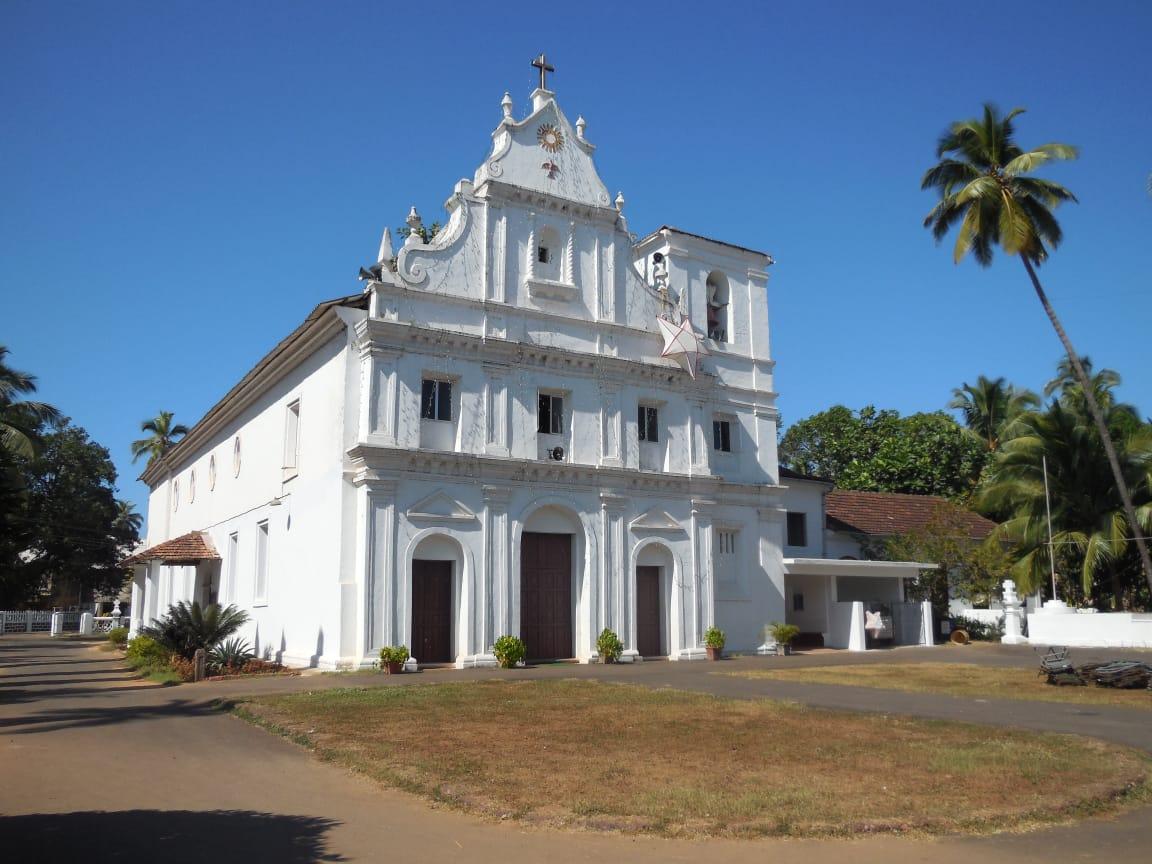
Nestled in the serene and emerald-green valley of Ucassaim, the St. Elizabeth Church (locally known as Igreja de Santa Isabel) stands as a testament to Goa’s rich colonial heritage and profound spiritual devotion. Located in the Bardez taluka of North Goa, this church is often overlooked by the mainstream tourist circuit, which typically favors the massive cathedrals of Old Goa or the beachside chapels of Saligao. However, for the discerning traveler and the devout pilgrim, St. Elizabeth Church offers a sanctuary of peace, architectural beauty, and historical depth that is hard to match.
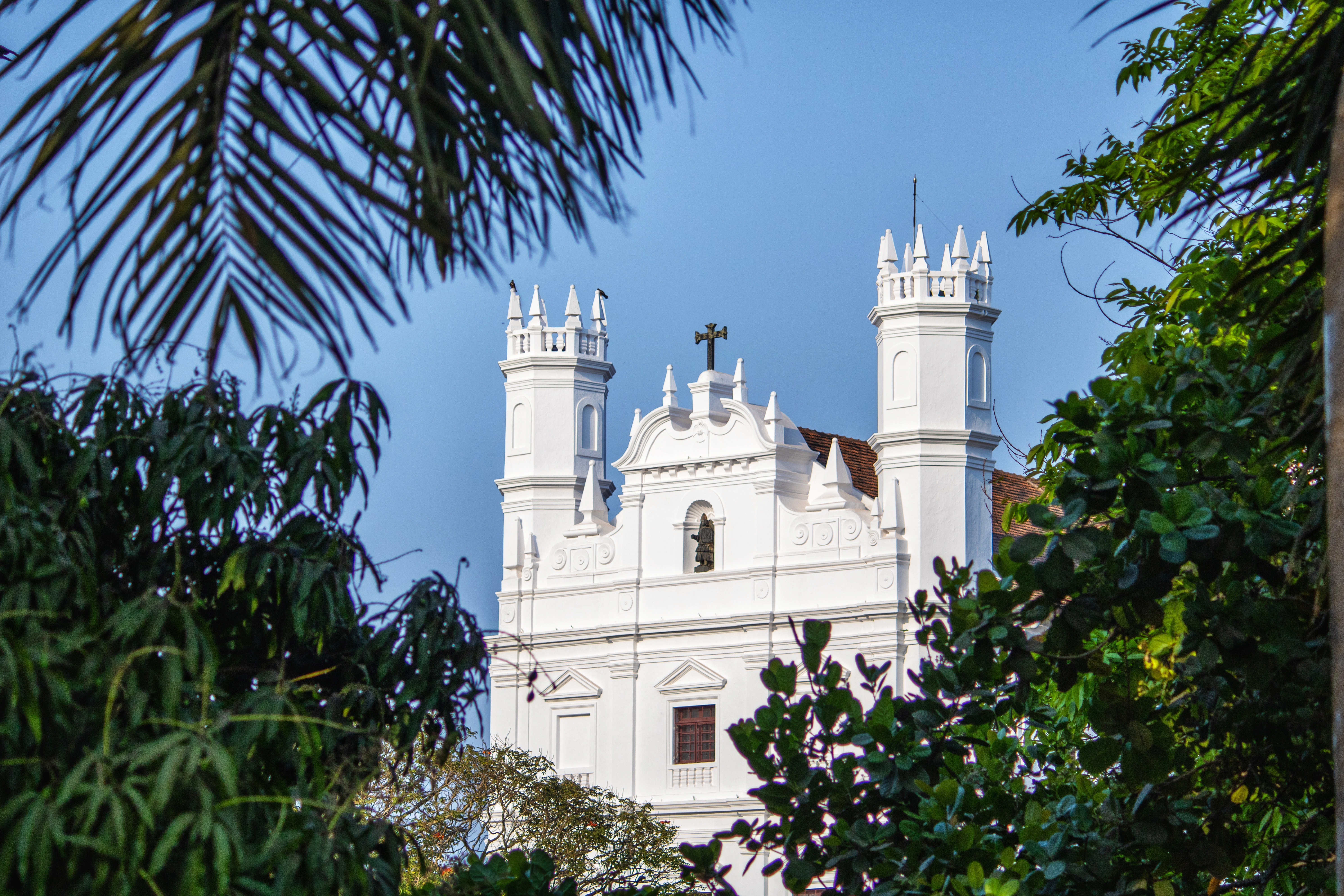
The village of Ucassaim itself is often described as one of the most picturesque "hidden gems" of Goa. Surrounded by rolling hills, coconut groves, and fertile paddy fields, the church acts as the spiritual and social heart of the community. As you approach the church, the first thing that strikes you is its imposing yet graceful white facade, which contrasts brilliantly against the vibrant blue Goan sky and the lush green canopy of the surrounding countryside. The St. Elizabeth Church is dedicated to Saint Elizabeth of Portugal, a queen known for her immense charity and her role as a peacemaker, and this spirit of benevolence seems to permeate the very air of the parish.
For visitors, the church is not merely a historical monument but a living, breathing space where the unique Goan-Catholic culture is meticulously preserved. From the rhythmic tolling of its massive bells to the melodic Konkani hymns that waft through its high-ceilinged nave during Sunday Mass, every element of the church invites you to slow down and immerse yourself in a bygone era. Whether you are an architecture enthusiast, a history buff, or someone seeking a quiet corner for reflection, St. Elizabeth Church in Ucassaim provides a profound experience that captures the essence of "Goa Dourada" (Golden Goa).
The history of St. Elizabeth Church is deeply intertwined with the early missionary efforts of the Franciscan Order in Goa. The original structure was established in 1618, during a period when the Portuguese were consolidating their religious and administrative hold over the Bardez province. The Franciscans, known for their focus on simplicity and community service, found Ucassaim to be an ideal location to establish a parish that would cater to the local agricultural population.
Discover 10 fascinating facts about Goa from Portuguese history & architecture to hidden beaches, cheap alcohol secrets, and more.
However, the church we see today is not the original 1618 structure. In the early 18th century, specifically in 1708, a catastrophic storm and cyclone ravaged the Bardez region. The original church suffered extensive damage, leading to its eventual collapse. Demonstrating the resilience and faith of the local community, the parishioners, along with the religious authorities, undertook a massive reconstruction project. The church was rebuilt on a grander scale, incorporating the evolving Mannerist and Rococo architectural styles that were becoming popular in Goa at the time. This reconstruction was completed with such precision and devotion that the church has stood firm for over three centuries since then.

The religious significance of the church is anchored in its patroness, Saint Elizabeth of Portugal. Born into the royal house of Aragon, she became the Queen of Portugal and was celebrated for her extraordinary devotion to the poor. In the context of Goan history, the dedication of a church to a Portuguese queen served to strengthen the cultural and religious ties between the colony and the metropole. For the local converts of the 17th century, St. Elizabeth became a symbol of maternal protection and divine intercession. Over the centuries, the church has survived various political shifts, from the Portuguese Inquisition to the eventual liberation of Goa in 1961, remaining a steadfast pillar of the Archdiocese of Goa and Daman.
South Goa is famous for its peaceful beaches, natural beauty, clean coastline, and relaxed atmosphere. While North Goa attracts thousands of tourists every...
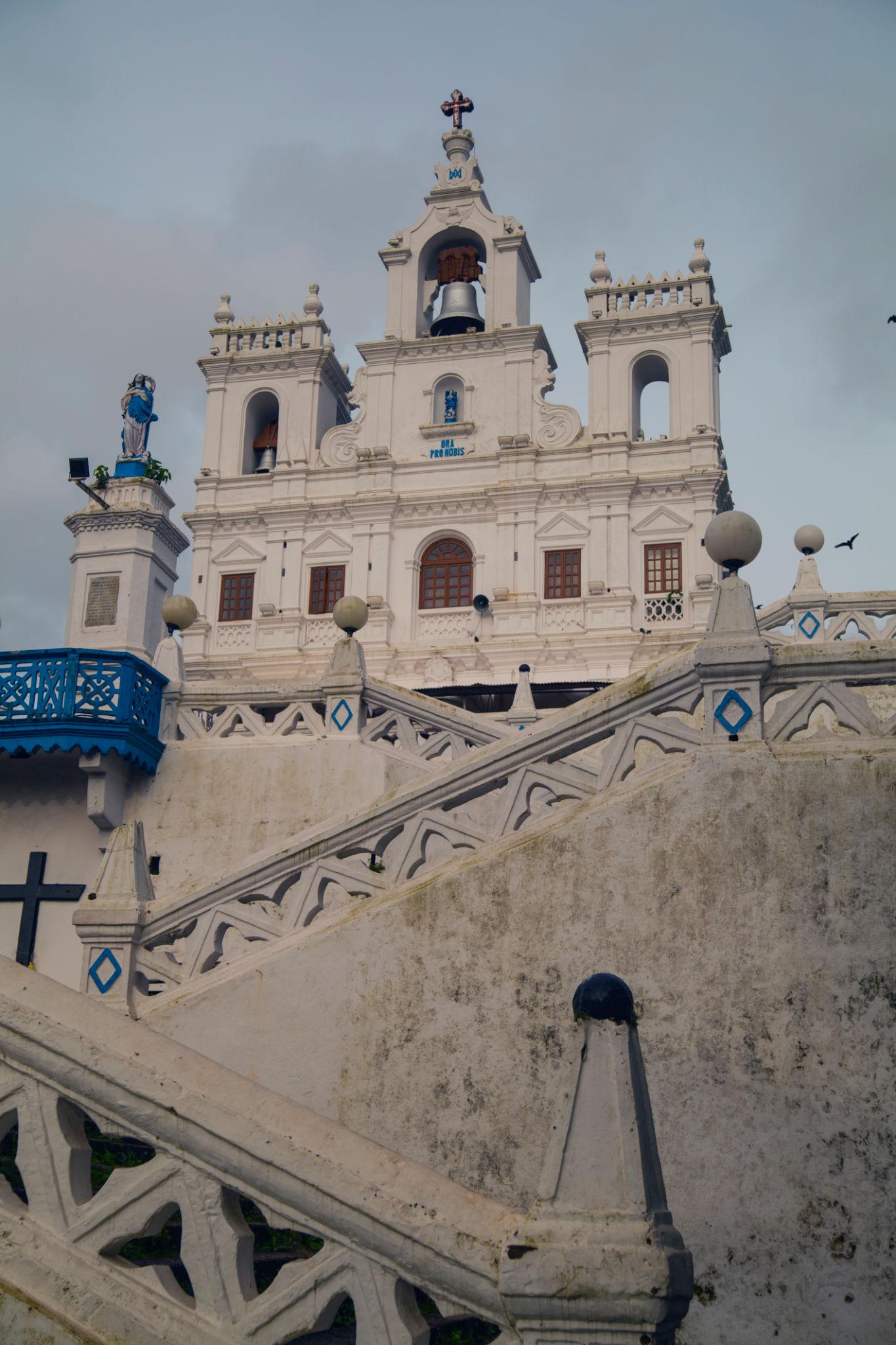
The architecture of St. Elizabeth Church is a masterclass in the Goan Baroque style, characterized by its monumental scale, symmetrical proportions, and intricate decorative elements. The facade is divided into several tiers, a common feature in Goan ecclesiastical architecture, using a combination of laterite stone (locally sourced) and a thick coating of lime plaster. The brilliant white finish is achieved through the traditional use of sea shells and lime, which not only protects the structure from the harsh monsoon rains but also gives it a celestial glow.
As you examine the exterior, you will notice the Mannerist influence in the clean lines and the use of twin bell towers that flank the central pediment. These towers are capped with cupolas, adding a sense of verticality and grandeur. The central part of the facade features a niche housing a statue of the patron saint, welcoming all who enter. The use of Ionic and Corinthian columns on the facade provides a classical touch, reflecting the European sensibilities of the architects while adapting to the tropical climate of India.
The winter season in Goa, stretching from November to February, is widely considered the best and most popular tourist season in Goa. This period attracts...
Inside, the church transitions into a space of awe-inspiring beauty. The main altar is a stunning example of wood-carving excellence. It is heavily gilded in gold leaf, featuring intricate motifs of vines, flowers, and angels. The central retable (altar screen) is dedicated to St. Elizabeth, depicted in her queenly attire but with an expression of humility. The church also houses several side altars dedicated to various saints, each carved with meticulous detail. One of the most striking features of the interior is the pulpit, which is suspended from the wall and decorated with ornate carvings, once used by priests to deliver sermons that would resonate through the acoustically gifted hall. The high vaulted ceiling and the large windows allow for ample natural light, highlighting the vibrant colors of the statues and the polished stone flooring.

The spiritual heart of the church is Saint Elizabeth of Portugal (1271–1336). She is a figure of immense importance in the Catholic tradition, particularly known as the "Peacemaker." Her life was defined by her ability to reconcile warring factions within her family and the kingdom, often walking onto battlefields to prevent bloodshed between her husband, King Denis, and her son. This theme of peace and reconciliation is a core spiritual message for the parishioners of Ucassaim.
Another vital aspect of her spiritual legacy is the "Miracle of the Roses." According to legend, the Queen was often criticized by her husband for her excessive charity to the poor. One day, while she was carrying bread in her apron to distribute to the needy, the King stopped her and demanded to see what she was hiding. When she opened her apron, the bread had miraculously turned into beautiful out-of-season roses. This miracle is frequently depicted in the iconography found within the church, serving as a reminder to the faithful that acts of charity are divinely blessed.
For the local community, the church is more than a place of Sunday worship; it is the center of their spiritual identity. The intercession of St. Elizabeth is sought for family peace, the health of children, and successful harvests. The spiritual importance is also manifested in the "Confrarias" (confraternities) associated with the church—lay organizations that help maintain the traditions and assist in the liturgical life of the parish. The presence of the Blessed Sacrament in the tabernacle and the various shrines dedicated to Our Lady and the Sacred Heart of Jesus make this a potent site for personal prayer and communal devotion.
The most significant event in the liturgical calendar of Ucassaim is the Feast of St. Elizabeth, celebrated with great pomp and fervor. While the universal feast day of the saint is July 4th, the local celebration usually takes place on the first Sunday of July. This timing allows the entire village to come together during the monsoon season, a time of renewal and growth in the fields.
The celebrations begin nine days prior with the Novenas. Each day, a different ward of the village takes responsibility for the liturgy, leading to a sense of healthy competition and community bonding. On the feast day itself, a Solemn High Mass is celebrated, often presided over by high-ranking clergy from the Archdiocese. The church is decorated with fresh flowers, and the air is thick with the scent of incense and the sound of the parish choir.
Following the Mass, a grand procession takes place. The statue of St. Elizabeth, mounted on a beautifully decorated float, is carried through the main streets of the village. Devotees line the paths, and the village brass band plays traditional hymns. The festivities extend beyond the religious ceremonies into a traditional "Feria" or Fair. Stalls are set up selling everything from local Goan sweets like bebinca and doce to traditional copperware and toys. It is a time for families to host "Open House" lunches, featuring classic Goan Catholic delicacies like sorpotel, sanna, and pulao. Other celebrations include the Harvest Feast (Konsachem Fest) in August, where the first sheaves of grain are blessed, signifying the deep connection between the church and the land.
Choosing the best time to visit St. Elizabeth Church depends on what kind of experience you are seeking. For those who want to witness the church in its full spiritual and cultural glory, the month of July is ideal. Despite the heavy monsoon rains, the Feast of St. Elizabeth offers an unparalleled look into Goan traditions. The landscape of Ucassaim is at its most vibrant green, and the misty atmosphere adds a layer of mysticism to the church’s white facade.
If you prefer pleasant weather for exploring the village and nearby areas, the winter months (November to February) are the most recommended. During this time, the humidity is low, and the temperatures are comfortable for walking. The church is also beautifully decorated during the Christmas season, with a traditional Goan 'crib' (nativity scene) often being a major highlight for visitors.
For photographers, the late afternoon during the dry season provides the best lighting. The setting sun hits the western facade of the church, creating a golden hue that makes for spectacular photographs. Visiting during the Lenten season (February/March) offers a different, more somber perspective, as the statues are draped in purple cloth and the atmosphere is one of quiet penance, culminating in the dramatic Good Friday processions.
As a functioning place of worship, St. Elizabeth Church maintains specific timings to balance the needs of the congregation and visitors.
Entry Fee: There is no entry fee to visit St. Elizabeth Church. It is open to people of all faiths. However, donations for the upkeep of the historical structure are always welcome and can be placed in the designated offering boxes.
Dress Code: Visitors are expected to dress modestly and respectfully. This is a sacred space for the local community.
St. Elizabeth Church is located in Ucassaim, which is approximately 4 to 5 kilometers from the bustling town of Mapusa in North Goa. Reaching the church is relatively easy, but it requires a bit of planning as it is tucked away from the main highways.
By Road (Self-Drive or Taxi): This is the most convenient way to reach the church. If you are coming from Panaji (the capital), the drive takes about 30-40 minutes (approx. 15 km). You would head towards Mapusa and then take the internal roads leading towards Aldona and Ucassaim. From Calangute or Baga, the drive is about 25-30 minutes. Using a GPS navigation system is highly recommended as the village roads can be winding and narrow.
By Bus: You can take a Kadamba (state) bus or a private bus from the Mapusa Bus Stand heading towards Aldona. Ask the conductor to drop you at the Ucassaim church stop. The buses are frequent and very affordable, offering an authentic local experience. From the bus stop, the church is usually just a short walk away.
By Two-Wheeler: Renting a scooter or motorbike is a popular way to explore Goa. The ride to Ucassaim is particularly beautiful, passing through traditional Goan villages and scenic vistas. Be cautious on the narrow turns and follow local traffic rules.
Nearest Railway Station: The Thivim Railway Station is the closest, located about 8-10 kilometers away. From the station, you can hire a pre-paid taxi to take you directly to the church.
While the primary activity is visiting the church itself, there are several things to do to make your trip to Ucassaim more enriching:
Ucassaim is strategically located near several other points of interest that you can combine into a full-day itinerary:
To ensure a respectful visit and to preserve the sanctity of St. Elizabeth Church, please adhere to the following guidelines:
Ucassaim is a quiet residential village, so you won't find many commercial restaurants right next to the church. However, the nearby areas offer excellent dining options:
If you wish to stay close to St. Elizabeth Church to experience the tranquility of the Goan countryside, consider these options:
To make the most of your visit to St. Elizabeth Church, keep these tips in mind:
The St. Elizabeth Church in Ucassaim is far more than just another colonial structure in the Goan landscape. It is a sanctuary where history, architecture, and living faith converge in a beautiful valley setting. Its 17th-century origins, the resilience shown in its 18th-century reconstruction, and the enduring devotion to the "Peacemaker" Queen, St. Elizabeth, make it a site of profound significance.
Visiting this church allows you to step away from the commercialized version of Goa and enter a world where time moves a little slower, and the traditions of the soil are held sacred. Whether you are marvelling at the golden glint of its altars, walking through the verdant lanes of Ucassaim, or witnessing the vibrant energy of its July feast, the experience is bound to leave a lasting impression on your soul. As you leave the valley, the sight of the white towers of St. Elizabeth standing guard over the green fields serves as a poignant reminder of Goa’s unique spiritual and cultural tapestry—a tapestry woven with threads of Portuguese influence and deep-rooted Indian heritage.