Overview of Saleli Waterfall Goa
Deep within the heart of the Sattari Taluka in North Goa lies a pristine sanctuary that remains largely untouched by the frantic pace of coastal tourism. Saleli Waterfall Goa is more than just a destination; it is a sensory journey into the soul of the Western Ghats. While most tourists flock to the sun-drenched beaches of Baga and Calangute, the discerning traveler seeks the emerald canopy of the hinterlands, where the air is thick with the scent of wet earth and the sound of falling water drowns out the noise of the modern world. Saleli Waterfall is a seasonal marvel, coming to life with thunderous energy during the Indian monsoon, offering a refreshing contrast to the salt and sand of the coastline.
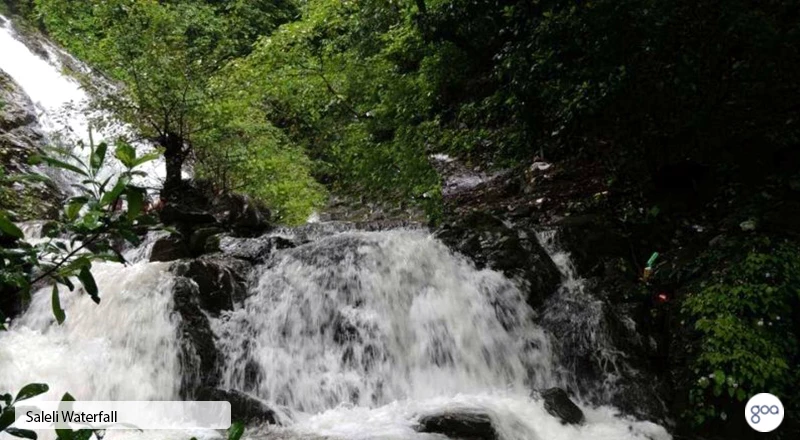
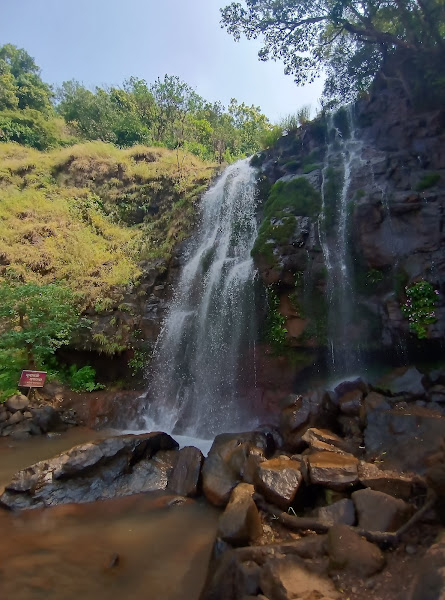
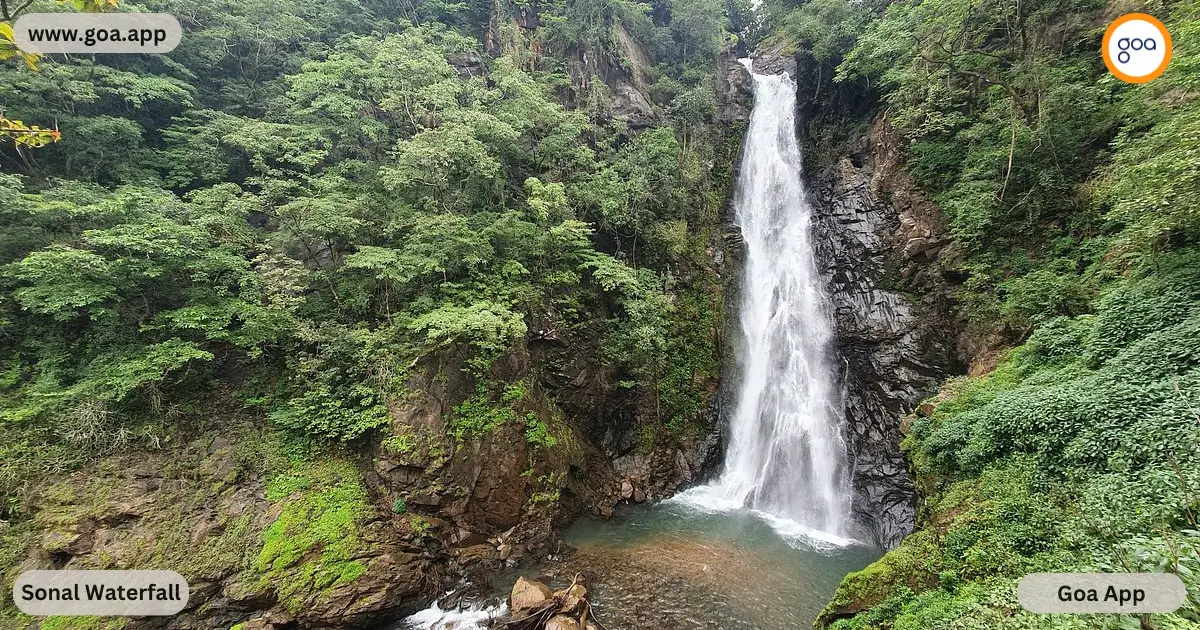
The waterfall is named after the quaint village of Saleli, located near the bustling town of Valpoi. This region is part of the Mhadei Wildlife Sanctuary ecosystem, a biodiversity hotspot that serves as the lungs of Goa. The waterfall itself is a multi-tiered cascade, where crystal-clear mountain water tumbles over ancient basaltic rock formations, creating natural plunge pools that invite weary trekkers for a rejuvenating dip. Unlike the famous Dudhsagar Falls, which attracts thousands of visitors daily, Saleli offers an intimate experience. Here, you are more likely to encounter a local cowherd or a group of village children than a tour bus. This sense of isolation is what makes Saleli a "hidden gem" in the truest sense of the word.
Top Goa Experience • Part 1
Highly Recommended Near Saleli Waterfall Goa
Explore All
Geographically, the Sattari region is characterized by its rugged terrain and dense semi-evergreen forests. The waterfall is fed by the monsoon rains that lash the Sahyadri mountain range, meaning its intensity varies throughout the season. In the peak of July and August, the waterfall is a roaring white curtain of foam. By late September, it transforms into a gentle, melodic stream. For those interested in the ecological significance of the area, the forests surrounding Saleli are home to rare flora and fauna, including endemic orchids, various species of kingfishers, and the occasional Malabar Giant Squirrel. Visiting Saleli Waterfall is an invitation to witness the raw, unscripted beauty of Goa’s "Green Heart."
How to Reach Saleli Waterfall Goa
Reaching Saleli Waterfall Goa is an adventure in itself, taking you through some of the most scenic backroads the state has to offer. The journey is as rewarding as the destination, featuring winding roads lined with cashew plantations, coconut groves, and traditional Goan homes with their distinct red-tiled roofs. Depending on your starting point, here is a detailed guide on how to navigate your way to this hidden paradise.
Recommended Guide
15 Best Hill Stations Near Goa distance & Travel Tips
Discover the 15 best hill stations near Goa to visit in 2026. Our guide covers distances, trekking trails, and local highlights.
Read Guide →
- From Panjim (Capital City): The distance from Panjim to Saleli is approximately 50 kilometers. The most efficient route is to head towards Ponda and then take the road leading to Valpoi. From Valpoi, the village of Saleli is about 7-10 kilometers away. You will pass through small hamlets like Honda and Bironda. The drive typically takes about 1.5 to 2 hours, depending on the traffic and the condition of the roads during the monsoon.
- From North Goa Beaches (Calangute/Baga/Anjuna): If you are staying in the northern beach belt, expect a journey of about 55-60 kilometers. You should head towards Mapusa and then follow the signs for Bicholim. Once you reach Bicholim, continue towards Valpoi. This route offers a glimpse into the mining heartland of Goa before transitioning into the lush greenery of Sattari.
- From South Goa (Margao): The journey from Margao is longer, spanning roughly 65 kilometers. The best route is to travel via Ponda and then towards Valpoi. This drive takes you through the central part of the state, crossing the Mandovi River tributaries and offering stunning views of the Sahyadri foothills.
- By Public Transport: While challenging, it is possible to reach Saleli using public buses. You would first need to take a bus to the Valpoi Bus Stand from Panjim or Mapusa. From Valpoi, local "pilot" (motorcycle taxi) services or rickshaws are available to take you to Saleli village. However, buses to the interior villages are infrequent, so having your own vehicle is highly recommended.
- Renting a Vehicle: For the best experience, rent a sturdy scooter or a car. Ensure your brakes are in top condition, as the roads can be slippery and steep in certain sections. Use GPS but don't be afraid to ask locals for "Saleli Waterfall"—the people of Sattari are incredibly friendly and will point you in the right direction. Look for the landmark of the Saleli Government Primary School as a point of reference when you enter the village.
Best Time to Visit
Timing is everything when planning a trip to Saleli Waterfall Goa. Because it is a seasonal waterfall, visiting during the wrong month might lead to disappointment, with only a dry rock face to greet you. To see Saleli in its full glory, you must align your visit with the Goan monsoon cycle.
The Peak Monsoon (June to August): This is arguably the best time to visit if you want to see the waterfall at its most powerful. The rains in Goa are heavy and persistent during these months, ensuring a high volume of water. The surrounding forest turns an impossibly vibrant shade of green, and the atmosphere is cool and misty. However, be prepared for heavy downpours and muddy trekking paths. The water flow can sometimes be too intense for swimming during peak rainfall, so exercise caution.
Recommended Guide
Why Foreigners Love Arambol, Morjim, and Agonda
Goa has long been one of India’s most famous beach destinations, attracting millions of travelers from around the world every year. While bustling beache...
Read Guide →
Post-Monsoon (September to October): This is the "sweet spot" for many travelers. The rains have subsided to occasional showers, the waterfall is still flowing beautifully, and the trekking paths are slightly more manageable. The natural pools at the base of the falls are perfect for swimming during this time, as the current is less aggressive. The humidity also begins to drop, making the outdoor physical activity more comfortable.
The Dry Season (November to May): It is generally not recommended to visit Saleli Waterfall during the winter or summer months. By December, the waterfall often shrinks to a mere trickle, and by March, it may dry up entirely. While the forest remains a nice place for a hike, the primary attraction—the cascading water—will be absent. If you find yourself in Goa during these months and still crave a waterfall experience, larger perennial falls like Dudhsagar are a better bet.
Recommended Guide
Water Sports in Candolim Goa | Best Prices, Packages & Booking Guide
Candolim Beach, located in North Goa, is one of the most popular destinations for water sports in Goa. Known for its clean shoreline, less crowded environm...
Read Guide →
Time of Day: Regardless of the month, aim to reach the waterfall by 9:00 AM or 10:00 AM. This allows you to enjoy the serenity before any small groups of locals arrive in the afternoon. It also ensures you have plenty of daylight to complete the trek back, as the forest gets dark very quickly once the sun begins to set behind the hills.
Top Goa Experience • Part 2
Highly Recommended Near Saleli Waterfall Goa
Explore All
Trek Details for Saleli Waterfall Goa
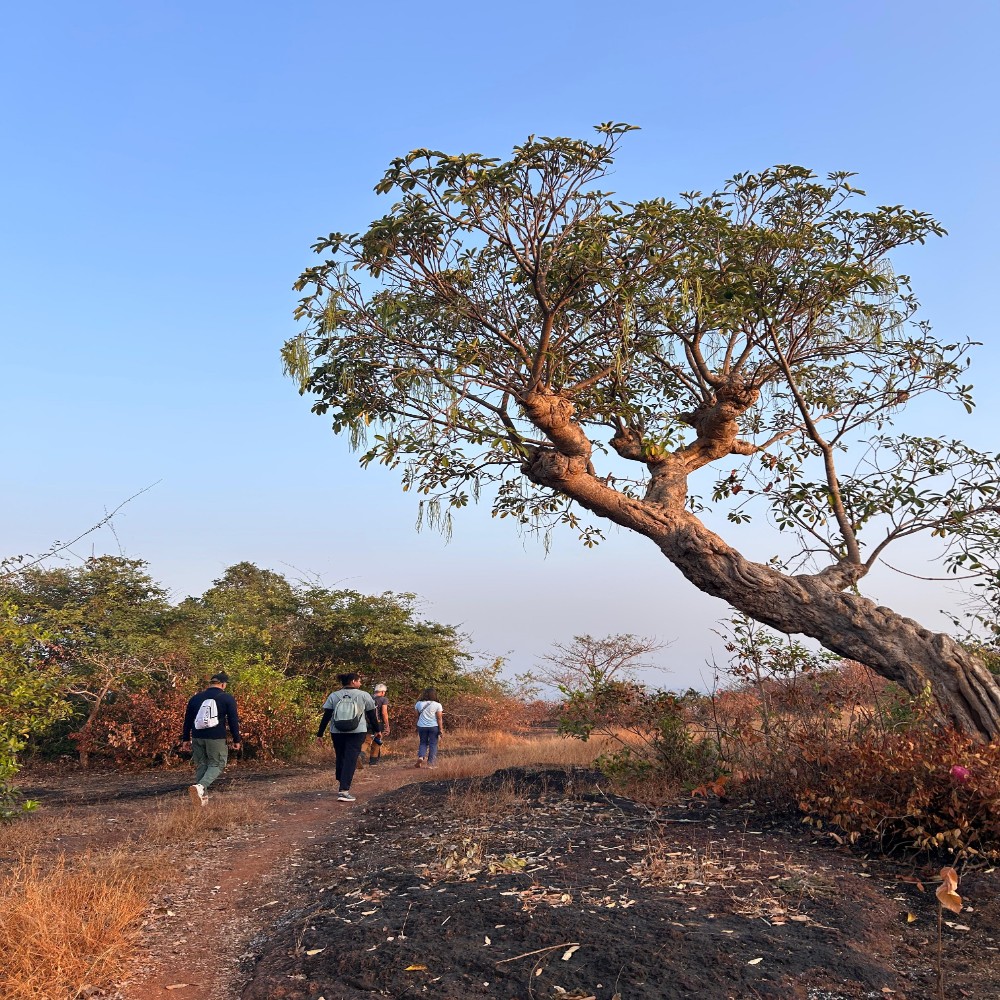
The trek to Saleli Waterfall Goa is considered easy to moderate, making it accessible for families, beginners, and seasoned hikers alike. It is not a long-distance endurance test, but rather a short, immersive walk through a tropical jungle. The trek usually takes about 15 to 25 minutes from the point where you park your vehicle near the village outskirts.
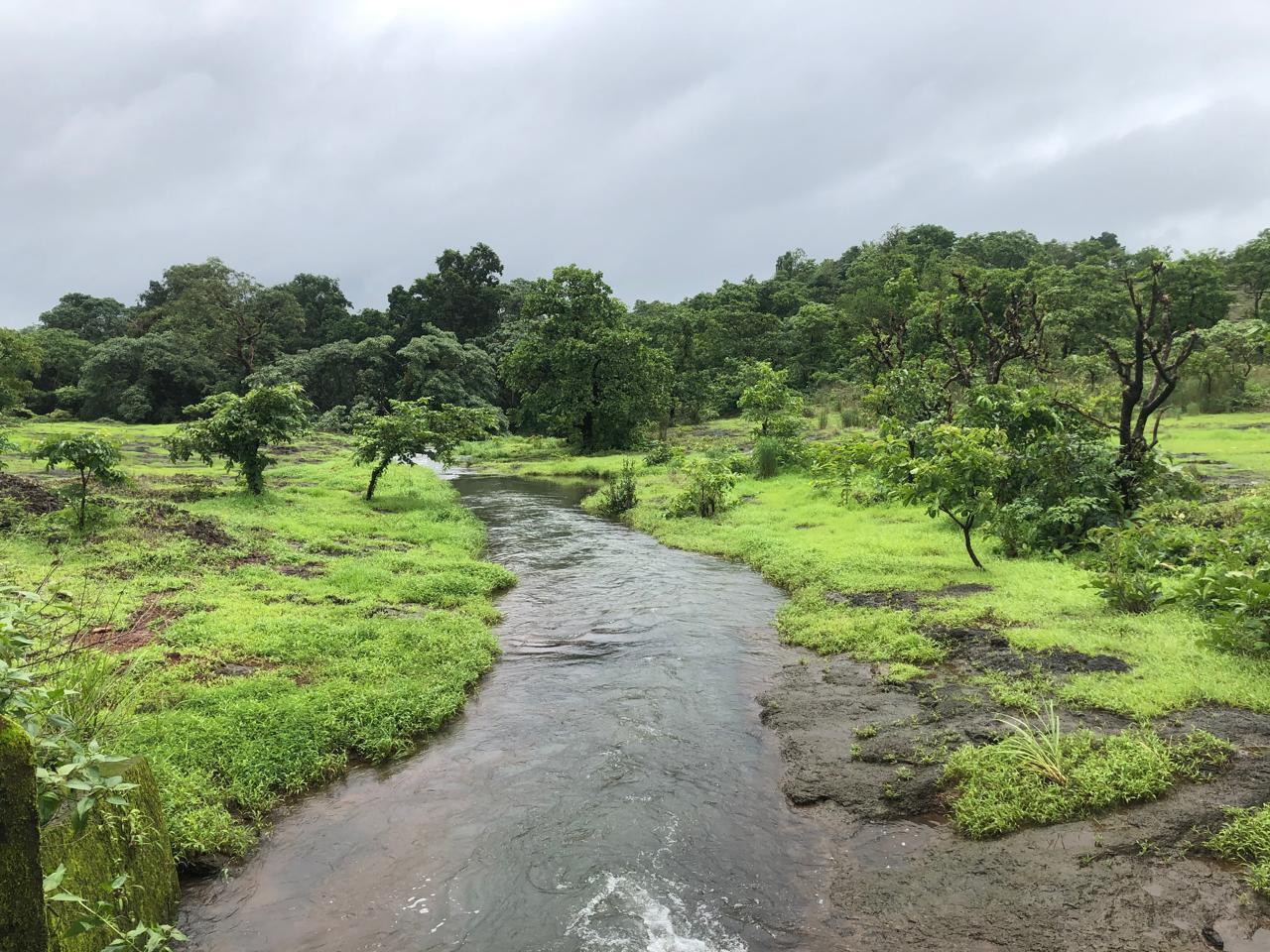
The journey begins on a relatively flat dirt path that winds through local plantations. As you move deeper, the canopy thickens, and the sound of the village fades away, replaced by the rhythmic buzzing of cicadas. You will encounter various types of terrain:
- The Muddy Trails: During the monsoon, the red Goan soil turns into thick, slippery mud. Wearing shoes with a good grip (like trekking sandals or trail running shoes) is essential. Avoid flip-flops at all costs, as they offer no traction and are likely to break.
- Stream Crossings: Depending on the intensity of the rain, you may need to cross one or two small seasonal streams. These are usually ankle-deep, but the rocks at the bottom can be covered in moss and very slippery. Take slow, deliberate steps.
- The Final Ascent: As you get closer to the falls, the path becomes slightly more inclined and rocky. You will need to navigate over some boulders and tree roots. The first glimpse of the white water peeking through the green leaves provides the perfect motivation for this final stretch.
One of the highlights of the trek is the sheer biodiversity of the Sattari forest. Keep an eye out for the "Ghost Tree" (Sterculia urens) with its distinct white bark, and the various species of ferns that line the path. If you are quiet, you might spot forest birds like the Malabar Whistling Thrush, whose song sounds remarkably like a human whistling. The trek is a holistic experience that engages all your senses before you even reach the main attraction.
Things to Do
While the primary draw is the waterfall itself, a trip to Saleli Waterfall Goa offers a variety of activities for nature lovers and adventure seekers. Here is how you can make the most of your visit:
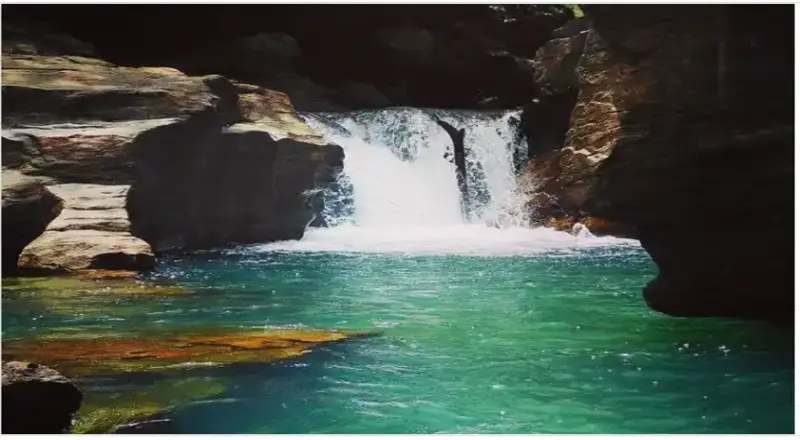
- Natural Hydrotherapy: The base of Saleli Waterfall features several natural pools of varying depths. Standing under the cascading water provides a powerful natural massage that relieves muscle tension and refreshes the spirit. The water is cool, crisp, and incredibly pure.
- Wilderness Photography: For photographers, Saleli is a dream. The contrast between the dark basalt rocks, the white frothy water, and the emerald green moss creates a stunning color palette. Use a tripod and a slow shutter speed to capture that silky "cotton candy" effect of the moving water. Don't forget to protect your gear from the moisture and sudden rain showers.
- Picnicking in the Wild: There are several flat rock surfaces near the falls where you can sit and enjoy a meal. There is something magical about eating a simple Goan "Poi" (local bread) sandwich while listening to the roar of the waterfall. Important: Always carry your trash back with you. This area is an ecologically sensitive zone, and there are no waste management services in the forest.
- Birdwatching and Nature Study: The Mhadei region is famous for its avian population. Bring a pair of binoculars to spot hornbills, sunbirds, and the state bird of Goa, the Flame-throated Bulbul. If you are interested in entomology, the variety of butterflies and dragonflies near the water source is staggering.
- Meditation and Mindfulness: If you arrive early enough to have the place to yourself, the area near the falls is perfect for meditation. The "white noise" of the waterfall combined with the high concentration of negative ions in the air creates a naturally calming environment that is perfect for grounding yourself.
Safety Tips
Exploring the wild side of Goa requires a level of respect for nature and an awareness of potential hazards. To ensure your trip to Saleli Waterfall Goa is memorable for the right reasons, follow these safety guidelines:
- Beware of Slippery Surfaces: The rocks around the waterfall are often covered in a thin layer of algae or moss, making them as slippery as ice. Always test your footing before committing your weight to a step. Avoid jumping from rock to rock.
- Leech Protection: During the monsoon, leeches are common in the damp leaf litter of the Goan jungles. While they are harmless, their bites can be annoying. To prevent them, apply a mixture of coconut oil and salt on your ankles, or wear long socks and tuck your trousers into them. Carrying a small packet of salt to de-attach them is a standard local practice.
- Monitor Water Levels: Flash floods can occur in the Western Ghats during periods of extremely heavy rainfall. If you notice the water turning muddy or the volume suddenly increasing, exit the water and move to higher ground immediately.
- No Network Coverage: Be aware that mobile signals are extremely weak or non-existent once you enter the forest area near Saleli. Inform someone at your hotel or a friend about your whereabouts and your expected return time.
- Stay Hydrated and Energized: The humidity can be draining even if the temperature is cool. Carry plenty of drinking water and some high-energy snacks like nuts or fruit.
- Avoid Alcohol: Consuming alcohol near water bodies is dangerous and disrespectful to the local environment. Many accidents at Goan waterfalls are attributed to intoxication. Stay sober and stay safe.
Nearby Attractions
The Sattari taluka is a treasure trove of offbeat locations. If you are making the trip to Saleli Waterfall Goa, consider combining it with these nearby attractions to make a full day of exploration:
- Hivrem Waterfalls: Located just a few kilometers away, Hivrem offers a more challenging trek and a series of spectacular falls. It is often visited by serious trekkers who want to "waterfall hop" in the Sattari region.
- Nanuz Fort: Built by Shivaji Maharaj and later occupied by the Portuguese, this small fort near Valpoi has a rich history related to the Rane revolts. Though mostly in ruins, it offers a glimpse into Goa's martial past and provides a panoramic view of the surrounding countryside.
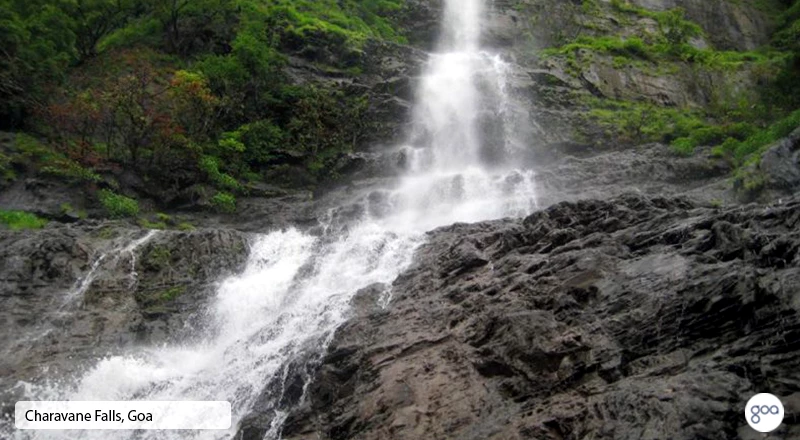
- Charavane Waterfall: Another stunning cascade located in a nearby village. It features a beautiful trek through spice plantations and is known for its serene atmosphere.
- Mhadei River Rafting: During the peak monsoon, the Mhadei River offers thrilling white-water rafting experiences. The starting point is usually near Valpoi, making it a great afternoon activity after visiting Saleli in the morning.
- Tambdi Surla Temple: While about an hour's drive from Saleli, this 12th-century Shaivite temple is the oldest in Goa. Carved from black basalt, it is a masterpiece of Kadamba architecture and is located within the Bhagwan Mahavir Wildlife Sanctuary.
Entry Fees & Timings
Visiting Saleli Waterfall Goa is currently a very budget-friendly experience, as it has not yet been fully commercialized by the tourism department. However, there are some logistical details to keep in mind:
- Entry Fees: As of the latest update, there is no formal entry fee to visit the Saleli Waterfall. However, occasionally, local village committees or forest department officials may collect a nominal "eco-tourism" fee (usually around ₹20 to ₹50) for the maintenance of the trails. It is always good to have some small change on hand.
- Parking Fees: You may be asked to pay a small parking fee if you park your vehicle in designated areas near the village homes. This usually goes towards the local community.
- Timings: The waterfall is generally accessible from 8:00 AM to 5:00 PM. It is highly discouraged to stay past sunset. The forest becomes pitch black, and the risk of encountering wildlife or losing your way on the trail increases significantly. Furthermore, local authorities often patrol the area to ensure visitors have left by dusk for their own safety.
- Permits: For standard visits, no prior permits are required. However, if you are planning a large-scale professional film shoot or a commercial event, you would need to seek permission from the Goa Forest Department office in Valpoi.
Where to Eat Nearby
You won't find any fancy cafes or multi-cuisine restaurants near Saleli Waterfall Goa. Instead, you get to experience authentic Goan flavors as the locals do. Here are your best options for dining:
- Local Eateries in Valpoi: The town of Valpoi is your best bet for a substantial meal. Look for small "Gharwas" (home-style eateries) that serve the traditional Goan Fish Thali. A typical thali includes rice, fish curry (Xitt-Kodi), fried fish, a vegetable side dish, and "sol kadi" (a refreshing kokum-based drink).
- Street Food: In the Valpoi market area, you can find stalls selling Ros Omelette (an omelette drowned in spicy chicken or chickpea gravy) and Mirchi Bhaji (deep-fried chili fritters). These are perfect for a quick, spicy snack after a trek.
- Tea Stalls in Saleli Village: Near the start of the trek, you might find a small "Chai shop" selling tea, biscuits, and perhaps some local bread. It’s a great place to chat with locals and learn more about the area.
- Pack Your Own: Given the remote nature of the falls, many visitors choose to carry a picnic. Visit a local bakery (Poder) in the morning to buy fresh Pao or Chope. Pair it with some fruit and snacks for a perfect forest lunch. Remember to carry all plastic wrappers and bottles back with you.
Accommodation Nearby
If you want to spend more than a day exploring the hinterlands of Sattari, there are several accommodation options ranging from rustic homestays to eco-luxury resorts:
- Wildernest Nature Resort: Located in the Chorla Ghat region (about 45 minutes from Saleli), this is a premier eco-resort. It offers stunning views of the Vazira Falls and a deep immersion into the forest ecosystem. It’s perfect for those who want luxury without compromising on the nature experience.
- Swapnagandha Resort: A sister property to Wildernest, offering similar eco-friendly cottages with breathtaking views of the Sahyadri valley.
- Homestays in Valpoi: For a more authentic and budget-friendly experience, look for local homestays in Valpoi. These allow you to live with a Goan family, enjoy home-cooked meals, and get insider tips on hidden spots in the region.
- Forest Guest Houses: The Goa Forest Department maintains guest houses in the nearby areas. These are basic but clean and are located in prime natural settings. Booking usually needs to be done in advance through the Forest Department headquarters in Panjim.
- Budget Stays in Bicholim: The nearby town of Bicholim has several standard hotels and guest houses that cater to travelers looking for a comfortable bed and basic amenities at a reasonable price.
Photography Spots
Capturing the beauty of Saleli Waterfall Goa requires a bit of planning. Here are the top spots and tips for your photoshoot:
- The Mid-Trek Canopy: Before you reach the falls, there is a section where the trees form a natural tunnel over the path. The dappled sunlight filtering through the leaves creates a magical, ethereal atmosphere perfect for portrait photography.
- The Lower Plunge Pool: This is the classic shot. Position yourself at the edge of the pool to capture the full height of the waterfall. The dark rocks provide a perfect frame for the white water.
- Macro Details: Don't just focus on the big picture. The area is rich in small details—vibrant orange mushrooms on rotting logs, intricate spider webs beaded with morning dew, and the unique textures of the river stones.
- The Stream Flow: Find a spot where the water flows over smaller rocks as it moves away from the main fall. This is an excellent place for long-exposure shots that emphasize the movement of the water.
- Top Tip: Use a circular polarizer filter on your lens. This helps reduce the glare from the wet rocks and the surface of the water, making the colors look more saturated and deep.
Hidden Gem Score & Crowd Level
Hidden Gem Score: 9/10
Saleli Waterfall ranks exceptionally high as a hidden gem. It lacks the commercial trappings of more famous Goan landmarks. There are no neon signs, no rows of souvenir shops, and no loud music. It remains a place of pilgrimage for those who truly love the outdoors. Its location in the Sattari interior acts as a natural filter, keeping away the "party crowd" and attracting only those willing to put in a little effort to reach it.
Crowd Level: Very Low to Moderate
On weekdays, you might find yourself completely alone at the waterfall, which is a rare luxury in a popular tourist state like Goa. On weekends, a few local families and small groups of students from Valpoi or Panjim might visit for a picnic. Even at its "busiest," Saleli never feels crowded. You will always find a quiet corner to sit and reflect. This low crowd level is crucial for maintaining the pristine nature of the site, and as a visitor, you play a role in preserving this tranquility by keeping noise levels to a minimum.
Conclusion
Saleli Waterfall Goa is a testament to the fact that the best things in life—and in travel—often require stepping off the beaten path. It is a place where the rhythm of nature takes precedence over the ticking of the clock. Whether you are an avid trekker, a photography enthusiast, or someone simply looking to escape the humidity of the coast, Saleli offers a sanctuary of cool water and green silence.
As tourism in Goa continues to evolve, there is a growing movement towards "Backstage Goa"—the exploration of the state's culture, heritage, and interior landscapes. Saleli is a shining example of this movement. However, the beauty of such places comes with a responsibility. As visitors, we must be stewards of these environments. Practice "Leave No Trace" principles: take only pictures, leave only footprints, and keep the water as pure as you found it.
A visit to Saleli Waterfall is not just a checkmark on a sightseeing list; it is an experience that connects you to the ancient Sahyadri mountains and the vibrant life they sustain. So, the next time you find yourself in the Sunshine State during the monsoon, leave the beaches behind for a day. Head east towards the mountains, navigate the winding roads of Sattari, and let the roar of Saleli Waterfall remind you of the wild, untamed beauty that still exists in the corners of our world. It is a journey that will leave you refreshed, inspired, and deeply in love with the "other" Goa.