Overview of Shelop Waterfall
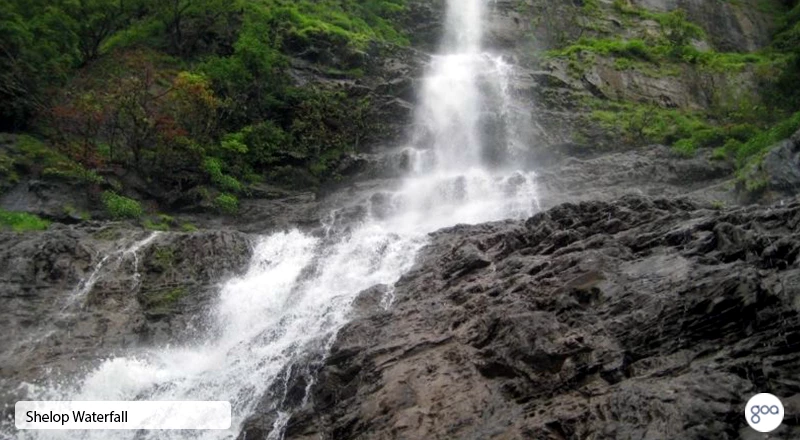
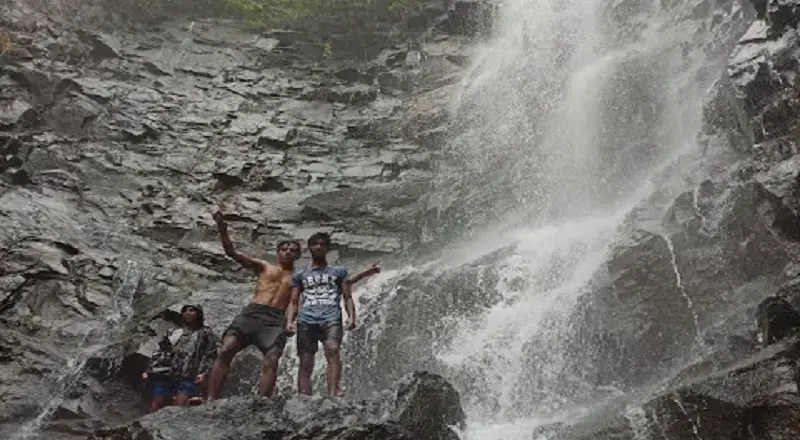
Nestled deep within the verdant embrace of the Sattari Taluka in North Goa, the Shelop Waterfall stands as a testament to the raw, untouched beauty of the Western Ghats. While the coastal belt of Goa is world-renowned for its sun-kissed beaches and vibrant nightlife, the hinterlands offer a starkly different, ethereal experience. Shelop Waterfall is a seasonal marvel that comes alive during the monsoon, cascading down the rugged slopes of the Sahyadri mountain range. It is part of the larger Mhadei Wildlife Sanctuary ecosystem, a region celebrated for its immense biodiversity and role as a crucial water source for the state.
The waterfall is often referred to locally as Shelop Budruk or Shelop Khurd, depending on which tier or specific village access point you are utilizing. Unlike the famous Dudhsagar Falls, which attracts thousands of tourists daily, Shelop remains a hidden gem, frequented mostly by locals, avid trekkers, and nature enthusiasts who seek solace away from the commercialized tourist circuits. The sight of the silvery water plunging against the backdrop of emerald-green foliage is nothing short of poetic. The air here is thick with the scent of wet earth and wild flora, providing a sensory overload that rejuvenates the soul. For those looking to understand the "true" Goa—the one that exists beyond the shacks and neon lights—Shelop Waterfall is the perfect starting point. It represents the ecological heart of the state, where the rhythm of life is dictated by the seasons and the flow of the river.
Top Goa Experience • Part 1
Highly Recommended Near Shelop Waterfall
Explore All
The geological formation of the falls is equally fascinating. The water carves its way through ancient basaltic rock, creating natural pools and smaller rivulets that meander through the forest floor. As you approach the falls, the roar of the water grows louder, echoing through the dense canopy of teak, bamboo, and cashew trees. It is a place where time seems to slow down, allowing visitors to reconnect with nature in its most primal form. Whether you are a solo traveler seeking introspection or a group of friends looking for an adventurous trek, Shelop offers an immersive experience that highlights the environmental significance of the Western Ghats, a UNESCO World Heritage site.
How to Reach Shelop Waterfall
Reaching Shelop Waterfall requires a bit of planning, as it is located in a relatively remote part of North Goa. The journey itself is a scenic delight, taking you through winding village roads, sprawling spice plantations, and dense forest patches. The primary landmark for this journey is the town of Valpoi, which serves as the gateway to the Sattari hinterlands.
Recommended Guide
15 Best Hill Stations Near Goa distance & Travel Tips
Discover the 15 best hill stations near Goa to visit in 2026. Our guide covers distances, trekking trails, and local highlights.
Read Guide →
- By Air: The nearest airport is the Manohar International Airport (Mopa), located approximately 50-55 kilometers away. Alternatively, the Dabolim Airport is about 75 kilometers away. From either airport, you can hire a private taxi. The drive from Mopa is particularly beautiful as it cuts through the northern hilly tracts of Goa.
- By Rail: The closest railway stations are Thivim and Karmali. Thivim is better connected for those coming from Mumbai or Mangalore. From Thivim, Shelop is about 45 kilometers away. You can find local buses heading to Valpoi from the Mapusa bus stand, which is a short distance from Thivim station.
- By Road (Self-Drive or Taxi): This is the most recommended way to reach the falls. If you are staying in the popular beach hubs like Calangute or Candolim, the drive will take approximately 1.5 to 2 hours.
- Follow the route: Panjim/Mapusa -> Banastari -> Sankhali -> Valpoi -> Shelop Village.
- The roads are generally in good condition, but as you enter the Sattari region, they become narrower and more winding. Ensure your vehicle is in good condition, especially the brakes and tires, as the monsoon roads can be slippery.
- Local Transport: From Valpoi, there are infrequent local buses that go toward the village of Shelop. However, relying on public transport can be tricky due to the limited schedule. It is highly advisable to have your own two-wheeler or car. If you are using a GPS, search for "Shelop Village" or "Shelop Waterfall," but be prepared to lose mobile network as you get closer to the sanctuary area.
Once you reach the village of Shelop, you will find a small clearing where you can park your vehicle. From here, the real adventure begins on foot. It is always a good idea to ask the local villagers for the exact starting point of the trail, as the path can sometimes be obscured by rapid monsoon growth.
Best Time to Visit
Timing is everything when it comes to visiting Shelop Waterfall. Since it is a seasonal waterfall fed by rainwater, the experience varies drastically depending on the month you choose to visit. To see the waterfall in its full glory, the Monsoon Season (June to September) is the undisputed best time.
Recommended Guide
Why Foreigners Love Arambol, Morjim, and Agonda
Goa has long been one of India’s most famous beach destinations, attracting millions of travelers from around the world every year. While bustling beache...
Read Guide →
During the peak of the monsoon in July and August, the waterfall is a thunderous force of nature. The surrounding forest turns into a vivid shade of neon green, and the streams are brimming with water. However, this is also the time when the trek is most challenging. The trails become muddy, and the rocks are exceptionally slippery. If you are an experienced trekker who enjoys the thrill of heavy rain, this is your window. The mist that hangs over the mountains adds a mystical quality to the landscape that is impossible to capture during the drier months.
If you prefer a more balanced experience, the Post-Monsoon Season (October to November) is ideal. The rains have subsided, but the waterfall still retains a significant volume of water. The trekking paths are drier and safer, and the weather is pleasantly cool. This is also the best time for photography, as the sky is clearer and the humidity is lower. You can spend more time at the base of the falls without worrying about a sudden downpour.
Recommended Guide
Water Sports in Candolim Goa | Best Prices, Packages & Booking Guide
Candolim Beach, located in North Goa, is one of the most popular destinations for water sports in Goa. Known for its clean shoreline, less crowded environm...
Read Guide →
Visiting during the Winter (December to February) can be hit or miss. By late December, the waterfall often reduces to a thin trickle or may dry up completely. While the forest remains beautiful and the weather is perfect for hiking, the "waterfall" aspect might disappoint. The Summer months (March to May) are not recommended for those specifically looking for the waterfall, as the region becomes quite hot and the falls are usually dry. However, the trek through the dry forest can still be a great bird-watching opportunity.
Top Goa Experience • Part 2
Highly Recommended Near Shelop Waterfall
Explore All
Trek Details for Shelop Waterfall
The trek to Shelop Waterfall is considered Easy to Moderate in difficulty, making it accessible to most people with a basic level of fitness. The total distance of the trek is approximately 2 to 3 kilometers (one way) from the village starting point. Depending on your pace and how often you stop to admire the scenery, it takes about 45 minutes to an hour to reach the main falls.
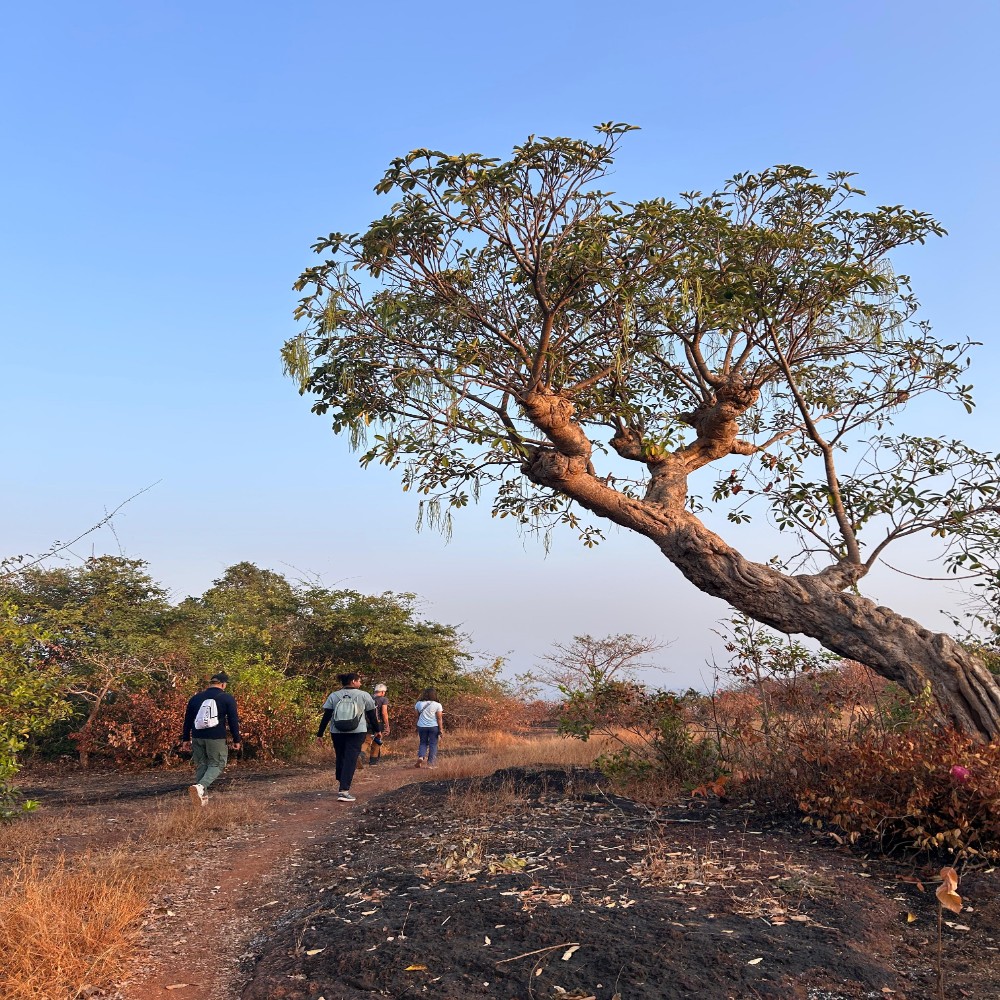
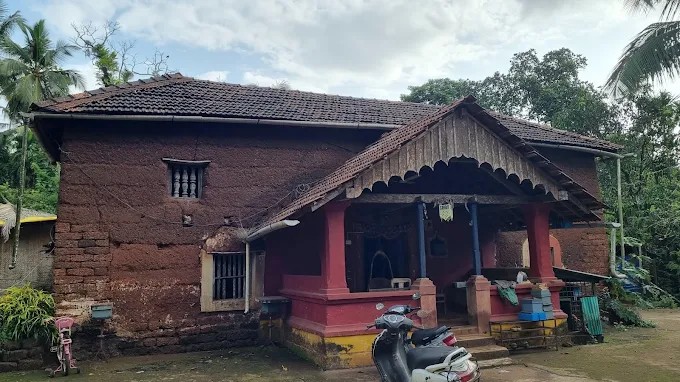
The trail begins at the edge of the Shelop village. Initially, the path takes you through local cashew and areca nut plantations. This part of the walk is relatively flat and offers a glimpse into the agricultural life of rural Goa. You might see locals tending to their crops or gathering firewood. As you move deeper, the plantation gives way to the dense secondary forest of the Mhadei Wildlife Sanctuary.
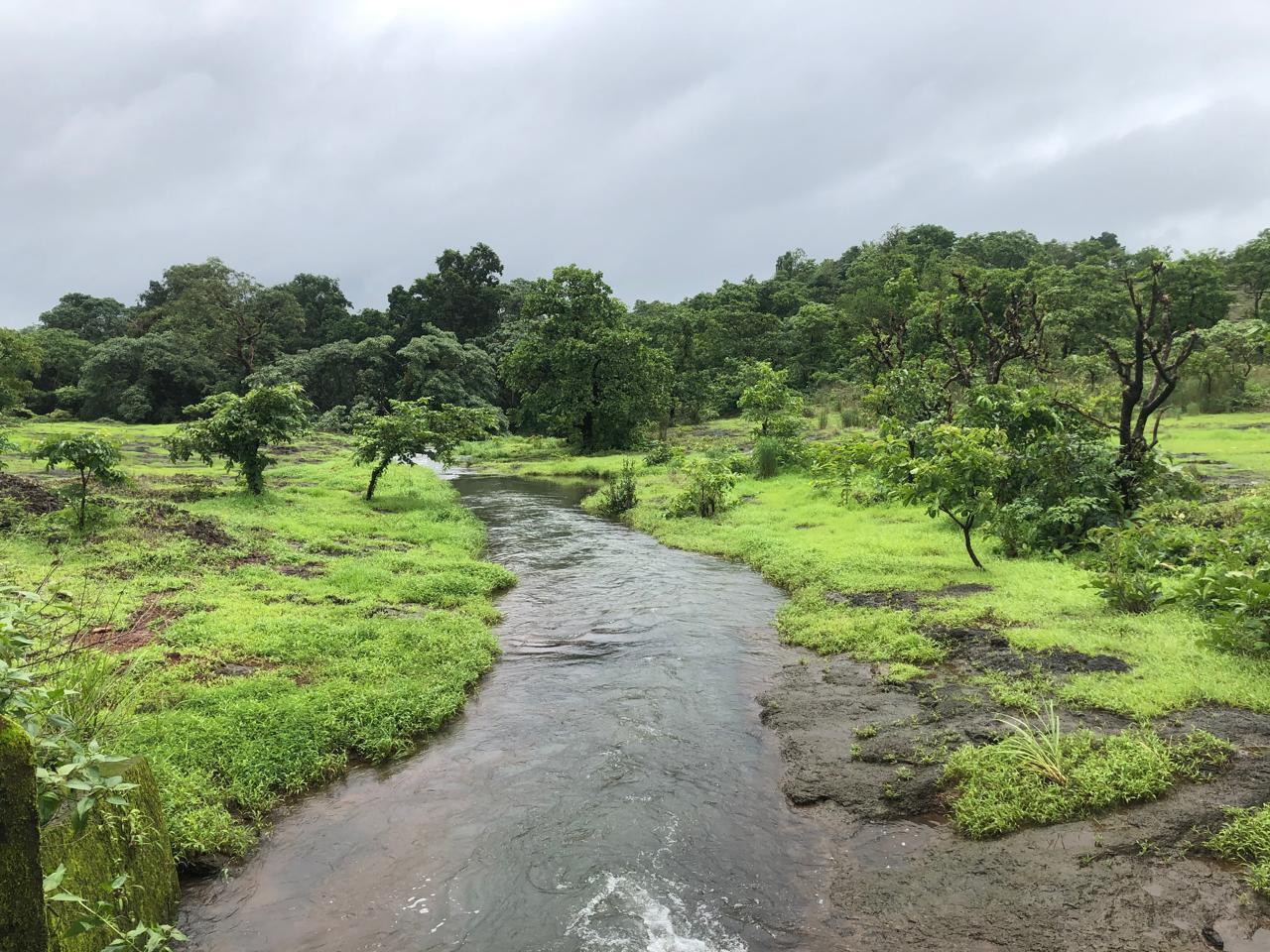
One of the highlights of the trek is crossing small seasonal streams. During peak monsoon, these streams can be ankle-deep or even knee-deep, so wearing sturdy, waterproof trekking shoes with good grip is non-negotiable. The sound of the gurgling water and the rhythmic calls of the Malabar Whistling Thrush (often called the "Whistling Schoolboy") create a serene soundtrack for your hike. The trail is mostly shaded by a thick canopy, which keeps the temperature down even on humid days.
The final stretch of the trek involves a slight incline and navigating over larger boulders. This is where you need to be most careful, as the rocks are often covered in moss. As you round the final bend, the foliage opens up to reveal the magnificent Shelop Waterfall. There are multiple tiers to the falls; while the base is easily accessible, reaching the upper tiers requires a more strenuous climb and should only be attempted by experienced hikers with proper gear. The area around the base has plenty of flat rocks where you can sit and soak in the view.
Things to Do
While the primary attraction is the waterfall itself, the Shelop region offers a variety of activities for nature lovers and adventurers. It is a place that encourages you to disconnect from your devices and reconnect with the environment.
- Nature Photography: With its dramatic drops, lush surroundings, and diverse wildlife, Shelop is a photographer's paradise. Capture long-exposure shots of the cascading water or focus on the intricate details of the forest floor, such as rare fungi, colorful insects, and vibrant wildflowers.
- Bird Watching: The Mhadei region is an Important Bird Area (IBA). Keep your binoculars ready for sightings of the Malabar Grey Hornbill, the Ruby-throated Yellow Bulbul (Goa’s state bird), and various species of kingfishers and eagles. The early morning hours are best for this activity.
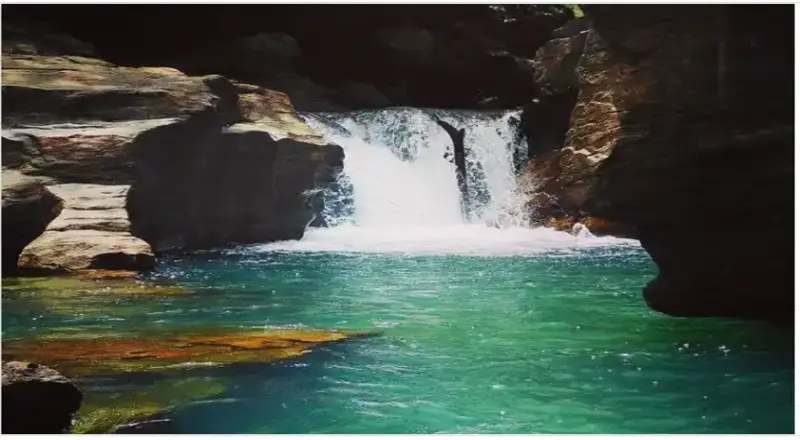
- Natural Jacuzzi: The pools formed at the base of the waterfall are perfect for a refreshing dip. The water is cool and crystal clear, providing a natural "hydrotherapy" session. Always check the depth and current before entering, especially during heavy rains.
- Picnicking: The tranquil environment makes it a great spot for a quiet picnic. However, it is vital to follow "Leave No Trace" principles. Carry all your trash back with you, including fruit peels and plastic wrappers. There are no dustbins in the forest.
- Mindfulness and Meditation: The sheer isolation of Shelop makes it an ideal spot for meditation. The white noise of the waterfall and the absence of urban sounds provide a perfect setting for mental clarity and relaxation.
- Explore Local Flora: The trek is an educational journey through Goan botany. You can spot various medicinal plants, wild orchids, and towering hardwood trees that have stood for decades.
Safety Tips
Safety should be your top priority when exploring the hinterlands of Goa. The very features that make Shelop beautiful—its wildness and isolation—also present certain risks that visitors must be mindful of.
- Beware of Leeches: During the monsoon, the forest floor is teeming with leeches. While they are harmless, their bites can be annoying. Wear long socks, tuck your trousers into them, and carry a small bottle of salt or tobacco water to deter them.
- Slippery Surfaces: The rocks near the waterfall and on the trail are incredibly slippery due to algae and moss. Avoid jumping from rock to rock. Use a trekking pole or a sturdy stick for extra balance.
- Check for Flash Floods: In the Sahyadri region, heavy upstream rains can cause sudden increases in water levels. If the water starts turning muddy or the flow suddenly intensifies, exit the stream or pool immediately and move to higher ground.
- No Mobile Network: Expect zero connectivity once you enter the forest. Inform someone about your plans and your expected return time. It is best to travel in a group rather than solo.
- Wildlife Encounters: You are in a wildlife sanctuary. While sightings of large mammals like leopards or sloth bears are rare during the day, stay alert. Snakes, including the Malabar Pit Viper, are common in this terrain. Watch where you step and where you place your hands.
- Stay Hydrated: The humidity in the Goan jungle can be draining. Carry at least 2 liters of water per person. Avoid drinking directly from the streams unless you have a portable water filter.
- Local Guide: If it is your first time or if you are trekking during heavy rain, hiring a local guide from the village is highly recommended. Not only does it ensure your safety, but it also supports the local economy.
Nearby Attractions
If you are making the trip to Sattari, it is worth exploring other nearby attractions to make the most of your day. The region is rich in both natural beauty and historical significance.
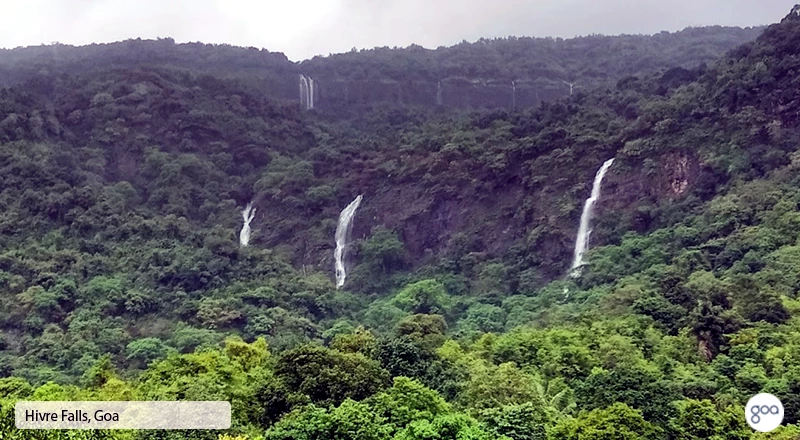
- Hivre Waterfall: Located just a few kilometers away, Hivre is another stunning waterfall that requires a slightly more challenging trek. Many trekkers combine Shelop and Hivre in a single day trip.
- Nanuz Fort: Built by Shivaji Maharaj and later occupied by the Portuguese, this small fort near Valpoi has a rich history of resistance by the Rane Rajputs. Though mostly in ruins, it offers a great view of the surrounding countryside.
- Tambdi Surla Temple: About an hour's drive from Shelop, this 12th-century Shaivite temple is a masterpiece of Kadamba architecture. Carved from black basalt, it is the oldest temple in Goa and is situated in a stunning forest clearing.
- Chorla Ghat: This mountain pass connects Goa, Karnataka, and Maharashtra. It offers breathtaking viewpoints, mist-covered peaks, and access to the famous Vazira Sakla Falls. The drive through the ghats is one of the best in Western India.
- Mhadei River Rafting: During the monsoon (July to September), the Mhadei River offers exciting Grade II and Grade III rapids. The rafting starting point is near Valpoi, making it a great add-on for adrenaline junkies.
- Arvalem Caves and Waterfall: Located in Sanquelim, these ancient rock-cut caves and the nearby waterfall are culturally significant and easily accessible.
Entry Fees & Timings
As of now, there is no formal entry fee specifically for Shelop Waterfall, as it is accessed through village common lands and forest paths. However, since it falls within the periphery of the Mhadei Wildlife Sanctuary, forest department officials may occasionally set up check-posts, especially during peak monsoon weekends, to monitor the number of visitors and ensure no plastic or alcohol is being carried into the woods. If a check-post is active, a nominal fee of around INR 20-50 per person might be charged.
Timings: The waterfall is best visited between 8:00 AM and 5:00 PM. It is highly discouraged to stay in the forest after dark, as the terrain becomes dangerous and the risk of wildlife encounters increases. Aim to start your trek by 10:00 AM so you can enjoy the falls at leisure and return to the village before the afternoon rains become too heavy or the light fades. Most visitors spend about 3 to 4 hours in total, including the trek and time spent at the falls.
Pro Tip: Avoid visiting on public holidays or Sundays if you want a peaceful experience. While it is a "hidden" gem, it is popular among local Goan youth who can crowd the area on weekends.
Where to Eat Nearby
Being a remote location, you won't find cafes or restaurants at the waterfall itself. You must plan your meals around the town of Valpoi or carry your own supplies.
- In Shelop Village: There are no formal restaurants. You might find a tiny "Gado" (kiosk) selling tea, biscuits, and perhaps some local snacks like samosas or ros omelette. It is a good idea to buy water and snacks here to support the locals.
- In Valpoi Town: This is your best bet for a proper meal. You can find several small eateries serving authentic Goan Hindu cuisine. Look for places serving a Goan Fish Thali or Chicken Xacuti. The flavors here are more traditional and spicier than what you find in the touristy coastal belt.
- Hotel Satkar: A popular local spot for basic Indian meals and snacks.
- Local Khanavals: Small family-run mess halls that serve home-cooked Goan meals.
- Self-Catering: Most trekkers prefer to carry their own sandwiches, fruits, and energy bars. Remember to pack all waste back. Avoid carrying glass bottles as they are heavy and pose a hazard if broken.
If you are looking for a more upscale dining experience, you would need to head back toward Sankhali or Mapusa, or visit one of the eco-resorts in the Chorla Ghat area.
Accommodation Nearby
Since Shelop is usually a day-trip destination, most visitors stay in North Goa's coastal areas. However, for those who want to immerse themselves in the forest experience, there are several unique options in the Sattari and Chorla region.
- Eco-Resorts: There are world-class eco-resorts like Wildernest Nature Resort and Swapnagandha Resort located in the Chorla Ghat area (about 45-60 minutes from Shelop). These offer stunning views of the Vazira Sakla falls and a chance to stay in the heart of the Sahyadris.
- Homestays: Valpoi and the surrounding villages have seen a rise in small homestays. These provide a rustic experience, allowing you to live with a local family, eat home-cooked food, and learn about the local culture. Websites like Airbnb or local Goan tourism portals can help you find these.
- Farmstays: The Sattari region is known for its spice plantations. Some of these plantations offer overnight stays in cottages, providing a peaceful environment surrounded by nature.
- Forest Guest Houses: The Goa Forest Department has guest houses in various locations. Booking these usually requires visiting the forest department office in Panjim or checking their official website. They are basic but located in prime forest areas.
For those who prefer luxury or standard hotels, staying in Panjim or Old Goa is a viable option, as you can reach Shelop within 1.5 hours by car.
Photography Spots
Shelop Waterfall is a visual feast, and if you are a photographer, you will find plenty of inspiration. Here are some specific spots and tips for the best shots:
- The First Stream Crossing: The way the light filters through the bamboo groves onto the running water creates a magical, ethereal glow. It’s perfect for capturing the "journey" aspect of the trek.
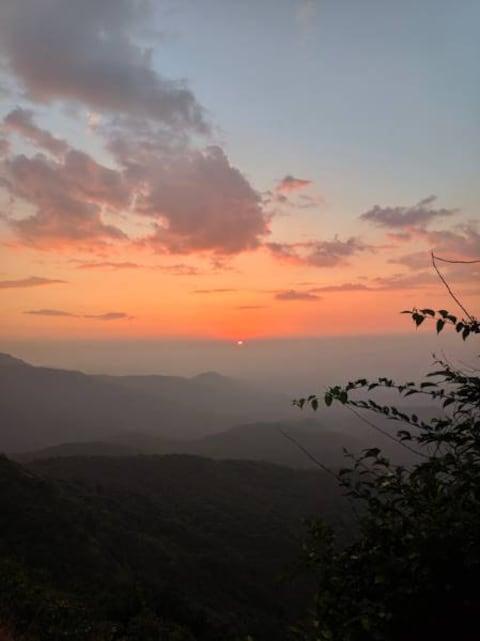
- The Mid-Way Clearing: About halfway through the trek, there is a section where the canopy opens up slightly, offering a view of the distant hills. On a misty day, this is a great spot for landscape photography.
- The Base of the Main Fall: For the classic "waterfall" shot, position yourself on the large flat boulders at the base. Use a tripod and a slow shutter speed (0.5 to 2 seconds) to get that silky water effect. A ND (Neutral Density) filter is highly recommended to prevent overexposure from the white water.
- Macro Opportunities: Don't just look up; look down. The mossy logs, the vibrant fungi (including bioluminescent varieties if you know where to look at dusk), and the unique insects provide endless macro photography subjects.
- The Upper Tiers: If you manage to safely climb to the second tier, you get a unique perspective looking down over the forest, with the water rushing past your feet. This offers a great sense of scale.
Remember to protect your gear. The humidity is high, and sudden rain is common. Carry a waterproof bag and some silica gel packets to keep your camera dry.
Hidden Gem Score & Crowd Level
Hidden Gem Score: 9.5/10
Shelop Waterfall is one of the few places left in Goa that hasn't been overrun by mass tourism. It scores high because it offers an authentic wilderness experience, requires a bit of effort to reach, and is not featured on every standard "Goa Sightseeing" brochure. It is a place for the conscious traveler who values nature over convenience.
Crowd Level: Low to Moderate
- Weekdays: You might be the only person there, or perhaps you'll encounter one or two other small groups. The silence is profound.
- Weekends: The crowd level increases as locals from Valpoi, Sankhali, and Mapusa visit for a weekend getaway. However, even at its "busiest," it is nowhere near the suffocating crowds of Baga beach or Dudhsagar.
- Monsoon Peak: Expect a few more trekking groups and photography enthusiasts.
If you visit during a weekday in late September, you are almost guaranteed a private audience with the waterfall, making it one of the most serene experiences you can have in India.
Conclusion
Shelop Waterfall is a reminder that Goa is much more than its coastline. It is a sanctuary of peace, a theater of natural beauty, and a vital part of the state's ecological heritage. The journey to the falls—through the quiet villages of Sattari, the aromatic plantations, and the ancient forests of the Mhadei Wildlife Sanctuary—is as rewarding as the destination itself. It challenges the "party destination" stereotype and invites you to witness a side of Goa that is ancient, rugged, and breathtakingly beautiful.
Whether you are standing at the base of the falls, feeling the cool mist on your face, or trekking through the mud with the sound of the Malabar Whistling Thrush for company, Shelop offers a sense of wonder that is hard to find in the modern world. It is a place that demands respect—respect for the power of the monsoon, for the local traditions, and for the delicate balance of the environment. As you leave Shelop, you carry back more than just photographs; you carry a piece of the forest's soul and a deeper appreciation for the wild heart of Goa. So, pack your trekking shoes, grab your camera, and head into the green depths of Sattari to discover the magic of Shelop Waterfall for yourself. Just remember to tread lightly and leave the forest exactly as you found it—pristine and perfect.