Overview of Shri Mallikarjuna Temple
Nestled in the serene and verdant valley of Shristhal in Canacona, South Goa, the Shri Mallikarjuna Temple stands as a profound testament to Goa’s deep-rooted spiritual heritage. Unlike the bustling, sun-drenched beaches of the north, this temple offers a sanctuary of peace, surrounded by the towering peaks of the Western Ghats and lush tropical forests. Dedicated to Lord Mallikarjuna, an incarnation of Lord Shiva, the temple is one of the oldest and most culturally significant shrines in the state, drawing pilgrims and history enthusiasts alike.
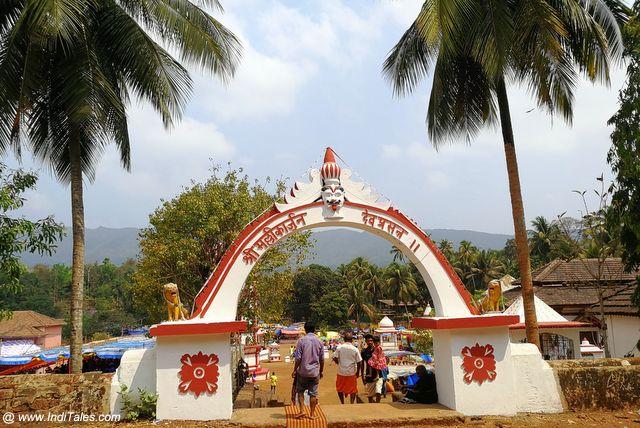
The temple is not merely a place of worship but a living museum of Goan history, reflecting the resilience of local traditions through centuries of colonial rule. As you approach the temple complex, the air changes—becoming cooler and filled with the scent of wildflowers and traditional incense. The Shri Mallikarjuna Temple is one of the Kshatriya Samaj temples and is revered by several local communities, including the Kunbis and the Gaud Saraswat Brahmins. Its location in the southernmost taluka of Goa makes it a hidden gem, often missed by the average tourist but cherished by those who seek the "authentic" Goa.
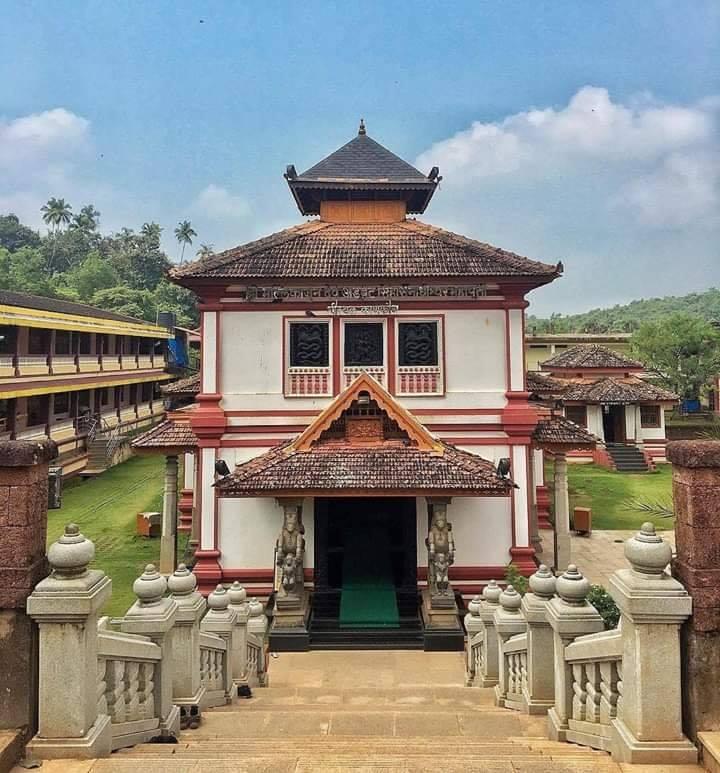
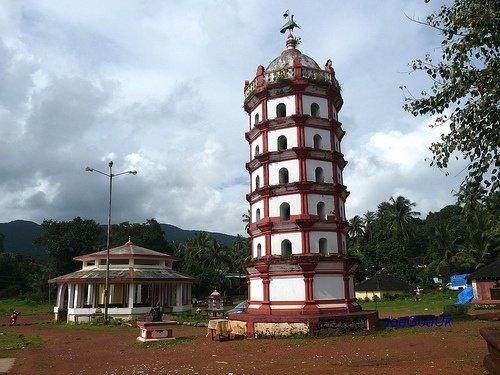
Visitors are often struck by the temple's architectural sobriety, which contrasts beautifully with the intricate wood carvings found within. The temple complex is expansive, featuring a traditional courtyard, secondary shrines, and a massive deepastambha (lamp tower). Whether you are a spiritual seeker looking for a quiet place to meditate or a traveler interested in the unique blend of Kadamba and local Goan architecture, Shri Mallikarjuna Temple provides an experience that is both grounding and enlightening. It serves as the spiritual anchor for the people of Canacona, hosting festivals that are as dramatic as they are ancient.
History & Religious Significance
The history of Shri Mallikarjuna Temple is shrouded in the mists of time, with local legends tracing its origins back several centuries. Historically, the current structure is believed to have been rebuilt in 1781 by the local community, following the destruction of an earlier shrine during the period of religious upheaval in the region. However, the site itself has been a place of worship for much longer, possibly dating back to the 16th century or earlier, during the reign of the Kadamba dynasty and later the Vijayanagara Empire.
The religious significance of the temple is tied to a fascinating legend from the Mahabharata. It is believed that the site is where Lord Shiva, in the form of a hunter (Mallikarjuna), fought with the Pandava prince Arjuna. The battle ensued over a wild boar that both had shot simultaneously. Impressed by Arjuna’s prowess and devotion, Shiva revealed his true form and blessed him with the Pashupata Astra, a celestial weapon. This divine encounter makes the temple a site of immense spiritual power, particularly for those seeking strength and protection.
Furthermore, the temple played a crucial role in preserving Hindu culture during the Portuguese Inquisition. While many temples in the coastal "Old Conquests" were destroyed, those in the "New Conquests" like Canacona remained relatively shielded by the dense forests and the protection of local chieftains. This has allowed the temple to maintain traditions that have remained unchanged for generations. The temple is the family deity (Kuldevta) for many families across Goa and Karnataka, symbolizing a bridge between different regional cultures and histories.
Architecture of Shri Mallikarjuna Temple
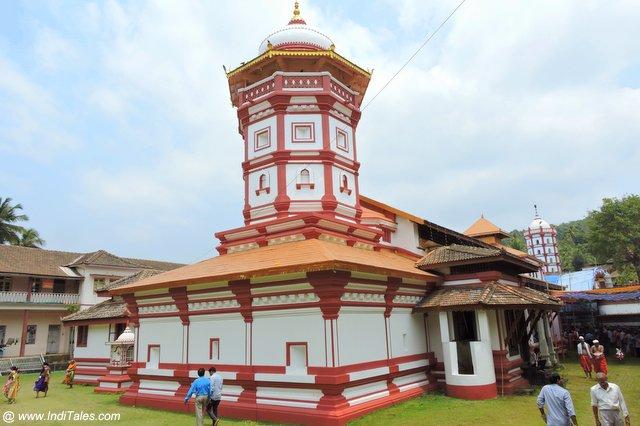
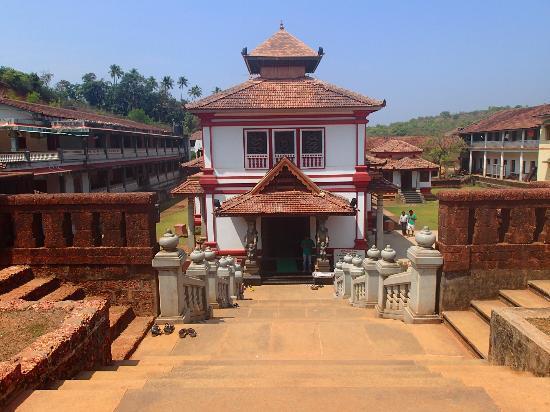
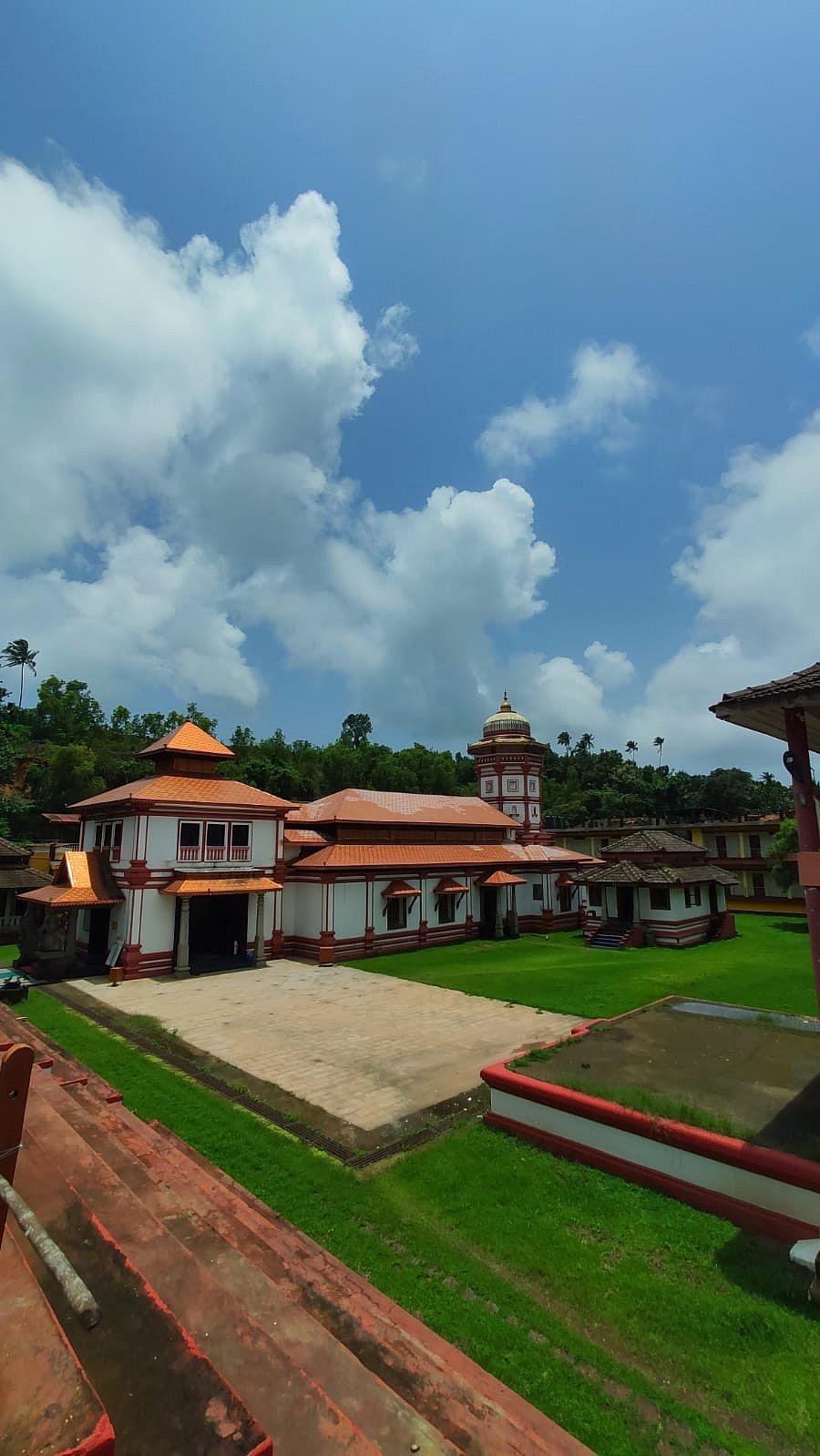
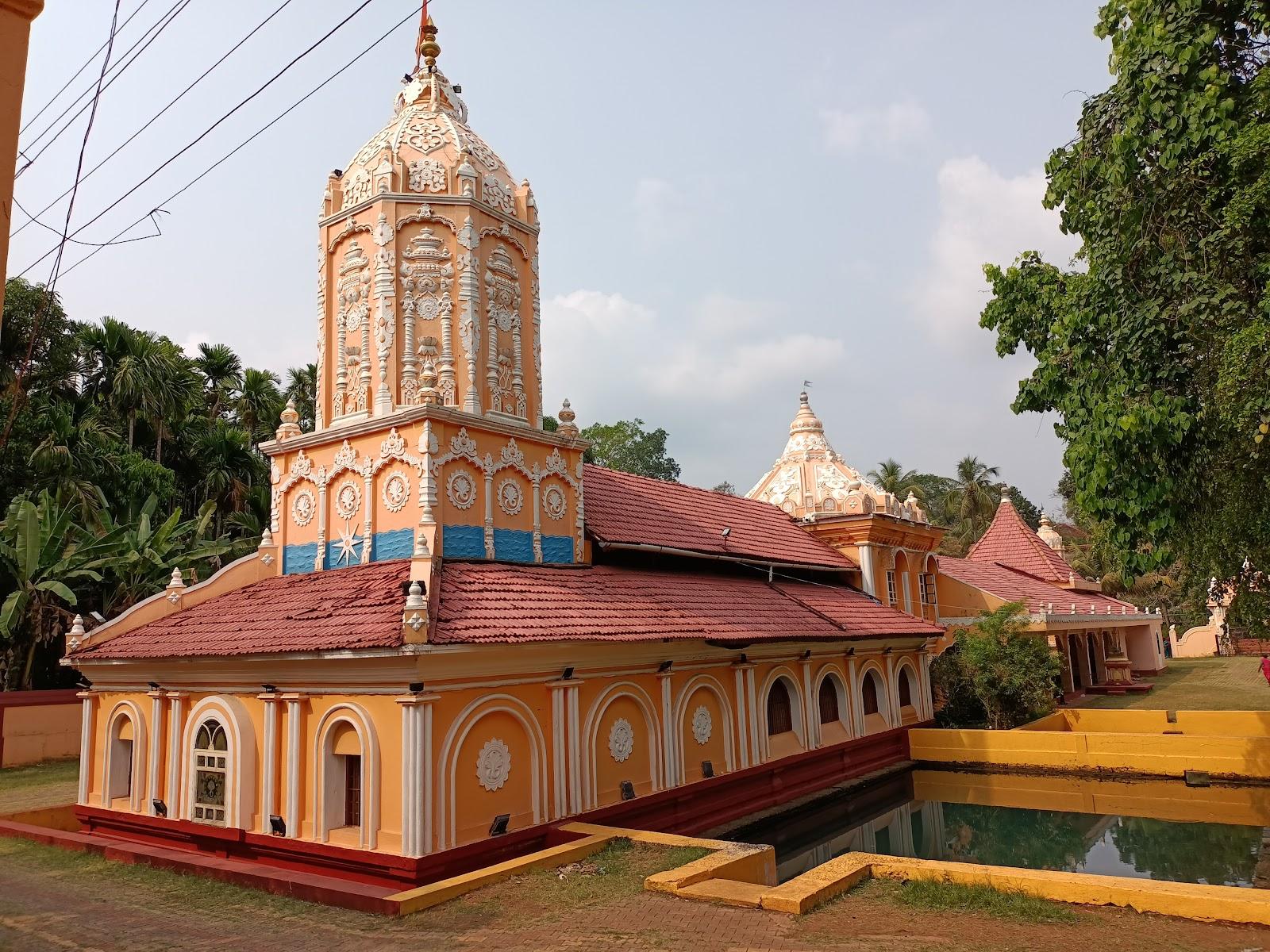
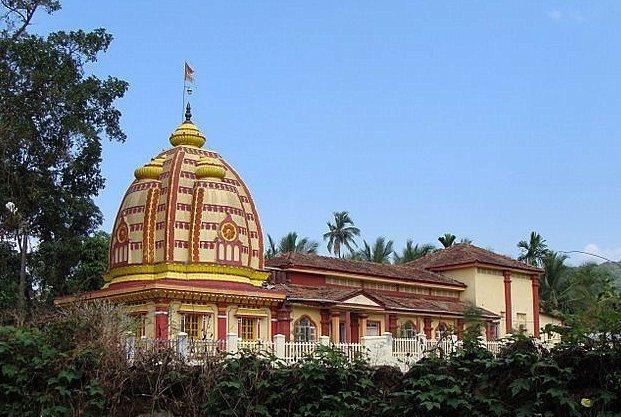
The architecture of Shri Mallikarjuna Temple is a masterful display of the shilpa-shastra (traditional Indian science of architecture) adapted to the Goan climate. The most striking feature of the temple is its extensive use of wood, which is a departure from the later stone-heavy Portuguese-influenced temples found in North Goa. The temple follows a traditional layout with a Garbhagriha (sanctum sanctorum), an inner Mantapa (hall), and an outer courtyard.
As you enter the main hall, you are greeted by exactly 60 beautifully carved wooden pillars. These pillars are not just structural supports; they are canvases depicting scenes from the Puranas, the Mahabharata, and the Ramayana. The craftsmanship is extraordinary, with fine details that have survived the humidity of the tropical climate for centuries. The ceiling of the Mantapa is equally impressive, featuring intricate floral patterns and geometric designs that draw the eye upward in a gesture of divine aspiration.
The Garbhagriha houses the sacred Lingam, the phallic representation of Lord Shiva. The entrance to the sanctum is adorned with silver-plated doors, reflecting the wealth and devotion of the patrons who have supported the temple over the years. Outside, the Deepastambha is a classic Goan feature—a tall, multi-tiered stone tower used to hold oil lamps during festivals. When lit, the tower transforms the temple courtyard into a sea of flickering lights, creating a celestial atmosphere. The roof of the temple is covered with traditional Mangalorean tiles, blending the structure seamlessly with the local landscape.
Main Deity / Spiritual Importance
The presiding deity of the temple is Lord Mallikarjuna, a fierce yet benevolent form of Lord Shiva. The name 'Mallikarjuna' is derived from 'Mallika' (Jasmine) and 'Arjuna' (referring to the Pandava prince or the white color of the deity's grace). In this temple, the deity is worshipped in the form of a Lingam, which is believed to be 'Swayambhu' or self-manifested. This adds a layer of immense spiritual sanctity to the site, as Swayambhu lingams are considered to possess the highest vibrational energy.
For the local community, Lord Mallikarjuna is the protector of the valley. He is the one who ensures the fertility of the land and the safety of the people. The spiritual importance of the temple is also linked to the concept of the Gramadevta (village deity). Every major life event for the locals—from births and weddings to the start of the harvest—begins with a prayer at this temple. The deity is also associated with the healing of ailments and the removal of obstacles, making it a popular destination for those undergoing difficult periods in life.
The temple also houses shrines for other deities, including Lord Ganesha and various local folk deities, creating a spiritual ecosystem that honors both the high Vedic traditions and the local agrarian roots of Goan culture. The presence of these multiple deities signifies the inclusive nature of the worship practiced here, where every visitor, regardless of their specific sect, finds a point of connection with the divine.
Festivals & Celebrations
The Shri Mallikarjuna Temple is famous for its unique and vibrant festivals, which are unlike any other in Goa. The most significant of these is the Jatra (annual fair), held in the month of Phalguna (usually February or March). During the Jatra, the entire village comes alive. The deity is taken out in a grand procession on a decorated chariot (Ratha), accompanied by traditional music played on drums and cymbals. The atmosphere is electric, filled with the chants of thousands of devotees.
One of the most unusual and dramatic rituals performed here is Shisharanni. This ritual occurs every three years during the Jatra. In a display of extreme faith, three men lie on the ground with their heads touching, and a pot of rice is cooked on a fire lit directly on their heads. It is believed that the power of the deity protects them from the flames. This ritual draws massive crowds and is a profound example of the intense spiritual devotion prevalent in rural Goa.
Another notable celebration is the Veeramel, which takes place during the Shigmo festival (the Goan version of Holi). Young men dressed as warriors perform traditional dances with swords, symbolizing the martial history of the local community. The Avatar Purush festival is also significant, where various incarnations of the deity are celebrated through theatrical performances and rituals. These festivals are not just religious events; they are vital cultural expressions that keep the history and folklore of Canacona alive for the younger generation.
Best Time to Visit
The best time to visit Shri Mallikarjuna Temple is during the winter months, from November to February. During this period, the weather in South Goa is pleasant, with clear blue skies and a cool breeze, making it ideal for exploring the temple complex and the surrounding nature. The lush greenery resulting from the monsoon is still vibrant, providing a stunning backdrop to the temple’s ancient stone and wood.
If you wish to witness the temple in its full glory, plan your visit to coincide with the Jatra or the Shisharanni ritual. These events usually fall in February or March. However, be prepared for large crowds and a very high-energy environment. For those seeking a quiet, meditative experience, visiting on a weekday during the off-season (June to September) can be very rewarding. The monsoon rains add a mystical quality to the temple, as the sound of falling rain on the tiled roofs creates a rhythmic, soothing soundtrack for prayer.
Early mornings are particularly magical at the temple. Arriving around 7:00 AM allows you to witness the morning Abhishekam (ritual bathing of the deity) and the first Aarti. The morning mist clinging to the surrounding hills and the sound of the temple bells echoing through the valley create a truly ethereal experience that stays with you long after you leave.
Timings, Entry Fee & Dress Code
Shri Mallikarjuna Temple follows a strict schedule to ensure that all rituals are performed with due diligence. The temple is generally open to devotees from 6:30 AM to 1:00 PM and then again from 4:00 PM to 8:30 PM. During the afternoon hours (1:00 PM to 4:00 PM), the main sanctum is closed as the deity is believed to be resting. On festival days, these timings may be extended to accommodate the influx of pilgrims.
There is no entry fee to visit the temple. It is a public place of worship open to all, regardless of caste or creed. However, donations for the upkeep of the temple and for the various charitable activities run by the temple trust are always welcomed. You can find a donation box (Hundi) within the temple premises or approach the temple office if you wish to sponsor a specific pooja.
As with most traditional Hindu temples in Goa, a modest dress code is strictly enforced. Visitors are expected to dress respectfully. Men should ideally wear dhotis or trousers (avoid shorts), and women should wear sarees, salwar kameez, or long skirts. Shoulders and knees must be covered. Sleeveless tops and short dresses are not permitted inside the inner sanctum. Visitors are also required to remove their footwear before entering the temple complex. There are designated areas near the entrance where you can safely leave your shoes.
How to Reach Shri Mallikarjuna Temple
Shri Mallikarjuna Temple is located in Shristhal, approximately 5 kilometers from the main town of Canacona in South Goa. Reaching the temple is a scenic journey, whether you are coming from the northern parts of Goa or neighboring Karnataka.
- By Air: The nearest airport is Dabolim Airport (GOI), located about 65 kilometers away. You can hire a pre-paid taxi from the airport to Canacona, which takes approximately 1.5 to 2 hours. The newer Mopa Airport (Manohar International Airport) is much further away (around 120 km), so Dabolim is the preferred choice.
- By Rail: The Canacona Railway Station is the closest railhead, situated on the Konkan Railway route. Many local and express trains stop here. From the station, you can take an auto-rickshaw or a local bus to the temple. For more train options, Madgaon Junction (35 km away) is a major station connected to all parts of India.
- By Road: If you are driving, the temple is easily accessible via the NH66 highway. The drive from Panaji (the capital) takes about 2 hours, while the drive from Margao takes about 1 hour. The roads are well-maintained and offer beautiful views of the Goan countryside. Local buses run frequently from the Canacona bus stand to Shristhal.
Things to Do
While the primary activity at Shri Mallikarjuna Temple is worship and spiritual contemplation, there are several other things visitors can do to enrich their experience:
- Admire the Woodwork: Spend time closely examining the 60 carved pillars. Each one tells a story, and the level of detail in the mythological depictions is a masterclass in traditional Indian art.
- Observe the Rituals: Participate in the evening Aarti. The synchronized ringing of bells and the chanting of mantras create a powerful sensory experience that is deeply moving.
- Photography (Outdoor): While photography is restricted inside the sanctum, the exterior of the temple, the Deepastambha, and the surrounding valley are incredibly photogenic. Capture the traditional Goan architecture against the backdrop of the Western Ghats.
- Walk through the Village: Take a slow walk through the village of Shristhal. It offers a glimpse into the traditional Goan lifestyle, with old houses, small shrines, and friendly locals.
- Meditation: Find a quiet corner in the outer courtyard. The natural serenity of the location makes it an excellent spot for meditation or quiet reflection.
Nearby Attractions
The location of Shri Mallikarjuna Temple in South Goa makes it a perfect starting point for exploring some of the state's most pristine and natural attractions:
- Cotigao Wildlife Sanctuary: Located just about 10 kilometers away, this is Goa's second-largest sanctuary. It is famous for its tall trees, diverse birdlife, and the chance to see flying squirrels or slender lorises.
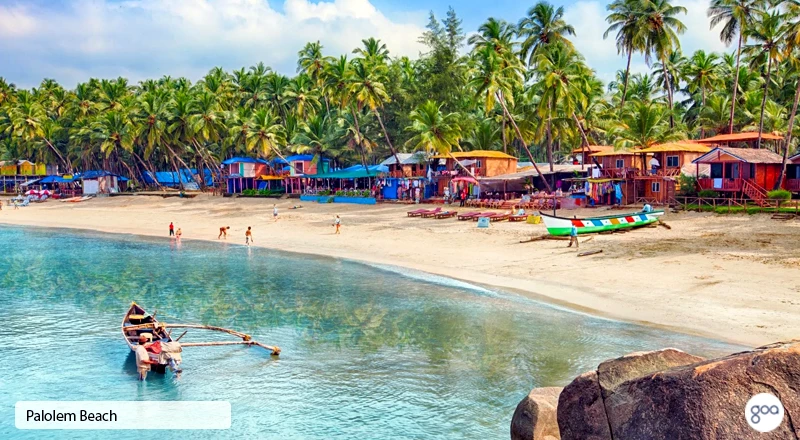
- Palolem Beach: One of Goa's most beautiful crescent-shaped beaches, Palolem is only a 15-minute drive from the temple. It’s perfect for a relaxing swim or a sunset meal.
- Agonda Beach: Known for being a turtle nesting site, Agonda is quieter and more secluded than Palolem, making it ideal for those who prefer peace and solitude.
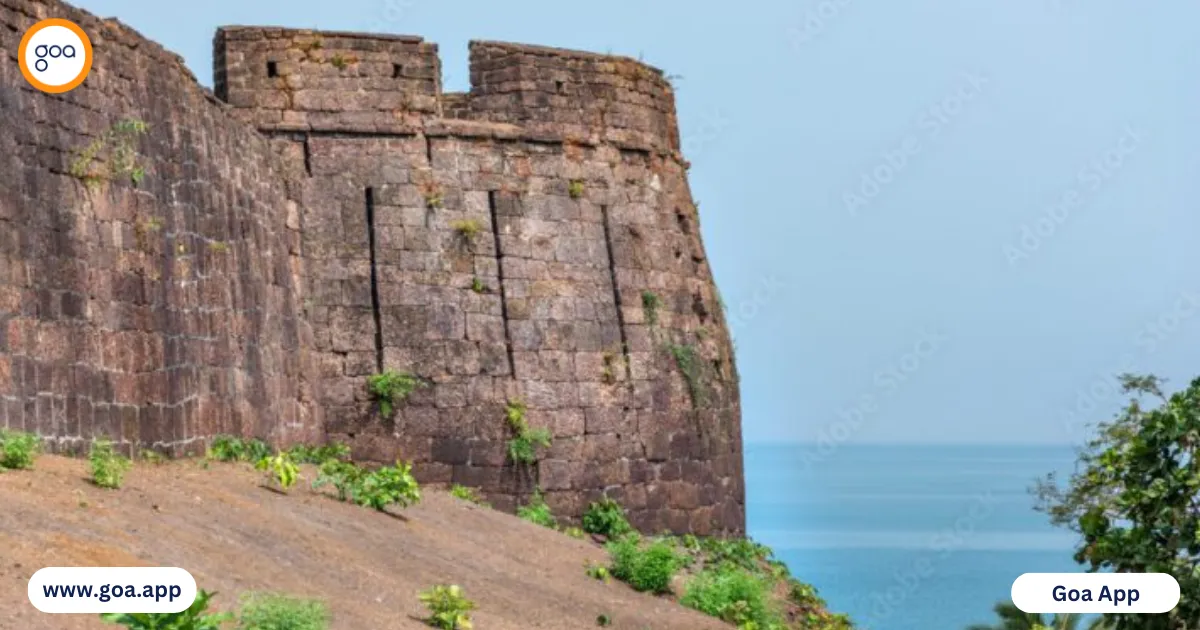
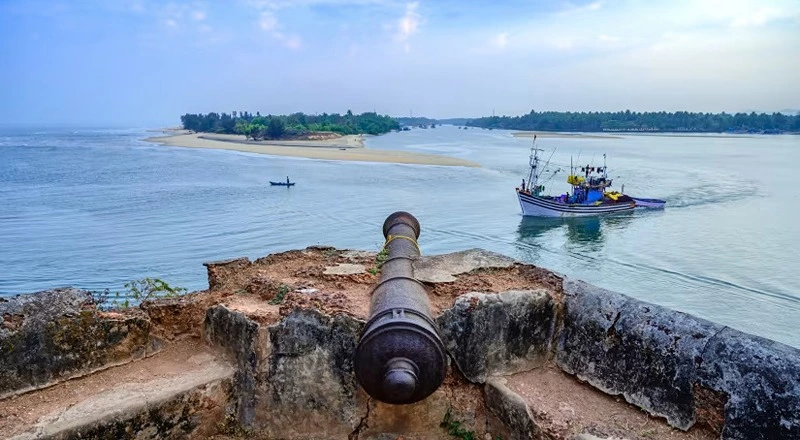
- Cabo de Rama Fort: A historic fort offering panoramic views of the Arabian Sea. It is about 25 kilometers from the temple and is steeped in legends related to the Ramayana.
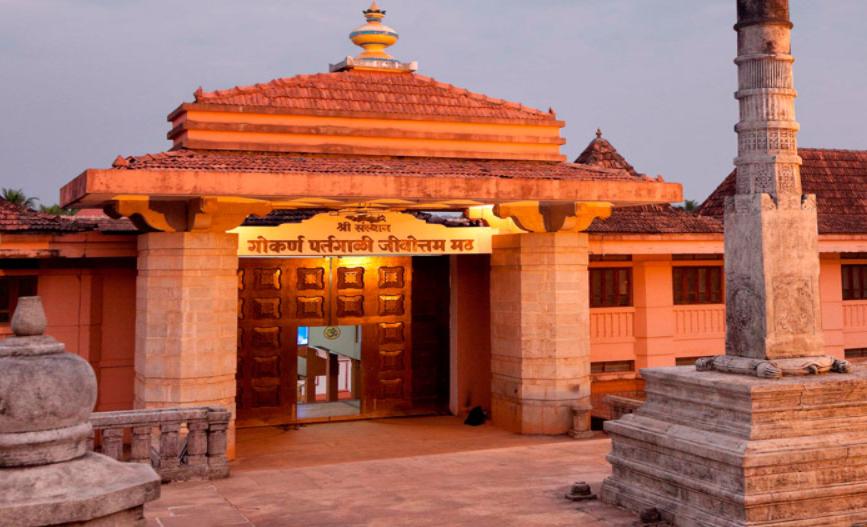
- Partagal Math: An ancient monastery of the Gaud Saraswat Brahmin community, located nearby, which houses a massive, centuries-old Banyan tree and a beautiful temple complex.
Photography & Visitor Guidelines
To ensure a respectful and smooth visit to the Shri Mallikarjuna Temple, please keep the following guidelines in mind:
- No Indoor Photography: Photography and videography are strictly prohibited inside the main sanctum and the inner hall (Mantapa). This is to maintain the sanctity of the rituals and the privacy of worshippers. You may take photos in the outer courtyard and of the temple's exterior.
- Maintain Silence: The temple is a place of prayer. Please keep your voice low and avoid using mobile phones while inside the temple buildings.
- Respect Local Customs: You might witness rituals that seem unusual. It is important to remain respectful and not interfere with the priests or devotees. If you are unsure about where to stand or what to do, observe the locals or ask a temple official.
- Cleanliness: Do not litter within the temple premises. The temple is located in an ecologically sensitive area, and maintaining its cleanliness is a shared responsibility.
- Avoid Touching Idols: Unless specifically allowed for a ritual, refrain from touching the idols or the decorated pillars, as the oils from skin can damage the ancient wood and stone over time.
Where to Eat Nearby
Since the temple is located in a rural area, dining options in the immediate vicinity are limited to small local tea stalls serving snacks like Samosas, Batata Vadas, and Misal Pav. However, a short 10-15 minute drive to Canacona or Palolem opens up a world of culinary delights:
- Local Goan Thali: Look for small "Khanavals" (eateries) in Canacona town that serve authentic Goan fish or veg thalis. These are affordable and offer a true taste of local spices.
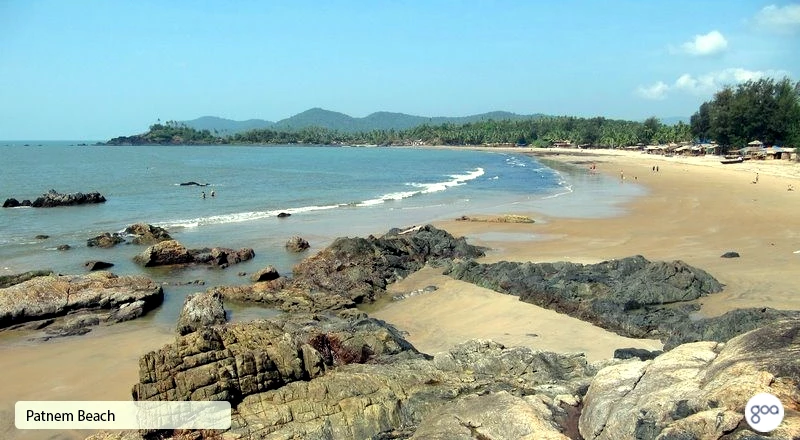
- Beach Shacks: If you head to Palolem or Patnem beach, you can enjoy international cuisines, fresh seafood, and refreshing fruit juices with a view of the ocean.
- Garden Restaurants: There are several garden-style restaurants along the NH66 that serve North Indian and Goan Catholic dishes.
- Temple Prasad: During major festivals, the temple often serves 'Prasad' (blessed food) to all devotees. This is usually a simple, nutritious vegetarian meal served on banana leaves.
Accommodation Nearby
Whether you are looking for luxury or a budget-friendly stay, the area around Canacona offers a variety of options:
- Beach Resorts: Palolem and Agonda have numerous resorts ranging from high-end luxury villas to eco-friendly wooden huts on the beach.
- Boutique Guesthouses: There are several charming guesthouses in the Shristhal and Patnem areas that offer a more personalized experience and a chance to stay in traditional-style buildings.
- Eco-Stays: Near the Cotigao Wildlife Sanctuary, you can find eco-resorts and forest lodges that cater to nature lovers and those looking to disconnect from the digital world.
- Budget Hotels: Canacona town has several budget hotels and lodges that are convenient for travelers who want to be close to the railway station and the temple.
Travel Tips
To make the most of your visit to Shri Mallikarjuna Temple, consider these practical tips:
- Hydration: South Goa can be quite humid. Carry a bottle of water with you, though filtered water is usually available at the temple.
- Cash: While Goa is becoming more digital, in rural areas like Shristhal, it is always wise to carry enough cash for small purchases, donations, and transport.
- Local Transport: Renting a scooter or a car is the best way to explore South Goa at your own pace. The roads are less crowded than in the north, making for a pleasant driving experience.
- Language: The locals speak Konkani and Marathi. Most people also understand and speak basic English and Hindi, so communication is generally not an issue.
- Respect the Afternoon Lull: Remember that many shops and the temple itself close in the afternoon. Plan your visit for the morning or late evening.
Conclusion
The Shri Mallikarjuna Temple is more than just a religious landmark; it is a sanctuary where history, art, and spirituality converge. In a state often defined by its colonial past and party culture, this temple stands as a reminder of the ancient, indigenous soul of Goa. The intricate wood carvings tell stories of a bygone era, while the vibrant festivals like Shisharanni showcase a level of faith that is both humbling and awe-inspiring.
Visiting this temple offers a chance to slow down and connect with a different side of the Goan experience—one that is rooted in the earth, the forest, and the divine. Whether you are marvelling at the 60 carved pillars, participating in a centuries-old ritual, or simply soaking in the silence of the Shristhal valley, a trip to Shri Mallikarjuna Temple is a journey into the heart of Goan heritage. It is an essential stop for any traveler who wishes to truly understand the spiritual tapestry of this beautiful coastal state.