Overview of St. Cosme and St.Damian's Church
Nestled in the quaint, coastal village of Bogmalo in South Goa, the St. Cosme and St. Damian's Church stands as a serene sentinel of faith, history, and architectural beauty. Often overlooked by the bustling crowds heading toward the more famous North Goan basilicas, this church offers a profound sense of peace and a glimpse into the authentic spiritual life of the Goan Catholic community. Located just a stone's throw away from the Dabolim International Airport, it serves as the primary spiritual hub for the residents of Bogmalo and the surrounding hamlets of the Mormugao taluka.
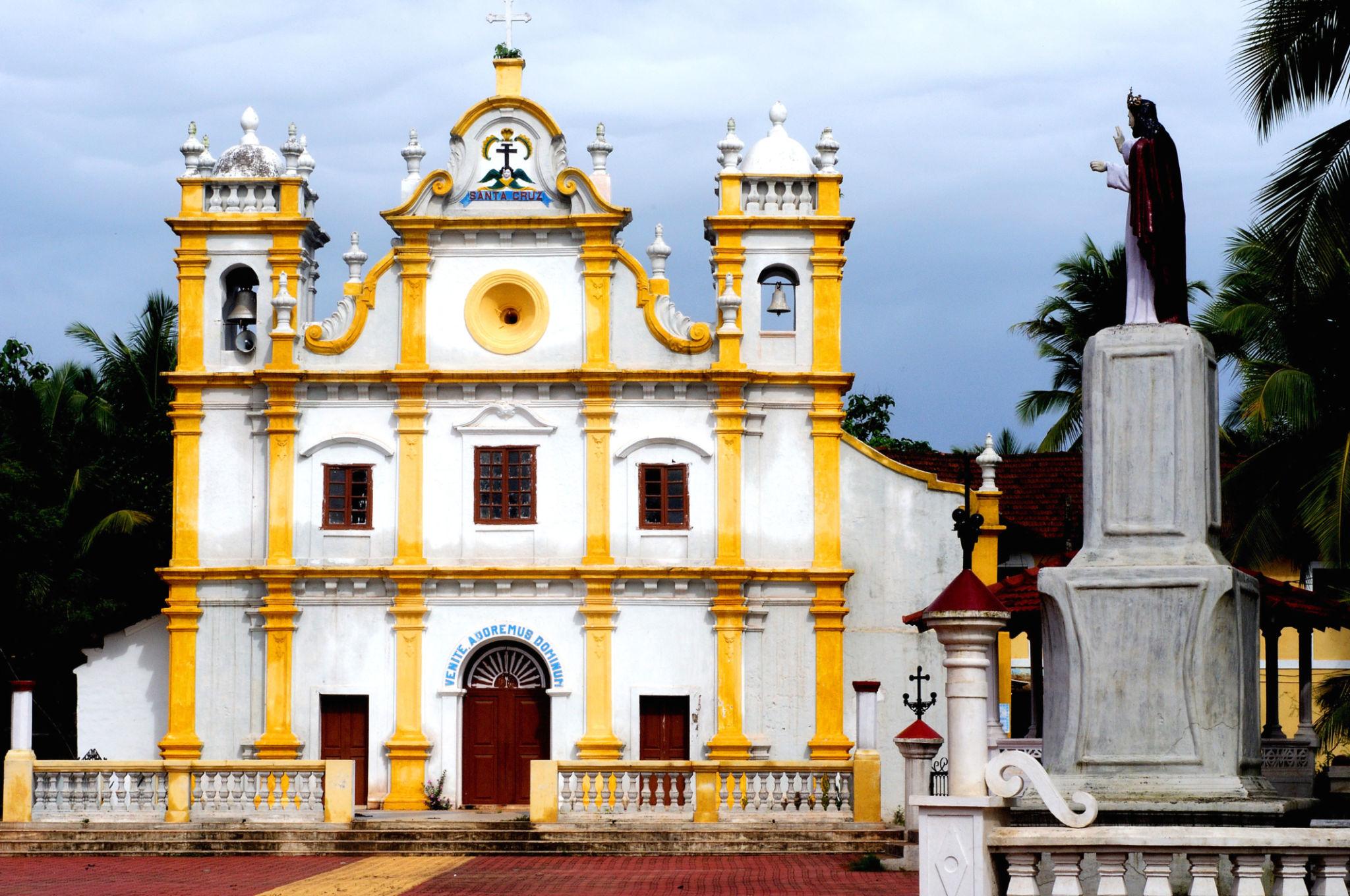
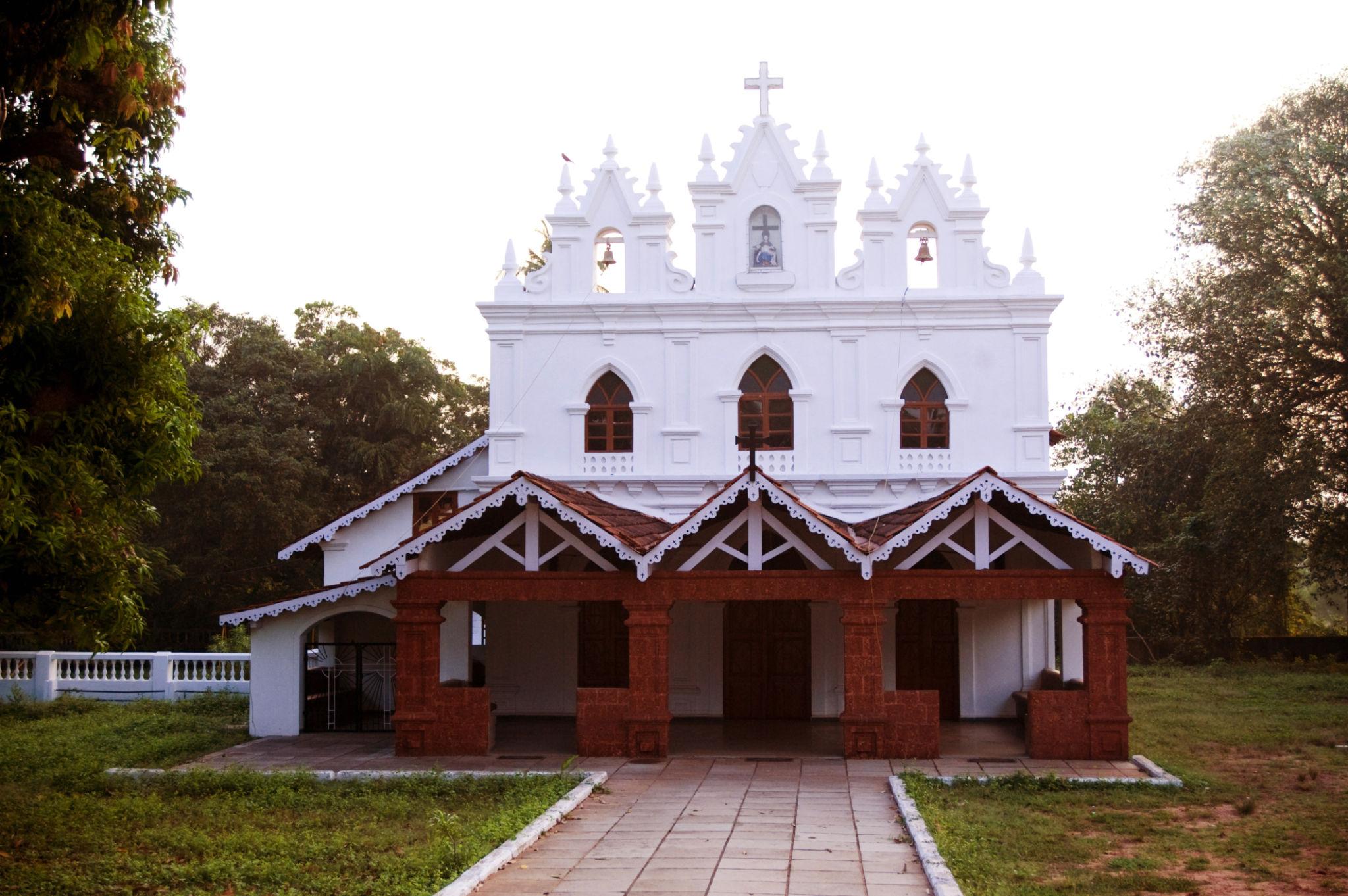
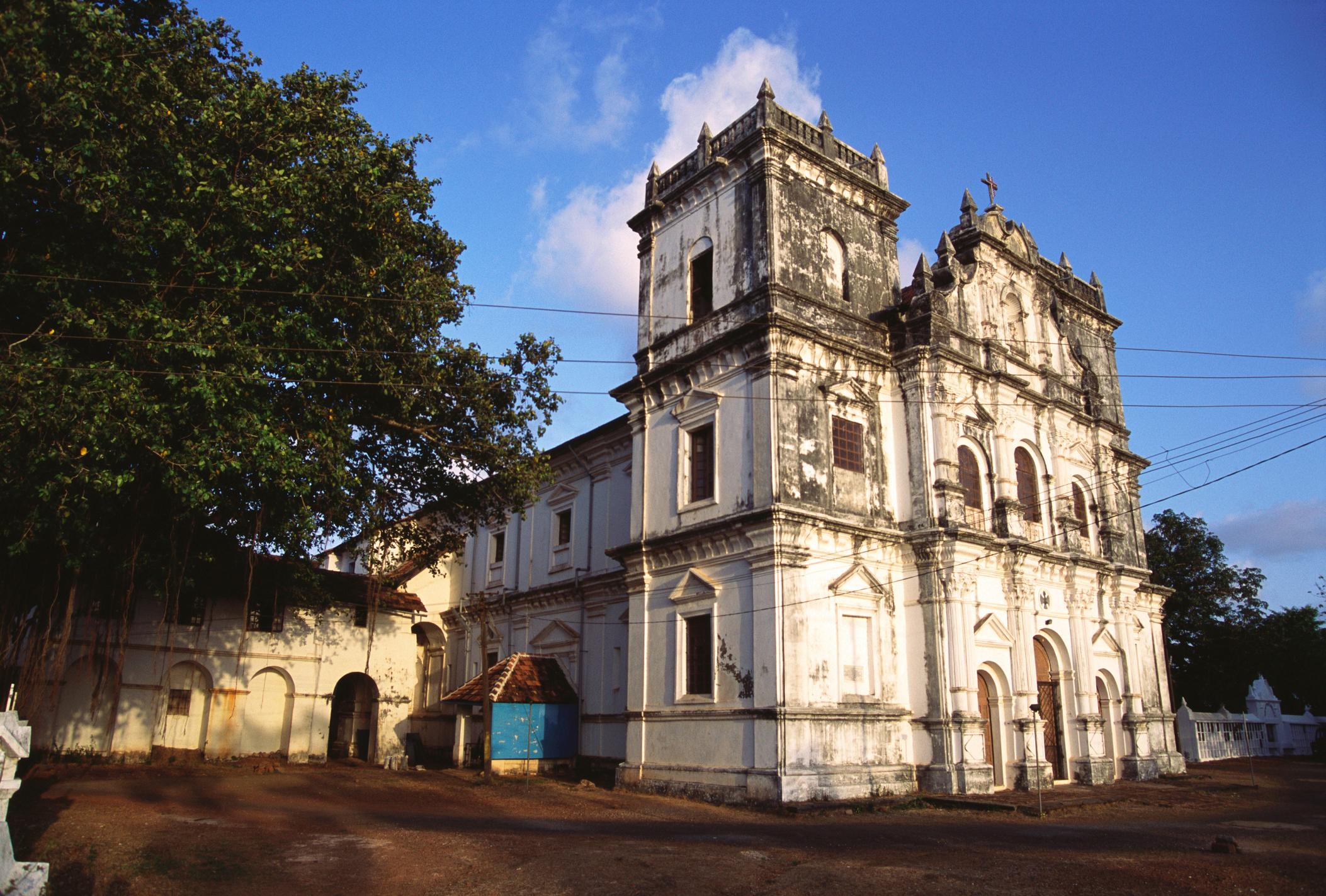
The church is dedicated to Saint Cosmas and Saint Damian, twin brothers and physicians who are revered in the Christian tradition as the patron saints of doctors, surgeons, and pharmacists. This dedication is particularly unique in Goa, making the church a significant site for those seeking healing or wanting to honor the medical profession. The structure itself is a classic example of the Goan-Portuguese style, featuring a pristine white facade that gleams under the tropical sun, framed by swaying coconut palms and the salty breeze of the Arabian Sea.
Visiting St. Cosme and St. Damian's Church is not just a religious excursion; it is an immersion into the cultural tapestry of South Goa. Unlike the commercialized tourist spots, the atmosphere here is one of quiet devotion. The church grounds are meticulously maintained, and the interior provides a cool refuge from the humid Goan climate. Whether you are a history buff, an architecture enthusiast, or a traveler seeking a moment of reflection, this church offers a rich, multi-layered experience that captures the "soul" of Goa—a blend of Iberian influence and Konkani heritage.
History & Religious Significance
The history of St. Cosme and St. Damian's Church is deeply intertwined with the Portuguese colonization of Goa and the subsequent Christianization of the Mormugao region. The original structure dates back to the early 17th century, specifically around 1610. During this period, the Jesuits were highly active in the Salcete and Mormugao sub-districts, establishing parishes to serve the local converts and the Portuguese administrators stationed near the port.
The church has undergone several transformations over the centuries. The initial chapel was modest, reflecting the early missionary efforts. However, as the population of Bogmalo grew and the importance of the region increased due to its proximity to the sea and the port of Mormugao, the chapel was elevated to the status of a Parish Church. The current structure largely reflects the renovations and expansions carried out in the 19th century, specifically around 1887, which gave it the grander, more formal appearance it possesses today.
The religious significance of the church is rooted in the lives of its patron saints. Cosmas and Damian were 3rd-century Christian martyrs who practiced medicine in the Roman province of Syria. They were known as the "Anargyroi" (the silverless), as they famously refused to accept payment for their medical services, treating the poor and the wealthy alike. Their martyrdom during the Diocletianic Persecution solidified their status as icons of selfless service. In the context of Goan history, the choice of these saints as patrons reflected the community's reliance on divine intervention for health and well-being in an era when tropical diseases were a constant threat. Today, the church remains a symbol of healing and protection for the local fishing community and the villagers of Bogmalo.
Architecture of St. Cosme and St.Damian's Church
The architecture of St. Cosme and St. Damian's Church is a magnificent display of Mannerist and Baroque influences, tailored to suit the local Goan environment. The church follows the standard "Goan Church" blueprint—a single-nave structure with a prominent facade and a bell tower. However, its specific details make it a standout example of colonial religious architecture.
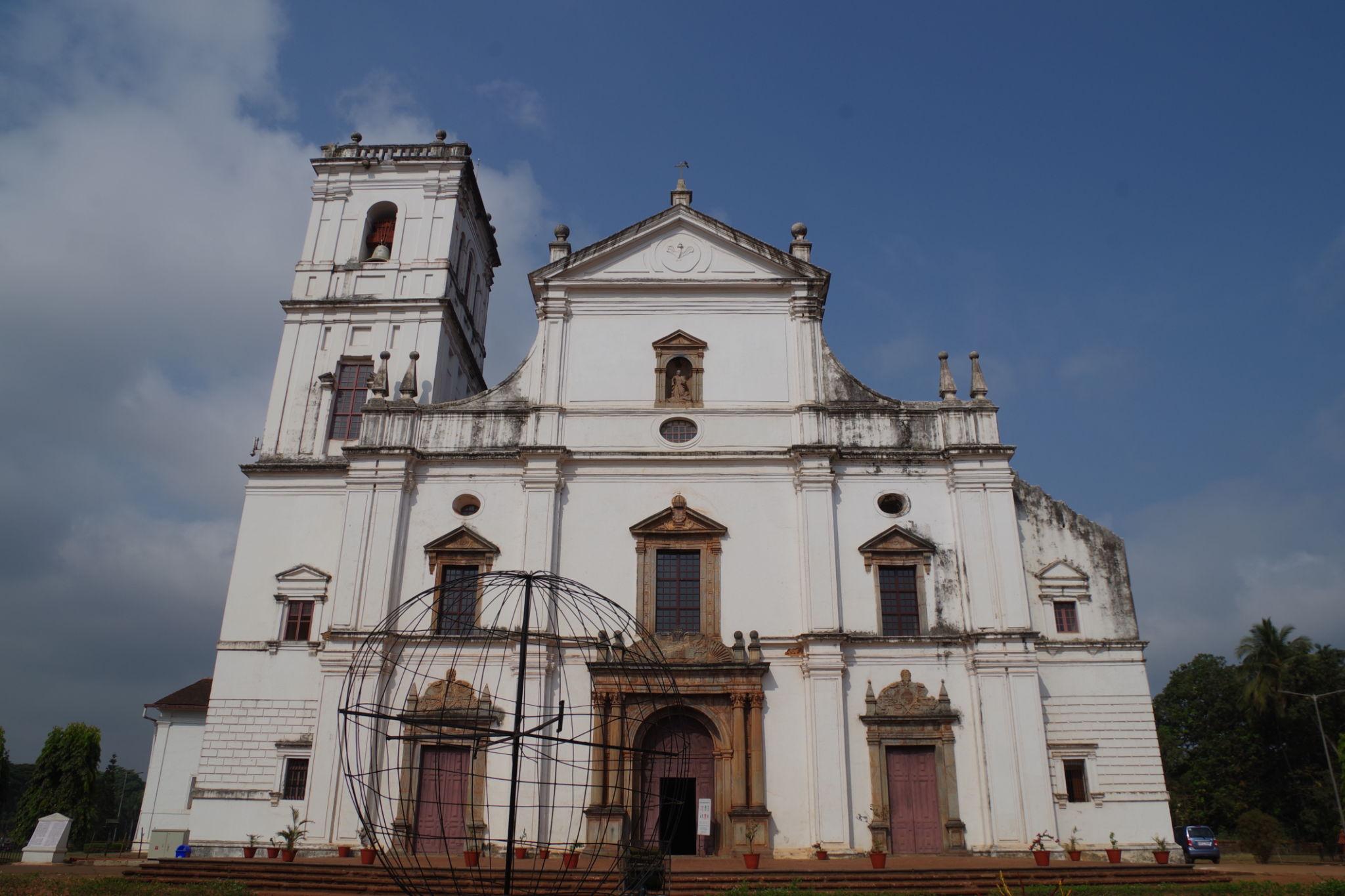
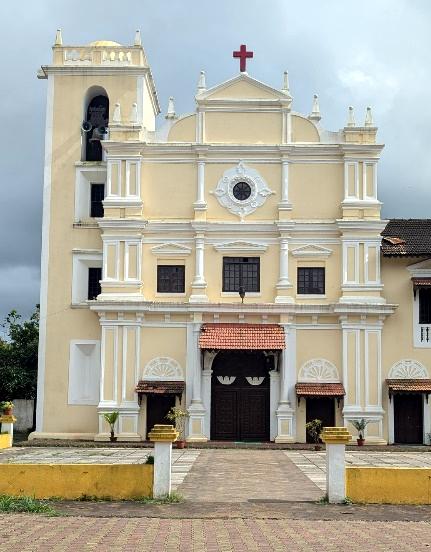
The Facade: The exterior is characterized by its stark white lime-plastered walls, which are a hallmark of Goan churches. The facade is divided into three horizontal levels (orders) and three vertical sections. It features elegant scrollwork, pilasters, and a central pediment topped with a cross. The use of laterite stone—a locally available reddish volcanic rock—as the core building material provides the structure with immense durability against the heavy Goan monsoons.
The Bell Tower: To the side of the main facade stands the belfry. The bells of Goan churches were historically used not just for religious calls but as a primary means of communication for the village, signaling emergencies, deaths, or celebrations. The bell tower at Bogmalo is integrated seamlessly into the structure, maintaining the symmetry that is vital to Portuguese ecclesiastical design.
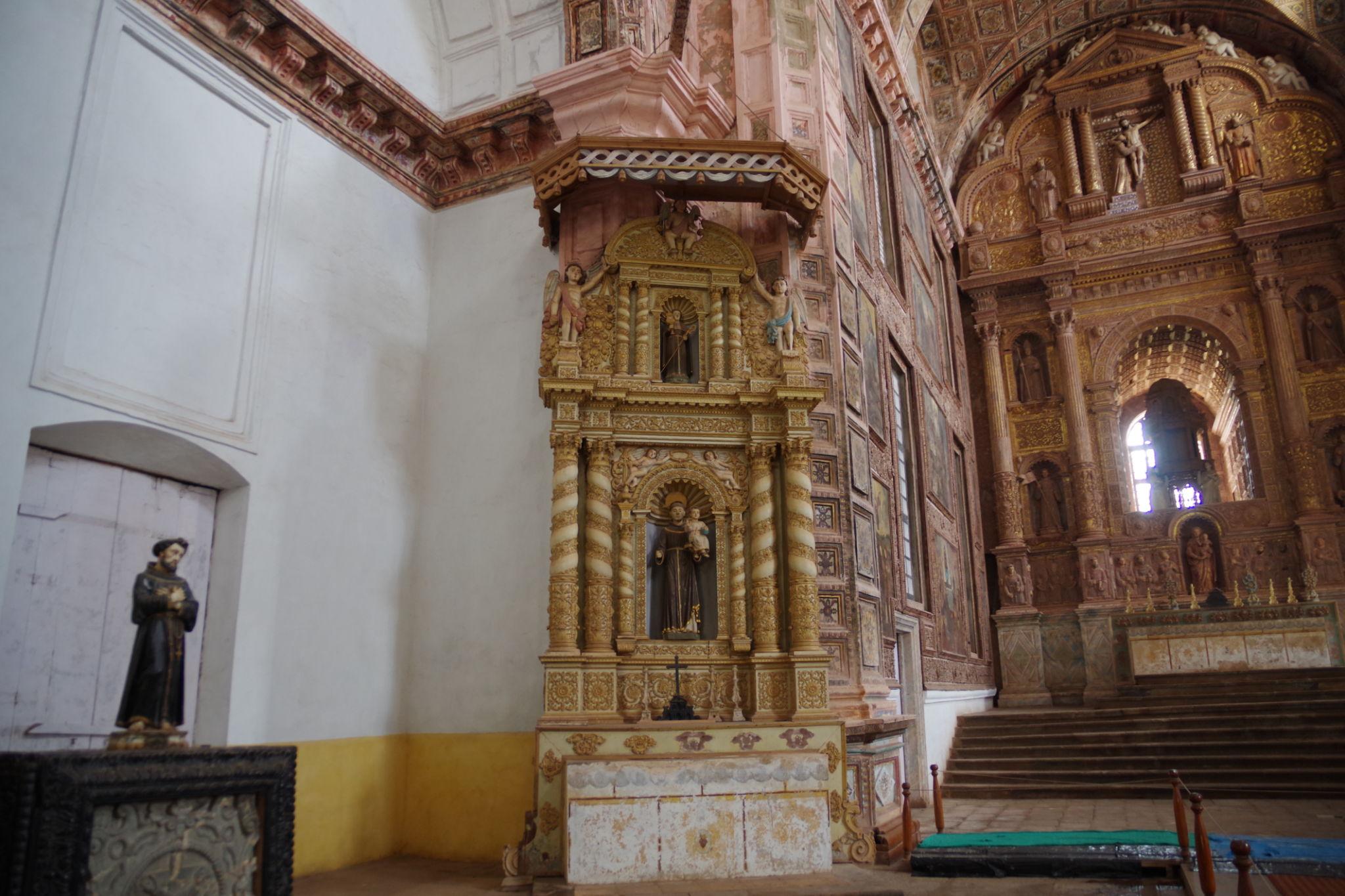
The Interior: Upon entering, visitors are greeted by a spacious nave with a high vaulted ceiling. The focus of the interior is the Reredos (altarpiece). The main altar is a masterpiece of woodcarving, adorned with gold leaf (gilded) and featuring intricate floral motifs and cherubs. In the central niche, the statues of St. Cosme and St. Damian are prominently displayed, often depicted holding medical instruments or scrolls. The side altars are equally impressive, dedicated to the Virgin Mary and other saints, showcasing the Rococo style that became popular in Goa during the later years of Portuguese rule. The floor is often laid with traditional patterned tiles or polished stone, reflecting the localized aesthetic of the 19th century.
Main Deity / Spiritual Importance
While the church is a Catholic house of worship dedicated to the Holy Trinity, the spiritual heart of the parish beats for its patron saints, St. Cosme and St. Damian. In the Goan spiritual landscape, saints are often viewed as "intercessors" or "advocates" who bring the prayers of the faithful to God. For the people of Bogmalo, these twin saints are more than historical figures; they are active guardians of the village's health.
The spiritual importance of the church is magnified by the local belief in the miraculous healing powers of the patrons. It is common to see devotees offering "milagres" (votive offerings) in the shape of human limbs or organs made of wax or silver. These offerings represent a prayer for healing a specific part of the body or a thanksgiving for a recovery already granted. This tradition bridges the gap between ancient Christian practices and local Goan customs.
Furthermore, the church serves as the moral and social anchor for the village. The spiritual life here revolves around the "Comunidade" system—a traditional Goan form of landholding and social organization. The church is where the community gathers for the most significant moments of life: baptisms, weddings, and funerals. The spiritual importance is thus not just theological but deeply communal, fostering a sense of identity and belonging among the Catholics of South Goa.
Festivals & Celebrations
The most vibrant time to visit St. Cosme and St. Damian's Church is during its annual feast day. The Feast of St. Cosme and St. Damian is celebrated with great pomp and religious fervor on September 26th. This festival is the highlight of the liturgical calendar for the Bogmalo parish and attracts devotees from across the Mormugao taluka.
- The Novenas: The celebrations begin nine days prior to the feast with the Novenas. Each day, a special themed Mass is held, often accompanied by the traditional "Ladainha" (Latin litany) sung by the village choir. These nine days are a period of spiritual preparation and community bonding.
- The Feast Day Mass: On September 26th, a High Mass is celebrated, usually presided over by a high-ranking member of the clergy from the Archdiocese of Goa. The church is beautifully decorated with fresh flowers, drapes, and festive lights.
- The Procession: Following the Mass, a solemn procession takes place. The statues of the twin saints are placed on a decorated palanquin and carried through the streets of Bogmalo. The procession is led by a brass band playing traditional hymns, with the faithful following behind in prayer.
- The Fete (Fair): Like any Goan feast, the religious services are accompanied by a lively fair. Temporary stalls are set up selling traditional Goan sweets like "khaje" (ginger-infused fried dough), "recheado" masala, copperware, and local handicrafts. It is a time of joy, where families host large lunches featuring traditional Goan Catholic cuisine like Sorpotel, Sanna, and Pulao.
Other significant celebrations include Holy Week and Easter, which are observed with deep solemnity, and Christmas, when the church is adorned with a large "Crib" (Nativity scene) that often incorporates local Goan elements.
Best Time to Visit
Choosing the right time to visit St. Cosme and St. Damian's Church depends on what kind of experience you are looking for. Goa’s tropical climate means the weather plays a significant role in your travel plans.
- The Winter Season (November to February): This is arguably the best time for general tourists. The weather is pleasant, with cool breezes and low humidity. It is the perfect time to explore the church and the nearby Bogmalo beach without the scorching heat. The Christmas season in December is particularly magical, with the church and village lit up.
- The Feast Season (September): If you want to experience the local culture and religious fervor, visiting in late September is a must. While the weather can be a bit unpredictable (the tail end of the monsoon), the energy of the feast is unmatched.
- The Monsoon Season (June to August): For those who love the "Green Goa," the monsoons offer a unique charm. The church’s white facade stands out brilliantly against the lush green surroundings. However, be prepared for heavy downpours which might limit outdoor exploration.
- The Summer Season (March to May): It can get quite hot and humid. If you visit during this time, it is best to go early in the morning or late in the evening to avoid the midday sun.
Timings, Entry Fee & Dress Code
To ensure a respectful and smooth visit, keep the following practical details in mind:
- Timings: The church is generally open for visitors from 6:30 AM to 12:30 PM and again from 3:30 PM to 7:00 PM. However, these times can vary based on the priest's schedule and liturgical requirements. It is best to visit during the morning or evening Mass times if you wish to participate in the service.
- Mass Schedule: Weekday Masses are typically held at 7:00 AM. On Sundays, there are usually multiple Masses, including one in English and one in Konkani (around 7:00 AM and 8:30 AM).
- Entry Fee: There is no entry fee to visit St. Cosme and St. Damian's Church. It is a place of worship open to people of all faiths. Donations for the upkeep of the church are welcomed but entirely voluntary.
- Dress Code: As this is a sacred religious site, a modest dress code is strictly expected. Both men and women should ensure their shoulders and knees are covered. Avoid wearing swimwear, sleeveless tops, or short skirts/shorts. Removing hats inside the sanctuary is customary for men.
How to Reach St. Cosme and St.Damian's Church
St. Cosme and St. Damian's Church is one of the most accessible religious sites in Goa, especially for those arriving by air.
- By Air: The church is located just 4 kilometers from the Dabolim International Airport (GOI). A taxi ride from the airport takes less than 10 minutes, making it an ideal first or last stop on your Goan itinerary.
- By Train: The nearest major railway station is Vasco da Gama, located about 8 kilometers away. From the station, you can easily hire an auto-rickshaw or a taxi to reach Bogmalo.
- By Road: Bogmalo is well-connected by road. If you are staying in Panjim (the capital), it is a 30-kilometer drive (approx. 45-60 minutes). From Margao, it is about 25 kilometers.
- Bus: Local buses run regularly from Vasco da Gama to Bogmalo. While they are affordable, they can be crowded.
- Taxi/App-based Cabs: You can use the GoaMiles app (the state-authorized taxi service) to book a ride. Private taxis are also readily available.
- Self-Drive: Many tourists rent scooters or cars. The drive to Bogmalo is scenic, passing through coastal roads and local neighborhoods.
Things to Do
While the church is the primary attraction, there are several things you can do to enrich your visit:
- Attend a Konkani Mass: Even if you don't understand the language, attending a Mass in Konkani is a beautiful way to experience the local culture and the rhythmic, musical nature of Goan liturgy.
- Architectural Photography: Capture the stunning exterior of the church. The contrast between the white walls and the blue sky is a photographer's delight. (Note: Photography inside during Mass is prohibited).
- Silent Meditation: The interior of the church is incredibly peaceful. Spend 15 minutes in silent reflection to truly absorb the spiritual energy of the place.
- Explore the Village: Take a walk through the Bogmalo village lanes. You will see traditional Goan houses with balcãos (porches) and vibrant gardens.
- Light a Candle: It is a common practice to light a candle at the side altars as a symbolic gesture of prayer or remembrance.
- Interact with Locals: If you visit during a festival or after a Sunday Mass, strike up a conversation with the parishioners. They are often happy to share stories about the church's history.
Nearby Attractions
The area surrounding St. Cosme and St. Damian's Church is packed with interesting spots that can be combined into a full-day trip:
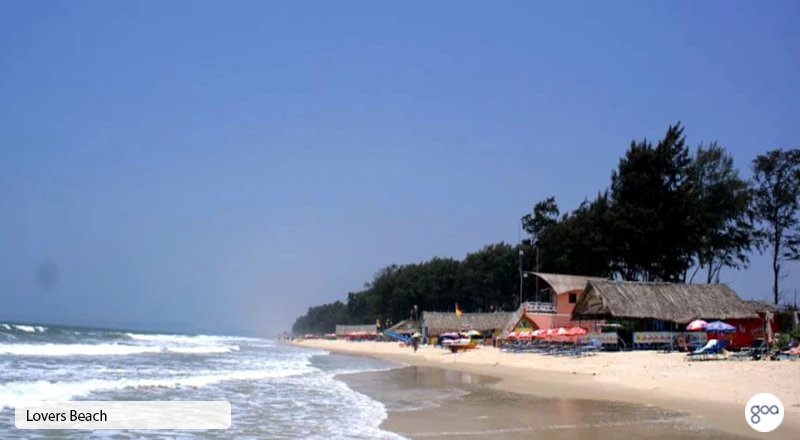
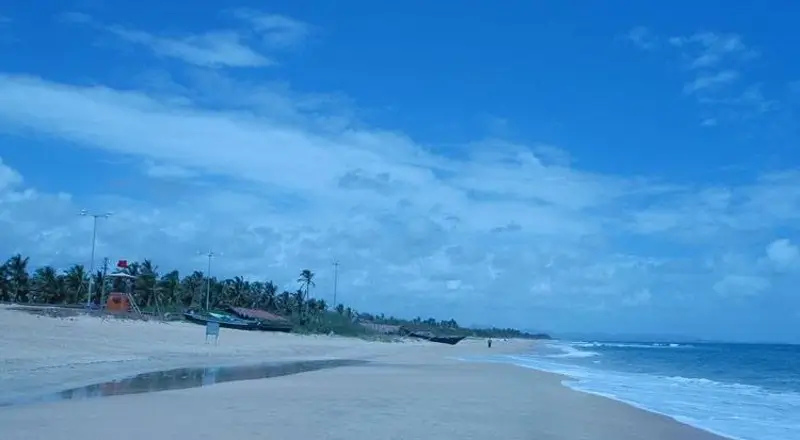
- Bogmalo Beach: Just a 5-minute walk from the church, this is a beautiful, crescent-shaped sandy beach. It is perfect for a swim or a sunset stroll.
- Naval Aviation Museum: Located about 2 kilometers away, this is one of the only two naval aviation museums in India. It features vintage aircraft, engines, and giant flying machines. It is a must-visit for families and history buffs.
- Heart Shaped Lake: A short trek from the Bogmalo cliffside leads you to this natural lagoon that is shaped remarkably like a heart. It offers stunning views of the Arabian Sea.
- Hollant Beach: A quieter, more secluded beach located about 5 kilometers away, known for its shallow waters and lack of waves, making it ideal for a peaceful dip.
- Vasco da Gama City: Explore the port city, visit the St. Andrew's Church (another architectural marvel), and enjoy the local municipal market.
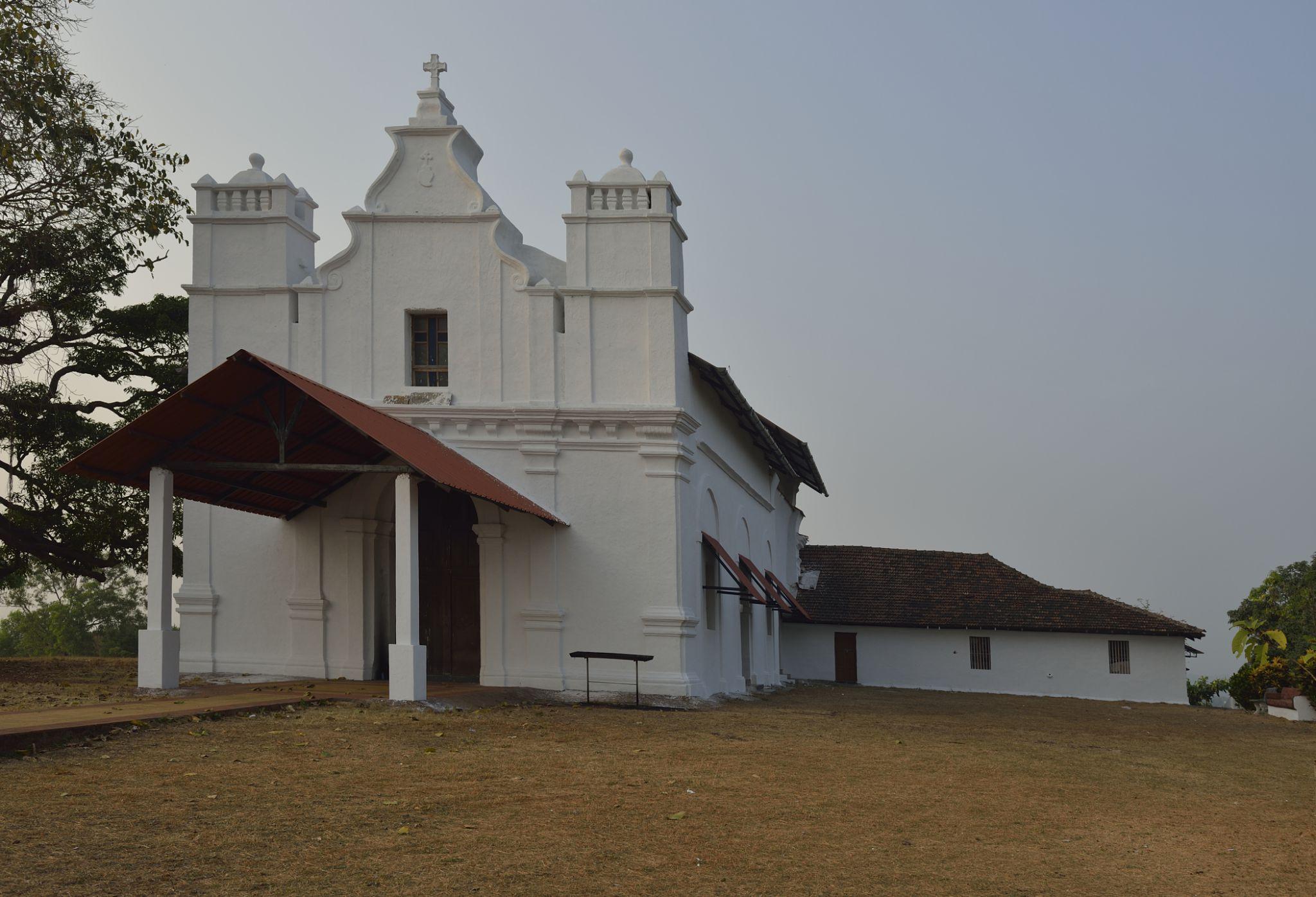
- Three Kings Chapel: Located in Cuelim (about 15 minutes away), this chapel is famous for its panoramic views and the local legends surrounding it.
Photography & Visitor Guidelines
To maintain the sanctity of the church and ensure a pleasant experience for everyone, please adhere to these guidelines:
- Respect the Liturgy: Avoid taking photos or videos during an active Mass. The flash and noise can be very distracting to those in prayer.
- Interior Photography: While exterior photography is usually encouraged, always ask for permission before photographing the main altar or specific religious icons inside. Some churches in Goa have strict "no photography" rules for the interior to protect the gilded wood from light damage.
- Maintain Silence: Even if a service is not in progress, people often come to the church for private prayer. Keep your voice low and turn your mobile phone to silent mode.
- Do Not Touch Artifacts: The altars and statues are centuries old. The oils from human skin can damage the gold leaf and ancient wood. Please refrain from touching the religious relics.
- Littering: Ensure you do not leave any trash on the church grounds. Use the provided bins.
- Drone Usage: Using drones near the church is generally restricted due to its proximity to the Dabolim Airport (a naval airbase). Flying drones in this area can lead to legal complications.
Where to Eat Nearby
Bogmalo is famous for its culinary scene, ranging from humble beach shacks to fine-dining restaurants. After your visit to the church, try these local favorites:
- Joet’s Bar & Restaurant: Located right on Bogmalo Beach, this is an institution. They serve excellent seafood, including Goan fish curry, butter garlic prawns, and calamari.
- Claudi’s Corner: A great spot for authentic Goan Catholic dishes. Their Beef Roulade and Pork Sorpotel are highly recommended.
- Full Moon Restaurant: A cozy place known for its relaxed vibe and delicious tandoori items as well as Goan specialties.
- Tony’s Beach Corner: Perfect for a quick snack or a chilled beer while watching the waves.
- Local Bakeries: Keep an eye out for local "Poder" (bakers) on cycles selling fresh Poi (Goan bread), Pao, and Bol.
Accommodation Nearby
Since the church is near the airport and a popular beach, there are plenty of stay options:
- Heritage Village Resort & Spa: A luxury option located very close to the church. It offers a traditional Goan village feel with modern amenities.
- Bogmallo Beach Resort: A high-end resort located right on the beachfront, offering stunning views and premium service.
- Coconut Creek Resort: A boutique resort known for its tranquil setting and beautiful pool area.
- Guesthouses and Homestays: There are numerous budget-friendly guesthouses in the Bogmalo village area, such as Royal Suite or Arudra at the Beach, which offer a more local experience.
Travel Tips
- Hydration is Key: Goa is humid. Always carry a bottle of water with you.
- Footwear: Wear comfortable walking shoes or sandals that are easy to slip off, as you may need to remove them in certain areas of the parish complex.
- Local Transport: If you are traveling from Vasco, the local buses are very cheap (around ₹10-20), but they stop running after 7:00 PM.
- Sun Protection: Use sunscreen and carry an umbrella. The umbrella is useful for both the sun and the sudden Goan rain showers.
- Respect Local Customs: Goans are very proud of their religious heritage. Being polite and respectful goes a long way in making your visit memorable.
- Language: Most locals speak Konkani and English. Knowing a few basic Konkani words like "Dev Borem Korum" (Thank you / God bless you) will earn you warm smiles.
Conclusion
The St. Cosme and St. Damian's Church in Bogmalo is more than just a historical monument; it is a living, breathing testament to the enduring faith and rich cultural synthesis of Goa. Its whitewashed walls hold stories of centuries past, while its vibrant festivals continue to bring the community together in a display of joy and devotion. Whether you are visiting to seek the blessings of the "healing twins," to admire the intricate Baroque carvings, or simply to find a moment of peace away from the tourist trail, this church offers a deeply rewarding experience.
As you stand before its elegant facade, listening to the distant sound of the Arabian Sea and the rustle of palm leaves, you realize that this is where the true heart of Goa lies—in the quiet villages, the ancient traditions, and the unwavering spirit of its people. Make sure to include this gem in your South Goa itinerary for a journey that nourishes both the eyes and the soul.