St. Anne's Church

St. Anne's Church

4.8 2,060 Verified
Church South Goa

Quick Navigation

Explore sections of this guide

Overview of St. Anne's Church

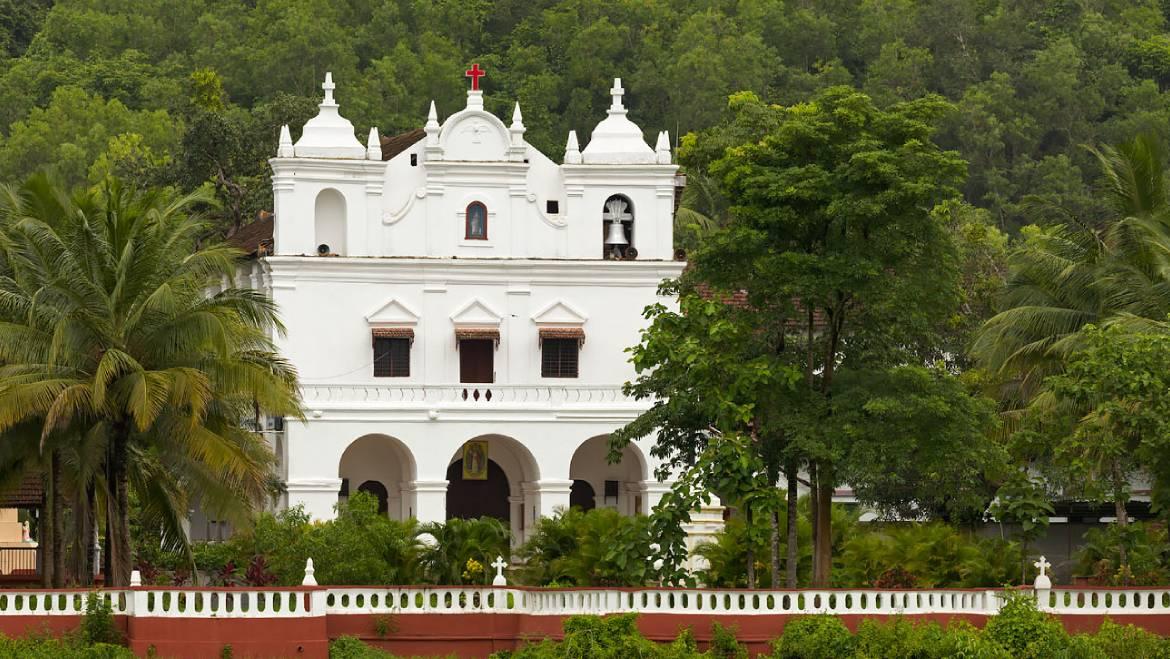
Nestled in the quiet, verdant village of Talaulim in the Tiswadi taluka of Goa, St. Anne's Church, also known as the Church of Santana, stands as a monumental testament to the grandeur of Portuguese-Goan religious architecture. Often overshadowed by the more famous basilicas of Old Goa, this hidden gem is a masterpiece of the Indian Baroque style and is recognized as a National Monument by the Archaeological Survey of India (ASI). The church is situated on the banks of the Siridao River, providing a serene backdrop that enhances its spiritual and aesthetic appeal. Unlike the bustling tourist hubs of North Goa, St. Anne's Church offers a profound sense of tranquility, inviting pilgrims and history enthusiasts to delve into the rich tapestry of Goa’s colonial past. The structure is not merely a place of worship but a living chronicle of 17th-century craftsmanship, local legends, and deep-seated faith that has survived centuries of change. Visitors are often struck by its sheer scale—a massive, whitewashed edifice that rises dramatically above the surrounding coconut groves and traditional Goan houses. It serves as the heart of the Talaulim community, anchoring the village's identity through its annual traditions and historical prestige. For those seeking to explore the "real" Goa, away from the beaches, St. Anne's Church is an essential stop that perfectly encapsulates the blend of European architectural influence and local cultural sensibilities.

History & Religious Significance

The history of St. Anne's Church is steeped in divine intervention and the expansion of the Jesuit mission in the 17th century. The original foundation was a small chapel built around 1577 by the first converts of the village. However, the grand structure we see today was commissioned in 1681 and completed in 1695 under the supervision of Father Francisco do Rego and later finished by Father Antonio Francisco da Cunha. The church is dedicated to Saint Anne, the mother of the Virgin Mary and the grandmother of Jesus Christ. The religious significance of the site is deeply tied to a local legend involving two miraculous sightings. According to folklore, a local Brahmin woman claimed to have seen an elderly woman wearing a hat and carrying a staff while walking down a nearby hill. The elderly woman told the Brahmin woman that her name was Anne and that she wished to reside in the village. Simultaneously, a priest named Father Francisco do Rego had a similar vision of St. Anne while he was resting. These dual visions were interpreted as a divine command to build a grand church in her honor. Over the centuries, the church became a focal point for the "Santana" devotion in Goa. It played a crucial role in the spiritual life of the Tiswadi region, particularly during the Portuguese era when it was one of the largest parishes. Despite facing periods of neglect and structural decay due to the humid tropical climate, the church has undergone significant restoration efforts to preserve its historical and spiritual legacy. Today, it remains a site of immense reverence, particularly for families and couples, who look to St. Anne as a patroness of domestic harmony and fertility.

Architecture of St. Anne's Church

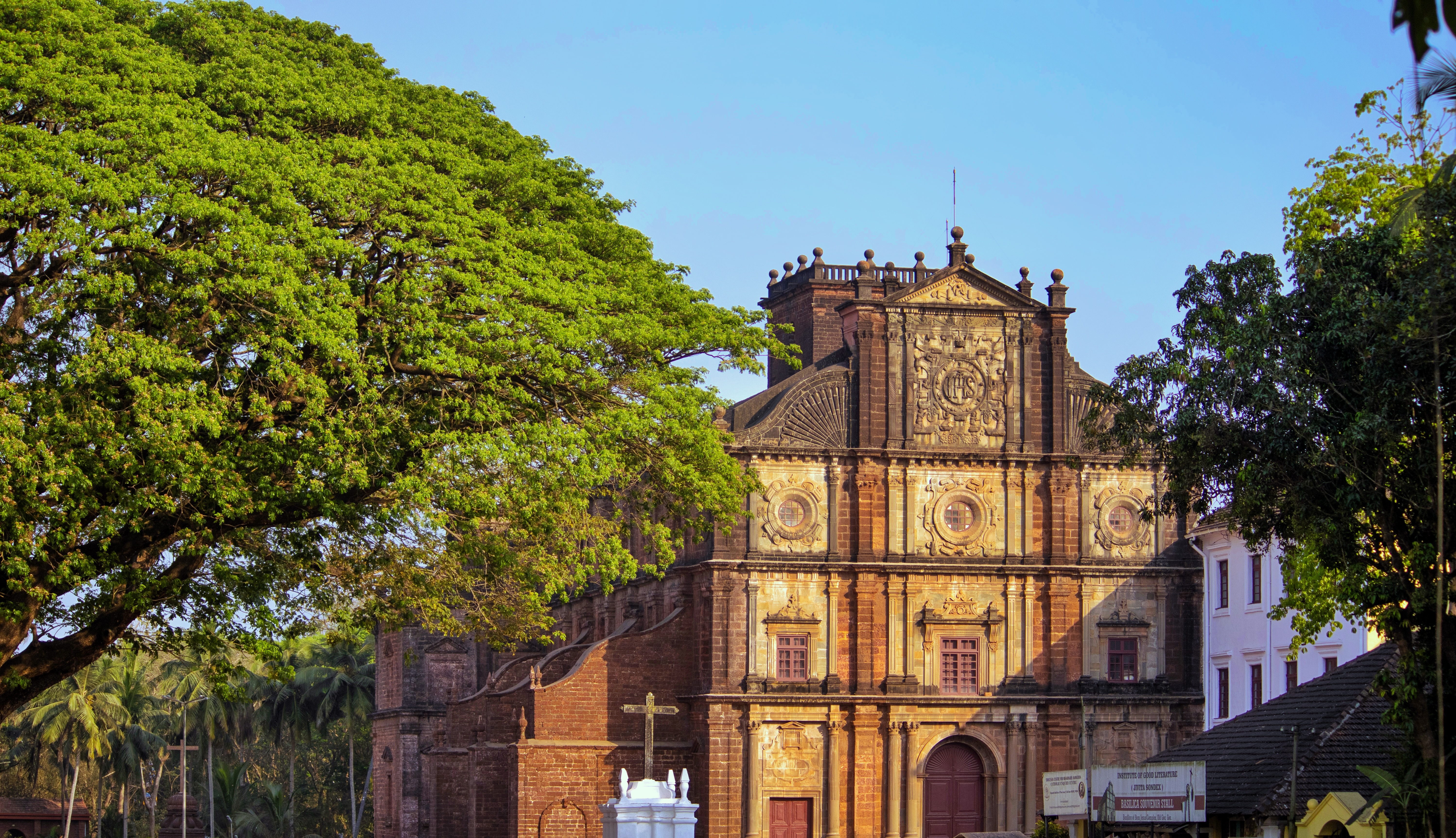
The Architecture of St. Anne's Church is widely regarded as one of the finest examples of Indian Baroque architecture in Asia. The church follows a cruciform plan, but it is the external facade and the internal vaulting that truly distinguish it. The facade is divided into five stories, featuring a central section flanked by two massive bell towers. The intricate carvings on the exterior are not merely decorative; they represent a fusion of European Baroque motifs with local Indian craftsmanship. You will notice cherubs, floral patterns, and scrolls that are characteristic of the period, yet executed with a distinct Goan flair using local laterite stone covered in a thick layer of lime plaster. One of the most striking features is the barrel-vaulted ceiling, which is one of the largest of its kind in Goa. The interior is spacious and designed to evoke a sense of awe, with high ceilings that were technologically advanced for the late 17th century. The main altar is a magnificent piece of gilded woodwork, showcasing the Rococo influence that succeeded the Baroque era. It features detailed sculptures of St. Anne and other saints. The side altars are equally impressive, dedicated to various aspects of the life of Christ and the Virgin Mary. The church also features unique acoustics, designed to amplify the Gregorian chants that were common during the Portuguese liturgy. The flooring consists of traditional stone slabs, many of which mark the graves of prominent local families and clergy, a common practice in historic Goan churches. The windows are strategically placed to allow natural light to illuminate the gilded altars during the morning mass, creating a celestial atmosphere that enhances the spiritual experience of the faithful.

Main Deity / Spiritual Importance

The primary figure of devotion at this site is St. Anne (Santana). In Catholic tradition, St. Anne is revered as the mother of the Blessed Virgin Mary. In the context of Goan spirituality, St. Anne is viewed as the ultimate matriarch—a figure of wisdom, protection, and intercession. The spiritual importance of this church extends beyond the local parish; it is a pilgrimage site for people across Goa and even neighboring states. St. Anne is specifically sought after by childless couples who pray for the gift of a child, as she herself was said to have conceived Mary after years of infertility. This has led to the church being colloquially known as a place of "miraculous fertility." Furthermore, St. Anne is considered the patroness of grandparents and the elderly, reflecting her role in the Holy Family. The spiritual energy of the church is most palpable during the novenas leading up to her feast day. Devotees often bring offerings of candles, flowers, and traditional Goan sweets. There is also a strong belief in the "protection of the household" associated with St. Anne, and many locals keep an image of the Santana Church in their homes to ward off evil and ensure prosperity. The presence of the Virgin Mary and St. Joachim (St. Anne's husband) in the iconography of the church reinforces the theme of the "Sanctity of the Family," making it a cornerstone of Goan Catholic social and spiritual life.

Festivals & Celebrations

The most famous event associated with this church is the Touceamachem Fest (the Cucumber Festival), celebrated on the 29th of July or the Sunday following the feast of St. Anne (July 26th). This unique festival attracts thousands of devotees from all walks of life. The name "Touceamachem" is derived from the Konkani word for cucumber, touceam. During this festival, childless couples visit the church to seek the blessings of St. Anne. The tradition involves a fascinating symbolic gesture: couples offer cucumbers to the saint. The phrase "Senhora, tomai este pepino e dai-me um menino" (Lady, take this cucumber and give me a boy) or "Senhora, tomai este pepino e dai-me uma menina" (Lady, take this cucumber and give me a girl) is often recited. Why cucumbers? Historically, cucumbers were the first harvest of the season in the village of Talaulim, and offering the "first fruits" is an ancient biblical tradition. Today, the festival is a vibrant affair with a large fair (feira) outside the church selling traditional Goan snacks like khaje, ladoos, and copperware. Apart from the Cucumber Festival, the church celebrates the Feast of St. Anne with traditional solemnity, including a high mass and a procession where the statue of the saint is carried through the village streets. The Lenten season is also observed with great devotion, featuring the "Way of the Cross" and special evening services that draw the local community together in reflection and penance.

Best Time to Visit

Determining the best time to visit St. Anne's Church depends on whether you are looking for spiritual fervor or quiet architectural appreciation.

  • July (Monsoon Season): This is the most significant time to visit if you want to experience the Touceamachem Fest. The atmosphere is electric, the village is lush green from the rains, and you get to witness authentic Goan traditions. However, be prepared for heavy rain and large crowds.

  • November to February (Winter Season): This is the ideal time for general tourists. The weather in Goa is pleasant, with cool breezes and clear skies, making it perfect for exploring the intricate details of the church's exterior without the sweltering heat.
  • Holy Week (March/April): Visiting during Easter or Holy Week allows you to see the church in its most solemn state, decorated for the passion and resurrection of Christ.
  • Early Morning: Regardless of the month, visiting around 7:30 AM to 9:00 AM is recommended to catch the morning light hitting the facade and to experience the peacefulness of the village before the day warms up.
Avoid visiting during the peak afternoon hours (1:00 PM to 3:30 PM) as the sun can be quite harsh, and the church doors might be closed for the afternoon break.

Timings, Entry Fee & Dress Code

To ensure a respectful and smooth visit to St. Anne's Church, please keep the following logistical details in mind:

  • Timings: The church is generally open for visitors from 9:00 AM to 12:00 PM and from 3:00 PM to 5:00 PM. Mass timings are usually early in the morning (around 7:00 AM) on weekdays and multiple times on Sunday mornings. It is advisable to check locally as timings can shift during feast days.
  • Entry Fee: There is no entry fee to visit St. Anne's Church. It is a place of worship open to all. However, donations for the maintenance of the historic structure are always welcomed by the parish office.
  • Dress Code: As this is a sacred religious site, a modest dress code is strictly enforced. Visitors should avoid wearing sleeveless tops, short skirts, or hot pants. Shoulders and knees should be covered. If you are dressed in beachwear, it is recommended to carry a sarong or shawl to wrap around before entering the sanctuary.
  • Special Note: Photography inside the church during mass is prohibited. Always ask for permission from the sacristan or priest if you wish to take detailed photos of the altars when mass is not in session.

How to Reach St. Anne's Church

St. Anne's Church is located in Talaulim, which is about 12 kilometers from the capital city, Panaji. Reaching this location requires some planning as it is off the main tourist highway.

  • By Road (Self-Drive/Taxi): The most convenient way is to hire a taxi or rent a scooter from Panaji or Old Goa. From Panaji, you head towards Ribandar and then take the road towards Corlim or Curca. The route through the village of Pilar is also very scenic. Use GPS for "St. Anne's Church, Talaulim," as the village roads can be narrow and winding.
  • By Bus: You can take a local bus from the Panaji KTC Bus Stand heading towards Agassaim or Pilar and get off at the nearest junction. From there, you may need to take an auto-rickshaw or a motorcycle taxi (locally known as a Pilot) to reach the church.
  • From the Airport: Dabolim Airport is approximately 25 kilometers away. A pre-paid taxi from the airport will take about 45-60 minutes depending on traffic.
  • From Railway Stations: The nearest major railway station is Karmali (Old Goa), which is just 5-6 kilometers away. From Karmali, a quick taxi or rickshaw ride will bring you to the church in 15 minutes.
The journey itself is beautiful, passing through traditional Goan khazan lands (reclaimed salt marshes) and old Portuguese-style villas.

Things to Do

While the church is the primary attraction, there are several ways to enrich your visit to Talaulim:

  • Architectural Photography: Capture the stunning five-story facade and the intricate plasterwork. The play of light and shadow on the laterite walls provides excellent opportunities for photography.
  • Attend a Mass: To truly feel the spiritual pulse of the place, attend a morning mass in Konkani. The community singing and the traditional rituals provide a deep cultural insight.
  • Explore the Village: Take a walk through the village of Talaulim. It is one of the few places in Goa that still retains a slow, old-world charm. Look for the traditional Balcãos (porches) on the houses.
  • Bird Watching: The nearby Siridao River and the surrounding marshlands are home to various species of kingfishers, egrets, and herons. It is a quiet spot for nature lovers.
  • Participate in the Cucumber Festival: If you visit in July, join the locals in the cucumber offering ritual. Even if you aren't seeking a miracle, the cultural vibrancy is worth witnessing.
  • Meditation: The interior of the church, with its massive proportions and silence, is an excellent place for quiet reflection and meditation.

Nearby Attractions

Combining your visit to St. Anne's Church with other nearby sites makes for a perfect day trip through the Tiswadi region:

  • Old Goa (Velha Goa): Just a 15-minute drive away, this UNESCO World Heritage site houses the Basilica of Bom Jesus and the Se Cathedral. It is the historical heart of Christian Goa.
  • Pilar Monastery: Located on a hilltop in the nearby village of Pilar, this monastery offers panoramic views of the Zuari River and the Mormugao harbor. It also has a fascinating museum of Christian art and artifacts.
  • Carambolim Lake: A haven for migratory birds, this lake is very close to the Karmali railway station and is a must-visit for eco-tourists and photographers.
  • Divar Island: Take a ferry from nearby Ribandar to explore this island, known for its scenic beauty, old villas, and the Church of Our Lady of Compassion.
  • Gandaulim Ferry: A short distance away, you can experience a traditional Goan ferry ride that connects the mainland to the islands, offering a unique perspective of the riverine landscape.

Photography & Visitor Guidelines

To preserve the sanctity and the physical integrity of St. Anne's Church, visitors are requested to follow these guidelines:

  • Respect the Silence: Even if a service is not in progress, people often come here for private prayer. Keep your voice low and avoid using mobile phones inside the sanctuary.
  • Photography Rules: While photography is generally allowed outside, please be discreet inside. Flash photography is often discouraged as it can damage the ancient pigments on the altars and paintings. Using tripods inside may require special permission from the parish priest.
  • Do Not Touch: The altars and statues are hundreds of years old. Oils from human hands can cause deterioration of the wood and gold leaf. Refrain from touching any artifacts.
  • Littering: Talaulim is a clean, traditional village. Ensure you carry back any trash and do not leave plastic bottles or wrappers on the church grounds.
  • Interacting with Locals: The villagers are friendly but private. Always ask for permission before taking photos of people or their private homes.

Where to Eat Nearby

Talaulim is a quiet residential village, so you won't find large commercial restaurants right next to the church. However, there are excellent options within a short drive:

  • Local Tavernas: You can find small local bars and shops in the village that serve Goan snacks like samosas, pao-bhaji, and tea.
  • Old Goa Eateries: About 5 km away, there are several restaurants near the Basilica of Bom Jesus serving both Goan Catholic and Hindu cuisine. Look for places serving Fish Curry Rice or Chicken Cafreal.
  • Panaji Restaurants: For a fine dining experience, head back to Panaji (12 km). Viva Panjim or The Horse Shoe offer authentic Goan flavors in a heritage setting.
  • Pilar Seminary Canteen: Often overlooked, the canteen at Pilar provides simple, clean, and very affordable meals with a great view.
It is highly recommended to carry a bottle of water and some light snacks, as the local shops may have limited inventory.

Accommodation Nearby

Most visitors stay in the more developed parts of Goa and visit Talaulim as a day trip. However, for a more immersive experience, consider these options:

  • Heritage Homestays: There are several restored Portuguese-era villas in the nearby villages of Raia, Loutolim, and Old Goa that offer a boutique stay experience.
  • Panaji Hotels: The capital city offers everything from budget hostels to luxury hotels like the Vivanta by Taj or Marriott Resort. It is a central base for exploring Tiswadi.
  • Old Goa Residencies: The Goa Tourism Development Corporation (GTDC) runs a residency in Old Goa which is functional and very close to the historical sites.
  • Wellness Retreats: Some eco-resorts and wellness retreats are tucked away in the lush interiors of Ponda and Tiswadi, providing a peaceful environment close to nature.

Travel Tips

To make the most of your journey to St. Anne's Church, consider these professional travel tips:

  • Combine with Old Goa: Since St. Anne's is relatively small to explore, plan it as the first stop of a larger "Heritage Day" that includes Old Goa and Pilar.
  • Hire a Local Guide: If possible, find a guide who specializes in Goan Christian History. The stories behind the carvings and the specific Jesuit history of this church are fascinating and often not found in standard guidebooks.
  • Check the Weather: If visiting during the monsoon (July), ensure you have sturdy waterproof footwear as the village paths can get muddy.
  • Transport: Don't rely on ride-hailing apps like Uber or Ola, as they are not widely available in Goa. Use Goa Miles (the local app) or pre-arrange a taxi for a round trip, as finding a return taxi from Talaulim can be difficult.
  • Respect Local Customs: If you see a wedding or a funeral taking place, it is best to wait until the ceremony is over before entering the church for sightseeing.

Conclusion

St. Anne's Church in Talaulim is far more than just another colonial structure in Goa; it is a profound monument to faith, history, and the unique cultural synthesis that defines this coastal state. From its miraculous legendary origins to its status as a pinnacle of Indian Baroque architecture, the church offers a deep and rewarding experience for any traveler. Whether you are a devotee coming to offer a cucumber in hopes of a miracle, an architecture student marveling at the barrel-vaulted ceilings, or a traveler seeking the quiet soul of "Old Goa," St. Anne's Church delivers an unforgettable experience. It stands as a silent witness to the centuries of Goan history, surviving the elements and the passage of time to remind us of the artistic and spiritual heights achieved by previous generations. As you stand before its towering white facade or sit in the cool silence of its nave, you are not just visiting a tourist site—you are connecting with the very heart of Goan heritage. A visit here is a journey into the past, a moment of spiritual peace, and a testament to the enduring power of community and belief. Make sure to include this magnificent "National Monument" in your Goa itinerary to truly understand the depth and beauty of the region's religious landscape.

Photo Gallery

St. Anne's Church Gallery Image

User Reviews

4.8
2060 Reviews
5
85%
4
10%
3
3%
2
1%
1
1%

Login to post a review

Join the community to share your spiritual experiences.

Login / Sign Up

Location Details

Address
St Anne's Church, Talaulim, Tiswadi, Goa 403110, India
Visiting Hours
All year round

Share Peace

Share this spiritual guide with your friends and family on WhatsApp!

Share Now

Nearest Beaches from St. Anne's Church

Nearest Forts from St. Anne's Church

Nearest Waterfalls from St. Anne's Church

Nearby Nightlife from St. Anne's Church