Explore sections of this guide
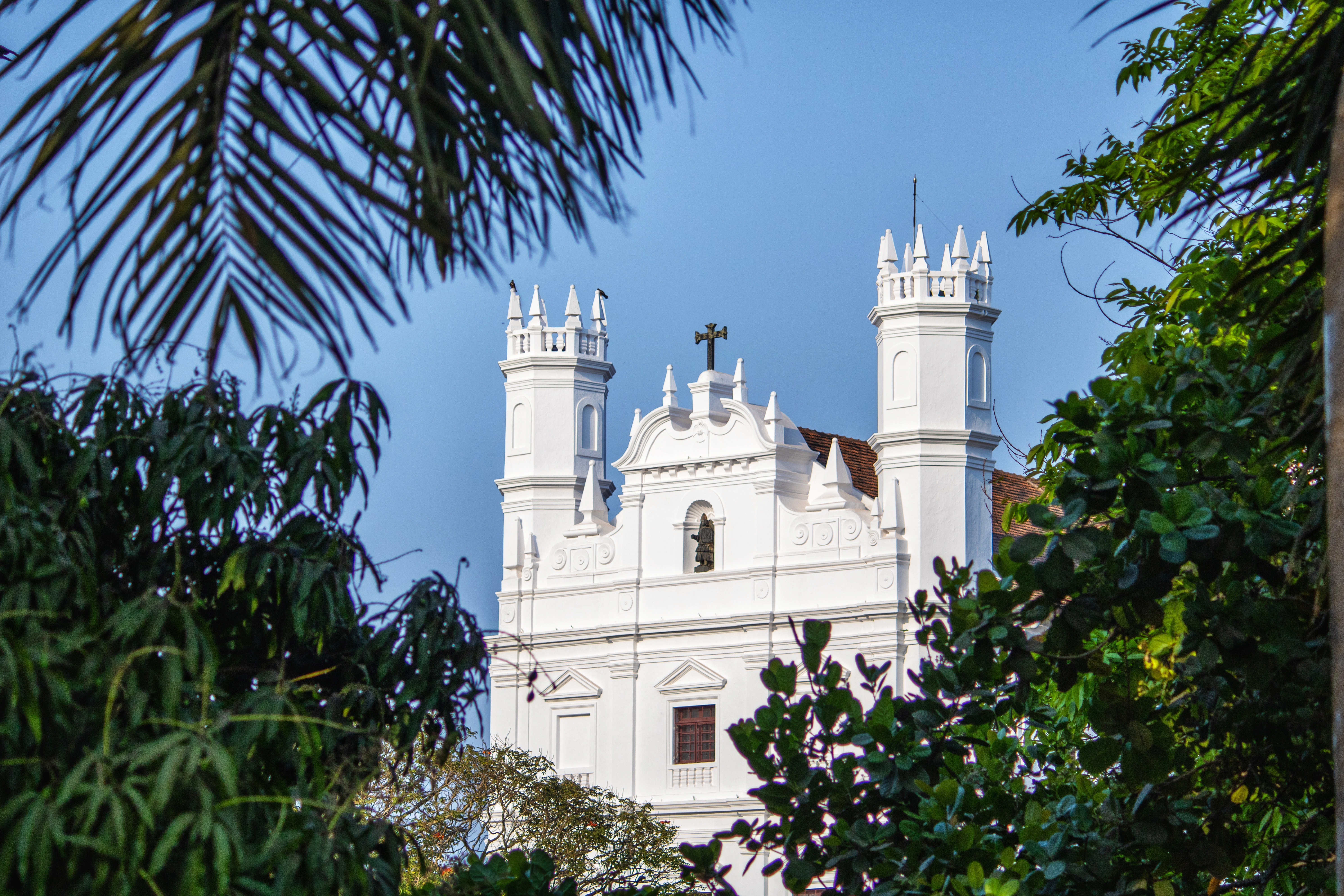
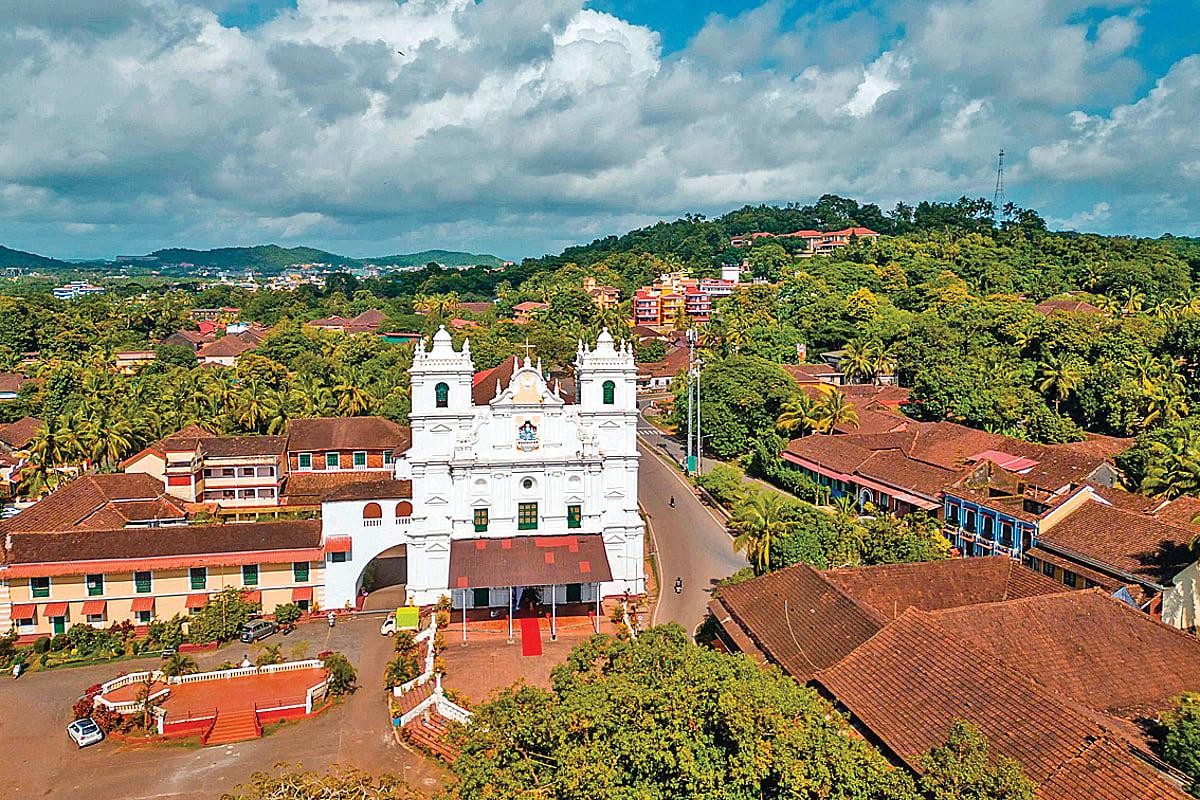
The Holy Cross Church, locally known as the Santa Cruz Church, stands as a majestic sentinel of faith in the heart of the village of Santa Cruz (also known as Calapor), just a few kilometers away from Goa's capital, Panjim. As a professional travel writer who has traversed the length and breadth of this emerald land, I find that few places capture the quintessential Goan spirit as authentically as this parish. This is not merely a building of stone and mortar; it is the beating heart of one of the largest and most vibrant Catholic communities in the state. The church serves as a central landmark, its whitewashed facade gleaming under the tropical sun, surrounded by the lush greenery and traditional Indo-Portuguese houses that define the village landscape.
Visiting the Holy Cross Church offers a profound insight into the socio-religious fabric of Goa. Unlike the more tourist-heavy basilicas of Old Goa, Santa Cruz Church provides a more intimate, local experience. Here, you will witness the daily rhythms of Goan life—the ringing of the church bells signaling the Angelus, the elderly women in their Sunday best carrying rosaries, and the bustling village square that comes alive during feast days. The church is a symbol of the synthesis between European architectural influences and local Goan sensibilities, a theme that resonates throughout the village. For any traveler seeking to go beyond the beaches and delve into the spiritual heritage of Goa, this church is an essential stop on the itinerary.
The village of Santa Cruz itself is steeped in history, and the church is its crowning jewel. Its presence has shaped the identity of the "Calaporkars" (the residents of Calapor) for centuries. Whether you are an architecture enthusiast, a history buff, or a pilgrim seeking solace, the Holy Cross Church offers a multi-layered experience. It is a place where the air is thick with the scent of incense and the echoes of centuries-old hymns, inviting visitors to pause, reflect, and appreciate the enduring legacy of faith in this coastal paradise.
The history of the Holy Cross Church in Santa Cruz is a fascinating journey through the colonial era of Goa. The origins of this sacred site date back to the 16th century, a period of intense missionary activity following the Portuguese conquest of Goa in 1510. The original structure was a modest chapel, established around 1547. As the local population embraced Christianity, the need for a larger place of worship became evident. Consequently, the parish was officially erected in 1582, making it one of the older parishes in the Archdiocese of Goa and Daman.
Discover 10 fascinating facts about Goa from Portuguese history & architecture to hidden beaches, cheap alcohol secrets, and more.
During the 16th and 17th centuries, the Jesuits played a pivotal role in the administration and spiritual life of the parish. They were instrumental in establishing the educational and social foundations of the village. The church we see today, however, is the result of several renovations and reconstructions over the centuries. The most significant of these occurred in the late 19th century and early 20th century, which gave the church its current Neo-Roman architectural character. These changes reflect the evolving aesthetic tastes of the time, moving from the simpler, more austere designs of the early missionary period to the more ornate and grand styles of the later colonial era.
The religious significance of the Holy Cross Church is deeply rooted in its dedication to the Holy Cross. In the Goan Catholic tradition, the Cross is not just a symbol of the crucifixion but a protective emblem that guards the village against misfortune. The "Santa Cruz" (Holy Cross) name itself carries immense weight, symbolizing the redemptive power of Christ. Over the centuries, the church has been a site of numerous reported miracles and answered prayers, further cementing its status as a major pilgrimage site for locals. It has stood resilient through political shifts, from the end of the Portuguese monarchy to the liberation of Goa in 1961, remaining a constant source of spiritual strength for the community. The church also holds historical records—baptisms, marriages, and deaths—that are a goldmine for genealogists tracing Goan ancestry back several generations.
Goa is India's most popular beach destination and attracts millions of domestic and international tourists every year. One of the most common questions tra...
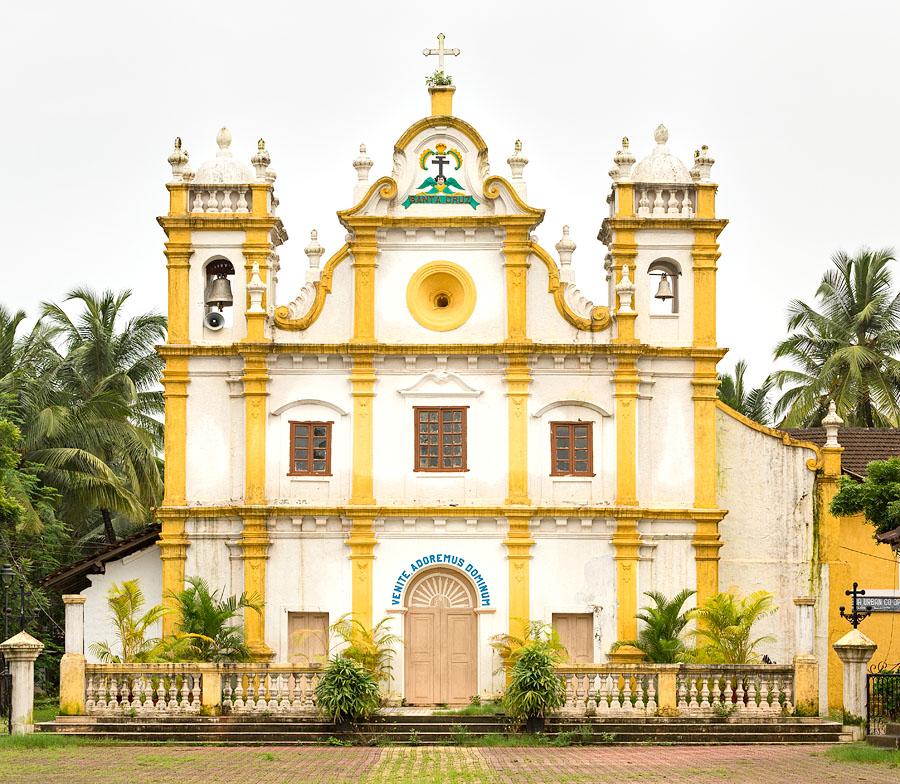
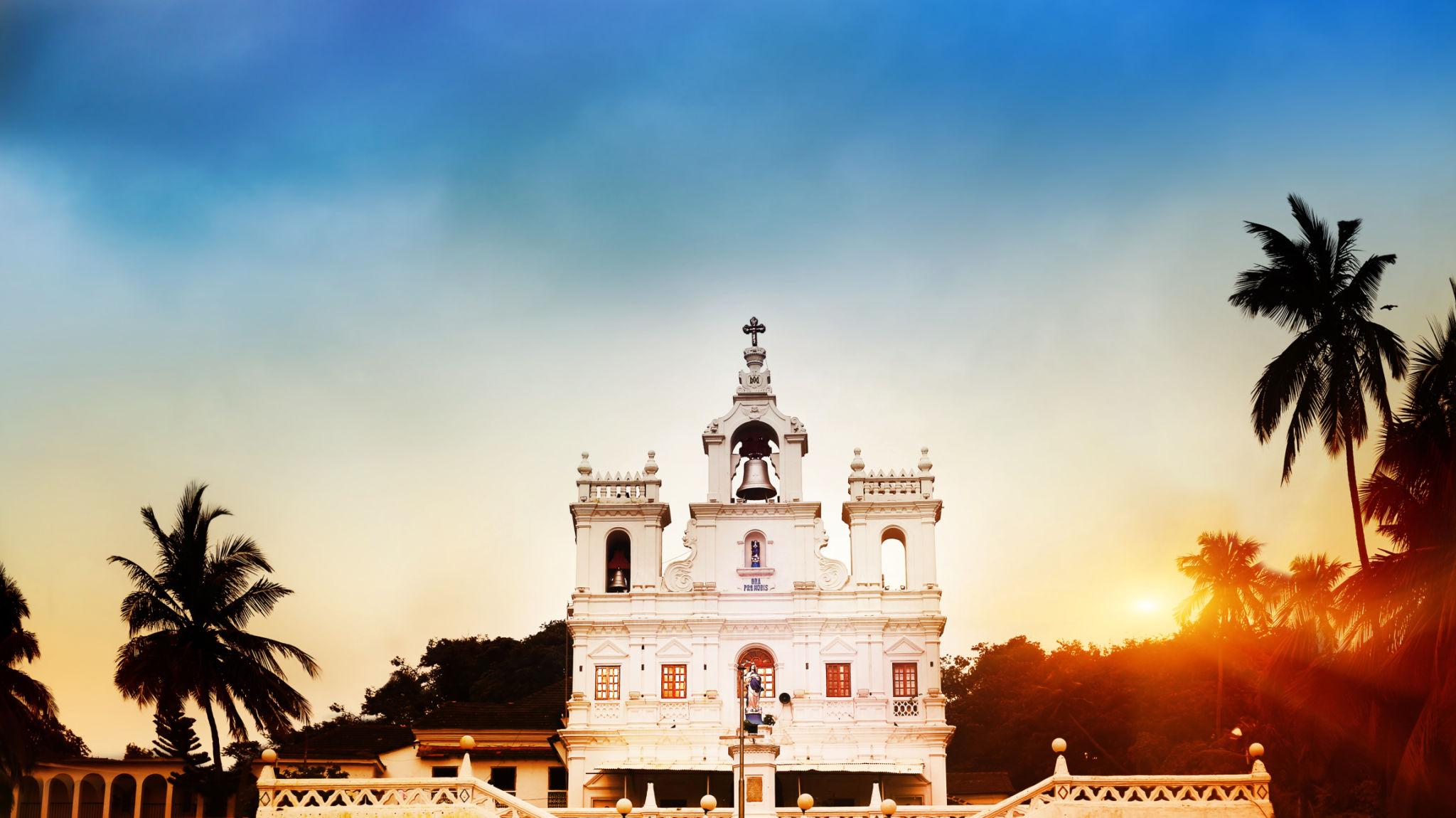
The architecture of the Holy Cross Church is a stunning example of the Neo-Roman style that flourished in Goa during the latter half of the Portuguese rule. The facade is a masterclass in symmetry and proportion, characterized by its clean lines and white lime-plaster finish, which is a hallmark of Goan ecclesiastical architecture. As you approach the church, the first thing that strikes you is the grand three-storied facade, flanked by two sturdy bell towers. These towers are topped with cupolas, adding a sense of verticality and grandeur to the structure.

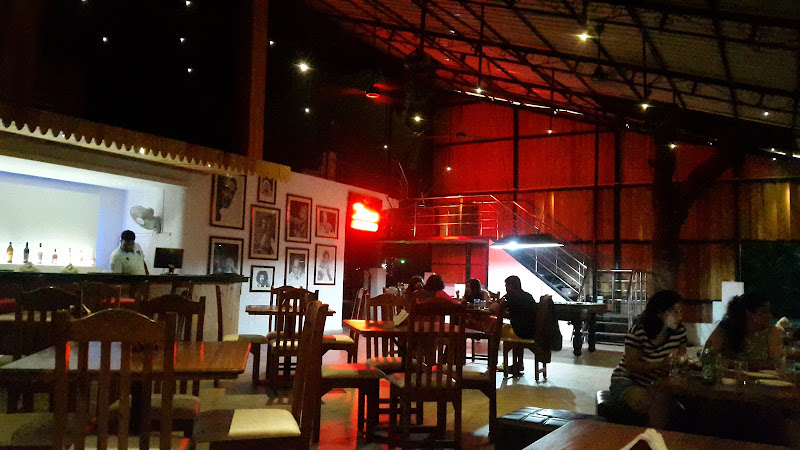
The main entrance is framed by sophisticated pilasters and topped with a pediment that houses a niche with a statue of the patron. One of the most striking features of the exterior is the use of decorative moldings and scrolls that soften the geometric rigidity of the building. The windows are strategically placed to allow natural light to flood the interiors, creating an ethereal atmosphere during the day. The church also features a spacious courtyard, or adro, which is paved with laterite stones and serves as a gathering space for the congregation during major liturgical events.
South Goa is famous for its peaceful beaches, natural beauty, clean coastline, and relaxed atmosphere. While North Goa attracts thousands of tourists every...
Stepping inside, the interior of the church is even more breathtaking. The nave is wide and high, leading the eye toward the magnificent main altar. This altar is a prime example of Goan Baroque-Rococo wood carving. It is intricately gilded in gold leaf, featuring ornate carvings of vines, angels, and floral motifs. The central reredos (altar piece) houses the image of the Holy Cross, surrounded by smaller niches containing statues of various saints. The pulpit, located on the side of the nave, is another artistic marvel, featuring delicate carvings that showcase the skill of local Goan craftsmen who blended European designs with indigenous techniques. The vaulted ceiling and the choir loft at the rear add to the acoustic brilliance of the space, making the choral music during Mass a truly divine experience. The side altars, dedicated to the Blessed Virgin Mary and other saints, are equally impressive, each telling its own story through hagiographic art.
The primary spiritual focus of the church is the Holy Cross (Santa Cruz). Unlike many churches that are dedicated to a specific saint, the dedication to the Cross places the central mystery of the Christian faith at the forefront. For the devotees in Santa Cruz, the Cross represents a beacon of hope, a source of healing, and a reminder of divine sacrifice. The spiritual importance of the Cross is celebrated with deep fervor, especially during the Lenten season and the Feast of the Holy Cross.
The spiritual life of the parish is vibrant and multi-faceted. The Holy Eucharist is the cornerstone of daily life here, with regular Masses conducted in Konkani and occasionally in English. There is a profound devotion to the "Crucified Christ," and many locals believe that the Holy Cross of this parish possesses special intercessory powers. It is common to see people from different walks of life—students before exams, sick individuals seeking recovery, and families expressing gratitude—kneeling in silent prayer before the main altar.
In addition to the Holy Cross, the Blessed Virgin Mary holds a significant place in the hearts of the parishioners. The various side altars and shrines within the church complex are dedicated to her different titles, such as Our Lady of Fatima or Our Lady of Perpetual Succour. The spiritual atmosphere is further enriched by the local traditions of Ladainhas (litanies), which are often sung in the traditional Goan style, blending Latin and Konkani melodies. This unique spiritual blend makes the Holy Cross Church a place where the universal teachings of the Church are expressed through a uniquely Goan cultural lens, creating a deeply resonant experience for the faithful.
The Holy Cross Church is the epicenter of village celebrations, with the Feast of the Holy Cross being the most significant event in the liturgical calendar. Celebrated with immense pomp and show, usually in the month of May, the feast is preceded by a nine-day period of prayer known as the Novena. During these nine days, the village is in a state of spiritual preparation, with early morning Masses and evening sermons that draw large crowds. The air is filled with the sound of brass bands playing traditional Goan hymns, a quintessential element of any Goan festa.
On the day of the feast, the church is beautifully decorated with flowers and lights. A grand procession follows the main High Mass, where the image of the Holy Cross is carried through the streets of the village. The streets are lined with stalls selling traditional Goan sweets like khajie, gram (chickpeas), and various local handicrafts. It is a time of homecoming, as many Calaporkars living abroad or in other parts of India return to their ancestral village to participate in the festivities. The feast is not just a religious event but a social one, fostering a sense of community and belonging.
The best time to visit the Holy Cross Church depends on what you wish to experience. For the most pleasant weather, the winter months (November to February) are ideal. During this time, the Goan climate is cool and breezy, making it comfortable to explore the church and the surrounding village on foot. This period also coincides with the Christmas and New Year festivities, when the church is beautifully lit and the village is in a celebratory mood.
If you want to witness the peak of religious fervor, visiting during May for the Parish Feast is a must. While the weather can be hot and humid, the cultural richness of the feast—the music, the fairs, and the traditional ceremonies—is unparalleled. Alternatively, the monsoon season (June to September) offers a different kind of beauty. The village of Santa Cruz turns a vibrant shade of emerald, and the church, standing white against the dark rain clouds, looks particularly dramatic. However, be prepared for heavy downpours which might limit outdoor exploration.
For a quiet, contemplative visit, I recommend coming on a weekday morning. The church is less crowded, allowing you to appreciate the architectural details and the peaceful ambiance without the hustle and bustle of Sunday crowds. Early morning visits also allow you to hear the local choir during the first Mass, which is a truly serene experience.
Planning your visit to the Holy Cross Church requires keeping a few practical details in mind to ensure a respectful and smooth experience. As a functioning place of worship, the church follows specific timings and etiquette.
The Holy Cross Church is conveniently located in the village of Santa Cruz, making it easily accessible from various parts of Goa. Its proximity to Panjim (approx. 4-5 km) makes it a quick trip for those staying in the capital or nearby North Goa beach hubs.
A visit to the Holy Cross Church is more than just a quick stop; it’s an opportunity to immerse yourself in the local culture. Here are some of the best things to do while you are there:
The central location of Santa Cruz makes it a perfect base for exploring other significant landmarks in Central Goa. You can easily combine your visit to the Holy Cross Church with these nearby attractions:
To ensure that the sanctity of the Holy Cross Church is maintained while you capture your memories, please adhere to the following guidelines:
The area around Santa Cruz and nearby Panjim offers a plethora of dining options that cater to every palate, from traditional Goan fare to international cuisines.
Since Santa Cruz is very close to Panjim, you have a wide range of accommodation options, from luxury hotels to charming boutique guesthouses.
To make the most of your visit to the Holy Cross Church and the village of Santa Cruz, consider these expert travel tips:
The Holy Cross Church in Santa Cruz, Goa, is far more than an architectural landmark; it is a living testament to the enduring faith and cultural synthesis of the Goan people. Its grand Neo-Roman facade, the intricate golden glow of its altars, and the rhythmic tolling of its bells create an atmosphere that is both awe-inspiring and deeply peaceful. Whether you are standing in the quiet nave on a Tuesday morning or joining the exuberant crowds during the May feast, the church offers a sense of continuity and community that is rare in our fast-paced world.
For the traveler, a visit here is an invitation to slow down and appreciate the nuances of Goan life—the blend of the old and the new, the sacred and the secular. It is a reminder that the true heart of Goa lies not just on its golden sands, but in its white-washed churches, its verdant villages, and the unwavering spirit of its people. As you leave the Holy Cross Church, you carry with you a piece of Goa's soul, a story written in stone and spirit that has survived for centuries and continues to inspire all who walk through its doors. Make sure to include this spiritual gem in your next Goan adventure; it is an experience that will resonate long after your journey ends.