Introduction
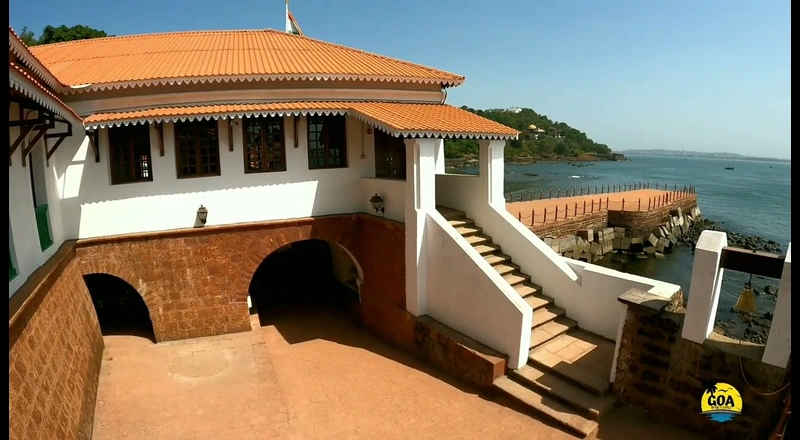
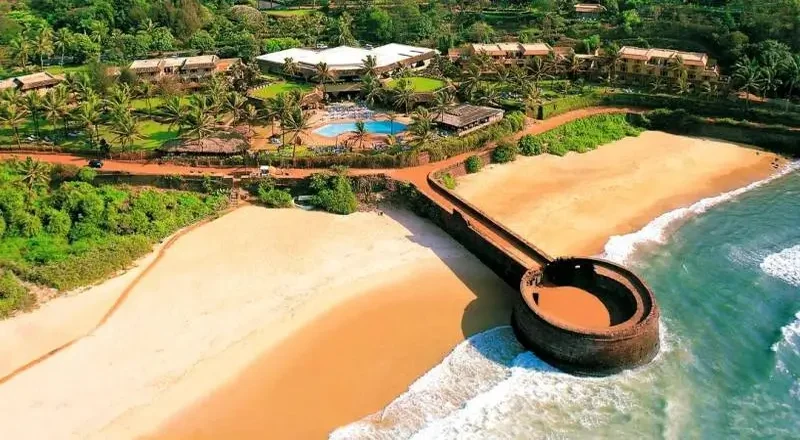
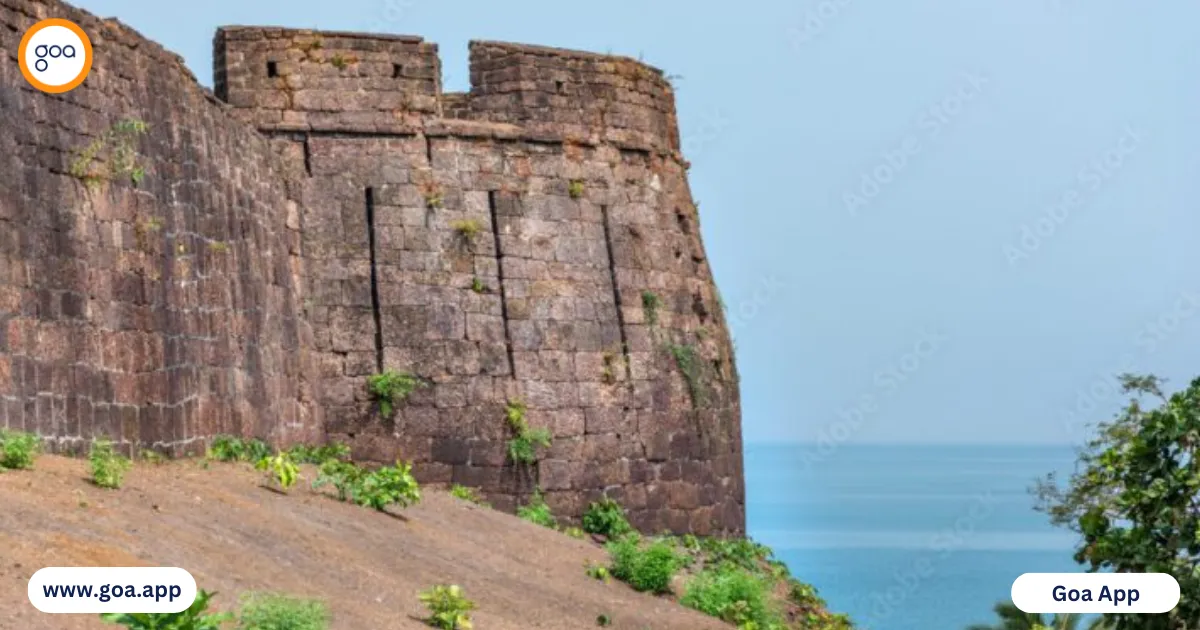
Standing as a silent, salt-sprayed sentinel at the confluence of the Mandovi River and the vast Arabian Sea, Aguada Fort is perhaps the most iconic symbol of Goa's storied colonial past. This formidable seventeenth-century Portuguese fortification, located on the Sinquerim Beach in North Goa, represents the pinnacle of Portuguese military engineering in Asia. For the modern traveler, Aguada is more than just a historical monument; it is a sprawling complex of laterite stone that offers a panoramic window into the age of discoveries, maritime warfare, and the relentless pursuit of imperial dominance. As you approach the fort, the first thing that strikes you is the deep, earthy red of the laterite walls, contrasting sharply against the brilliant azure of the Goan sky and the emerald hues of the surrounding palm-fringed coastline. The air here is thick with the scent of the sea and the echoes of four hundred years of history. Whether you are a history buff, an architecture enthusiast, or a soul-searching traveler looking for the perfect sunset, Aguada Fort provides an immersive experience that captures the very essence of Goan heritage. It is a place where the rhythmic crashing of waves against the lower ramparts tells tales of Dutch armadas, brave Maratha warriors, and the Portuguese sailors who once looked to this fort as their first sign of safety after months at sea. In this comprehensive guide, we will peel back the layers of time to explore every bastion, cistern, and secret passage of this magnificent structure, ensuring you have all the information needed to appreciate its grandeur fully.
History
The history of Aguada Fort is intrinsically linked to the global maritime struggles of the 17th century. Constructed between 1609 and 1612 under the administration of the Portuguese Viceroy Ruy Tavara, the fort was built to protect the Portuguese interests in Goa from the rising threats of the Dutch and the Marathas. During this era, the Dutch East India Company was aggressively challenging Portuguese supremacy in the Indian Ocean, and the mouth of the Mandovi River was the most vulnerable point of entry to the capital of Old Goa (Velha Goa). The name 'Aguada' is derived from the Portuguese word for water—'Agua'. This is because the fort housed a massive freshwater spring that provided water to the many ships that stopped by. Sailors would frequently visit this site to replenish their freshwater stores, making it one of the most vital logistics hubs in the Portuguese maritime empire.
The fort's history is not merely defensive; it is also a story of endurance. Unlike many other forts in India that changed hands multiple times between local rulers and colonial powers, Aguada Fort remained under Portuguese control for nearly 450 years, until the annexation of Goa by India in 1961. In its early years, the fort was equipped with 79 cannons and was considered one of the most impregnable fortresses in the world. Over the centuries, its role evolved. During the Salazar dictatorship in Portugal, the lower sections of the fort were converted into a notorious prison, used to incarcerate political dissidents and freedom fighters who opposed colonial rule. This dark chapter ended with the liberation of Goa, and today, that same prison serves as a museum dedicated to the struggle for independence. Understanding the history of Aguada is to understand the history of Goa itself—a blend of maritime ambition, religious fervor, and the eventual triumph of the local spirit over colonial occupation.
Architecture
The architecture of Aguada Fort is a masterclass in the use of local materials for European military design. Built entirely of laterite stone, a rock rich in iron and aluminum that is abundant in the Konkan region, the fort is designed to withstand both the corrosive salty air and the impact of heavy artillery. The fort is divided into two segments: the upper part, which served as a fort and watering station, and the lower part, which acted as a safe berth for Portuguese ships. The most striking architectural feature is the massive cistern located in the heart of the upper fort. This underground chamber has the capacity to store a staggering 2,376,000 gallons of water (roughly 7.9 million liters). The cistern is a marvel of engineering, featuring a series of square pillars and vaulted ceilings that have remained intact for centuries, keeping the water cool and fresh for the sailors of the 'Carreira da India'.
Another architectural highlight is the four-storey Portuguese lighthouse, erected in 1864. It is the oldest of its kind in Asia. The lighthouse originally used an oil lamp, which was later replaced by a rotating light mechanism. The fort's walls are exceptionally thick, standing about 5 meters high and 1.3 meters wide, featuring a series of bastions and embrasures for cannons. A dry moat surrounds the upper fort, adding an extra layer of defense against land-based attacks. The layout is somewhat square, with bastions at the corners that allowed for a 360-degree field of fire. The architectural transition from the upper fort to the lower ramparts near the Sinquerim beach demonstrates how the Portuguese utilized the natural topography of the hill to create a tiered defense system that was virtually impossible to breach from the sea.
Why Famous
Aguada Fort is famous for several reasons, ranging from its historical significance to its presence in modern pop culture. Primarily, it is renowned for being the largest Portuguese reservoir in Asia, a feat of 17th-century engineering that remains unparalleled in the region. Its historical longevity—never having fallen to an enemy—gives it a legendary status among military historians. However, for many domestic tourists, the fort is most famous as a filming location for numerous Bollywood movies, most notably the cult classic 'Dil Chahta Hai'. The scene where the three protagonists sit on the fort walls overlooking the sea has become an iconic image, prompting thousands of visitors to recreate the pose every year.
Furthermore, the fort is famous for its ancient lighthouse. While a newer lighthouse has been built nearby, the old one remains a significant landmark, standing as a testament to the maritime history of the Arabian Sea. The fort's location also makes it famous for offering some of the most spectacular sunset views in North Goa. The sight of the sun dipping into the horizon, painting the sky in shades of orange and purple while the waves crash against the laterite walls, is an experience that draws photographers and nature lovers from across the globe. Finally, the recent transformation of the Aguada Jail into a state-of-the-art museum has added a new layer of fame, making it a crucial site for educational tourism and a tribute to the Goan freedom struggle.
Strategic Importance
The strategic importance of Aguada Fort during the colonial era cannot be overstated. Situated on the northern tip of the mouth of the Mandovi River, it held the "keys" to the city of Goa. Any ship intending to reach the lucrative trading ports of Old Goa had to pass under the watchful gaze of Aguada's cannons. Together with Reis Magos Fort on the northern bank and the Cabo Raj Bhavan on the southern bank, Aguada formed a lethal "crossfire" zone that could sink any invading fleet. This strategic triangle ensured that the Portuguese capital remained one of the most secure European settlements in the East for centuries.
Beyond its defensive capabilities, its strategic value lay in its supply of freshwater. In the 17th century, the lack of clean drinking water was the primary cause of scurvy and death among sailors on long voyages. By controlling a massive, protected freshwater source right at the mouth of the river, the Portuguese held a significant logistical advantage over their rivals. It allowed their ships to refit and resupply without having to venture deep inland, where they might be vulnerable to local insurgencies. The fort also served as a signaling station; its high vantage point allowed sentries to spot approaching vessels hours before they reached the coast, providing ample time for the city's defenses to be mobilized. Even today, the strategic value of the location is evident, as the Indian Navy and Coast Guard maintain a presence in the vicinity to monitor the busy shipping lanes of the Arabian Sea.
Best Time to Visit
To truly appreciate the beauty of Aguada Fort without being overwhelmed by the tropical heat, timing is essential. The best time to visit is during the winter months, from November to February. During this period, the weather in Goa is pleasant, with cool breezes and temperatures ranging between 20°C and 30°C. The humidity is significantly lower, making it comfortable to explore the extensive outdoor ramparts and climb the slopes of the fort. The clear skies during these months also provide the best visibility for the panoramic views of the Arabian Sea and the Mandovi estuary.
If you prefer a more dramatic atmosphere, the monsoon season (June to September) offers a different kind of beauty. The laterite stones turn a deep, dark red, and the surrounding vegetation becomes a lush, vibrant green. However, be prepared for heavy downpours and slippery surfaces. The sea is also much rougher during this time, creating a powerful spectacle as waves crash violently against the lower walls. For daily timing, the early morning (around 9:00 AM) is ideal to avoid the crowds and the midday sun. Alternatively, arriving around 4:30 PM allows you to explore the fort and then settle down on the western walls to witness the spectacular sunset. Avoid visiting during the peak afternoon hours (12:00 PM to 3:00 PM) as the sun can be quite punishing, and there is limited shade within the fort's main courtyard.
Timings & Entry Fee
Planning your visit requires keeping track of the official operating hours and the current fee structure, which helps in the maintenance of this protected monument under the Archaeological Survey of India (ASI).
- Timings: The fort is generally open to the public from 9:00 AM to 6:00 PM every day of the week. It is advisable to reach at least an hour before closing time to have enough time to walk through the various sections.
- Entry Fee for Indians: The entry fee is approximately INR 25 to 35 per person. It is often cheaper if you pay digitally via UPI or credit/debit card at the counter.
- Entry Fee for Foreigners: International tourists are charged a higher rate, usually around INR 300.
- Aguada Jail Museum: Note that the newly renovated museum in the lower fort (the former jail) has a separate entry fee and its own set of timings, usually matching the fort but sometimes closing slightly earlier for security reasons.
- Parking: There is a designated parking area near the entrance. Small fees may apply for two-wheelers and four-wheelers (usually between INR 20 to INR 50).
Always carry a digital copy of your ID and some small change, although digital payments are now widely encouraged at the ticket counters. During peak tourist seasons like December, the queues can be long, so arriving early is highly recommended.
Things To Do
Aguada Fort offers a variety of activities that cater to different interests. Here is a curated list of things you should not miss:
- Explore the Upper Fort: Walk along the massive ramparts and explore the various bastions. The sheer scale of the walls and the view of the dry moat give you a sense of the fort's defensive might.
- Visit the Old Lighthouse: Though you cannot always climb to the top, standing at the base of this 19th-century structure is a must. It is one of the most photographed spots in Goa.
- See the Giant Cistern: Look for the openings that lead to the massive underground water storage. While the interior is not always accessible to the public for safety reasons, you can see the vents and the scale of the structure from the surface.
- The Aguada Jail Museum: This is a recent and highly recommended addition. The museum provides a somber and educational look at the lives of freedom fighters. The cells have been preserved, and there are multimedia exhibits detailing Goa's path to liberation.
- Walk to the Lower Fort: Take the path down towards the Taj Fort Aguada Resort area. Here, you can see the ramparts that touch the sea and get a closer look at how the fort protected the shoreline.
- Sunset Watching: Find a spot on the western wall. As the sun sets over the Arabian Sea, the entire fort is bathed in a golden glow, providing a serene and spiritual experience.
- Bird Watching: The area around the fort, especially the scrubland and the cliffs, is home to various birds like the White-bellied Sea Eagle and Brahmany Kites. Bring a pair of binoculars if you are an enthusiast.
Photography Spots
For photographers, Aguada Fort is a treasure trove of textures, angles, and light. To get the best shots, consider these specific locations:
- The Lighthouse Silhouette: Position yourself so the old lighthouse is framed against the bright blue sky or the setting sun. The contrast between the white-washed lighthouse and the red laterite is stunning.
- The Moat Walkway: The bridge leading into the fort provides a great perspective of the deep dry moat and the towering walls, perfect for architectural photography.
- The 'Dil Chahta Hai' Corner: Located on the sea-facing ramparts, this spot offers a panoramic view of the coastline stretching towards Candolim and Calangute. It's the ultimate spot for "candid" travel photos.
- The Arched Gateways: Use the ancient stone arches to frame the sea or the lighthouse. This creates a "picture within a picture" effect that is very popular on social media.
- Texture Shots: The weathered laterite walls, covered in patches of moss and lichen, offer incredible macro photography opportunities, showcasing the passage of time.
- The View from the Top: From the highest point of the fort, you can capture the curve of the Sinquerim beach and the expensive yachts anchored in the Mandovi River, providing a contrast between ancient history and modern luxury.
Nearby Attractions
A visit to Aguada Fort can easily be combined with several other nearby landmarks to make a full day of sightseeing in North Goa:
- Sinquerim Beach: Located right at the foot of the fort, this beach is famous for water sports like parasailing and jet skiing. It is much quieter than its neighbors, Baga and Calangute.
- Church of St. Lawrence: Dedicated to the patron saint of sailors, this beautiful church sits on a hill near the fort. It was built by the Portuguese to protect the sailors from the 'evil eye' of the sea.
- Reis Magos Fort: Located a few kilometers away, this fort has been beautifully restored and serves as a cultural center. It offers a different perspective on the Mandovi River's defenses.
- Candolim Beach: Just a short drive away, this is one of the most popular beaches in Goa, known for its shacks, fine dining, and vibrant nightlife.
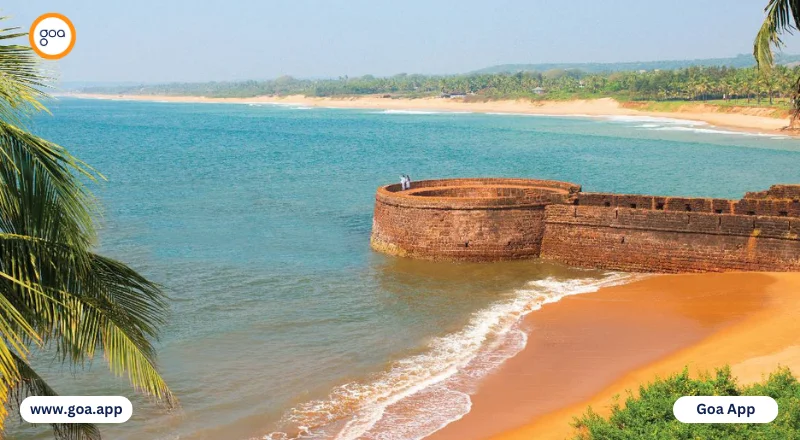
- Lower Aguada Fort (Sinquerim Fort): Often confused with the main fort, this is the portion that extends into the sea near the Taj hotel. It's perfect for a quick walk and close-up views of the waves.
- Dolphin Sighting Tours: Many boat operators near the Sinquerim jetty offer early morning trips to see dolphins playing in the waters just off the fort's coast.
How To Reach
Aguada Fort is well-connected and easily accessible from various parts of Goa. Here are the best ways to reach the site:
- By Scooter/Bike: This is the most popular way for tourists to travel in Goa. You can rent a scooter from Candolim, Calangute, or Baga (approx. 5-10 km away). The ride up the Aguada hill is scenic and well-paved.
- By Taxi: You can hire a private taxi or use apps like GoaMiles. A taxi from Panjim (the capital city) takes about 30-40 minutes (approx. 15 km).
- By Bus: Local buses run from the Panjim Bus Stand and Mapusa Bus Stand to Candolim. From the Candolim market, you can take an auto-rickshaw or a pilot (motorcycle taxi) to the fort.
- On Foot: If you are staying in Sinquerim, you can hike up the hill to the fort. It is a steep walk but offers beautiful views of the sea along the way.
The road leading to the fort is quite narrow in some places, so if you are driving a car, be prepared for some tight maneuvers during peak hours. There is ample parking available for those who choose to drive themselves.
Travel Tips
To make your visit to Aguada Fort as smooth as possible, keep these professional travel tips in mind:
- Wear Comfortable Footwear: You will be doing a lot of walking on uneven stone surfaces and climbing stairs. Avoid flip-flops; opt for sneakers or sturdy sandals with good grip.
- Stay Hydrated: The Goan sun can be dehydrating. Carry a reusable water bottle. There are small kiosks outside the fort selling coconut water and cold drinks, but it's best to have your own supply.
- Sun Protection: Apply sunscreen, wear a wide-brimmed hat, and carry sunglasses. There is very little shade once you are on the ramparts.
- Hire a Guide: If you are interested in the nitty-gritty of the history, consider hiring a local guide at the entrance. They can point out details like the secret escape routes and the specific functions of different bastions that you might otherwise miss.
- Respect the Monument: Aguada is a heritage site. Do not litter, and refrain from writing on the walls. The ASI is very strict about preserving the integrity of the laterite stones.
- Carry Cash: While digital payments are becoming common, network issues can sometimes make UPI difficult. Having some cash for parking and small snacks is always a good idea.
- Combine with the Museum: Don't just visit the upper fort. Make sure to allocate at least 45 minutes for the Aguada Jail Museum to get a complete historical perspective.
Conclusion
Aguada Fort is more than just a collection of old stones; it is a living testament to Goa's complex and multicultural identity. It stands as a bridge between the medieval world of maritime empires and the modern world of tourism and cultural preservation. Walking through its gates, you feel the weight of centuries—the ambition of the Portuguese, the resilience of the Goan people, and the timeless beauty of the Arabian Sea. It is a place that demands you slow down, breathe in the salt air, and contemplate the vastness of history. Whether you are there to learn about 17th-century hydraulic engineering, to pay your respects to the freedom fighters in the jail museum, or simply to watch the sun set over the horizon, Aguada Fort leaves an indelible mark on your soul. It is an essential stop on any Goan itinerary, offering a depth of experience that goes far beyond the beaches and parties the state is famous for. As you leave the fort and head back down the hill towards the bustling streets of Candolim, the sight of the lighthouse receding into the distance serves as a poignant reminder of Goa's enduring legacy as a beacon of culture and history on India's western coast. Plan your visit with care, respect the heritage, and let the stories of Aguada Fort unfold before you in all their magnificent detail.