Overview of Bodgeshwar Temple
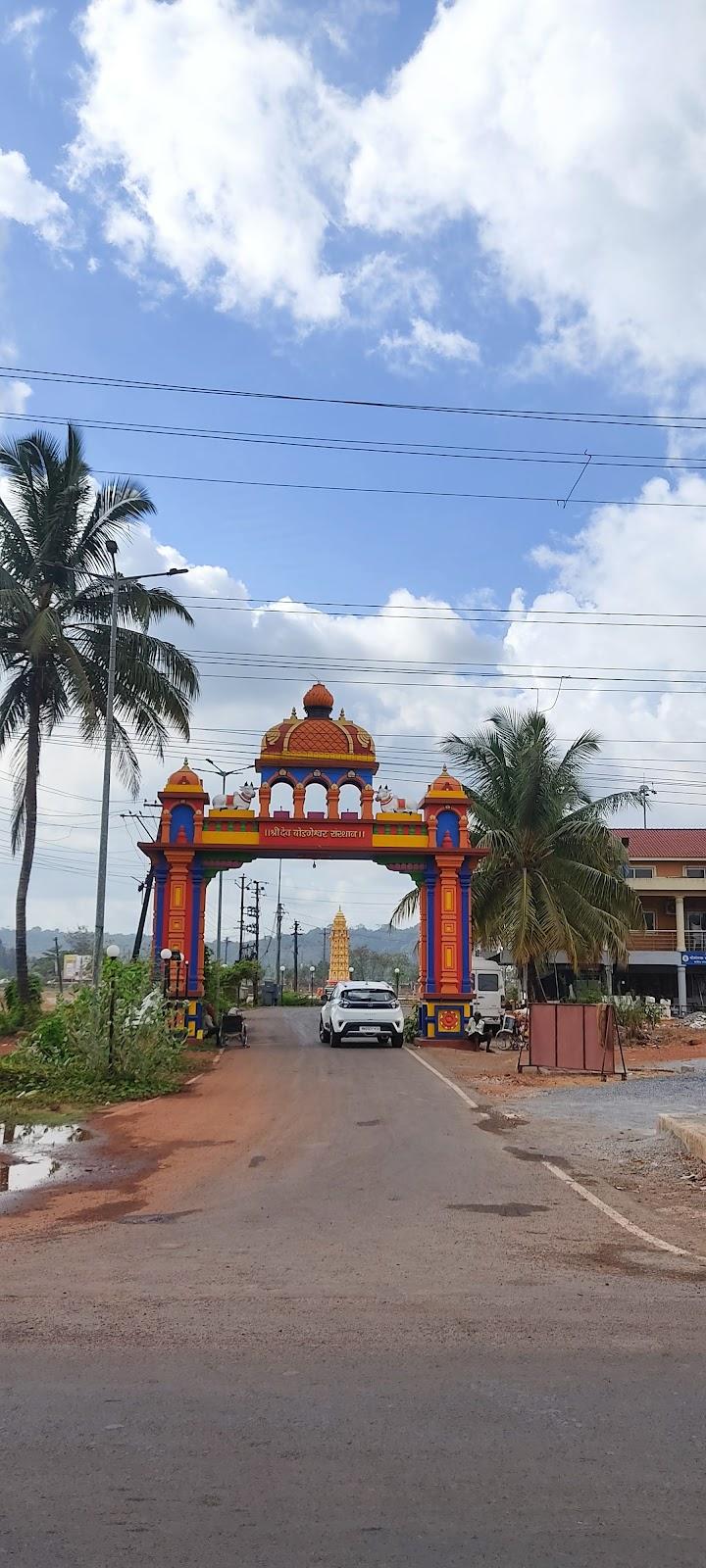
Nestled in the heart of Mapusa, North Goa, the Bodgeshwar Temple stands as one of the most revered and spiritually charged landmarks in the coastal state. Known locally as the "Shri Bodgeshwar Sansthan," this temple is dedicated to Kanakeshwar Baba, affectionately referred to as Bodgeshwar. Unlike many of the grand, centuries-old Portuguese-influenced structures in Goa, Bodgeshwar Temple offers a unique blend of serene spirituality and deep-rooted local folklore. It is situated amidst lush green paddy fields, providing a tranquil escape from the bustling commercial hub of Mapusa town. For many Goans, Bodgeshwar is not just a deity but a "Rakhandar" or a guardian protector who watches over the town and its people.
The temple is a focal point for devotees who believe that the deity has the power to fulfill wishes, a tradition known locally as "Angvonn." Whether it is a student seeking success in exams, a businessman looking for prosperity, or a family praying for health, the faith placed in Bodgeshwar is unwavering. The temple complex, though modern in its construction compared to the ancient temples of Ponda, exudes an aura of ancient mysticism. Its location on the outskirts of Mapusa makes it easily accessible while retaining a sense of isolation from the urban noise. Visitors are often struck by the rhythmic chanting, the scent of fresh marigolds, and the sight of devotees performing "Pradakshina" (circumambulation) around the sanctum. As a professional travel writer, I have observed that while the beaches of North Goa attract the crowds, it is places like Bodgeshwar Temple that reveal the true, beating heart of Goan culture and its syncretic spiritual identity.
History & Religious Significance
The history of Bodgeshwar Temple is deeply intertwined with the agrarian past of Mapusa. Historically, Bodgeshwar was worshipped as a "Kshetrapal" or the deity of the field. The legend suggests that the deity was a wandering mystic or a guardian spirit who patrolled the fields of Mapusa at night, ensuring the safety of the crops and the villagers. Local folklore is rich with stories of people claiming to have seen a tall, luminous figure walking through the paddy fields with a staff in hand. This guardian spirit eventually became institutionalized into the deity we worship today as Kanakeshwar Baba.
The religious significance of the temple lies in its reputation as a "Jagrut" (awake) deity. In Goan Hindu tradition, a Jagrut deity is one who actively listens to and answers the prayers of the faithful. This belief has turned the temple into a pilgrimage site for people across all religions. It is not uncommon to see Catholics and Muslims visiting the shrine to offer prayers, reflecting Goa's unique communal harmony. The temple serves as a spiritual anchor for the "Bardez" taluka. Over the decades, what started as a small, humble shrine under a tree has evolved into a sprawling temple complex, managed by a dedicated committee that ensures the preservation of local traditions while accommodating the thousands of pilgrims who visit annually.
Architecture of Bodgeshwar Temple
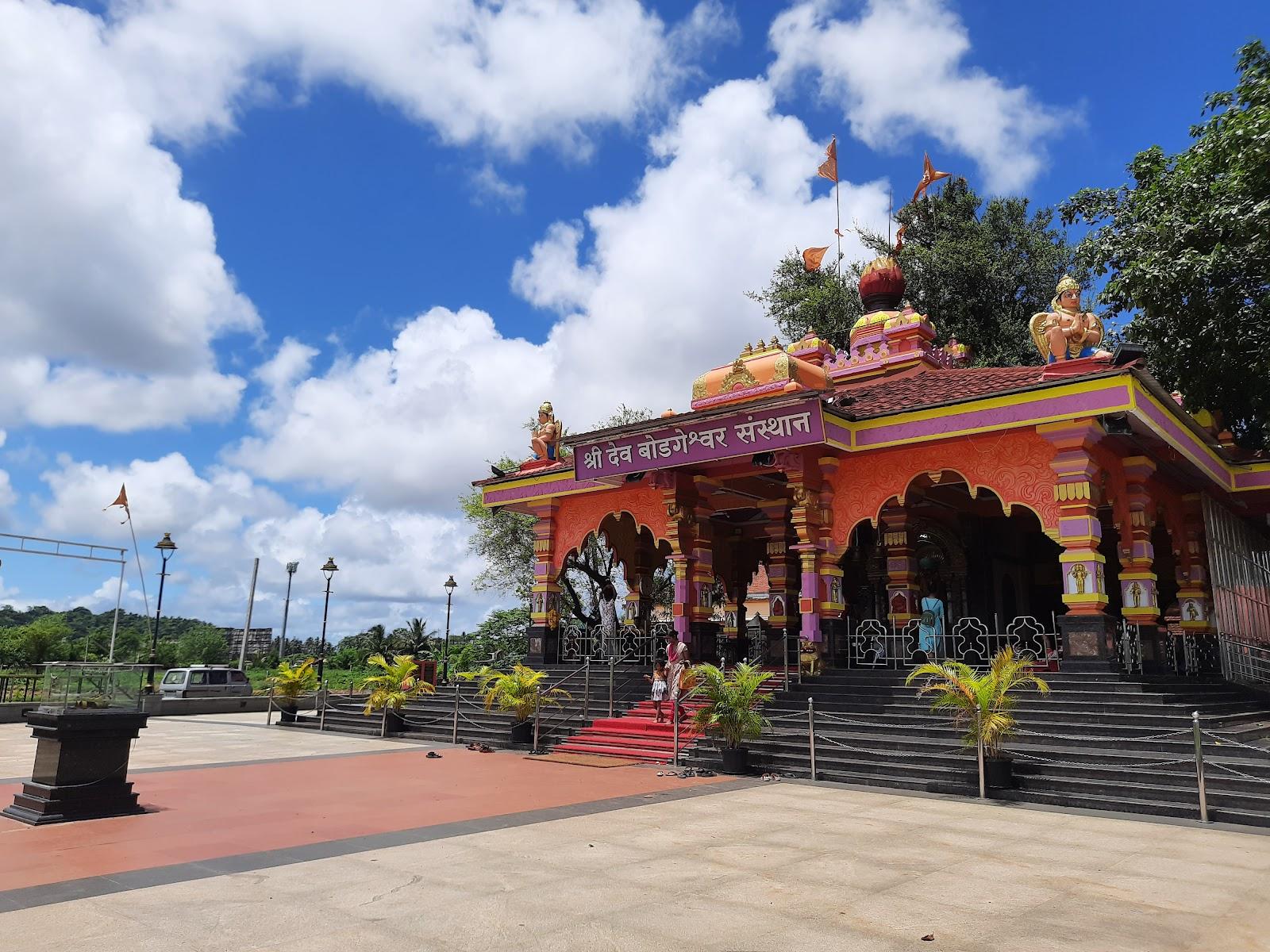
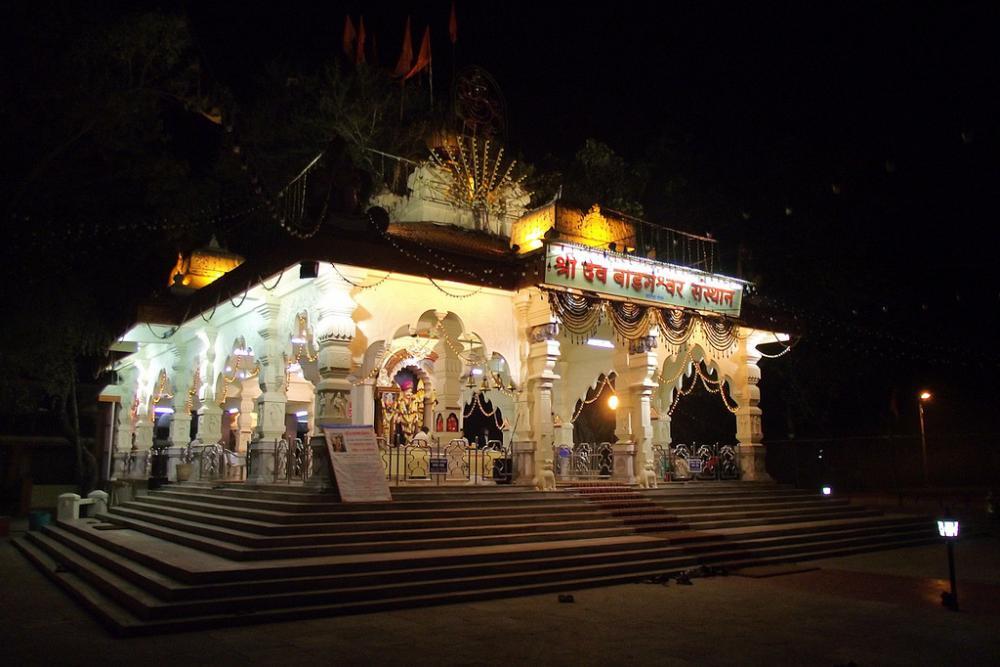
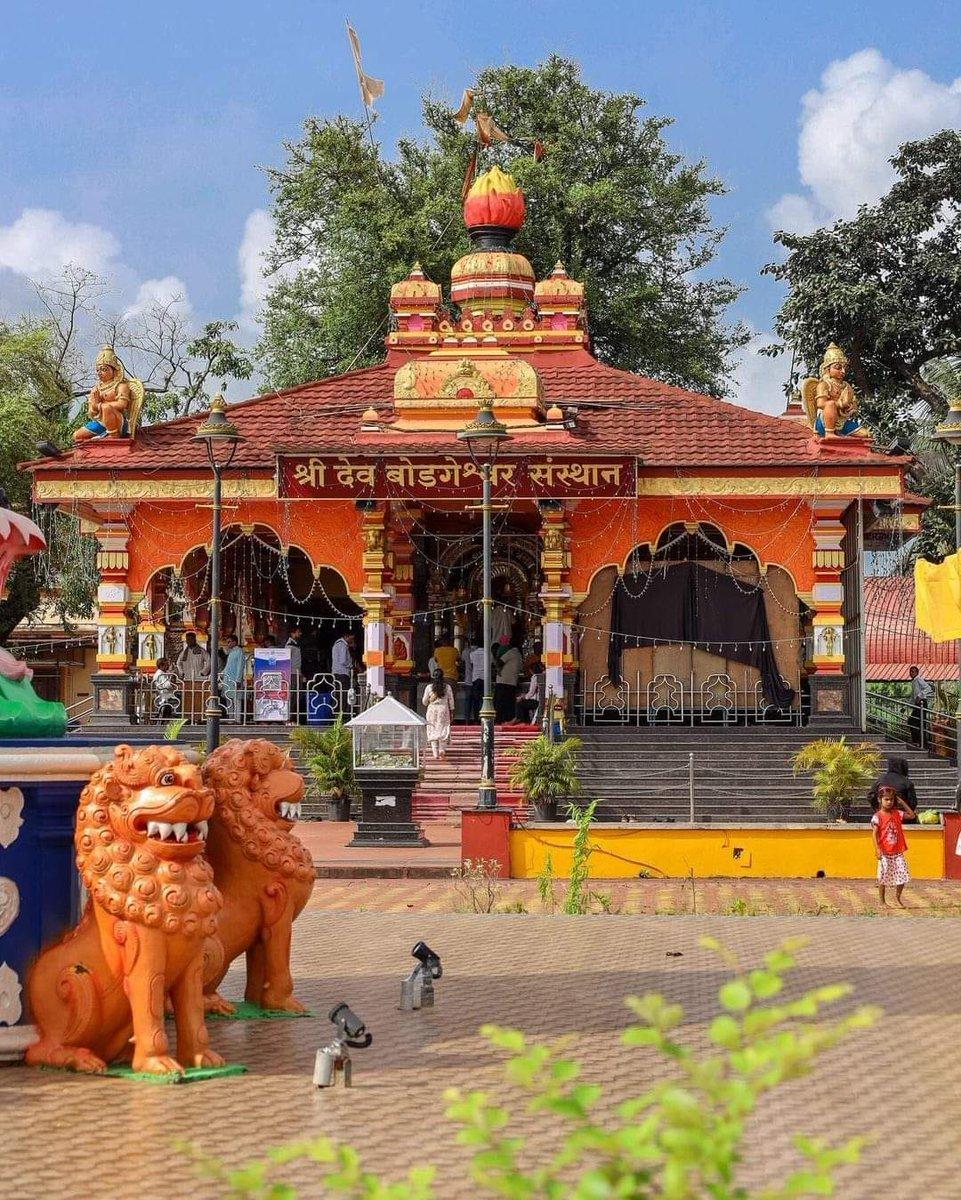
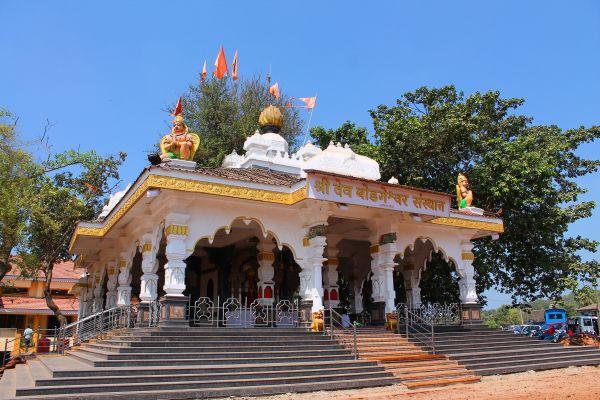
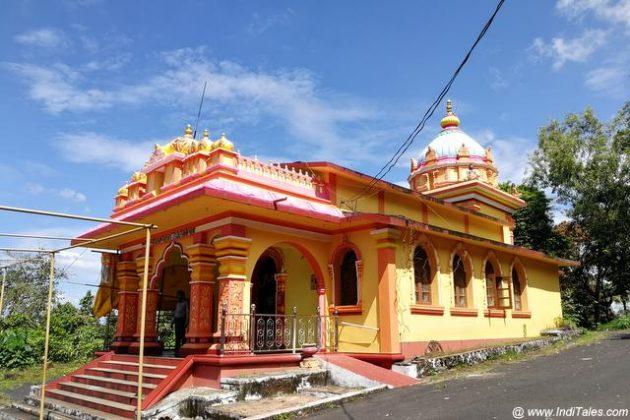
The architecture of Bodgeshwar Temple is a fine example of modern Goan Hindu temple design, which incorporates elements of traditional Vastu Shastra while utilizing contemporary materials. The temple is characterized by its clean white facade, which stands in stark contrast to the surrounding greenery. The most striking feature is the Shikhara (the temple tower), which rises elegantly towards the sky, adorned with intricate carvings and painted in vibrant colors that represent various Hindu motifs.
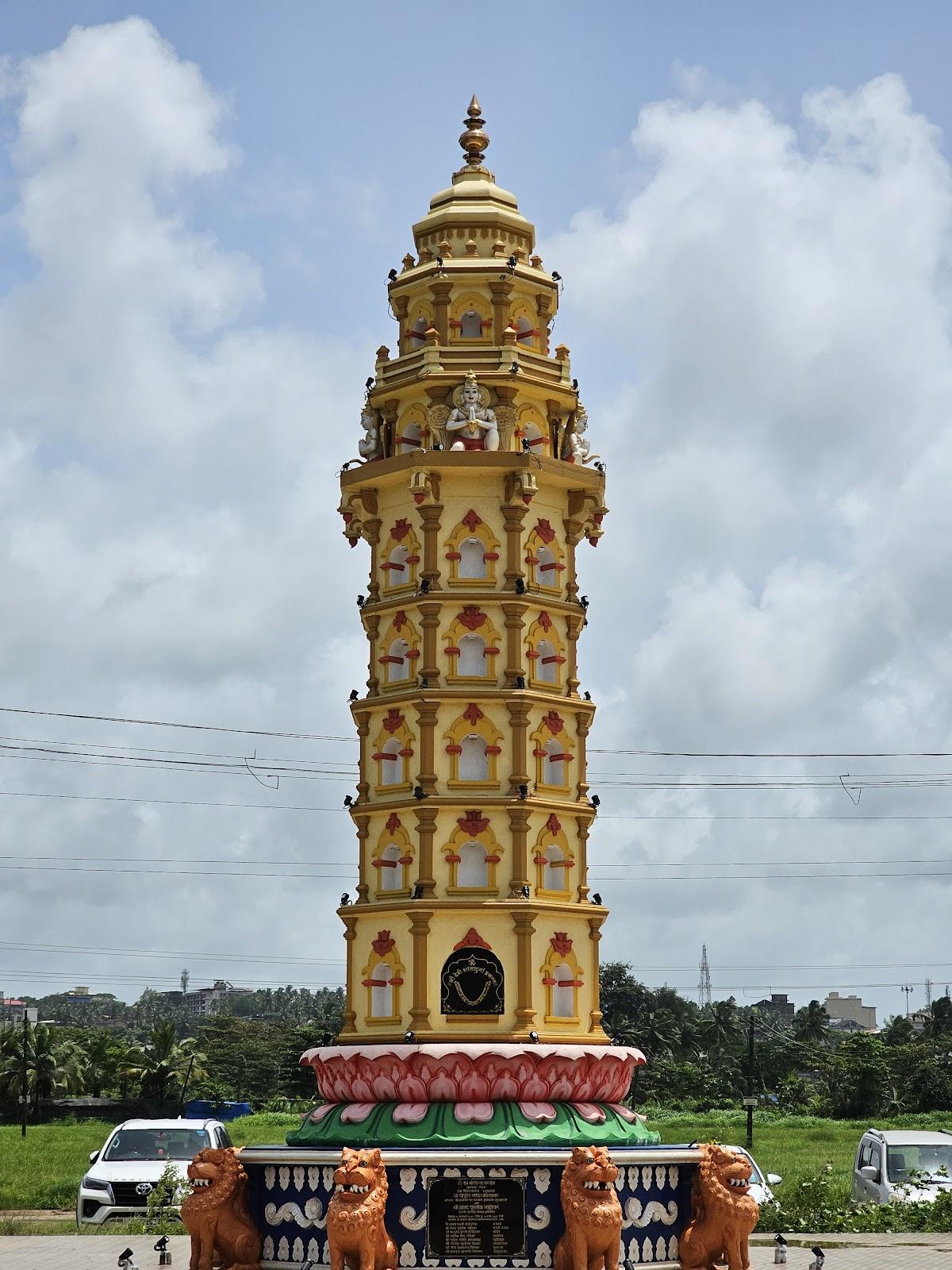
Upon entering the complex, visitors are greeted by a spacious Mandapa (assembly hall). The flooring is typically made of polished marble or granite, keeping the interiors cool even during the scorching Goan summers. The pillars supporting the Mandapa are often decorated with relief work depicting scenes from Hindu mythology. The Garbhagriha (sanctum sanctorum) is where the idol of Shri Bodgeshwar resides. The architecture ensures that the focus remains on the deity, with lighting designed to highlight the silver-plated pedestal and the beautifully adorned idol. Another notable architectural element is the Deepastambha (tower of light), a common feature in Goan temples, which is lit up during festivals, creating a mesmerizing visual spectacle. The surrounding courtyard is wide and well-maintained, allowing for the large processions that take place during the annual Jatra.
Main Deity / Spiritual Importance
The main deity of the temple is Shri Bodgeshwar, considered an incarnation of Lord Shiva. The idol is depicted in a standing posture, radiating a sense of calm yet powerful protection. He is often seen holding a "Danda" (staff), symbolizing his role as the guardian of the land. The spiritual importance of Bodgeshwar is rooted in the concept of "Bhakti" (devotion) and "Shraddha" (faith). Devotees believe that Bodgeshwar is a benevolent father figure who provides guidance in times of distress.
The rituals performed here are deeply traditional. The "Abhisheka" (ritual bathing of the idol) and the "Aarti" (offering of light) are the highlights of the daily spiritual cycle. The spiritual energy of the temple is said to be at its peak during the twilight hours. Many spiritual seekers visit the temple not just for petitions but for meditation, finding the atmosphere conducive to inner peace. The deity is also associated with the concept of "Paap-Punya" (sin and merit), and many locals visit the temple to seek forgiveness or to offer thanks for a successful harvest or a personal milestone. The connection between the deity and the land is so strong that even today, the first fruits of the harvest in the surrounding areas are often offered to Bodgeshwar before being sold or consumed.
Festivals & Celebrations
The Bodgeshwar Jatra is the most significant event in the temple's calendar and one of the largest fairs in North Goa. Usually held in December or January (the month of Pausha in the Hindu calendar), the Jatra lasts for several days and transforms the entire Mapusa area into a vibrant carnival. The festival celebrates the annual "birthday" or the founding day of the deity's presence in the current form. Thousands of devotees from across Goa and neighboring states like Maharashtra and Karnataka flock to the temple during this time.
- The Procession: The deity is taken out in a beautifully decorated "Palkhi" (palanquin) around the temple grounds, accompanied by traditional music including the "Dhol" and "Tasha."
- The Fair: A massive fair is organized in the fields surrounding the temple. You can find everything from traditional copperware and clay pots to modern electronics and clothing.
- Local Delicacies: The Jatra is famous for its food stalls. One must try the "Khaje" (sweet ginger-flavored sticks made of chickpea flour), which is a staple of Goan temple festivals.
- Cultural Programs: Evenings are filled with "Bhajans," "Kirtans," and "Nataks" (traditional dramas), showcasing the rich linguistic and musical heritage of Goa.
- Angvonn Rituals: This is the time when many people fulfill their vows by offering coconuts, flowers, or oil to the deity.
Best Time to Visit
The best time to visit Bodgeshwar Temple is during the winter months, from November to February. During this period, the weather in Goa is pleasant, with cool breezes and mild sunshine, making it ideal for exploring the temple grounds and the nearby Mapusa market. If you want to experience the spiritual fervor at its peak, plan your visit during the Bodgeshwar Jatra in late December or early January. However, be prepared for large crowds and a bustling atmosphere.
For those seeking a more quiet and meditative experience, visiting during the monsoon season (June to September) is highly recommended. The surrounding paddy fields turn a brilliant shade of emerald green, and the sound of the rain against the temple roof creates a deeply atmospheric setting. Early mornings (around 6:30 AM) or late evenings (around 6:30 PM) are the best times of day to visit, as you can witness the morning or evening Aarti, which is a soulful experience that shouldn't be missed.
Timings, Entry Fee & Dress Code
To ensure a smooth visit, it is essential to be aware of the practicalities of the temple:
- Timings: The temple is generally open from 6:00 AM to 9:00 PM daily. It may remain open later during festival days.
- Entry Fee: There is no entry fee to visit the Bodgeshwar Temple. It is open to people of all faiths and backgrounds.
- Dress Code: As with most religious sites in India, a modest dress code is expected. Men should ideally wear trousers and shirts/T-shirts (avoid sleeveless tops). Women are encouraged to wear sarees, salwar kameez, or long skirts. While Goa is known for its beachwear, it is considered disrespectful to enter the temple in bikinis, shorts, or revealing clothing.
- Footwear: You must remove your footwear before entering the main temple platform. There is a designated area to keep your shoes safely.
How to Reach Bodgeshwar Temple
Bodgeshwar Temple is conveniently located on the outskirts of Mapusa town, making it one of the most accessible temples in North Goa.
- By Road: If you are staying in the popular beach belt of Calangute, Baga, or Anjuna, the temple is just a 15-20 minute drive away (approximately 8-10 km). You can easily hire a taxi or a "pilot" (motorcycle taxi), which is a unique Goan way of commuting.
- By Bus: Mapusa has a major KTC (Kadamba Transport Corporation) bus stand. Frequent buses run from Panjim (the capital) to Mapusa. From the Mapusa bus stand, the temple is about a 1.5 km walk or a short rickshaw ride away.
- By Train: The nearest major railway station is Thivim, located about 10 km from the temple. Taxis and buses are readily available from the station to Mapusa.
- By Air: Dabolim Airport is approximately 40 km away, while the newer Mopa Airport (Manohar International Airport) is much closer, about 20 km away. Pre-paid taxis are the most convenient option from the airport.
Things to Do
While the primary reason for visiting is spiritual, there are several things you can do to enrich your experience at Bodgeshwar Temple:
- Participate in the Aarti: The evening Aarti is a sensory delight. The ringing of bells, the rhythmic chanting, and the oil lamps create a powerful spiritual vibration.
- Make an Offering: You can purchase a "Puja Thali" containing flowers, incense, and a coconut from the stalls outside the temple to offer to the deity.
- Walk through the Paddy Fields: The temple is surrounded by traditional Goan agricultural land. A short walk nearby allows you to see the local farming life up close.
- Observe the Architecture: Take some time to sit in the Mandapa and observe the intricate carvings and the peaceful layout of the temple.
- Engage with Locals: Many elders spend their time at the temple. If you are respectful, they might share fascinating stories about the "Rakhandar" and the history of Mapusa.
- Photography: While the inner sanctum is usually off-limits for photography, the exterior and the surrounding landscapes are incredibly photogenic, especially during the golden hour.
Nearby Attractions
Mapusa is a central hub, and visiting Bodgeshwar Temple allows you to explore several other nearby attractions:
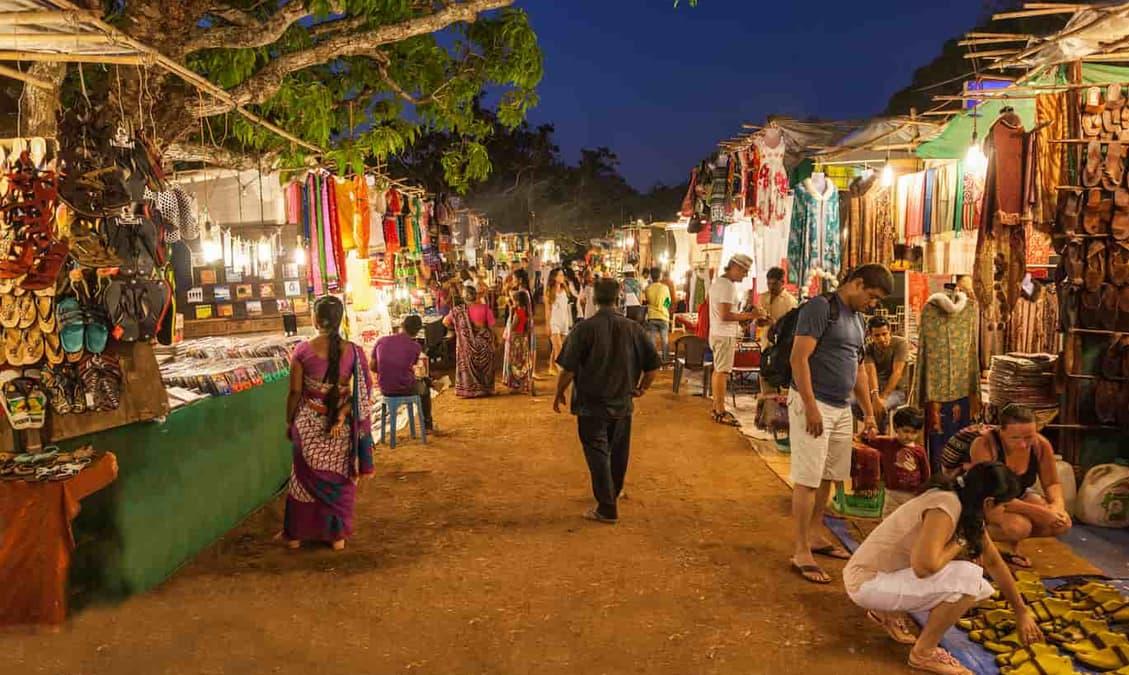
- Mapusa Friday Market: Located just a kilometer away, this is one of Goa's most authentic markets. From local spices and "Chourico" (Goan sausages) to handmade baskets and pottery, it is a shopper's paradise.
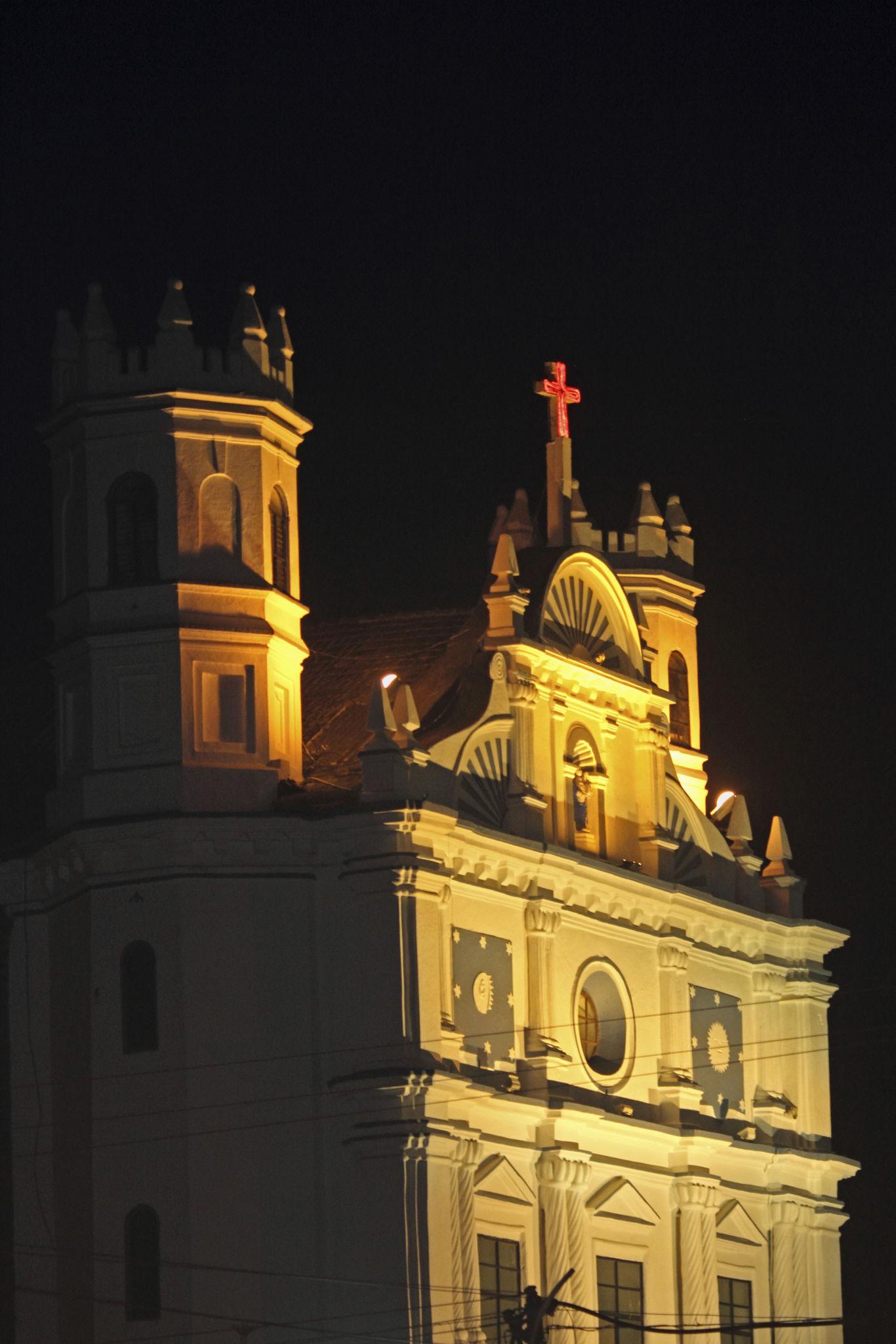
- St. Jerome's Church: Also known as Milagres Church, this historic church is famous for its feast which is celebrated by both Hindus and Christians, further highlighting the region's syncretism.
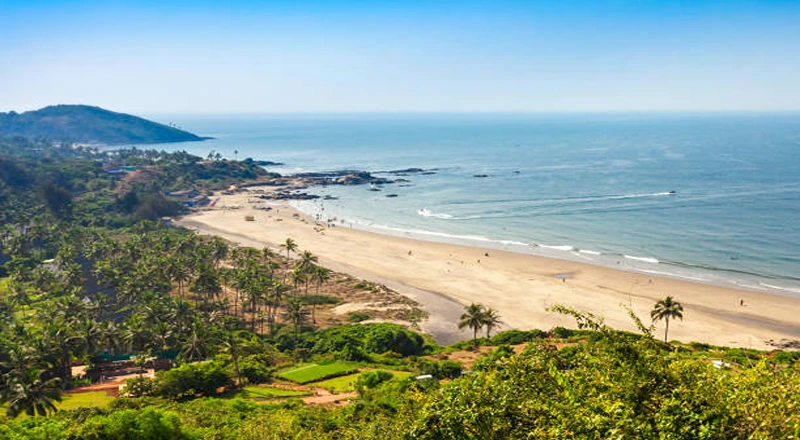
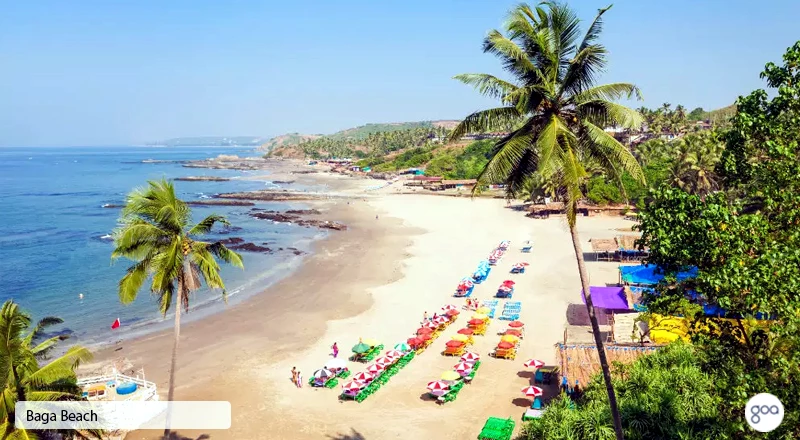
- Anjuna and Vagator Beaches: These iconic beaches are just a short drive away, offering a perfect contrast of sun and sand after your spiritual visit.
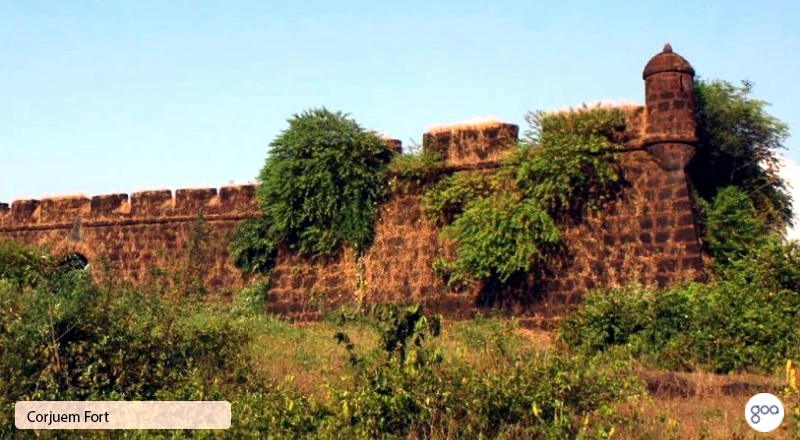
- Corjuem Fort: A lesser-known but beautiful inland fort offering panoramic views of the river and the Goan countryside.
- Assagao Village: Known as the "Village of Flowers," it is home to beautiful colonial villas and some of the best boutique cafes in Goa.
Photography & Visitor Guidelines
To maintain the sanctity of the temple and ensure a pleasant experience for everyone, please follow these guidelines:
- Silence: Maintain silence inside the main prayer hall. Avoid loud conversations or using mobile phones.
- Photography: Strictly no photography is allowed inside the Garbhagriha (sanctum sanctorum). Always ask for permission before taking photos of devotees or priests.
- Cleanliness: Do not litter. The temple committee takes great pride in the cleanliness of the premises.
- Offerings: Only offer items that are permitted. Avoid bringing plastic bags into the temple; use traditional baskets or paper bags for offerings.
- Respect Rituals: If a ritual is in progress, stand aside and observe quietly. Do not interrupt the priests.
- Donations: If you wish to donate, use the official "Hundi" (donation box) or visit the temple office to get a receipt for your contribution.
Where to Eat Nearby
Mapusa is a culinary hotspot for those who want to taste authentic Goan food. Here are some recommendations near the temple:
- Vinanti Restaurant: A legendary spot in Mapusa known for its traditional Goan Hindu "Thali" and snacks like "Batata Vada" and "Mirchi Bhajji."
- Hotel Satyaheera: Located near the bus stand, it offers a great view of the town and serves a wide variety of North Indian and Goan dishes.
- Ruchira: A popular choice for vegetarians, offering clean and delicious South Indian and local Goan vegetarian fare.
- The Local Street Food: During the Jatra, the stalls around the temple serve amazing "Gobi Manchurian," "Omelette Pao," and various local sweets.
- Starlight: A bit further out towards Assagao, this place is famous for its authentic Goan fish thali.
Accommodation Nearby
Since Mapusa is a transit and commercial hub, there are plenty of stay options ranging from budget to mid-range:
- Hotel Green Park: Located on the Mapusa-Panjim highway, this hotel offers comfortable rooms and a swimming pool, making it a good mid-range choice.
- Hotel Satyaheera: Ideal for budget travelers who want to be in the center of Mapusa town.
- Boutique Guest Houses in Assagao: For a more luxury or "slow travel" experience, stay in nearby Assagao (5 km away) in restored Portuguese villas.
- Beach Resorts: Since the beaches of Anjuna and Calangute are close by, many visitors choose to stay at beach resorts and visit the temple as a half-day trip.
Travel Tips
As a seasoned traveler in Goa, here are my top tips for visiting Bodgeshwar Temple:
- Hydration: Carry a bottle of water, especially if you are visiting during the day, as the coastal humidity can be draining.
- Timing the Market: If you visit on a Friday, combine your temple visit with the Mapusa Friday Market. Start early at the temple and then head to the market.
- Parking: There is ample parking space near the temple, but during the Jatra, it gets extremely crowded. It is better to use public transport or a two-wheeler during festival days.
- Respect Local Customs: You might see people walking barefoot or performing intense rituals. Observe with respect and avoid being intrusive.
- Language: While Konkani is the local language, most people understand English, Hindi, and Marathi.
Conclusion
The Bodgeshwar Temple is more than just a religious site; it is a cultural landmark that embodies the spirit of North Goa. It stands as a testament to the enduring faith of the local community and the timeless tradition of the guardian deity. Whether you are a spiritual seeker, a history buff, or a curious traveler, a visit to this temple offers a profound insight into the Goan way of life beyond the neon lights of the beaches. The sight of the white shikhara against the setting sun, the sound of the evening bells, and the palpable sense of peace make Bodgeshwar Temple a must-visit destination. As you leave the temple grounds, you carry with you not just the blessings of Kanakeshwar Baba, but a deeper appreciation for the spiritual tapestry that makes Goa truly unique. Plan your visit to this sanctuary of peace and discover the "Jagrut" energy that has protected Mapusa for generations.