Overview of Shree Lakshmi Ravalnath Temple
Nestled in the heart of the lush, emerald landscapes of Marcel, Goa, the Shree Lakshmi Ravalnath Temple stands as a profound testament to the spiritual resilience and cultural richness of the Goan people. Often referred to as the "Village of Temples," Marcel is home to several relocated deities that found refuge here during the tumultuous era of the Portuguese Inquisition. Among these, the Shree Lakshmi Ravalnath Temple is perhaps the most significant, serving as a spiritual anchor for thousands of devotees who trace their ancestral roots to the coastal talukas of Goa. This temple is not merely a structure of stone and mortar; it is a living chronicle of Goa’s complex history, where the divine feminine energy of Lakshmi meets the protective, guardian force of Ravalnath.
The temple is located in the Ponda taluka, a region often called the "Antruz Mahal" or the cultural capital of Goa. Unlike the sun-drenched beaches of the north or the bustling markets of the south, the area surrounding the Shree Lakshmi Ravalnath Temple offers a serene, meditative atmosphere. As you approach the temple complex, you are greeted by the rhythmic sounds of temple bells and the intoxicating scent of jasmine and incense. The temple serves as the Gramadevata (village deity) for many and the Kulaswamy (family deity) for several Goan Brahmin and Saraswat communities. It represents a unique syncretism of Vedic traditions and local folk beliefs, making it a cornerstone of Goan Hinduism. For a traveler, visiting this temple is an invitation to witness the "authentic Goa"—one that exists far beyond the tourist brochures, rooted in centuries-old traditions and a deep sense of community.
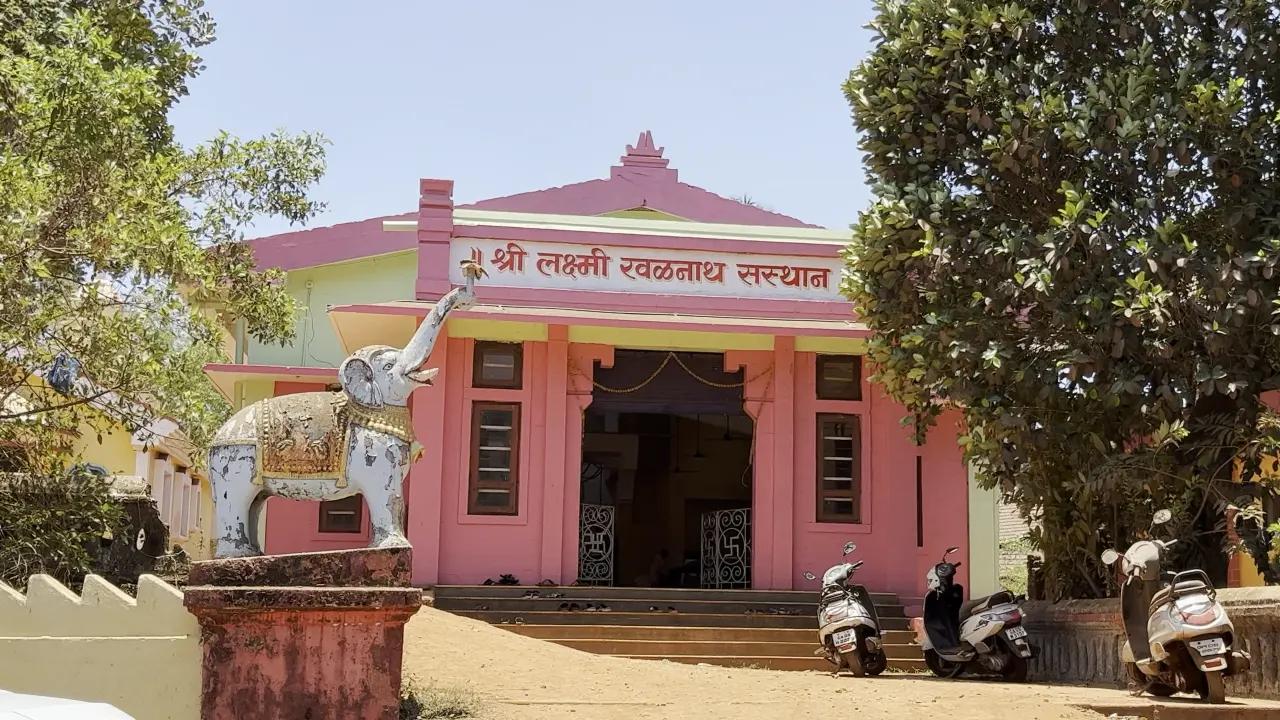
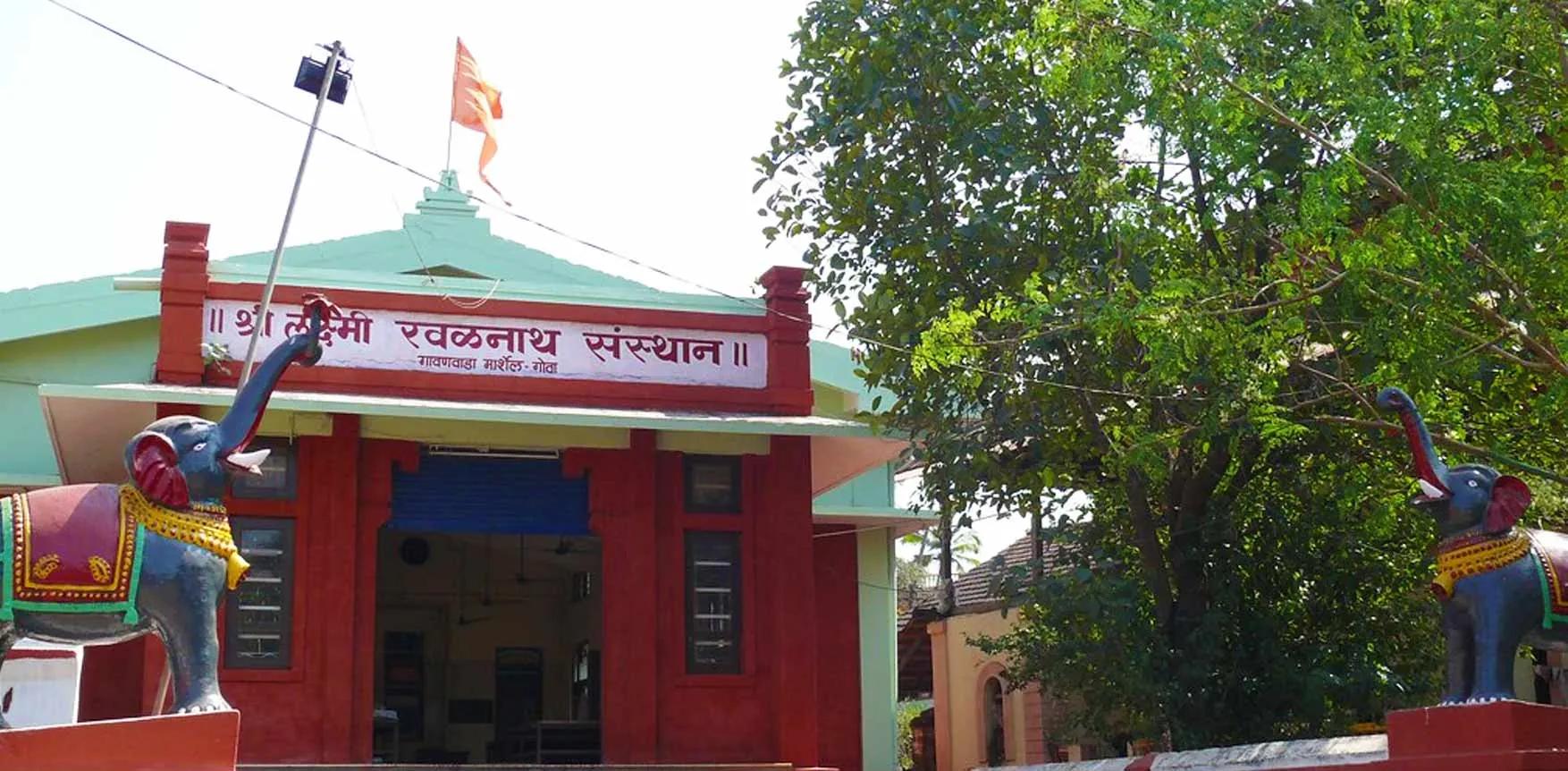
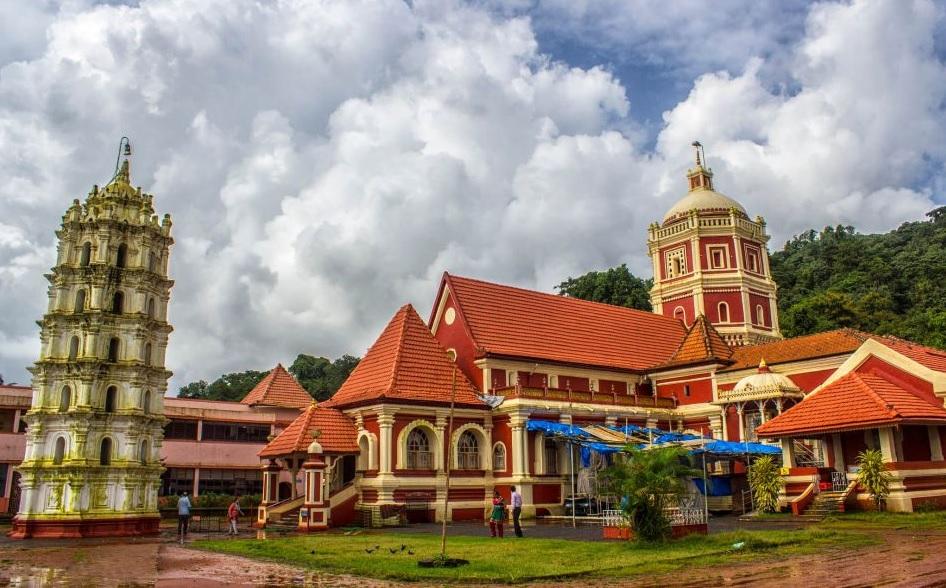
The temple complex is meticulously maintained, featuring a spacious courtyard, a majestic Deepstambha (lamp tower), and a sanctum sanctorum that radiates an aura of peace. Whether you are a spiritual seeker, a history enthusiast, or an admirer of traditional Indian architecture, the Shree Lakshmi Ravalnath Temple offers an immersive experience. It is a place where time seems to slow down, allowing visitors to reflect on the enduring power of faith and the beauty of Goan heritage. The surrounding village of Marcel itself is a delight to explore, with its narrow winding lanes and traditional houses that reflect the architectural evolution of the region over the last five centuries.
History & Religious Significance
The history of the Shree Lakshmi Ravalnath Temple is inextricably linked to the socio-political upheaval of the 16th century in Goa. Originally, the deity was enshrined in the village of Colva in the Salcete taluka. During the early years of Portuguese rule, specifically around the 1560s, a wave of religious persecution and the destruction of Hindu temples forced the local population to take drastic measures to protect their sacred idols. To prevent the desecration of their beloved deities, the devotees clandestinely moved the idols of Lord Ravalnath and Goddess Lakshmi across the river to the safety of the Adil Shahi territories, eventually settling in the secluded village of Marcel.
This migration is a pivotal chapter in Goan history, known as the "exodus of the gods." The fact that these deities survived the era of the Inquisition is a source of immense pride and devotion for the local community. The religious significance of the temple is multifaceted. Lord Ravalnath is considered a Khetrapal or a guardian deity who protects the land and its people from evil spirits and misfortune. In the Goan pantheon, Ravalnath is often associated with Lord Shiva, representing a powerful, protective aspect of the divine. The inclusion of Goddess Lakshmi alongside Ravalnath signifies the balance of protection and prosperity, ensuring that the devotees are both safe and abundant in their lives.
Over the centuries, the temple has undergone several renovations, evolving from a modest shrine into the grand structure we see today. However, despite the changes in the physical building, the core rituals and the sanctity of the space have remained unchanged. The temple plays a vital role in the social fabric of the region. It is the site of major life events for many families, including weddings, naming ceremonies, and ancestral rites. The historical narrative of the temple is passed down through generations via oral traditions, folk songs, and the annual reenactment of the deity's journey from Colva to Marcel. This history imbues the temple with a sense of "living heritage," where every stone tells a story of survival, faith, and the unbreakable bond between a community and its divine protectors.
Architecture of Shree Lakshmi Ravalnath Temple
The architecture of the Shree Lakshmi Ravalnath Temple is a quintessential example of the "Goan Temple Style," a unique aesthetic that emerged from the blending of indigenous Indian designs with Maratha influences and subtle Portuguese architectural nuances. As you enter the temple gates, the first thing that captures your attention is the Deepstambha or the 'Tower of Light.' This multi-storied octagonal tower is a hallmark of Goan temples. During festivals, hundreds of oil lamps are lit in the niches of this tower, creating a celestial glow that can be seen from a distance.
The main temple structure consists of several distinct parts: the Sabhamandapa (assembly hall), the Antarala (vestibule), and the Garbhagriha (sanctum sanctorum). The Sabhamandapa is a vast, airy hall supported by intricately carved wooden or stone pillars. The ceiling often features exquisite wood carvings depicting scenes from the Puranas and the Mahabharata. The use of wood is particularly significant in Goan temple architecture, reflecting the region's rich forest resources. The flooring is typically made of polished stone or marble, providing a cool surface for devotees to sit and meditate.
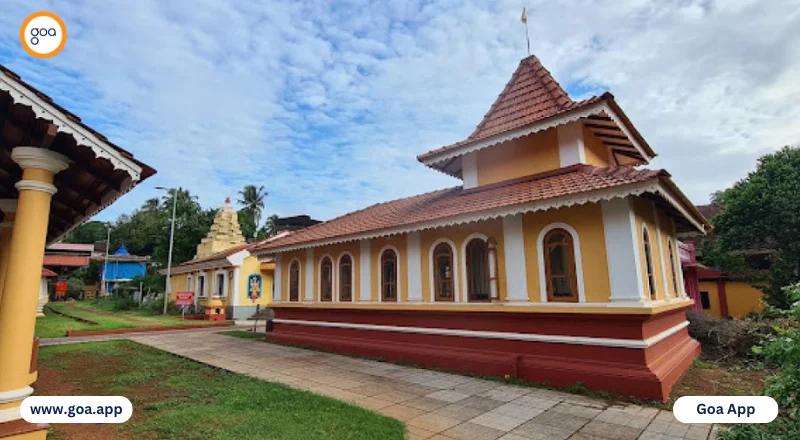
The exterior of the temple is characterized by its sloping roofs, which are designed to withstand the heavy Goan monsoons. These roofs are often covered with traditional red Mangalore tiles, which contrast beautifully with the white-washed walls of the temple. One of the most striking features is the Shikhara or the temple spire. Unlike the towering, ornate Shikharas of South Indian temples, the Goan Shikhara is often more restrained, sometimes topped with a dome that reflects an Indo-Saracenic influence, a common trait in Ponda’s temples. The walls are often adorned with Kaavi art—a traditional Goan form of mural painting using reddish-brown pigment derived from laterite soil. These murals depict floral patterns, mythological figures, and geometric designs, adding a layer of local artistic flair to the spiritual environment. The overall architectural layout is designed to lead the devotee from the outer, material world into the inner, spiritual realm of the deity, with the light and space gradually diminishing as one approaches the sanctum.
Main Deity / Spiritual Importance
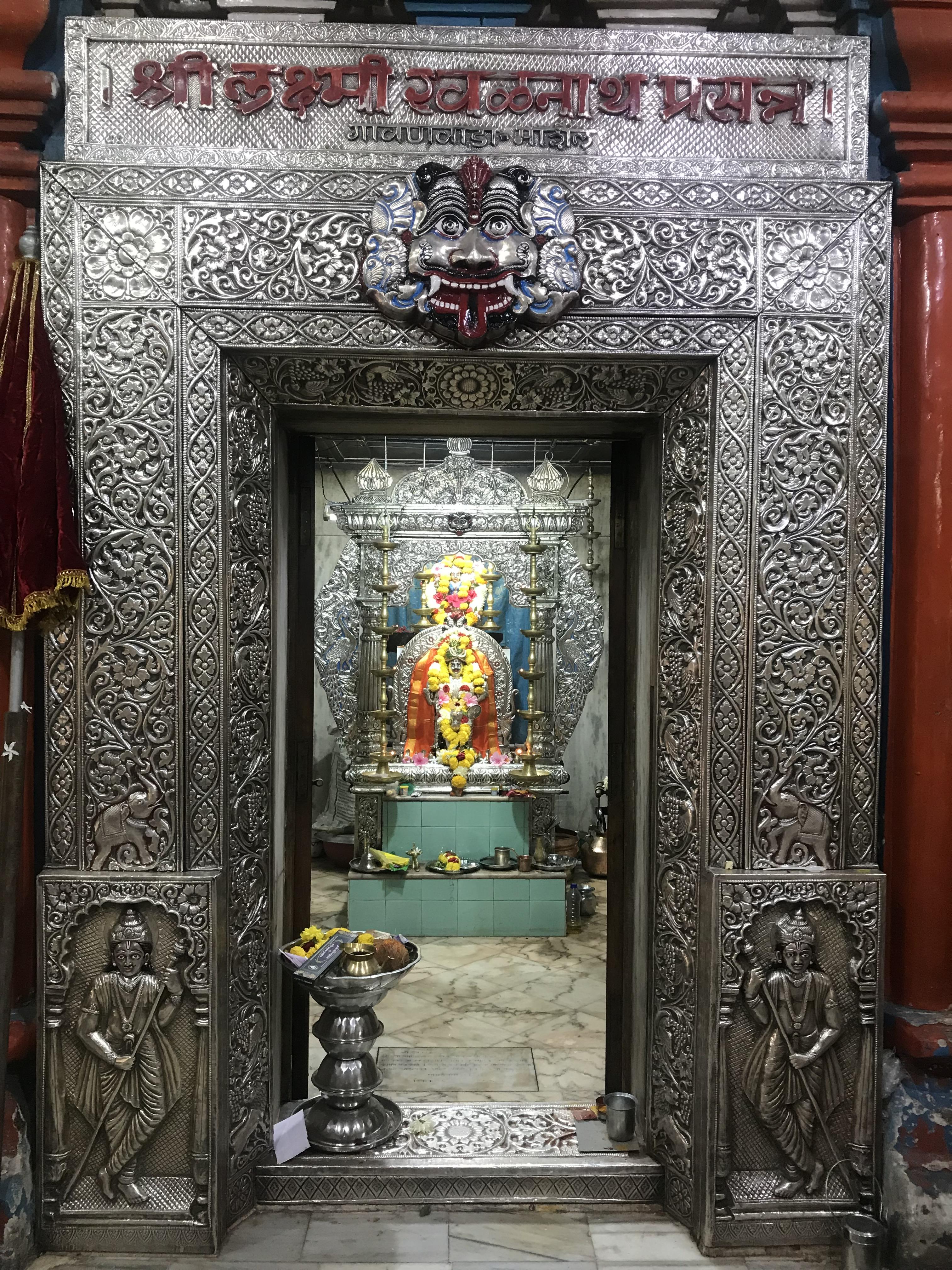
The presiding deities of the temple are Lord Ravalnath and Goddess Lakshmi. In the hierarchy of Goan deities, Lord Ravalnath holds a position of supreme importance. He is widely worshipped across the Konkan region as a guardian deity. Iconographically, Ravalnath is often depicted as a warrior god, standing tall with a sword (khadga) in one hand and a bowl (panapatra) in the other. He is sometimes shown mounted on a horse, symbolizing his role as a protector who patrols the village boundaries. His presence is believed to ward off diseases, calamities, and malevolent forces.
Goddess Lakshmi, the consort of Lord Vishnu, represents wealth, fortune, and beauty. In this temple, she is worshipped in her benevolent form, providing a softening contrast to the fierce, protective energy of Ravalnath. The spiritual importance of this duo lies in the concept of Purusha and Prakriti—the masculine and feminine energies that sustain the universe. Devotees believe that by worshipping Lakshmi and Ravalnath together, they achieve a harmonious life where they are protected from harm and blessed with the resources to thrive. For the local "Kulavis" (family members of the deity), the connection is deeply personal; the deity is viewed as a parental figure who oversees the welfare of the entire clan.
The spiritual atmosphere inside the sanctum is palpable. The idols are beautifully adorned with traditional Goan jewelry, including intricate gold necklaces (Vajratik) and floral garlands made of fresh marigolds and hibiscus. The daily rituals, known as Pooja and Abhishek, are performed with great precision by the temple priests. The chanting of Vedic mantras, combined with the rhythmic beating of the 'Ghumat' (a traditional Goan percussion instrument made of an earthen pot), creates a powerful vibrational field that many visitors find deeply moving. It is said that a prayer made with a pure heart at the feet of Lord Ravalnath never goes unanswered, making the temple a major pilgrimage site for those seeking divine intervention in their personal and professional lives.
Festivals & Celebrations
The Shree Lakshmi Ravalnath Temple becomes a vibrant hub of color, music, and devotion during its various annual festivals. The most significant of these is the Zatra (annual feast), which usually takes place in the winter months. During the Zatra, the entire village of Marcel is transformed. The deity is placed in a grand wooden chariot (Ratha) and pulled by hundreds of devotees through the streets in a magnificent procession. The air is filled with the sounds of traditional instruments, and the path is illuminated by fireworks and oil lamps. This event draws thousands of pilgrims from across Goa and neighboring states.
Another unique celebration in Marcel is the Sangodd. This is a water-based festival where boats are tied together to form a floating stage. Performers enact scenes from mythology, and the entire community gathers on the banks of the nearby river to watch. This festival highlights the deep connection between the Goan people and the water bodies that sustain them. Navratri is also celebrated with great fervor, dedicated to Goddess Lakshmi. For nine nights, the temple is alive with 'Bhajans' (devotional songs) and special 'Alankaras' (decorations) for the Goddess, culminating in the celebration of Dussehra.
Shigmo, the Goan version of Holi, is another time when the temple sees immense activity. Traditional folk dances like the 'Romta Mel' are performed in the temple courtyard, with dancers wearing colorful costumes and carrying tall banners. These festivals are not just religious events; they are social gatherings that reinforce community bonds. The 'Prasad' (holy food) served during these festivals is a highlight, featuring traditional Goan Hindu cuisine like 'Khatkhate' (a mixed vegetable stew) and'Sooji Halwa.' Participating in these celebrations offers a rare glimpse into the festive spirit of Goa, which is deeply rooted in its agrarian and spiritual traditions.
Best Time to Visit
To fully appreciate the beauty and spiritual essence of the Shree Lakshmi Ravalnath Temple, timing your visit is essential. The winter months (November to February) are undoubtedly the best time to visit. During this period, the weather in Goa is pleasant and mild, with temperatures ranging from 20°C to 30°C. This is also the season of many temple Zatras and festivals, allowing you to witness the temple in its full glory. The clear skies and cool breeze make it ideal for exploring the temple architecture and the surrounding village of Marcel without the discomfort of heat or humidity.
If you prefer a more contemplative and lush experience, the monsoon season (June to September) is a wonderful choice. Goa transforms into a verdant paradise during the rains. The drive to Ponda through the rain-soaked Western Ghats is breathtakingly beautiful. The temple complex, surrounded by dripping trees and the scent of wet earth, takes on a mystical quality. However, be prepared for heavy downpours which might limit your ability to explore the outdoor areas of the temple. The summer months (March to May) can be quite hot and humid, with temperatures often soaring above 35°C. If you visit during this time, it is best to go early in the morning or late in the evening to avoid the midday sun.
Timings, Entry Fee & Dress Code
The Shree Lakshmi Ravalnath Temple follows a strict schedule for its daily rituals, and visitors are encouraged to plan accordingly. The temple typically opens early in the morning at 6:00 AM and remains open until 12:30 PM. It then closes for the afternoon deities' rest and reopens at 4:00 PM, remaining accessible until 8:30 PM. The best time to experience the spiritual energy is during the morning 'Aarti' (around 7:30 AM) or the evening 'Aarti' (around 7:00 PM).
There is no entry fee to visit the temple. It is a place of worship open to all, regardless of caste, creed, or nationality. However, as it is a sacred site, a conservative dress code is strictly enforced. Both men and women should ensure that their shoulders and knees are covered.
- For Men: Long trousers or dhotis are preferred. Avoid wearing shorts or sleeveless shirts.
- For Women: Sarees, salwar kameez, or long skirts are recommended. Avoid wearing short dresses, sleeveless tops, or revealing clothing.
Visitors are required to remove their footwear before entering the temple premises. There are designated areas to keep your shoes safely. Maintaining silence and decorum inside the sanctum is essential to respect the devotees who are there for prayer and meditation.
How to Reach Shree Lakshmi Ravalnath Temple
The Shree Lakshmi Ravalnath Temple is located in Marcel, which is approximately 17 kilometers from the capital city, Panaji, and about 15 kilometers from the city of Ponda. Reaching the temple is relatively easy due to Goa's well-connected road network.
- By Road: You can hire a taxi or a self-drive car from Panaji, Mapusa, or Margao. The drive from Panaji takes about 30-40 minutes via the NH748. If you are coming from the coastal belt of North Goa (Calangute/Baga), it will take roughly an hour. Local buses also ply regularly between Panaji and Marcel, as well as Ponda and Marcel. The Marcel bus stand is within walking distance of the temple.
- By Rail: The nearest major railway station is Karmali (Kivim), which is about 10 kilometers away. From Karmali, you can take a rickshaw or a taxi to Marcel. Madgaon Junction is another option, though it is further away (about 30 km).
- By Air: The Dabolim Airport is approximately 35 kilometers from the temple, while the newer Manohar International Airport (Mopa) is about 50 kilometers away. Taxis are readily available at both airports.
The journey to the temple is scenic, passing through traditional Goan villages, paddy fields, and coconut groves, offering a glimpse into the rural life of the state.
Things to Do
While the primary reason for visiting the Shree Lakshmi Ravalnath Temple is spiritual, there are several activities you can engage in to make your visit more fulfilling:
- Attend the Evening Aarti: The evening ritual is a sensory experience with the sound of bells, the chanting of hymns, and the flickering light of oil lamps. It provides a deep sense of peace.
- Explore the Village of Marcel: Take a leisurely walk through the village. Marcel is unique because it houses several other temples like the Devaki Krishna Temple and the Shantadurga Kumbharjuvekarin Temple. It’s a great way to see various styles of Goan temple architecture in one go.
- Observe the Deepstambha: Spend some time admiring the intricate details of the lamp tower. If you visit during a festival, try to see it when it is fully lit.
- Photography (Exterior): While photography is usually prohibited inside the sanctum, the exterior of the temple and the surrounding landscape provide excellent subjects for photography.
- Interact with Locals: If you are respectful, the temple priests or local devotees are often happy to share stories about the temple’s history and the significance of the rituals.
- Meditation: Find a quiet corner in the Sabhamandapa to sit and meditate. The tranquil environment is perfect for introspection.
Nearby Attractions
The Ponda region is the heart of Goa's Hindu heritage, and a visit to the Shree Lakshmi Ravalnath Temple can be easily combined with several other nearby attractions:
- Shree Mangueshi Temple: Located about 10 km away in Priol, this is one of the most famous and largest temples in Goa, dedicated to Lord Shiva.
- Shree Shantadurga Temple: Situated in Kavlem (around 12 km away), this temple is dedicated to the goddess of peace and features a unique blend of Indo-Portuguese architecture.
- Sahakari Spice Farm: Just a short drive from Marcel, this farm offers guided tours where you can learn about various spices, enjoy a traditional Goan lunch, and even watch an elephant bath.
- Tropical Spice Plantation: Another excellent spice farm nearby that offers an immersive agricultural experience.
- Savoi Plantation: A historic 200-year-old spice plantation that provides a glimpse into traditional Goan farming techniques.
- Banastari Market: If you visit on a Friday, don't miss the traditional 'Zat' or market at Banastari, where locals sell fresh produce, spices, and traditional Goan snacks.
Photography & Visitor Guidelines
To ensure a respectful and pleasant visit for everyone, please adhere to the following guidelines:
- Photography: Photography and videography are strictly prohibited inside the inner sanctum (Garbhagriha). You may take photos of the temple exterior, the Deepstambha, and the surrounding gardens, but always be discreet and avoid using flash near people who are praying.
- Silence: Maintain a low volume when speaking. The temple is a place for quiet reflection.
- Mobile Phones: Keep your mobile phones on silent mode or switched off while inside the temple halls.
- Offerings: If you wish to make an offering, you can buy flowers, incense, or coconuts from the small stalls outside the temple. Only vegetarian offerings are permitted.
- Do Not Touch Idols: Visitors are not allowed to touch the main idols or enter the inner sanctum where the priests perform rituals.
- Cleanliness: Do not litter within the temple premises. Use the provided bins for any waste.
- Respect Rituals: If a ritual or ceremony is in progress, stand back and observe quietly without obstructing the path of the priests or devotees.
Where to Eat Nearby
Marcel and the surrounding Ponda area offer some fantastic options to savor authentic Goan Hindu cuisine. Unlike the seafood-heavy coastal areas, the food here often features local vegetables, lentils, and coconut-based curries.
- Local Eateries in Marcel: Small 'Khanavals' (eateries) near the temple serve simple but delicious 'Thalis' featuring rice, 'Sol Kadi' (a refreshing kokum and coconut milk drink), and various vegetable preparations.
- Spice Farm Restaurants: If you visit the Sahakari or Tropical spice farms, they offer a traditional Goan buffet served on banana leaves, which is highly recommended.
- Ponda Town: A 15-minute drive will take you to Ponda town, where you can find more established restaurants like Kamat’s or Farmhouse Restaurant, which serve a variety of Indian cuisines.
- Street Food: Try the local 'Mirchi Vada' (chilli fritters) or 'Samosas' from the small tea stalls around the Marcel bus stand for a quick snack.
Accommodation Nearby
While most visitors visit the Shree Lakshmi Ravalnath Temple as a day trip from the coastal areas, staying in the Ponda region offers a more peaceful and authentic experience.
- Eco-Resorts: There are several eco-resorts and farmstays near the spice plantations, such as Savoi Plantations or Dudhsagar Spa Resort (a bit further away), which offer a close-to-nature experience.
- Budget Hotels: Ponda town has several budget-friendly hotels and guesthouses that provide basic amenities for travelers.
- Panaji: Since Panaji is only 30-40 minutes away, many tourists prefer to stay in the capital city, which offers a wide range of luxury hotels, boutique stays, and hostels.
- Homestays: Look for local homestays in Marcel for a truly immersive experience where you can stay with a Goan family and enjoy home-cooked meals.
Travel Tips
To make the most of your trip to the Shree Lakshmi Ravalnath Temple, keep these tips in mind:
- Start Early: To avoid the afternoon heat and the crowds, aim to reach the temple by 8:00 AM.
- Carry Water: While there are shops nearby, it’s always good to have your own water bottle, especially during the summer.
- Footwear: Since you have to remove your shoes, wear easy-to-slip-off footwear like sandals or flip-flops.
- Combine with Other Temples: Ponda is home to many beautiful temples. Plan a "Temple Trail" to see Mangueshi, Shantadurga, and Nageshi on the same day.
- Respect Local Customs: Be mindful of the local traditions. If you see a procession or a ritual, observe with respect and follow the lead of the locals.
- Cash: While digital payments are becoming common, carry some cash for small purchases at the stalls or for making donations at the temple.
- Hire a Guide: If you are deeply interested in history, consider hiring a local guide who can explain the nuances of the temple’s architecture and the stories of the deities.
Conclusion
The Shree Lakshmi Ravalnath Temple is more than just a religious site; it is a sanctuary of Goan culture and a symbol of an enduring spiritual legacy. In its quiet halls and towering Deepstambha, one finds a connection to a past that refused to be erased and a faith that continues to flourish. The temple offers a unique perspective on Goa, showing a side of the state that is deeply spiritual, historically conscious, and community-driven. Whether you are drawn by the architectural beauty, the historical narrative of the 16th-century exodus, or a personal quest for peace, a visit to this temple in Marcel is a deeply rewarding experience. As the sun sets over the laterite hills of Ponda and the temple lamps begin to flicker, you realize that the true heart of Goa lies here—in its sacred spaces, its ancient traditions, and the unwavering devotion of its people. A trip to the Shree Lakshmi Ravalnath Temple is not just a visit; it is a journey into the soul of Goa.